Calories in Zucchini: Nutritional facts for Zucchini Types
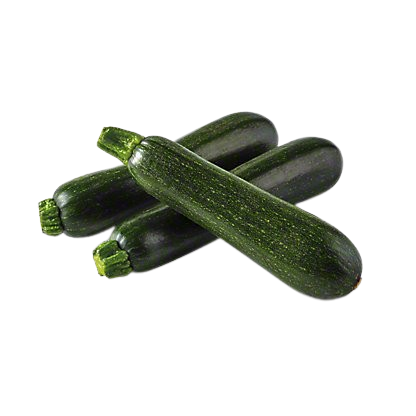
Calories in zucchini are low, varying by size and preparation. A 100 gram serving of raw zucchini contains just 17 calories. A medium raw zucchini, weighing 196g (6.91oz), provides 33 calories, while a large serving (323g or 11.39oz) offers 55 zucchini calories. A 100g (3.53oz) serving of boiled, drained zucchini has 21 calories. Zucchini nutrition is a source of vitamin C and vitamin B6. A 100g raw zucchini provides 17.9mg (20% DV) of vitamin C and 0.204mg (13% DV) of vitamin B6 (USDA FoodData Central). Zucchini also contains potassium and fiber. Zucchini nutrition facts offers health benefits such as aiding digestion due to high water and fiber content, and providing antioxidants like lutein and zeaxanthin which support eye health.
Common types of zucchini include green zucchini, golden zucchini, and round (Eight Ball) zucchini. Major global producers of zucchini and other summer squashes include China, India, and the USA. These countries, along with Mediterranean nations like Italy and Spain, are major consumers. Zucchini prices in the U.S. have shown a modest upward trend over the past 20 years, with retail prices per pound moving from $1.00-$1.50 in the early 2000s to $1.50-$2.50 or more in 2024. Zucchini is featured in dishes like Zucchini Noodles (Zoodles) at Noodles & Company, Ratatouille, or as a component in pasta dishes at restaurants like Olive Garden or The Cheesecake Factory.
The recommended daily consumption of vegetables, which can include zucchini, is 2.5 cups (310g or 10.9oz for chopped zucchini) for adults on a 2000-calorie diet, according to the Dietary Guidelines for Americans. A one-cup serving of chopped raw zucchini has 21 calories, which can be burned through activities like 4 minutes of light jogging or 5 minutes of swimming at a moderate intensity.
Zucchini nutrition
- Large Zucchini Calories (Nutritional Facts)
- Medium Zucchini Calories (Nutritional Facts)
- Small Zucchini Calories (Nutritional Facts)
- Raw Zucchini Nutrition
- Sodium in Zucchini
- Potassium in Zucchini
- Sugar in Zucchini
- Fiber in Zucchini
- Protein in Zucchini
- Carbs in Zucchini
- Fat in Zucchini
- Vitamins in Zucchini
- Minerals in Zucchini
Large Zucchini Calories (Nutritional Facts)
A large raw zucchini, weighing 323g (11.39oz), contains 55 calories, 3.9g of protein (8% DV), 1.03g of fat (1% DV), 10.05g of carbohydrates (4% DV), 3.2g of fiber (11% DV), 8.08g of sugar, and 25.84mg of sodium (1% DV). A large cooked, boiled, drained zucchini, weighing 323g (11.39oz), contains 68 calories, 4.17g of protein (8% DV), 0.94g of fat (1% DV), 12.1g of carbohydrates (4% DV), 3.55g of fiber (13% DV), 5.91g of sugar, and 9.69mg of sodium (0% DV).
A medium raw zucchini, weighing 196g (6.91oz), contains 33 calories, 2.37g of protein (5% DV), 0.63g of fat (1% DV), 6.1g of carbohydrates (2% DV), 1.96g of fiber (7% DV), 4.9g of sugar, and 15.68mg of sodium (1% DV). A medium cooked, boiled, drained zucchini, weighing 196g (6.91oz), contains 41 calories, 2.53g of protein (5% DV), 0.57g of fat (1% DV), 7.33g of carbohydrates (3% DV), 2.16g of fiber (8% DV), 3.59g of sugar, and 5.88mg of sodium (0% DV).
Small zucchini weighing 150g contains 26 calories, 1.82g of protein (4% DV), 0.48g of fat (1% DV), 4.67g of carbohydrates (2% DV), 1.5g of fiber (5% DV), 3.75g of sugar, and 12mg of sodium (1% DV). A small cooked, boiled, drained zucchini, weighing 150g (5.29oz), contains 32 calories, 1.94g of protein (4% DV), 0.43g of fat (1% DV), 5.6g of carbohydrates (2% DV), 1.65g of fiber (6% DV), 2.73g of sugar, and 4.5mg of sodium (0% DV).
A 100g (3.53oz) serving of raw zucchini contains 17 calories, 1.21g of protein (2% DV), 0.32g of fat (0% DV), 3.11g of carbohydrates (1% DV), 1g of fiber (4% DV), 2.5g of sugar, and 8mg of sodium (0% DV). One cup of chopped raw zucchini, weighing 124g (4.37oz), contains 21 calories, 1.5g of protein (3% DV), 0.4g of fat (1% DV), 3.86g of carbohydrates (1% DV), 1.24g of fiber (4% DV), 3.1g of sugar, and 9.92mg of sodium (0% DV). One cup of sliced raw zucchini, weighing 113g (3.99oz), contains 19 calories, 1.37g of protein (3% DV), 0.36g of fat (0% DV), 3.51g of carbohydrates (1% DV), 1.13g of fiber (4% DV), 2.83g of sugar, and 9.04mg of sodium (0% DV).
A 100g (3.53oz) serving of raw zucchini contains 8mg of sodium (0% DV). A large raw zucchini (323g or 11.39oz) contains 25.84mg of sodium (1% DV). A medium raw zucchini (196g or 6.91oz) contains 15.68mg of sodium (1% DV). A small raw zucchini (150g or 5.29oz) contains 12mg of sodium (1% DV).
A 100g (3.53oz) serving of raw zucchini contains 261mg of potassium (6% DV). A large raw zucchini (323g or 11.39oz) contains 843mg of potassium (18% DV). A medium raw zucchini (196g or 6.91oz) contains 512mg of potassium (11% DV). A small raw zucchini (150g or 5.29oz) contains 392mg of potassium (8% DV).
A 100g (3.53oz) serving of raw zucchini contains 2.5g of sugar. A large raw zucchini (323g or 11.39oz) contains 8.08g of sugar. A medium raw zucchini (196g or 6.91oz) contains 4.9g of sugar. A small raw zucchini (150g or 5.29oz) contains 3.75g of sugar.
A 100g (3.53oz) serving of raw zucchini contains 1g of fiber (4% DV). A large raw zucchini (323g or 11.39oz) contains 3.23g of fiber (12% DV). A medium raw zucchini (196g or 6.91oz) contains 1.96g of fiber (7% DV). A small raw zucchini (150g or 5.29oz) contains 1.5g of fiber (5% DV).
A 100g (3.53oz) serving of raw zucchini contains 1.21g of protein (2% DV). A large raw zucchini (323g or 11.39oz) contains 3.91g of protein (8% DV). A medium raw zucchini (196g or 6.91oz) contains 2.37g of protein (5% DV). A small raw zucchini (150g or 5.29oz) contains 1.82g of protein (4% DV).
A 100g (3.53oz) serving of raw zucchini contains 3.11g of carbohydrates (1% DV). A large raw zucchini (323g or 11.39oz) contains 10.05g of carbohydrates (4% DV). A medium raw zucchini (196g or 6.91oz) contains 6.1g of carbohydrates (2% DV). A small raw zucchini (150g or 5.29oz) contains 4.67g of carbohydrates (2% DV).
A 100g (3.53oz) serving of raw zucchini contains 0.32g of fat (0% DV). A large raw zucchini (323g or 11.39oz) contains 1.03g of fat (1% DV). A medium raw zucchini (196g or 6.91oz) contains 0.63g of fat (1% DV). A small raw zucchini (150g or 5.29oz) contains 0.48g of fat (1% DV).
A 100g (3.53oz) serving of raw zucchini provides 10µg RAE (1% DV) of vitamin A, 17.9mg (20% DV) of vitamin C, 0.12mg (1% DV) of vitamin E, 4.3µg (4% DV) of vitamin K, 0.045mg (4% DV) of thiamin, 0.094mg (7% DV) of riboflavin, 0.451mg (3% DV) of niacin, 0.204mg (13% DV) of vitamin B6, and 24µg DFE (6% DV) of folate.
A large raw zucchini (323g or 11.39oz) provides 32.3µg RAE (4% DV) of vitamin A, 57.8mg (64% DV) of vitamin C, 0.39mg (3% DV) of vitamin E, 13.9µg (12% DV) of vitamin K, 0.145mg (12% DV) of thiamin, 0.304mg (23% DV) of riboflavin, 1.46mg (9% DV) of niacin, 0.66mg (39% DV) of vitamin B6, and 77.5µg DFE (19% DV) of folate.
A 100g (3.53oz) serving of raw zucchini contains 16mg (1% DV) of calcium, 0.37mg (2% DV) of iron, 18mg (4% DV) of magnesium, 38mg (3% DV) of phosphorus, 261mg (6% DV) of potassium, and 0.32mg (3% DV) of zinc.
A large raw zucchini (323g or 11.39oz) contains 51.7mg (4% DV) of calcium, 1.2mg (7% DV) of iron, 58.1mg (14% DV) of magnesium, 122.7mg (10% DV) of phosphorus, 843mg (18% DV) of potassium, and 1.03mg (9% DV) of zinc.
Get a Custom Report on Zucchini Nutrition Data – Contact Us!
What are the Types of Zucchinis?
The types of zucchinis Are Green, Golden, Round, Costata Romanesco, Yellow Crookneck Squash, And Yellow Straightneck Squash. The nutritional and caloric profiles are very similar across these common green types. The table below details common zucchini and related summer squash.
| Type | Description | Calories (Approximate per 100g raw) | Calorie Qualifications |
|---|---|---|---|
|
Green Zucchini
|
Most common type, cylindrical, dark green skin, some varieties may have light green flecks. Mild flavor. | 17 calories | Standard calorie count for raw zucchini. Calorie content increases with cooking methods involving oil or added fats. High water content. |
|
Golden Zucchini
|
Similar shape to green zucchini but with a bright golden-yellow skin. Flavor is similar to green zucchini, perhaps slightly sweeter. | 17-20 calories | Calorie content is very similar to green zucchini. Nutritional profile is also very similar, though pigment differences mean slight variations in phytonutrients. |
|
Round Zucchini (Eight Ball)
|
Spherical or near-spherical shape, can be green or yellow. Often used for stuffing. Texture and flavor similar to cylindrical types. | 17-20 calories | Calorie content per 100g is comparable to standard zucchini. The way this type is prepared (e.g., stuffed with grains, meats, cheeses) will determine the final calorie count of the dish. |
|
Costata Romanesco (Heirloom)
|
Ribbed, pale green with darker green stripes. Known for a more robust, nuttier flavor and firmer texture than standard zucchini. | 17-20 calories | Calorie content is similar to other zucchini types. Valued for flavor and texture in culinary applications. |
|
Yellow Crookneck Squash
|
A type of summer squash, often grouped with zucchini. Has a curved neck and bumpy, yellow skin. Mild, slightly sweet flavor. | 19 calories | Slightly higher in calories than green zucchini per 100g raw, but still very low. Similar high water content and nutrient profile to zucchini. |
|
Yellow Straightneck Squash
|
Similar to crookneck but with a straight neck. Smooth or slightly bumpy yellow skin. | 19 calories | Calorie and nutritional profile very similar to yellow crookneck squash and comparable to zucchini. |
What are the Main Dishes with Zucchini?
Zucchini is a popular vegetable in many savory main courses, valued for zucchini's mild flavor and versatility. Nutritional information below represents typical preparations.
| Dish Name | Calories (Estimate per serving) | Type of Zucchini Used | Carbs (g) (Estimate) | Sugar (g) (Estimate) | Protein (g) (Estimate) | Fat (g) (Estimate) | Cuisine | Restaurants |
|---|---|---|---|---|---|---|---|---|
|
Zucchini Noodles (Zoodles) with Pesto/Marinara
|
200-450 (depending on sauce/additions) | Spiralized Green | 15-35 | 5-15 | 5-15 | 10-30 | Italian-inspired/Health-conscious | Noodles & Company |
|
Ratatouille
|
150-300 (as a side or light main) | Sliced/Diced Green | 15-25 | 5-12 | 3-7 | 8-18 | French | The Cheesecake Factory |
|
Stuffed Zucchini Boats
|
300-600 (depending on stuffing) | Halved Green | 20-40 | 5-10 | 15-30 | 15-35 | Italian/Mediterranean | Home-cooked meal. |
|
Zucchini Fritters/Patties
|
250-450 (per serving of 2-3) | Shredded Green | 15-25 | 2-5 | 5-10 | 18-35 | Mediterranean/American | Greek restaurants offer "Kolokithokeftedes" (zucchini fritters). |
|
Grilled Zucchini (as a side)
|
80-150 | Sliced Green | 5-10 | 2-5 | 2-4 | 6-12 | American/Various | LongHorn Steakhouse, Outback Steakhouse, The Capital Grille |
|
Zucchini in Stir-fries
|
300-550 (with protein & sauce) | Sliced/Diced Green | 25-45 | 8-18 | 20-35 | 10-25 | Asian | P.F. Chang's and Pei Wei Asian Kitchen |
What are the Deserts with Zucchini?
Zucchini is a versatile ingredient that can be incorporated into desserts, mainly in baked goods where zucchini adds moisture. These are more common in home baking or specialized bakeries rather than as standard dessert menu items in most widespread chain restaurants such as the ones listed below.
| Dish Name | Calories (Estimate per serving) | Type of Zucchini Used | Carbs (g) (Estimate) | Sugar (g) (Estimate) | Protein (g) (Estimate) | Fat (g) (Estimate) | Cuisine | Restaurants |
|---|---|---|---|---|---|---|---|---|
| Zucchini Bread/Muffins | 250-450 (per slice/muffin) | Shredded Green | 30-60 | 15-35 | 3-7 | 10-25 | American | Common in home baking. Some local cafes and bakeries may offer seasonally. Panera Bread has offered zucchini muffins or loaf cake seasonally in the past. Starbucks sometimes offers seasonal loaf cakes that might include zucchini. |
| Zucchini Brownies | 200-350 (per square) | Shredded Green | 25-45 | 15-30 | 2-5 | 10-20 | American | Primarily a home-baked item. Some health-conscious or specialty local bakeries might offer version, not a standard item in chain restaurants. |
| Zucchini Cake (e.g., with cream cheese frosting) | 350-600 (per slice) | Shredded Green | 40-70 | 25-50 | 4-8 | 15-35 | American | Common in home baking. Some local, independent bakeries or family-style restaurants might offer seasonal zucchini cakes, not a chain restaurant dessert. |
What Cuisines Prefer Zucchini the Most?
Zucchini is a highly adaptable vegetable, embraced by culinary traditions worldwide, especially in dishes where zucchini's mild flavor and tender texture are beneficial. The table below emphasizes some cuisines that prominently feature zucchini, typical dishes, the type of zucchini used, calorie estimates:
| Cuisine | Dish | Types of Zucchini | Calories (Estimate per serving) | Restaurant(s) |
|---|---|---|---|---|
|
Italian
|
Pasta with Zucchini (Primavera), Zucchini Fritti, Stuffed Zucchini | Green, Golden | 350-700 (Pasta/Stuffed), 250-400 (Fritti) | Olive Garden, Carrabba's Italian Grill, Eataly, local trattorias |
|
Mediterranean (General)
|
Grilled Zucchini, Zucchini Fritters (Kolokithokeftedes) | Green | 100-250 (Grilled), 250-450 (Fritters) | CAVA, Zoës Kitchen, local Greek & Middle Eastern eateries |
|
American
|
Grilled Zucchini (side dish), Zucchini Noodles (Zoodles) | Green, Golden | 80-200 (Grilled), 200-450 (Zoodles with sauce) | The Cheesecake Factory, Panera Bread, Noodles & Company, numerous casual dining spots |
|
American
|
Zucchini Bread/Muffins, Zucchini in vegetable medleys or casseroles | Green (shredded for baking) | 250-450 (Baked goods), 200-400 (Casseroles) | Local cafes, bakeries (e.g., Panera Bread for seasonal items) |
|
Mexican
|
Calabacitas (sautéed zucchini with corn, peppers, cheese) | Green | 150-350 | Chipotle (seasonal offerings), local Mexican restaurants |
Which Countries Produce the most Zucchinis?
The top producers of zucchini include China, India, Ukraine, and Russia. These nations have substantial agricultural sectors that cultivate a wide range of vegetables. The table below shows production quantities for "Pumpkins, squash and gourds," for leading countries from 2003 to 2022.
| Country | 2003 | 2004 | 2005 | 2006 | 2007 | 2008 | 2009 | 2010 | 2011 | 2012 | 2013 | 2014 | 2015 | 2016 | 2017 | 2018 | 2019 | 2020 | 2021 | 2022 |
|---|---|---|---|---|---|---|---|---|---|---|---|---|---|---|---|---|---|---|---|---|
| China | 5679150 | 5908000 | 6137000 | 6366000 | 6595000 | 6691000 | 6787000 | 6883000 | 6979000 | 7075000 | 7171000 | 7303000 | 7435000 | 7567000 | 7700000 | 7832000 | 7965000 | 8100000 | 8230000 | 8360000 |
| India | 3500000 | 3500000 | 3500000 | 4083730 | 4174400 | 4265070 | 4355740 | 4446410 | 4537080 | 4627750 | 4718420 | 5073610 | 5228799 | 5383988 | 5539177 | 5694366 | 5849555 | 6004744 | 6159933 | 6315122 |
| Ukraine | 938400 | 1073400 | 1033700 | 1026000 | 905900 | 1107000 | 1209000 | 1242000 | 1323000 | 1297000 | 1271000 | 1190000 | 1109000 | 1028000 | 947000 | 866000 | 785000 | 704000 | 623000 | 542000 |
| Russia | 846000 | 862000 | 878000 | 894000 | 910000 | 926000 | 942000 | 958000 | 974000 | 990000 | 1006000 | 1022000 | 1038000 | 1054000 | 1070000 | 1086000 | 1102000 | 1118000 | 1134000 | 1150000 |
| USA | 799550 | 807010 | 814470 | 821930 | 829390 | 836850 | 844310 | 851770 | 859230 | 866690 | 874150 | 999910 | 1007370 | 1014830 | 1022290 | 1029750 | 1037210 | 1044670 | 1052130 | 1059590 |
| Mexico | 455000 | 460000 | 465000 | 470000 | 475000 | 480000 | 485000 | 490000 | 495000 | 500000 | 505000 | 522461 | 539922 | 557383 | 574844 | 592305 | 609766 | 627227 | 644688 | 662149 |
| Italy | 545106 | 540000 | 535000 | 530000 | 525000 | 520000 | 515000 | 510000 | 505000 | 500000 | 495000 | 556937 | 560000 | 562000 | 597650 | 600000 | 601000 | 520000 | 525000 | 530000 |
| Spain | 380000 | 385000 | 390000 | 395000 | 400000 | 405000 | 410000 | 415000 | 420000 | 425000 | 430000 | 611600 | 630000 | 650000 | 700000 | 710000 | 715000 | 735400 | 740000 | 745000 |
Which Countries Consume the Most Zucchinis?
The top consumers of zucchini include countries like China, India, the USA, and Mediterranean countries like Italy and Spain. The table below shows food supply quantities for "Pumpkins, squash and gourds," which includes zucchini, for selected leading consuming countries from 2003 to 2021.
| Country | 2003 | 2004 | 2005 | 2006 | 2007 | 2008 | 2009 | 2010 | 2011 | 2012 | 2013 | 2014 | 2015 | 2016 | 2017 | 2018 | 2019 | 2020 | 2021 |
|---|---|---|---|---|---|---|---|---|---|---|---|---|---|---|---|---|---|---|---|
| China | 5111235 | 5317200 | 5523165 | 5729130 | 5935095 | 6022000 | 6108905 | 6195810 | 6282715 | 6369620 | 6456525 | 6572700 | 6688875 | 6805050 | 6921225 | 7037400 | 7153575 | 7270000 | 7385000 |
| India | 3325000 | 3325000 | 3325000 | 3879544 | 3965680 | 4051816 | 4137952 | 4224088 | 4310224 | 4396360 | 4482496 | 4820000 | 4967359 | 5114718 | 5262077 | 5409436 | 5556795 | 5704154 | 5851513 |
| USA | 679618 | 685959 | 692299 | 698640 | 704980 | 711321 | 717661 | 724002 | 730342 | 736683 | 743023 | 849924 | 856264 | 862605 | 868945 | 875286 | 881626 | 887967 | 894307 |
| Russia | 761400 | 775800 | 790200 | 804600 | 819000 | 833400 | 847800 | 862200 | 876600 | 891000 | 905400 | 919800 | 934200 | 948600 | 963000 | 977400 | 991800 | 1006000 | 1020000 |
| Italy | 517851 | 513000 | 508150 | 503300 | 498450 | 493600 | 488750 | 483900 | 479050 | 474200 | 469350 | 529090 | 532000 | 534000 | 567768 | 570000 | 571000 | 494000 | 498750 |
| Spain | 342000 | 346500 | 351000 | 355500 | 360000 | 364500 | 369000 | 373500 | 378000 | 382500 | 387000 | 550440 | 567000 | 585000 | 630000 | 639000 | 643500 | 661860 | 666000 |
| Mexico | 409500 | 414000 | 418500 | 423000 | 427500 | 432000 | 436500 | 441000 | 445500 | 450000 | 454500 | 470215 | 485930 | 501644 | 517359 | 533074 | 548788 | 564503 | 580218 |
How Do the Prices of Zucchini-including Dishes Change?
Zucchini is an inexpensive vegetable, especially in season, so its cost is not the primary driver of menu price increases for dishes where zucchini is one component among others (like protein, grains, or other vegetables). Price changes for such dishes are influenced by overall operating costs for restaurants (labor, rent, energy) and the cost of more expensive ingredients in the dish such as the ones listed below:
| Restaurant | Dish | Old Price (Year) | Current Price (2024/2025) |
|---|---|---|---|
| Olive Garden | Zuppa Toscana (contains zucchini, among other vegetables) | $5.99 (Bowl - 2010) | $8.79 - $9.49 (Bowl) |
| Noodles & Company | Zucchini Pesto Cream with Grilled Chicken | $8.50 (Regular - 2018, when Zoodles launched) | $8.15 - $9.15 (Regular) |
| P.F. Chang's | Vegetarian Lettuce Wraps (often includes diced zucchini) | $9.95 (2012) | $9.50 - $17.29 |
| The Cheesecake Factory | Evelyn's Favorite Pasta (includes zucchini) | $15.95 (2010) | $21.95 - $23.95 |
How Does the Price of Zucchini Change for the Last 20 Years?
Fresh zucchini retail prices per pound in the U.S. have generally seen a modest upward trend. In the early 2000s, prices might have averaged $1.00 to $1.50 per pound. By the early 2010s, average prices were often in the $1.25 to $1.75 per pound range. In more recent years (late 2010s to early 2020s), retail prices for zucchini have commonly been between $1.50 and $2.50 per pound, with organic varieties commanding higher prices, sometimes $2.50 to $3.50 per pound or more. The lowest prices for zucchini are found during the peak summer growing season when local supply is abundant. The highest prices tend to occur during off-seasons when supply relies more on imports from regions like Mexico or on greenhouse production. Production of summer squash, including zucchini, in the USA has been relatively stable, with some yearly variations. Consumption has also remained fairly steady.
What is the Zucchini Calorie for 100 Grams?
A 100g serving of raw zucchini contains 17 calories. A 100g serving of cooked, boiled, drained zucchini contains 21 calories.
What is the Zucchini Calorie for 1 KG?
One kilogram (1000g) of raw zucchini contains 170 calories. One kilogram (1000g) of cooked, boiled, drained zucchini contains 210 calories.
What is the Calorie of 1 Zucchini?
A large raw zucchini (323g or 11.39oz) contains 55 calories. A large cooked, boiled, drained zucchini (323g or 11.39oz) contains 68 calories. A medium raw zucchini (196g or 6.91oz) contains 33 calories. A medium cooked, boiled, drained zucchini (196g or 6.91oz) contains 41 calories. A small raw zucchini (150g or 5.29oz) contains 26 calories. A small cooked, boiled, drained zucchini (150g or 5.29oz) contains 32 calories.
What are the Health Benefits of Zucchini?
Zucchini benefits come from its rich nutrient and antioxidant profile. The key health benefits of zucchini are detailed below:
- Rich in Antioxidants: Zucchini contains antioxidants, including carotenoids like lutein and zeaxanthin, which are beneficial for eye health and protecting cells from oxidative damage. (Seddon JM, Ajani UA, Sperduto RD, et al., 1994, Dietary carotenoids, vitamins A, C, and E, and advanced age-related macular degeneration)
- Supports Digestive Health: Zucchini has a high water content and provides dietary fiber, both of which aid in healthy digestion, promote regular bowel movements, and can help prevent constipation. (Yang J, Wang HP, Zhou L, Xu CF., 2012, Effect of dietary fiber on constipation: a meta-analysis)
- May Aid in Blood Sugar Control: The low carbohydrate and high fiber content of zucchini can help stabilize blood sugar levels, making zucchini a good food choice for individuals looking to manage blood glucose. (Weickert MO, Pfeiffer AFH., 2008, Metabolic effects of dietary fiber consumption and prevention of diabetes)
- Contributes to Heart Health: Zucchini contains potassium, a mineral important for maintaining healthy blood pressure levels. The fiber content may also help lower cholesterol levels. (Aburto NJ, Hanson S, Gutierrez H, Hooper L, Elliott P, Cappuccio FP., 2013, Effect of increased potassium intake on cardiovascular risk factors and disease: systematic review and meta-analyses)
What are the Downsides of Zucchini?
Zucchini is a healthy vegetable, but some considerations exist for certain individuals. These potential aspects are outlined below:
- Bitter Taste and Cucurbitacins: Rarely, zucchini can be unusually bitter due to high levels of cucurbitacins, natural compounds found in squash. Consuming very bitter zucchini can cause stomach cramps, diarrhea, and vomiting. This is uncommon in commercially grown zucchini. If a zucchini tastes exceptionally bitter, discarding the vegetable is advisable. A daily suggested amount for general consumption, such as one to two medium zucchinis, is safe when the vegetable is not bitter. (Sharma, A., & Sharma, R., 2019, Toxic squash syndrome: A case series of cucurbit poisoning)
- Potential for Digestive Discomfort in Some: While fiber is beneficial, a sudden large increase in fiber intake from foods like zucchini can cause gas, bloating, or abdominal discomfort in individuals not accustomed to a high-fiber diet. Gradually increasing fiber intake and ensuring adequate water consumption can help. An alternative vegetable with a different fiber profile, like cooked bell peppers, could be considered if zucchini causes discomfort. (McRorie Jr, J. W., & McKeown, N. M., 2017, Understanding the physics of functional fibers in the gastrointestinal tract: An evidence-based approach to resolving enduring misconceptions about insoluble and soluble fiber)
Is Zucchini Good for You?
Yes, zucchini is good for consumption because zucchini provides essential nutrients, antioxidants, and fiber that support overall health. Many people eat zucchini raw, and doing so preserves some heat-sensitive nutrients. Zucchini’s high water and fiber content promote digestive health and regularity (Yang J, et al., 2012, Effect of dietary fiber on constipation: a meta-analysis). The presence of antioxidants like lutein and zeaxanthin in zucchini supports eye health and protects against age-related eye conditions (Seddon JM, et al., 1994, Dietary carotenoids, vitamins A, C, and E, and advanced age-related macular degeneration). Zucchini’s potassium content can aid in maintaining healthy blood pressure levels, which is beneficial for heart health (Aburto NJ, et al., 2013, Effect of increased potassium intake on cardiovascular risk factors and disease: systematic review and meta-analyses). The low calorie and carbohydrate profile, combined with fiber, also makes zucchini a suitable food for blood sugar management and weight control.
How Do Calories Change According to Zucchini Types?
The calorie content of zucchini and closely related summer squashes shows minimal variation among the common types like green zucchini, golden zucchini, round zucchini, or heirloom varieties like Costata Romanesco when comparing raw forms, all contain 17 to 20 calories per 100g. Yellow crookneck and straightneck squashes are also in this low-calorie range, around 19 calories per 100g raw. The most significant changes in calorie content arise from the preparation method. Raw zucchini represents the lowest calorie form. Cooking methods such as boiling or steaming cause a slight increase in calories per 100g due to water loss and nutrient concentration (e.g., boiled zucchini has about 21 calories per 100g). Methods that incorporate fats or oils, like sautéing, frying, or baking with added ingredients, will increase the final calorie count of any zucchini dish, regardless of the specific zucchini type.
Do Zucchini Macros Change When Cooked?
Yes, the zucchini macros profile changes when cooked, due to water loss which concentrates the remaining nutrients per 100g. A 100g serving of raw zucchini contains 17 calories, 1.21g of protein, 3.11g of carbohydrates, and 0.32g of fat. The cooked zucchini nutrition for a 100g serving of boiled, drained zucchini shows 21 calories, 1.42g of protein, 3.96g of carbs in zucchini cooked, and 0.36g of fat. The calorie difference is small, an increase of 4 calories per 100g when boiled. Protein, carbohydrate, and fat amounts all show slight increases per 100g in the cooked version due to the reduction in water content making these nutrients more concentrated by weight.
What is the Origin of Zucchini?
Zucchini (Cucurbita pepo) is a type of summer squash with origins in the Americas. While wild squash varieties are native to Mesoamerica, the specific development of the tender, immature fruit we recognize as zucchini occurred much later, in Italy, likely in the late 19th century. Early forms of squash were cultivated in the Americas for thousands of years, valued for seeds and flesh. Columbus and other European explorers introduced various squash varieties to Europe. In Italy, through selection and cultivation, the elongated, green, immature summer squash now known as zucchini was developed. Italian immigrants are credited with bringing zucchini to the United States in the early 20th century.
Initially, zucchini was not widely known in America but gained popularity over time. Dishes like fried zucchini or zucchini incorporated into pasta sauces reflect zucchini's Italian heritage. The French dish ratatouille, which prominently features zucchini alongside eggplant and tomatoes, showcases zucchini's adoption into European cuisine. Today, zucchini is cultivated globally and used in a multitude of dishes reflecting diverse culinary influences, from simple grilled preparations to being a key ingredient in baked goods and noodle substitutes.