Calories in Worcestershire Sauce: Nutritional facts for Worcestershire Sauce Types
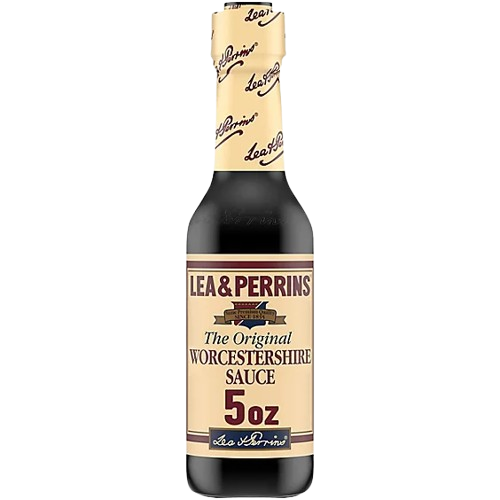
Worcestershire sauce is low in calories, with a standard one-teaspoon serving (5ml) of a classic brand like Lea & Perrins containing only 5 calories. A 100g (3.5 oz) portion of this sauce provides 80 calories. Worcestershire sauce nutrition facts indicate that it is not a significant source of macronutrients like protein or fat (both 0g per 100g), with its caloric content primarily derived from carbohydrates, which amount to 20g per 100g (7% Daily Value), including 16.9g of sugars. It does contain a high concentration of sodium at 1099mg per 100g (48% DV). While individual ingredients in Worcestershire sauce like garlic and tamarind have antioxidant properties, the overall contribution from a typical serving size is minimal in the context of daily nutritional needs. Studies on dietary components often require significant intake to observe health effects, unlike condiment use (Block, G., et al., 1992).
The calories in Worcestershire sauce remain low across various types, including classic, gluten-free, and vegan versions, often 5 calories per teaspoon. The United Kingdom is the origin and a key producer of the iconic Lea & Perrins sauce, with significant production of Worcestershire-style sauces also occurring in the USA and Japan. These countries, along with Canada and Australia, are major consumers. The price of Worcestershire sauce has seen a gradual increase over the past 20 years, with a 10 fl oz bottle of Lea & Perrins that retailed for $2.00 to $3.00 in 2005 now costs $3.50 to $5.00 (2024).
Worcestershire sauce is a popular ingredient in dishes like Caesar salad dressing at Olive Garden, meatloaf at Cracker Barrel, and as a component in Bloody Mary cocktails served at TGI Fridays. Given its primary role as a flavor enhancer and its high sodium content, Worcestershire sauce should be used sparingly.
Worcestershire Sauce nutrition
- Large Bottle Worcestershire Sauce Calories (Nutritional Facts)
- Raw Worcestershire Sauce Nutrition
- Sodium in Worcestershire Sauce
- Potassium in Worcestershire Sauce
- Sugar in Worcestershire Sauce
- Fiber in Worcestershire Sauce
- Protein in Worcestershire Sauce
- Carbs in Worcestershire Sauce
- Fat in Worcestershire Sauce
- Vitamins in Worcestershire Sauce
- Minerals in Worcestershire Sauce
Large Bottle Worcestershire Sauce Calories (Nutritional Facts)
A large bottle of Worcestershire sauce like the Lea & Perrins The Original Worcestershire Sauce (20 fl oz) contains 560 calories for the entire bottle based on 80 calories per 100g. This entire bottle also provides 0g of protein, 140g of total carbohydrates, and 0g of total fat.
Worcestershire sauce is a fermented liquid condiment and is consumed in its "raw" or as-is state; it is not typically cooked further as a standalone ingredient before consumption in the way a raw vegetable might be. A 100g (3.5 oz) serving of Lea & Perrins The Original Worcestershire Sauce contains 80 calories. This portion also provides 0g of protein, 20g of total carbohydrates, and 0g of total fat.
One teaspoon (5ml or 5.9g, 0.21 oz) of Lea & Perrins The Original Worcestershire Sauce contains 65mg of sodium (3% DV). A 100g (3.5 oz) serving of this sauce provides 1099mg of sodium (48% DV).
One teaspoon (5ml or 5.9g, 0.21 oz) of Lea & Perrins The Original Worcestershire Sauce contains 25mg of potassium (1% DV). A 100g (3.5 oz) serving of this sauce provides 423mg of potassium (9% DV).
One teaspoon (5ml or 5.9g, 0.21 oz) of Lea & Perrins The Original Worcestershire Sauce contains 1g of total sugars. A 100g (3.5 oz) serving of this sauce provides 16.9g of total sugars.
One teaspoon (5ml or 5.9g, 0.21 oz) of Lea & Perrins The Original Worcestershire Sauce contains 0g of dietary fiber (0% DV). A 100g (3.5 oz) serving of this sauce also provides 0g of dietary fiber.
One teaspoon (5ml or 5.9g, 0.21 oz) of Lea & Perrins The Original Worcestershire Sauce contains 0g of protein (0% DV). A 100g (3.5 oz) serving of this sauce also provides 0g of protein.
One teaspoon (5ml or 5.9g, 0.21 oz) of Lea & Perrins The Original Worcestershire Sauce contains 1g of total carbohydrates (0% DV). A 100g (3.5 oz) serving of this sauce provides 20g of total carbohydrates (7% DV).
One teaspoon (5ml or 5.9g, 0.21 oz) of Lea & Perrins The Original Worcestershire Sauce contains 0g of total fat (0% DV). A 100g (3.5 oz) serving of this sauce also provides 0g of total fat.
Worcestershire sauce is not a significant source of most vitamins. A 100g (3.5 oz) serving of Lea & Perrins The Original Worcestershire Sauce contains very small, nutritionally insignificant amounts of B vitamins like niacin or pantothenic acid, typically less than 2% DV. It contains 0.2mg of Vitamin C (0% DV).
A 100g (3.5 oz) serving of Lea & Perrins The Original Worcestershire Sauce contains high levels of sodium at 1099mg (48% DV). It provides potassium at 423mg (9% DV). Other minerals such as calcium (51mg, 5% DV) and iron (0.5mg, 3% DV) are present in smaller amounts.
Get a Custom Report on Worcestershire Sauce Nutrition Data – Contact Us!
What are the Types of Worcestershire Sauce?
There are several variations of Worcestershire sauce available, catering to different dietary needs and flavor preferences, although the original Lea & Perrins remains the benchmark. The table below shows some common types and their general calorie information.
| Type | Description | Calories (per 1 tsp / ~5ml or 5-6g) | Calorie Qualifications |
|---|---|---|---|
|
Classic/Original Worcestershire Sauce
|
The traditional recipe, often containing anchovies, tamarind, molasses, vinegar, sugar, and various spices. | 5 | Standard low-calorie flavor enhancer. Example: Lea & Perrins. |
|
Gluten-Free Worcestershire Sauce
|
Made without malt vinegar or other gluten-containing ingredients, often using distilled white vinegar or apple cider vinegar. | 5 | Similar calorie content to classic versions; ingredient substitution does not significantly alter calories. |
|
Vegan/Vegetarian Worcestershire Sauce
|
Formulated without anchovies or other animal-derived ingredients, using plant-based sources for umami flavor. | 5 | Calorie content is typically similar to the classic version. |
|
Low-Sodium Worcestershire Sauce
|
Specifically made with reduced salt content. | 5 | Calories are generally the same as classic; sodium reduction doesn't impact caloric value. |
|
White Worcestershire Sauce
|
A milder, lighter-colored version, often without molasses or tamarind, may include white wine vinegar or citrus. | 5-10 | May be slightly higher in calories if it contains more sugar or fruit-based ingredients. |
|
Spicy Worcestershire Sauce
|
Classic recipe with added chili peppers or other heat-inducing spices. | 5 | Added spices for heat do not significantly change the low calorie count. |
What are the Main Dishes with Worcestershire Sauce?
Some of the most widespread main dishes that contain Worcestershire sauce include Caesar salad dressing, meatloaf, and various beef stews or shepherd's pie. The table below lists main dishes where Worcestershire sauce is a common flavoring agent, along with estimated nutritional information for the dish (which varies greatly based on all ingredients):
| Dish Name | Calories (per serving) | Type of Worcestershire Used (Classic) | Carbs (g) (Dish) | Sugar (g) (Dish) | Protein (g) (Dish) | Fat (g) (Dish) | Cuisine | Restaurants |
|---|---|---|---|---|---|---|---|---|
|
Caesar Salad (in dressing)
|
300-500 (with chicken) | Classic | 5-15 | 1-3 | 20-35 | 20-35 | American, International | Olive Garden, Panera Bread, Applebee's, Chili's, The Cheesecake Factory |
|
Meatloaf
|
300-500 (slice) | Classic | 15-30 | 8-15 | 25-40 | 15-30 | American Comfort Food | Cracker Barrel, Boston Market, Bob Evans, various diners |
|
Beef Stew/Shepherd's Pie
|
400-700 | Classic | 30-50 | 5-10 | 25-40 | 15-30 | British, Irish, American | Local pubs, family-style restaurants, e.g., O'Charley's (Shepherd's Pie) |
|
Steak Marinades/Sauces (e.g., A1-style)
|
Steak: Varies | Classic | Sauce: 2-5 | Sauce: 1-4 | Steak: Varies | Steak: Varies | American Steakhouse | Outback Steakhouse, LongHorn Steakhouse (often in their proprietary steak sauces) |
|
Hamburgers/Meatballs (in meat mixture)
|
300-600 (burger) | Classic | 30-45 | 5-10 | 15-30 | 15-30 | American | Red Robin Gourmet Burgers (some specialty burgers), often homemade recipes |
|
Bloody Mary (Cocktail)
|
120-200 | Classic | 5-10 | 3-7 | 1-2 | 0-1 | International Cocktail | TGI Fridays, Chili's, most bars and brunch spots |
|
Deviled Eggs (in filling)
|
70-100 (per half) | Classic | <1-2 | <1 | 3-5 | 5-8 | American | Cracker Barrel (seasonal), various potluck-style eateries |
|
Welsh Rarebit
|
400-600 | Classic | 25-40 | 3-6 | 15-25 | 20-30 | British | British-style pubs (less common in US chains) |
|
Barbecue Sauce (as an ingredient)
|
Sauce: 40-80 (2 tbsp) | Classic | Sauce: 8-18 | Sauce: 7-16 | Sauce: <1 | Sauce: 0-1 | American BBQ | Famous Dave's, Sonny's BBQ (component in some of their sauces) |
|
Shrimp and Grits (some savory sauces)
|
400-700 | Classic | 30-50 | 2-6 | 20-35 | 15-30 | American (Southern Lowcountry) | Restaurants specializing in Southern cuisine, e.g., Poogan's Porch (Charleston) |
|
Oyster Shooters/Cocktail Sauce
|
Sauce: 20-50 (2 tbsp) | Classic | Sauce: 4-10 | Sauce: 3-8 | Sauce: <1 | Sauce: 0 | American Seafood | Acme Oyster House, Legal Sea Foods, Grand Central Oyster Bar |
|
Pot Roast
|
450-750 | Classic | 15-30 | 4-8 | 35-50 | 20-40 | American Comfort Food | Boston Market, Cracker Barrel |
|
Salisbury Steak with Gravy
|
400-700 | Classic | 20-35 | 3-7 | 25-40 | 20-35 | American | Cracker Barrel, Denny's |
What Cuisines Prefer Worcestershire Sauce the Most?
Worcestershire sauce, while English in origin, has gained international popularity and is utilized in a wide variety of cuisines, particularly to add a savory depth or umami character to dishes. It is prominently featured in British and American cooking, but its versatility has seen it adopted into other culinary traditions as well. The table below highlights cuisines that frequently incorporate Worcestershire sauce.
| Cuisine | Dish Name | Calories (Dish) | Restaurants |
|---|---|---|---|
|
British
|
Shepherd's Pie / Cottage Pie | 400-700 | British pubs, e.g., Gordon Ramsay Pub & Grill (some locations) |
|
British
|
Welsh Rarebit | 400-600 | Traditional British eateries (less common in US chains) |
|
American
|
Meatloaf | 300-500 (slice) | Cracker Barrel, Boston Market, Bob Evans |
|
American
|
Hamburgers (in patty or sauce) | 300-600 | Red Robin Gourmet Burgers (some recipes), often homemade |
|
American
|
Caesar Salad Dressing | 300-500 (with chicken) | Olive Garden, Panera Bread, Applebee's, Chili's |
|
American (Southern BBQ)
|
Barbecue Sauces (as an ingredient) | Varies (sauce) | Famous Dave's, Sonny's BBQ (component in some sauces) |
|
Japanese (Yoshoku - Western-influenced)
|
Tonkatsu Sauce (sometimes contains it) | Varies (sauce) | Japanese Katsu restaurants (e.g., Kura Sushi for Tonkatsu, various local spots) |
|
Chinese-American (some sauces)
|
Certain stir-fry or dipping sauces | Varies | Some older Chinese-American restaurant recipes might include it for a specific tang |
|
International Cocktail Culture
|
Bloody Mary | 120-200 | TGI Fridays, Chili's, most bars |
Which Countries Produce the Most Worcestershire Sauces?
Which Countries Produce the Most Worcestershire Sauces? The top producer of the original and most iconic Worcestershire sauce (Lea & Perrins) is the United Kingdom, where it originated. However, many other countries now produce their own versions of Worcestershire-style sauces. Significant manufacturing of sauces and condiments, including Worcestershire-style sauces, occurs in the United States, Japan (which has its own distinct "Worcester" sauce variant, often sweeter and thicker, known as "Usuta sōsu"), and various European and Asian countries catering to both domestic and international markets. The table below uses export values for the broader "Sauces and preparations thereof; mixed condiments and mixed seasonings" (HS Code 2103) from key countries known for Worcestershire sauce production or significant condiment industries: Major Exporters of Sauces and Condiments (HS Code 2103) - Value in Million USD This data reflects the overall sauces and condiments category, where Worcestershire sauce and its variants are components.
| Country | 2004 | 2005 | 2006 | 2007 | 2008 | 2009 | 2010 | 2011 | 2012 | 2013 | 2014 | 2015 | 2016 | 2017 | 2018 | 2019 | 2020 | 2021 | 2022 | 2023 (Est.) |
|---|---|---|---|---|---|---|---|---|---|---|---|---|---|---|---|---|---|---|---|---|
| United Kingdom | 450 | 480 | 510 | 550 | 580 | 560 | 590 | 630 | 650 | 680 | 710 | 700 | 720 | 750 | 780 | 810 | 830 | 880 | 920 | 940 |
| USA | 1,177 | 1,274 | 1,403 | 1,613 | 1,786 | 1,678 | 1,842 | 2,031 | 2,126 | 2,258 | 2,345 | 2,250 | 2,230 | 2,301 | 2,450 | 2,575 | 2,734 | 3,011 | 3,330 | 3,510 |
| Japan | 280 | 295 | 310 | 330 | 350 | 340 | 360 | 380 | 400 | 420 | 440 | 430 | 450 | 470 | 490 | 510 | 530 | 560 | 590 | 610 |
| Netherlands | 705 | 776 | 858 | 1,030 | 1,195 | 1,140 | 1,260 | 1,455 | 1,490 | 1,603 | 1,670 | 1,525 | 1,590 | 1,688 | 1,795 | 1,880 | 1,995 | 2,250 | 2,410 | 2,530 |
| Germany | 530 | 585 | 650 | 780 | 910 | 850 | 940 | 1,090 | 1,130 | 1,220 | 1,290 | 1,180 | 1,230 | 1,310 | 1,380 | 1,450 | 1,560 | 1,740 | 1,890 | 1,980 |
Which Countries Consume the Most Worcestershire Sauces?
Based on brand distribution, import data for sauces, and culinary traditions, the United Kingdom (as its origin) and the United States are very large consumer markets for Worcestershire sauce. Japan also has significant consumption of its own style of "Worcester" sauce (Usuta sōsu) as well as imported versions. Canada, Australia, and various other countries where British culinary influence is present or where umami-rich condiments are popular also show notable consumption. The import values for the broader sauces and condiments category for key known markets are provided in the table below: Major Importers of Sauces and Condiments (HS Code 2103) - Value in Million USD This data indicates market size for overall sauces and condiments, where Worcestershire sauce is a well-known item.
| Country | 2004 | 2005 | 2006 | 2007 | 2008 | 2009 | 2010 | 2011 | 2012 | 2013 | 2014 | 2015 | 2016 | 2017 | 2018 | 2019 | 2020 | 2021 | 2022 | 2023 |
|---|---|---|---|---|---|---|---|---|---|---|---|---|---|---|---|---|---|---|---|---|
| USA | 650 | 710 | 780 | 890 | 980 | 920 | 1,050 | 1,180 | 1,250 | 1,340 | 1,420 | 1,400 | 1,430 | 1,500 | 1,620 | 1,700 | 1,780 | 2,050 | 2,350 | 2,500 |
| Canada | 380 | 410 | 450 | 510 | 570 | 540 | 600 | 670 | 710 | 760 | 800 | 780 | 790 | 830 | 890 | 930 | 980 | 1,120 | 1,280 | 1,350 |
| United Kingdom | 480 | 525 | 580 | 670 | 750 | 710 | 780 | 880 | 930 | 990 | 1,050 | 1,020 | 1,040 | 1,100 | 1,180 | 1,240 | 1,300 | 1,420 | 1,550 | 1,630 |
| Germany | 450 | 490 | 540 | 630 | 720 | 680 | 750 | 860 | 900 | 970 | 1,030 | 980 | 1,020 | 1,090 | 1,150 | 1,210 | 1,290 | 1,450 | 1,600 | 1,680 |
| Japan | 250 | 270 | 300 | 340 | 380 | 360 | 400 | 450 | 480 | 510 | 540 | 520 | 530 | 560 | 590 | 620 | 650 | 730 | 800 | 840 |
| Australia | 150 | 170 | 190 | 220 | 250 | 240 | 280 | 320 | 350 | 380 | 400 | 380 | 390 | 420 | 450 | 480 | 510 | 580 | 650 | 690 |
How Does Prices of Worcestershire Sauces-including Dishes Change?
The prices of restaurant dishes that commonly use Worcestershire sauce as a key flavoring ingredient, such as Caesar salads, meatloaf, or Bloody Mary cocktails, have generally increased over the past 20 years. This is due to a combination of factors such as the modest increase in the cost of Worcestershire sauce itself, and more significantly, increases in the prices of other primary ingredients (lettuce, chicken, beef, tomatoes, spirits). Below is a comparison of estimated prices for representative menu items where Worcestershire sauce is a component.
| Restaurant Chain/Type | Dish | Estimated Old Price (2004-2008) | Current Price (2024-2025) |
|---|---|---|---|
| Applebee's | Chicken Caesar Salad | $9.99 - $12.99 | $14.39 - $17.99 |
| Cracker Barrel | Meatloaf Dinner | $8.99 - $11.99 | $13.99 - $15.99 |
| TGI Fridays | Bloody Mary Cocktail | $5.50 - $7.50 | $8.50 - $12.50 |
| Outback Steakhouse | Steakhouse Burger (often with Worcestershire in patty/sauce) | $8.49 - $10.49 | $13.99 - $17.99 |
| Local Diner / Family Restaurant | Shepherd's Pie | $9.95 - $13.95 | $15.95 - $21.95 |
How Does the Price of Worcestershire Sauce Change for the Last 20 Years?
The price of Worcestershire sauce, based on retail price tracking for brands like Lea & Perrins and general CPI data for "Sauces and gravies," has increased over the last 20 years. In the early 2000s, a standard 10 fl oz (296ml) bottle of Lea & Perrins Worcestershire Sauce in the U.S. retailed for $2.00 to $3.00. By the early 2020s, the same or similar sized bottle often cost $3.50 to $5.00 or more. The lowest prices for Worcestershire sauce were generally seen in the earlier part of this period. Price range factors include the cost of its many ingredients (vinegar, molasses, sugar, anchovies, tamarind, spices), which are subject to their own commodity market fluctuations. Production costs, including aging, bottling, packaging, and energy, also contribute. Transportation and distribution costs add to the final retail price. The brand name (Lea & Perrins being the premium original vs. store brands or other commercial brands) significantly affects price. Countries where the sauce is imported, like the USA for the UK-made original, will see prices influenced by import duties, shipping costs, and currency exchange rates. While some ingredients like anchovies or specific spices can experience price volatility, the overall increase is also tied to general food price inflation. Consumer demand for this unique condiment has remained steady, allowing producers to pass on increased costs. The U.S. CPI for Sauces and Gravies (Series ID: CUUR0000SEFG), which includes such condiments, rose from an index of around 198 in early 2004 to over 350 by early 2024, indicating a substantial average price increase for the category (Source: Federal Reserve Bank of St. Louis - FRED database).
What is the Worcestershire Sauce Calorie for 100g?
A 100g (3.5 oz) serving of Lea & Perrins The Original Worcestershire Sauce contains 80 calories. Other brands may vary slightly; for example, French's Worcestershire Sauce contains 75 calories per 100g.
What is the Worcestershire Sauce Calorie for 100ml?
A 100ml (3.38 fl oz, which is 118g for Lea & Perrins) serving of Lea & Perrins The Original Worcestershire Sauce contains 94 calories, based on 0.8 calories per ml. Other brands may vary based on their density and specific formulation; for example, if a sauce has 75 calories per 100g and a density of 1.15 g/ml, then 100ml would contain 86 calories.
What is the Calorie of 1 tsp Worcestershire Sauce?
One teaspoon (5ml or 5.9g, 0.21 oz) of Lea & Perrins The Original Worcestershire Sauce contains 5 calories. One teaspoon (5ml or 5.7g, 0.2 oz) of French's Worcestershire Sauce contains 4 calories. One teaspoon (5ml or 5.8g, 0.2 oz) of Heinz Worcestershire Sauce contains 5 calories.
What are the Health Benefits of Worcestershire Sauce?
Worcestershire sauce, used in small quantities as a condiment, provides some health benefits like contributing antioxidants and certain minerals due to its diverse blend of ingredients. A list of the health benefits of Worcestershire sauce, often linked to its individual components, are shown below:
- Source of Antioxidants: Some ingredients in Worcestershire sauce, such as garlic, onions, cloves, and tamarind extract, contain antioxidants. These compounds can help neutralize harmful free radicals in the body, potentially reducing oxidative stress. (Regarding garlic: Borek, C., 2001, "Antioxidant Health Effects of Aged Garlic Extract"; Regarding tamarind: Razali, N., et al., 2015, "Antioxidant and antityrosinase activities of an underutilized Malaysian Mengkudu fruit (Morinda citrifolia L.)").
- Contains B Vitamins from Yeast Extract/Molasses: Ingredients like yeast extract (if used) and molasses contribute small amounts of B vitamins, such as niacin and pantothenic acid, which are involved in energy metabolism.
- May Offer Trace Minerals: Depending on the specific formulation, ingredients like molasses and anchovies can provide trace amounts of minerals such as iron, magnesium, and potassium.
- Vinegar May Have Modest Health Effects: Vinegar, a key component, has been studied for potential benefits like aiding blood sugar control, though the amount in a typical serving of Worcestershire sauce is small. (Johnston, C.S., et al., 2004, "Vinegar: medicinal uses and antiglycemic effect").
- Flavor Enhancement with Low Calories: Worcestershire sauce can add significant umami and complex flavor to dishes with very few calories per serving, potentially helping to make healthier, lower-fat foods more palatable.
What are the Downsides of Worcestershire Sauce?
Worcestershire sauce has been known to cause some unwanted effects like contributing to high sodium intake and containing potential allergens due to its concentrated and complex ingredient list. A list of the downsides of Worcestershire sauce are shown below:
- High Sodium Content: Most Worcestershire sauces are very high in sodium. A single teaspoon can contribute a notable percentage of the recommended daily sodium intake. High sodium consumption is a risk factor for high blood pressure and cardiovascular disease. (He, F.J. & MacGregor, G.A., 2009, "A comprehensive review on salt and health and current experience of worldwide salt reduction programmes").
- Contains Sugar/High Fructose Corn Syrup: Many commercial Worcestershire sauces contain sugar, molasses, or high fructose corn syrup, contributing to added sugar intake. Excessive sugar consumption is linked to various health issues. (Malik, V.S., et al., 2010, "Sugar-Sweetened Beverages, Obesity, Type 2 Diabetes Mellitus, and Cardiovascular Disease Risk").
- Presence of Allergens: Traditional Worcestershire sauce contains allergens such as fish (from anchovies) and sometimes soy or gluten (if malt vinegar or certain flavorings derived from wheat are used). This makes it unsuitable for individuals with these specific allergies or sensitivities.
- Artificial Colors/Flavors in Some Brands: Some lower-quality brands may contain artificial colors, flavors, or preservatives, which some consumers prefer to avoid.
- Acidity: Being vinegar-based, Worcestershire sauce is acidic and may aggravate conditions like acid reflux or heartburn in sensitive individuals.
Is Worcestershire Sauce Good for You?
No, Worcestershire sauce is not considered "good" for you in a significant nutritional sense, primarily due to its high sodium content and added sugars in most commercial varieties. While some individual ingredients like garlic or tamarind possess health-promoting compounds, their concentration in the small serving sizes typically used for Worcestershire sauce is too low to confer substantial health benefits (Hobbs, D.A., et al., 2019, "The effects of blackcurrant and GSPE on postprandial glucose and insulin: A randomized, placebo-controlled, crossover study" - this study is on fruit polyphenols, and illustrates that concentrated sources are needed for effects, unlike the trace amounts in a condiment). The primary role of Worcestershire sauce is as a potent flavor enhancer. Its high sodium content can contribute to exceeding daily sodium recommendations if used liberally, which is a concern for blood pressure management (Appel, L.J., et al., 2011, "Dietary Approaches to Prevent and Treat Hypertension: A Scientific Statement From the American Heart Association"). It should be used sparingly.
What are Worcestershire Sauce Allergens?
The most common Worcestershire sauce allergens are fish (from anchovies), soy, and gluten (from malt vinegar or other wheat-derived ingredients). Worcestershire sauce is a complex fermented condiment used to add savory, umami flavor to a wide variety of foods, from marinades and stews to cocktails like the Bloody Mary. It contains several ingredients that can be allergens, so individuals with sensitivities need to be aware and check labels carefully. Common Allergens in Worcestershire Sauce often include:
- Fish: Anchovies are a traditional and key ingredient in many Worcestershire sauce recipes, including the original Lea & Perrins.
- Soy: Some brands may use soy sauce or soy-derived flavorings.
- Gluten: Malt vinegar, derived from barley, is a common ingredient and contains gluten. Some flavorings or colorings might also be wheat-based. Gluten-free versions are available.
- Corn: High fructose corn syrup or corn-derived vinegar might be used in some brands.
- Specific Spices: While individual spice allergies are less common, the blend of spices (e.g., cloves, chili pepper extract, tamarind) could potentially affect highly sensitive individuals.
Does Worcestershire Sauce Have Alcohol?
Yes, Worcestershire sauce contains a minimal amount of alcohol, usually less than 1% by volume. The alcohol primarily comes from the vinegar used in its production (vinegar itself is a product of fermentation involving alcohol) and from the natural fermentation process that the sauce undergoes as its ingredients mature and meld together. This trace amount of alcohol is generally not considered to make the sauce an alcoholic beverage, and for most people, including those who avoid alcohol for dietary reasons, the level is low enough not to be a concern. But individuals requiring absolute zero alcohol intake for religious or medical reasons should be aware of this.
How Do Calories Change According to Worcestershire Sauce Types?
The calorie content of Worcestershire sauce remains consistently low across most of its common types, typically around 5 calories per teaspoon (5ml or 5-6g). This low caloric value is due to its composition as a thin, fermented liquid condiment where the primary ingredients contributing to flavor (vinegar, molasses, tamarind, spices, anchovies in traditional versions) are used in concentrations that result in minimal calories per standard serving. Variations such as gluten-free, vegan/vegetarian, low-sodium, or spicy versions generally maintain this low calorie count because the ingredient substitutions or additions (like different vinegars or more spices) do not significantly impact the overall energy density. White Worcestershire sauce might occasionally be slightly higher, potentially 5-10 calories per teaspoon, if it contains more sugar or fruit-based components for its distinct flavor profile. Overall, Worcestershire sauce, regardless of its specific type, is not a significant source of calories in the diet.
What are Desserts with Worcestershire Sauce?
There are no known or established dessert dishes that feature Worcestershire sauce as an ingredient. Any such combination would be purely for experimental or shock value and not part of any recognized cuisine or standard restaurant offering.
How Much Worcestershire Sauce to Use in Cooking?
The amount of Worcestershire sauce to use in cooking ranges from a few dashes to a couple of tablespoons, depending on the dish and desired flavor intensity. For most dishes where it is used as a flavor enhancer, such as in soups, stews, or sauces for individual servings, 1 to 2 teaspoons per serving is often recommended to add depth and umami without overpowering other ingredients. When used in marinades for meats like beef, chicken, or pork, a more generous amount of 1 to 2 tablespoons per pound of meat can be used to infuse flavor. Because of its concentrated taste, it is generally advisable to start with a smaller amount and add more to taste.
What is the Origin of Worcestershire Sauce?
Worcestershire sauce has a fascinating and somewhat serendipitous origin in Worcester, England, in the early 19th century. The story goes that in the 1830s, Lord Sandys, a nobleman who had returned from Bengal, India, commissioned two local chemists, John Wheeley Lea and William Henry Perrins, to replicate a favorite Indian sauce recipe he had acquired. Lea and Perrins attempted to create the sauce, but the initial concoction was reportedly so pungent and unpalatable that they abandoned it, leaving the barrels in their cellar. Some time later, possibly months or even years, they rediscovered the barrels and, upon tasting the contents again, found that the mixture had fermented and aged into a much more complex and savory sauce.
They began selling this "Worcestershire Sauce" commercially in 1837 under the Lea & Perrins name.
The exact recipe remains a closely guarded secret, but it is known to involve a base of vinegar, molasses, sugar, salt, anchovies, tamarind extract, onions, garlic, and a unique blend of other spices, which are aged for a considerable period. A popular dish that highlights the sauce's unique ability to enhance savory flavors is Welsh Rarebit, a traditional British dish of melted cheese sauce served over toast; Worcestershire sauce is a classic ingredient in the cheese sauce, adding a tangy depth that complements the richness of the cheese. Its complex umami flavor quickly made it a popular condiment and ingredient in England and eventually around the world.