Calories in Whey Protein: Nutritional facts for Whey Protein Types
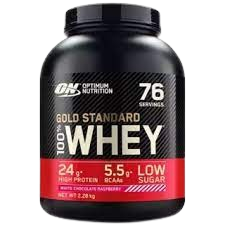
Calories in whey protein vary based on serving size and type. A standard scoop (30g or 1 oz) contains 120 calories, while a 100g (3.5 oz) serving contains 400 whey protein calories and 25g protein. Whey protein is a good source of key nutrients, with 100g (3.5 oz) serving providing over 100% Daily Value (DV) for Riboflavin (Vitamin B2), 30-50% DV for Vitamin B12, 40-60% DV calcium, and over 50% DV phosphorus. Research confirms protein powder nutrition facts supports muscle growth and enhances muscle mass gains from resistance training (Cermak et al. 2012).
Major whey protein types include Whey Protein Concentrate (WPC), Whey Protein Isolate (WPI), and Whey Protein Hydrolysate (WPH). The United States and European Union nations lead global whey production. Primary whey consumers are the United States, European Union, and increasingly Asia, driven by sports nutrition and food fortification demand.
Whey protein is commonly used in protein shakes, smoothies, protein bars, and fortified foods found in health cafes and smoothie bars like Smoothie King, Jamba Juice, and Tropical Smoothie Cafe. Whey protein nutrition facts and benefits include supporting muscle growth, aiding post-exercise recovery, and promoting satiety which can assist weight management efforts. The recommended daily consumption for whey protein is 1-2 scoops per day, which amounts to 120 to 240 calories, and 25g to 50g of protein. Burning 240 calories from two scoops of whey protein can be achieved by doing 30 minutes of jogging or 40 minutes of swimming.
Whey Protein nutrition
- Large Scoop of Whey Protein Calories (Nutritional Facts)
- Medium Scoop of Whey Protein Calories (Nutritional Facts)
- Small Scoop of Whey Protein Calories (Nutritional Facts)
- Raw Whey Protein Calories
- Sugar in Whey Protein
- Fiber in Whey Protein
- Protein in Whey Powder
- Carbs in Whey Protein
- Fat in Whey Protein
- Vitamins in Whey Protein
- Minerals in Whey Protein
Large Scoop of Whey Protein Calories (Nutritional Facts)
A large scoop of whey protein (40g) has 160 calories, 32 grams of protein, 2.7 grams of fat, and 4 grams of carbohydrates.
A medium scoop of whey protein (30g) has 120 calories, 24 grams of protein, 2 grams of fat, and 3 grams of carbohydrates.
A small scoop of whey protein powder (25g) contains 100 calories, and provides 20g protein, 1.7g of fat, and 2.5g of carbohydrates.
A 100g (3.5 ounces) serving of raw and unflavored whey protein powder contains 400 calories. The standard scoop of whey protein has 120 calories, while one cup of raw whey protein powder (120g) contains 480 calories.
Whey protein sugar content in raw, unflavored powder is 1 to 2 grams per 100 grams (3.5 ounces). A single standard scoop (30 grams or 1.06 ounces) contains 0.3 to 0.6 grams of sugar. One cup (120 grams or 4.23 ounces) of raw whey protein powder contains 1.2 to 2.4 grams of sugar, and whey isolates contain lower sugar amounts than concentrates. Flavored whey protein products contain higher amounts of added sugars.
Whey protein powder has 0g fiber.
One standard scoop (30 grams or 1.06 ounces) of whey protein isolate provides 25 to 27 grams of protein due to high processing and purity. A scoop (30 grams or 1.06 ounces) of whey protein concentrate contains 22 to 25 grams of protein. Whey protein hydrolysate in a 30-gram (1.06 ounces) scoop offers 25 grams of protein and is pre-digested into smaller peptides.
A 100-gram (3.5 ounces) serving of raw, unflavored whey protein powder contains 2 to 5 grams of carbohydrates. Isolates contain lower carbohydrate amounts than concentrates. One standard scoop (30 grams or 1.06 ounces) provides 1 to 3 grams of carbohydrates. One cup (120 grams or 4.23 ounces) of raw whey protein powder contains 2.4 to 6 grams of carbohydrates.
The total whey protein fat in raw and unflavored powder is 1 to 3 grams per 100 grams (3.5 ounces), which includes whey protein saturated fat. Isolates contain less than 1 gram of total fat per serving while concentrates retain more. A standard scoop (30 grams or 1.06 ounces) provides 0.5 to 2 grams of fat, and one cup (120 grams or 4.23 ounces) contains 1.2 to 3.6 grams of fat.
A 100-gram (3.5 oz) serving of whey protein powder provides over 100% of the Daily Value (DV) for Riboflavin (Vitamin B2) and 30-50% DV for Vitamin B12. One standard scoop (30g or 1.06 oz) contributes 30-40% DV for Riboflavin and 10-15% DV for Vitamin B12, while one cup (120g or 4.23 oz) provides over 100% DV for Riboflavin and 40-60% DV for Vitamin B12. Vitamin D is not naturally abundant but is added through fortification, contributing a specific percentage of the DV listed on the product. The final vitamin content is determined by the source milk, processing methods, and any fortification.
A 100-gram (3.5 oz) serving of whey protein powder provides 40-60% of the Daily Value (DV) for calcium and over 50% DV for phosphorus, along with 10-20% DV for potassium, 10-20% DV for sodium (higher in some products), and 10-15% DV for magnesium. One standard scoop (30g or 1.06 oz) offers 12-20% DV for calcium and 15-20% DV for phosphorus, plus 3-6% DV each for potassium, sodium, and magnesium. One cup (120g or 4.23 oz) provides 50-80% DV for calcium and over 60% DV for phosphorus, with 12-24% DV for potassium and sodium, and 12-20% DV for magnesium. Mineral content is determined by processing and the original milk source.
Get a Custom Report on Whey Protein Nutrition Data – Contact Us!
What are the Types of Whey Protein?
The primary types of whey protein differ in processing, composition, and suitability for different needs, as detailed below:
| Type | Description | Calories (Approximate per 30g / ~1 oz serving) | Calorie Qualifications |
|---|---|---|---|
|
Whey Protein Concentrate (WPC)
|
The least processed form, produced via basic filtration of liquid whey. It's used in protein powders and food products. | 120-130 | Moderate calorie content. Contains higher levels of naturally occurring fat and lactose (carbohydrates) compared to isolate, contributing more calories per gram. Protein content ranges from 70-80%. |
|
Whey Protein Isolate (WPI)
|
This type undergoes additional processing (like microfiltration or ion exchange) to remove most of the fat and lactose. Favored for high protein purity. | 110-120 | Lower calorie content relative to protein amount. Very low in fat and lactose, making it a leaner option. Protein content is 90% or higher. Suitable for individuals with lactose sensitivity. |
|
Whey Protein Hydrolysate (WPH)
|
Consists of whey protein (usually isolate or concentrate) broken down (hydrolyzed) into smaller peptides via enzymatic treatment for faster absorption. | 110-120 | Low calorie content, similar to isolate if derived from it. Hydrolysis doesn't significantly change calorie count per gram. Protein content is high. The most expensive type. |
What are the Desserts with Whey?
Desserts featuring whey protein are found in health-conscious food settings, specialty cafes, or as commercially produced items rather than traditional restaurant desserts. Common examples are listed below:
| Dish Name | Calories (Estimate) | Type of Whey (Typical) | Carbs (g) | Sugar (g) | Protein (g) | Fat (g) | Cuisine / Context | Restaurants |
|---|---|---|---|---|---|---|---|---|
|
Protein Smoothie
|
300-600 | WPC or WPI | 30-70 | 20-50 | 20-40 | 5-15 | Health / American | Smoothie King, Jamba Juice, local health cafes |
|
Protein Bar
|
180-300 | WPC, WPI, or Blend | 15-30 | 1-15 | 15-25 | 5-15 | Snack / American | Quest Nutrition, ONE Brands, RXBAR |
|
Protein Pancakes/Waffles
|
300-500 (per serving) | WPC or WPI | 25-40 | 5-15 | 20-30 | 10-20 | Health / American | Specialty fitness cafes, homemade |
|
Protein Pudding/Yogurt
|
150-250 (per serving) | WPC or WPI | 10-20 | 5-15 | 15-30 | 2-8 | Snack / American | Premier Protein (shakes used as base), different brands |
|
Protein Ice Cream
|
280-400 (per pint) | WPC or WPI | 40-60 | 5-20 | 20-25 | 8-15 | Dessert / American | Halo Top Creamery, Enlightened, Nick's |
What are the Main Dishes with Whey?
Whey protein is infrequently used as an ingredient in traditional dishes, since the application is more functional, boosting protein in meal replacements or health-focused dishes. A few dishes that contain whey are listed below:
| Dish Name | Calories (Estimate) | Type of Whey (Typical) | Carbs (g) | Sugar (g) | Protein (g) | Fat (g) | Cuisine / Context | Restaurants / Brands |
|---|---|---|---|---|---|---|---|---|
|
Meal Replacement Smoothie
|
400-700 | WPC or WPI | 40-80 | 25-50 | 30-50 | 10-25 | Health / American | Smoothie King, specialized nutrition shops |
|
Protein-Fortified Soup
|
Varies widely | Unflavored WPI / WPC | Varies | Varies | +10-20 | Varies | Health / Various | Primarily homemade or specialty health products |
|
Protein Bowl Component
|
500-800 (Total Bowl) | WPI/WPC (in dressing/add-in) | 40-70 | 5-15 | 25-45 | 20-40 | Health / American | Some health-focused cafes or build-your-own chains |
What Cuisines Prefer Whey the Most?
Whey protein is not strongly associated with traditional global cuisines but is heavily utilized in modern health, fitness, and food manufacturing contexts, particularly in Western countries. The settings in which whey protein is most used are listed below:
| Category | Dish | Types of Whey Used | Calories (Estimate Range) | Establishment(s) / |
|---|---|---|---|---|
| Health & Fitness | Protein Smoothies, Protein Bowls | WPC, WPI | 300-800 | Local health cafes, gym cafes |
| Sports Nutrition | Protein Powders, Shakes, Bars | WPC, WPI, WPH | 100-300 (per serving) | Optimum Nutrition, Myprotein, Quest Nutrition |
| Smoothie Bars | Custom Smoothies with Protein Boosts | WPC, WPI | 300-700 | Smoothie King, Jamba Juice, Tropical Smoothie Cafe |
| Food Manufacturing | Fortified Cereals, Yogurts, Snacks | WPC, Whey Permeate | Varies widely | General Mills, Chobani (some products), various brands |
| Clinical Nutrition | Medical Nutritional Supplements | WPI, WPH | Varies | Ensure, Boost (some formulations) |
| Baking (Health-focused) | Protein Pancakes, Muffins, Breads | WPC, WPI | Varies | Homemade, specialty bakeries, mix brands (e.g., Kodiak Cakes) |
Which Countries Produce the Most Whey?
Based on available data for "Whey, Dry" from the Food and Agriculture Organization of the United Nations (FAOSTAT), the top producing countries and regions include the United States and European nations. The table below shows the production volumes for whey from 2004 to 2021:
| Country/Region | 2004 | 2005 | 2006 | 2007 | 2008 | 2009 | 2010 | 2011 | 2012 | 2013 | 2014 | 2015 | 2016 | 2017 | 2018 | 2019 | 2020 | 2021 | 2022 |
|---|---|---|---|---|---|---|---|---|---|---|---|---|---|---|---|---|---|---|---|
| USA | 845 | 865 | 900 | 930 | 945 | 940 | 960 | 995 | 1020 | 1040 | 1080 | 1120 | 1155 | 1200 | 1225 | 1260 | 1275 | 1280 | 1300 |
| Germany | 400 | 415 | 430 | 440 | 445 | 450 | 455 | 470 | 480 | 495 | 510 | 520 | 525 | 530 | 530 | 530 | 535 | 525 | 540 |
| France | 550 | 555 | 560 | 550 | 555 | 560 | 555 | 550 | 540 | 555 | 560 | 555 | 555 | 560 | 560 | 495 | 550 | 565 | 560 |
| Netherlands | 150 | 160 | 165 | 160 | 165 | 170 | 170 | 175 | 185 | 180 | 190 | 200 | 205 | 210 | 215 | 220 | 230 | 235 | 240 |
| Poland | 130 | 135 | 145 | 150 | 155 | 160 | 165 | 170 | 175 | 180 | 185 | 190 | 190 | 205 | 210 | 215 | 225 | 235 | 245 |
| Italy | 105 | 110 | 110 | 110 | 110 | 105 | 100 | 105 | 105 | 105 | 115 | 120 | 120 | 125 | 125 | 125 | 125 | 130 | 130 |
How Do Prices of Whey-Including Dishes Change?
The rising cost and volatility of whey protein as an ingredient, combined with general inflation in food and operating costs, have contributed to price increases for products where whey is a significant component, such as protein shakes, bars, and fortified foods. The table below provides pricing comparisons for whey including dishes from 2010 and 2025.
| Restaurant / Brand | Dish / Product | Old Price | Current Price (2025) |
|---|---|---|---|
| Smoothie King | Medium Smoothie (Gladiator) | ~$5.50 - $6.50 (c. 2010) | $8.50 - $10.00 |
| Jamba Juice | Protein Smoothie (Medium) | ~$5.00 - $6.00 (c. 2010) | $8.00 to $12.00 |
| Quest Nutrition | Quest Protein Bar (Single) | ~$2.00 - $2.50 (c. 2012) | $2.50 - $3.49 |
| Halo Top Creamery | Pint of Protein Ice Cream | ~$4.99 - $5.99 (c. 2015) | $3.99 - $6.99 |
| Optimum Nutrition | Gold Standard Whey (2lb Tub) | ~$25 - $30 (c. 2008) | $35.99 - $42.99 |
How Does the Price of Whey Protein Change for the Last 20 Years?
Whey prices have been highly volatile over the last 20 years, driven by fluctuating milk prices, processing costs like energy, global supply and demand, and inventory levels. Benchmark US Dry Whey prices experienced lows in the mid-2000s and years like 2009 and 2016, due to high milk production and weaker global demand. Significant price peaks occurred in 2007-2008, 2014, and 2021-2022, linked to tighter milk supplies, strong export demand especially from markets like China, rising input costs, and growing demand for high-value protein ingredients in sports and clinical nutrition. The overall production of whey has increased but market imbalances and cost factors have continued to cause substantial price swings.
What is the Calorie of 1KG of Whey Protein?
One kilogram (1000 grams or 35.27 ounces) of whey protein powder contains 4000 calories, based on 400 calories per 100 grams of unflavored whey protein powder.
What are the Health Benefits of Whey Protein?
There are whey protein benefits and side effects supported by scientific research, as shown below:
- Muscle Growth and Repair: Whey protein is rich in essential amino acids, particularly branched-chain amino acids (BCAAs) like leucine, which are vital for stimulating muscle protein synthesis, aiding recovery after exercise, and promoting muscle growth when combined with resistance training. A meta-analysis by Cermak, N. M., Res, P. T., de Groot, L. C., Saris, W. H., & van Loon, L. J. (2012), titled "Protein supplementation augments the adaptive response of skeletal muscle to resistance-type exercise training: a meta-analysis," found that protein supplementation significantly boosts muscle mass and strength gains from resistance exercise.
- Weight Management: Protein, including whey, is known to be more satiating than carbohydrates or fats, meaning it can help feel fuller for longer. This increased satiety can help reduce overall calorie intake and support weight management or weight loss efforts when part of a calorie-controlled diet.
- Bioactive Compounds: Beyond basic nutrition, whey contains bioactive peptides (like lactoferrin, immunoglobulins, and lactoperoxidase) that are suggested to have beneficial effects, potentially including antioxidant properties and immune system support, although more research is needed to fully understand these effects in humans.
What are the Downsides of Whey Protein?
Whey protein consumption can have potential downsides for some individuals, as shown below:
- Digestive Discomfort: Some people may experience digestive issues such as bloating, gas, stomach cramps, and diarrhea, particularly with whey concentrates if they are sensitive to lactose. Choosing whey protein isolate, which contains minimal lactose, can often alleviate these symptoms. Plant-based proteins (soy, pea, rice) or egg white protein are alternatives if dairy-based proteins cause persistent issues.
- Potential Kidney Strain (in susceptible individuals): Consuming excessively high amounts of protein over long periods could potentially strain the kidneys in those with pre-existing kidney conditions. A review by Martin, W. F., Armstrong, L. E., & Rodriguez, N. R. (2005), "Dietary protein intake and renal function," discusses the relationship between protein intake and kidney function, noting that high intake is generally well-tolerated by healthy kidneys but caution is warranted for those with impaired function.
- Nutrient Displacement: Over-reliance on whey protein supplements might lead to a reduced intake of whole foods, potentially resulting in a lower intake of fiber, essential fatty acids, vitamins, and minerals found abundantly in fruits, vegetables, whole grains, and other natural protein sources. It's best used to supplement a balanced diet, not replace whole foods.
- Added Ingredients in Flavored Products: Flavored whey protein products contain added sugars, artificial sweeteners, thickeners, or other additives that some individuals may wish to avoid, and which can add extra calories or negate some health benefits if consumed excessively.
Is Whey Protein Good for You?
Yes, whey protein is good as part of a balanced diet as it offers health benefits particularly for muscle building and recovery due to its high-quality protein content and rich profile of essential amino acids, especially leucine. Research has confirmed that protein supplementation enhances muscle mass, strength gains, and promotes satiety, which can aid in weight management efforts. The complete amino acid profile supports plenty bodily functions beyond muscle, which contributes to overall tissue repair and the synthesis of vital enzymes and hormones, thereby supporting systemic health and potentially cognitive function through neurotransmitter synthesis. Whey protein can also contribute positively to heart health markers, which is often linked to improvements in body composition and weight management. The bioactive peptides naturally found in whey may also offer additional benefits such as supporting immune function.
How Much Whey Protein Should I Consume in a Day?
Consuming 1 to 2 scoops of whey protein a day is sufficient for most people, as this provides 25 to 50g of protein. The Recommended Dietary Allowance (RDA) for average sedentary adults is 0.8 grams of protein per kilogram of body weight per day. Individuals aiming for muscle growth or engaging in intense physical activity often benefit from higher total protein intakes ranging from 1.2 to 2.0 grams per kilogram daily, as suggested by the American College of Sports Medicine.
How Much Whey Protein Can I Consume in a Day at Most?
Consuming more than 2.0 to 2.5 grams of protein per kilogram of body weight daily is not recommended as it offers no additional benefit and may pose potential risks for certain individuals. The Institute of Medicine suggests total protein should make up 10-35% of the total daily calories, and whey protein should be used as a supplement to help reach the calculated protein target within these safe ranges.
How Does Calorie Change According to Whey Types?
Calories change according to whey types based on fat and carbohydrate (lactose) content, which is determined by processing levels. Whey Protein Concentrate has higher calories per serving because less fat and lactose are removed during the basic filtration process, while Whey Protein Isolate and Whey Protein Hydrolysate have lower calories per serving because additional processing removes most fat and lactose, which results in a higher protein concentration and a leaner product. Hydrolysate's calorie content mirrors the isolate it's often derived from, as the hydrolysis process does not significantly change caloric value per gram.
What is the Origin of Whey?
Whey originates from cheese making as the liquid byproduct remaining after milk separates into curds, a process dating back 8,000 years to early agriculture in the Middle East and Europe. For centuries, this substance containing lactose, minerals, and proteins was often discarded or used as animal feed due to its perceived low value, although traditional uses included whey beverages and specific whey cheeses like Italian Ricotta or Scandinavian Mysost. Whey's modern importance grew significantly in the 20th century when scientific advancements revealed the high nutritional quality and rapid digestibility of its proteins. Advanced filtration and drying technologies developed in the mid-to-late 1900s allowed efficient isolation and concentration of these valuable proteins. The rise of fitness and bodybuilding movements recognized whey protein's potent muscle-building amino acid profile, transforming whey from a cheesemaking leftover into a multi-billion dollar industry used globally as a nutritional supplement and functional food ingredient.
Which Countries Consume the Most Whey?
Based on import data, and market size analyses from Statista, market research firms, and USDA reports, the major consumers and importers of whey products are the United States, Germany, Netherlands, France, United Kingdom, China, Australia, Japan, and South Korea. The sports nutrition market growth has driven consumption significantly in North America, Europe and recently in Asia.