Calories in Vegetable Oil: Nutritional facts for Vegetable Oil Types
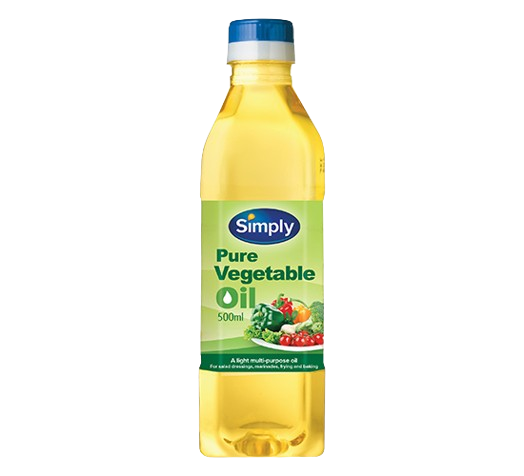
Vegetable oil calories are consistently high across all types, as oil is pure fat. A 100g (3.5 oz) serving of generic vegetable oil (like soybean or canola oil) contains 884 calories, while a single tablespoon (14g) provides 124 calories. The vegetable oil nutrition facts show that a 100g portion consists of 100g of fat (128% Daily Value), with 0g of protein, 0g of carbohydrates, 0g of fiber, and 0g of sugar. While providing essential fatty acids and fat-soluble vitamins like Vitamin E (soybean oil has 55% DV per 100g) and Vitamin K (soybean oil has 153% DV per 100g), the type of fat is crucial; oils rich in monounsaturated and polyunsaturated fats are generally favored over those high in saturated or trans fats for cardiovascular health. (Sacks, F.M., et al., 2017, "Dietary Fats and Cardiovascular Disease: A Presidential Advisory From the American Heart Association").
Different types of vegetable oil, such as olive oil, sunflower oil, corn oil, and palm oil, all share this high caloric density of 884 calories per 100g. Their main nutritional differences lie in their fatty acid profiles (e.g., olive oil is rich in monounsaturated fats, while soybean oil is higher in polyunsaturated fats, and palm and coconut oils are high in saturated fats). Indonesia, Malaysia, China, and the USA are major global producers of various vegetable oils. Consumption is high worldwide, led by India and China in total volume. Vegetable oil prices have seen high volatility and a general upward trend over the past two decades, with benchmark crude vegetable oil prices at $400 - $700 per metric ton at the start of 2000 to $1,500 - $2,000 in 2024.
Vegetable oils are fundamental in cooking numerous main dishes, from French fries at McDonald's and fried chicken at KFC to stir-fries at Panda Express, and are key in baked goods like cakes from supermarket bakeries or mixes by Betty Crocker. Given their calorie density, dietary guidelines recommend consuming oils in moderation. A typical daily allowance for added oils might be 5-7 teaspoons (20-28g, providing 177-248 calories), depending on overall caloric needs. Burning the 124 calories from one tablespoon of vegetable oil would require activities such as 12-15 minutes of brisk walking, 10-12 minutes of jogging, or about 15 minutes of cycling at a moderate pace.
Vegetable Oil nutrition
- Cholesterol in Vegetable Oil
- Sodium in Vegetable Oil
- Potassium in Vegetable Oil
- Sugar in Vegetable Oil
- Fiber in Vegetable Oil
- Protein in Vegetable Oil
- Carbs in Vegetable Oil
- Fat in Vegetable Oil
- Saturated Fat in Vegetable Oil
- Vitamins in Vegetable Oil
- Minerals in Vegetable Oil
Cholesterol in Vegetable Oil
Vegetable oil, being a plant-derived product, contains 0mg of cholesterol per 100g (3.5 oz) serving. One tablespoon (14g, 0.49 oz) of vegetable oil also provides 0mg of cholesterol. Cholesterol is only found in animal products.
Vegetable oil (generic, such as soybean, corn, or canola oil) contains 0mg of sodium per 100g (3.5 oz) serving (0% DV). One tablespoon (14g, 0.49 oz) of vegetable oil also provides 0mg of sodium (0% DV).
Vegetable oil contains 0mg of potassium per 100g (3.5 oz) serving (0% DV). One tablespoon (14g, 0.49 oz) of vegetable oil also provides 0mg of potassium (0% DV).
Vegetable oil contains 0g of total sugars per 100g (3.5 oz) serving. One tablespoon (14g, 0.49 oz) of vegetable oil provides 0g of total sugars.
Vegetable oil contains 0g of dietary fiber per 100g (3.5 oz) serving. One tablespoon (14g, 0.49 oz) of vegetable oil also provides 0g of dietary fiber.
Vegetable oil contains 0g of protein per 100g (3.5 oz) serving. One tablespoon (14g, 0.49 oz) of vegetable oil also provides 0g of protein.
Vegetable oil contains 0g of total carbohydrates per 100g (3.5 oz) serving. One tablespoon (14g, 0.49 oz) of vegetable oil also provides 0g of total carbohydrates.
Vegetable oil is composed entirely of fat. A 100g (3.5 oz) serving of vegetable oil contains 100g of total fat (128% DV). One tablespoon (14g, 0.49 oz) of vegetable oil provides 14g of total fat (18% DV).
A 100g (3.5 oz) serving of generic vegetable oil (like soybean oil) contains 15.7g of saturated fat (79% DV). One tablespoon (14g, 0.49 oz) of vegetable oil provides 2.2g of saturated fat (11% DV). The saturated fat content can vary depending on the specific type of vegetable oil; for example, canola oil has less saturated fat (7.4g per 100g) while palm oil has much more (49.3g per 100g).
Many vegetable oils are good sources of Vitamin E (alpha-tocopherol). A 100g (3.5 oz) serving of soybean oil contains 8.18mg of Vitamin E (55% DV), and canola oil provides 17.5mg of Vitamin E (117% DV). Vegetable oils also contain Vitamin K; soybean oil (100g) has 183.9µg (153% DV), and canola oil (100g) has 71.3µg (59% DV). They are not sources of Vitamin A, C, D, or most B vitamins.
Vegetable oil is not a significant source of minerals. A 100g (3.5 oz) serving typically contains negligible amounts (0% DV) of minerals like calcium, iron, magnesium, phosphorus, potassium, sodium, or zinc.
Get a Custom Report on Vegetable Oil Nutrition Data – Contact Us!
What are the Types of Vegetable Oil?
There are many different types of vegetable oil, derived from various plants, seeds, nuts, and fruits. They differ significantly in their fatty acid composition, smoke point, flavor, and best culinary uses, which also means their specific health implications can vary. The calorie content per 100g is very similar across all pure oils because they are all essentially 100% fat. The table below shows common types of vegetable oil and their general calorie information.
| Type | Description | Calories (per 100g) | Calorie Qualifications |
|---|---|---|---|
|
Soybean Oil
|
Very common, widely used in processed foods and for cooking. High in polyunsaturated fats (omega-6). | 884 | Standard calorie count for pure vegetable oil, entirely from fat. |
|
Canola Oil (Rapeseed Oil)
|
Low in saturated fat, good source of monounsaturated fat and some omega-3 (ALA). Neutral flavor. | 884 | Standard calorie count for pure vegetable oil. |
|
Corn Oil
|
High in polyunsaturated fats (omega-6), often used for frying. | 884 | Standard calorie count for pure vegetable oil. |
|
Sunflower Oil
|
Can be high in polyunsaturated (omega-6) or monounsaturated fats depending on the variety (e.g., high-oleic). | 884 | Standard calorie count for pure vegetable oil. |
|
Olive Oil (Extra Virgin, Virgin, Refined)
|
Rich in monounsaturated fats and antioxidants (especially extra virgin). Fruity, peppery flavor. | 884 | Standard calorie count for pure vegetable oil. Health benefits vary by refinement. |
|
Palm Oil
|
High in saturated fat. Solid at room temperature. Widely used in processed foods. | 884 | Standard calorie count. High saturated fat content is a concern. |
|
Coconut Oil
|
Very high in saturated fat (mostly MCTs). Distinct flavor. Solid at room temperature. | 884-900 | Standard calorie count. Very high saturated fat content. |
|
Peanut Oil
|
Good source of monounsaturated fat, high smoke point, nutty flavor. | 884 | Standard calorie count for pure vegetable oil. |
|
Safflower Oil
|
Can be high in polyunsaturated (omega-6) or monounsaturated fats depending on the variety. | 884 | Standard calorie count for pure vegetable oil. |
|
Avocado Oil
|
Rich in monounsaturated fats, high smoke point, mild flavor. | 884 | Standard calorie count for pure vegetable oil. |
|
Flaxseed Oil (Linseed Oil)
|
Very high in omega-3 (ALA). Not suitable for high-heat cooking. Used as a supplement or in dressings. | 884 | Standard calorie count for pure vegetable oil. Valued for its omega-3 content. |
|
Sesame Oil
|
Strong, nutty flavor. Contains monounsaturated and polyunsaturated fats. Often used as a finishing oil. | 884 | Standard calorie count for pure vegetable oil. |
What are the Main Dishes with Vegetable Oil?
Vegetable oil is a fundamental cooking ingredient used in an extensive range of main dishes across virtually all global cuisines for frying, sautéing, baking, and as a component of dressings and marinades. Some of the most widespread main dishes that utilize vegetable oil include fried chicken, French fries, and various stir-fries. Its neutral flavor (for many refined types) and cooking properties make it highly versatile. The table below lists main dishes where vegetable oil is used:
| Dish Name | Calories (per serving) | Type of Vegetable Oil Commonly Used | Carbs (g) | Sugar (g) | Protein (g) | Fat (g) (incl. cooking oil) | Cuisine | Restaurants |
|---|---|---|---|---|---|---|---|---|
|
Fried Chicken (Deep Fried or Pan Fried)
|
350-600 (2 pieces) | Soybean, Canola, Peanut, Generic Vegetable Oil | 10-20 | <1 | 30-45 | 20-40 | American (Southern), Global | KFC, Popeyes, Chick-fil-A (fried options) |
|
French Fries (Deep Fried)
|
300-500 (medium) | Soybean, Canola, Cottonseed, Generic Vegetable Oil | 40-60 | <1 | 3-6 | 15-25 | American, International | McDonald's, Burger King, Wendy's, Five Guys |
|
Stir-fried Vegetables with Tofu or Chicken
|
300-550 | Soybean, Canola, Peanut, Sesame (for flavor) | 20-40 | 5-15 | 15-30 | 10-25 | Asian (Chinese, Thai, etc.) | Panda Express, P.F. Chang's, Pei Wei Asian Kitchen, local Asian restaurants |
|
Tempura (Vegetables and Shrimp - Deep Fried)
|
400-700 (mixed serving) | Canola, Soybean, Generic Vegetable Oil | 30-50 | 2-5 | 10-20 | 20-40 | Japanese | Local Japanese restaurants, some items at Nobu or Katsuya (though they may use specific oils) |
|
Onion Rings (Deep Fried)
|
400-600 | Soybean, Canola, Generic Vegetable Oil | 45-60 | 3-7 | 5-8 | 20-35 | American | Sonic Drive-In, Burger King, Red Robin |
|
Samosas (Deep Fried)
|
150-250 (per piece) | Sunflower, Soybean, Generic Vegetable Oil | 15-25 | <1-2 | 2-4 | 8-15 | Indian | Local Indian restaurants and sweet shops, e.g., Saravanaa Bhavan |
|
Pakoras/Bhajis (Vegetable Fritters - Deep Fried)
|
200-350 (serving) | Sunflower, Soybean, Generic Vegetable Oil | 15-25 | 1-3 | 3-6 | 15-25 | Indian, Pakistani | Local Indian/Pakistani restaurants |
|
Fish and Chips (Fish Deep Fried)
|
600-900 | Canola, Sunflower, Generic Vegetable Oil | 50-70 | 2-5 | 25-40 | 30-50 | British, American | Long John Silver's, Captain D's, Gordon Ramsay Fish & Chips |
|
Doughnuts/Beignets (Deep Fried)
|
250-450 (per piece) | Shortening (often vegetable oil based), Canola, Soybean | 30-50 | 10-20 | 3-6 | 12-25 | American, French (New Orleans) | Krispy Kreme, Dunkin', Café Du Monde (New Orleans for beignets) |
|
Salad with Vinaigrette Dressing
|
150-400 (plus salad) | Olive, Canola, Soybean (in dressing) | 5-15 | 3-8 | 2-5 | 10-30 (from dressing) | International | Most restaurants serving salads, e.g., Olive Garden (signature dressing), Applebee's |
|
Mayonnaise-based Salads (Potato, Coleslaw)
|
200-400 (1 cup) | Soybean (primary oil in mayonnaise) | 15-30 | 5-15 | 2-5 | 15-25 | American | KFC (Coleslaw), Boston Market, deli sections of grocery stores like Kroger |
|
Roasted Vegetables (tossed in oil before roasting)
|
150-300 | Olive, Canola, Avocado, Generic Vegetable Oil | 15-25 | 5-10 | 2-4 | 8-18 | International | Seasons 52, many contemporary American restaurants |
|
Pesto Sauce (for Pasta - contains oil)
|
200-350 (1/4 cup sauce) | Olive Oil (traditional), sometimes other vegetable oils | 2-6 | <1 | 3-6 | 20-35 | Italian | Bertucci's, Noodles & Company (Pesto Cavatappi) |
|
Hummus (contains tahini/oil)
|
80-150 (2 tbsp hummus) | Olive Oil (often drizzled), Sesame Oil (in tahini) | 6-10 | <1 | 2-4 | 5-10 | Middle Eastern | CAVA, Naf Naf Grill, Zoe's Kitchen |
What are Desserts with Vegetable Oil?
Vegetable oil is a common ingredient in many desserts, particularly baked goods like cakes, muffins, and brownies, where it contributes moisture and tenderness. It is often used as a substitute for solid fats like butter, especially in vegan recipes or for certain textural outcomes.
| Dish Name | Calories (per serving) | Type of Vegetable Oil Commonly Used | Carbs (g) | Sugar (g) | Protein (g) | Fat (g) (incl. vegetable oil) | Cuisine | Restaurants/Brands |
|---|---|---|---|---|---|---|---|---|
|
Chocolate Cake/Cupcakes (made with oil)
|
300-500 (slice/cupcake) | Canola, Soybean, Generic Vegetable Oil | 40-60 | 30-45 | 2-5 | 15-25 | American, European | Betty Crocker/Duncan Hines (cake mixes for home), many supermarket bakeries, Sprinkles Cupcakes |
|
Carrot Cake (often made with oil)
|
350-600 (slice) | Canola, Soybean, Generic Vegetable Oil | 40-60 | 30-45 | 3-6 | 18-30 | American, British | The Cheesecake Factory, Red Lobster, many American restaurants and bakeries |
|
Muffins (various flavors, made with oil)
|
250-450 (muffin) | Canola, Soybean, Generic Vegetable Oil | 35-55 | 18-30 | 3-6 | 10-20 | American | Starbucks, Dunkin', Panera Bread, Costco (bakery muffins) |
|
Brownies (some recipes use oil)
|
200-350 (square) | Canola, Generic Vegetable Oil | 25-40 | 20-30 | 2-4 | 10-18 | American | Ghirardelli (brownie mixes for home), some cafes |
|
Doughnuts (Cake style, often fried in oil)
|
250-400 (doughnut) | Vegetable Shortening, Canola, Soybean | 30-45 | 12-20 | 2-4 | 12-22 | American | Krispy Kreme, Dunkin' |
|
Funnel Cakes (Deep Fried)
|
400-700 | Canola, Soybean, Generic Vegetable Oil | 50-70 | 20-35 | 4-7 | 20-35 | American (Fair Food) | Theme parks, state fairs, seasonal food vendors |
|
Waffles/Pancakes (some recipes call for oil)
|
200-350 (plain, per serving) | Canola, Generic Vegetable Oil | 30-45 | 5-10 | 5-8 | 5-12 | American | IHOP, Denny's (batter composition varies) |
|
Vegan Baked Goods (cakes, cookies using oil instead of butter)
|
Varies | Canola, Sunflower, Coconut Oil | Varies | Varies | Varies | Varies | Vegan Baking | Whole Foods Market bakery (vegan options), local vegan bakeries, By Chloe |
What Cuisines Prefer Vegetable Oil the Most?
Vegetable oils, in their myriad forms, are fundamental to cooking in virtually all cuisines worldwide due to their versatility for frying, sautéing, baking, and making dressings. However, the type of vegetable oil preferred can vary significantly by region, reflecting local agriculture and culinary traditions. Olive oil is central to Mediterranean cuisines, while sesame and peanut oils are prominent in many Asian cuisines, and soybean or canola oil are widely used in North American cooking and food processing.
| Cuisine | Dish Name (Illustrative of Oil Use) | Calories (per serving) | Restaurants |
|---|---|---|---|
|
Mediterranean (Italian, Greek, Spanish)
|
Salads with Olive Oil Vinaigrette, Sautéed Vegetables | Varies | Olive Garden, Carrabba's Italian Grill, Zoe's Kitchen, CAVA, most Mediterranean spots |
|
Asian (Chinese)
|
Stir-fries (Soybean, Peanut, Sesame Oil) | 300-600 | Panda Express, P.F. Chang's, local Chinese restaurants |
|
Asian (Japanese)
|
Tempura (Canola, Soybean, Rice Bran Oil) | 400-700 | Local Japanese restaurants, Nobu, Katsuya |
|
Asian (Indian)
|
Curries, Fried Snacks (Sunflower, Groundnut, Mustard Oil) | Varies | Saravanaa Bhavan, local Indian restaurants |
|
American
|
Fried Chicken, French Fries (Soybean, Canola, Corn Oil) | Varies | KFC, Popeyes, McDonald's, Burger King |
|
American (Baking)
|
Cakes, Muffins (Canola, Soybean Oil) | Varies | Starbucks, Dunkin', Panera Bread bakeries |
|
Latin American
|
Fried Plantains, Empanadas (Soybean, Corn, Palm Oil) | Varies | Pollo Tropical, local Latin American eateries |
|
Middle Eastern
|
Hummus, Falafel (Olive Oil, Sunflower Oil) | Varies | Naf Naf Grill, local Middle Eastern restaurants |
Which Countries Produce the Most Vegetable Oil?
The top producers of vegetable oils globally vary depending on the specific type of oil, as different oilseed crops thrive in different regions. But when considering overall vegetable oil production (including major oils like palm, soybean, rapeseed/canola, and sunflower oil), Indonesia and Malaysia are dominant due to massive palm oil output. China, the United States, Brazil, and Argentina are major producers of soybean oil. Canada and several European countries are key producers of rapeseed (canola) oil, while Ukraine and Russia are significant for sunflower oil. The table below shows production volumes for this aggregated category for leading countries.
| Country | 2004 | 2005 | 2006 | 2007 | 2008 | 2009 | 2010 | 2011 | 2012 | 2013 | 2014 | 2015 | 2016 | 2017 | 2018 | 2019 | 2020 | 2021 | 2022 | 2023 (Est.) |
|---|---|---|---|---|---|---|---|---|---|---|---|---|---|---|---|---|---|---|---|---|
| Indonesia | 15,000 | 16,500 | 18,000 | 20,000 | 22,000 | 24,000 | 26,500 | 29,000 | 31,500 | 34,000 | 36,500 | 38,000 | 40,000 | 42,500 | 45,000 | 47,500 | 48,500 | 49,000 | 49,500 | 49,800 |
| Malaysia | 14,500 | 15,000 | 15,500 | 16,000 | 17,000 | 17,500 | 18,000 | 18,500 | 19,000 | 19,500 | 20,000 | 19,800 | 19,500 | 19,800 | 20,000 | 20,200 | 19,500 | 19,000 | 18,800 | 18,900 |
| China | 12,000 | 12,800 | 13,500 | 14,200 | 15,000 | 15,500 | 16,000 | 16,500 | 17,000 | 17,500 | 18,000 | 18,200 | 18,500 | 18,800 | 19,000 | 19,200 | 19,500 | 19,800 | 20,000 | 20,100 |
| USA | 10,500 | 11,000 | 11,200 | 11,500 | 11,800 | 11,600 | 12,000 | 12,200 | 12,500 | 12,800 | 13,000 | 13,100 | 13,200 | 13,000 | 12,800 | 12,600 | 13,000 | 13,100 | 13,200 | 13,250 |
| Brazil | 5,000 | 5,500 | 5,800 | 6,200 | 6,500 | 6,700 | 7,000 | 7,300 | 7,600 | 7,900 | 8,200 | 8,400 | 8,600 | 8,800 | 9,000 | 9,200 | 9,500 | 9,700 | 9,800 | 9,850 |
| 4,000 | 4,200 | 4,500 | 4,800 | 5,000 | 5,200 | 5,500 | 5,700 | 5,900 | 6,100 | 6,300 | 6,400 | 6,500 | 6,600 | 6,700 | 6,800 | 6,900 | 7,000 | 7,100 | 7,150 |
Which Countries Consume the Most Vegetable Oil?
Based on data from FAOSTAT regarding food supply (apparent consumption), the countries with the highest total consumption of vegetable oils are India and China, driven by their massive populations and the integral role of vegetable oils in their daily cuisines and food industries. The United States also has very high total consumption. On a per capita basis, consumption is high in various countries depending on dietary patterns and the availability of specific oils. Malaysia and Indonesia have high per capita palm oil consumption.
| Country | 2004 | 2005 | 2006 | 2007 | 2008 | 2009 | 2010 | 2011 | 2012 | 2013 | 2014 | 2015 | 2016 | 2017 | 2018 | 2019 | 2020 | 2021 |
|---|---|---|---|---|---|---|---|---|---|---|---|---|---|---|---|---|---|---|
| India | 12,000 | 12,500 | 13,000 | 13,800 | 14,500 | 15,200 | 16,000 | 16,800 | 17,500 | 18,200 | 19,000 | 19,800 | 20,500 | 21,000 | 21,500 | 22,000 | 21,000 | 21,500 |
| China | 18,000 | 19,000 | 20,000 | 21,500 | 23,000 | 24,000 | 25,000 | 26,000 | 27,000 | 28,000 | 29,000 | 29,500 | 30,000 | 30,500 | 31,000 | 31,500 | 32,000 | 32,500 |
| USA | 10,000 | 10,200 | 10,300 | 10,400 | 10,500 | 10,300 | 10,500 | 10,600 | 10,700 | 10,800 | 10,900 | 11,000 | 11,100 | 11,000 | 10,900 | 10,800 | 11,000 | 11,100 |
| Indonesia | 5,000 | 5,300 | 5,600 | 5,900 | 6,200 | 6,500 | 6,800 | 7,100 | 7,400 | 7,700 | 8,000 | 8,300 | 8,600 | 8,900 | 9,200 | 9,500 | 9,800 | 10,000 |
| Brazil | 3,500 | 3,700 | 3,900 | 4,100 | 4,300 | 4,400 | 4,600 | 4,800 | 5,000 | 5,200 | 5,400 | 5,500 | 5,600 | 5,700 | 5,800 | 5,900 | 6,000 | 6,100 |
| European Union (Aggregate) | 15,000 | 15,200 | 15,500 | 15,800 | 16,000 | 15,800 | 15,600 | 15,400 | 15,200 | 15,000 | 14,800 | 14,600 | 14,500 | 14,700 | 14,800 | 14,900 | 14,500 | 14,600 |
How Do Prices of Vegetable Oil-including Dishes Change?
The prices of restaurant dishes that heavily rely on vegetable oil for their preparation, such as deep-fried foods (French fries, fried chicken, tempura), many stir-fries, and items containing mayonnaise or salad dressings, have increased over the past 20 years. This is due to the rising and volatile cost of vegetable oils themselves, alongside more substantial increases in the prices of other primary ingredients (meats, poultry, seafood, fresh produce), and major escalations in overall restaurant operating costs, including labor, rent, and energy for cooking. Below is a comparison of estimated prices for menu items where vegetable oil is a key cooking medium or ingredient.
| Restaurant Chain/Type | Dish | Old Price (2004-2008) | Current Price (2024-2025) |
|---|---|---|---|
| McDonald's | Medium French Fries | $1.39 - $1.79 | $3.79 - $4.99 |
| KFC | 2 Piece Fried Chicken Combo | $4.99 - $6.49 | $7.99 - $11.99 |
| Applebee's | Onion Rings Appetizer | $5.99 - $7.99 | $7.99 - $9.49 |
| Long John Silver's | Fish and Chips (Fried Fish & Fries) | $5.49 - $7.49 | $9.49 - $12.99 |
| Krispy Kreme | Glazed Doughnut (Fried) | $0.79 - $0.99 (each) | $1.39 - $1.99 (each) |
What is the Vegetable Oil Calorie for 100 Grams?
A 100g (3.5 oz) serving of vegetable oil (such as soybean or corn oil) contains 884 calories. Canola oil (100g) contains 884 calories. Olive oil (100g) contains 884 calories. These calories are derived entirely from its fat content.
What is the Vegetable Oil Calorie for 1 KG?
One kilogram (1000g, 35.27 oz) of generic vegetable oil contains 8840 calories.
What is the Vegetable Oil Calorie for 10ml?
One 10ml (0.34 fl oz) serving of generic vegetable oil, weighing 9.2g (0.32 oz), contains 81 calories.
What is the Vegetable Oil Calorie for 1 Cup?
One cup (218g, 7.69 oz, US cup measure) of generic vegetable oil contains 1927 calories.
What is the Vegetable Oil Calorie for 1/2 Cup?
One half-cup (109g, 3.84 oz, US cup measure) of generic vegetable oil contains 964 calories.
What are the Health Benefits of Vegetable Oil?
Vegetable oils, depending on their specific source and processing, provide some health benefits like supplying essential fatty acids and Vitamin E due to their composition primarily of fats. A list of the health benefits of certain vegetable oils are shown below:
- Source of Unsaturated Fats: Many vegetable oils, such as olive oil, canola oil, sunflower oil, and soybean oil, are rich in monounsaturated and polyunsaturated fats. These fats can help reduce LDL (bad) cholesterol levels and lower the risk of heart disease when they replace saturated fats in the diet. (Sacks, F.M., et al., 2017, "Dietary Fats and Cardiovascular Disease: A Presidential Advisory From the American Heart Association").
- Provide Essential Fatty Acids: Vegetable oils are a key source of essential fatty acids, linoleic acid (an omega-6 fatty acid) and alpha-linolenic acid (an omega-3 fatty acid), which the body cannot produce on its own. These are vital for brain health, cell growth, and inflammatory responses. (U.S. Department of Agriculture and U.S. Department of Health and Human Services, "Dietary Guidelines for Americans, 2020-2025").
- Rich in Vitamin E: Many vegetable oils, particularly wheat germ oil, sunflower oil, and almond oil (though less common as a "vegetable oil" for cooking), are excellent sources of Vitamin E, a powerful antioxidant that protects cells from damage caused by free radicals. (Traber, M.G., 2014, "Vitamin E").
- Source of Vitamin K: Some vegetable oils, like soybean and canola oil, provide Vitamin K, which is important for blood clotting and bone health.
- May Aid in Absorption of Fat-Soluble Vitamins: Consuming fats from vegetable oils with meals helps the body absorb fat-soluble vitamins A, D, E, and K present in other foods. (Goodman, B., 2010, "Fat-Soluble Vitamins").
- Can Replace Saturated Fats: Using liquid vegetable oils in place of solid fats like butter, lard, or coconut oil can help reduce saturated fat intake, which is beneficial for cardiovascular health.
What are the Downsides of Vegetable Oil?
Vegetable oil has been known to cause some unwanted effects like contributing to an imbalanced omega-6 to omega-3 ratio and potential issues from highly processed varieties due to its composition and modern processing methods. A list of the downsides of some vegetable oils are shown below:
- High in Omega-6 Polyunsaturated Fats (Some Varieties): Many common vegetable oils, such as soybean, corn, and sunflower oil, are very high in omega-6 polyunsaturated fatty acids (PUFAs), primarily linoleic acid. While essential, excessive intake of omega-6s without adequate omega-3s can lead to an imbalanced omega-6 to omega-3 ratio, which some research suggests may promote inflammation. (Simopoulos, A.P., 2002, "The importance of the ratio of omega-6/omega-3 essential fatty acids").
- Often Highly Refined and Processed: Most inexpensive vegetable oils on the market are highly refined, bleached, and deodorized (RBD). This processing can strip away some beneficial micronutrients and antioxidants, and may involve the use of chemical solvents like hexane during extraction, though residues are typically minimal in the final product.
- Potential for Oxidation and Trans Fat Formation (with heating or hydrogenation): Polyunsaturated fats are more susceptible to oxidation when exposed to high heat (like in deep frying), potentially forming harmful compounds. Partially hydrogenated vegetable oils contain trans fats, which are detrimental to heart health, though trans fats have been largely phased out of many products. (Mozaffarian, D., et al., 2006, "Trans fatty acids and cardiovascular disease").
- Calorie-Dense: All oils, including vegetable oils, are pure fat and therefore very calorie-dense (around 120 calories per tablespoon). Overconsumption can easily contribute to excessive calorie intake and weight gain if not used in moderation.
- Some Oils Have Unfavorable Saturated Fat Content: Certain vegetable oils, like palm oil and palm kernel oil (often grouped under "vegetable oil" in ingredient lists), are high in saturated fat, similar to coconut oil, which can negatively impact cholesterol levels.
Is Vegetable Oil Good for You?
Yes and no, it depends critically on the specific type of vegetable oil and how it is used. Oils rich in monounsaturated fats (like olive oil, avocado oil) and those with a good balance of omega-3 to omega-6 polyunsaturated fats (like canola oil, flaxseed oil) are generally considered heart-healthy when consumed in moderation as part of a balanced diet. (Sacks, F.M., et al., 2017, "Dietary Fats and Cardiovascular Disease: A Presidential Advisory From the American Heart Association"). These oils can help improve cholesterol profiles and provide essential fatty acids.
Generic "vegetable oil" blends often consist of highly refined oils like soybean, corn, or cottonseed oil, which are very high in omega-6 fatty acids. An excessive intake of omega-6s relative to omega-3s may promote inflammation. (Simopoulos, A.P., 2016, "An Increase in the Omega-6/Omega-3 Fatty Acid Ratio Increases the Risk for Obesity"). Additionally, oils high in polyunsaturated fats can be less stable for high-heat cooking. Therefore, choosing specific, less refined oils with better fatty acid profiles is generally a healthier approach than using unspecified "vegetable oil" blends for all purposes.
Are Other Cooking Oils or Vegetable Oils Healthy?
Yes, many other cooking oils beyond a generic "vegetable oil" blend can be healthy, and some are considered healthier choices than others. The healthfulness of a cooking oil largely depends on its fatty acid profile (the balance of saturated, monounsaturated, and polyunsaturated fats, including omega-3 and omega-6 fatty acids), its processing method (refined vs. unrefined/cold-pressed), and its smoke point relative to the cooking temperature used.
Oils rich in monounsaturated fats, like extra virgin olive oil and avocado oil, are widely recognized for their heart health benefits, including improving cholesterol levels and providing antioxidants. (Beauchamp, G.K., et al., 2005, "Phytochemistry: ibuprofen-like activity in extra-virgin olive oil"; Flores, M., et al., 2019, "Avocado Oil: Characteristics, Properties, and Applications"). Canola oil is another option that is low in saturated fat and contains a good amount of monounsaturated fats as well as some plant-based omega-3 (ALA). Oils high in polyunsaturated fats, like flaxseed oil (very high in ALA omega-3) or walnut oil, also offer benefits but are often best used unheated or in low-heat applications due to their lower stability.
Compared to a generic "vegetable oil" which might be a blend of less expensive oils like soybean or corn oil (high in omega-6 and often highly refined), choosing specific oils like extra virgin olive oil for salads and low-heat cooking, or avocado oil for high-heat cooking, is generally considered a healthier approach. (Schwab, U., et al., 2014, "Effect of the amount and type of dietary fat on cardiometabolic risk factors and risk of developing type 2 diabetes, cardiovascular diseases, and cancer: a systematic review"). It is important to use all oils in moderation due to their high calorie content.
How Do Calories Change According to Vegetable Oil Types?
The calorie content of different types of pure vegetable oils shows virtually no change because all oils, regardless of their source (soybean, olive, canola, corn, sunflower, coconut, palm, etc.), are essentially 100% fat. Fat is the most calorie-dense macronutrient, providing 9 calories per gram. Therefore, 100g of any pure vegetable oil contains 884 to 900 calories, depending on minor variations in fatty acid chain lengths which can slightly affect precise energy values, but these differences are negligible for practical purposes. For example, soybean oil, olive oil, canola oil, corn oil, sunflower oil, and coconut oil all provide around 884-900 calories per 100g. The significant nutritional differences between these oils lie in their fatty acid composition (types of saturated, monounsaturated, and polyunsaturated fats), antioxidant content, and smoke points, not in their total calorie count per unit weight. The lowest calorie "oil" products would only be those that are not pure oil but are emulsions or sprays where oil is mixed with water or other non-caloric ingredients, or if an oil is used extremely sparingly.
Does Using Vegetable Oil in Certain Dishes Improve Heart Health?
Yes, using certain types of vegetable oils in cooking can improve heart health, particularly when they replace sources of saturated and trans fats in the diet, and when consumed in appropriate amounts. The key is choosing oils rich in monounsaturated and polyunsaturated fats.
- Replacing Saturated Fats: Substituting unsaturated vegetable oils (like olive, canola, sunflower, soybean oils) for saturated fats (like butter, lard, coconut oil, palm oil) has been shown to lower LDL (bad) cholesterol levels, a major risk factor for heart disease. The American Heart Association strongly advises this substitution. (Sacks, F.M., et al., 2017, "Dietary Fats and Cardiovascular Disease: A Presidential Advisory From the American Heart Association"). A suggested consumption rate for total fat is 20-35% of daily calories, with saturated fat being less than 10%.
- Omega-3 and Omega-6 Fatty Acids: Oils like flaxseed, canola, and soybean oil provide essential alpha-linolenic acid (ALA), an omega-3 fatty acid, while many vegetable oils provide linoleic acid (LA), an omega-6. Both are essential, but a healthy balance is important. Diets rich in plant-derived omega-3s and balanced omega-6s contribute to heart health. (U.S. Department of Health and Human Services and U.S. Department of Agriculture, "Dietary Guidelines for Americans, 2020-2025").
- Monounsaturated Fats: Extra virgin olive oil, rich in monounsaturated fats and antioxidants, is a cornerstone of the Mediterranean diet, which is consistently linked to reduced cardiovascular risk. Studies like the PREDIMED trial have demonstrated significant cardiovascular benefits from a Mediterranean diet supplemented with extra virgin olive oil or nuts. (Estruch, R., et al., 2013, "Primary Prevention of Cardiovascular Disease with a Mediterranean Diet"). Consumption of olive oil as part of this dietary pattern, around 2-4 tbsp per day, has shown benefits.
- It's crucial to note that even healthy oils are calorie-dense and should be used in moderation. Highly refined vegetable oils rich in omega-6 without adequate omega-3 intake might not offer the same benefits, and the method of cooking (e.g., avoiding very high heat for less stable oils) also matters.
What is the Origin of Vegetable Oil?
The origin of vegetable oil extraction and use dates back thousands of years to ancient civilizations across different parts of the world, developing independently based on locally available oil-bearing plants. Evidence of olive oil production in the Mediterranean basin (Crete, Levant) dates back to at least 4000-2500 BC, where olives were crushed to extract their prized oil for food, lighting, medicine, and rituals. Ancient Egyptians also used various plant oils, including sesame and castor oil. In Asia, sesame oil has a similarly ancient history in India and China, used for both culinary and medicinal purposes for millennia. Soybean oil production also originated in China.
The methods of extraction were initially rudimentary, involving crushing or pressing seeds, nuts, or fruits by hand or with simple stone tools, followed by separating the oil from the pulp, often with water. The invention of more sophisticated presses, like wedge presses and later screw presses, improved efficiency. A classic dish that highlights the ancient and central role of a specific vegetable oil is a simple Mediterranean salad dressed with extra virgin olive oil and vinegar. The use of olive oil is not merely as a cooking medium but as a key flavor component, celebrated for its fruity, peppery notes that enhance fresh vegetables. This tradition, passed down through generations, underscores how deeply ingrained vegetable oils became in the culinary and cultural fabric of the societies that first cultivated these oil-rich plants. The Industrial Revolution brought about solvent extraction and large-scale refining processes in the 19th and 20th centuries, making a wider variety of refined vegetable oils more affordable and accessible globally.