Calories in Tartar Sauce: Nutritional facts for Tartar Sauce Types
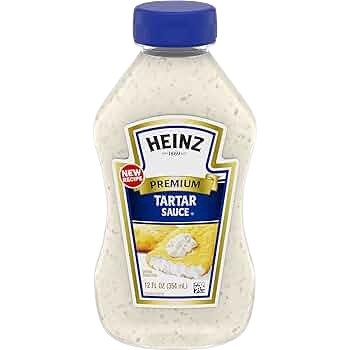
The calories in tartar sauce vary depending on serving size and specific formulation. One tablespoon (15g, 0.53 oz) of classic tartar sauce contains between 60 to 75 calories, while a larger 100g (3.5 oz) serving provides 200 to 300 calories. Tartar sauce nutrition is characterized by its high fat content, primarily from mayonnaise, and considerable sodium levels. A 100g serving contains 15-30g of fat and over 600mg of sodium (over 25% DV). Some versions also offer small amounts of Vitamin E (around 11% DV per 100g) and Vitamin K (around 42% DV per 100g). Research underscores that dietary patterns including regular consumption of high-fat, high-sodium condiments require careful consideration to maintain cardiovascular health and manage overall caloric intake (Lichtenstein, A.H., et al., 2021, 'Dietary Guidance to Improve Cardiovascular Health: A Scientific Statement From the American Heart Association').
Different types of tartar sauce present varying tartar sauce calories and nutrient compositions. Classic full-fat versions are the most calorie-dense, while light or low-fat alternatives, often using reduced-fat mayonnaise or yogurt, offer fewer calories, ranging from 25 to 45 calories per tablespoon (15g). Countries like the United States, Germany, and the United Kingdom are major producers and consumers within the broader sauces and condiments market, where tartar sauce is a popular item. The price of tartar sauce has followed an upward trend over the past two decades, influenced by ingredient costs and overall food inflation, as reflected in the Consumer Price Index for Sauces and Gravies in the U.S., which increased from around 198 in early 2004 to over 350 by early 2024.
Tartar sauce is a classic accompaniment to many dishes, especially fried seafood like fish and chips, fried shrimp, and fish sandwiches, commonly found at restaurant chains like Long John Silver's, Captain D's, Red Lobster, and McDonald's. Health guidelines suggest a modest intake, such as one tablespoon (15g, 0.53 oz), contributing 60 to 75 calories, when it is included in a meal. Burning the 70 calories from a tablespoon of classic tartar sauce can be achieved through activities such as 7-10 minutes of jogging, 10-12 minutes of brisk walking, or about 10 minutes of moderate cycling.
Tartar Sauce nutrition
- Sodium in Tartar Sauce
- Potassium in Tartar Sauce
- Sugar in Tartar Sauce
- Fiber in Tartar Sauce
- Protein in Tartar Sauce
- Carbs in Tartar Sauce
- Fat in Tartar Sauce
- Vitamins in Tartar Sauce
- Minerals in Tartar Sauce
Sodium in Tartar Sauce
One tablespoon of Kraft Tartar Sauce (15g, 0.53 oz) contains 100mg of sodium (4% DV). One tablespoon of Great Value Tartar Sauce (14.5g, 0.51 oz) has 90mg of sodium (4% DV). One tablespoon of Heinz Tartar Sauce (15g, 0.53 oz) contains 105mg of sodium (5% DV). A tablespoon of homemade style tartar sauce (14g, 0.49 oz) contains 93mg of sodium (4% DV). A 100g (3.5 oz) serving of Kraft Tartar Sauce has 667mg of sodium (29% DV). A 100g (3.5 oz) serving of Great Value Tartar Sauce contains 621mg of sodium (27% DV). A 100g (3.5 oz) serving of Heinz Tartar Sauce provides 700mg of sodium (30% DV). Generic tartar sauce in a 100g (3.5 oz) portion contains 667mg of sodium (29% DV).
One tablespoon of Kraft Tartar Sauce (15g, 0.53 oz) contains 0mg of potassium (0% DV). One tablespoon of Great Value Tartar Sauce (14.5g, 0.51 oz) has 10mg of potassium (0% DV). One tablespoon of Heinz Tartar Sauce (15g, 0.53 oz) contains 0mg of potassium (0% DV), as it is not listed in the nutrient profile. A tablespoon of homemade style tartar sauce (14g, 0.49 oz) provides 9.5mg of potassium (0% DV). A 100g (3.5 oz) serving of Kraft Tartar Sauce has 0mg of potassium (0% DV). A 100g (3.5 oz) serving of Great Value Tartar Sauce contains 69mg of potassium (1% DV). A 100g (3.5 oz) serving of Heinz Tartar Sauce contains 0mg of potassium (0% DV). Generic tartar sauce in a 100g (3.5 oz) portion contains 68mg of potassium (1% DV).
One tablespoon of Kraft Tartar Sauce (15g, 0.53 oz) contains 1.5g of sugar. One tablespoon of Great Value Tartar Sauce (14.5g, 0.51 oz) has 1g of sugar. One tablespoon of Heinz Tartar Sauce (15g, 0.53 oz) contains 1.5g of sugar. A tablespoon of homemade style tartar sauce (14g, 0.49 oz) contains 0.6g of sugar. A 100g (3.5 oz) serving of Kraft Tartar Sauce has 10g of sugar. A 100g (3.5 oz) serving of Great Value Tartar Sauce contains 6.9g of sugar. A 100g (3.5 oz) serving of Heinz Tartar Sauce provides 10g of sugar. Generic tartar sauce in a 100g (3.5 oz) portion contains 4.3g of sugar.
One tablespoon of Kraft Tartar Sauce (15g, 0.53 oz) contains 0g of fiber (0% DV). One tablespoon of Great Value Tartar Sauce (14.5g, 0.51 oz) has 0g of fiber (0% DV). One tablespoon of Heinz Tartar Sauce (15g, 0.53 oz) contains 0g of fiber (0% DV). A tablespoon of homemade style tartar sauce (14g, 0.49 oz) provides 0.1g of fiber (0% DV). A 100g (3.5 oz) serving of Kraft Tartar Sauce has 0g of fiber (0% DV). A 100g (3.5 oz) serving of Great Value Tartar Sauce contains 0g of fiber (0% DV). A 100g (3.5 oz) serving of Heinz Tartar Sauce provides 0g of fiber (0% DV). Generic tartar sauce in a 100g (3.5 oz) portion contains 0.5g of fiber (2% DV).
One tablespoon of Kraft Tartar Sauce (15g, 0.53 oz) contains 0g of protein (0% DV). One tablespoon of Great Value Tartar Sauce (14.5g, 0.51 oz) has 0g of protein (0% DV). One tablespoon of Heinz Tartar Sauce (15g, 0.53 oz) contains 0.1g of protein (0% DV). A tablespoon of homemade style tartar sauce (14g, 0.49 oz) provides 0.1g of protein (0% DV). A 100g (3.5 oz) serving of Kraft Tartar Sauce has 0g of protein (0% DV). A 100g (3.5 oz) serving of Great Value Tartar Sauce contains 0g of protein (0% DV). A 100g (3.5 oz) serving of Heinz Tartar Sauce provides 0.67g of protein (1% DV). Generic tartar sauce in a 100g (3.5 oz) portion provides 1g of protein (2% DV).
One tablespoon of Kraft Tartar Sauce (15g, 0.53 oz) contains 2g of carbohydrates (1% DV). One tablespoon of Great Value Tartar Sauce (14.5g, 0.51 oz) has 2g of carbohydrates (1% DV). One tablespoon of Heinz Tartar Sauce (15g, 0.53 oz) contains 2g of carbohydrates (1% DV). A tablespoon of homemade style tartar sauce (14g, 0.49 oz) provides 1.9g of carbohydrates (1% DV). A 100g (3.5 oz) serving of Kraft Tartar Sauce has 13.3g of carbohydrates (5% DV). A 100g (3.5 oz) serving of Great Value Tartar Sauce contains 13.8g of carbohydrates (5% DV). A 100g (3.5 oz) serving of Heinz Tartar Sauce provides 13.3g of carbohydrates (5% DV). Generic tartar sauce in a 100g (3.5 oz) portion provides 13g of carbohydrates (5% DV).
One tablespoon of Kraft Tartar Sauce (15g, 0.53 oz) contains 2.5g of total fat (3% DV). One tablespoon of Great Value Tartar Sauce (14.5g, 0.51 oz) has 2.25g of total fat (3% DV). One tablespoon of Heinz Tartar Sauce (15g, 0.53 oz) contains 4g of total fat (5% DV). A tablespoon of homemade style tartar sauce (14g, 0.49 oz) provides 2.3g of total fat (3% DV). A 100g (3.5 oz) serving of Kraft Tartar Sauce has 16.7g of total fat (21% DV). A 100g (3.5 oz) serving of Great Value Tartar Sauce contains 15.5g of total fat (20% DV). A 100g (3.5 oz) serving of Heinz Tartar Sauce provides 26.7g of total fat (34% DV). Generic tartar sauce in a 100g (3.5 oz) portion provides 17g of total fat (22% DV).
A 100g (3.5 oz) serving of generic tartar sauce provides 50.7µg of Vitamin K (42% DV) and 1.71mg of Vitamin E (11% DV). It also contains 11µg RAE of Vitamin A (1% DV) and 2.1mg of Vitamin C (2% DV). Thiamin, Riboflavin, Niacin, Vitamin B6, Folate, and Vitamin B12 are present in amounts contributing 0% of the DV per 100g. This serving contains 0mcg of Vitamin D (0% DV).
For a 100g (3.5 oz) serving, generic tartar sauce contains 667mg of sodium (29% DV) and 68mg of potassium (1% DV). Calcium is present at 26mg (2% DV) per 100g. The iron content is 0.25mg (1% DV). Phosphorus is found at 17mg (1% DV), and magnesium is present at 6mg (1% DV). Selenium content is 0.9µg (2% DV), zinc is 0.12mg (1% DV), copper is 0.02mg (2% DV), and manganese is 0.11mg (5% DV).
Get a Custom Report on Tartar Sauce Nutrition Data – Contact Us!
What are the Types of Tartar Sauce?
The different types of tartar sauce vary mainly by their base ingredients and added flavorings, which affects their nutritional profile, especially calories. Common types include classic tartar sauce, light or low-fat versions, and those with distinct herbal or spicy notes.
| Type | Description | Calories (per 1 tbsp / 15g) | Calorie Qualifications |
|---|---|---|---|
|
Classic Tartar Sauce
|
Mayonnaise-based with chopped pickles or relish, capers, and lemon juice. | 60-75 | Calories primarily from fat in mayonnaise. |
|
Light/Low-Fat Tartar Sauce
|
Uses light mayonnaise, reduced-fat mayonnaise, or Greek yogurt as a base. | 25-45 | Fewer calories due to reduced fat content. |
|
Homemade Tartar Sauce
|
Ingredients vary widely; can be made with full-fat or light mayo, or yogurt. | 30-80 | Calorie content depends entirely on the recipe chosen. |
|
Dill Tartar Sauce
|
Classic tartar sauce with a pronounced dill flavor from fresh or dried dill. | 60-75 | Calories similar to classic, primarily from fat. |
|
Lemon Herb Tartar Sauce
|
Emphasizes lemon and various herbs like parsley, chives, or tarragon. | 60-75 | Calories similar to classic, primarily from fat. |
|
Spicy Tartar Sauce
|
Classic tartar sauce with added hot sauce, cayenne pepper, or jalapeños. | 60-80 | Calories similar to classic; some hot sauces add sugar. |
What are the Main Dishes with Tartar Sauce?
Tartar sauce is a classic condiment frequently paired with a variety of dishes like Fish and Chips and Fried Shrimp. Its creamy texture and tangy flavor complement the richness of these foods. The table below details common main dishes served with tartar sauce:
| Dish Name | Calories (per serving) | Type of Tartar Sauce Used | Carbs (g) | Sugar (g) | Protein (g) | Fat (g) | Cuisine | Restaurants |
|---|---|---|---|---|---|---|---|---|
|
Fish and Chips
|
600-900 | Classic | 50-80 | 2-5 | 25-40 | 30-50 | British/American | Long John Silver's, Captain D's, Red Lobster, Gordon Ramsay Fish & Chips |
|
Fried Shrimp
|
350-550 | Classic/Lemon Herb | 20-35 | 1-3 | 15-25 | 20-30 | American | Red Lobster, Bonefish Grill, Joe's Crab Shack, Popeyes |
|
Crab Cakes
|
300-500 (2 cakes) | Classic/Dill | 15-30 | 1-4 | 20-30 | 15-25 | American | Phillips Seafood, Legal Sea Foods, Bonefish Grill |
|
Fish Sandwich (Fried)
|
450-700 | Classic | 40-60 | 5-10 | 15-25 | 20-35 | American | McDonald's (Filet-O-Fish), Burger King (Big Fish), Arby's |
|
Onion Rings
|
400-600 | Classic/Spicy | 45-60 | 3-7 | 5-8 | 20-35 | American | Sonic Drive-In, Burger King, Red Robin |
|
Fried Calamari
|
300-500 | Lemon Herb/Classic | 20-35 | 1-3 | 15-25 | 15-25 | Italian-American | Olive Garden, Carrabba's Italian Grill, various local Italian restaurants |
|
Salmon Patties/Croquettes
|
250-450 (2 patties) | Dill/Classic | 10-20 | 1-3 | 20-30 | 12-22 | American | Cracker Barrel (seasonal), various diners |
|
Chicken Strips/Tenders
|
400-600 | Classic | 25-40 | 1-3 | 25-35 | 20-30 | American | KFC, Raising Cane's, Zaxby's |
|
Fried Oysters
|
300-500 | Classic/Spicy | 20-30 | <1-2 | 10-15 | 20-30 | American (Coastal) | Acme Oyster House, various seafood restaurants |
|
Baked or Broiled Fish (e.g., Cod, Haddock)
|
200-400 (with 2 tbsp sauce) | Light/Lemon Herb | 2-5 | 1-2 | 30-40 | 8-18 | American | Red Lobster, Legal Sea Foods, Bonefish Grill |
|
Fish Tacos (Fried Fish)
|
300-500 (2 tacos) | Spicy/Cilantro Lime | 25-40 | 2-5 | 15-25 | 15-25 | Mexican-American | Rubio's Coastal Grill, Wahoo's Fish Taco |
|
Veggie Burgers (some types)
|
350-550 | Classic/Vegan | 35-50 | 5-8 | 10-20 | 15-25 | American | Burger King (Impossible Whopper with modifications), various vegetarian/vegan restaurants |
What Cuisines Prefer Tartar Sauce the Most?
Tartar sauce is most prominently featured in American and British cuisines, where it is a standard accompaniment to fried seafood. Its popularity in these regions is tied to the prevalence of dishes like fish and chips and fried shrimp. The table below shows cuisines that commonly use tartar sauce and some associated dishes.
| Cuisine | Dish Name | Calories (per serving) | Restaurants |
|---|---|---|---|
|
American
|
Fried Shrimp Platter | 350-550 | Red Lobster, Bonefish Grill, Joe's Crab Shack |
|
American
|
Fish Sandwich (Fried) | 450-700 | McDonald's, Burger King, Arby's |
|
American
|
Crab Cakes | 300-500 (2 cakes) | Phillips Seafood, Legal Sea Foods |
|
American
|
Onion Rings | 400-600 | Sonic Drive-In, Burger King, Red Robin |
|
American
|
Chicken Strips/Tenders | 400-600 | Raising Cane's, Zaxby's, KFC |
|
British
|
Fish and Chips | 600-900 | Long John Silver's, Captain D's, Gordon Ramsay Fish & Chips |
|
British-American
|
Fried Scallops | 300-450 | Various seafood restaurants, Ivar's Acres of Clams |
|
International Seafood
|
Fried Calamari | 300-500 | Olive Garden, Carrabba's Italian Grill |
Which Countries Produce the Most Tartar Sauce?
The top producers of mayonnaise, which is the main ingredient in tartar sauce, include the United States, Germany, Spain, and the Netherlands. Data for the broader category of "Sauces; mixed condiments and seasonings" (which includes mayonnaise and by extension, tartar sauce components) from trade statistics can indicate major production and export hubs. The table below uses export values for "Sauces and preparations thereof; mixed condiments and mixed seasonings" (HS Code 2103):
| Country | 2004 | 2005 | 2006 | 2007 | 2008 | 2009 | 2010 | 2011 | 2012 | 2013 | 2014 | 2015 | 2016 | 2017 | 2018 | 2019 | 2020 | 2021 | 2022 | 2023 |
|---|---|---|---|---|---|---|---|---|---|---|---|---|---|---|---|---|---|---|---|---|
| USA | 1,177 | 1,274 | 1,403 | 1,613 | 1,786 | 1,678 | 1,842 | 2,031 | 2,126 | 2,258 | 2,345 | 2,250 | 2,230 | 2,301 | 2,450 | 2,575 | 2,734 | 3,011 | 3,330 | 3,510 |
| Netherlands | 705 | 776 | 858 | 1,030 | 1,195 | 1,140 | 1,260 | 1,455 | 1,490 | 1,603 | 1,670 | 1,525 | 1,590 | 1,688 | 1,795 | 1,880 | 1,995 | 2,250 | 2,410 | 2,530 |
| Germany | 530 | 585 | 650 | 780 | 910 | 850 | 940 | 1,090 | 1,130 | 1,220 | 1,290 | 1,180 | 1,230 | 1,310 | 1,380 | 1,450 | 1,560 | 1,740 | 1,890 | 1,980 |
| China | 350 | 420 | 510 | 630 | 750 | 780 | 920 | 1,100 | 1,250 | 1,400 | 1,550 | 1,600 | 1,650 | 1,750 | 1,900 | 2,100 | 2,300 | 2,650 | 2,900 | 3,100 |
| Italy | 480 | 520 | 570 | 670 | 760 | 710 | 790 | 890 | 920 | 990 | 1,050 | 980 | 1,020 | 1,080 | 1,150 | 1,200 | 1,280 | 1,430 | 1,550 | 1,620 |
| Thailand | 300 | 340 | 390 | 470 | 550 | 580 | 670 | 780 | 880 | 990 | 1,100 | 1,150 | 1,200 | 1,300 | 1,420 | 1,550 | 1,680 | 1,850 | 2,050 | 2,180 |
| Poland | 150 | 180 | 220 | 280 | 350 | 370 | 430 | 520 | 580 | 650 | 720 | 700 | 750 | 830 | 920 | 1,010 | 1,120 | 1,280 | 1,450 | 1,530 |
Which Countries Consume the Most Tartar Sauce?
Since specific consumption data for "tartar sauce" in kilotonnes is not readily available, consumption patterns can be inferred from import data for the broader category of "Sauces; mixed condiments and seasonings" (HS Code 2103) and market data for mayonnaise, as tartar sauce is a mayonnaise derivative. Countries with high consumption of seafood, particularly fried seafood, and Western-style condiments include the United States, Canada, the United Kingdom, and other European nations. The table below shows import values for "Sauces and preparations thereof; mixed condiments and mixed seasonings" (HS Code 2103) for key markets.
| Country | 2004 | 2005 | 2006 | 2007 | 2008 | 2009 | 2010 | 2011 | 2012 | 2013 | 2014 | 2015 | 2016 | 2017 | 2018 | 2019 | 2020 | 2021 | 2022 | 2023 |
|---|---|---|---|---|---|---|---|---|---|---|---|---|---|---|---|---|---|---|---|---|
| USA | 650 | 710 | 780 | 890 | 980 | 920 | 1,050 | 1,180 | 1,250 | 1,340 | 1,420 | 1,400 | 1,430 | 1,500 | 1,620 | 1,700 | 1,780 | 2,050 | 2,350 | 2,500 |
| Germany | 450 | 490 | 540 | 630 | 720 | 680 | 750 | 860 | 900 | 970 | 1,030 | 980 | 1,020 | 1,090 | 1,150 | 1,210 | 1,290 | 1,450 | 1,600 | 1,680 |
| United Kingdom | 480 | 525 | 580 | 670 | 750 | 710 | 780 | 880 | 930 | 990 | 1,050 | 1,020 | 1,040 | 1,100 | 1,180 | 1,240 | 1,300 | 1,420 | 1,550 | 1,630 |
| Canada | 380 | 410 | 450 | 510 | 570 | 540 | 600 | 670 | 710 | 760 | 800 | 780 | 790 | 830 | 890 | 930 | 980 | 1,120 | 1,280 | 1,350 |
| France | 390 | 430 | 480 | 560 | 640 | 600 | 670 | 770 | 810 | 870 | 920 | 880 | 910 | 970 | 1,030 | 1,080 | 1,150 | 1,300 | 1,420 | 1,490 |
| Netherlands | 300 | 330 | 370 | 430 | 500 | 470 | 520 | 600 | 630 | 680 | 720 | 690 | 710 | 760 | 810 | 850 | 900 | 1,020 | 1,130 | 1,190 |
| Japan | 250 | 270 | 300 | 340 | 380 | 360 | 400 | 450 | 480 | 510 | 540 | 520 | 530 | 560 | 590 | 620 | 650 | 730 | 800 | 840 |
How Do Prices of Tartar Sauce-including Dishes Change?
The prices of restaurant dishes that commonly include tartar sauce, such as fried seafood, have generally increased over the past 20 years. This is due to a combination of factors, including the rising cost of tartar sauce itself, and more significantly, increases in the prices of main ingredients like fish and seafood, cooking oil, as well as labor, rent, and energy costs for restaurant operations. Below is a comparison of estimated prices for representative menu items.
| Restaurant Chain | Dish | Estimated Old Price (2004-2008) | Estimated Current Price (2024-2025) |
|---|---|---|---|
| McDonald's | Filet-O-Fish Sandwich | $2.79 - $3.29 | $4.79 - $5.99 |
| Long John Silver's | Fish & Chips (2 pc Fish) | $4.99 - $6.49 | $7.99 - $9.99 |
| Captain D's | 2 Piece Batter Dipped Fish Meal | $4.79 - $6.29 | $7.89 - $9.79 |
| Red Lobster | Fried Shrimp (Lunch portion) | $8.99 - $10.99 | $14.99 - $19.99 |
| Arby's | Crispy Fish Sandwich (Seasonal) | $3.29 - $3.99 | $5.99 - $6.99 |
How Does the Price of Tartar Sauce Change for the Last 20 Years?
The price of tartar sauce has generally increased over the past two decades. The CPI for Sauces and Gravies in the U.S. published by the U.S. Bureau of Labor Statistics shows a significant upward trend. The index was around 198 in early 2004 and rose to over 350 by early 2024 (Source: Federal Reserve Bank of St. Louis - FRED database). This indicates a substantial increase in the average retail price of these items. The lowest prices for tartar sauce were generally found in the earlier years of this 20-year period (2004-2008). Prices have climbed, with notable increases during periods of higher overall inflation, such as in more recent years (2021-2023). Factors influencing tartar sauce prices include the cost of primary ingredients like edible oils (soybean, canola), eggs, vinegar, pickles, and spices. Fluctuations in agricultural commodity prices, energy costs for production and transportation, packaging expenses, and labor costs all contribute to the final retail price. Countries with high production and processing capacities for these ingredients might experience slightly lower base costs, but retail prices are also heavily influenced by local market competition, import tariffs (if applicable), and retail markups. The United States, being a major producer and consumer of condiments, likely exhibits a wide range of prices from budget-friendly store brands to premium artisanal tartar sauces. The overall increase in production costs for sauces and condiments, coupled with sustained consumer demand, has driven the price of tartar sauce upward over the last two decades.
What is the Tartar Sauce Calorie for 100g?
A 100g (3.5 oz) serving of Kraft Tartar Sauce provides 200 calories. A 100g (3.5 oz) serving of Great Value Tartar Sauce contains 207 calories. A 100g (3.5 oz) serving of Heinz Tartar Sauce contains 300 calories. A 100g (3.5 oz) serving of homemade style generic tartar sauce contains 211 calories.
What is the Tartar Sauce Calorie for 1 Tablespoon?
One tablespoon of Kraft Tartar Sauce (15g, 0.53 oz) provides 30 calories. One tablespoon of Great Value Tartar Sauce (14.5g, 0.51 oz) contains 30 calories. One tablespoon of Heinz Tartar Sauce (15g, 0.53 oz) contains 45 calories. One tablespoon of homemade style tartar sauce (14g, 0.49 oz) contains 30 calories.
What is the Calorie of 1 Serving of Tartar Sauce?
One serving, two tablespoons of Kraft Tartar Sauce (30g, 1.06 oz), provides 60 calories. One serving, two tablespoons of Great Value Tartar Sauce (29g, 1.02 oz), contains 60 calories. One serving, two tablespoons of Heinz Tartar Sauce (30g, 1.06 oz), contains 90 calories. One serving, two tablespoons of homemade style tartar sauce (28g, 0.99 oz), contains 60 calories.
What are the Health Benefits of Tartar Sauce?
Tartar sauce can offer some health benefits due to its Vitamin K and Vitamin E content, as well as unsaturated fat, primarily derived from mayonnaise. The main benefits of tartar sauce consumption are listed below:
- Source of Vitamin K: Mayonnaise, a primary ingredient in tartar sauce, is made with oils that provide Vitamin K. Vitamin K is essential for normal blood clotting and plays a role in bone health by aiding in the synthesis of proteins required for bone metabolism. (Linus Pauling Institute, Date N/A, "Vitamin K"; Higdon, J., et al., 2018, "Vitamin K").
- Provides Vitamin E: The oils in mayonnaise also contribute Vitamin E, an antioxidant that helps protect cells from damage caused by free radicals. Vitamin E supports immune function and can contribute to heart health. (National Institutes of Health, Date N/A, "Vitamin E"; Traber, M.G., 2014, "Vitamin E").
- Contains Unsaturated Fats: Many oils used in mayonnaise, such as soybean or canola oil, are sources of unsaturated fats, including polyunsaturated and monounsaturated fats. These fats can be beneficial for heart health when consumed as part of a balanced diet, helping to maintain healthy cholesterol levels. (American Heart Association, 2024, "The Skinny on Fats").
- Source of Choline: Egg yolks, used in making mayonnaise, are a source of choline. Choline is an essential nutrient important for brain health, nervous system function, and cell membrane structure. (National Institutes of Health, Date N/A, "Choline").
- May Enhance Nutrient Absorption: The fats present in tartar sauce can aid in the absorption of fat-soluble vitamins (A, D, E, and K) from other foods consumed in the same meal, such as those in salads or fish. (Goodman, B., 2010, "Fat-Soluble Vitamins").
What are the Downsides of Tartar Sauce?
Tartar sauce has notable downsides related to its high fat and sodium content, and in some cases, added sugars, as shown below:
- High in Total Fat and Saturated Fat: Tartar sauce, with mayonnaise as its base, is high in total fat and contains saturated fat. Diets high in saturated fat can contribute to increased levels of LDL (bad) cholesterol, which is a risk factor for heart disease. (American Heart Association, 2024, "Saturated Fat"). The American Heart Association recommends limiting saturated fat intake.
- High in Calories: Due to its high fat content, tartar sauce is calorie-dense. Consuming calorie-dense foods in large amounts can contribute to weight gain if energy intake exceeds energy expenditure.
- High Sodium Content: Tartar sauce contains a significant amount of sodium, contributed by salt in the mayonnaise, pickles, and sometimes capers. High sodium intake is linked to increased blood pressure, a major risk factor for cardiovascular diseases like heart disease and stroke. (World Health Organization, 2020, "Salt reduction").
- Contains Added Sugars in Some Varieties: Some commercial tartar sauces, and even some recipes, include added sugars or high-fructose corn syrup, often via sweet pickle relish. Excessive intake of added sugars contributes empty calories and can increase the risk of health problems such as obesity, type 2 diabetes, and heart disease. (Malik, V.S., et al., 2010, "Sugar-Sweetened Beverages, Obesity, Type 2 Diabetes Mellitus, and Cardiovascular Disease Risk").
- Presence of Preservatives and Additives in Commercial Versions: Store-bought tartar sauces often contain preservatives, stabilizers, and artificial flavors to extend shelf life and enhance taste, which some individuals may prefer to avoid.
Is Tartar Sauce Good for You?
No, tartar sauce is not considered 'good' for your health when consumed in large quantities or on a frequent basis. Its nutritional profile is characterized by high levels of fat, calories, and sodium, which can counteract any minor benefits from vitamins like E and K or healthy fats present in the oils. The primary base of tartar sauce is mayonnaise, which contributes significantly to its high fat and calorie content. While some of these fats are unsaturated, the overall caloric density and presence of saturated fats can be problematic for weight management and cardiovascular health if consumed excessively. (American Heart Association, 2024, "Saturated Fat"). Furthermore, many commercial tartar sauces are high in sodium, which can contribute to elevated blood pressure. (Appel, L.J., et al., 2011, "Dietary Approaches to Prevent and Treat Hypertension: A Scientific Statement From the American Heart Association"). Therefore, while small amounts may be part of a balanced diet, tartar sauce should be consumed in moderation.
Can People with Diabetes Consume Tartar Sauce?
Yes, people with diabetes can consume tartar sauce, but they should do so in moderation and with careful consideration of its nutritional content, particularly fat and calories, and sugar in some varieties. Most traditional tartar sauces are low in carbohydrates, which is a positive aspect for blood sugar management. The main ingredients like mayonnaise and pickles have a low glycemic index. (Texas Real Food, 2024, "Is Tartar Sauce Safe for Diabetics? Making Informed Dietary Choices"). However, the high fat content can contribute to overall calorie intake, which is important for individuals with diabetes to manage, especially if weight control is a goal. Some store-bought tartar sauces may also contain added sugars or high fructose corn syrup, so it is important to check nutrition labels. (Is Tartar Sauce Safe for Diabetics? Understanding Its Impact on Blood Sugar Levels, 2025). Choosing light versions or making homemade tartar sauce with plain Greek yogurt or light mayonnaise, and without added sugar, can be a healthier option, providing more control over the ingredients and nutritional profile. (Mayo Clinic, Date N/A, "Diabetes diet: Create your healthy-eating plan").
How Do Calories Change According to Tartar Sauce Types?
The calorie content of tartar sauce is primarily dictated by its fat content, which in turn is determined by the base ingredient used. Classic tartar sauces, which are mayonnaise-based, are the highest in calories because mayonnaise itself is an emulsion of oil and egg yolk, making it rich in fat. A single tablespoon of classic tartar sauce can contain between 60 and 75 calories. Light or low-fat tartar sauces achieve a lower calorie count, often between 25 and 45 calories per tablespoon, by substituting regular mayonnaise with light mayonnaise, reduced-fat mayonnaise, or non-fat Greek yogurt, thereby significantly reducing the fat.
Homemade tartar sauce calories can vary widely, from as low as 30 calories if made with a yogurt base to over 80 calories if made with rich, full-fat mayonnaise and oils. Tartar sauce types that mainly vary by the addition of herbs or spices, such as dill tartar sauce, lemon herb tartar sauce, or spicy tartar sauce, generally have calorie counts similar to classic tartar sauce, unless the added ingredients themselves contribute significant calories (e.g., a sugary hot sauce). The lowest calorie options are those specifically formulated to be low-fat, often using Greek yogurt as a substantial part of the base.
What are the Desserts with Tartar Sauce?
The use of tartar sauce in desserts is highly unconventional and not a standard culinary practice. There are no widely known or commercially served desserts that feature tartar sauce as an ingredient. Tartar sauce's savory, tangy, and often onion or garlic-tinged profile is generally considered incompatible with sweet dessert flavors.
What Spices are Commonly Added to Tartar Sauce?
Common spices and herbs added to tartar sauce include dill, parsley, chives, tarragon, onion powder, garlic powder, and black pepper; capers and diced pickles or relish also contribute significantly to its flavor profile. These spices and flavorings are incorporated to enhance the sauce's overall taste and complexity. Each spice contributes uniquely: dill offers a slightly anise-like, grassy note; parsley provides a fresh, clean taste; chives add a mild oniony touch; tarragon imparts a hint of bittersweet anise; onion and garlic powders offer savory depth; and black pepper adds a gentle pungency. The capers and pickles introduce briny, acidic, and sometimes sweet elements that cut through the richness of the mayonnaise base, creating a balanced and zesty condiment.
Is Tartar Sauce Acidic?
Yes, tartar sauce is mildly acidic. This acidity primarily comes from ingredients like lemon juice or vinegar, which are key components in most tartar sauce recipes. The addition of these acidic elements serves an important role in balancing the creamy, rich texture of the mayonnaise or other base ingredients like sour cream or yogurt. This acidic tang cuts through the fattiness, brightens the overall flavor, and makes the sauce a more refreshing complement to fried or rich foods. While tartar sauce possesses a noticeable acidity that is crucial to its characteristic taste, it is not as strongly acidic as condiments like pure vinegar or some vinaigrettes.
What is the Origin of the Tartar Sauce?
The origin of tartar sauce is linked to the culinary traditions of 19th-century France, though its name suggests a connection to the Tartar people of Central Asia, albeit indirectly. The French term "sauce tartare" referred to a cold mayonnaise or aioli-style sauce that was often served with steak tartare, a dish of raw ground beef. The "Tartar" descriptor was historically used in Europe to describe dishes that were considered somewhat exotic, sharp, or piquant, or served with pungent sauces, perhaps reflecting a perception of Tartar cuisine or ingredients. The sauce itself, a creamy emulsion flavored with pungent additions, evolved from earlier French cold sauces.
One interesting aspect of tartar sauce's history is its strong association with seafood, particularly fried fish. While it may have initially accompanied meat dishes like steak tartare, its tangy and rich profile proved to be an ideal complement to the flavors and textures of battered and fried seafood. This pairing became especially popular in British and American culinary traditions by the late 19th and early 20th centuries. The classic "fish and chips" dish, for example, is rarely served without a side of tartar sauce, solidifying the condiment's place as a seafood staple.