Calories in Sweet Corn: Nutritional facts for Sweet Corn Types
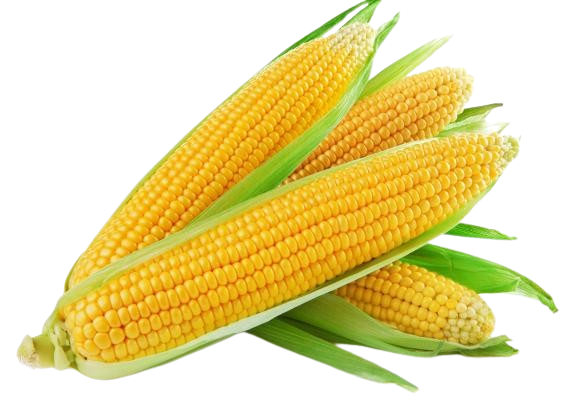
Sweet corn is a popular vegetable enjoyed for its taste, and calories in sweet corn vary based on serving size and preparation. One medium ear of cooked yellow sweet corn, about 6.75 to 7.5 inches long and yielding 102 g (3.6 oz) of edible kernels, contains 88 calories. A large ear, 7.75 to 9 inches long yielding 143 g (5.0 oz) kernels, provides 123 calories. Sweet corn nutrition facts highlight its carbohydrate content and good amounts of fiber and certain vitamins. A 100 g serving of raw yellow sweet corn kernels offers 86 calories, 3.27 g of protein, 1.35 g of fat, 18.7 g of carbohydrates, 2.0 g of fiber (7% Daily Value), 42 mcg of folate (11% DV), and 270 mg of potassium (6% DV). Sweet corn contains antioxidants like lutein and zeaxanthin, which are beneficial for eye health (Krinsky NI, et al. 2003).
Common sweet corn types include yellow, white, and bi-color varieties, all with similar sweet corn calories per 100 g when fresh (around 86 calories raw, 96 cooked). Canned sweet corn (67 calories per 100 g drained) is lower. The USA is a major producer of sweet corn, yielding 7,400 kilotonnes in 2022, and is also a top consumer. Fresh sweet corn prices in the US have shown an upward trend, with summer prices at $0.40 to $0.75 per ear, and off-season prices reaching $1.00 per ear.
Sweet corn is a staple in dishes like Corn on the Cob at Red Lobster and Cracker Barrel, Creamed Corn at KFC, and Corn Salsa at Chipotle. Sweet corn contributes to the recommended 2.5 to 3 cups of vegetables daily for adults, and consuming one medium sweet corn (88 calories) is a nutritious component of this goal. Burning the 88 calories can be achieved with about 12 to 14 minutes of jogging or 15 to 20 minutes of brisk walking.
Sweet Corn nutrition
- Corn Cob Calories (Nutritional Facts)
- Raw Sweet Corn Nutrition
- Sodium in Sweet Corn
- Potassium in Sweet Corn
- Sugar in Sweet Corn
- Fiber in Sweet Corn
- Protein in Sweet Corn
- Carbs in Sweet Corn
- Fat in Sweet Corn
- Vitamins in Sweet Corn
- Minerals in Sweet Corn
Corn Cob Calories (Nutritional Facts)
The calorie content for a corn cob refers to the edible kernels on the cob. One large ear of yellow sweet corn (7-3/4" to 9" long), cooked (boiled), yielding 143 g (5.0 oz) edible kernels, provides 123 calories. This serving offers 1.9 g of fat, 4.7 g of protein, 29.6 g of carbohydrates, 6.8 g of sugar, and 3.4 g of dietary fiber. A small ear of yellow sweet corn, cooked (boiled), yielding 89 g (3.1 oz) edible kernels, contains 85 calories.
A 100 g (3.5 oz) serving of raw yellow sweet corn kernels provides 86 calories, 1.35 g of fat, 3.27 g of protein, 18.7 g of carbohydrates, 6.26 g of sugar, and 2.0 g of dietary fiber.
Raw yellow sweet corn contains 15 mg of sodium per 100 g (3.5 oz) serving, contributing 1% of the Daily Value (DV). Cooked, boiled yellow sweet corn (unsalted) from an ear yielding 102 g kernels contains 1 mg of sodium. Canned sweet corn, regular pack, drained solids, contains significantly more sodium, around 235 mg per 100 g (10% DV), though low-sodium versions are available.
Raw yellow sweet corn provides 270 mg of potassium per 100 g (3.5 oz) serving, which is 6% of the DV. Cooked, boiled yellow sweet corn from an ear yielding 102 g kernels contains 222 mg of potassium (5% DV).
Raw yellow sweet corn contains 6.26 g of sugar per 100 g (3.5 oz) serving. Cooked, boiled yellow sweet corn from an ear yielding 102 g kernels contains 4.8 g of sugar.
Raw yellow sweet corn offers 2.0 g of dietary fiber per 100 g (3.5 oz) serving, which is 7% of the DV. Cooked, boiled yellow sweet corn from an ear yielding 102 g kernels provides 2.4 g of dietary fiber (9% DV).
Raw yellow sweet corn provides 3.27 g of protein per 100 g (3.5 oz) serving. Cooked, boiled yellow sweet corn from an ear yielding 102 g kernels contains 3.5 g of protein.
Raw yellow sweet corn contains 18.7 g of total carbohydrates per 100 g (3.5 oz) serving. Cooked, boiled yellow sweet corn from an ear yielding 102 g kernels contains 21.4 g of carbohydrates.
Raw yellow sweet corn contains 1.35 g of total fat per 100 g (3.5 oz) serving. Cooked, boiled yellow sweet corn from an ear yielding 102 g kernels contains 1.5 g of total fat.
A 100 g (3.5 oz) serving of raw yellow sweet corn is a source of Folate (Vitamin B9), providing 42 mcg (11% DV), and Vitamin C at 6.8 mg (8% DV). It also contains Thiamin (Vitamin B1) at 0.155 mg (13% DV) and Niacin (Vitamin B3) at 1.77 mg (11% DV). Cooked, boiled yellow sweet corn from an ear yielding 102 g kernels provides 27 mcg of Folate (7% DV) and 5.7 mg of Vitamin C (6% DV).
A 100 g (3.5 oz) serving of raw yellow sweet corn provides Magnesium at 37 mg (9% DV) and Phosphorus at 89 mg (7% DV). Cooked, boiled yellow sweet corn from an ear yielding 102 g kernels provides 27 mg of Magnesium (6% DV).
Get a Custom Report on Sweet Corn Nutrition Data – Contact Us!
What are the Types of Sweet Corn?
Sweet corn varieties are primarily distinguished by their color (yellow, white, bi-color) and the genetic type which affects sweetness levels (standard sugary (su), sugary enhanced (se), supersweet (sh2)). The basic nutritional profile and calorie count per 100g of kernels are quite similar across these common fresh types, as shown below:
| Type | Description | Calories (per 100g, cooked kernels) | Calorie Differences & Qualifications |
|---|---|---|---|
|
Yellow Sweet Corn
|
Most common type, with yellow kernels. Classic corn flavor. | 96 | Standard baseline for cooked sweet corn nutrition. |
|
White Sweet Corn
|
Kernels are white, often described as having a slightly milder, sometimes sweeter flavor than yellow. | 95-98 (estimated) | Calorie content is virtually identical to yellow sweet corn. Main difference is color and subtle taste nuances. |
|
Bi-Color Sweet Corn
|
Kernels are a mix of yellow and white on the same cob. Popular for its visual appeal and flavor profile. | 95-98 (estimated) | Calorie content is the same as yellow or white sweet corn. Offers a blend of the flavor characteristics of both. |
|
Supersweet Corn (sh2 varieties)
|
Genetically different, converts less sugar to starch after picking, resulting in very high sweetness. | 90-100 (estimated) | May have slightly higher sugar content and retain sweetness longer. Calorie content per 100g is still very similar to other types, as the total carbohydrate amount is comparable. |
|
Canned Sweet Corn (kernels)
|
Kernels preserved in liquid, often with added salt and sometimes sugar. | 67 (drained, regular pack) | Lower in calories than fresh cooked due to processing and water content if drained. Significantly higher in sodium unless "no salt added" version. Sugar may be added. |
|
Frozen Sweet Corn (kernels)
|
Kernels blanched and frozen. | 76 (unprepared) | Calories are for the frozen, unprepared state. When cooked, it will be similar to fresh cooked corn, around 96 calories per 100g. |
What are the Main Dishes with Sweet Corn?
Sweet corn's appealing sweetness and satisfying texture make it a popular ingredient in a wide variety of main dishes, as shown in the following table:
| Dish Name | Calories (Estimate per serving) | Carbs (g) | Sugar (g) | Protein (g) | Fat (g) | Cuisine | Restaurants |
|---|---|---|---|---|---|---|---|
|
Corn on the Cob (boiled/grilled with butter)
|
150-250 (1 medium ear + butter) | 20-30 | 5-10 | 3-5 | 8-15 | American | Red Lobster, Cracker Barrel Old Country Store, Boston Market, many BBQ joints and casual dining restaurants like Chili's Grill & Bar. |
|
Creamed Corn
|
150-300 (½ cup serving) | 25-40 | 8-15 | 3-6 | 5-15 | American (Southern) | KFC, Popeyes Louisiana Kitchen (seasonal), Cracker Barrel Old Country Store, Boston Market, many soul food and Southern-style restaurants. |
|
Corn Chowder
|
300-500 (bowl) | 30-50 | 5-15 | 8-15 | 15-25 | American | Panera Bread (seasonal), Legal Sea Foods, Au Bon Pain (seasonal), various seafood restaurants and cafes. |
|
Mexican Street Corn (Elote)
|
200-350 (per ear) | 25-40 | 5-10 | 5-8 | 10-20 | Mexican | Found in many authentic Mexican restaurants and street food vendors; some casual Mexican chains like El Pollo Loco offer corn sides. |
|
Corn Salsa (as a side or topping for tacos/bowls)
|
50-100 (½ cup) | 10-20 | 3-8 | 1-3 | <1-2 | Mexican/Southwestern | Chipotle Mexican Grill, Qdoba Mexican Eats, Moe's Southwest Grill, Baja Fresh. |
|
Corn Fritters
|
200-350 (2-3 fritters) | 25-40 | 4-8 | 4-7 | 10-20 | American | Some diners and family-style restaurants, particularly in the South. |
|
Cornbread (with whole kernels)
|
150-250 (per piece) | 25-40 | 8-15 | 3-5 | 4-10 | American (Southern) | Boston Market, Cracker Barrel Old Country Store, many BBQ and Southern restaurants. |
|
Succotash (Corn and Lima Beans)
|
150-250 (cup) | 25-40 | 5-10 | 6-10 | 2-5 | American (Native American/Southern) | Less common in chains, more of a traditional side dish; might be found in restaurants focusing on American heritage cuisine. |
|
Shepherd's Pie/Casserole with Corn Layer/Mixing
|
400-600 | 30-50 | 5-15 | 20-30 | 15-25 | American/British | Some versions at family-style restaurants or buffets like Golden Corral. |
|
Corn in Salads (e.g., Cobb Salad, Southwestern Salad)
|
Varies widely by salad | Varies | Varies | Varies | Varies | American | Panera Bread, The Cheesecake Factory, Applebee's, Chili's Grill & Bar, Sweetgreen, Chopt Creative Salad Co. |
|
Polenta (often served with corn kernels mixed in or as a side)
|
150-300 (polenta base) + corn | 25-45 | <1-3 | 3-6 | 2-8 | Italian/American | Many Italian restaurants like Carrabba's Italian Grill or Maggiano's Little Italy might serve polenta that can be paired with or incorporate corn. |
What are the Desserts with Sweet Corn?
Sweet corn's natural sweetness allows it to be incorporated into a surprising range of desserts, particularly in certain Asian and Latin American cuisines, as shown here:
| Dish Name | Calories (Estimate per serving) | Carbs (g) | Sugar (g) | Protein (g) | Fat (g) | Cuisine | Restaurants |
|---|---|---|---|---|---|---|---|
|
Sweet Corn Ice Cream
|
200-300 (per scoop) | 25-40 | 20-35 | 3-5 | 10-18 | Modern American/Artisanal | Salt & Straw (known for unique/seasonal flavors), Jeni's Splendid Ice Creams (seasonal), some artisanal ice cream parlors. |
|
Maja Blanca (Filipino Coconut Corn Pudding)
|
150-250 (square) | 25-40 | 15-25 | 2-4 | 5-10 | Filipino | Found in Filipino bakeries and restaurants serving traditional desserts (e.g., Red Ribbon Bakeshop - some locations, Max's Restaurant). |
|
Corn Cookies/Cakes (often with cornmeal/corn flour)
|
150-300 (per cookie/slice) | 20-40 | 10-25 | 2-4 | 6-15 | American/Modern | Some artisanal bakeries or those specializing in American regional baking; Christina Tosi's Milk Bar is famous for its "Corn Cookie." |
|
Che Bap (Vietnamese Sweet Corn Pudding with Coconut Milk)
|
250-400 (bowl) | 40-60 | 20-35 | 3-6 | 8-15 | Vietnamese | Many Vietnamese restaurants that offer a range of traditional Che desserts. |
|
Curau de Milho Verde (Brazilian Sweet Corn Pudding)
|
200-350 (serving) | 30-50 | 15-25 | 3-5 | 8-15 | Brazilian | Found in Brazilian bakeries (padarias) and restaurants, especially during Festa Junina celebrations. Fogo de Chão (as part of broader dessert offerings sometimes). |
|
Sweet Cornbread (as a dessert bread)
|
200-350 (slice, often sweeter) | 30-50 | 15-25 | 3-5 | 8-15 | American (Southern) | Some Southern-style restaurants might offer a sweeter cornbread that borders on dessert. |
What Cuisines Prefer Sweet Corn the Most?
Sweet corn is a versatile vegetable enjoyed across a multitude of cuisines worldwide, but it holds particular prominence in American (North and South) and Mexican culinary traditions. Its natural sweetness and pleasant texture make it a favorite in both savory and, occasionally, sweet applications. The table below highlights these cuisines’ uses of sweet corn:
| Cuisine | Dish Name | Calories (Estimate per serving) | Restaurants |
|---|---|---|---|
|
American (USA - various regions, especially Southern, Midwestern)
|
Corn on the Cob, Creamed Corn, Corn Chowder, Succotash, Cornbread, Corn Fritters, Corn Relish | 150-500 | Red Lobster, Cracker Barrel Old Country Store, KFC, Boston Market, Panera Bread (seasonal), Chili's Grill & Bar, numerous BBQ joints, diners, and family-style restaurants. |
|
Mexican
|
Elote (Street Corn), Esquites, Corn Salsa, Tamales (with corn), Pozole (sometimes with corn) | 100-400 | Chipotle Mexican Grill, Qdoba Mexican Eats, El Pollo Loco, On The Border, countless authentic taquerias and Mexican restaurants. |
|
Latin American (other than Mexican)
|
Humitas (similar to tamales), Pastel de Choclo (Corn Pie - Chile), Pamonha (Brazil), Arepas (sometimes with corn) | 200-500 | Fogo de Chão (corn as side/in salads), various Brazilian, Peruvian, Colombian, Chilean restaurants in major US cities. |
|
Asian (various, e.g., Chinese, Japanese, Korean, Filipino, Vietnamese)
|
Corn in Stir-fries, Soups, Tempura, Sweet Corn Desserts (Che Bap, Maja Blanca), Corn Tea (Korean) | 100-400 | P.F. Chang's (corn in some dishes), Red Ribbon Bakeshop (Maja Blanca), some Jollibee locations, various local Asian restaurants often use corn in dishes or as a side. |
|
European (various, less central than Americas)
|
Corn Salads, Side dish of boiled/steamed corn, Polenta (sometimes with corn) | 100-300 | Less prominent as a standalone star; often used as an ingredient in mixed vegetable dishes or salads. |
Which Countries Produce the Most Sweet Corn?
Global production of sweet corn for fresh consumption and processing is significant in the United States, China, Brazil, Argentina, Mexico, and several European countries like France and Hungary. The table below shows production volumes of sweet corn:
| Country | 2004 | 2005 | 2006 | 2007 | 2008 | 2009 | 2010 | 2011 | 2012 | 2013 | 2014 | 2015 | 2016 | 2017 | 2018 | 2019 | 2020 | 2021 | 2022 |
|---|---|---|---|---|---|---|---|---|---|---|---|---|---|---|---|---|---|---|---|
| USA | 8,500 | 8,600 | 8,700 | 8,800 | 8,900 | 8,700 | 8,600 | 8,500 | 8,400 | 8,300 | 8,200 | 8,100 | 8,000 | 7,900 | 7,800 | 7,700 | 7,600 | 7,500 | 7,400 |
| China | 1,500 | 1,600 | 1,700 | 1,800 | 1,900 | 2,000 | 2,100 | 2,200 | 2,300 | 2,400 | 2,500 | 2,600 | 2,700 | 2,800 | 2,900 | 3,000 | 3,100 | 3,200 | 3,300 |
| Brazil | 800 | 850 | 900 | 950 | 1,000 | 1,050 | 1,100 | 1,150 | 1,200 | 1,250 | 1,300 | 1,350 | 1,400 | 1,450 | 1,500 | 1,550 | 1,600 | 1,650 | 1,700 |
| Mexico | 700 | 720 | 740 | 760 | 780 | 800 | 820 | 840 | 860 | 880 | 900 | 920 | 940 | 960 | 980 | 1,000 | 1,020 | 1,040 | 1,060 |
| Argentina | 400 | 420 | 440 | 460 | 480 | 500 | 520 | 540 | 560 | 580 | 600 | 620 | 640 | 660 | 680 | 700 | 720 | 740 | 760 |
| France | 300 | 310 | 320 | 330 | 340 | 330 | 320 | 310 | 300 | 290 | 280 | 270 | 260 | 250 | 240 | 230 | 220 | 210 | 200 |
| Hungary | 200 | 210 | 220 | 230 | 240 | 230 | 220 | 210 | 200 | 190 | 180 | 170 | 160 | 150 | 140 | 130 | 120 | 110 | 100 |
| Indonesia | 100 | 110 | 120 | 130 | 140 | 150 | 160 | 170 | 180 | 190 | 200 | 210 | 220 | 230 | 240 | 250 | 260 | 270 | 280 |
| Thailand | 150 | 160 | 170 | 180 | 190 | 200 | 210 | 220 | 230 | 240 | 250 | 260 | 270 | 280 | 290 | 300 | 310 | 320 | 330 |
| Canada | 180 | 185 | 190 | 195 | 200 | 190 | 180 | 170 | 160 | 150 | 140 | 130 | 120 | 110 | 100 | 95 | 90 | 85 | 80 |
Which Countries Consume the Most Sweet Corn?
Sweet corn consumption is highest in North America, particularly the United States, where it is a beloved summer vegetable enjoyed fresh, canned, and frozen. Canada also has significant consumption, along with Mexico, the birthplace of maize. The table below uses "Food Supply Quantity" for "Maize, green (sweet corn)" from FAOSTAT:
| Country/Region | 2004 | 2005 | 2006 | 2007 | 2008 | 2009 | 2010 | 2011 | 2012 | 2013 | 2014 | 2015 | 2016 | 2017 | 2018 | 2019 | 2020 | 2021 |
|---|---|---|---|---|---|---|---|---|---|---|---|---|---|---|---|---|---|---|
| USA | 7,500 | 7,600 | 7,700 | 7,800 | 7,900 | 7,700 | 7,600 | 7,500 | 7,400 | 7,300 | 7,200 | 7,100 | 7,000 | 6,900 | 6,800 | 6,700 | 6,600 | 6,500 |
| EU-27 (from 2020) | 1,200 | 1,250 | 1,300 | 1,350 | 1,400 | 1,350 | 1,300 | 1,250 | 1,200 | 1,150 | 1,100 | 1,050 | 1,000 | 950 | 900 | 850 | 800 | 750 |
| China | 1,000 | 1,100 | 1,200 | 1,300 | 1,400 | 1,500 | 1,600 | 1,700 | 1,800 | 1,900 | 2,000 | 2,100 | 2,200 | 2,300 | 2,400 | 2,500 | 2,600 | 2,700 |
| Canada | 300 | 305 | 310 | 315 | 320 | 310 | 300 | 290 | 280 | 270 | 260 | 250 | 240 | 230 | 220 | 210 | 200 | 190 |
| Mexico | 600 | 620 | 640 | 660 | 680 | 700 | 720 | 740 | 760 | 780 | 800 | 820 | 840 | 860 | 880 | 900 | 920 | 940 |
| Brazil | 500 | 520 | 540 | 560 | 580 | 600 | 620 | 640 | 660 | 680 | 700 | 720 | 740 | 760 | 780 | 800 | 820 | 840 |
| Japan | 150 | 155 | 160 | 165 | 170 | 165 | 160 | 155 | 150 | 145 | 140 | 135 | 130 | 125 | 120 | 115 | 110 | 105 |
| Indonesia | 80 | 90 | 100 | 110 | 120 | 130 | 140 | 150 | 160 | 170 | 180 | 190 | 200 | 210 | 220 | 230 | 240 | 250 |
| Thailand | 120 | 130 | 140 | 150 | 160 | 170 | 180 | 190 | 200 | 210 | 220 | 230 | 240 | 250 | 260 | 270 | 280 | 290 |
| United Kingdom | 100 | 102 | 105 | 108 | 110 | 105 | 100 | 95 | 90 | 85 | 80 | 75 | 70 | 65 | 60 | 55 | 50 | 48 |
How Do Prices of Sweet Corn-including Dishes Change?
Menu prices for dishes featuring sweet corn as a key component, such as corn on the cob as a side, creamed corn, or corn chowder, have increased over time. This rise reflects the increasing cost of sweet corn itself, alongside broader inflation in restaurant operating expenses like labor, rent, energy, and other ingredients. The table below shows the menu prices of corn-including dishes from 2010 to 2025:
| Restaurant/Type | Dish | Old Price | Current Price (2025) |
|---|---|---|---|
| Red Lobster (US Chain) | Corn on the Cob (Side Dish) | $1.99 - $2.49 (2010) | $3.49 - $4.29 |
| Cracker Barrel Old Country Store (US) | Biscuits and Corn Muffins | $6.79 - $7.29 (2012) | $11.00 - $12.00 |
| KFC (US Chain) | Creamed Corn (Side) | $1.59 - $2.09 (2013) | $2.79 - $4.00 |
| Boston Market (US Chain) | Corn | $1.89 - $2.39 (2014) | $3.99 - $4.99 |
| Panera Bread (US Chain) | Corn Chowder (Seasonal Bowl) | $4.99 - $5.99 (2015) | $7.99 - $9.49 |
| Chipotle Mexican Grill (US Chain) | Roasted Chili-Corn Salsa (Add-on/Side) | $0.75 - $1.25 (Add-on, 2012) | $1.50 - $2.85 (Add-on) |
How Does the Price of Sweet Corn Change for the Last 20 Years?
The price of fresh sweet corn has experienced seasonal fluctuations and a general upward trend over the last 20 years. Data from the USDA for US domestic prices show that in 2004-2006, fresh sweet corn during peak summer season retailed for $0.25 to $0.50 per ear. By the mid-2010s (2014-2016), peak season prices were often in the $0.30 to $0.60 per ear range. More recently (2020-2023), it is common to see fresh sweet corn priced from $0.40 to $0.75 per ear during summer, and $0.75 to $1.25 or more per ear during off-peak times or for pre-packaged cobs. The lowest prices are always found during local harvest peaks, especially in major growing states like Florida, California, and Georgia. The highest prices occur out of season when supply relies on imports (from Mexico) or distant domestic production, increasing transportation costs.
What is the Sweet Corn Calorie for 100g?
One hundred grams (3.5 oz) of raw yellow sweet corn kernels contain 86 calories. One hundred grams of cooked, boiled yellow sweet corn kernels (derived from an average ear) contain 86 calories (calculated from 88 calories per 102 g medium ear).
What is the Sweet Corn Calorie for 1 KG?
One kilogram (2.2 lbs) of raw yellow sweet corn kernels contains 860 calories. One kilogram of cooked, boiled yellow sweet corn kernels contains 860 calories.
How Many Calories are in 1 Cup of Sweet Corn?
One cup of raw yellow sweet corn kernels (164g) contains 141 calories. One cup of cooked, boiled yellow sweet corn kernels (149g ) contains 143 calories.
What are the Health Benefits of Sweet Corn?
Sweet corn offers a variety of health benefits stemming from its unique combination of fiber, vitamins, minerals, and antioxidants. Here are some of the essential health benefits of sweet corn:
- Good Source of Dietary Fiber: Sweet corn provides a good amount of dietary fiber, particularly insoluble fiber, which aids in digestion, promotes bowel regularity, and can help prevent constipation. Fiber also contributes to a feeling of fullness.
- Rich in Antioxidants: Sweet corn contains various antioxidants, including carotenoids like lutein and zeaxanthin, which are particularly beneficial for eye health, helping to protect against macular degeneration and cataracts (Krinsky NI, Landrum JT, Bone RA., 2003, "Biologic mechanisms of the protective role of lutein and zeaxanthin in the eye"). It also contains phenolic compounds like ferulic acid.
- Provides B Vitamins: Sweet corn is a source of several B vitamins, including folate (important for cell division and DNA synthesis), thiamin (essential for energy metabolism), and niacin (supports digestive and nervous system health).
- Contains Essential Minerals: It offers minerals such as magnesium (involved in muscle and nerve function, blood sugar control), phosphorus (important for bone health), and potassium (helps regulate blood pressure).
- May Support Energy Production: The carbohydrates in sweet corn provide a readily available source of energy for the body. The B vitamins present also play a crucial role in converting food into energy.
- Naturally Gluten-Free: Sweet corn is naturally gluten-free, making it a safe and nutritious carbohydrate option for individuals with celiac disease or non-celiac gluten sensitivity.
- May Support Gut Health: The fiber in sweet corn can act as a prebiotic, feeding beneficial bacteria in the gut, which contributes to a healthy gut microbiome.
- Contains Some Protein: While not a primary protein source, sweet corn does contribute a moderate amount of plant-based protein to the diet.
- May Offer Protective Phytochemicals: Beyond common vitamins and minerals, sweet corn contains various phytochemicals that are being researched for their potential health-protective effects, including against chronic diseases.
What are the Downsides of Sweet Corn?
Sweet corn is a nutritious food for most people, but there are a few considerations, including:
- High in Starch/Carbohydrates: Sweet corn is relatively high in carbohydrates, primarily starch and natural sugars. Individuals with diabetes or those closely monitoring their carbohydrate intake need to be mindful of portion sizes to manage blood sugar levels effectively.
- Potential for Digestive Issues in Some: The fiber and certain types of carbohydrates in corn can cause gas, bloating, or digestive discomfort in some individuals, particularly those with Irritable Bowel Syndrome (IBS) or specific sensitivities.
- Often Genetically Modified (GMO): A significant portion of corn grown in some countries, including the US, is genetically modified. While regulatory agencies deem GMO corn safe for consumption, some consumers prefer to avoid GMO foods for personal reasons and may seek out organic or non-GMO certified sweet corn.
- Phytic Acid Content: Like many grains and legumes, corn contains phytic acid, which can bind to certain minerals (like iron and zinc) and slightly reduce their absorption. However, this is generally not a concern for individuals consuming a balanced diet.
Is Sweet Corn Good for You?
Yes, sweet corn is good for you when consumed as part of a balanced diet. It is a whole food that provides valuable nutrients, including dietary fiber, vitamins (especially folate, thiamin, and niacin), minerals (like magnesium and potassium), and beneficial antioxidants such as lutein and zeaxanthin. Its fiber content aids digestion and can help regulate blood sugar absorption. A study by Park Y, et al. (2008), "Dietary fiber intake and risk of colorectal cancer: a pooled analysis of prospective cohort studies," while not specific to corn, supports the role of dietary fiber from vegetables and grains in reducing colorectal cancer risk. The antioxidants in sweet corn contribute to eye health and may protect against cellular damage. While it is higher in starch than some other vegetables, its overall nutritional profile makes it a healthy addition to meals.
How Do Calories Change According to Sweet Corn Types?
The calorie content of fresh sweet corn kernels, whether yellow, white, or bi-color, shows minimal variation, typically around 96 calories per 100g when cooked (boiled). Supersweet varieties, while having a higher perceived sweetness due to slower sugar-to-starch conversion, still fall within a very similar calorie range per 100g because their total carbohydrate content is comparable. The most significant calorie differences arise when comparing fresh or frozen corn to canned versions. Canned sweet corn (drained, regular pack) is generally lower in calories, around 67 calories per 100g, partly due to the packing liquid and processing. Frozen sweet corn kernels (unprepared) are around 76 calories per 100g, which becomes similar to fresh cooked corn once prepared. The highest calorie preparations would involve adding fats like butter or creamy sauces to any type of corn.
Is Sweet Corn a Vegetable?
Yes, sweet corn is culinarily considered and commonly consumed as a vegetable. From a botanical standpoint, corn (Zea mays) is a type of cereal grain, and the individual kernels are the plant's fruit (caryopses), containing the seed. However, in common culinary usage and according to dietary guidelines, sweet corn is treated as a starchy vegetable due to its nutritional profile and how it's eaten. It belongs to the grass family, Poaceae.
When consumed in moderation as part of a balanced diet, sweet corn is a healthy vegetable. It provides dietary fiber, vitamins like folate and niacin, minerals such as magnesium and potassium, and beneficial antioxidants like lutein and zeaxanthin.
Do Sweet Corn Macros Change When Cooked?
Yes, the macros of sweet corn can change when cooked, though the total amount of macronutrients in the original raw portion of corn remains largely the same if nothing is added or significantly lost. The primary changes observed in corn macros per 100g serving are due to alterations in moisture content and minor nutrient transformations or losses.
When sweet corn is cooked, a few things happen to the corn macronutrients. The kernels may absorb some water, which can slightly increase their weight and volume. This water absorption effectively dilutes the concentration of macronutrients (protein, fat, carbohydrates) and calories per 100g of cooked corn compared to 100g of raw corn if the starting raw amount was less than 100g and swelled to 100g cooked. However, if you start with 100g of raw kernels and cook them, they might lose a tiny bit of weight due to some soluble solids leaching into the cooking water, or gain a bit if they absorb water without much leaching. The USDA data shows raw yellow sweet corn at 86 calories per 100g and boiled at 96 calories per 100g. This slight increase in calorie density per 100g for boiled corn can be attributed to a slight concentration of nutrients due to some water loss from the kernel itself during boiling, or differences in the initial moisture content of the raw samples used for analysis. The carbohydrate content (starch and sugar) remains the primary source of calories. Fiber content might change slightly in its measurable form or texture, but total fiber doesn't drastically decrease. Some water-soluble vitamins, like Vitamin C and some B vitamins, can be partially lost into the cooking water during boiling. Fat and protein content per 100g remain relatively stable or show minor shifts due to moisture changes.
What is the Origin of Sweet Corn?
Sweet corn, as we know it today, is a result of a naturally occurring recessive mutation in field corn (maize, Zea mays) that controls the conversion of sugar to starch within the endosperm of the corn kernel. While maize itself was domesticated thousands of years ago in Mesoamerica (likely southern Mexico) from a wild grass called teosinte, sweet corn as a distinct type with high sugar content is a more recent development in agricultural history. The Iroquois people were cultivating a form of sweet corn by the mid-1700s, and European settlers in North America adopted it. Its popularity grew significantly in the 19th and 20th centuries with the development of improved varieties.
When European colonists arrived in the Americas, they learned about maize cultivation and consumption from indigenous populations. Corn on the cob became a staple, especially during the summer harvest season. Its simplicity allows the natural sweetness and juicy texture of fresh sweet corn to shine. It's a dish emblematic of summer barbecues, picnics, and agricultural fairs in the United States, embodying a direct connection to the continent's ancient agricultural heritage and the celebrated sweetness of this particular corn variety.