Calories in Sugar: Nutritional facts for Sugar Types
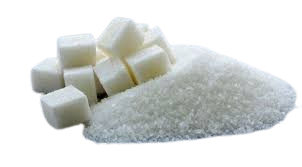
Sugar is a common sweetening agent, and sugar calories are a major consideration in dietary planning. One teaspoon of white granulated sugar, weighing 4 g (0.14 oz), contains 16 calories, while one cup (200 g or 7.1 oz) provides 774 calories. The sugar nutritional value is primarily derived from carbohydrates; 100 g (3.5 oz) of granulated sugar offers 387 calories, almost entirely from 99.98 g of carbohydrates, with 0 g of protein, fat, and fiber. Sugar nutrition facts show it lacks significant vitamins or minerals (0% DV for most). Excessive intake of added sugars is linked to adverse health outcomes, including weight gain and increased risk factors for heart disease (Yang Q, et al. 2014 "Added Sugar Intake and Cardiovascular Diseases Mortality Among US Adults").
Common types of sugar include white granulated, brown, powdered, caster, and raw sugars, all having similar calories in sugar per gram (around 3.8-4.0 calories). Liquid sweeteners like honey (304 calories per 100 g) and maple syrup (260 calories per 100 g) are less calorie-dense due to water content. Brazil and India are leading global sugar producers, with Brazil producing 37,000 kilotonnes in 2022. These nations, along with China and the EU, are also major consumers. Sugar prices have shown significant volatility over the past two decades, with international raw sugar prices ranging from below 10 US cents per pound to over 30 US cents per pound during peak periods like 2010-2011. Retail prices for granulated sugar in the US often range from $0.60 to $1.00 per pound.
Sugar is a primary ingredient in countless desserts like cakes at The Cheesecake Factory and donuts at Krispy Kreme, and is also used in savory dishes such as BBQ ribs at Famous Dave's. Health authorities recommend limiting added sugar intake; the American Heart Association suggests no more than 25 g (6 teaspoons or 100 calories) for women and 36 g (9 teaspoons or 150 calories) for men per day. Burning the 16 calories from one teaspoon of sugar is negligible. Burning the calories from a sugary dessert (300-500 calories) requires 30-50 minutes of moderate jogging or a similar duration of swimming.
Sugar nutrition
- Sugar Cube Calories (Nutritional Facts)
- White Granulated Sugar (Nutritional Facts)
- Brown Sugar (Nutritional Facts)
- Powdered Sugar (Nutritional Facts)
- Caster Sugar (Nutritional Facts)
- Raw Sugar Calories
- Sodium in Sugar
- Potassium in Sugar
- Fiber in Sugar
- Protein in Sugar
- Carbs in Sugar
- Fat in Sugar
- Vitamins in Sugar
- Minerals in Sugar
Sugar Cube Calories (Nutritional Facts)
One standard sugar cube, weighing 2.5 g to 4 g (0.09 oz to 0.14 oz), contains 10 to 16 calories. This serving provides 2.5 g to 4 g of carbohydrates, all of which are sugars, and 0 g of fat, protein, and fiber.
One teaspoon (tsp) of white granulated sugar, weighing 4 g (0.14 oz), contains 16 calories. One cup of white granulated sugar, weighing 200 g (7.1 oz), provides 774 calories. All calories in white granulated sugar come from carbohydrates in the form of sucrose.
One teaspoon (tsp) of packed light brown sugar, weighing 4.6 g (0.16 oz), contains 17 calories. One cup of packed light brown sugar, weighing 213 g (7.5 oz), provides 807 calories. Brown sugar contains slightly more moisture and trace minerals from molasses than white sugar, but its caloric and carbohydrate content per gram is very similar.
One tablespoon (tbsp) of unsifted powdered sugar (confectioners' sugar), weighing 7.5 g (0.26 oz), contains 30 calories. One cup of unsifted powdered sugar, weighing 120 g (4.2 oz), provides 464 calories. Powdered sugar is granulated sugar ground to a fine powder, often with a small amount of cornstarch added to prevent caking.
Caster sugar, also known as superfine sugar, has finer crystals than granulated sugar. One teaspoon (tsp) of caster sugar, weighing 4 g (0.14 oz), contains 16 calories, identical to granulated sugar by weight. One cup of caster sugar, weighing 200 g (7.1 oz), provides 774 calories.
Raw sugar, such as turbinado or demerara sugar, retains some molasses content. One teaspoon (tsp) of turbinado sugar, weighing 4.6 g (0.16 oz), contains 17-18 calories. Calorie content per gram is very similar to white or brown sugar.
White granulated sugar, brown sugar, powdered sugar, caster sugar, and raw sugar contain negligible amounts of sodium, typically 0-1 mg per 100 g (3.5 oz) serving, contributing 0% of the Daily Value (DV).
White granulated sugar contains 2 mg of potassium per 100 g (3.5 oz) serving (0% DV). Brown sugar contains more due to molasses, around 75-130 mg of potassium per 100 g (2-3% DV). Powdered sugar has minimal potassium. Raw sugar contains slightly more potassium than white sugar but less than brown sugar.
All types of refined and raw sugars, including white granulated, brown, powdered, caster, and raw sugar, contain 0 g of dietary fiber per serving.
All types of refined and raw sugars discussed provide 0 g of protein per serving.
Virtually 100% of the macronutrient content and calories in white granulated sugar, brown sugar, powdered sugar, caster sugar, and raw sugar come from carbohydrates, specifically sucrose (a disaccharide of glucose and fructose). A 100 g (3.5 oz) serving of white granulated sugar contains 99.98 g of carbohydrates. Brown sugar (100 g) contains 97.3-98.1 g of carbohydrates.
All types of refined and raw sugars mentioned contain 0 g of total fat per serving.
Refined sugars like white granulated, powdered, and caster sugar contain no significant amounts of vitamins, providing 0% DV for all essential vitamins. Brown sugar and raw sugar may contain trace amounts of B vitamins from the molasses content, but these are not nutritionally significant.
White granulated sugar, powdered sugar, and caster sugar provide no significant amounts of essential minerals (0% DV). Brown sugar, due to its molasses content, contains small amounts of minerals such as calcium (83 mg or 6% DV per 100 g), iron (0.71 mg or 4% DV per 100 g), and magnesium (9 mg or 2% DV per 100 g). Raw sugar contains trace amounts of these minerals, more than white sugar but less than brown sugar.
Get a Custom Report on Sugar Nutrition Data – Contact Us!
What are the Types of Sugar?
"Sugar" is a broad term referring to sweet-tasting, soluble carbohydrates. Many types exist, differing in their chemical structure, source, and level of refinement. Calorie content per gram for most common sugars is very similar, around 4 calories per gram, as shown in the following table:
| Type | Description | Calories (per 100g) | Calorie Differences & Qualifications |
|---|---|---|---|
|
White Granulated Sugar (Sucrose)
|
Highly refined sugar from sugarcane or sugar beets; common table sugar. Composed of glucose and fructose. | 387 | Standard baseline for refined sugar. Minimal to no micronutrients. |
|
Brown Sugar (Light/Dark)
|
White sugar with molasses added back in varying amounts. Contains sucrose, glucose, fructose. | 380 (light) - 373 (dark) | Slightly lower in calories than white sugar due to moisture from molasses. Contains trace minerals from molasses, but not in nutritionally significant amounts for typical servings. |
|
Powdered Sugar (Confectioners')
|
Finely ground granulated sugar, usually with a small amount of cornstarch to prevent caking. | 389 | Slightly higher calorie density than granulated sugar if comparing by volume due to cornstarch, but very similar by weight of pure sugar. |
|
Caster Sugar (Superfine)
|
Granulated sugar with finer crystals than regular table sugar. Dissolves quickly. | 387 | Same chemical composition and calorie content by weight as granulated sugar. |
|
Raw Sugar (Turbinado, Demerara)
|
Less processed cane sugar with some molasses retained, larger crystals. Primarily sucrose. | 380-399 | Similar calories to brown sugar. Retains more molasses than white sugar, giving a light brown color and subtle flavor. |
|
Fructose
|
A monosaccharide (simple sugar) found naturally in fruits, honey, and root vegetables. | 400 | Sweeter than sucrose. Metabolized differently by the body, primarily in the liver. Often used as a sweetener in processed foods. |
|
Glucose (Dextrose)
|
A monosaccharide, the body's primary energy source. Found in fruits, honey, and as a component of sucrose. | 360-400 | Directly used by cells for energy. The building block of many complex carbohydrates. |
|
Lactose
|
A disaccharide found in milk and dairy products, composed of glucose and galactose. | 397 | Less sweet than sucrose. Requires the enzyme lactase for digestion. |
|
Maltose
|
A disaccharide composed of two glucose units. Found in germinating grains, some syrups. | 390-400 | Less common as a standalone table sugar but present in malt extracts and some sweeteners. |
|
High-Fructose Corn Syrup (HFCS)
|
A liquid sweetener made from corn starch, typically a mix of fructose and glucose (e.g., HFCS 42 or HFCS 55). | ~280-300 (liquid, varies by concentration) | Calorie content depends on the water content and fructose/glucose ratio. Widely used in processed foods and beverages. Similar metabolic effects to sucrose in comparable amounts. |
|
Honey
|
Natural liquid sweetener made by bees from nectar. Contains fructose, glucose, water, and trace nutrients. | 304 | Calorie content is lower than dry sugar per 100g due to water content. Contains small amounts of vitamins, minerals, and antioxidants. |
|
Maple Syrup
|
Liquid sweetener made from the sap of maple trees. Contains sucrose, water, and trace nutrients. | 260 | Lower in calories than dry sugar per 100g due to water content. Contains some minerals like manganese and zinc. |
What are the Desserts with Sugar?
Sugar is the quintessential ingredient in virtually all desserts worldwide, providing sweetness, contributing to texture, and often playing a role in browning and preservation. The list of desserts featuring sugar is nearly endless, but here are some prominent examples from various cuisines and common restaurant offerings:
| Dish Name | Calories (Estimate per serving/piece) | Carbs (g) | Sugar (g) | Protein (g) | Fat (g) | Cuisine | Restaurants |
|---|---|---|---|---|---|---|---|
|
Chocolate Cake/Cupcake
|
300-500 (slice/cupcake) | 40-70 | 25-50 | 3-6 | 15-25 | Global | The Cheesecake Factory, Nothing Bundt Cakes, Sprinkles Cupcakes, Magnolia Bakery, Cold Stone Creamery, Baskin-Robbins. |
|
Ice Cream
|
200-400 (2 scoops/cup) | 25-45 | 20-35 | 3-6 | 10-20 | Global | Ben & Jerry's, Häagen-Dazs, Baskin-Robbins, Cold Stone Creamery, Dairy Queen, McDonald's (McFlurry/Sundaes). |
|
Cookies (Chocolate Chip, Sugar, Oatmeal Raisin)
|
130-250 (medium cookie) | 18-35 | 10-25 | 1-4 | 6-15 | American/Global | Crumbl Cookies, Insomnia Cookies, Panera Bread, Starbucks, Mrs. Fields, Subway. |
|
Pie (Apple, Cherry, Lemon Meringue, Pecan)
|
300-600 (slice) | 40-80 | 20-50 | 3-7 | 15-35 | American/European | Marie Callender's Restaurant & Bakery, Perkins Restaurant & Bakery, Village Inn, The Cheesecake Factory (seasonal pies). |
|
Brownies
|
200-400 (square) | 25-45 | 15-30 | 2-5 | 10-20 | American | Panera Bread, Starbucks, Chili's Grill & Bar (Molten Chocolate Cake often brownie-like). |
|
Donuts/Doughnuts
|
200-400 (each) | 25-50 | 10-25 | 3-6 | 10-20 | American/Global | Krispy Kreme, Dunkin', Tim Hortons, local donut shops. |
|
Cheesecake
|
400-700+ (slice) | 35-60 | 25-50 | 6-10 | 25-45 | American/Global | The Cheesecake Factory, Eileen's Special Cheesecake (NYC), Junior's Restaurant & Bakery (NYC). |
|
Candy/Chocolate Bars
|
200-300 (standard bar) | 25-40 | 20-35 | 2-5 | 10-18 | Global | Hershey's, Mars, Nestlé, Cadbury (brands found widely in retail and convenience stores often associated with restaurant checkout areas). |
|
Pudding (Chocolate, Vanilla, Rice)
|
150-300 (cup) | 25-45 | 15-30 | 2-5 | 5-15 | Global | Jell-O (brand for home prep), Kozy Shack (retail), some cafeterias or family restaurants. |
|
Fruit Tarts/Pastries
|
250-450 (each) | 30-50 | 15-30 | 3-6 | 12-22 | French/European | Starbucks, Panera Bread, Au Bon Pain, La Madeleine French Bakery & Café, Paris Baguette. |
|
Sweetened Yogurt/Parfaits
|
150-350 | 25-50 | 20-40 | 5-15 | 2-10 | Global | McDonald's (parfaits), Starbucks (yogurt parfaits), many cafes. |
|
Meringues/Macarons
|
50-100 (per piece) | 10-20 | 8-18 | <1-2 | 2-6 | French/Italian | Ladurée, Bouchon Bakery, many French pâtisseries. |
What are the Main Dishes with Sugar?
While sugar is overwhelmingly associated with desserts, it plays a crucial, often subtle, role in many savory main dishes to balance flavors, aid in browning, or as a component of sauces and glazes. Here are examples of main dishes where added sugar is a notable ingredient:
| Dish Name | Calories (Estimate per serving) | Carbs (g) | Sugar (g) (includes added & natural) | Protein (g) | Fat (g) | Cuisine | Restaurants |
|---|---|---|---|---|---|---|---|
|
BBQ Ribs/Chicken (Sauce)
|
400-800+ | 30-60 | 20-40 | 25-45 | 20-40 | American (Southern) | Famous Dave's, Sonny's BBQ, Chili's Grill & Bar, Applebee's, TGI Fridays. |
|
Sweet and Sour Chicken/Pork
|
500-800 (with rice) | 60-90 | 30-50 | 20-35 | 15-30 | Chinese-American | P.F. Chang's, Panda Express, many local Chinese-American restaurants. |
|
Teriyaki Chicken/Beef (Glaze)
|
400-700 (with rice) | 50-80 | 20-35 | 25-40 | 10-25 | Japanese-American | Sarku Japan, Yoshinoya, many Japanese teriyaki spots. |
|
General Tso's Chicken
|
600-900 (with rice) | 70-100 | 35-55 | 25-40 | 20-35 | Chinese-American | Panda Express, P.F. Chang's, most Chinese-American takeout restaurants. |
|
Pad Thai (Tamarind/Sugar in sauce)
|
500-800 | 60-90 | 15-25 | 15-25 | 15-30 | Thai | Thai Villa (NYC), Lotus of Siam (Las Vegas), many local Thai restaurants. |
|
Ketchup (as condiment with burgers, fries)
|
20 (per tbsp) | 5 | 4 | <1 | <1 | American/Global | McDonald's, Burger King, Wendy's, Heinz (brand widely used). |
|
Honey Mustard Chicken/Dressing
|
350-600 (dish/salad with dressing) | Varies | 10-20 (from honey/sugar in dressing) | Varies | Varies | American | Applebee's, Chili's Grill & Bar, many casual dining restaurants. |
|
Glazed Ham
|
200-350 (per 4 oz serving) | 10-20 | 10-18 | 20-30 | 8-15 | American/European | HoneyBaked Ham Store, often served during holidays in various restaurants. |
|
Coleslaw (Dressing often contains sugar)
|
100-200 (½ cup) | 10-20 | 8-15 | <1-2 | 8-15 | American | KFC, Popeyes Louisiana Kitchen, Bojangles, many BBQ and deli restaurants. |
|
Baked Beans (Often sweetened with molasses/brown sugar)
|
150-250 (½ cup) | 30-45 | 12-20 | 6-8 | 1-3 | American/British | Boston Market, many BBQ restaurants. |
|
Some Tomato Sauces/Pasta Sauces (for balance)
|
Varies | Varies | 2-8 (per ½ cup, can be higher) | Varies | Varies | Italian/American | Olive Garden, Carrabba's Italian Grill, Prego, Ragu (retail brands often used or as inspiration for restaurant sauces). |
|
Salad Dressings (e.g., French, Catalina, some Vinaigrettes)
|
50-150 (per 2 tbsp) | 3-10 | 2-8 | <1 | 5-15 | Global | Kraft, Wish-Bone (retail brands common in many casual settings), house dressings in many restaurants. |
What Cuisines Prefer Sugar the Most?
Sugar is utilized in nearly every cuisine globally, but its prominence as a defining characteristic of desserts and a significant flavoring agent in both sweet and savory dishes is particularly notable in Western cuisines (especially American and European), many Asian cuisines (for balancing flavors in savory dishes and in sweets), and Latin American cuisines.
| Cuisine | Dish Name/Usage Examples | Calories (Varies widely by dish) | Restaurants |
|---|---|---|---|
|
American
|
Cakes, Pies, Cookies, Candies, Ice Cream, BBQ Sauce, Ketchup, Sweetened Beverages, Breakfast Cereals | Varies | The Cheesecake Factory, McDonald's, Starbucks, Coca-Cola/Pepsi (beverages ubiquitous), Krispy Kreme, Famous Dave's. |
|
European (French, Italian, British, etc.)
|
Pastries, Tarts, Cakes, Meringues, Puddings, Jams, Sweetened Coffees/Teas, some sauces & glazes in savory dishes | Varies | Ladurée, Paul Bakery, Patisserie Valerie (UK), Eataly, Marks & Spencer Café (UK), innumerable bakeries, cafes, and restaurants. |
|
Chinese (many regional variations)
|
Sweet and Sour Dishes, General Tso's Chicken, Mooncakes, Tanghulu, Sweet Soups (Tong Sui), Bubble Tea | Varies | P.F. Chang's, Panda Express, Din Tai Fung (desserts), many local Chinese restaurants and bakeries; bubble tea shops like Kung Fu Tea, Coco Fresh Tea & Juice. |
|
Indian
|
Mithai (sweets like Gulab Jamun, Jalebi, Barfi), Kheer, Lassi (sweetened), Chutneys, some curries have a touch of sugar | Varies | Swagat Indian Cuisine (various US locations), The Saffron Patch (Cleveland), many Indian sweet shops and restaurants. |
|
Thai
|
Sweet Sticky Rice with Mango, Thai Iced Tea, Pad Thai (sugar in sauce), many curries and desserts | Varies | Thai Villa (NYC), Lotus of Siam (Las Vegas), Pok Pok (historically), numerous Thai restaurants. |
|
Mexican
|
Flan, Tres Leches Cake, Churros, Pan Dulce, Agua Frescas (sweetened), some Moles | Varies | El Pollo Loco (churros), Rosa Mexicano, many Mexican bakeries (panaderías) and restaurants. |
|
Japanese
|
Wagashi (traditional sweets like Mochi, Dorayaki), Anko (sweet red bean paste), Castella Cake, Sweetened Green Tea | Varies | Minamoto Kitchoan, Royce' Chocolate, Japanese bakeries and dessert shops like Beard Papa's (cream puffs). |
|
Middle Eastern
|
Baklava, Kunafa, Halva, Luqaimat, Date-filled pastries, Sweetened Teas | Varies | Gulluoglu (Turkish sweets), Zaytinya (Washington D.C. - desserts), many Middle Eastern bakeries and sweet shops. |
Which Countries Produce the Most Sugar?
Global sugar production is dominated by countries with climates suitable for sugarcane or sugar beet cultivation. Brazil and India are consistently the world's largest sugar producers, primarily from sugarcane. Other major producers include the European Union (collectively, mainly from sugar beets), China, Thailand, and the United States. The table below shows production figures for raw centrifugal sugar (the most common form reported) for key producing countries over the last two decades, based on FAOSTAT data.
| Country/Region | 2004 | 2005 | 2006 | 2007 | 2008 | 2009 | 2010 | 2011 | 2012 | 2013 | 2014 | 2015 | 2016 | 2017 | 2018 | 2019 | 2020 | 2021 | 2022 |
|---|---|---|---|---|---|---|---|---|---|---|---|---|---|---|---|---|---|---|---|
| Brazil | 28,000 | 29,000 | 30,000 | 32,000 | 33,000 | 36,000 | 38,000 | 35,000 | 36,000 | 37,000 | 36,000 | 34,000 | 38,000 | 39,000 | 30,000 | 30,000 | 42,000 | 36,000 | 37,000 |
| India | 14,000 | 13,000 | 20,000 | 30,000 | 28,000 | 16,000 | 20,000 | 26,000 | 28,000 | 27,000 | 28,000 | 30,000 | 27,000 | 22,000 | 35,000 | 33,000 | 29,000 | 33,000 | 36,000 |
| EU-27 (from 2020) | 18,000 | 20,000 | 21,000 | 17,000 | 16,000 | 16,500 | 14,000 | 18,000 | 17,000 | 16,000 | 18,000 | 17,000 | 15,000 | 14,000 | 20,000 | 18,000 | 17,000 | 15,000 | 16,000 |
| China | 9,000 | 9,500 | 10,000 | 11,000 | 12,000 | 11,500 | 11,000 | 10,500 | 12,500 | 13,000 | 13,500 | 12,000 | 10,000 | 10,500 | 11,000 | 10,800 | 10,500 | 10,300 | 10,000 |
| Thailand | 7,000 | 6,500 | 6,000 | 7,500 | 8,000 | 7,000 | 6,500 | 10,000 | 10,000 | 9,500 | 11,000 | 10,500 | 9,000 | 9,500 | 14,000 | 14,500 | 13,000 | 7,000 | 10,000 |
| USA | 7,500 | 7,300 | 7,000 | 6,800 | 6,900 | 7,200 | 7,100 | 7,000 | 7,300 | 7,500 | 7,700 | 8,000 | 8,200 | 8,300 | 8,100 | 8,000 | 7,900 | 8,100 | 8,200 |
| Mexico | 5,000 | 5,200 | 5,300 | 5,500 | 5,600 | 5,000 | 4,800 | 5,000 | 5,200 | 6,000 | 6,200 | 6,000 | 5,800 | 5,500 | 6,000 | 5,800 | 5,500 | 5,300 | 5,000 |
| Pakistan | 4,000 | 4,200 | 3,000 | 3,500 | 4,500 | 4,000 | 3,800 | 5,000 | 5,200 | 5,000 | 4,800 | 5,500 | 6,000 | 7,000 | 8,000 | 5,000 | 4,500 | 6,000 | 7,500 |
| Australia | 5,000 | 4,800 | 4,500 | 4,300 | 4,000 | 4,200 | 4,000 | 3,800 | 3,600 | 3,500 | 3,300 | 3,000 | 2,800 | 2,600 | 2,500 | 2,400 | 2,300 | 2,200 | 2,100 |
| Russia | 2,000 | 2,200 | 2,500 | 3,000 | 3,200 | 3,500 | 3,300 | 4,000 | 4,500 | 4,800 | 4,000 | 4,500 | 5,000 | 5,500 | 6,000 | 6,200 | 6,000 | 5,800 | 5,500 |
Which Countries Consume the Most Sugar?
Sugar consumption is highest in countries with large populations and where sugar is a significant component of the traditional diet or widely used in processed foods and beverages. India and China lead in total sugar consumption volume. The European Union, the United States, and Brazil are also major consumers. Per capita sugar consumption can be very high in many developed and developing nations due to the prevalence of sugary drinks, processed foods, and confectionery. The table below uses "Food Supply Quantity" for sugar (raw equivalent) from FAOSTAT as a proxy for apparent consumption.
| Country/Region | 2004 | 2005 | 2006 | 2007 | 2008 | 2009 | 2010 | 2011 | 2012 | 2013 | 2014 | 2015 | 2016 | 2017 | 2018 | 2019 | 2020 | 2021 |
|---|---|---|---|---|---|---|---|---|---|---|---|---|---|---|---|---|---|---|
| India | 20,000 | 21,000 | 22,000 | 23,000 | 24,000 | 25,000 | 26,000 | 27,000 | 28,000 | 29,000 | 30,000 | 31,000 | 32,000 | 33,000 | 34,000 | 35,000 | 34,000 | 33,000 |
| EU-27 (from 2020) | 19,000 | 19,200 | 19,300 | 19,000 | 18,800 | 18,600 | 18,500 | 18,700 | 18,600 | 18,500 | 18,400 | 18,300 | 18,200 | 18,000 | 18,500 | 18,300 | 18,000 | 17,800 |
| China | 11,000 | 11,500 | 12,000 | 12,500 | 13,000 | 13,500 | 14,000 | 14,500 | 15,000 | 15,500 | 16,000 | 16,500 | 17,000 | 17,500 | 17,800 | 18,000 | 17,500 | 17,000 |
| USA | 9,000 | 9,100 | 9,200 | 9,300 | 9,200 | 9,100 | 9,000 | 8,900 | 8,800 | 8,700 | 8,600 | 8,500 | 8,400 | 8,300 | 8,200 | 8,100 | 8,000 | 7,900 |
| Brazil | 10,000 | 10,200 | 10,300 | 10,500 | 10,600 | 10,800 | 11,000 | 10,800 | 10,900 | 11,000 | 10,900 | 10,800 | 11,000 | 11,100 | 10,500 | 10,300 | 10,800 | 10,500 |
| Indonesia | 3,500 | 3,700 | 3,900 | 4,100 | 4,300 | 4,500 | 4,700 | 4,900 | 5,100 | 5,300 | 5,500 | 5,700 | 5,900 | 6,100 | 6,300 | 6,500 | 6,300 | 6,100 |
| Russia | 5,000 | 5,100 | 5,200 | 5,300 | 5,400 | 5,500 | 5,400 | 5,600 | 5,700 | 5,800 | 5,700 | 5,800 | 5,900 | 6,000 | 6,100 | 6,000 | 5,900 | 5,800 |
| Pakistan | 3,000 | 3,200 | 3,100 | 3,300 | 3,800 | 3,500 | 3,600 | 4,000 | 4,200 | 4,100 | 4,000 | 4,300 | 4,500 | 4,800 | 5,000 | 4,500 | 4,300 | 4,600 |
| Mexico | 4,500 | 4,600 | 4,700 | 4,800 | 4,900 | 4,700 | 4,600 | 4,700 | 4,800 | 5,000 | 5,100 | 5,000 | 4,900 | 4,800 | 4,900 | 4,800 | 4,700 | 4,600 |
| Egypt | 2,000 | 2,100 | 2,200 | 2,300 | 2,400 | 2,500 | 2,600 | 2,700 | 2,800 | 2,900 | 3,000 | 3,100 | 3,200 | 3,300 | 3,400 | 3,500 | 3,400 | 3,300 |
How Do Prices of Sugar-including Dishes Change?
Menu prices for desserts and other dishes where sugar is a primary or significant ingredient (cakes, cookies, pies, sweetened beverages, some sauces) have consistently increased over the past two decades. This rise is driven by multiple factors: the fluctuating but generally increasing cost of sugar itself, significant increases in the costs of other common dessert ingredients (dairy, eggs, chocolate, flour), rising labor costs in the food service industry, higher rent and energy expenses for restaurants, and general inflation.
| Restaurant/Type | Dish | Old Price | Current Price (2025) |
|---|---|---|---|
| The Cheesecake Factory (US Chain) | Slice of Original Cheesecake | $6.50 - $7.50 (2010) | $9.95 - $11.50 |
| Starbucks (US Coffee Chain) | Grande Caramel Macchiato (sweetened) | $3.95 - $4.45 (2012) | $5.75 - $6.75 |
| Krispy Kreme (US Donut Chain) | Original Glazed Dozen | $7.99 - $9.99 (2010) | $14.99 - $18.99 |
| McDonald's (US Fast Food) | McFlurry | $2.29 - $2.79 (2013) | $3.99 - $4.99 |
| Ben & Jerry's (Ice Cream Shops) | Two Scoops of Ice Cream | $4.00 - $5.00 (2008) | $7.00 - $9.00 |
| Famous Dave's (US BBQ Chain) | BBQ Ribs (sauce is sugar-heavy) | $18.99 - $22.99 (Full Slab, 2012) | $28.99 - $34.99 (Full Slab) |
| P.F. Chang's (US Asian Bistro) | Sweet & Sour Chicken | $13.95 - $15.95 (2010) | $19.95 - $22.95 |
How Does the Price of Sugar Change for the Last 20 Years?
The price of sugar has experienced significant volatility over the last 20 years, with several major peaks and troughs. International raw sugar prices (Sugar No. 11 contract) are a key benchmark. In the early 2000s, prices were relatively low, often trading in the range of 5 to 10 US cents per pound. Prices saw a substantial surge around 2010-2011, reaching over 30 US cents per pound, driven by factors like adverse weather in major producing countries (Brazil, India), increased demand for sugarcane for ethanol production (especially in Brazil), and declining global stock levels. Another period of higher prices occurred around 2016-2017, though not as high as the 2011 peak. More recently, from 2020 onwards, sugar prices have again trended upwards, often trading in the 18 to 25 US cents per pound range or higher, influenced by factors including weather, energy costs impacting production and transport, and global supply chain disruptions. The lowest prices in the last two decades were seen in the early 2000s and during periods of global surplus, such as around 2018-2019.
What is the Sugar Calorie for 10g?
Ten grams (0.35 oz) of white granulated sugar, brown sugar, caster sugar, or raw sugar contain 38-40 calories. Ten grams of powdered sugar (which may contain a small amount of cornstarch) also contains 39-40 calories.
What is the Sugar Calorie for 100g?
One hundred grams (3.5 oz) of white granulated sugar contains 387 calories. One hundred grams of light brown sugar contains 380 calories. One hundred grams of powdered sugar contains 389 calories. One hundred grams of caster sugar contains 387 calories. One hundred grams of turbinado raw sugar contains 380-399 calories.
What is the Sugar Calorie for 1 KG?
One kilogram (2.2 lbs) of white granulated sugar contains 3870 calories. One kilogram of light brown sugar contains 3800 calories. One kilogram of powdered sugar contains 3890 calories.
What is the Calorie of 1 Spoon of Sugar?
The calorie of one spoon of sugar depends on the size of the spoon and the type of sugar. One teaspoon (tsp) of white granulated sugar (4 g) contains 16 calories. One tablespoon (tbsp) of white granulated sugar (12.5 g) contains 48 calories. One teaspoon (tsp) of packed light brown sugar (4.6 g) contains 17 calories.
What is the Calorie of 3/4 Cup of Sugar?
Three-quarters (3/4) of a cup of white granulated sugar, weighing 150 g (5.3 oz), contains 581 calories. Three-quarters (3/4) of a cup of packed light brown sugar, weighing 160 g (5.6 oz), contains 605 calories.
What are the Calories of 1/2 Cup of Sugar?
One half (1/2) cup of white granulated sugar, weighing 100 g (3.5 oz), contains 387 calories. One half (1/2) cup of packed light brown sugar, weighing 106.5 g (3.8 oz), contains 403 calories.
What are the Calories of 1 Cup of Sugar?
One cup of white granulated sugar, weighing 200 g (7.1 oz), contains 774 calories. One cup of packed light brown sugar, weighing 213 g (7.5 oz), provides 807 calories. One cup of unsifted powdered sugar, weighing 120 g (4.2 oz), contains 464 calories.
What are the Health Benefits of Sugar?
Refined sugars are often associated with negative health outcomes when consumed in excess, but sugar in its most basic form (glucose) does play a fundamental role in human physiology. Here are some aspects to consider regarding sugar's physiological role:
- Primary Energy Source for the Body: Glucose, a simple sugar, is the primary source of energy for all cells in the body, especially the brain. Carbohydrates from food are broken down into glucose. This energy is vital for basic bodily functions, physical activity, and brain activity.
- Quick Energy Boost: Simple sugars can provide a rapid source of energy when needed, such as during intense physical activity or when blood sugar levels drop (hypoglycemia). This is why athletes sometimes use sugary drinks or gels.
- Palatability and Food Enjoyment: Sugar enhances the flavor of foods, making them more palatable and enjoyable, which can play a role in overall dietary satisfaction.
- Preservation and Fermentation: In certain food preparations, sugar acts as a preservative (e.g., in jams and jellies by inhibiting microbial growth) or is essential for fermentation processes (e.g., in making bread, yogurt, or alcoholic beverages where yeast or bacteria consume sugar).
- Component of Essential Biomolecules: Sugars like ribose and deoxyribose are fundamental components of RNA and DNA, respectively, which are essential for all life. However, the body can synthesize these from other sources; dietary intake of refined sugar is not required for this.
- Naturally Occurring Sugars in Nutrient-Rich Foods: Sugars found naturally in fruits (fructose, glucose, sucrose) and dairy (lactose) come packaged with vitamins, minerals, fiber, and other beneficial compounds. The overall nutritional package of these foods offers health benefits, with the sugar providing energy as part of that package. A review by Slavin JL and Lloyd B (2012), "Health Benefits of Fruits and Vegetables," discusses the importance of these whole foods.
What are the Downsides of Sugar?
Excessive consumption of added sugars is linked to a wide range of negative health outcomes. These downsides are primarily associated with sugars added to foods and beverages, not those naturally present in whole, unprocessed foods like fruits.
- Increased Risk of Weight Gain and Obesity: Sugary foods and drinks are often high in calories and low in nutrients, contributing to excess calorie intake without promoting satiety. This can lead to weight gain and obesity over time (Malik VS, Popkin BM, Bray GA, Després JP, Hu FB., 2010, "Sugar-Sweetened Beverages and Risk of Metabolic Syndrome and Type 2 Diabetes: A meta-analysis").
- Higher Risk of Type 2 Diabetes: High sugar intake can lead to insulin resistance, a key factor in the development of type 2 diabetes. Frequent consumption of sugary beverages is particularly strongly linked to this risk.
- Increased Risk of Heart Disease: Excessive sugar intake can contribute to elevated triglycerides, LDL ("bad") cholesterol, blood pressure, and inflammation, all of which are risk factors for heart disease (Yang Q, et al., 2014, "Added Sugar Intake and Cardiovascular Diseases Mortality Among US Adults").
- Tooth Decay (Dental Caries): Bacteria in the mouth feed on sugars, producing acids that erode tooth enamel, leading to cavities. Frequent exposure to sugary foods and drinks increases this risk significantly.
- Non-Alcoholic Fatty Liver Disease (NAFLD): High intake of fructose (a component of table sugar and high-fructose corn syrup) can overload the liver, leading to the accumulation of fat and potentially NAFLD.
- Nutrient Displacement and Poor Diet Quality: Foods high in added sugars are often low in essential nutrients. Consuming too many sugary foods can displace more nutritious foods from the diet, leading to deficiencies in vitamins, minerals, and fiber.
- Increased Risk of Certain Cancers: While the link is complex and multifactorial, some studies suggest that diets high in added sugars may be associated with an increased risk of certain cancers, possibly through mechanisms related to obesity, inflammation, and insulin resistance.
Is Sugar Good for You?
No, in the context of added refined sugars, sugar is generally not considered "good for you" when consumed in anything more than very small amounts. While glucose is a necessary fuel for the body, the way modern diets incorporate large quantities of added sugars into processed foods and beverages poses significant health risks. Excessive intake of these added sugars provides "empty calories" without essential nutrients and is strongly linked to numerous chronic health problems, including obesity, type 2 diabetes, heart disease, and tooth decay. Research by Hu FB (2013), "Resolved: there is sufficient scientific evidence that decreasing sugar-sweetened beverage consumption will reduce the prevalence of obesity and obesity-related diseases," provides a strong argument against high consumption of sugar-sweetened beverages. While naturally occurring sugars in whole fruits and dairy come with beneficial nutrients, isolated and added sugars offer little to no nutritional value and can be detrimental when overconsumed.
How Do Calories Change According to Sugar Types?
The calorie content for most dry, crystalline sugars like white granulated sugar, caster sugar, powdered sugar (by pure sugar weight), brown sugar, and raw sugars is very consistent, providing around 380 to 400 calories per 100g. This is because they are predominantly sucrose or a mix of glucose and fructose, which all provide 4 calories per gram. Slight variations in calorie counts listed in databases can be due to minor differences in moisture content (e.g., brown sugar has more moisture than white sugar, hence slightly fewer calories per 100g) or the presence of trace amounts of other components like minerals in less refined sugars. Liquid sweeteners like honey (around 304 calories per 100g) and maple syrup (around 260 calories per 100g) have fewer calories per 100g than dry sugars because they contain a significant amount of water. High-fructose corn syrup, also a liquid, will have calories per 100g dependent on its concentration, typically lower than dry sugar due to water content. Pure fructose and glucose as monosaccharides also provide 4 calories per gram, so their dry forms are calorically similar to sucrose.
Do the Macros of Sugar Change According to Sugar Types?
No, the fundamental macros of sugar do not significantly change according to the common types of refined or simple sugars when considering their pure carbohydrate form. For virtually all common sugars – including white granulated sugar (sucrose), brown sugar, powdered sugar, caster sugar, raw sugar, fructose, and glucose – the macronutrient profile is overwhelmingly, and often exclusively, carbohydrate.
Specifically, these sugar macros consist of nearly 100% carbohydrates by weight (when dry or adjusted for minor moisture content). They contain 0 g of protein and 0 g of fat. The carbohydrates are in the form of simple sugars (monosaccharides like glucose and fructose, or disaccharides like sucrose and lactose). Therefore, while the specific type of simple sugar molecule might differ (e.g., sucrose is a disaccharide of glucose and fructose, while fructose is a monosaccharide), their classification as a carbohydrate providing 4 calories per gram remains consistent. Trace amounts of minerals in less refined sugars like brown sugar or raw sugar do not alter the primary macronutrient composition. Liquid sweeteners like honey or maple syrup will have water as a significant component, reducing the concentration of sugar macros per 100g, but the sugar portion itself is still entirely carbohydrate.
What is the Origin of Sugar?
The origin of processed sugar, primarily sucrose, is traced back to sugarcane (Saccharum officinarum), which was first domesticated in New Guinea around 8000 BCE. From there, its cultivation spread to Southeast Asia and India. Ancient Indians were the first to develop methods for crystallizing sugar from sugarcane juice around 350 CE, making it easier to transport and trade. This crystallized sugar was a luxury item. Arab traders introduced sugarcane cultivation and sugar refining techniques to the Mediterranean world, including Persia, Egypt, and eventually Southern Europe (Spain and Sicily) during the Middle Ages. For centuries, sugar remained an expensive spice and medicine in Europe, affordable only by the wealthy.
A pivotal moment in sugar's history, transforming it from a rare luxury to a common commodity, was its introduction to the Americas by Christopher Columbus on his second voyage in 1493. The Caribbean islands and Brazil, with their tropical climates, proved ideal for large-scale sugarcane cultivation. This led to the establishment of vast sugar plantations, tragically fueled by the transatlantic slave trade, which dramatically increased sugar production and lowered its price, making it accessible to broader populations in Europe and North America by the 17th and 18th centuries. Later, in the late 18th century, methods for extracting sugar from sugar beets (Beta vulgaris) were developed in Europe, providing an alternative source, especially important during periods when cane sugar supplies were disrupted, such as during the Napoleonic Wars. This dual sourcing from sugarcane and sugar beets ensures the global availability of refined sugar today.