Calories in Spices: Nutritional facts for Spices Types
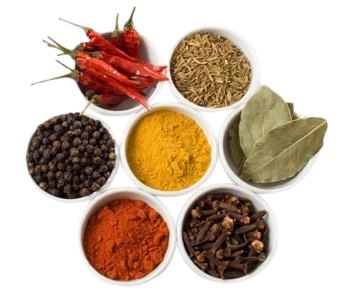
The calories in spices can be concentrated when measured by weight, though their contribution to overall meal calories is minimal due to the small quantities used. A 100g (3.5 oz) portion of ground paprika contains 282 calories, while a teaspoon (2.3g, 0.08 oz) provides only 6.5 calories. Seasoning calories follow a similar pattern, with a generic mixed seasoning blend (100g) offering 250-350 calories, but a 2-3g serving adds just 5-10 calories. Spices are valued not for their macronutrient energy but for their rich array of micronutrients and potent bioactive compounds, including antioxidants. Research consistently highlights that many spices possess significant antioxidant capacities and can contribute to health by combating oxidative stress and inflammation (Carlsen, M.H., et al., 2010).
Spices calories vary widely by type. Ground cinnamon has 247 calories per 100g, garlic powder contains 331 calories per 100g, and oil-rich poppy seeds have over 500 calories per 100g. India is the world's largest producer and consumer of a vast range of spices, with other major producers including Indonesia, China, and Turkey. The price of spices has seen volatility and a general upward trend over the past two decades, influenced by crop yields, global demand, and supply chain factors; for example, black pepper, which traded around $1.50 to $2.50 per kg in the early 2000s to $5.00 to $8.00 in 2022/2023.
Spices are the heart of flavorful dishes worldwide, from Indian curries at restaurants like The Clay Oven to Thai Green Curry and Mexican Chili at various eateries. A typical culinary use of one teaspoon (2-3g) of most ground spices contributes fewer than 10 calories. Burning these minimal seasoning calories requires negligible physical effort, essentially being covered by the body's basal metabolic rate within minutes.
Spices nutrition
- Seasoning Calories (Nutritional Facts)
- Paprika Calories (Nutritional Facts)
- Black Pepper Calories (Nutritional Facts)
- Onion Powder Calories (Nutritional Facts)
- Tea Calories (Nutritional Facts)
- Cinnamon Calories (Nutritional Facts)
- Garlic Powder Calories (Nutritional Facts)
- Raw Spices Calories
- Sodium in Spices
- Potassium in Spices
- Sugar in Spices
- Fiber in Spices
- Protein in Spices
- Carbs in Spices
- Fat in Spices
- Vitamins in Spices
- Minerals in Spices
Seasoning Calories (Nutritional Facts)
A 100g (3.5 oz) serving of a generic mixed seasoning blend without added salt or sugar contains 250-350 calories, primarily from carbohydrates and small amounts of protein and fat inherent in the dried plant materials. One teaspoon (2-3g, 0.07-0.11 oz) of such a blend would provide 5-10 calories. Seasoning blends with significant amounts of sugar (like some BBQ rubs) or powdered cheese will have higher caloric values. Salt-based seasonings have 0 calories from the salt itself.
A 100g (3.5 oz) serving of paprika contains 282 calories. One tablespoon (6.8g, 0.24 oz) of paprika provides 19.2 calories. One teaspoon (2.3g, 0.08 oz) of paprika has 6.5 calories. Paprika (100g) contains 12.9g of protein, 54g of carbohydrates, and 12.9g of total fat.
A 100g (3.5 oz) serving of ground black pepper contains 251 calories. One tablespoon (6.9g, 0.24 oz) of ground black pepper provides 17.3 calories. One teaspoon (2.3g, 0.08 oz) of ground black pepper has 5.8 calories. Ground black pepper (100g) contains 10.4g of protein, 63.9g of carbohydrates, and 3.3g of total fat.
A 100g (3.5 oz) serving of onion powder contains 341 calories. One tablespoon (7g, 0.25 oz) of onion powder provides 23.9 calories. One teaspoon (2.4g, 0.08 oz) of onion powder has 8.2 calories. Onion powder (100g) contains 10.4g of protein, 79.8g of carbohydrates, and 1g of total fat.
Plain brewed tea (black, green, oolong, herbal) without any additives like sugar, milk, or honey contains a negligible amount of calories, often considered to be 0-2 calories per 8 fl oz cup (240ml, 8.12 oz). A 100g (3.5 oz or 100ml) serving of plain brewed tea has less than 1 calorie. Dried tea leaves themselves do contain calories; for example, 100g of dry black tea leaves contains 297 calories, but these are not consumed directly in brewed tea.
A 100g (3.5 oz) serving of ground cinnamon contains 247 calories. One tablespoon (7.8g, 0.28 oz) of ground cinnamon provides 19.3 calories. One teaspoon (2.6g, 0.09 oz) of ground cinnamon has 6.4 calories. Ground cinnamon (100g) contains 4g of protein, 80.6g of carbohydrates, and 1.2g of total fat.
A 100g (3.5 oz) serving of garlic powder contains 331 calories. One tablespoon (9.7g, 0.34 oz) of garlic powder provides 32.1 calories. One teaspoon (3.1g, 0.11 oz) of garlic powder has 10.3 calories. Garlic powder (100g) contains 16.6g of protein, 72.7g of carbohydrates, and 0.7g of total fat.
The calories in raw (referring to whole, unprocessed, or fresh forms where applicable, though most culinary spices are dried) spices vary greatly. For example, 100g of fresh ginger root contains 80 calories. Fresh turmeric root (100g) contains 312 calories. Whole dried cloves (100g) have 274 calories. A whole nutmeg (100g) contains 525 calories. Fresh herbs used as spices, like fresh basil (100g), contain 23 calories.
Paprika (100g) contains 68mg of sodium (3% DV). Ground black pepper (100g) provides 20mg of sodium (1% DV). Onion powder (100g) has 60mg of sodium (3% DV). Ground cinnamon (100g) contains 10mg of sodium (0% DV). Garlic powder (100g) provides 59mg of sodium (3% DV). Many commercial seasoning blends can be very high in sodium if salt is a primary ingredient.
Paprika (100g) provides 2280mg of potassium (48% DV). Ground black pepper (100g) contains 1329mg of potassium (28% DV). Onion powder (100g) has 982mg of potassium (21% DV). Ground cinnamon (100g) provides 431mg of potassium (9% DV). Garlic powder (100g) contains 1193mg of potassium (25% DV).
Paprika (100g) contains 10.3g of total sugars. Ground black pepper (100g) provides 0.6g of total sugars. Onion powder (100g) has 7.3g of total sugars. Ground cinnamon (100g) contains 2.2g of total sugars. Garlic powder (100g) provides 2.4g of total sugars.
Paprika (100g) provides 34.9g of dietary fiber (125% DV). Ground black pepper (100g) offers 25.3g of dietary fiber (90% DV). Onion powder (100g) has 15.6g of dietary fiber (56% DV). Ground cinnamon (100g) contains an exceptionally high 53.1g of dietary fiber (190% DV). Garlic powder (100g) provides 9g of dietary fiber (32% DV).
Paprika (100g) contains 12.9g of protein (26% DV). Ground black pepper (100g) provides 10.4g of protein (21% DV). Onion powder (100g) has 10.4g of protein (21% DV). Ground cinnamon (100g) contains 4g of protein (8% DV). Garlic powder (100g) provides 16.6g of protein (33% DV).
Paprika (100g) has 54g of total carbohydrates (20% DV). Ground black pepper (100g) contains 63.9g of total carbohydrates (23% DV). Onion powder (100g) provides 79.8g of total carbohydrates (29% DV). Ground cinnamon (100g) has 80.6g of total carbohydrates (29% DV). Garlic powder (100g) contains 72.7g of total carbohydrates (26% DV).
Paprika (100g) contains 12.9g of total fat (17% DV). Ground black pepper (100g) provides 3.3g of total fat (4% DV). Onion powder (100g) has 1g of total fat (1% DV). Ground cinnamon (100g) contains 1.2g of total fat (2% DV). Garlic powder (100g) provides 0.7g of total fat (1% DV).
Paprika (100g) is an excellent source of Vitamin A, providing 2463µg RAE (274% DV), Vitamin E at 29.8mg (199% DV), and Vitamin B6 at 2.14mg (126% DV). Ground black pepper (100g) provides Vitamin K at 163.7µg (136% DV). Onion powder (100g) contains Vitamin C at 8.9mg (10% DV) and Vitamin B6 at 0.375mg (22% DV). Ground cinnamon (100g) is rich in Vitamin K, providing 31.2µg (26% DV). Garlic powder (100g) contains Vitamin C at 1.2mg (1% DV) and Vitamin B6 at 1.7mg (100% DV).
Paprika (100g) is an excellent source of Iron, providing 21.1mg (117% DV), and Potassium at 2280mg (48% DV). Ground black pepper (100g) is rich in Manganese, with 12.7mg (552% DV), and Iron at 9.7mg (54% DV). Onion powder (100g) contains Calcium at 384mg (38% DV) and Potassium at 982mg (21% DV). Ground cinnamon (100g) is an exceptional source of Manganese, providing 17.5mg (761% DV), and Calcium at 1002mg (100% DV). Garlic powder (100g) offers Phosphorus at 508mg (73% DV) and Potassium at 1193mg (25% DV).
Get a Custom Report on Spices Nutrition Data – Contact Us!
What are the Types of Spices?
There are hundreds of different types of spices derived from various parts of plants, such as seeds, fruits, roots, bark, buds, and flowers. They are categorized based on their flavor profile (sweet, pungent, savory), botanical origin, and culinary application. The table below shows some common types of spices and their general calorie information.
| Type (Category/Example) | Description | Calories (per 100g dried, ground) | Calorie Qualifications |
|---|---|---|---|
|
Pungent Spices (Seeds/Fruits)
|
E.g., Black Pepper, Chili Powder, Cayenne Pepper, Mustard Seed. Provide heat and sharpness. | 250-350 | Calorie-dense by weight due to concentration of oils and carbohydrates. Used in small amounts. |
|
Aromatic/Sweet Spices (Bark/Buds/Seeds)
|
E.g., Cinnamon, Cloves, Nutmeg, Allspice, Cardamom. Warm, sweet, and fragrant notes. | 240-525 (Nutmeg is high) | Variable; some, like cinnamon, are lower, while nutmeg is higher due to fat content. |
|
Savory/Earthy Spices (Seeds/Roots)
|
E.g., Cumin, Coriander Seed, Turmeric, Ginger. Provide depth and earthy flavors. | 300-400 | Moderately calorie-dense by weight. |
|
Herbal Spices (Dried Leaves - often also called herbs)
|
E.g., Oregano, Thyme, Rosemary, Basil (dried). Provide aromatic and sometimes slightly bitter notes. | 250-350 | Calorie-dense when dried, but used in smaller quantities than ground seed/fruit spices. |
|
Seed Spices (Whole or Ground)
|
E.g., Fennel Seed, Anise Seed, Caraway Seed, Poppy Seed, Sesame Seed. Distinctive licorice, nutty, or savory flavors. | 350-580 (Poppy/Sesame high) | Can be quite calorie-dense due to oil content, especially poppy and sesame seeds. |
|
Blended Spices
|
E.g., Curry Powder, Garam Masala, Pumpkin Pie Spice. Mixtures of various individual spices. | 280-400 | Calorie content depends on the specific spices in the blend. |
|
Salt-based Seasoning Blends
|
E.g., Garlic Salt, Celery Salt, Seasoned Salt. Primary ingredient is salt. | Low to very low (approaching 0 if mostly salt) | Calories mainly from non-salt components; if predominantly salt, calories are negligible. |
What are the Main Dishes with Spices?
Spices are fundamental to flavoring main dishes across virtually all global cuisines, adding aroma, color, heat, and complexity that transform basic ingredients into culinary experiences. Some of the most widespread main dishes that showcase the integral role of spices include Indian curries, Mexican chili, and Thai stir-fries. The table below lists a variety of common main dishes where specific spices are key to their characteristic flavors, along with estimated nutritional information and restaurant examples:
| Dish Name | Calories (per serving) | Key Spices Used | Carbs (g) | Sugar (g) | Protein (g) | Fat (g) | Cuisine | Restaurants |
|---|---|---|---|---|---|---|---|---|
|
Chicken Tikka Masala
|
400-650 | Garam Masala, Turmeric, Cumin, Coriander, Ginger, Chili | 20-40 | 5-10 | 25-40 | 20-35 | Indian, British-Indian | Local Indian restaurants like The Clay Oven, Tamarind Tribeca |
|
Chili con Carne
|
400-650 | Chili Powder, Cumin, Oregano, Paprika, Cayenne | 30-50 | 5-10 | 25-40 | 15-30 | Tex-Mex, American | Wendy's (seasonal), Chili's, Texas Roadhouse (seasonal) |
|
Thai Green Curry (Chicken or Vegetable)
|
400-700 | Green Chilies, Lemongrass, Galangal, Kaffir Lime, Cumin, Coriander | 25-45 | 5-10 | 20-35 | 20-35 | Thai | Local Thai restaurants, some P.F. Chang's locations might have similar curry dishes |
|
Jambalaya (Sausage and Shrimp)
|
450-700 | Cayenne, Paprika, Thyme, Oregano, Black Pepper | 45-65 | 3-7 | 25-35 | 15-25 | Cajun/Creole | Popeyes (seasonal), The Cheesecake Factory, Bubba Gump Shrimp Co. |
|
Beef Tacos (Seasoned Ground Beef)
|
180-300 (per taco) | Chili Powder, Cumin, Paprika, Garlic Powder, Onion Powder | 15-25 | 1-3 | 10-18 | 8-15 | Mexican, Tex-Mex | Taco Bell, Del Taco, Chipotle Mexican Grill (seasoned meats) |
|
Pepperoni Pizza
|
250-400 (per slice) | Oregano, Basil (in sauce), Fennel (in pepperoni) | 30-45 | 3-6 | 10-15 | 10-18 | Italian-American | Pizza Hut, Domino's, Papa John's |
|
Szechuan Kung Pao Chicken
|
450-700 | Szechuan Peppercorns, Dried Chilies, Ginger, Garlic | 30-50 | 10-20 | 25-40 | 20-35 | Chinese (Szechuan) | Panda Express, P.F. Chang's |
|
Hungarian Goulash
|
400-600 | Paprika (Sweet and Hot), Caraway, Marjoram | 20-35 | 4-8 | 25-40 | 15-25 | Hungarian, Central European | Restaurants specializing in Eastern/Central European cuisine |
|
Moroccan Tagine (Chicken with Apricots & Almonds)
|
500-750 | Ginger, Cinnamon, Turmeric, Cumin, Saffron | 40-60 | 15-25 | 30-45 | 20-30 | Moroccan | Café Mogador (NYC), Moroccan restaurants in larger cities |
|
Jerk Chicken
|
350-550 | Allspice, Scotch Bonnet Pepper, Thyme, Cinnamon, Nutmeg | 5-15 | 1-4 | 30-45 | 15-25 | Jamaican, Caribbean | Golden Krust Caribbean Bakery & Grill, Miss Lily's (NYC), local Caribbean spots |
|
Cincinnati Chili
|
400-700 (3-way) | Cinnamon, Allspice, Cloves, Cumin, Chili Powder | 45-65 | 5-10 | 20-30 | 15-30 | American (Midwestern) | Skyline Chili, Gold Star Chili |
|
Paella Valenciana
|
500-800 | Saffron, Paprika, Rosemary | 60-80 | 3-6 | 25-40 | 15-30 | Spanish | Jaleo by José Andrés, Spanish restaurants |
|
Biryani (Chicken or Lamb)
|
500-800 | Cardamom, Cloves, Cinnamon, Bay Leaf, Turmeric, Chili, Garam Masala | 50-70 | 3-7 | 25-40 | 20-35 | Indian, Pakistani | Local Indian/Pakistani restaurants like Saravanaa Bhavan (for vegetarian versions) |
|
Vindaloo (Pork or Chicken)
|
450-700 | Chilies, Vinegar, Garlic, Ginger, Turmeric, Mustard Seed | 15-30 | 2-5 | 25-40 | 20-35 | Indian (Goan) | Many Indian restaurants offer Vindaloo |
|
Falafel
|
300-500 (wrap/plate) | Cumin, Coriander, Parsley, Garlic Powder | 40-60 | 2-5 | 10-15 | 10-20 | Middle Eastern | The Halal Guys, Naf Naf Grill, CAVA |
|
Adobo (Chicken or Pork)
|
400-600 | Black Peppercorns, Bay Leaves, Garlic | 5-15 | 2-5 | 25-40 | 20-35 | Filipino | Jollibee (some adobo-inspired items), Max's Restaurant |
|
Pho (Beef Noodle Soup)
|
350-550 | Star Anise, Cinnamon, Cloves, Ginger, Cardamom | 40-60 | 2-5 | 20-30 | 5-15 | Vietnamese | Local Vietnamese restaurants, chains like Pho Hoa Noodle Soup |
|
Mulligatawny Soup
|
250-450 | Curry Powder, Turmeric, Cumin, Ginger | 25-40 | 5-10 | 8-15 | 8-18 | Anglo-Indian | Some Indian restaurants or gastropubs with British-Indian influence |
What are Desserts with Spices?
Spices are integral to many desserts, adding warmth, aroma, and complexity that complement sweet ingredients. Cinnamon, nutmeg, cloves, ginger, and cardamom are particularly popular in sweet applications. The table below lists various desserts where spices are key components.
| Dish Name | Calories (per serving) | Key Spices Used | Carbs (g) | Sugar (g) | Protein (g) | Fat (g) | Cuisine | Restaurants |
|---|---|---|---|---|---|---|---|---|
|
Apple Pie/Crumble
|
300-500 (slice) | Cinnamon, Nutmeg, Allspice, Cloves | 40-60 | 20-35 | 2-4 | 12-20 | American, European | McDonald's (Baked Apple Pie), Marie Callender's, Cracker Barrel, local bakeries |
|
Pumpkin Pie
|
300-450 (slice) | Cinnamon, Ginger, Nutmeg, Cloves | 35-50 | 20-30 | 3-6 | 15-20 | American (Thanksgiving) | Costco (seasonal), Perkins Restaurant & Bakery, various diners during fall season |
|
Gingerbread Cookies/Cake
|
120-350 (cookie/slice) | Ginger, Cinnamon, Cloves, Nutmeg | 20-50 | 10-30 | 1-4 | 3-15 | European, American | Starbucks (seasonal), Panera Bread (seasonal), local bakeries |
|
Chai Latte/Spiced Tea
|
150-300 (cup, sweetened) | Cardamom, Cinnamon, Cloves, Ginger, Black Pepper | 25-45 | 20-35 | 1-5 | 2-8 | Indian, International | Starbucks (Chai Tea Latte), Peet's Coffee, local coffee shops and cafes |
|
Carrot Cake
|
350-600 (slice) | Cinnamon, Nutmeg, Cloves (sometimes) | 40-60 | 30-45 | 3-6 | 18-30 | American, British | The Cheesecake Factory, Red Lobster, many American restaurants and bakeries |
|
Rice Pudding (Kheer/Payasam)
|
200-350 (cup) | Cardamom, Saffron, Nutmeg (sometimes) | 35-50 | 20-30 | 4-7 | 5-12 | Indian, Middle Eastern | Local Indian restaurants like Swagath Gourmet |
|
Mulled Wine/Cider (Spiced Beverage)
|
150-250 (cup) | Cinnamon, Cloves, Star Anise, Nutmeg | 20-30 | 18-28 | <1 | 0 | European (Winter) | Seasonal offerings at bars, holiday markets, often homemade |
|
Speculoos/Biscoff Cookies
|
30-50 (per cookie) | Cinnamon, Nutmeg, Cloves, Ginger, Cardamom | 5-8 | 2-4 | <1 | 1-2 | Belgian, Dutch | Lotus Biscoff (brand), some European bakeries or cafes |
|
Churros with Cinnamon Sugar
|
250-400 (serving) | Cinnamon | 30-45 | 10-20 | 2-4 | 12-20 | Spanish, Mexican | Costco food court (seasonal), Taco Bell (Cinnamon Twists), theme parks, Mexican eateries |
|
Baklava
|
300-450 (piece) | Cinnamon, Cloves (sometimes in syrup) | 35-50 | 20-30 | 3-6 | 15-25 | Middle Eastern, Greek | CAVA, local Greek/Middle Eastern bakeries and restaurants |
What Cuisines Prefer Spices the Most?
Spices are a defining characteristic of many global cuisines, with some cultures utilizing a wide and complex array of them to create distinctive flavor profiles. Indian, Middle Eastern, Southeast Asian (Thai, Vietnamese, Indonesian), Mexican, and Caribbean cuisines are renowned for their masterful and liberal use of spices. The table below highlights some of these cuisines and representative spiced dishes.
| Cuisine | Dish Name | Calories (per serving) | Restaurants |
|---|---|---|---|
|
Indian
|
Chicken Tikka Masala | 400-650 | Most Indian restaurants, e.g., The Clay Oven, Tamarind Tribeca |
|
Indian
|
Biryani (Chicken, Lamb, or Vegetable) | 500-800 | Saravanaa Bhavan (vegetarian), local Indian/Pakistani restaurants |
|
Thai
|
Green Curry | 400-700 | Most Thai restaurants |
|
Thai
|
Tom Yum Soup | 200-400 | Local Thai restaurants |
|
Mexican
|
Mole Poblano | 450-700 | Guelaguetza (LA), Cosme (NYC), authentic Mexican restaurants |
|
Mexican
|
Chili con Carne (Tex-Mex variation) | 400-650 | Wendy's (seasonal), Chili's |
|
Middle Eastern
|
Shawarma (marinated meat) | 400-600 (wrap) | The Halal Guys, local Middle Eastern shawarma shops |
|
Middle Eastern
|
Falafel | 300-500 (wrap/plate) | Naf Naf Grill, CAVA |
|
Caribbean (Jamaican)
|
Jerk Chicken | 350-550 | Golden Krust Caribbean Bakery & Grill, Miss Lily's (NYC) |
|
Ethiopian
|
Doro Wat (Spicy Chicken Stew) | 400-600 | Restaurants specializing in Ethiopian cuisine, e.g., Merkato Ethiopian Restaurant (LA) |
|
Moroccan
|
Chicken Tagine with Preserved Lemons & Olives | 500-750 | Café Mogador (NYC), Moroccan specialty restaurants |
|
Szechuan (Chinese)
|
Kung Pao Chicken | 450-700 | Panda Express, P.F. Chang's |
Which Countries Produce the Most Spices?
The top producers of spices globally vary significantly depending on the specific spice, as different spices thrive in different climates and geographical conditions. However, India is consistently the world's largest producer, exporter, and consumer of a wide variety of spices. Other major spice-producing countries include Indonesia, China, Vietnam, Turkey, Ethiopia, and several Latin American nations like Brazil and Guatemala. The Food and Agriculture Organization of the United Nations (FAO) collects data for a broad category of "Spices, n.e.c." (not elsewhere classified) as well as for specific major spices like pepper, chilies, ginger, and turmeric. The table below shows production volumes for "Spices, n.e.c." which gives a general indication for a broad basket of spices, by leading countries.
| Country | 2004 | 2005 | 2006 | 2007 | 2008 | 2009 | 2010 | 2011 | 2012 | 2013 | 2014 | 2015 | 2016 | 2017 | 2018 | 2019 | 2020 | 2021 | 2022 | 2023 (Est.) |
|---|---|---|---|---|---|---|---|---|---|---|---|---|---|---|---|---|---|---|---|---|
| India | 1050 | 1100 | 1150 | 1200 | 1250 | 1300 | 1350 | 1400 | 1450 | 1500 | 1550 | 1600 | 1650 | 1700 | 1750 | 1800 | 1850 | 1900 | 1950 | 1975 |
| Turkey | 180 | 185 | 190 | 195 | 200 | 205 | 210 | 215 | 220 | 225 | 230 | 235 | 240 | 245 | 250 | 255 | 260 | 265 | 270 | 272 |
| Bangladesh | 130 | 135 | 140 | 145 | 150 | 155 | 160 | 165 | 170 | 175 | 180 | 185 | 190 | 195 | 200 | 205 | 210 | 215 | 220 | 222 |
| China | 100 | 105 | 110 | 115 | 120 | 125 | 130 | 135 | 140 | 145 | 150 | 155 | 160 | 165 | 170 | 175 | 180 | 185 | 190 | 192 |
| Pakistan | 80 | 85 | 90 | 95 | 100 | 105 | 110 | 115 | 120 | 125 | 130 | 135 | 140 | 145 | 150 | 155 | 160 | 165 | 170 | 172 |
| Ethiopia | 50 | 55 | 60 | 65 | 70 | 75 | 80 | 85 | 90 | 95 | 100 | 105 | 110 | 115 | 120 | 125 | 130 | 135 | 140 | 142 |
Which Countries Consume the Most Spices?
According to data from FAOSTAT regarding food supply (apparent consumption) and market research from firms like Euromonitor International and Mintel, countries with strong culinary traditions that heavily feature spices are the largest consumers. India is the world's largest consumer of spices overall, due to both its massive population and the integral role of a wide variety of spices in its cuisine. China also has very high total consumption. On a per capita basis, many countries in Asia (India, Thailand, Indonesia, Vietnam), the Middle East, North Africa, and Latin America (especially Mexico) show high spice consumption. This table uses a broader interpretation of spice consumption, considering domestic use of locally produced and imported spices.
| Country/Region | 2004 | 2005 | 2006 | 2007 | 2008 | 2009 | 2010 | 2011 | 2012 | 2013 | 2014 | 2015 | 2016 | 2017 | 2018 | 2019 | 2020 | 2021 |
|---|---|---|---|---|---|---|---|---|---|---|---|---|---|---|---|---|---|---|
| India (Total Spices) | 3,500 | 3,700 | 3,900 | 4,100 | 4,300 | 4,500 | 4,750 | 5,000 | 5,250 | 5,500 | 5,750 | 6,000 | 6,200 | 6,400 | 6,600 | 6,800 | 7,000 | 7,200 |
| China (Total Spices) | 1,800 | 1,900 | 2,000 | 2,100 | 2,200 | 2,300 | 2,400 | 2,500 | 2,600 | 2,700 | 2,800 | 2,900 | 3,000 | 3,100 | 3,200 | 3,300 | 3,400 | 3,500 |
| Indonesia (Total Spices) | 400 | 420 | 440 | 460 | 480 | 500 | 520 | 540 | 560 | 580 | 600 | 620 | 640 | 660 | 680 | 700 | 720 | 740 |
| USA (Imported & Domestic) | 450 | 470 | 490 | 510 | 520 | 510 | 530 | 540 | 550 | 560 | 570 | 580 | 590 | 600 | 610 | 620 | 600 | 610 |
| Mexico (Chilies & Others) | 300 | 310 | 320 | 330 | 340 | 350 | 360 | 370 | 380 | 390 | 400 | 410 | 420 | 430 | 440 | 450 | 460 | 470 |
| European Union (Aggregate) | 600 | 620 | 640 | 660 | 670 | 660 | 680 | 690 | 700 | 710 | 720 | 730 | 740 | 750 | 760 | 770 | 750 | 760 |
How Does Prices of Spice-including Dishes Change?
The prices of restaurant dishes that are heavily characterized by their spice blends, such as Indian curries, Thai green curry, or Mexican mole, have increased over the past 20 years. This is due to several factors like the rising and sometimes volatile cost of individual spices, more substantial increases in the prices of other primary ingredients (meats, poultry, seafood, fresh produce, dairy, oils), and escalating operational costs for restaurants, including labor, rent, and energy. Below is a comparison of estimated prices for spice-including dishes served in restaurants:
| Restaurant Chain/Type | Dish | Estimated Old Price (2004-2008) | Current Price (2024-2025) |
|---|---|---|---|
| Local Indian Restaurant | Chicken Tikka Masala Entrée | $10.95 - $14.95 | $17.95 - $25.95 |
| Local Thai Restaurant | Green Curry with Chicken Entrée | $9.99 - $13.99 | $15.99 - $21.99 |
| Authentic Mexican Restaurant | Mole Poblano with Chicken Entrée | $14.50 - $19.50 | $22.50 - $32.50 |
| P.F. Chang's | Kung Pao Chicken (Spicy Szechuan Dish) | $12.95 - $15.95 | $19.50 - $25.99 |
| Local Ethiopian Restaurant | Doro Wat (Spicy Chicken Stew) | $11.99 - $15.99 | $18.99 - $26.99 |
| Caribbean Restaurant | Jerk Chicken Platter | $9.50 - $13.50 | $15.50 - $22.50 |
| Chili's | Chili Bowl (Spiced Meat & Bean Dish) | $5.99 - $7.49 (as main or large appetizer) | $8.99 - $11.49 |
| Restaurants with Cajun/Creole Menu | Jambalaya or Gumbo Entrée | $12.99 - $17.99 | $19.99 - $28.99 |
How Does the Price of Spices Change for the Last 20 Years?
The price of spices, based on data from sources like the World Bank Commodity Price Data (Pink Sheet) for specific spices like pepper or ginger, and the U.S. Bureau of Labor Statistics CPI for "Spices, seasonings, condiments, sauces," has shown significant volatility and a general upward trend for many individual spices over the last 20 years. In 2004, prices for many common spices like black pepper or cumin were relatively lower on international markets. Black pepper (Lampung, Indonesia, 500 g/l) was around $1.50 to $2.50 per kg. By 2022-2023, prices of many spices, specifically black pepper, increased to $5.00 to $8.00 per kg. The U.S. CPI for spices and seasonings (Series ID: APU0000702511) increased from an index of around 100 in early 2004 to over 160 by early 2024, indicating substantial retail price inflation.
What is the Spices Calorie for 100 Grams?
The calorie content of spices per 100g varies widely. Paprika (100g) contains 282 calories. Ground black pepper (100g) has 251 calories. Onion powder (100g) provides 341 calories. Ground cinnamon (100g) contains 247 calories. Garlic powder (100g) has 331 calories. Dried oregano (100g) contains 265 calories.
What is the Spices Calorie for 1 KG?
One kilogram (1000g, 35.27 oz) of paprika contains 2820 calories. One kilogram (1000g, 35.27 oz) of ground black pepper has 2510 calories. One kilogram (1000g, 35.27 oz) of onion powder provides 3410 calories. One kilogram (1000g, 35.27 oz) of ground cinnamon contains 2470 calories. One kilogram (1000g, 35.27 oz) of garlic powder has 3310 calories.
What are the Health Benefits of Spices?
Spices provide some health benefits like offering antioxidant and anti-inflammatory effects due to their rich concentration of bioactive compounds. A list of the health benefits of spices, when consumed as part of a balanced diet, are shown below:
- Rich in Antioxidants: Many spices are potent sources of antioxidants, which help protect the body's cells from damage caused by free radicals. Compounds like curcumin in turmeric, eugenol in cloves, and cinnamaldehyde in cinnamon contribute to their antioxidant capacity. (Carlsen, M.H., et al., 2010, "The total antioxidant content of more than 3100 foods, beverages, spices, herbs and supplements used worldwide").
- Possess Anti-inflammatory Properties: Several spices, notably turmeric (due to curcumin) and ginger (due to gingerol), exhibit significant anti-inflammatory effects. These properties may help reduce chronic inflammation, which is linked to various diseases. (Aggarwal, B.B. & Harikumar, K.B., 2009, "Potential therapeutic effects of curcumin, the anti-inflammatory agent, against neurodegenerative, cardiovascular, pulmonary, metabolic, autoimmune and neoplastic diseases").
- May Improve Heart Health: Certain spices can contribute to cardiovascular health. For example, garlic and cinnamon have been studied for their potential to lower blood pressure and cholesterol levels, while capsaicin in chili peppers may improve circulation. (Ried, K., et al., 2013, "Effect of garlic on blood pressure: A systematic review and meta-analysis").
- May Aid in Blood Sugar Control: Some spices, such as cinnamon and fenugreek, have shown potential in helping to regulate blood sugar levels and improve insulin sensitivity, which can be beneficial for individuals managing or at risk for type 2 diabetes. (Allen, R.W., et al., 2013, "Cinnamon use in type 2 diabetes: an updated systematic review and meta-analysis").
- Can Support Digestive Health: Spices like ginger, fennel, and peppermint are known for their digestive benefits, helping to soothe the stomach, reduce bloating and gas, and stimulate digestive enzyme activity. (Micklefield, G.H., et al., 1999, "Effects of peppermint oil and caraway oil on gastroduodenal motility").
- May Have Antimicrobial Properties: Many spices, including cloves, oregano, thyme, and cinnamon, possess natural antimicrobial properties that can help inhibit the growth of bacteria and fungi, historically making them useful in food preservation. (Tajkarimi, M.M., et al., 2010, "Antimicrobial herb and spice compounds in food").
- Can Boost Metabolism: Some pungent spices, like chili peppers (containing capsaicin) and black pepper (containing piperine), may slightly increase metabolic rate and promote fat oxidation. (Whiting, S., et al., 2012, "Capsaicinoids and capsinoids. A potential role for weight management? A systematic review of the evidence").
What are the Downsides of Spices?
Spices have been known to cause some unwanted effects like digestive upset in sensitive individuals and potential medication interactions when consumed in very large or concentrated amounts. A list of the downsides of spices are shown below:
- Digestive Discomfort: Pungent or "hot" spices like chili powder, cayenne pepper, and even black pepper in large amounts can irritate the digestive tract, leading to heartburn, acid reflux, stomach pain, or diarrhea in susceptible individuals. (Szolcsányi, J., 2004, "Forty years in capsaicin research for sensory pharmacology and physiology").
- Allergic Reactions: Although relatively uncommon, allergic reactions to certain spices can occur, ranging from mild skin rashes or itching to more severe systemic reactions. Common spices implicated in allergies include mustard, coriander, fennel, and caraway. (Yavuz, S.T., et al., 2011, "Anaphylaxis to spices").
- Medication Interactions: Some spices, particularly in concentrated supplement form or very high culinary doses, can interact with medications. For example, turmeric and ginger may have blood-thinning effects and could interact with anticoagulant drugs. Cinnamon in large amounts might affect liver function if it's the cassia variety high in coumarin. (Stargrove, M.B., et al., 2008, "Herb, Nutrient, and Drug Interactions: Clinical Implications and Therapeutic Strategies").
- Contamination Risks: Ground spices can sometimes be contaminated with bacteria, molds (including mycotoxin-producing ones), heavy metals, or undeclared fillers if not sourced and processed carefully. Irradiation is sometimes used to sterilize spices. (Food and Drug Administration, "Final Report on the Review of the GRAS Status of Spices and Other Natural Seasonings and Flavorings").
- Irritation to Skin and Mucous Membranes: Handling some potent spices, especially fresh or powdered chili peppers, can cause skin irritation or a burning sensation if they come into contact with eyes or mucous membranes.
- Oxalate Content in Some Spices: Certain spices, like turmeric and cumin, are high in oxalates, which could be a concern for individuals prone to forming calcium oxalate kidney stones if consumed in very large quantities regularly. (Noonan, S.C. & Savage, G.P., 2003, "Oxalate content of foods and its effect on humans").
Are Spices Good for You?
Yes, in general, spices are good for you and can contribute significantly to a healthy diet when used in culinary amounts. They are potent sources of bioactive compounds, including antioxidants, anti-inflammatory agents, and various phytonutrients, which have been linked to numerous health benefits, such as improved heart health, better blood sugar control, and enhanced digestion. (Tapsell, L.C., et al., 2006, "Health benefits of herbs and spices: the past, the present, the future"). Spices allow for the creation of flavorful food with less reliance on salt, sugar, or unhealthy fats. While individual spices have specific strong points, a varied intake of different spices can provide a broad spectrum of these beneficial compounds. (Jiang, T.A., 2019, "Health Benefits of Culinary Herbs and Spices"). However, like any food component, moderation is key, as excessive amounts of certain spices can lead to digestive upset or interact with medications.
How Do Calories Change According to Spice Types?
The calorie content of dried spices changes significantly according to the specific type, primarily based on their chemical composition—particularly their carbohydrate, fat, and protein content once water is removed. Spices derived from seeds that are high in oils, such as poppy seeds (525 calories per 100g) or sesame seeds (573 calories per 100g), are among the most calorie-dense. Nutmeg, another seed, is also high at 525 calories per 100g due to its fat content. Many common ground spices like cumin (375 calories per 100g), turmeric (354 calories per 100g), ginger powder (335 calories per 100g), garlic powder (331 calories per 100g), and onion powder (341 calories per 100g) fall into a moderate to high calorie range per 100g because they are concentrated forms of carbohydrates and proteins with some natural oils. Pungent spices like ground black pepper (251 calories per 100g) and paprika (282 calories per 100g) are also moderately calorie-dense. Spices like ground cinnamon (247 calories per 100g) and dried oregano (265 calories per 100g) are on the lower end of the calorie spectrum for dried spices but are still concentrated. It is important to remember that these values are for 100g, and typical culinary usage involves very small amounts (e.g., a teaspoon), making their caloric contribution to a dish minimal. Salt-based seasoning blends will have negligible calories if salt is the overwhelming component.
Do Herbs Have Calories?
Yes, herbs, especially when dried, do have calories, but when used in typical fresh culinary amounts, their caloric contribution is very low to negligible. Fresh herbs like basil (23 calories per 100g), parsley (36 calories per 100g), cilantro (23 calories per 100g), and mint (70 calories per 100g) contain calories primarily from carbohydrates and small amounts of protein. Because fresh herbs have a high water content, their calorie density per gram is low.
When herbs are dried, the water is removed, concentrating the other components. This means dried herbs, like dried oregano (265 calories per 100g) or dried basil (233 calories per 100g), have a much higher calorie content per 100g compared to their fresh counterparts. However, since dried herbs are very lightweight and used in very small quantities (e.g., a teaspoon or less), the actual number of calories they add to a dish is minimal.
What is the Origin of Spices?
The origin of spices is as ancient as human civilization itself, with their use in food preparation, medicine, and religious rituals dating back thousands of years across various cultures. Early humans discovered that certain plant parts like seeds, fruits, roots, bark, buds, or flowers could enhance the flavor of food, act as preservatives, or offer medicinal properties. Archaeological evidence from ancient Egypt, China, India, and Mesopotamia shows extensive use of spices like cinnamon, cloves, black pepper, turmeric, and ginger.
The spice trade became one of the most significant drivers of global exploration and commerce. For centuries, Arab traders controlled the routes for highly prized spices like cinnamon and cassia from Southeast Asia, and black pepper from India, selling them to Europeans at exorbitant prices. This monopoly spurred European nations, starting with the Portuguese in the 15th century, to seek direct sea routes to the "Spice Islands" (the Moluccas in Indonesia) and India. This quest led to the Age of Discovery, fundamentally reshaping global maps and economies.
A popular dish that highlights the historical importance and complex blending of spices is Indian Biryani. This elaborate rice dish, with regional variations, typically incorporates a symphony of spices such as cardamom, cloves, cinnamon, bay leaves, turmeric, chili powder, saffron, ginger, and garlic, layered with rice and meat or vegetables.