Calories in Soy Sauce: Nutritional facts for Soy Sauce Types
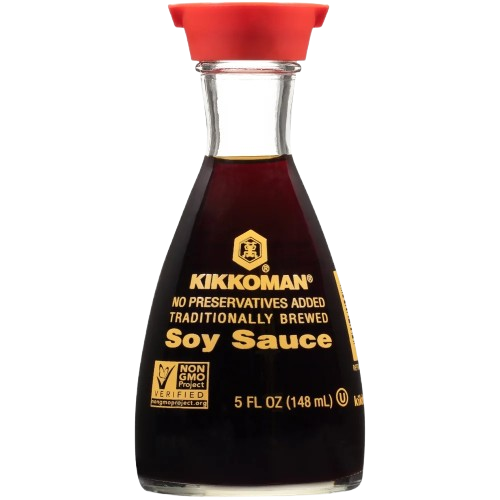
Soy sauce calories vary with serving size. One tablespoon of soy sauce (0.5 fl oz or 16g) contains 8 to 10 calories, while a 100ml serving (3.38 fl oz or 118g) provides 51-62 calories. A full cup of soy sauce (8 fl oz or 283g) contains 120 calories. Brewed soy sauce nutrition facts show this condiment offers some nutrients, with one tablespoon providing 1.5g protein, 0.9g carbohydrates, 0.1g fat, 0.1g fiber, and 0.1g sugar. The most significant aspect of soy sauce nutrition is sodium, with one tablespoon containing 989 mg (43% DV). Larger servings like one cup of soy sauce supply Niacin (70% DV), Magnesium (49% DV), Manganese (62% DV), and Phosphorus (40% DV).
Different soy sauce types exist, including light, dark, tamari, low-sodium, and white (shiro). Global production capacity is linked to major soybean producers like Brazil, the US, and Argentina. China and Japan are core soy sauce manufacturers. Consumption is high in East and Southeast Asia, and import data indicates the United States, Netherlands, and Germany are major consuming markets relying on soy imports. Soy sauce prices increased over the last 20 years. US CPI data for sauces shows average prices rising from $1.80 to $2.00 per pound (mid-2000s) to over $2.80 to $3.00 per pound (2025). A standard 10-ounce Kikkoman bottle price increased from $2.00 to as high as $4.75.
Soy sauce is an essential component in dishes like Chinese stir-fries, Japanese teriyaki, and Korean bulgogi, featured at restaurants such as P.F. Chang's, Benihana, and Panda Express. Health guidelines focus on limiting total sodium to under 1500-2300 mg daily. Consuming one tablespoon of soy sauce which is 8 calories fits easily within a person’s daily calorie needs. Burning 8 calories requires minimal effort, such as 1 minute of brisk walking or light activity.
Soy Sauce nutrition
- Large Bottle of Soy Sauce Calories (Nutritional Facts)
- Medium Bottle of Soy Sauce Calories (Nutritional Facts)
- Small Bottle of Soy Sauce Calories (Nutritional Facts)
- Sodium in Soy Sauce
- Sugar in Soy Sauce
- Fiber in Soy Sauce
- Protein in Soy Sauce
- Carbs in Soy Sauce
- Fat in Soy Sauce
- Vitamins in Soy Sauce
- Minerals in Soy Sauce
Large Bottle of Soy Sauce Calories (Nutritional Facts)
A large bottle of standard brewed soy sauce (20 fl oz or 591 ml, approx. 697g) provides 300 calories, 56.5 grams of protein, 4.9 grams of fat, 34.4 grams of carbohydrates, 4.9 grams of fiber, 2.5 grams of sugar, and 38279 mg of sodium.
A medium bottle of standard brewed soy sauce (10 fl oz or 296 ml, approx. 349g) supplies 150 calories, 28.3 grams of protein, 2.5 grams of fat, 17.2 grams of carbohydrates, 2.5 grams of fiber, 1.2 grams of sugar, and 19167 mg of sodium.
A small bottle of standard brewed soy sauce (5 fl oz or 148 ml, approx. 175g) has 75 calories, 14.2 grams of protein, 1.2 grams of fat, 8.6 grams of carbohydrates, 1.2 grams of fiber, 0.6 grams of sugar, and 9611 mg of sodium.
One tablespoon (16g) of standard brewed soy sauce contains 989 mg of sodium (43% DV). One cup (283g) of soy sauce contains 15542 mg of sodium (676% DV). A 100ml serving (118g) of soy sauce contains 6481 mg of sodium (282% DV).
One tablespoon (16g) of standard brewed soy sauce contains 0.1 grams of sugar. One cup (283g) of soy sauce contains 1.0 gram of sugar. A 100ml serving (118g) of soy sauce contains 0.4 grams of sugar.
One tablespoon (16g) of standard brewed soy sauce contains 0.1 grams of fiber. One cup (283g) of soy sauce contains 2.0 grams of fiber (7% DV). A 100ml serving (118g) of soy sauce contains 0.8 grams of fiber (3% DV).
One tablespoon (16g) of standard brewed soy sauce provides 1.5 grams of protein. One cup (283g) of soy sauce provides 23.0 grams of protein (46% DV). A 100ml serving (118g) of soy sauce provides 9.6 grams of protein (19% DV).
One tablespoon (16g) of standard brewed soy sauce has 0.9 grams of carbohydrates. One cup (283g) of soy sauce has 14.0 grams of carbohydrates (5% DV). A 100ml serving (118g) of soy sauce has 5.8 grams of carbohydrates (2% DV).
One tablespoon (16g) of standard brewed soy sauce contains 0.1 grams of fat. One cup (283g) of soy sauce contains 2.0 grams of fat (3% DV). A 100ml serving (118g) of soy sauce contains 0.8 grams of fat (1% DV).
One cup (283g) of standard brewed soy sauce provides 0.24 mg of Thiamin (20% DV), 0.43 mg of Riboflavin (33% DV), 11.2 mg of Niacin (70% DV), 1.07 mg of Pantothenic Acid (21% DV), 0.46 mg of Vitamin B6 (27% DV), and 55 µg DFE of Folate (14% DV).
One cup (283g) of standard brewed soy sauce contains 94 mg of Calcium (7% DV), 4.0 mg of Iron (22% DV), 204 mg of Magnesium (49% DV), 498 mg of Phosphorus (40% DV), 1231 mg of Potassium (26% DV), 2.0 mg of Zinc (18% DV), 1.4 mg of Manganese (62% DV), and 2.0 µg of Selenium (4% DV).
Get a Custom Report on Soy Sauce Nutrition Data – Contact Us!
What are the Types of Soy Sauce?
Several types of soy sauce exist and they differ in flavor, color, consistency, and ingredients. The characteristics and calorie content of each type of soy sauce are outlined below
| Type | Description | Calories (per 1 tbsp / 15ml) | Calorie Qualifications |
|---|---|---|---|
|
Light Soy Sauce
|
Thin, light brown, salty flavor. Common for dipping, stir-frying, and general seasoning (esp. Chinese style). | 8-10 | Standard calorie content for basic brewed soy sauce. |
|
Dark Soy Sauce
|
Thicker, darker color (often from added molasses/caramel), less salty but more complex, slightly sweet. Used for color and flavor in braised dishes, sauces. | 10-15 | Higher calorie range due to added sugars (like molasses or caramel color) contributing to sweetness, color, and viscosity. |
|
Tamari
|
Japanese style, traditionally made with little or no wheat. Richer, smoother, less sharp flavor than light soy sauce. Often gluten-free. | 10-12 | Slightly higher end of the standard range, potentially due to higher concentration or specific fermentation process. |
|
Low-Sodium Soy Sauce
|
Standard soy sauce treated to reduce sodium content by 30-50%. Flavor can be slightly different. | 8-10 | Calorie content remains similar to standard light soy sauce as sodium removal does not significantly alter macronutrients. |
|
Shiro (White) Soy Sauce
|
Japanese style, made with more wheat, less soybean. Very light color, mild, subtly sweet flavor. Used where color preservation is desired. | 10-12 | Similar calorie range to Tamari, potentially influenced by the higher wheat ratio and specific brewing method. |
What are the Main Dishes with Soy Sauce?
Soy sauce is a fundamental ingredient providing umami and saltiness in numerous main courses across Asia, as shown below:
| Dish Name | Calories (Estimate per serving) | Type of Soy Sauce Used | Carbs (g) | Sugar (g) | Protein (g) | Fat (g) | Cuisine | Restaurants |
|---|---|---|---|---|---|---|---|---|
|
Beef and Broccoli
|
500-800 | Light & Dark | 40-70 | 10-25 | 30-50 | 20-40 | Chinese-American | P.F. Chang's, Local Eateries |
|
Kung Pao Chicken
|
600-900 | Light & Dark | 35-60 | 15-30 | 40-60 | 30-50 | Chinese | Panda Express, Local Eateries |
|
Teriyaki Salmon/Chicken
|
400-700 | Light (in Teriyaki Sauce) | 30-60 | 20-40 | 30-50 | 15-35 | Japanese | Benihana, RA Sushi, Local Eateries |
|
Sushi/Sashimi Dipping Sauce
|
<10 (sauce only) | Light or Tamari | <1-2 | <1 | <1 | <1 | Japanese | Nobu, Katsuya, Local Sushi Bars |
|
Bulgogi (Korean BBQ Beef)
|
400-600 | Light | 15-30 | 10-20 | 25-40 | 20-35 | Korean | Local Korean BBQ, BCD Tofu House |
|
Filipino Chicken Adobo
|
400-700 | Light or Dark | 5-15 | 2-5 | 35-55 | 20-40 | Filipino | Max's Restaurant, Local Eateries |
|
Pho (Broth component)
|
400-600 (whole dish) | Light (often optional) | 40-60 | 3-8 | 25-40 | 10-20 | Vietnamese | Local Pho Restaurants |
|
Pad See Ew
|
600-900 | Light & Dark | 70-100 | 5-15 | 15-30 | 25-45 | Thai | Local Thai Restaurants |
|
Japchae (Glass Noodles)
|
400-600 | Light | 60-80 | 10-20 | 5-10 | 10-20 | Korean | Local Korean Restaurants |
What are Desserts with Soy Sauce?
Soy sauce can be added to desserts to balance sweetness. Below are examples of desserts with soy sauce:
| Dish Name | Calories (Estimate per serving) | Type of Soy Sauce Used | Carbs (g) | Sugar (g) | Protein (g) | Fat (g) | Cuisine | Restaurants |
|---|---|---|---|---|---|---|---|---|
|
Soy Sauce Caramel
|
50-150 (as drizzle/component) | Light or Dark | 10-30 | 10-25 | <1-2 | 1-5 | Modern American/Fusion | Various innovative restaurants |
|
Soy Sauce Ice Cream
|
250-400 (per scoop) | Light or Tamari | 25-40 | 20-35 | 4-8 | 15-25 | Modern American/Fusion | OddFellows Ice Cream Co. |
|
Mitarashi Dango
|
150-250 (per skewer/serving) | Specific sweet glaze | 30-50 | 15-25 | 2-4 | <1-2 | Japanese | Japanese bakeries/restaurants |
|
Soy Glazed Pastries
|
300-500 (per item) | Light or Tamari | 40-60 | 20-35 | 5-8 | 10-20 | Modern American/Fusion | Milk Bar (past examples) |
What Cuisines Prefer Soy Sauce the Most?
Soy sauce is indispensable in many East and Southeast Asian culinary traditions, as shown in the table below:
| Cuisine | Dish Examples | Soy Sauce Usage/Type | Calories (Estimate per serving of dish) | Restaurant(s) |
|---|---|---|---|---|
|
Chinese
|
Stir-fries, Braised dishes, Fried Rice | Light (flavor), Dark (color/flavor), Mushroom Soy | 500-900+ | P.F. Chang's, Panda Express, Local Eateries |
|
Japanese
|
Teriyaki, Sushi dip, Ramen, Tempura dip | Light (Koikuchi/Usukuchi), Tamari, Shiro (White) | 400-800+ (dishes), <10 (dip) | Benihana, Nobu, RA Sushi, Local Eateries |
|
Korean
|
Bulgogi, Galbi, Japchae, Bibimbap sauce | Ganjang (various types, similar to light/dark) | 400-700+ | Local Korean BBQ spots, BCD Tofu House |
|
Vietnamese
|
Pho (optional), Dipping sauces, Stir-fries | Light (Nước tương), often blended in sauces (Nước chấm) | 400-600+ | Local Pho Restaurants, Slanted Door (SF) |
|
Filipino
|
Adobo, Pancit, Bistek Tagalog | Light (Toyo), sometimes Dark | 400-700+ | Max's Restaurant, Jollibee, Local Eateries |
|
Thai
|
Pad See Ew, Stir-fries, some marinades | Light (See Ew Khao), Dark Sweet (See Ew Dam) | 600-900+ | Local Thai Restaurants |
|
Indonesian
|
Kecap Manis based dishes (Nasi Goreng), Satay | Sweet Soy Sauce (Kecap Manis), Salty (Kecap Asin) | 500-800+ | Local Indonesian Restaurants |
Which Countries Produce the Most Soy Sauce?
The countries that produce the most soybean, which is the key ingredient in soy sauce, are Brazil, USA, Argentina, China, and India. The table below lists the production volumes for soybeans for the top producing countries, based on FAOSTAT data from 2004 to 2022:
| Country | 2004 | 2005 | 2006 | 2007 | 2008 | 2009 | 2010 | 2011 | 2012 | 2013 | 2014 | 2015 | 2016 | 2017 | 2018 | 2019 | 2020 | 2021 | 2022 |
|---|---|---|---|---|---|---|---|---|---|---|---|---|---|---|---|---|---|---|---|
| Brazil | 51,181,510 | 53,414,870 | 55,658,350 | 60,056,097 | 59,900,000 | 57,353,511 | 68,756,392 | 74,815,024 | 65,847,354 | 86,760,640 | 86,759,952 | 96,296,612 | 96,296,612 | 114,718,982 | 117,887,672 | 114,268,912 | 134,934,973 | 130,771,069 | 154,632,994 |
| USA | 85,677,190 | 82,795,980 | 86,743,310 | 72,857,400 | 80,746,600 | 91,407,600 | 90,608,600 | 84,193,000 | 82,765,000 | 91,370,000 | 106,878,000 | 106,935,000 | 116,919,000 | 119,518,000 | 120,515,000 | 96,666,000 | 113,361,000 | 120,708,000 | 116,378,000 |
| Argentina | 38,300,000 | 39,700,000 | 46,239,741 | 47,482,793 | 46,200,000 | 30,993,183 | 52,675,108 | 48,876,480 | 40,100,800 | 49,301,300 | 53,397,964 | 61,398,288 | 58,799,258 | 54,956,770 | 37,787,927 | 55,263,896 | 48,797,963 | 46,217,926 | 43,861,858 |
| China | 17,404,000 | 16,900,000 | 16,800,000 | 12,700,000 | 15,500,000 | 14,600,000 | 15,100,000 | 14,500,000 | 12,800,000 | 12,200,000 | 12,200,000 | 11,970,000 | 12,900,000 | 14,200,000 | 15,950,000 | 18,100,000 | 19,600,000 | 16,400,000 | 20,281,200 |
| India | 6,800,000 | 6,200,000 | 8,300,000 | 10,980,000 | 9,910,000 | 10,260,000 | 12,740,000 | 12,280,000 | 14,670,000 | 11,860,000 | 10,520,000 | 8,570,000 | 13,160,000 | 10,980,000 | 13,270,000 | 11,220,000 | 11,200,000 | 12,990,000 | 14,976,000 |
| Canada | 3,144,700 | 3,064,200 | 3,499,300 | 3,359,800 | 3,334,400 | 4,263,200 | 4,359,100 | 4,284,500 | 5,115,800 | 5,876,900 | 6,032,700 | 6,428,000 | 6,461,000 | 7,717,000 | 7,269,000 | 6,045,000 | 6,279,000 | 6,269,000 | 6,548,000 |
| Paraguay | 3,970,000 | 3,615,570 | 2,650,000 | 6,874,000 | 6,497,000 | 3,926,000 | 8,389,000 | 9,435,000 | 4,154,000 | 9,140,000 | 9,975,000 | 8,830,000 | 9,163,000 | 10,488,000 | 10,244,000 | 9,931,000 | 10,999,000 | 10,535,000 | 3,334,000 |
| Russia | 663,000 | 746,000 | 810,000 | 886,000 | 746,000 | 857,000 | 1,224,000 | 1,758,000 | 1,786,000 | 2,369,000 | 2,538,000 | 2,750,000 | 3,141,000 | 3,603,000 | 3,997,000 | 4,361,000 | 4,282,000 | 4,760,000 | 6,006,000 |
Which Countries Consume the Most Soy Sauce?
The countries that import the most soy sauce are the United States, Norway, and New Zealand. The table below shows the soy sauce import values of these countries from 2018 to 2024:
| Country | 2018 | 2019 | 2020 | 2021 | 2022 | 2023 | 2024 |
|---|---|---|---|---|---|---|---|
| United States | 111.93M | 103.12M | 108.10M | 118M | 143.20M | 114.48M | 142.36M |
| Norway | 734M | 6.94M | 783M | 9.18M | 8.91M | 8.13M | 10.07M |
| New Zealand | 7.54M | 9.03M | 7.50M | 9.75M | 10.39M | 8.82M | 9.01M |
How Do Prices of Soy Sauce-including Dishes Change?
The general increase in soy sauce prices, combined with the rising costs for other ingredients (like meat, vegetables, and noodles), labor, rent, and energy, has contributed significantly to higher menu prices for dishes featuring soy sauce in restaurants over the past two decades. The table below illustrates the price difference of menu items with soy sauce from the early 2000s and today.
| Restaurant | Dish | Old Price | Current Price (2025) |
|---|---|---|---|
| P.F. Chang's | Chang's Spicy Chicken | $14.50 (2010) | $16.00 to $18.50 |
| Panda Express | Broccoli Beef (Plate) | $6.50 (2008) | $10.00 to $11.00 |
| Benihana | Hibachi Chicken (Platter) | $19.00 (2005) | $30.00 to $38.00 |
| Local Sushi Spot | Teriyaki Chicken Bowl | $9.00 (2012) | $16.00 to $18.00 |
| Local Thai Spot | Pad See Ew | $10.00 (2010) | $16.00 to $18.00 |
How Does the Price of Soy Sauce Change for the Last 20 Years?
Soy sauce prices have increased over the past two decades, and while specific soy sauce index data isn't available, the US CPI for "Sauces and gravies" shows this trend, average prices were around $1.80 to $2.00 per pound in the mid-2000s, rising to over $3.00 per pound by 2025. A common 10-ounce bottle of Kikkoman soy sauce, costing $2.00 to $2.75 in the mid-2000s, now retails $3.75 to $4.75 or more. The lowest prices occurred earlier in this 20-year period, with the highest prices seen currently. Key drivers for this increase include rising costs for soybeans, wheat, energy, packaging, and labor. Premium options like organic or gluten-free Tamari cost more than standard types.
What is the Calorie of 1 Tbsp Soy Sauce?
One tablespoon (0.5 fl oz or 16g) of standard brewed soy sauce contains 8 to 10 calories.
What are the Calories of 2 Tbsp Soy Sauce?
Two tablespoons (1 fl oz or 32g) of standard brewed soy sauce contain 15 to 20 calories.
What is the Calorie of 100mL Soy Sauce?
A 100ml serving (3.38 fl oz or 118g) of standard brewed soy sauce contains 51 to 62 calories.
What are the Health Benefits of Soy Sauce?
Soy sauce offers potential health benefits linked to the fermentation process and soy components, although these must be weighed against its high sodium content.
- Source of Antioxidants: Soy sauce contains antioxidants, such as phenolic compounds, which can help neutralize harmful free radicals in the body, potentially reducing oxidative stress. (Lin, F. M., Chen, L. H., & Lin, S. D., 2008. Antioxidant activities of extracts from fermented soy sauce.)
- Potential Digestive Support: Traditional fermentation processes can introduce beneficial microorganisms or their metabolites, which might have a positive effect on gut health, although the viability and impact in commercially produced soy sauce can vary. Some studies suggest fermented soy products can enhance digestion. (Lee, K. W., Shim, J. M., & Kim, D. W., 2015. Fermented Soy Products and Their Potential Health Benefits: A Review.)
- Contains Isoflavones: Soy sauce contains isoflavones, plant compounds that may have weak estrogen-like effects and have been studied for potential roles in bone health and hormonal balance, though the concentration in soy sauce is lower than in whole soy foods. (Messina, M., 2016. Soy and Health Update: Evaluation of Clinical and Epidemiologic Literature.)
What are the Downsides of Soy Sauce?
Soy sauce has downsides, mainly related to the processing and composition.
- Extremely High Sodium Content: Standard soy sauce is very high in sodium. Excessive sodium intake is strongly linked to increased blood pressure, a major risk factor for heart disease and stroke. (He, F. J., & MacGregor, G. A., 2009. A comprehensive review on salt and health and current experience of worldwide salt reduction programmes.) As an alternative, low-sodium soy sauce varieties are available, containing 30-50% less sodium. Other alternatives include coconut aminos or liquid aminos, which are lower in sodium. Limiting intake is crucial to stay within the daily recommended sodium limits.
- Contains Allergens: Most soy sauces contain soy and wheat, which are common allergens. Individuals with soy allergies or celiac disease/non-celiac gluten sensitivity must avoid traditional soy sauce. Tamari is often, but not always, brewed without wheat.
- Presence of Amines: Fermented foods like soy sauce contain amines, including histamine and tyramine. In sensitive individuals, these compounds can trigger reactions like headaches, sweating, or blood pressure changes. (Ladero, V., Calles-Enríquez, M., Fernández, M., & Alvarez, M. A., 2010. Toxicological effects of dietary biogenic amines.)
- Contains MSG: Soy sauce contains naturally occurring monosodium glutamate (MSG) as a result of the fermentation process breaking down proteins. While generally recognized as safe by regulatory agencies, some individuals report sensitivity reactions to MSG, such as headaches or flushing.
- May Contain AGEs: Darker soy sauces, in particular, can contain Advanced Glycation End products (AGEs), compounds formed during processing and aging that may contribute to inflammation and are linked to chronic diseases when accumulated in the body.
Is Soy Sauce Good for You?
No, soy sauce is not considered 'good' for health when consumed in typical condiment amounts because the potential minor benefits are heavily outweighed by the extremely high sodium content, and while soy sauce does contain antioxidants from soy and fermentation (Zhu, Y., Zhang, J., & Liu, W., 2020. Evaluation of antioxidant activities of soy sauce and identification of associated compounds), which could theoretically support cellular health, the significant sodium load poses a direct risk to heart health by contributing to high blood pressure. The fermentation process might offer some digestive benefits, but this is not well-established for modern, commercially produced sauces and does not negate the sodium risk. The impact on brain health or liver health is not considered significant or directly beneficial, and any potential positive effects from isoflavones are minimal compared to consuming whole soy foods.
Is Soy Sauce Bad for You?
Soy sauce can be considered bad for health due to the extremely high sodium content, which can contribute to exceeding daily recommended sodium limits. High sodium intake is a major risk factor for developing high blood pressure, heart disease, and stroke. Additionally, traditional soy sauce contains common allergens (soy and wheat/gluten), which makes it unsuitable for individuals with related allergies or sensitivities. The presence of naturally occurring amines like histamine and MSG can also cause adverse reactions in sensitive people, and while consumed in small amounts as a condiment might pose minimal risk for healthy individuals, regular or excessive consumption, especially of standard selections, is detrimental to cardiovascular health.
Is Soy Sauce Acidic?
Yes, soy sauce is acidic. The pH level of soy sauce ranges from 4.4 to 5.4 varying based on the specific type, ingredients, and fermentation process used.
How Much Soy Sauce Should I Eat a Day?
Consumption of soy sauce should be kept minimal, less than one teaspoon per meal or choose low-sodium versions, to avoid exceeding these daily sodium limits. The Dietary Guidelines for Americans recommend adults limit sodium intake to less than 2300 mg per day. The American Heart Association advises an ideal limit of less than 1500 mg per day for most adults to promote optimal heart health. A single tablespoon (18g) of regular soy sauce contains 989 mg of sodium (43% DV).
How Much Soy Sauce Can I Consume in a Day at Most?
Regularly exceeding the 2300 mg sodium limit set by the Dietary Guidelines for Americans, or the 1500 mg ideal limit suggested by the American Heart Association, significantly increases the risk of high blood pressure, cardiovascular disease, stroke, and kidney problems. Depending on the sodium content of other foods consumed throughout the day, eating more than one to one-and-a-half tablespoons of regular soy sauce could easily surpass these limits. The maximum amount should be dictated by how it fits within an individual's total daily sodium budget, which for most people means limiting regular soy sauce to very small amounts.
How Does the Calorie Change According to Soy Sauce Types?
The calorie content of soy sauce varies across different soy sauce types, with differences mainly arising from the addition of ingredients like molasses or sugar, rather than the fundamental brewing process itself. Most commonly brewed soy sauces, including standard light soy sauce, tamari, low-sodium soy sauce, and Japanese white (shiro) soy sauce, fall within a narrow range of 8 to 12 calories per tablespoon (15ml serving). Dark soy sauce contains the highest number of calories among common types, ranging from 10 to 15 calories per tablespoon, which is attributable to the added sweeteners like molasses used to enhance its color, viscosity, and flavor profile. Light soy sauce and low-sodium soy sauce represent the lower end of the typical calorie spectrum for widely available soy sauces.
What is the Origin of Soy Sauce?
The origin of soy sauce traces back over 2,500 years to ancient China, evolving from an earlier type of fermented paste called "jiang" (醬). Jiang was initially made from fermented meat, fish, and grains, used primarily as a preservative and condiment. Methods using soybeans became more prevalent over time, particularly as Buddhism encouraged vegetarianism, leading to jiang made solely from soybeans and grains like wheat. This fermented soybean paste was a precursor to both modern soy sauce and miso. The liquid extracted from this fermentation process, initially a byproduct, gained popularity for its concentrated flavor and versatility. Cheesemaking knowledge spread across Europe, facilitated by trade routes. This liquid form, known as "jiangyou" (醬油) in Chinese, meaning "jiang oil/liquid," is what we recognize as soy sauce today. The technique spread to neighboring countries; in Japan, Buddhist monks introduced jiang around the 7th century. Japanese artisans refined the process significantly over centuries, developing distinct varieties like koikuchi (dark, standard), usukuchi (light), tamari (traditionally wheat-free), and shiro (white), each suited for different culinary applications, from seasoning soups like ramen to becoming the essential dip for sushi, a dish whose own history is intertwined with fermented products. Similarly, Korea developed its own unique soy sauces ("ganjang"), integral to dishes like bulgogi. Soy sauce became a fundamental building block of flavor in East and Southeast Asian cooking, used in marinades, stir-fries, braises, dipping sauces, and as a table condiment, defining the savory character of countless traditional dishes.