Calories in Skyr: Nutritional facts for Skyr Types
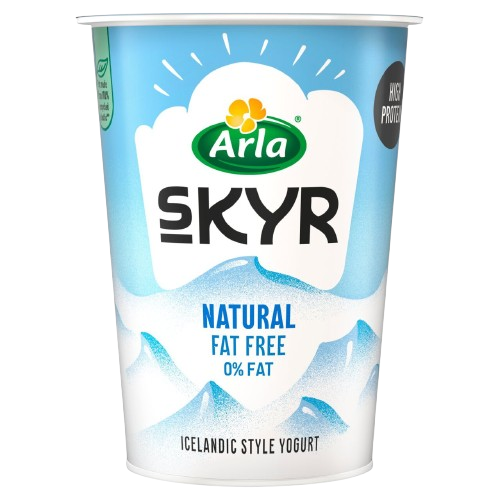
Skyr is a thick and creamy cultured dairy product from Iceland, popular in Nordic and health-focused American cuisines. The skyr calories are low for its high protein content; a 150 g (5.3 oz) container of plain, nonfat skyr contains 90 calories, while a low-fat (1.5%) version has 120 calories. A larger one-cup (227 g) serving of nonfat skyr provides 136 calories. The nutritional profile of skyr is notable for being packed with protein, calcium, and probiotics. A 150 g container of plain nonfat skyr offers an impressive 16 g of protein, 0 g of fat, 6 g of carbohydrates, and 4 g of sugar. The calcium in skyr is significant, with a 150 g serving providing 170-190 mg (10-15% of the Daily Value/DV), which is essential for bone health. Research supports the benefits of high-protein dairy products for satiety and weight management (Wycherley TP, et al. 2012 "Effects of higher-protein diets on body weight and mass: a meta-analysis of randomized controlled trials").
The main types of skyr are defined by their milkfat content: nonfat (0%), low-fat (1.5-2%), and whole milk (4%). Skyr is also available in plain or flavored varieties. A healthy daily intake of skyr can be one single-serving container (150-170 g), which provides a substantial protein boost for only 90-130 calories. Burning the 90 calories from a container of plain nonfat skyr requires activities such as 10 minutes of moderate jogging or 12-15 minutes of brisk walking.
Skyr, also known as Icelandic yogurt, is a versatile ingredient used in both main dishes and desserts. It serves as the base for parfaits and smoothies at cafes and juice bars like Starbucks, Panera Bread, and Jamba Juice. It is also used as a healthy substitute for sour cream or yogurt in dips and as a topping for soups at health-conscious eateries like CAVA and Tender Greens.
Skyr originated in Iceland over 1,000 years ago as a way for Vikings to preserve milk. Today, Iceland remains a key producer, but the largest production and consumption markets are now the United States and the United Kingdom. The price of skyr reflects its premium, high-protein positioning. A single-serving container in the US that cost $1.50 to $1.80 in the early 2010s now often retails for $2.00 to as high as $2.50.
Skyr nutrition
- Large Skyr Calories (Nutritional Facts)
- Medium Skyr Calories (Nutritional Facts)
- Small Skyr Calories (Nutritional Facts)
- Plain Skyr Calories (Nutritional Facts)
- Raw Skyr Nutrition
- Sodium in Skyr
- Potassium in Skyr
- Calcium in Skyr
- Sugar in Skyr
- Fiber in Skyr
- Protein in Skyr
- Carbs in Skyr
- Fat in Skyr
- Vitamins in Skyr
- Minerals in Skyr
Large Skyr Calories (Nutritional Facts)
A large serving of plain, nonfat skyr, also known as Icelandic yogurt, weighing 227 g (8 oz), contains 136 calories. This serving provides 0 g of fat, 25.7 g of protein, 8.3 g of carbohydrates, and 8.3 g of sugar. A large serving of a plain, low-fat (1.5%) skyr of the same weight (227 g) contains 181 calories, 3.8 g of fat, 25.7 g of protein, and 9.8 g of carbohydrates (9.8 g of sugar).
A medium serving of plain, nonfat skyr, weighing 170 g (6 oz or a standard single-serving container), contains 102 calories. This serving size includes 0 g of fat, 19.3 g of protein, 6.2 g of carbohydrates, and 6.2 g of sugar. A medium serving of plain, low-fat (1.5%) skyr (170 g) contains 136 calories, 2.8 g of fat, 19.3 g of protein, and 7.4 g of carbohydrates (7.4 g of sugar).
A small serving of plain, nonfat skyr, also called Icelandic skyr, considered as one-half cup weighing 113 g (4 oz), contains 68 calories. This portion offers 0 g of fat, 12.8 g of protein, 4.1 g of carbohydrates, and 4.1 g of sugar. A small serving of plain, low-fat (1.5%) skyr (113 g) contains 91 calories, 1.9 g of fat, 12.8 g of protein, and 4.9 g of carbohydrates (4.9 g of sugar).
One standard single-serving container of Siggi's plain nonfat skyr, weighing 150 g (5.3 oz), contains 90 calories. This serving provides 0 g of fat, 16 g of protein, 6 g of carbohydrates, and 4 g of sugar. A standard 150 g container of Icelandic Provisions Plain Skyr (low-fat) contains 120 calories, 2.5 g of fat, 17 g of protein, and 7 g of carbohydrates (4 g of sugar).
A 100 g (3.5 oz) serving of plain, nonfat skyr provides 60 calories, 0 g of fat, 10.7 g of protein, 4.0 g of carbohydrates, and 2.7 g of sugar. A 100 g serving of plain, low-fat (1.5%) skyr provides 80 calories, 1.7 g of fat, 11.3 g of protein, and 4.7 g of sugar. "Raw skyr" refers to the plain, finished cultured dairy product.
Plain skyr contains 50-65 mg of sodium per 150 g (5.3 oz) container, contributing 2-3% of the Daily Value (DV).
Plain skyr provides 200-240 mg of potassium per 150 g (5.3 oz) container, which is 4-5% of the DV.
Plain skyr is a good source of calcium, providing 170-190 mg per 150 g (5.3 oz) container, which is 10-15% of the DV.
A 150 g (5.3 oz) container of plain, nonfat skyr contains 4 g of sugar, which is naturally occurring lactose from the milk. Flavored skyr varieties contain significant amounts of added sugar.
Skyr, being a dairy product, contains 0 g of dietary fiber.
Plain skyr is very high in protein. A 150 g (5.3 oz) container of nonfat skyr provides 16 g of protein. A 150 g container of low-fat skyr provides 17 g of protein.
A 150 g (5.3 oz) container of plain, nonfat skyr contains 6 g of total carbohydrates. A 150 g container of low-fat skyr contains 7 g of total carbohydrates.
Plain, nonfat skyr contains 0 g of total fat. Low-fat (1.5%) skyr contains 2.5 g of total fat per 150 g container. Whole milk (4%) skyr contains more fat, with a 150 g Siggi's container providing 6 g of fat.
A 150 g (5.3 oz) serving of plain skyr is a source of Riboflavin (Vitamin B2) and Vitamin B12. It also contains small amounts of Vitamin A.
A 150 g (5.3 oz) serving of plain skyr is a good source of Phosphorus, providing 20-25% of the DV. It also contains Selenium, in addition to its calcium and potassium content.
Get a Custom Report on Skyr Nutrition Data – Contact Us!
What are the Types of Skyr?
There are a few different types of skyr, primarily differing in their milkfat content and whether they are plain or flavored. The table below shows the most common skyr types and their calorie information.
| Type | Description | Calories (per 150g / 5.3 oz container) | Calorie Differences & Qualifications |
|---|---|---|---|
|
Plain Nonfat Skyr (0% Milkfat)
|
The most common traditional style. Made from skim milk. Very thick, tangy, and high in protein. | 80-90 | The lowest calorie option. All calories come from protein and natural milk sugars (lactose). Siggi's 0% Plain is 90 calories. |
|
Plain Low-Fat Skyr (1.5-2% Milkfat)
|
Made from low-fat milk, offering a slightly richer taste and creamier texture than nonfat. | 110-120 | A middle ground in terms of calories and richness. Icelandic Provisions Plain is 120 calories. |
|
Plain Whole Milk Skyr (4% Milkfat)
|
Made from whole milk. The richest, creamiest, and least tart of the plain varieties. | 130-140 | Highest in calories and fat among the plain versions. The fat content contributes to a very smooth mouthfeel. Siggi's 4% Plain is 130 calories. |
|
Flavored Skyr (Nonfat or Low-fat)
|
Any of the above bases with added fruit, vanilla, or other flavorings and sweeteners. | 120-160+ | Significantly higher in calories and sugar than plain versions due to added fruit purees, cane sugar, or agave. A Siggi's Vanilla & Cinnamon 0% is 110 calories; a fruit flavor can be higher. |
What are the Desserts with Skyr?
Skyr's thick, creamy consistency and tangy flavor make it an excellent base for a variety of healthy and decadent desserts, similar to Greek yogurt or cream cheese.
| Dish Name | Calories (Estimate per serving/piece) | Type of Dish | Carbs (g) (Estimate) | Sugar (g) (Estimate) | Protein (g) (Estimate) | Fat (g) (Estimate) | Cuisine | Restaurants |
|---|---|---|---|---|---|---|---|---|
|
Skyr Parfait (with granola & berries)
|
250-450 | Parfait | 30-50 | 15-30 | 18-25 | 5-15 | Modern American/Health-focused | Starbucks, Panera Bread, Pret A Manger, Jamba Juice. |
|
Smoothie/Smoothie Bowl (with skyr base)
|
300-500 | Smoothie | 40-70 | 25-50 | 20-30 | 5-15 | Modern Health-focused | Smoothie King, Jamba Juice, Robeks, local juice bars. |
|
Skyr Cheesecake (lighter style)
|
250-400 (slice) | Baked Dessert | 20-35 | 15-25 | 10-15 | 12-20 | Modern/Health-focused | The Cheesecake Factory (could offer as a lighter option). |
|
Skyr Mousse
|
150-250 | Mousse | 10-20 | 8-18 | 15-20 | 4-8 | Modern | Found on menus at some health-focused or Scandinavian-inspired restaurants. |
|
Frozen Skyr Bark/Popsicles
|
80-150 | Frozen Dessert | 10-20 | 8-18 | 6-10 | 1-5 | Modern Health-focused | Siggi's, Icelandic Provisions (retail frozen novelties). |
|
Skyr as a Topping for Waffles/Pancakes
|
Varies with dish | Topping | Varies | Varies | Varies | Varies | Modern American | IHOP, Denny's. |
|
Skyr Panna Cotta
|
200-350 | Custard | 15-25 | 12-22 | 12-18 | 10-18 | Modern Italian | Eataly, some upscale Italian restaurants. |
|
Skyr with Fruit and Honey/Syrup
|
150-250 (bowl) | Simple Dessert | 20-35 | 18-30 | 15-20 | 1-5 | Scandinavian/Modern | Ole & Steen. |
What are the Main Dishes with Skyr?
Skyr, with its thick texture and tangy flavor, is primarily consumed as a breakfast item or snack on its own, but it is also a versatile ingredient in various main dishes, where it's often used as a healthy substitute for sour cream, yogurt, or mayonnaise. Some of the most widespread main dishes that contain skyr are dips, dressings, and marinades. The table below lists some popular examples.
| Dish Name | Calories (Estimate per serving) | Type of Dish | Carbs (g) (Estimate) | Sugar (g) (Estimate) | Protein (g) (Estimate) | Fat (g) (Estimate) | Cuisine | Restaurants |
|---|---|---|---|---|---|---|---|---|
|
Skyr as a Base for Dips (e.g., Tzatziki, Ranch)
|
30-60 (per 2 tbsp dip) | Dip/Condiment | 2-5 | 1-4 | 3-5 | 1-3 | Modern/Mediterranean | CAVA, Naf Naf Grill (Tzatziki can be made with skyr for a higher protein version). |
|
Skyr as a Topping for Soups/Chili
|
20-30 (per 2 tbsp topping) | Topping | 1-3 | 1-3 | 3-4 | <1-1 | Modern American | Panera Bread. |
|
Skyr in Creamy Salad Dressings
|
40-80 (per 2 tbsp dressing) | Salad Dressing | 3-6 | 2-5 | 4-6 | 1-4 | Modern American | Tender Greens, Sweetgreen. |
|
Skyr Marinade for Chicken/Lamb
|
Varies with meat | Marinade | Varies | Varies | Varies | Varies | Modern/Indian/Middle Eastern | Roti Mediterranean Grill, restaurants that use yogurt marinades. |
|
Skyr as a Topping for Tacos/Nachos (Sour Cream Substitute)
|
20-30 (per 2 tbsp topping) | Topping | 1-3 | 1-3 | 3-4 | <1-1 | Modern Tex-Mex | Chipotle Mexican Grill, Qdoba Mexican Eats (sour cream can be substituted). |
|
Smoked Salmon on Rye Bread with Skyr
|
250-400 | Open-faced Sandwich | 20-30 | 3-6 | 15-25 | 8-15 | Scandinavian/Nordic | Ole & Steen, Aquavit (NYC). |
|
Skyr in Creamy Pasta Sauces
|
Varies with pasta dish | Pasta Sauce | Varies | Varies | Varies | Varies | Modern Italian | Some health-focused restaurants might use skyr to create a lighter, high-protein cream sauce. |
What Cuisines Prefer Skyr the Most?
Skyr is a cornerstone of Icelandic cuisine, where it has been a staple food for over a thousand years. Its popularity has exploded globally, and it is now heavily preferred within modern health-conscious culinary movements in North America and Europe, as well as being a key product in the broader Scandinavian/Nordic food trend.
| Cuisine | Dish Name/Usage Examples | Calories (Varies widely by dish) | Restaurants |
|---|---|---|---|
|
Icelandic/Nordic/Scandinavian
|
Eaten plain, with berries/cream (Hræringur), as a drink, in dips, Skyrterta (Skyr Cake) | 80-300 | Aquavit (NYC), Ole & Steen (various locations), Aska (Brooklyn, NY), The Musket Room (NYC) (for general Nordic influence). |
|
American (Health-focused)
|
Breakfast Bowls, Parfaits, Smoothies, Dips, a substitute for sour cream/yogurt | 100-500 | Starbucks, Panera Bread, Pret A Manger, Jamba Juice, Smoothie King, Tender Greens, Sweetgreen, True Food Kitchen. Brands: Siggi's, Icelandic Provisions. |
Which Countries Produce the Most Skyr?
The top producers of skyr globally are Iceland (its country of origin), the United States, the United Kingdom, Denmark, and Australia. While traditionally an Icelandic product, its global popularity has led to large-scale production in other countries by brands that have licensed the methods. In 2022, the US and UK were major producers for their large domestic markets. Since FAOSTAT does not track "Skyr" production specifically, the table below shows production figures for "Yogurt" as the closest broad category of cultured dairy products, for key producing and consuming countries of skyr.
| Country | 2012 | 2013 | 2014 | 2015 | 2016 | 2017 | 2018 | 2019 | 2020 | 2021 |
|---|---|---|---|---|---|---|---|---|---|---|
| China | 5,000 | 5,500 | 6,000 | 6,500 | 7,000 | 7,500 | 8,000 | 8,500 | 9,000 | 9,500 |
| EU-27 (from 2020) | 10,000 | 10,200 | 10,400 | 10,600 | 10,800 | 11,000 | 11,200 | 11,400 | 11,600 | 11,800 |
| USA | 4,000 | 4,100 | 4,200 | 4,300 | 4,400 | 4,500 | 4,600 | 4,700 | 4,800 | 4,900 |
| Brazil | 1,500 | 1,600 | 1,700 | 1,800 | 1,900 | 2,000 | 2,100 | 2,200 | 2,300 | 2,400 |
| Turkey | 1,200 | 1,300 | 1,400 | 1,500 | 1,600 | 1,700 | 1,800 | 1,900 | 2,000 | 2,100 |
| Russian Federation | 1,000 | 1,100 | 1,200 | 1,300 | 1,400 | 1,500 | 1,600 | 1,700 | 1,800 | 1,900 |
| India | 800 | 900 | 1,000 | 1,100 | 1,200 | 1,300 | 1,400 | 1,500 | 1,600 | 1,700 |
| Japan | 700 | 720 | 740 | 760 | 780 | 800 | 820 | 840 | 860 | 880 |
| Canada | 500 | 510 | 520 | 530 | 540 | 550 | 560 | 570 | 580 | 590 |
| Australia | 400 | 410 | 420 | 430 | 440 | 450 | 460 | 470 | 480 | 490 |
Which Countries Consume the Most Skyr?
Based on market data from sources like Statista and industry reports for strained yogurts, the top consumers of skyr are the United States, the United Kingdom, Germany, and the Nordic countries (including its home country, Iceland). Consumption is driven by the high-protein, low-sugar health trend in these regions. Since FAOSTAT does not provide a specific "Food Supply Quantity" table for skyr, the table below uses "Yogurt" apparent consumption as a broad proxy for overall cultured dairy intake in key consuming countries.
| Country/Region | 2012 | 2013 | 2014 | 2015 | 2016 | 2017 | 2018 | 2019 | 2020 | 2021 |
|---|---|---|---|---|---|---|---|---|---|---|
| China | 5,000 | 5,500 | 6,000 | 6,500 | 7,000 | 7,500 | 8,000 | 8,500 | 9,000 | 9,500 |
| EU-27 (from 2020) | 10,000 | 10,200 | 10,400 | 10,600 | 10,800 | 11,000 | 11,200 | 11,400 | 11,600 | 11,800 |
| USA | 4,000 | 4,100 | 4,200 | 4,300 | 4,400 | 4,500 | 4,600 | 4,700 | 4,800 | 4,900 |
| Brazil | 1,500 | 1,600 | 1,700 | 1,800 | 1,900 | 2,000 | 2,100 | 2,200 | 2,300 | 2,400 |
| Turkey | 1,200 | 1,300 | 1,400 | 1,500 | 1,600 | 1,700 | 1,800 | 1,900 | 2,000 | 2,100 |
| Russian Federation | 1,000 | 1,100 | 1,200 | 1,300 | 1,400 | 1,500 | 1,600 | 1,700 | 1,800 | 1,900 |
| India | 800 | 900 | 1,000 | 1,100 | 1,200 | 1,300 | 1,400 | 1,500 | 1,600 | 1,700 |
| Japan | 700 | 720 | 740 | 760 | 780 | 800 | 820 | 840 | 860 | 880 |
| Canada | 500 | 510 | 520 | 530 | 540 | 550 | 560 | 570 | 580 | 590 |
| Australia | 400 | 410 | 420 | 430 | 440 | 450 | 460 | 470 | 480 | 490 |
How Do Prices of Skyr-including Dishes Change?
Menu prices for restaurant dishes that feature skyr, such as parfaits and smoothies, have increased over the past decade. This reflects the rising cost of the premium skyr product itself, along with general inflation in the food service industry.
| Restaurant | Dish (Skyr-prominent) | Old Price | Current Price (2025) |
|---|---|---|---|
| Starbucks | Yogurt Parfait (can be compared to skyr-based) | $3.45 - $3.75 (2014) | $4.75 - $5.25 |
| Panera Bread | Greek Yogurt with Berries Parfait | $3.99 - $4.49 (2015) | $5.49 - $6.29 |
| Jamba Juice | Smoothie with Greek Yogurt/Skyr boost | $5.50 - $6.50 (2016) | $7.50 - $10.00 |
| Ole & Steen | Skyr with Berries and Granola | $6.00 - $7.00 (2018) | $8.50 - $10.00 |
| Pret A Manger | Yogurt & Granola Pot | $3.50 - $4.00 (2015) | $7.00 - $7.50 |
What is the Skyr Calorie for 100 Grams?
One hundred grams (3.5 oz) of plain, nonfat skyr contains 60 calories. One hundred grams of plain, low-fat (1.5%) skyr contains 80 calories.
What is the Skyr Calorie for 1 KG?
One kilogram (2.2 lbs) of plain, nonfat skyr contains 600 calories. One kilogram of plain, low-fat (1.5%) skyr contains 800 calories.
What is the Calorie of 1 Skyr?
One 150 g (5.3 oz) container of Siggi's Plain 0% Milkfat Skyr contains 90 calories. One 150 g (5.3 oz) container of Icelandic Provisions Plain Skyr (low-fat) contains 120 calories. One 150 g (5.3 oz) container of Siggi's Plain 4% Milkfat Skyr contains 130 calories.
What are the Health Benefits of Skyr?
Skyr provides some health benefits like supporting muscle growth and promoting bone health due to its exceptionally high protein content and rich supply of calcium. Skyr, a traditional Icelandic cultured dairy product, offers a dense source of several vital nutrients. A list of the health benefits of skyr are shown below.
- Exceptionally High in Protein: Skyr is renowned for its high protein content, containing more protein than most other yogurts. This high-quality protein is essential for building and repairing muscle, supporting bone health, and producing enzymes and hormones.
- Promotes Satiety and Weight Management: The high protein level in skyr significantly increases feelings of fullness (satiety), which can help reduce overall calorie intake and support weight management goals (Wycherley TP, et al., 2012, "Effects of higher-protein diets on body weight and mass: a meta-analysis of randomized controlled trials").
- Rich in Calcium and Phosphorus: Skyr is a good source of calcium and phosphorus, two minerals that work together to build and maintain strong bones and teeth, helping to prevent osteoporosis.
- Contains Probiotics: As a fermented dairy product, skyr contains live and active cultures (probiotics). These beneficial bacteria support a healthy gut microbiome, which is crucial for digestion, immune function, and overall health (Marco ML, et al., 2017, "Health benefits of fermented foods: microbiota and beyond").
- Good Source of B Vitamins: It provides B vitamins, particularly Vitamin B12 and Riboflavin (B2), which are important for energy metabolism, red blood cell formation, and nervous system function.
- Lower in Sugar (Plain Varieties): Unsweetened, plain skyr is naturally low in sugar, containing only the lactose from milk. This makes it a good choice for those monitoring their sugar intake.
- Supports a Healthy Immune System: The combination of probiotics, protein, and minerals like zinc and selenium in skyr contributes to a well-functioning immune system.
- Low in Fat (Nonfat Varieties): Nonfat skyr provides all its nutritional benefits with zero fat, making it an excellent lean protein source.
What are the Downsides of Skyr?
Skyr has been known to cause some unwanted effects like potential digestive issues for those with lactose intolerance and high sugar content in flavored varieties due to its dairy base and commercial formulations. A list of the downsides of skyr are shown below.
- Contains Dairy Allergens and Lactose: Skyr is made from cow's milk and contains dairy proteins (casein, whey) and lactose. It is unsuitable for individuals with a milk allergy. While the straining process reduces lactose, it may still cause symptoms in people with moderate to severe lactose intolerance.
- High in Added Sugar (Flavored Varieties): While plain skyr is low in sugar, flavored versions (e.g., vanilla, strawberry, blueberry) contain significant amounts of added sugar. High intake of added sugars is linked to various negative health outcomes, including weight gain and an increased risk of type 2 diabetes (Malik VS, et al., 2010, "Sugar-Sweetened Beverages and Risk of Metabolic Syndrome and Type 2 Diabetes: A meta-analysis").
- Can Be Expensive: Skyr is often priced higher than regular yogurt due to its production process, which requires more milk (up to four times as much) to achieve its thick consistency and high protein content.
Is Skyr Good for You?
Yes, plain, unsweetened skyr is very good for you. It is a highly nutrient-dense food, packing an exceptional amount of protein into a relatively small number of calories, which makes it incredibly satiating and excellent for muscle maintenance and weight management. It is also a good source of bone-building minerals like calcium and phosphorus, and provides beneficial probiotics for gut health. A study by Muehlhoff E, et al. (published by the FAO, 2013), "Milk and dairy products in human nutrition," discusses the overall importance of nutrient-dense dairy products like yogurt and skyr in diets worldwide. A preferred consumption rate is one single-serving container (150-170 g) per day, which provides a substantial protein boost (15-20 g) for a low to moderate number of calories. Opting for plain, unsweetened varieties is the best way to maximize health benefits while avoiding added sugars.
How Do Calories Change According to Skyr Types?
The calories in skyr change primarily based on its milkfat content and the addition of sweeteners and flavorings. The lowest calorie option is plain nonfat (0%) skyr, which contains 80-90 calories per 150g container, with all calories derived from protein and natural milk sugars. As the fat content increases, so do the calories; plain low-fat (1.5-2%) skyr has 110-120 calories, and plain whole milk (4%) skyr, the richest plain version, contains 130-140 calories per container. The highest calorie types are the flavored skyr varieties. The addition of fruit purees and sugars can significantly increase the calorie count to a range of 120 to 160 calories or more per container, even in nonfat versions, as the added sugar contributes a substantial number of calories.
How Do Skyr Macros Differ from Traditional Yogurt Macros?
Skyr macros differ from traditional yogurt macros in three key areas: protein, sugar, and texture (related to water content). Per 150 g serving, plain nonfat skyr (like Siggi's) provides around 16 g of protein, 6 g of carbohydrates (4 g sugar), and 0 g of fat. In contrast, a 150 g serving of plain nonfat traditional yogurt contains significantly less protein, around 8-10 g, and often slightly more carbohydrates and sugar, around 10-12 g. Plain nonfat Greek yogurt, which is also strained, is more comparable to skyr but still often has slightly less protein, around 14-15 g per 150 g. The difference is due to the production process; skyr is strained more thoroughly than traditional yogurt, requiring more milk (up to 4 cups of milk for 1 cup of skyr) to produce. This process removes more of the whey (the watery part of milk containing lactose/sugar) and concentrates the protein, resulting in a much thicker, denser product with a higher protein and lower natural sugar content per serving.
What is the Origin of the Skyr?
The origin of skyr is deeply rooted in the history of Iceland, dating back over 1,000 years to the time of the Viking settlers. It is a fresh, cultured dairy product that was a vital part of the Icelandic diet for centuries, providing a way to preserve milk and a crucial source of protein in a harsh environment with limited agricultural options. Traditionally, skyr was made by heating skim milk and then adding a small amount of old skyr to introduce the specific bacterial cultures. After the milk curdled, the whey was slowly drained off for hours, resulting in a product with a very thick, dense consistency, similar to Greek yogurt but technically classified as a fresh, soft cheese. For generations, it was a staple food made on farms across Iceland.
A classic and simple dish that highlights skyr's traditional role is Hræringur, which translates to "stir" or "mixture." This is not a formal recipe but a common, comforting meal or snack in Iceland. It consists of skyr mixed with porridge, usually oatmeal or rice porridge, often with a little milk or cream to thin it, and sweetened with sugar, fruit, or jam. This simple combination provided a nutritionally complete and highly satiating meal, combining the high protein of skyr with the complex carbohydrates of the porridge. Hræringur is a perfect example of how skyr was used as a fundamental, everyday food, embodying the resourcefulness and simplicity of traditional Icelandic cuisine.