Calories in Sesame Seeds: Nutritional facts for Sesame Seeds Types
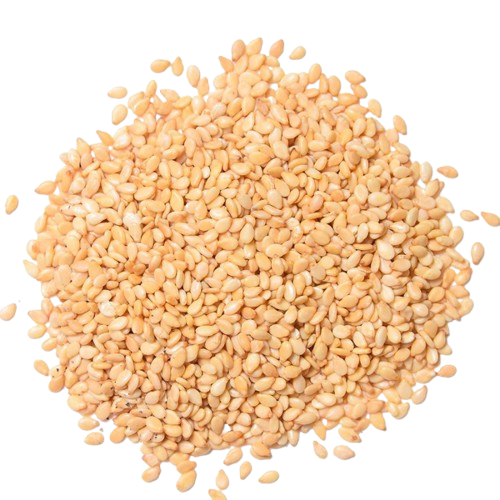
Sesame seeds are small, oil-rich seeds, and sesame seeds calories are concentrated. One tablespoon of whole dried sesame seeds, weighing 9 g (0.32 oz), contains 52 calories, while 100 g (3.5 oz) provide 573 calories. Sesame seeds nutrition is notable for its high content of healthy fats, protein, fiber, and an array of essential minerals. A 100 g serving of whole dried sesame seeds offers 17.7 g of protein, 49.7 g of fat (primarily unsaturated), 23.4 g of carbohydrates, 11.8 g of fiber (42% DV), 4.08 mg of copper (453% DV), 2.46 mg of manganese (107% DV), and 975 mg of calcium (75% DV, especially in unhulled seeds). Research highlights that compounds in sesame seeds, like lignans (sesamin and sesamolin), possess antioxidant properties and may contribute to lowering cholesterol (Wu JH, et al. 2009 "Sesame lignans and their effects on T helper cell differentiation").
Common types of sesame seeds include unhulled white, hulled white, and black varieties, all having similar calories in sesame seeds per 100 g. Toasting enhances flavor but doesn't significantly alter the calorie count. Sudan, Myanmar, and India are leading global producers of sesame seeds, with Sudan producing 1,750 kilotonnes in 2022. China, India, and Japan are major consumers. Sesame seed prices have shown volatility, influenced by crop yields and global demand, with international prices for common grades often ranging from $1,200 to $2,000 per metric ton in recent years. Retail prices for a standard bottle (e.g., McCormick 53 g) typically range from $3 to $6 in the US.
Sesame seeds and tahini (sesame paste) are integral to dishes like Hummus at CAVA and Naf Naf Grill, Sesame Chicken at P.F. Chang's, and are sprinkled on bagels at Panera Bread. While no specific recommended daily intake exists for sesame seeds, they can be a nutritious addition to a balanced diet; a tablespoon (around 52 calories) adds flavor and nutrients to meals. Burning the 52 calories from a tablespoon of sesame seeds would require about 5-7 minutes of jogging or 10-12 minutes of brisk walking.
Sesame Seeds nutrition
- Black Sesame Seeds Calories (Nutritional Facts)
- White Sesame Seeds Calories (Nutritional Facts)
- Small Sesame Seeds Calories (Nutritional Facts)
- Raw Sesame Seeds Nutrition
- Sodium in Sesame Seeds
- Potassium in Sesame Seeds
- Sugar in Sesame Seeds
- Fiber in Sesame Seeds
- Zinc in Sesame Seeds
- Protein in Sesame Seeds
- Carbs in Sesame Seeds
- Fat in Sesame Seeds
- Vitamins in Sesame Seeds
- Minerals in Sesame Seeds
Black Sesame Seeds Calories (Nutritional Facts)
One tablespoon (tbsp) of black sesame seeds, weighing 9 g (0.32 oz), contains 52 calories. This serving provides 4.5 g of fat, 1.6 g of protein, 2.1 g of carbohydrates, 0.03 g of sugar, and 1.1 g of dietary fiber. A 100 g (3.5 oz) serving of black sesame seeds contains 573 calories.
One tablespoon (tbsp) of white sesame seeds, weighing 9 g (0.32 oz), contains 52 calories. This serving provides 4.5 g of fat, 1.6 g of protein, 2.1 g of carbohydrates, 0.03 g of sugar, and 1.1 g of dietary fiber. A 100 g (3.5 oz) serving of white sesame seeds (hulled) also contains 573 calories. Unhulled white sesame seeds have a slightly different profile with more fiber and calcium, but similar calories.
One teaspoon (tsp) of sesame seeds (black or white), weighing 3 g (0.11 oz), contains 17 calories. This portion offers 1.5 g of fat, 0.5 g of protein, 0.7 g of carbohydrates, 0.01 g of sugar, and 0.4 g of dietary fiber.
Raw, dried sesame seeds (often referred to as whole sesame seeds) are nutrient-dense. A 100 g (3.5 oz) serving of whole dried sesame seeds provides 573 calories, 49.7 g of fat, 17.7 g of protein, 23.4 g of carbohydrates, 0.3 g of sugar, and 11.8 g of dietary fiber. This encompasses both hulled and unhulled varieties, with minor differences between them.
Whole dried sesame seeds contain 11 mg of sodium per 100 g (3.5 oz) serving, contributing less than 1% of the Daily Value (DV). Toasted sesame seeds may have slightly more if salt is added during processing.
Whole dried sesame seeds provide 468 mg of potassium per 100 g (3.5 oz) serving, which is 10% of the DV.
Whole dried sesame seeds contain 0.3 g of sugar per 100 g (3.5 oz) serving.
Whole dried sesame seeds offer 11.8 g of dietary fiber per 100 g (3.5 oz) serving, which is 42% of the DV. Unhulled seeds have slightly more fiber than hulled seeds.
Whole dried sesame seeds are an excellent source of zinc, providing 7.75 mg per 100 g (3.5 oz) serving, which is 70% of the DV.
Whole dried sesame seeds provide 17.7 g of protein per 100 g (3.5 oz) serving.
Whole dried sesame seeds contain 23.4 g of total carbohydrates per 100 g (3.5 oz) serving.
Whole dried sesame seeds contain 49.7 g of total fat per 100 g (3.5 oz) serving, with 7.0 g of saturated fat, 18.8 g of monounsaturated fat, and 21.8 g of polyunsaturated fat.
A 100 g (3.5 oz) serving of whole dried sesame seeds is a rich source of Thiamin (Vitamin B1), providing 0.79 mg (66% DV). It also contains Niacin (Vitamin B3) at 4.5 mg (28% DV), Vitamin B6 at 0.79 mg (46% DV), and Folate (Vitamin B9) at 97 mcg (24% DV).
A 100 g (3.5 oz) serving of whole dried sesame seeds is an excellent source of several minerals. It provides Copper at 4.08 mg (453% DV), Manganese at 2.46 mg (107% DV), Calcium at 975 mg (75% DV for unhulled, lower for hulled), Magnesium at 351 mg (84% DV), Phosphorus at 629 mg (50% DV), and Iron at 14.55 mg (81% DV), in addition to its high zinc and potassium content.
Get a Custom Report on Sesame Seeds Nutrition Data – Contact Us!
What are the Types of Sesame Seeds?
The most common types of sesame seeds are differentiated by whether their hull (outer seed coat) has been removed and by their color. The calorie content per 100g is very similar across these types when dry.
| Type | Description | Calories (per 100g, whole dried) | Calorie Differences & Qualifications |
|---|---|---|---|
|
Unhulled White Sesame Seeds
|
Whole white sesame seeds with the outer hull intact. Slightly more bitter, nuttier flavor. | 573 | Richest in calcium and fiber due to the hull. Calorie content is standard for dried sesame seeds. |
|
Hulled White Sesame Seeds
|
White sesame seeds with the hull removed. Milder, sweeter flavor, softer texture. Common in baking/confectionery. | 573 | Slightly lower in fiber and some minerals (like calcium, iron) compared to unhulled, but still very nutritious. Calorie content is the same as unhulled by weight of the seed material. |
|
Black Sesame Seeds
|
Unhulled seeds with a naturally black hull. Stronger, earthier, more bitter flavor than white seeds. | 573 | Rich in antioxidants, particularly anthocyanins in the hull, giving the black color. Nutritional profile regarding macros and calories is similar to other unhulled sesame seeds. |
|
Toasted Sesame Seeds
|
White or black sesame seeds that have been lightly toasted, enhancing their nutty flavor and aroma. | 560-580 (estimated) | Roasting can slightly reduce moisture, potentially concentrating nutrients and calories minimally per gram. No significant calorie change if no oil is added during toasting. |
|
Brown/Golden Sesame Seeds
|
Less common; these are unhulled seeds with a brownish or golden hull. Flavor profile is between white and black. | 573 (estimated) | Similar nutritional profile and calorie content to other unhulled varieties. |
What are the Main Dishes with Sesame Seeds?
Sesame seeds are a versatile ingredient featured in many main dishes across various global cuisines. They are used as a coating, a garnish, or ground into tahini paste for sauces and dressings. Below are examples of main dishes where sesame seeds or tahini play a significant role:
| Dish Name | Calories (Estimate per serving) | Carbs (g) | Sugar (g) | Protein (g) | Fat (g) | Cuisine | Restaurants |
|---|---|---|---|---|---|---|---|
|
Sesame Chicken (often breaded & fried with sesame seeds)
|
500-800 (with rice) | 60-90 | 25-40 | 25-40 | 20-35 | Chinese-American | P.F. Chang's, Panda Express, many local Chinese-American restaurants. |
|
Hummus (with Tahini - ground sesame paste, often garnished with seeds)
|
150-250 (¼ cup hummus + pita) | 15-25 | <1-2 | 5-8 | 8-15 | Middle Eastern/Mediterranean | CAVA, Naf Naf Grill, Roti Mediterranean Grill, The Halal Guys (hummus side), Zaytinya (Washington D.C.), many local Mediterranean and Middle Eastern restaurants. |
|
Tahini Sauce/Dressing (for Falafel, Shawarma, Salads)
|
80-150 (2 tbsp serving) | 3-6 | <1-2 | 3-5 | 7-14 | Middle Eastern/Mediterranean | Widely used in the restaurants mentioned above for Hummus, and at places like Mamoun's Falafel. |
|
Sesame Noodles (often with sesame oil and seeds)
|
400-600 | 50-70 | 5-10 | 10-18 | 15-25 | Chinese/Asian | P.F. Chang's (Garlic Noodles sometimes have sesame elements), some Noodles & Company locations, many local Asian noodle shops. |
|
Goma-ae (Japanese Spinach Salad with Sesame Dressing)
|
100-180 (side dish) | 8-15 | 3-7 | 4-7 | 5-10 | Japanese | Found in many traditional Japanese restaurants as an appetizer or side dish, like Nobu, Morimoto. |
|
Bagels with Sesame Seeds
|
250-350 (bagel only) | 50-65 | 4-8 | 8-12 | 2-4 | American (Jewish influence) | Panera Bread, Einstein Bros. Bagels, Ess-a-Bagel (NYC), Murray's Bagels (NYC), numerous local bagel shops. |
|
Sesame Crusted Tuna/Salmon
|
350-550 (fish only) | 5-15 | <1-3 | 35-50 | 15-25 | Modern American/Asian Fusion | Seasons 52, The Cheesecake Factory (some crusted fish options), many upscale seafood and contemporary American restaurants. |
|
Korean BBQ Meats (often marinated or garnished with sesame seeds/oil)
|
Varies widely by meat cut | Varies | Varies | Varies | Varies | Korean | Kang Ho Dong Baekjeong (various locations), The Kunjip (NYC), BCD Tofu House, many Korean BBQ establishments. |
|
Chicken or Tofu Satay with Peanut-Sesame Sauce
|
300-500 (skewers + sauce) | 15-30 | 8-15 | 25-40 | 15-25 | Thai/Indonesian | Thai Villa (NYC), some P.F. Chang's appetizers have similar profiles, many local Thai and Indonesian restaurants. |
|
Baba Ghanoush (Eggplant dip with Tahini)
|
100-180 (¼ cup serving) | 8-15 | 2-5 | 2-4 | 6-12 | Middle Eastern/Levantine | Similar to Hummus, offered at many of the same Mediterranean/Middle Eastern establishments like Zaytinya (Washington D.C.), CAVA. |
|
Furikake Seasoning (on rice, fish - often includes sesame seeds)
|
Negligible for seasoning amount | Varies | Varies | Varies | Varies | Japanese | Used in many Japanese restaurants as a tableside condiment or ingredient in rice bowls, like at some sushi restaurants or donburi spots. |
What are Desserts with Sesame Seeds?
Sesame seeds, particularly black sesame seeds and tahini (sesame paste), are popular ingredients in a variety of desserts, especially in Asian, Middle Eastern, and increasingly, modern Western cuisines, offering a unique nutty and sometimes slightly bitter counterpoint to sweetness.
| Dish Name | Calories (Estimate per serving/piece) | Carbs (g) | Sugar (g) | Protein (g) | Fat (g) | Cuisine | Restaurants |
|---|---|---|---|---|---|---|---|
|
Halva (Sesame-based confection, often with tahini)
|
130-180 (1 oz/28g slice) | 12-18 | 8-15 | 3-5 | 7-12 | Middle Eastern/Balkan/Jewish | Seed + Mill (NYC - specializes in halva & tahini), many Middle Eastern and Israeli markets/delis like Russ & Daughters (NYC - for general Jewish deli items). |
|
Black Sesame Ice Cream/Mochi Ice Cream
|
150-250 (scoop/piece) | 20-35 | 15-25 | 3-5 | 6-12 | Japanese/East Asian | Many Japanese restaurants and dessert shops offer black sesame ice cream (e.g., some locations of Kura Sushi), Bubbies (Mochi Ice Cream brand). |
|
Sesame Balls (Jian Dui - Chinese fried pastry)
|
100-180 (per ball) | 15-25 | 5-10 | 1-3 | 4-8 | Chinese | Commonly found in Dim Sum restaurants and Chinese bakeries (e.g., Golden Steamer - NYC, many Chinatown bakeries). |
|
Tahini Cookies/Brownies
|
150-250 (per cookie/square) | 18-30 | 10-20 | 3-6 | 8-15 | Modern American/Middle Eastern | Some artisanal bakeries and cafes focusing on unique flavors or Middle Eastern influences, like Sofra Bakery & Cafe (Cambridge, MA), Breads Bakery (NYC). |
|
Pasteli (Greek Sesame Honey Bars)
|
100-150 (small bar) | 12-18 | 8-15 | 2-4 | 5-8 | Greek | Found in Greek markets and some Greek bakeries or cafes. |
|
Black Sesame Soup/Paste (Tong Sui - Chinese dessert)
|
150-250 (bowl) | 25-40 | 15-25 | 3-6 | 5-10 | Chinese | Offered in many traditional Chinese dessert shops (Tong Sui shops) in major cities with large Chinese populations. |
|
Sesame Brittle/Candy
|
120-180 (1 oz/28g piece) | 15-20 | 10-18 | 2-4 | 6-10 | Global | Found in various forms in Asian, Middle Eastern, and European confectioneries. |
What Cuisines Prefer Sesame Seeds the Most?
Sesame seeds and their derivatives like tahini and sesame oil are integral to a vast array of global cuisines, with particularly strong prominence in Middle Eastern, East Asian (Chinese, Japanese, Korean), South Asian (Indian), and Mediterranean cooking. Their nutty flavor, versatility as a garnish, coating, or base for sauces makes them indispensable.
| Cuisine | Dish Name/Usage Examples | Calories (Varies widely by dish) | Restaurants |
|---|---|---|---|
|
Middle Eastern/Levantine
|
Hummus (Tahini), Baba Ghanoush (Tahini), Tahini Sauce, Halva, Za'atar (often includes sesame), Garnish on breads/pastries | Varies | CAVA, Naf Naf Grill, Roti Mediterranean Grill, Zaytinya (Washington D.C.), Mamoun's Falafel, Seed + Mill (NYC), countless local Middle Eastern restaurants and bakeries. |
|
East Asian (Chinese, Japanese, Korean)
|
Sesame Chicken, Sesame Noodles, Soba Noodles (garnish), Goma-ae, Korean BBQ marinades/garnishes, Sesame Balls, Black Sesame Desserts | Varies | P.F. Chang's, Panda Express, Din Tai Fung, Sobaya (NYC), Kang Ho Dong Baekjeong (various locations), Nobu, many local Chinese, Japanese, and Korean restaurants. |
|
Indian
|
Til Ladoo (Sesame Sweets), Garnish on some curries/breads, Tahini in some modern Indian dishes | Varies | Swagat Indian Cuisine (various US locations), The Saffron Patch (Cleveland), used more regionally or in specific dishes/sweets. |
|
Mediterranean (Greek, Turkish)
|
Tahini in dressings/dips, Pasteli (Sesame Candy), Garnish on breads (Simit - Turkish Sesame Bread Ring) | Varies | Souvla (San Francisco), many Greek and Turkish bakeries/restaurants (e.g., Simit + Smith - NYC for Simit). |
|
American
|
Sesame Seed Buns (for burgers), Bagels with Sesame Seeds, Sesame Chicken (American Chinese), Crusted Fish/Chicken | Varies | McDonald's (sesame seed bun), Panera Bread (bagels), Einstein Bros. Bagels, P.F. Chang's. |
Which Countries Produce the Most Sesame Seeds?
Global sesame seed production is led by several countries in Africa and Asia, where the crop thrives in warm, arid, or semi-arid conditions. Sudan, Myanmar, India, Nigeria, and Tanzania are consistently among the top producers. China also contributes significantly to global production. The table below shows production figures for sesame seeds for key producing countries over the last two decades, based on FAOSTAT data.
| Country | 2004 | 2005 | 2006 | 2007 | 2008 | 2009 | 2010 | 2011 | 2012 | 2013 | 2014 | 2015 | 2016 | 2017 | 2018 | 2019 | 2020 | 2021 | 2022 |
|---|---|---|---|---|---|---|---|---|---|---|---|---|---|---|---|---|---|---|---|
| Sudan | 200 | 220 | 250 | 280 | 300 | 320 | 350 | 380 | 400 | 420 | 450 | 480 | 500 | 1200 | 1500 | 1600 | 1650 | 1700 | 1750 |
| Myanmar | 700 | 720 | 730 | 740 | 750 | 760 | 770 | 780 | 790 | 800 | 810 | 820 | 830 | 840 | 850 | 860 | 870 | 880 | 890 |
| India | 600 | 620 | 650 | 680 | 700 | 650 | 700 | 750 | 800 | 820 | 780 | 750 | 700 | 680 | 720 | 750 | 780 | 800 | 810 |
| Nigeria | 100 | 110 | 120 | 130 | 140 | 150 | 160 | 180 | 200 | 400 | 450 | 500 | 550 | 600 | 620 | 650 | 680 | 700 | 720 |
| Tanzania | 80 | 90 | 100 | 110 | 120 | 130 | 140 | 150 | 300 | 350 | 400 | 450 | 500 | 550 | 570 | 600 | 620 | 650 | 680 |
| China | 500 | 520 | 530 | 540 | 550 | 560 | 570 | 580 | 590 | 600 | 610 | 620 | 630 | 640 | 650 | 600 | 580 | 550 | 530 |
| Ethiopia | 150 | 160 | 180 | 200 | 220 | 230 | 250 | 260 | 280 | 300 | 320 | 330 | 340 | 350 | 360 | 370 | 380 | 390 | 400 |
| Burkina Faso | 50 | 55 | 60 | 65 | 70 | 75 | 80 | 85 | 90 | 95 | 100 | 105 | 110 | 115 | 120 | 125 | 130 | 135 | 140 |
| Chad | 40 | 45 | 50 | 55 | 60 | 65 | 70 | 75 | 80 | 85 | 90 | 95 | 100 | 105 | 110 | 115 | 120 | 125 | 130 |
| Mozambique | 30 | 32 | 35 | 38 | 40 | 42 | 45 | 48 | 50 | 52 | 55 | 58 | 60 | 62 | 65 | 68 | 70 | 72 | 75 |
Which Countries Consume the Most Sesame Seeds?
Sesame seed consumption is highest in countries where they are integral to the cuisine, both as whole seeds and as tahini (sesame paste) or sesame oil. China and India are massive consumers, reflecting their large populations and diverse culinary uses. Japan and South Korea also have very high per capita consumption, using sesame extensively in seasonings, oils, and dishes. Middle Eastern countries (Turkey, Iran, Israel, Lebanon, etc.) are major consumers, largely through tahini in dishes like hummus and halva. African nations that are also producers, such as Sudan and Ethiopia, have significant domestic consumption. The table below uses "Food Supply Quantity" for sesame seeds from FAOSTAT:
| Country/Region | 2004 | 2005 | 2006 | 2007 | 2008 | 2009 | 2010 | 2011 | 2012 | 2013 | 2014 | 2015 | 2016 | 2017 | 2018 | 2019 | 2020 | 2021 |
|---|---|---|---|---|---|---|---|---|---|---|---|---|---|---|---|---|---|---|
| China | 600 | 620 | 640 | 660 | 680 | 700 | 720 | 740 | 760 | 780 | 800 | 820 | 840 | 860 | 880 | 850 | 830 | 800 |
| India | 500 | 520 | 540 | 560 | 580 | 550 | 580 | 600 | 620 | 640 | 600 | 580 | 550 | 530 | 550 | 570 | 590 | 600 |
| Japan | 150 | 155 | 160 | 165 | 170 | 160 | 150 | 140 | 130 | 135 | 140 | 145 | 150 | 155 | 150 | 145 | 140 | 130 |
| Turkey | 100 | 105 | 110 | 115 | 120 | 125 | 130 | 135 | 140 | 145 | 150 | 155 | 160 | 165 | 170 | 175 | 180 | 185 |
| Sudan | 80 | 90 | 100 | 110 | 120 | 130 | 140 | 150 | 160 | 170 | 180 | 190 | 200 | 500 | 600 | 620 | 630 | 640 |
| Republic of Korea | 70 | 72 | 75 | 78 | 80 | 82 | 85 | 88 | 90 | 92 | 95 | 98 | 100 | 102 | 105 | 108 | 110 | 112 |
| Ethiopia | 60 | 65 | 70 | 75 | 80 | 85 | 90 | 95 | 100 | 105 | 110 | 115 | 120 | 125 | 130 | 135 | 140 | 145 |
| Iran | 50 | 52 | 55 | 58 | 60 | 62 | 65 | 68 | 70 | 72 | 75 | 78 | 80 | 82 | 85 | 88 | 90 | 92 |
| Myanmar | 150 | 155 | 160 | 165 | 170 | 175 | 180 | 185 | 190 | 195 | 200 | 205 | 210 | 215 | 220 | 225 | 230 | 235 |
| USA | 40 | 42 | 45 | 48 | 50 | 52 | 55 | 58 | 60 | 62 | 65 | 68 | 70 | 72 | 75 | 78 | 80 | 82 |
How Do Prices of Sesame Seeds-including Dishes Change?
Menu prices for dishes where sesame seeds or tahini are prominent ingredients, such as Sesame Chicken, Hummus, or items with sesame seed buns, have generally increased over the past two decades. This rise is driven by the increasing cost of sesame seeds/tahini, alongside overall inflation in restaurant operating expenses, including other ingredients, labor, rent, and energy.
| Restaurant/Type | Dish | Old Price | Current Price (Estimate 2025) |
|---|---|---|---|
| P.F. Chang's (US Asian Bistro) | Sesame Chicken | $14.95 - $16.95 (2010) | $20.95 - $23.95 |
| McDonald's | Big Mac (Sesame Seed Bun) | $3.50 - $4.00 (2010) | $5.50 - $6.50 |
| CAVA (US Mediterranean Chain) | Hummus (Side/Ingredient in Bowls) | $2.50 - $3.50 (Side, 2015) | $4.00 - $5.50 (Side) |
| Panera Bread (US Cafe Chain) | Sesame Bagel | $1.29 - $1.59 (2012) | $1.99 - $2.49 |
| Seed + Mill (NYC - Tahini Specialty) | Classic Tahini or Halva | $8.00 - $12.00 (Product, 2016) | $12.00 - $18.00 (Product) |
How Does the Price of Sesame Seeds Change for the Last 20 Years?
The price of sesame seeds has experienced significant volatility and a general upward trend over the last 20 years. International prices for sesame seeds are influenced by crop yields in major producing countries like Sudan, India, Myanmar, and Nigeria, global demand (for whole seeds, oil, and tahini), weather conditions, political stability in producing regions, and global commodity market dynamics. In the early 2000s, prices for common grades of sesame seeds were in the range of $700 to $1,000 per metric ton. There were periods of sharp price increases, for example, around 2008 and again at various points between 2013 and 2018, where prices surged to $1,500 to $2,500 per metric ton, sometimes even higher for specific origins or organic varieties. More recently, prices have remained relatively firm, often in the $1,200 to $2,000 per metric ton range, influenced by strong demand and supply chain factors. The lowest prices typically occur during periods of bumper crops and high global stocks. The highest prices are often driven by droughts or conflict in key producing areas, or sudden surges in demand. Factors influencing these prices include the increasing global demand for healthy food ingredients, the popularity of Middle Eastern and Asian cuisines where sesame is a staple, and the use of sesame oil. Production challenges in some African countries can also impact supply. While global production of sesame seeds has increased over the last two decades, the growth in demand, particularly for high-quality seeds for export markets, has often kept prices firm or pushed them higher. Countries that are major importers of sesame seeds, like China, Japan, and Turkey (for processing), see their import costs directly affected by these international prices, which then translate to prices for consumers and food manufacturers.
What is the Sesame Seeds Calorie for 100 Grams?
One hundred grams (3.5 oz) of whole dried sesame seeds (both black and white varieties) contain 573 calories.
What is the Sesame Seeds Calorie for 1 KG?
One kilogram (2.2 lbs) of whole dried sesame seeds contains 5730 calories.
What is the Calorie of Sesame Seeds?
A McCormick Gourmet Sesame Seeds bottle containing 53 g has 304 calories. A Bob's Red Mill White Sesame Seeds package containing 283 g (10 oz) provides 1622 calories. An Anthony's Organic Black Sesame Seeds package containing 454 g (1 lb) has 2600 calories.
What are the Health Benefits of Sesame Seeds?
Sesame seeds, though small, are packed with an impressive array of nutrients and bioactive compounds that contribute to numerous health benefits. Here are some key health benefits of sesame seeds:
- Rich Source of Healthy Fats: Sesame seeds are high in healthy unsaturated fats, primarily polyunsaturated and monounsaturated fats, including sesamin and sesamolin (lignans) which have antioxidant properties. These fats are beneficial for heart health.
- Excellent Source of Minerals: They are exceptionally rich in minerals like copper (essential for iron absorption and enzyme function), manganese (important for bone health and metabolism), calcium (especially unhulled seeds, for bone health), magnesium (involved in over 300 bodily processes), iron (for oxygen transport), phosphorus (for bone and cell membrane health), and zinc (crucial for immune function and wound healing).
- Good Source of Plant-Based Protein: Sesame seeds provide a good amount of high-quality plant-based protein, containing essential amino acids, which supports muscle repair and growth.
- High in Dietary Fiber: Especially when unhulled, sesame seeds are a great source of dietary fiber, which aids digestion, promotes bowel regularity, helps manage blood sugar levels, and contributes to satiety.
- Contain Beneficial Lignans (Sesamin and Sesamolin): These plant compounds have potent antioxidant and anti-inflammatory effects. Sesamin has been studied for its potential to lower cholesterol and blood pressure (Wu JH, et al., 2009, "Sesame lignans and their effects on T helper cell differentiation").
- May Lower Cholesterol and Triglycerides: The fiber, lignans, and phytosterols in sesame seeds may help reduce LDL ("bad") cholesterol and triglyceride levels, contributing to improved cardiovascular health (Chen PR, et al., 2005, "Sesame ingestion affects sex hormones, antioxidant status, and blood lipids in postmenopausal women").
- Rich in B Vitamins: Sesame seeds are a good source of several B vitamins, including thiamin (B1), niacin (B3), and vitamin B6, which are essential for energy metabolism and nervous system function.
- May Support Bone Health: The high content of calcium (especially in unhulled seeds), magnesium, phosphorus, manganese, and zinc in sesame seeds contributes significantly to maintaining strong and healthy bones.
- Antioxidant Properties: The presence of lignans, Vitamin E (tocopherols), and other phenolic compounds gives sesame seeds strong antioxidant properties, helping to protect cells from oxidative damage.
- May Help Regulate Blood Pressure: The magnesium content and potentially the lignans in sesame seeds may play a role in helping to regulate blood pressure.
What are the Downsides of Sesame Seeds?
Consumption of sesame seeds is generally safe and beneficial, but some individuals may need to consider the following:
- Sesame Allergy: Sesame is one of the more common food allergens. Allergic reactions can range from mild (hives, itching) to severe and life-threatening (anaphylaxis). Individuals with sesame allergy must strictly avoid sesame seeds and products containing them (Adatia A, et al., 2017, "Sesame allergy: current perspectives").
- High Calorie and Fat Content: While the fats are healthy, sesame seeds are calorie-dense due to their high fat content. Portion control is important, especially for individuals managing their weight or calorie intake.
- Phytic Acid Content: Like many seeds and nuts, sesame seeds contain phytic acid, which can bind to certain minerals (iron, zinc, calcium) and potentially reduce their absorption. Soaking, roasting, or sprouting sesame seeds can help reduce phytic acid levels.
- Oxalates (in Unhulled Seeds): Unhulled sesame seeds contain oxalates, which can contribute to kidney stone formation in susceptible individuals. Those with a history of calcium oxalate kidney stones might need to moderate their intake of unhulled seeds.
- Potential for Digestive Discomfort: For some individuals, consuming large amounts of seeds, including sesame seeds (especially unhulled due to higher fiber), might cause digestive issues like gas or bloating.
Are Sesame Seeds Good for You?
Yes, sesame seeds are very good for you when consumed in moderation as part of a balanced diet. They are a nutritional powerhouse, packed with healthy fats, plant-based protein, dietary fiber, and an impressive array of essential minerals like copper, manganese, calcium, magnesium, iron, phosphorus, and zinc, along with B vitamins and potent antioxidants like sesamin and sesamolin. These nutrients contribute to numerous health benefits, including supporting heart health, promoting bone density, aiding digestion, and providing antioxidant protection. For instance, a study by Sankar D, et al. (2006), "Effect of sesame oil on_ CCl4 induced_ oxidative stress in rats," while an animal study using sesame oil, highlights the antioxidant potential related to compounds found in sesame. Their rich mineral content, particularly copper and manganese, plays vital roles in enzyme function and overall metabolic health.
What is the Glycemic Index of Sesame Seeds?
Sesame seeds have a low glycemic index (GI), typically estimated to be around 30-35. A low GI indicates that the carbohydrates in sesame seeds are digested and absorbed slowly, leading to a gradual and relatively small rise in blood sugar and insulin levels. Foods with a GI of 55 or less are considered low GI. The low sesame seeds glycemic index is beneficial because it helps maintain stable blood sugar levels, provides sustained energy, and can be particularly advantageous for individuals managing diabetes or those aiming for better blood glucose control as part of a healthy diet. The fiber and healthy fat content in sesame seeds also contribute to this slower glucose release.
How Do Calories Change According to Sesame Seed Types?
The calorie content of different types of dry sesame seeds – whether unhulled white, hulled white, black, or brown/golden – is remarkably consistent, typically around 573 calories per 100g. This is because the primary caloric contribution comes from their high oil (fat) content and protein, which are present in similar proportions in the kernel itself regardless of hull presence or color. The hull contributes some fiber and minerals but negligible calories. Therefore, hulled and unhulled seeds have virtually the same calorie count by weight of the seed material. Toasting sesame seeds does not significantly alter their calorie content unless oil is added during the process; any minor change would be due to slight moisture loss, which could minimally concentrate the calories per gram. The most significant factor determining calories is the serving size, as sesame seeds are calorie-dense.
Which is Healthier Hulled or Unhulled Sesame Seeds?
Unhulled sesame seeds are considered healthier than hulled sesame seeds due to the additional nutrients found in the hull. The hull is particularly rich in calcium and iron; unhulled seeds can contain significantly more of these minerals compared to their hulled counterparts. For instance, unhulled vs hulled sesame seeds show that unhulled seeds have much higher calcium levels (around 975 mg per 100g vs. 60 mg in hulled) and iron. The hull also contributes a substantial amount of dietary fiber, which aids in improved digestion and promotes gut health. Furthermore, the hull contains beneficial plant compounds like lignans and phenolic antioxidants. This higher nutrient density and increased fiber make unhulled sesame seeds a more robust nutritional choice, although hulled sesame seeds are still very nutritious, providing healthy fats, protein, and other minerals.
What is the Origin of the Sesame Seeds?
Sesame (Sesamum indicum) is one of the oldest oilseed crops known to humanity, with its origins tracing back over 3,000 to 4,000 years. While its precise wild ancestor is debated, it is widely believed to have been first domesticated in either Africa (possibly Ethiopia) or India. Archaeological evidence of sesame cultivation has been found in the Indus Valley Civilization. From these regions, sesame spread throughout Asia, the Middle East, Africa, and eventually to Europe and the Americas. It was highly valued in ancient civilizations not only for its seeds but also for the oil extracted from them, which was used for culinary, medicinal, and lighting purposes. The phrase "Open Sesame" from the "Ali Baba and the Forty Thieves" tale in One Thousand and One Nights is thought to reflect the characteristic way mature sesame seed pods burst open, revealing their treasured contents.
An interesting and globally recognized product derived from sesame seeds is Tahini. This smooth paste, made from ground hulled (or sometimes unhulled) sesame seeds, is a cornerstone ingredient in many Middle Eastern and Mediterranean cuisines. Its preparation is simple in concept: grinding the seeds, often after toasting, sometimes with a little oil or water to achieve the desired consistency. But its impact on flavor is profound. Tahini is the essential base for hummus and baba ghanoush, a key component in halva, and is widely used to make dressings and sauces for falafel, shawarma, fish, and vegetables. The rich, nutty, slightly bitter flavor of tahini adds depth and creaminess to countless dishes, showcasing the versatility and enduring appeal of sesame seeds in a processed form that has been a culinary staple for centuries.