Calories in Rye: Nutritional facts for Rye Types
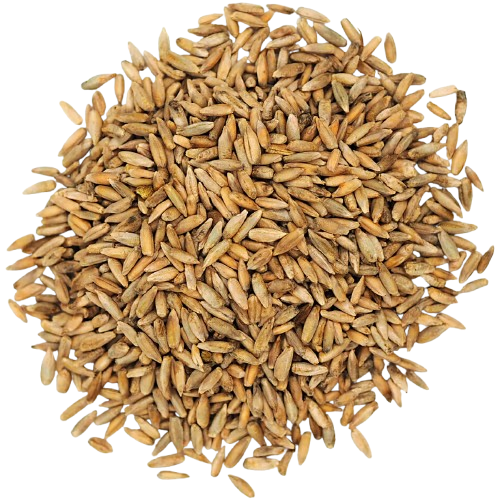
The calories in rye bread vary based on slice thickness and flour type. A regular slice of rye bread, weighing 32g (1.1 oz), contains 83 calories, while a thick slice (45g) provides 118 calories. Rye bread nutrition is notable for its high fiber content, especially when made from whole grain. A 32 g slice provides 1.5-2.5 g of fiber (5-9% Daily Value/DV), 2.5-3.5 g of protein, 0.8-1.2 g of fat, and 13-15 g of carbohydrates. Whole rye grain (100 g) has 338 calories, 10.3 g of protein, 15.1 g of fiber (54% DV), manganese (112% DV), and selenium (64% DV). Research indicates that rye bread can lead to lower post-meal glucose and insulin responses compared to wheat bread (Rosén LA, et al. 2011).
Common rye types include whole rye grain, various rye flours (light, dark, pumpernickel meal), rye bread varieties (such as 100% whole rye, light rye, Jewish rye), and rye crispbreads. The EU and Russia are major rye producers, and in 2022, the EU produced 6,900 kilotonnes of rye. Consumption is highest in Northern and Eastern European countries. Rye grain prices have shown volatility, influenced by global supply and demand, with peaks around 2008 and 2021-2022. Retail prices for a loaf of rye bread in the US range from $4 to $7.
Rye bread is central to well-known dishes like the Reuben Sandwich and Pastrami on Rye, which are staples at delis such as Katz's Delicatessen and Langer's. It is a nutritious grain option, particularly whole rye, contributing to the Dietary Guidelines for Americans' recommendation for adults to consume at least half of their grains as whole grains, which is about 3 to 5 servings of whole grains per day (one slice of 100% whole rye bread can count as one serving). Burning the 83 calories from a slice of rye bread requires 10 to 15 minutes of brisk walking. Burning the calories from a large Reuben sandwich (700-900 calories) needs 70-90 minutes of jogging or vigorous cycling.
Rye nutrition
- Rye Bread Calories (Nutritional Facts)
- Rye Toast Calories (Nutritional Facts)
- Jewish Rye Calories (Nutritional Facts)
- Raw Rye Nutrition
- Sodium in Rye
- Potassium in Rye
- Sugar in Rye
- Fiber in Rye
- Protein in Rye
- Carbs in Rye
- Fat in Rye
- Vitamins in Rye
- Minerals in Rye
Rye Bread Calories (Nutritional Facts)
One ounce (28 g) of rye bread contains 70 calories. A thin slice of rye bread, weighing 25 g (0.9 oz), provides 66 calories. A thick slice of rye bread, weighing 45 g (1.6 oz), offers 118 calories.
Toasting rye bread slightly reduces its weight due to moisture loss but does not significantly change the calorie count of the bread itself. One thin slice of rye toast (around 23 g after toasting) contains 66 calories from the bread. A thick slice of rye toast (around 42 g after toasting) offers 118 calories from the bread. One regular slice of rye toast (around 32 g after toasting) with 1 tsp (5 g) of butter contains 120 calories total (83 calories from bread, 37 calories from butter).
Jewish rye bread, which often includes caraway seeds and a mix of rye and wheat flours, contains 75 calories per slice weighing 32 g (1.1 oz). This serving provides 1.0 g of fat, 2.5 g of protein, 13.5 g of carbohydrates, 1.0 g of sugar, and 1.5 g of dietary fiber.
One hundred grams (3.5 oz) of whole rye grain contains 338 calories, 2.5 g of fat, 10.3 g of protein, 75.9 g of carbohydrates, 1.1 g of sugar, and 15.1 g of dietary fiber. One hundred grams of light rye flour contains 357 calories, 1.5 g fat, 8.3 g protein, 77.4 g carbohydrates, 0.8 g sugar, and 5.8 g fiber.
Rye bread contains 130-170 mg of sodium per slice (32 g or 1.1 oz), contributing 6-7% of the Daily Value (DV). Sodium content varies by brand and recipe. Whole rye grain contains 2 mg of sodium per 100 g.
Rye bread provides 70-90 mg of potassium per slice (32 g or 1.1 oz), which is 1-2% of the DV. Whole rye grain is richer, containing 510 mg of potassium per 100 g (11% DV).
Rye bread contains 1-2 g of sugar per slice (32 g or 1.1 oz). This includes naturally occurring sugars and sometimes small amounts of added sugar. Whole rye grain contains 1.1 g of sugar per 100 g.
Rye bread offers 1.5-2.5 g of dietary fiber per slice (32 g or 1.1 oz), which is 5-9% of the DV, depending on the amount of whole rye flour used. Whole rye grain provides 15.1 g of fiber per 100 g (54% DV).
Rye bread provides 2.5-3.5 g of protein per slice (32 g or 1.1 oz). Whole rye grain contains 10.3 g of protein per 100 g.
Rye bread contains 13-15 g of total carbohydrates per slice (32 g or 1.1 oz). Whole rye grain contains 75.9 g of carbohydrates per 100 g.
Rye bread contains 0.8-1.2 g of total fat per slice (32 g or 1.1 oz). Whole rye grain contains 2.5 g of total fat per 100 g.
A slice of rye bread (32 g or 1.1 oz), especially if made with whole rye, provides B vitamins. It contains Thiamin (Vitamin B1) at 0.05 mg (4% DV), Niacin (Vitamin B3) at 0.6 mg (4% DV), and Folate (Vitamin B9) at 15 mcg (4% DV). Whole rye grain (100 g) is richer, offering 0.316 mg Thiamin (26% DV), 4.27 mg Niacin (27% DV), and 60 mcg Folate (15% DV).
A slice of rye bread (32 g or 1.1 oz) provides Manganese at 0.2 mg (9% DV) and Selenium at 5 mcg (9% DV). It also contains smaller amounts of Iron (0.4 mg, 2% DV) and Magnesium (15 mg, 4% DV). Whole rye grain (100 g) is a good source of Manganese (2.577 mg, 112% DV), Selenium (35.3 mcg, 64% DV), Magnesium (121 mg, 29% DV), and Phosphorus (374 mg, 30% DV).
Get a Custom Report on Rye Nutrition Data – Contact Us!
What are the Types of Rye?
"Rye" can refer to the grain itself or various products made from it, most commonly bread. Rye breads differ based on the proportion of rye flour to other flours (like wheat), the type of rye flour used (light, medium, dark, pumpernickel/meal), and additions like seeds or sourdough starters, as shown in the following table:
| Type | Description | Calories (per 100g) | Calorie Differences & Qualifications |
|---|---|---|---|
|
Whole Rye Grain
|
The intact, unprocessed kernel of rye. | 338 | Highest in fiber and nutrients as it contains all parts of the grain (bran, germ, endosperm). Used for milling or sometimes cooked whole. |
|
Rye Flour (Light/White)
|
Milled from the endosperm after bran and germ are removed. | 357 | Lower in fiber and some nutrients compared to whole rye flour or dark rye flour. Results in a lighter colored and textured bread. Calories can be slightly higher due to starch concentration. |
|
Rye Flour (Medium/Dark)
|
Contains more of the bran and germ than light rye flour. | 330-345 | Higher in fiber and nutrients than light rye flour. Produces denser, darker bread with a stronger rye flavor. |
|
Pumpernickel Flour/Meal
|
Very coarse rye meal, sometimes made from the entire rye berry, including cracked or chopped rye berries. | 320-335 | Produces very dense, dark, and robustly flavored bread. Often used in traditional German pumpernickel bread. |
|
Rye Bread (Typical/Light)
|
Often a blend of rye and wheat flour, with rye being less than 50% or using light rye flour. | 259 | Lighter texture and milder flavor than 100% whole rye bread. Calorie and fiber content can vary widely based on rye percentage. |
|
100% Whole Grain Rye Bread
|
Made entirely from whole rye flour or whole rye meal. | 230-260 | Denser, darker, and more flavorful than mixed flour rye breads. Higher in fiber and nutrients. Often has a lower GI. |
|
Jewish Rye Bread
|
Typically a lighter rye bread, often made with some wheat flour, and characterized by caraway seeds. | 230-260 | Flavor profile is distinct due to caraway. Nutritional profile similar to other light or medium rye breads. |
|
Rye Crispbread (Knäckebröd)
|
Thin, dry, cracker-like flatbread made predominantly from rye flour. | 330-380 | Calorie dense due to low moisture content. Very high in fiber if made with whole rye. |
What are the Main Dishes with Rye?
Rye, primarily in the form of rye bread, serves as a fundamental component for numerous iconic sandwiches and as an accompaniment to various meals. Its distinct flavor complements a range of savory fillings and dishes, as illustrated by the examples below:
| Dish Name | Calories (Estimate per serving) | Carbs (g) | Sugar (g) | Protein (g) | Fat (g) | Cuisine | Restaurants |
|---|---|---|---|---|---|---|---|
|
Reuben Sandwich
|
700-900 | 40-60 | 5-10 | 30-45 | 40-60 | American (Jewish Deli influence) | Katz's Delicatessen (NYC), Langer's Delicatessen-Restaurant (LA), Arby's (Reuben version), Jason's Deli, McAlister's Deli. |
|
Pastrami on Rye
|
600-800 | 40-55 | 3-7 | 35-50 | 30-45 | American (Jewish Deli influence) | Katz's Delicatessen (NYC), Langer's Delicatessen-Restaurant (LA), many independent delis nationwide. |
|
Corned Beef on Rye
|
500-700 | 40-55 | 3-7 | 30-45 | 25-40 | American (Jewish Deli influence) | Similar to Pastrami on Rye, widely available at Jewish-style delis. |
|
Patty Melt (often on Rye)
|
600-800 | 35-50 | 4-8 | 30-40 | 35-50 | American Diner | Denny's, IHOP (sometimes offers), Steak 'n Shake, many independent diners and greasy spoons. |
|
Open-faced Scandinavian Sandwiches (Smørrebrød - often with Rye bread base)
|
200-400 (per piece) | 15-30 | 2-6 | 10-20 | 8-18 | Scandinavian | Aquavit (NYC - upscale), Smorgas Chef (NYC - historically), IKEA cafeterias (simpler versions), specialty Scandinavian cafes. |
|
Rye Bread with Soup/Stew
|
80-160 (bread) + Soup Calories | 15-30 (bread) | 1-3 (bread) | 3-5 (bread) | 1-2 (bread) | Northern/Eastern European, American | Panera Bread (offers rye among bread choices), restaurants serving hearty European soups or stews. |
|
Tuna Melt (often on Rye)
|
500-700 | 35-50 | 3-7 | 25-35 | 25-40 | American Diner | Similar to Patty Melt, common in diners and cafes. |
|
Rye Crispbread with Toppings (e.g., cheese, smoked salmon)
|
150-300 (crispbread + topping) | 15-25 | 1-4 | 8-15 | 5-15 | Scandinavian/European | Served in some European-style cafes or as a light lunch/appetizer. Wasa, Ryvita are common retail brands used as a base. |
What are the Desserts with Rye?
Rye is predominantly used in savory applications, but its earthy flavor can complement certain sweet profiles, leading to some traditional and modern desserts, including:
| Dish Name | Calories (Estimate per serving) | Carbs (g) | Sugar (g) | Protein (g) | Fat (g) | Cuisine | Restaurants |
|---|---|---|---|---|---|---|---|
|
Rugbrød (Danish Rye Bread - sometimes used in sweet applications like Øllebrød)
|
150-250 (slice/portion) | 30-50 | 5-15 | 4-7 | 2-5 | Danish/Scandinavian | Øllebrød is primarily a home-cooked dish; some specialty Scandinavian bakeries or cafes might offer it. |
|
Rye Flour Cookies/Cakes
|
150-300 (per cookie/small slice) | 20-40 | 10-25 | 2-5 | 8-15 | Modern American/Nordic | Found in some artisanal bakeries or restaurants with a focus on whole grains or Nordic cuisine, e.g., Tartine Bakery (SF) sometimes incorporates rye in pastries. |
|
Kvass (fermented rye bread drink - can be slightly sweet)
|
30-80 (per cup) | 5-15 | 4-12 | <1 | <1 | Eastern European/Russian | Available in Russian/Eastern European grocery stores and some specialty beverage shops or restaurants like Russian Tea Room (NYC). |
What Cuisines Prefer Rye the Most?
Rye is a staple grain and bread-making flour in Northern, Central, and Eastern European cuisines, prized for its hardiness in colder climates and its distinctive, robust flavor. It also features significantly in Scandinavian food traditions and in American Jewish deli culture. The table below shows different cuisines using rye:
| Cuisine | Dish Name | Calories (Estimate per serving) | Restaurants |
|---|---|---|---|
|
Northern/Eastern European (German, Polish, Russian, Baltic)
|
Dark Rye Bread, Pumpernickel, Borodinsky Bread, Kvass, Rye with Soups/Stews | 80-160 (slice bread), 30-80 (Kvass) | German Konditorei/Bäckerei, Polish bakeries, Russian markets/restaurants (e.g., Russian Tea Room - NYC), establishments like The Berghoff (Chicago - German). |
|
Scandinavian (Danish, Swedish, Norwegian, Finnish)
|
Rugbrød (Danish Rye), Knäckebröd (Crispbread), Smørrebrød | 80-150 (slice bread/crispbread) | IKEA (crispbread, rye bread), Aquavit (NYC), Ole & Steen (various locations), Scandinavian specialty food shops. |
|
American (Jewish Deli Style)
|
Pastrami on Rye, Reuben Sandwich, Corned Beef on Rye | 500-900 (sandwich) | Katz's Delicatessen (NYC), Langer's Delicatessen-Restaurant (LA), Zingerman's Deli (Ann Arbor), numerous independent Jewish-style delis. |
|
American (General)
|
Rye Bread for Sandwiches (e.g., Patty Melt, Tuna Melt), Rye Whiskey | 80-160 (slice bread), 100-120 (whiskey shot) | Diners nationwide (Denny's, IHOP), sandwich chains (Arby's, Jason's Deli). Rye whiskey is found in most bars. |
Which Countries Produce the Most Rye?
Global rye production is dominated by a few key countries, primarily in Europe. The Russian Federation, Germany, and Poland have historically been the largest producers of rye grain. Climate conditions in these regions are well-suited for rye cultivation. The table below shows production figures for rye for major producing countries over the last two decades, based on FAOSTAT data.
| Country/Region | 2004 | 2005 | 2006 | 2007 | 2008 | 2009 | 2010 | 2011 | 2012 | 2013 | 2014 | 2015 | 2016 | 2017 | 2018 | 2019 | 2020 | 2021 | 2022 |
|---|---|---|---|---|---|---|---|---|---|---|---|---|---|---|---|---|---|---|---|
| EU-27 (from 2020) | 8,500 | 9,200 | 8,800 | 9,500 | 9,000 | 7,500 | 6,800 | 7,800 | 8,200 | 8,000 | 7,500 | 7,000 | 7,300 | 7,000 | 6,500 | 6,000 | 6,800 | 7,100 | 6,900 |
| Russian Federation | 3,600 | 2,800 | 3,900 | 3,000 | 4,500 | 4,300 | 2,100 | 2,800 | 2,100 | 3,300 | 3,200 | 2,600 | 2,500 | 2,500 | 1,900 | 2,400 | 2,400 | 1,700 | 2,200 |
| Germany | 3,900 | 4,300 | 4,000 | 4,700 | 4,100 | 3,500 | 3,000 | 3,800 | 4,700 | 3,900 | 3,500 | 3,200 | 3,500 | 3,100 | 2,200 | 2,200 | 3,500 | 3,300 | 3,100 |
| Poland | 3,400 | 3,700 | 3,400 | 3,500 | 3,400 | 2,900 | 2,800 | 2,900 | 2,900 | 2,900 | 2,800 | 2,800 | 2,200 | 2,800 | 2,200 | 2,400 | 2,000 | 2,500 | 2,600 |
| Belarus | 1,200 | 1,100 | 1,300 | 1,100 | 1,500 | 1,300 | 700 | 1,000 | 700 | 650 | 600 | 700 | 650 | 600 | 500 | 550 | 800 | 750 | 600 |
| China | 600 | 650 | 680 | 700 | 720 | 750 | 780 | 800 | 820 | 850 | 880 | 900 | 920 | 950 | 980 | 1,000 | 1,020 | 1,050 | 1,080 |
| Ukraine | 1,100 | 900 | 1,100 | 700 | 1,100 | 850 | 500 | 600 | 680 | 640 | 500 | 400 | 400 | 500 | 400 | 350 | 380 | 550 | 300 |
| Canada | 300 | 320 | 350 | 330 | 300 | 280 | 250 | 270 | 300 | 280 | 320 | 300 | 350 | 380 | 400 | 420 | 450 | 480 | 520 |
| Turkey | 250 | 260 | 270 | 280 | 290 | 300 | 310 | 320 | 330 | 340 | 350 | 360 | 370 | 380 | 390 | 400 | 380 | 350 | 320 |
| USA | 200 | 180 | 190 | 210 | 220 | 200 | 180 | 190 | 200 | 210 | 220 | 230 | 240 | 250 | 260 | 270 | 280 | 290 | 300 |
Which Countries Consume the Most Rye?
Rye consumption, primarily in the form of bread and other food products, is highest in the European Union, with high per capita consumption in countries like Germany, Poland, Finland, and the Baltic states. The Russian Federation is also a major consumer of rye. Other countries with notable rye consumption include Belarus, Ukraine, and Scandinavian nations. The table below uses "Food Supply Quantity" for rye from FAOSTAT:
| Country/Region | 2004 | 2005 | 2006 | 2007 | 2008 | 2009 | 2010 | 2011 | 2012 | 2013 | 2014 | 2015 | 2016 | 2017 | 2018 | 2019 | 2020 | 2021 |
|---|---|---|---|---|---|---|---|---|---|---|---|---|---|---|---|---|---|---|
| EU-27 (from 2020) | 7,500 | 8,000 | 7,800 | 8,300 | 7,900 | 6,800 | 6,000 | 7,000 | 7,300 | 7,100 | 6,700 | 6,200 | 6,500 | 6,200 | 5,800 | 5,300 | 6,000 | 6,300 |
| Russian Federation | 4,500 | 4,000 | 4,800 | 4,200 | 5,300 | 5,100 | 3,500 | 4,000 | 3,600 | 4,500 | 4,400 | 3,800 | 3,700 | 3,800 | 3,300 | 3,700 | 3,600 | 3,000 |
| Germany | 2,500 | 2,700 | 2,600 | 2,900 | 2,600 | 2,200 | 1,900 | 2,400 | 3,000 | 2,500 | 2,200 | 2,000 | 2,200 | 2,000 | 1,500 | 1,500 | 2,200 | 2,100 |
| Poland | 2,800 | 3,000 | 2,800 | 2,900 | 2,800 | 2,400 | 2,300 | 2,400 | 2,400 | 2,300 | 2,200 | 2,300 | 1,800 | 2,300 | 1,800 | 1,900 | 1,600 | 2,000 |
| Belarus | 1,300 | 1,200 | 1,400 | 1,200 | 1,600 | 1,400 | 900 | 1,100 | 900 | 800 | 750 | 850 | 800 | 750 | 650 | 700 | 950 | 900 |
| Ukraine | 1,000 | 800 | 1,000 | 600 | 1,000 | 750 | 450 | 550 | 600 | 580 | 450 | 350 | 350 | 450 | 350 | 300 | 330 | 500 |
| USA | 400 | 380 | 390 | 410 | 420 | 400 | 380 | 390 | 400 | 410 | 420 | 430 | 440 | 450 | 460 | 470 | 480 | 490 |
| Turkey | 200 | 210 | 220 | 230 | 240 | 250 | 260 | 270 | 280 | 290 | 300 | 310 | 320 | 330 | 340 | 350 | 330 | 300 |
| Canada | 150 | 160 | 170 | 160 | 150 | 140 | 130 | 140 | 150 | 140 | 160 | 150 | 170 | 180 | 190 | 200 | 210 | 220 |
| Finland | 180 | 190 | 185 | 190 | 180 | 170 | 160 | 170 | 175 | 170 | 160 | 150 | 155 | 150 | 140 | 130 | 140 | 145 |
How Do Prices of Rye-including Dishes Change?
Menu prices for dishes that use rye bread, such as Reuben sandwiches or Pastrami on Rye, have increased over the past two decades. This increase is consistent with overall food price inflation and rising operational costs for restaurants. The table below provides estimated price changes for some classic rye-based dishes in US restaurants:
| Restaurant/Type | Dish | Old Price | Current Price (2025) |
|---|---|---|---|
| Katz's Delicatessen (NYC) | Pastrami on Rye Sandwich | $14.95 - $16.95 (2010) | $28.95 - $29.95 |
| Langer's Delicatessen (LA) | #19 Hot Pastrami Sandwich (on Rye) | $13.50 - $15.50 (2012) | $25.00 - $28.00 |
| Arby's (US Chain) | Reuben Sandwich | $4.99 - $5.99 (2013) | $8.59 - $9.59 |
| Jason's Deli (US Chain) | Reuben THE Great Sandwich | $7.99 - $8.99 (2014) | $12.99 - $14.99 |
How Does the Price of Rye Change for the Last 20 Years?
The price of rye grain has experienced significant volatility over the last 20 years. Global supply, demand, weather patterns in major producing regions, and broader commodity market trends influence these changes. In the U.S. No. 2 Rye prices saw periods of relative lows, sometimes trading in the range of $2.00 to $4.00 per bushel in the early to mid-2000s. Prices then trended upwards, with notable peaks corresponding to periods of tight global grain supplies or adverse weather. In 2011-2012, rye prices surged, at times exceeding $7.00 to $9.00 per bushel, and even higher in some spot markets. More recently, in 2021-2022, prices again rose significantly along with other grains, reaching $10.00 to $14.00 per bushel or more in some instances, before moderating. Low price periods, where prices fall back to the $3.00 to $5.00 per bushel range, often followed years of good harvests and larger global stocks. Several factors influence these rye prices. Production levels in key regions like the EU, Russia, and Poland are critical. Demand for rye for food, such as bread, animal feed, and distilling for rye whiskey also plays a significant role. While global rye production has seen some decline from historical highs due to shifts in cultivated area, consumption in traditional rye-eating countries remains, though it faces competition from wheat. Countries that are net importers of rye will see prices affected by these global market conditions and associated shipping costs. Retail prices for rye bread have generally increased over the past two decades, reflecting not only the fluctuating cost of rye grain but also the rising costs of milling, baking, labor, and energy.
What is the Rye Calorie for 100 Grams?
One hundred grams (3.5 oz) of rye bread contains 259 calories. One hundred grams of whole rye grain contains 338 calories.
What is the Rye Calorie for 1 KG?
One kilogram (2.2 lbs) of rye bread contains 2590 calories. One kilogram of whole rye grain contains 3380 calories.
What is the Calorie of 1 Slice of Rye Bread?
One regular slice of rye bread (32 g or 1.1 oz) contains 83 calories. A whole loaf of rye bread (assuming a standard loaf size of 1 lb or 454 g, which is about 14 slices) contains 1175 calories.
What are the Health Benefits of Rye?
Rye, particularly when consumed as whole grain rye, offers several notable health benefits due to its impressive nutritional profile, rich in fiber, vitamins, minerals, and bioactive compounds. Here are some of its main health benefits:
- Rich in Dietary Fiber: Whole rye is an excellent source of dietary fiber, especially soluble fiber like beta-glucan and arabinoxylan. This high fiber content aids digestion, promotes bowel regularity, and can help prevent constipation. A review by McRorie JW Jr. (2015), "Evidence-Based Approach to Fiber Supplements and Clinically Meaningful Health Benefits, Part 1: What to Look for and How to Recommend an Effective Fiber Therapy," discusses the general benefits of dietary fiber.
- Improved Satiety and Weight Management: The high fiber content of rye contributes to a greater feeling of fullness (satiety) compared to refined grains. This can help reduce overall calorie intake and support weight management efforts. Research by Isaksson H, et al. (2009), "Rye crispbread for breakfast affects appetite and satiety during the day: A randomized controlled trial," found that rye bread increased satiety and reduced hunger.
- Better Blood Sugar Control: Rye has a lower glycemic index (GI) compared to many other grains, meaning it causes a slower and lower rise in blood sugar levels after consumption. This makes it a favorable choice for blood sugar management. A study by Juntunen KS, et al. (2003), "Postprandial glucose, insulin, and incretin responses to grain products in healthy subjects," showed that rye bread elicited lower insulin responses than wheat bread.
- Heart Health Benefits: The soluble fiber in rye can help lower LDL ("bad") cholesterol levels. Rye is also a source of magnesium and other compounds that may contribute to cardiovascular health by helping to regulate blood pressure and improve arterial function.
- Rich in Phytochemicals: Whole grain rye contains various phytochemicals, including phenolic acids, lignans, and alkylresorcinols, which possess antioxidant and other health-protective properties. These compounds may help combat oxidative stress and reduce inflammation.
- Good Source of Vitamins and Minerals: Whole rye provides essential vitamins and minerals such as manganese, selenium, phosphorus, magnesium, and B vitamins (like niacin and thiamin), all of which play vital roles in various bodily functions.
- May Reduce Risk of Certain Cancers: Some epidemiological studies suggest that high intake of whole grains, including rye, may be associated with a reduced risk of certain types of cancer, particularly colorectal cancer, likely due to its fiber content and bioactive compounds.
- Improved Gut Health: The prebiotic fibers in rye can promote the growth of beneficial bacteria in the gut, contributing to a healthy gut microbiome, which is increasingly recognized for its importance in overall health.
What are the Downsides of Rye?
Rye offers many benefits, but there are a few potential downsides for certain individuals, such as:
- Contains Gluten: Rye contains gluten, a protein that can trigger adverse reactions in individuals with celiac disease or non-celiac gluten sensitivity. People with these conditions must avoid rye entirely.
- Potential for Digestive Discomfort (FODMAPs): Rye is high in fructans, a type of FODMAP (Fermentable Oligo-, Di-, Mono-saccharides And Polyols). For individuals sensitive to FODMAPs, such as some people with Irritable Bowel Syndrome (IBS), rye can cause gas, bloating, abdominal pain, and other digestive symptoms.
- Phytic Acid Content: Like many whole grains, rye contains phytic acid, which can bind to certain minerals (like iron, zinc, and calcium) and potentially reduce their absorption. However, for most people eating a balanced diet, this is not a significant concern, and preparation methods like soaking or sourdough fermentation can reduce phytic acid levels.
- Ergot Contamination (Rare Historical Concern): Historically, rye crops were susceptible to contamination by a fungus called ergot, which produces toxic alkaloids. Modern agricultural practices and grain cleaning methods have made ergotism (ergot poisoning) extremely rare in commercially available rye products.
Is Rye Bread Good for You?
Yes, rye bread, especially when made with 100% whole grain rye flour, is considered a good and healthy choice for many people. It offers significant nutritional advantages over breads made with refined white flour. Whole rye bread is rich in dietary fiber, which promotes digestive health, aids in satiety for weight management, and can help regulate blood sugar levels. A study by Rosén LA, et al. (2011), "Endosperm and whole grain rye breads are characterized by low post-prandial insulin response and a beneficial blood glucose profile," demonstrated that rye bread led to a more favorable post-meal glucose and insulin response compared to wheat bread. Additionally, rye bread provides important minerals like manganese and selenium, and various B vitamins. Its dense nature and robust flavor are also appealing. However, individuals with celiac disease or gluten sensitivity must avoid it due to its gluten content.
Is Rye Bread Good for Diabetics?
Yes, rye bread, particularly whole grain rye bread, can be a good choice for individuals with diabetes as part of a balanced diet. Its high fiber content and lower glycemic index (GI) compared to white bread or even some whole wheat breads mean it typically causes a slower and more moderate rise in blood glucose levels after eating. This helps in managing blood sugar. Research by Leinonen KS, et al. (1999), "Rye bread decreases net glucose response and plasma insulin in healthy Finnish subjects," found that rye bread resulted in lower postprandial glucose and insulin responses. The fiber in rye also contributes to better glycemic control overall. However, portion control remains important, and individuals with diabetes should monitor their blood sugar levels and consider rye bread within their overall carbohydrate management plan, ideally consulting with a healthcare provider or registered dietitian.
How Do Calories Change According to Rye Types?
The calorie content of rye changes significantly based on whether it is the whole grain, a type of flour, or a finished bread product, and the processing involved. Whole rye grain itself is nutrient-dense and contains around 338 calories per 100g. Rye flours vary; light rye flour, with more bran and germ removed, can be slightly higher in calories (around 357 per 100g) due to a higher concentration of starch, while medium/dark rye flours and pumpernickel meal are slightly lower (around 320-345 calories per 100g) and retain more fiber. Finished rye breads generally have fewer calories per 100g than the flour itself due to the addition of water during baking; typical blended rye breads are around 259 calories per 100g, while denser 100% whole grain rye breads can range from 230 to 260 calories per 100g. Rye crispbreads, being very dry, are more calorie-dense per 100g (330-380 calories) than regular rye bread.
What is the Origin of the Rye?
Rye (Secale cereale) is a cereal grain believed to have originated as a wild plant in central and eastern Turkey and adjacent areas. Initially, it was likely considered a weed growing among wheat and barley fields. Its cultivation as a distinct crop probably began later than wheat and barley, possibly around 4000-3500 BCE in Central Europe. Rye is exceptionally hardy, able to thrive in poor soils and cold, damp climates where other cereals might fail, which led to its establishment as a staple grain in Northern, Central, and Eastern Europe, as well as Scandinavia and Russia. It became a crucial food source for populations in these regions for centuries.
A historic rye dish is Pumpernickel bread, originating from the Westphalia region of Germany. Traditional German pumpernickel is a very dense, dark, slightly sweet rye bread made from coarsely ground whole rye meal (sometimes including rye berries) and baked for a very long time (16 to 24 hours) at a low temperature in a covered tin, often with steam. This long, slow baking process facilitates the Maillard reaction, giving the bread its characteristic dark color, deep flavor, and moist texture without the need for added coloring agents like molasses, which are common in some North American versions of pumpernickel. Historically, pumpernickel was a peasant bread, valued for its long shelf life and nutritional density. The name "pumpernickel" itself has a somewhat debated and colorful etymology, with one popular folk tale suggesting it means "farting devil" or "devil's flatulence," supposedly a jest about its digestibility for some. Despite the name, it remains a significant part of German culinary heritage.