Calories in Ricotta Cheese: Nutritional facts for Ricotta Cheese Types
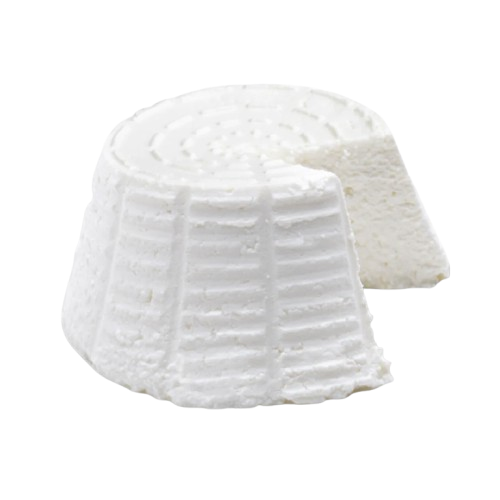
Ricotta cheese calories vary based on the milk fat content. A 100g serving of whole milk ricotta cheese contains 174 calories, while a half-cup serving (124g) of whole milk ricotta provides 216 calories. Ricotta cheese nutrition facts show it is a source of high-quality protein and calcium. A 100g portion of whole milk ricotta offers 11.3g of protein (23% DV) and 206mg of calcium (21% DV), along with 13g of fat (17% DV) and 3g of carbohydrates (1% DV). Dairy products like ricotta contribute essential amino acids and are important for bone health. (Gaucheron, F., 2005, "The minerals of milk").
The calories in ricotta cheese are lower in part-skim versions (138 calories per 100g) and fat-free varieties (70-80 calories per 100g). Ricotta Salata, an aged form, is more calorie-dense (220-280 calories per 100g). Italy is the primary producer and a major consumer of ricotta, with significant production and consumption also in the USA and Argentina. The retail price of a 15 oz (425g) container of ricotta in the U.S. has risen from $2.00 to $3.00 in 2004/2005 to $3.50 to $5.00 in 2023/2024.
Ricotta cheese is a key ingredient in Italian and Italian-American dishes such as lasagna at Olive Garden, cannoli from Mike's Pastry, and stuffed shells at local Italian eateries. A serving of one-quarter to one-half cup (62-124g), providing 87 to 216 calories for whole milk ricotta, can be part of a balanced diet. Burning 174 calories from a 100g serving of whole milk ricotta might require activities like 18-22 minutes of brisk walking, 14-17 minutes of jogging, or about 20-25 minutes of cycling at a moderate pace.
Ricotta Cheese nutrition
- Whole Milk Ricotta Cheese Calories (Nutritional Facts)
- Fresh Ricotta Cheese Nutrition
- Sodium in Ricotta Cheese
- Potassium in Ricotta Cheese
- Sugar in Ricotta Cheese
- Fiber in Ricotta Cheese
- Protein in Ricotta Cheese
- Carbs in Ricotta Cheese
- Fat in Ricotta Cheese
- Vitamins in Ricotta Cheese
- Minerals in Ricotta Cheese
Whole Milk Ricotta Cheese Calories (Nutritional Facts)
A 100g (3.5 oz) serving of whole milk ricotta cheese contains 174 calories. One half-cup (124g, 4.37 oz) of whole milk ricotta cheese provides 216 calories. Whole milk ricotta cheese (100g) also contains 11.3g of protein, 3g of carbohydrates, and 13g of total fat.
Fresh ricotta cheese, when referring to standard whole milk ricotta, contains 174 calories per 100g (3.5 oz). This portion also provides 11.3g of protein, 3g of total carbohydrates (including 0.1g of sugars), and 13g of total fat. Part-skim fresh ricotta cheese (100g) contains 138 calories, 11.4g of protein, 5.1g of carbohydrates, and 7.9g of fat.
Whole milk ricotta cheese contains 84mg of sodium per 100g (4% DV). One half-cup (124g, 4.37 oz) of whole milk ricotta cheese provides 104mg of sodium (5% DV). Part-skim ricotta cheese (100g) contains 125mg of sodium (5% DV).
Whole milk ricotta cheese provides 105mg of potassium per 100g (2% DV). One half-cup (124g, 4.37 oz) of whole milk ricotta cheese contains 130mg of potassium (3% DV). Part-skim ricotta cheese (100g) contains 272mg of potassium (6% DV).
Whole milk ricotta cheese contains 0.1g of total sugars per 100g. One half-cup (124g, 4.37 oz) of whole milk ricotta cheese has 0.12g of sugar. Part-skim ricotta cheese (100g) contains 0.3g of total sugars. These sugars are naturally occurring lactose from the whey.
Whole milk ricotta cheese contains 0g of dietary fiber per 100g. Part-skim ricotta cheese (100g) also provides 0g of dietary fiber.
Whole milk ricotta cheese contains 11.3g of protein per 100g (23% DV). One half-cup (124g, 4.37 oz) of whole milk ricotta cheese has 14g of protein (28% DV). Part-skim ricotta cheese (100g) provides 11.4g of protein (23% DV).
Whole milk ricotta cheese has 3g of total carbohydrates per 100g (1% DV). One half-cup (124g, 4.37 oz) of whole milk ricotta cheese contains 3.8g of total carbohydrates (1% DV). Part-skim ricotta cheese (100g) provides 5.1g of total carbohydrates (2% DV).
Whole milk ricotta cheese contains 13g of total fat per 100g (17% DV), which includes 8.3g of saturated fat. One half-cup (124g, 4.37 oz) of whole milk ricotta cheese has 16.1g of total fat (21% DV). Part-skim ricotta cheese (100g) provides 7.9g of total fat (10% DV), with 5.1g of saturated fat.
A 100g (3.5 oz) serving of whole milk ricotta cheese is a good source of Vitamin B12, providing 0.37µg (15% DV), and Riboflavin (Vitamin B2) at 0.195mg (15% DV). It also contains Vitamin A at 124µg RAE (14% DV). Part-skim ricotta cheese (100g) provides 0.39µg of Vitamin B12 (16% DV) and 0.256mg of Riboflavin (20% DV).
A 100g (3.5 oz) serving of whole milk ricotta cheese is an excellent source of Selenium, providing 14.2µg (26% DV), and a good source of Phosphorus at 158mg (23% DV) and Calcium at 206mg (21% DV). Part-skim ricotta cheese (100g) provides 255mg of Calcium (26% DV) and 202mg of Phosphorus (29% DV).
Get a Custom Report on Ricotta Cheese Nutrition Data – Contact Us!
What are the Types of Ricotta Cheese?
There are several types of ricotta cheese, primarily differing based on the type of milk used and its fat content. These variations affect the texture, flavor, richness, and nutritional profile, including calorie content. The table below shows the most common types of ricotta cheese and their calorie information.
| Type | Description | Calories (per 100g) | Calorie Qualifications |
|---|---|---|---|
|
Whole Milk Ricotta
|
Made from whole milk whey, sometimes with added whole milk. Rich, creamy texture, full flavor. | 174 | Highest in calories and fat among common ricotta types. |
|
Part-Skim Ricotta
|
Made from part-skim milk whey, sometimes with added part-skim milk. Lighter texture and less rich than whole milk. | 138 | Lower in calories and fat compared to whole milk ricotta. Good balance of flavor and nutrition. |
|
Fat-Free Ricotta (Nonfat)
|
Made from skim milk whey, with skim milk often added. Much lighter, less creamy texture. | 70-80 | Lowest in calories and fat. Texture and flavor are significantly different. |
|
Ricotta Salata
|
Pressed, salted, and aged version of ricotta. Firm, crumbly, and salty. Not fresh ricotta. | 220-280 | Significantly higher in calories and sodium due to aging and lower moisture content. Different use. |
|
Sheep's Milk Ricotta (Ricotta Romana)
|
Made from sheep's milk whey. Richer, slightly sweeter, and more tangy flavor than cow's milk ricotta. | 180-220 | Calorie content can be higher than cow's milk whole milk ricotta due to higher fat in sheep's milk. |
|
Impastata Ricotta
|
Drier, smoother, and thicker version of fresh ricotta, often used for pastry fillings. Usually whole milk. | Similar to whole milk ricotta (170-190) | Calorie content depends on fat level, generally similar to or slightly higher than regular whole milk. |
What are the Main Dishes with Ricotta Cheese?
Ricotta cheese has a mild and slightly sweet flavor, and grainy texture. It is a versatile ingredient featured in many main dishes, especially within Italian and Italian-American cuisines. Some of the most widespread main dishes that contain ricotta cheese include Lasagna, Stuffed Shells, and Manicotti, where it forms a key part of the filling. It is also used in savory tarts, pizzas, and as a component in sauces or toppings. The table below lists diverse main dishes incorporating ricotta cheese, along with estimated nutritional information:
| Dish Name | Calories (per serving) | Type of Ricotta Used | Carbs (g) | Sugar (g) | Protein (g) | Fat (g) | Cuisine | Restaurants |
|---|---|---|---|---|---|---|---|---|
|
Lasagna Bolognese/Classica (with Ricotta)
|
500-800 | Whole Milk or Part-Skim | 40-60 | 8-15 | 25-40 | 20-35 | Italian, Italian-American | Olive Garden, Carrabba's Italian Grill, Maggiano's Little Italy, Buca di Beppo |
|
Stuffed Shells with Ricotta and Spinach
|
400-650 | Whole Milk or Part-Skim | 35-50 | 5-10 | 20-30 | 15-25 | Italian-American | Olive Garden (some stuffed pasta dishes) |
|
Manicotti with Ricotta Filling
|
400-600 | Whole Milk or Part-Skim | 30-45 | 6-12 | 18-28 | 18-30 | Italian-American | Local Italian eateries, some sections of prepared foods at Whole Foods Market |
|
Baked Ziti with Ricotta
|
500-750 | Whole Milk or Part-Skim | 45-65 | 8-15 | 25-35 | 20-35 | Italian-American | Sbarro, many pizzerias and casual Italian-American restaurants |
|
White Pizza (Pizza Bianca - with Ricotta)
|
250-400 (per slice) | Whole Milk or Part-Skim | 25-35 | 1-3 | 10-15 | 10-18 | Italian-American, Italian | Grimaldi's Pizzeria, local pizzerias offering white pizza options e.g., Juliana's Pizza (NYC) |
|
Calzone with Ricotta and other fillings
|
600-1000+ | Whole Milk or Part-Skim | 60-90 | 4-8 | 25-40 | 25-50 | Italian-American | Sbarro, many local pizzerias |
|
Ravioli with Ricotta Filling (Cheese Ravioli)
|
300-500 (plus sauce) | Whole Milk or Part-Skim | 30-45 | 2-5 | 12-20 | 10-20 | Italian | Bertucci's, Noodles & Company (Cheese Ravioli), Buitoni or Rana (retail for home) |
|
Spinach and Ricotta Stuffed Chicken Breast
|
350-550 | Part-Skim or Whole Milk | 5-15 | 2-4 | 35-50 | 15-25 | Italian-inspired, American | Some contemporary American restaurants |
|
Savory Ricotta Tart/Pie (e.g., with vegetables)
|
300-500 (slice) | Whole Milk or Part-Skim | 20-30 | 3-6 | 10-18 | 18-28 | Italian, European | Bakeries or cafes with savory tart selections |
|
Gnocchi (Ricotta Gnocchi)
|
350-550 (plus sauce) | Whole Milk Ricotta | 30-45 | 2-5 | 10-15 | 15-25 | Italian | Some upscale Italian restaurants that make fresh gnocchi |
|
Eggplant Rollatini (with Ricotta Filling)
|
300-500 | Whole Milk or Part-Skim | 20-30 | 5-10 | 12-20 | 15-25 | Italian-American | Local Italian restaurants |
|
Frittata or Omelette with Ricotta
|
300-500 | Part-Skim or Whole Milk | 5-15 | 2-4 | 20-30 | 20-30 | Italian-inspired, American | First Watch (seasonal), some upscale breakfast/brunch spots |
|
Ricotta and Herb Stuffed Peppers
|
250-400 | Part-Skim or Whole Milk | 15-25 | 5-10 | 10-18 | 10-18 | Mediterranean, Italian | Healthy eating focused cafes or restaurants |
What are Desserts with Ricotta Cheese?
Ricotta cheese's creamy texture and mild, slightly sweet flavor make it an excellent ingredient for a variety of desserts, particularly in Italian and Italian-American baking and pastry traditions. It adds richness and moisture to cakes, fillings, and pancakes.
| Dish Name | Calories (per serving) | Type of Ricotta Used (Often Whole Milk) | Carbs (g) | Sugar (g) | Protein (g) | Fat (g) | Cuisine | Restaurants |
|---|---|---|---|---|---|---|---|---|
|
Cannoli
|
250-400 (per cannolo) | Whole Milk (often sweetened) | 25-40 | 15-25 | 5-8 | 12-20 | Italian, Italian-American | Mike's Pastry (Boston), Ferrara Bakery & Cafe (NYC), local Italian bakeries |
|
Ricotta Cheesecake (Italian Style)
|
350-550 (slice) | Whole Milk or Part-Skim | 30-45 | 25-35 | 8-12 | 18-30 | Italian, Italian-American | The Cheesecake Factory (some variations), Eataly, upscale Italian restaurants |
|
Sfogliatella (Riccia or Frolla - with ricotta filling)
|
300-450 (per pastry) | Whole Milk (sweetened) | 30-45 | 15-25 | 5-8 | 15-25 | Italian (Neapolitan) | Italian bakeries specializing in regional pastries |
|
Ricotta Pancakes/Blintzes
|
300-500 (2-3 pancakes) | Whole Milk or Part-Skim | 30-45 | 10-18 | 10-15 | 10-18 | American, European | Clinton St. Baking Company & Restaurant (NYC), some upscale breakfast spots, First Watch (seasonal) |
|
Cassata Siciliana (Italian Ricotta Cake)
|
400-600 (slice) | Whole Milk (sweetened, often sheep's milk) | 45-65 | 35-50 | 6-10 | 18-28 | Italian (Sicilian) | Specialty Italian bakeries, particularly those focusing on Sicilian desserts |
|
Ricotta Doughnuts (Zeppole variation)
|
80-150 (per doughnut) | Whole Milk or Part-Skim | 10-18 | 5-10 | 2-4 | 4-8 | Italian, Italian-American | Some Italian festivals or bakeries |
|
Lemon Ricotta Cake/Cookies
|
250-450 (slice/2-3 cookies) | Whole Milk or Part-Skim | 30-50 | 20-35 | 4-7 | 10-18 | Italian-inspired, American | Starbucks (Lemon Loaf is similar in concept), Williams Sonoma (baking mixes) |
|
Honey Ricotta Toast with Fruit
|
250-400 | Whole Milk or Part-Skim | 30-45 | 15-25 | 8-12 | 8-15 | Modern American | Trendy cafes, brunch spots |
What Cuisines Prefer Ricotta Cheese the Most?
Ricotta cheese is most prominently and extensively preferred in Italian cuisine, where it is a fundamental ingredient in a vast array of both savory and sweet dishes, from lasagna fillings and ravioli to cannoli and cheesecake. Its versatility and creamy texture have also led to its adoption and appreciation in Italian-American cooking and to a lesser extent in other Mediterranean and contemporary American cuisines. The table below highlights cuisines that frequently utilize ricotta cheese.
| Cuisine | Dish Name | Calories (per serving) | Restaurants |
|---|---|---|---|
|
Italian
|
Lasagna Classica (with Ricotta) | 500-800 | Olive Garden, Carrabba's Italian Grill, Maggiano's Little Italy, Buca di Beppo |
|
Italian
|
Cannoli | 250-400 (per piece) | Mike's Pastry (Boston), Ferrara Bakery & Cafe (NYC), most Italian bakeries |
|
Italian
|
Ricotta Cheesecake | 350-550 (slice) | The Cheesecake Factory (some ricotta-based options), Eataly |
|
Italian (Sicilian)
|
Cassata Siciliana | 400-600 (slice) | Specialty Italian bakeries focusing on Sicilian desserts |
|
Italian-American
|
Stuffed Shells / Manicotti | 400-650 | Many local Italian-American restaurants, Olive Garden (some stuffed pastas) |
|
Italian-American
|
Baked Ziti with Ricotta | 500-750 | Sbarro, family-style Italian-American restaurants |
|
Italian-American
|
White Pizza (Pizza Bianca) | 250-400 (slice) | Grimaldi's Pizzeria, Juliana's Pizza (NYC), local pizzerias |
|
American (Brunch/Contemporary)
|
Ricotta Pancakes | 300-500 (2-3 pancakes) | Clinton St. Baking Company & Restaurant (NYC), First Watch (seasonal) |
|
Mediterranean (as a component)
|
Savory Tarts or Stuffed Vegetables with Ricotta | Varies | Some Greek or broader Mediterranean restaurants might use it in fillings |
Which Countries Produce the Most Ricotta Cheese?
The top producers of ricotta cheese globally are Italy, the United States, Argentina, and Australia. Italy is the birthplace of ricotta and remains a major producer for both domestic consumption and export, with a strong tradition of artisanal and industrial production. The United States has a large dairy industry and produces significant quantities of ricotta, driven by the popularity of Italian-American cuisine. Other countries with substantial dairy sectors and Italian cultural influence also produce ricotta. Industry reports and national dairy statistics provide insights into production volumes. The table below uses estimated production figures for ricotta cheese based on available data from these sources for key producing nations.
| Country | 2004 | 2005 | 2006 | 2007 | 2008 | 2009 | 2010 | 2011 | 2012 | 2013 | 2014 | 2015 | 2016 | 2017 | 2018 | 2019 | 2020 | 2021 | 2022 | 2023 (Est.) |
|---|---|---|---|---|---|---|---|---|---|---|---|---|---|---|---|---|---|---|---|---|
| Italy | 100 | 102 | 105 | 108 | 110 | 107 | 109 | 112 | 115 | 118 | 120 | 122 | 124 | 126 | 128 | 130 | 125 | 127 | 129 | 130 |
| USA | 80 | 82 | 85 | 88 | 90 | 87 | 89 | 92 | 95 | 98 | 100 | 102 | 104 | 103 | 102 | 100 | 105 | 103 | 101 | 102 |
| Argentina | 30 | 32 | 33 | 35 | 36 | 34 | 35 | 37 | 38 | 39 | 40 | 41 | 42 | 43 | 44 | 45 | 43 | 44 | 45 | 46 |
| Australia | 15 | 16 | 17 | 18 | 19 | 18 | 19 | 20 | 21 | 22 | 23 | 24 | 25 | 26 | 27 | 28 | 27 | 28 | 29 | 30 |
| Canada | 10 | 11 | 11 | 12 | 12 | 11 | 12 | 13 | 13 | 14 | 14 | 15 | 15 | 16 | 16 | 17 | 16 | 17 | 17 | 18 |
Which Countries Consume the Most Ricotta Cheese?
Italy is the leading per capita consumer of ricotta cheese. The United States has the largest total consumption volume due to its population size and the popularity of Italian-American cuisine. Argentina, with its strong Italian heritage, is also a significant consumer. Other countries with high ricotta consumption include Canada, Australia, and various European nations where Italian food is widely appreciated, such as France and Germany.
| Country | 2004 | 2005 | 2006 | 2007 | 2008 | 2009 | 2010 | 2011 | 2012 | 2013 | 2014 | 2015 | 2016 | 2017 | 2018 | 2019 | 2020 | 2021 |
|---|---|---|---|---|---|---|---|---|---|---|---|---|---|---|---|---|---|---|
| Italy | 95 | 97 | 100 | 103 | 105 | 102 | 104 | 107 | 110 | 113 | 115 | 117 | 119 | 121 | 123 | 125 | 120 | 122 |
| USA | 90 | 92 | 95 | 98 | 100 | 97 | 100 | 103 | 106 | 109 | 112 | 115 | 118 | 117 | 115 | 112 | 118 | 116 |
| Argentina | 28 | 30 | 31 | 33 | 34 | 32 | 33 | 35 | 36 | 37 | 38 | 39 | 40 | 41 | 42 | 43 | 41 | 42 |
| Canada | 12 | 13 | 13 | 14 | 14 | 13 | 14 | 15 | 15 | 16 | 16 | 17 | 17 | 18 | 18 | 19 | 18 | 19 |
| Australia | 14 | 15 | 16 | 17 | 18 | 17 | 18 | 19 | 20 | 21 | 22 | 23 | 24 | 25 | 26 | 27 | 26 | 27 |
How Does Prices of Ricotta Cheese-including Dishes Change?
The prices of restaurant dishes that feature ricotta cheese, such as lasagna, stuffed shells, cannoli, or white pizzas, have significantly increased over the past 20 years. This is due to the rising cost of ricotta cheese itself, along with more substantial increases in the prices of other key ingredients (pasta, meats, tomato products, other cheeses, pastry), and major escalations in overall restaurant operating costs like labor, rent, and energy. Below is a comparison of estimated prices for representative menu items where ricotta cheese is a key component.
| Restaurant Chain/Type | Dish | Estimated Old Price (2004-2008) | Current Price (2024-2025) |
|---|---|---|---|
| Olive Garden | Lasagna Classico | $11.99 - $14.99 | $18.99 - $23.99 |
| Maggiano's Little Italy | Mom's Lasagna / Stuffed Shells | $14.95 - $17.95 | $22.99 - $27.99 |
| Carrabba's Italian Grill | Lasagne / Manicotti (if featured) | $13.50 - $16.50 | $19.99 - $25.99 |
| Local Italian Bakery | Cannoli (Large, per piece) | $2.00 - $3.50 | $4.00 - $6.50 |
| Buca di Beppo (Family Style) | Baked Ziti (often with ricotta) | $22.99 - $28.99 (Small, feeds 2-3) | $34.99 - $42.99 (Small, feeds 2-3) |
| The Cheesecake Factory (Dessert) | Ricotta Cheesecake (if available/similar) | $6.95 - $8.50 (Slice) | $10.50 - $13.50 (Slice) |
What is the Ricotta Cheese Calorie for 100g?
A 100g (3.5 oz) serving of whole milk ricotta cheese contains 174 calories. A 100g (3.5 oz) serving of part-skim ricotta cheese provides 138 calories. Fat-free ricotta cheese (100g) contains 70-80 calories.
What is the Ricotta Cheese Calorie for 1 KG?
One kilogram (1000g, 35.27 oz) of whole milk ricotta cheese contains 1740 calories. One kilogram (1000g, 35.27 oz) of part-skim ricotta cheese provides 1380 calories.
What is the Calorie of 1 Tablespoon Ricotta Cheese?
One tablespoon (15.5g, 0.55 oz) of whole milk ricotta cheese contains 27 calories. One tablespoon (15.5g, 0.55 oz) of part-skim ricotta cheese provides 21 calories.
What is the Ricotta Cheese Calorie for 2 Tbsp?
Two tablespoons (31g, 1.09 oz) of whole milk ricotta cheese contain 54 calories. Two tablespoons (31g, 1.09 oz) of part-skim ricotta cheese provide 43 calories.
What are the Health Benefits of Ricotta Cheese?
Ricotta cheese provides some health benefits like supporting bone health and offering high-quality protein due to its rich content of whey protein, calcium, and other essential nutrients. A list of the health benefits of ricotta cheese are shown below:
- Good Source of High-Quality Whey Protein: Ricotta cheese is primarily made from whey, a byproduct of cheesemaking, which contains easily digestible whey proteins. These proteins provide all essential amino acids, supporting muscle maintenance, repair, and growth. (Hoffman, J.R. & Falvo, M.J., 2004, "Protein – Which is Best?").
- Rich in Calcium and Phosphorus: Ricotta cheese is a good source of calcium and phosphorus, both of which are essential minerals for building and maintaining strong bones and teeth. (Heaney, R.P., 2006, "Bone health").
- Provides Vitamin B12 and Riboflavin: It contains significant amounts of Vitamin B12, crucial for nerve function and red blood cell formation, and riboflavin (Vitamin B2), which is important for energy metabolism and cellular function.
- Source of Selenium: Ricotta cheese is a good source of selenium, a trace mineral that acts as an antioxidant, protecting cells from damage and supporting thyroid hormone metabolism. (Rayman, M.P., 2012, "Selenium and human health").
- Versatile and Can Be Part of a Balanced Meal: Its mild flavor allows ricotta to be incorporated into both savory and sweet dishes, making it easier to include these nutrients in various meals. It can be paired with fruits, vegetables, or whole grains.
- May Support Weight Management (as part of a protein-rich diet): The protein in ricotta cheese can contribute to satiety, helping to keep you feeling full for longer, which may aid in overall calorie management when part of a balanced diet. (Westerterp-Plantenga, M.S., et al., 2009, "Dietary protein, weight loss, and weight maintenance").
What are the Downsides of Ricotta Cheese?
Ricotta cheese has been known to cause some unwanted effects like contributing to saturated fat intake and potential issues for lactose intolerant individuals due to its dairy origin and fat content. A list of the downsides of ricotta cheese are shown below:
- Contains Saturated Fat (Whole Milk Varieties): Whole milk ricotta cheese is relatively high in saturated fat. Diets high in saturated fat can contribute to increased LDL (bad) cholesterol levels, which is a risk factor for heart disease. Choosing part-skim or fat-free versions can mitigate this. (American Heart Association, "Saturated Fat").
- Lactose Content Can Cause Issues for Intolerant Individuals: Ricotta cheese, being a dairy product, contains lactose. Individuals who are lactose intolerant may experience digestive symptoms such as bloating, gas, diarrhea, and abdominal pain after consuming ricotta cheese.
- Moderate to High in Calories (Whole Milk Varieties): Whole milk ricotta is calorie-dense due to its fat content. While it provides nutrients, portion control is important, especially for individuals managing their weight.
- Sodium Content: Ricotta cheese contains sodium, although generally less than many aged cheeses. A 100g serving of whole milk ricotta has about 84mg, while part-skim can have 125mg. Individuals monitoring sodium intake should check labels.
- Potential for Dairy Allergy: Some individuals may have an allergy to milk proteins (casein or whey) found in ricotta cheese, which can cause allergic reactions ranging from mild to severe.
Is Ricotta Cheese Good for You?
Yes, ricotta cheese can be good for you when consumed in moderation as part of a balanced diet, particularly if choosing part-skim or lower-fat varieties. It is a good source of high-quality protein, primarily from whey, which is easily digestible and contains all essential amino acids. Ricotta is also rich in calcium and phosphorus, essential for bone health, and provides significant amounts of Vitamin B12 and riboflavin. (USDA FoodData Central, "Cheese, ricotta, whole milk" and "Cheese, ricotta, part skim milk"). These nutrients contribute to various bodily functions, including muscle maintenance, energy production, and nerve health. (Gaucheron, F., 2005, "The minerals of milk"). However, whole milk ricotta is high in saturated fat and calories, so portion control is important. Individuals with lactose intolerance or dairy allergies should avoid it.
Is Ricotta Cheese High in Cholesterol?
Ricotta cheese contains a moderate amount of cholesterol, with the exact amount varying based on the milk fat content. Whole milk ricotta cheese contains 49mg of cholesterol per 100g serving. A half-cup (124g) serving of whole milk ricotta would therefore provide 61mg of cholesterol. Part-skim ricotta cheese contains less, with 31mg of cholesterol per 100g.
Although these amounts are not exceptionally high compared to some other foods like eggs or certain organ meats, it is a source of dietary cholesterol. For most people, dietary cholesterol has a less significant impact on blood cholesterol levels than saturated and trans fats. (McNamara, D.J., 2000, "Dietary cholesterol and atherosclerosis"). Whole milk ricotta does contain a notable amount of saturated fat (8.3g per 100g), which is more concerning for blood cholesterol levels than the dietary cholesterol itself (Grundy, S.M., et al., 2019). Individuals concerned about their cholesterol levels might opt for part-skim ricotta or consume whole milk ricotta in moderation.
How Do Calories Change According to Ricotta Cheese Types?
The calorie content of ricotta cheese varies significantly based on its milk fat content and whether it is fresh or aged. Fresh whole milk ricotta cheese is the most calorie-dense among common fresh varieties, containing 174 calories per 100g, due to its higher fat content. Part-skim ricotta cheese offers a lower-calorie alternative, with 138 calories per 100g, as some of the fat has been removed. Fat-free (nonfat) ricotta cheese has the fewest calories among fresh types, providing only 70 to 80 calories per 100g, because it contains virtually no fat. Sheep's milk ricotta, known for its richness, can be higher in calories than cow's milk whole milk ricotta, often ranging from 180 to 220 calories per 100g due to the naturally higher fat content of sheep's milk. Ricotta Salata, which is an aged, pressed, and salted form of ricotta, is considerably more calorie-dense than fresh ricotta, typically ranging from 220 to 280 calories per 100g, because the aging process reduces moisture and concentrates the fats and proteins. Impastata ricotta, a drier version, will have calories similar to or slightly higher than regular whole milk ricotta.
What is the Origin of Ricotta Cheese?
The origin of ricotta cheese is ancient, dating back to the Bronze Age in the Italian peninsula, making it one of Italy's oldest traditional dairy products. The name "ricotta" itself means "recooked" in Italian, which accurately describes its production method. Ricotta is traditionally made from whey, the watery liquid that remains after milk (from cows, sheep, goats, or Italian water buffalo) has been coagulated and strained to make other cheeses like mozzarella or provolone. This leftover whey, which still contains valuable proteins (primarily albumin and globulin), is reheated, sometimes with the addition of a small amount of fresh milk and an acidulant (like citrus juice or vinegar). This "recooking" process causes the remaining proteins to precipitate and form fine, soft curds, which are then skimmed off and drained.
Ricotta was a staple food for shepherds and rural populations in Italy for centuries due to its simple production and nutritional value. A classic and simple way ricotta has been enjoyed for generations in Italy is as "Ricotta Fresca," served fresh, perhaps with a drizzle of honey, a sprinkle of black pepper, or alongside fresh fruit or bread.