Calories in Ribeye Steak: Nutritional facts for Ribeye Steak Types
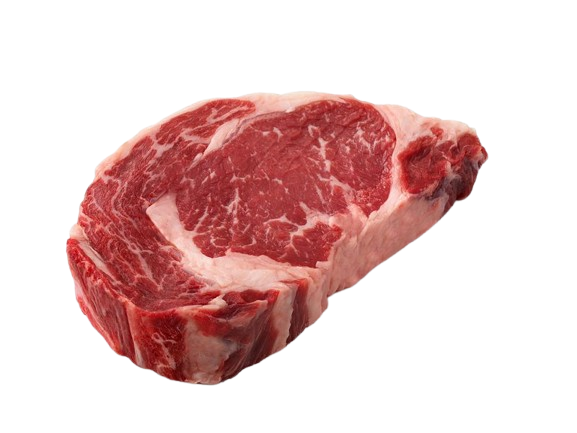
The calories in ribeye steak depend on the cut, grade, and cooking method. A 100 gram (3.5 ounce) serving of raw boneless ribeye has 224 calories. A 100 gram serving of broiled boneless ribeye has 271 calories. A 100 gram serving of broiled prime ribeye has 310 calories. An 8 ounce (227g) broiled boneless ribeye steak has 615 calories (31% DV). Research shows the high ribeye nutrition value, as high-quality protein is essential for muscle repair and growth (Schoenfeld & Aragon, 2018). The ribeye nutrition facts for an 8 ounce (227g) broiled boneless ribeye show 60.4g of protein (121% DV), 40.4g of fat, 5.7mcg of Vitamin B12 (237% DV), 78.5mcg of selenium (143% DV), and 14.1mg of zinc (128% DV).
Types of ribeye steak include boneless, bone-in, and prime grade, which has more marbling. The United States and Brazil are top producers of beef, the source of ribeye steaks. The United States and China are top consumers of beef. Ribeye steak prices have increased over the last 20 years. The average retail price for a USDA Choice boneless ribeye rose from $7.80 per pound in 2005 to $14.50 per pound in 2025.
Popular ribeye dishes include the classic broiled steak at restaurants like Peter Luger Steak House and the Cowboy Ribeye at Del Frisco's Double Eagle Steakhouse. Ribeye steak is an excellent source of complete protein for muscle maintenance and heme iron for energy production. The World Cancer Research Fund recommends limiting red meat consumption to no more than three portions per week, an amount equal to 350 to 500 grams (12 to 18 ounces) of cooked meat. A single 12 ounce (340g) broiled bone-in ribeye steak contains 989 calories. Burning the ribeye calories from this meal can be achieved through 90 minutes of high-intensity interval training or 75 minutes of running at a fast pace.
Ribeye Steak nutrition
- Bone-In Ribeye Steak Calories (Nutritional Facts)
- Boneless Ribeye Steak Calories (Nutritional Facts)
- Prime Ribeye Steak Calories (Nutritional Facts)
- Raw Ribeye Steak Nutrition
- Sodium in Ribeye Steak
- Potassium in Ribeye Steak
- Sugar in Ribeye Steak
- Fiber in Ribeye Steak
- Protein in Ribeye Steak
- Carbs in Ribeye Steak
- Fat in Ribeye Steak
- Vitamins in Ribeye Steak
- Minerals in Ribeye Steak
Bone-In Ribeye Steak Calories (Nutritional Facts)
A 100g (3.5oz) serving of broiled bone-in ribeye steak has 291 calories, 24.1g of protein, and 20.9g of fat. A 12oz (340g) broiled bone-in ribeye steak contains 989 calories, 81.9g of protein, and 71g of fat. A 16oz (454g) broiled bone-in ribeye steak contains 1321 calories, 109.4g of protein, and 94.9g of fat.
A 100g (3.5oz) serving of broiled boneless ribeye steak has 271 calories, 26.6g of protein, and 17.8g of fat. A 10oz (283g) broiled boneless ribeye steak contains 767 calories, 75.3g of protein, and 50.4g of fat. A 10oz (283g) pan-seared boneless ribeye steak contains 934 calories, 65.1g of protein, and 73.6g of fat.
A 100g (3.5oz) serving of broiled prime ribeye steak has 310 calories, 24.9g of protein, and 22.8g of fat. A 12oz (340g) broiled prime ribeye steak contains 1054 calories, 84.7g of protein, and 77.5g of fat. A 16oz (454g) broiled prime ribeye steak contains 1407 calories, 113g of protein, and 103.5g of fat.
A 100g (3.5oz) serving of raw boneless ribeye steak contains 224 calories, 19.1g of protein, and 15.8g of fat. An 8oz (227g) serving of raw boneless ribeye steak contains 508 calories, 43.4g of protein, and 35.9g of fat. A 12oz (340g) serving of raw boneless ribeye steak contains 762 calories, 64.9g of protein, and 53.7g of fat.
A 100g (3.5oz) serving of raw boneless ribeye steak contains 60mg of sodium (3% DV). A 100g serving of broiled boneless ribeye contains 66mg of sodium (3% DV). A 100g serving of broiled bone-in ribeye contains 68mg of sodium (3% DV). A 100g serving of broiled prime ribeye contains 63mg of sodium (3% DV). An 8oz (227g) serving of broiled boneless ribeye has 150mg of sodium (7% DV).
A 100g (3.5oz) serving of raw boneless ribeye steak contains 284mg of potassium (6% DV). A 100g serving of broiled boneless ribeye contains 326mg of potassium (7% DV). A 100g serving of broiled bone-in ribeye contains 301mg of potassium (6% DV). A 100g serving of broiled prime ribeye contains 304mg of potassium (6% DV). An 8oz (227g) serving of broiled boneless ribeye has 740mg of potassium (16% DV).
Raw, broiled, and pan-seared ribeye steak, including bone-in, boneless, and prime grades, contains 0g of sugar.
Raw, broiled, and pan-seared ribeye steak, including bone-in, boneless, and prime grades, contains 0g of fiber.
A 100g (3.5oz) serving of broiled boneless ribeye provides 26.6g of protein (53% DV). A 100g serving of broiled bone-in ribeye provides 24.1g of protein (48% DV). A 100g serving of broiled prime ribeye provides 24.9g of protein (50% DV). An 8oz (227g) serving of broiled boneless ribeye provides 60.4g of protein (121% DV). A 100g serving of raw boneless ribeye has 19.1g of protein (38% DV).
Raw, broiled, and pan-seared ribeye steak, including bone-in, boneless, and prime grades, contains 0g of carbohydrates.
A 100g (3.5oz) serving of broiled boneless ribeye contains 17.8g of fat. A 100g serving of broiled bone-in ribeye contains 20.9g of fat. A 100g serving of broiled prime ribeye contains 22.8g of fat. An 8oz (227g) serving of broiled boneless ribeye contains 40.4g of fat. A 100g serving of raw boneless ribeye has 15.8g of fat.
A 100g (3.5oz) serving of broiled boneless ribeye steak provides 2.5mcg of Vitamin B12 (104% DV), 0.5mg of Vitamin B6 (29% DV), 4.1mg of Niacin (26% DV), and 0.2mg of Riboflavin (15% DV). An 8oz (227g) serving of broiled boneless ribeye steak provides 5.7mcg of Vitamin B12 (237% DV), 1.1mg of Vitamin B6 (66% DV), and 9.3mg of Niacin (58% DV). A 100g serving of broiled prime ribeye steak provides 2.3mcg of Vitamin B12 (96% DV) and 0.4mg of Vitamin B6 (24% DV). A 100g serving of raw boneless ribeye steak provides 2.0mcg of Vitamin B12 (83% DV) and 4.5mg of Niacin (28% DV).
A 100g (3.5oz) serving of broiled boneless ribeye steak provides 34.6mcg of selenium (63% DV), 6.2mg of zinc (56% DV), 218mg of phosphorus (17% DV), and 2.8mg of iron (16% DV). An 8oz (227g) serving of broiled boneless ribeye steak provides 78.5mcg of selenium (143% DV), 14.1mg of zinc (128% DV), and 6.4mg of iron (35% DV). A 100g serving of broiled prime ribeye steak provides 32.3mcg of selenium (59% DV) and 5.8mg of zinc (53% DV). A 100g serving of raw boneless ribeye steak provides 26.1mcg of selenium (47% DV) and 5.1mg of zinc (46% DV).
Get a Custom Report on Ribeye Steak Nutrition Data – Contact Us!
What are the Types of Ribeye Steaks?
The types of ribeye steaks include boneless, bone-in, Prime grade, and pan-seared preparations. The types of ribeye steaks are defined by whether the bone is attached and the grade of the beef, which reflects the amount of marbling. The table below describes common ribeye steak types:
| Type | Description | Calories (per 100g cooked) | Calorie Qualifications |
|---|---|---|---|
|
Boneless Ribeye (Choice)
|
A standard, well-marbled steak with the bone removed. | 271 | High calorie count due to significant marbling and fat content. |
|
Bone-In Ribeye (Choice)
|
The same cut as a boneless ribeye, but with the rib bone left attached. | 291 | Higher calorie count than boneless due to the fat and tissue associated with the bone. |
|
Prime Ribeye
|
The highest USDA grade, featuring abundant marbling for maximum flavor and tenderness. | 310 | Very high calorie count due to the extensive intramuscular fat that defines the Prime grade. |
|
Pan-Seared Ribeye
|
Any ribeye steak cooked in a pan with added fats like butter or oil. | 330 | The highest calorie preparation due to the absorption of cooking fats. |
What are the Main Dishes with Ribeye Steak?
The ribeye steak is a quintessential main course, prized for its marbling and deep flavor. The table below details some classic preparations of this steak.
| Dish Name | Calories | Type of Beef | Carbs (g) | Sugar (g) | Protein (g) | Fat (g) | Cuisine | Restaurants |
|---|---|---|---|---|---|---|---|---|
|
Classic Ribeye Steak
|
600-900 | Ribeye | 0-5 | 0-2 | 60-80 | 40-65 | American Steakhouse | Peter Luger Steak House (NYC), Keens Steakhouse (NYC) |
|
Cowboy Ribeye
|
1000-1400 | Bone-In Ribeye | 0-5 | 0-2 | 90-110 | 70-100 | American Steakhouse | Del Frisco's Double Eagle Steakhouse, Smith & Wollensky |
|
Steak Frites
|
900-1200 | Ribeye | 50-70 | 1-4 | 60-80 | 50-70 | French | Balthazar (NYC), Mon Ami Gabi (Las Vegas) |
|
Blackened Ribeye
|
700-900 | Ribeye | 5-15 | 1-3 | 60-80 | 45-65 | Cajun/Creole | Brennan's (New Orleans) |
|
Tomahawk Steak
|
1500-2500 | Long-Bone Ribeye | 0-10 | 0-2 | 120-150 | 110-160 | American Steakhouse | Mastro's Steakhouse, STK Steakhouse |
What are the Desserts with Ribeye Steak?
Ribeye steak is a savory main course and is not an ingredient in desserts. The best desserts following a rich steak dinner are those that provide a contrasting flavor profile, such as tart fruit or rich chocolate. The table below outlines some classic dessert pairings.
| Dish Name | Calories (Estimate) | Type of Dessert | Carbs (g) | Sugar (g) | Protein (g) | Fat (g) | Cuisine | Restaurants |
|---|---|---|---|---|---|---|---|---|
|
Chocolate Sin Cake
|
600-800 | Flourless Cake | 50-70 | 40-55 | 8-12 | 40-55 | American | Fleming's Prime Steakhouse & Wine Bar |
|
Morton's Legendary Hot Chocolate Cake
|
700-900 | Molten Cake | 60-80 | 50-65 | 7-11 | 45-60 | American | Morton's The Steakhouse |
|
Bread Pudding
|
500-700 | Custard/Baked | 60-80 | 40-55 | 10-15 | 25-40 | American/Creole | Ruth's Chris Steak House, Perry's Steakhouse & Grille |
|
Apple Crisp/Crumble
|
400-600 | Fruit Dessert | 70-90 | 50-65 | 3-6 | 15-25 | American | Del Frisco's Double Eagle Steakhouse |
|
Butter Cake
|
600-800 | Cake | 70-90 | 50-65 | 6-10 | 35-50 | American | Mastro's Steakhouse |
What Cuisines Prefer Ribeye Steak the Most?
Ribeye steak is a celebrated cut in cuisines that value rich, flavorful beef preparations, especially within the American steakhouse tradition. The table below emphasizes cuisines where ribeye is a cornerstone.
| Cuisine | Dish | Types of Beef | Calories (Estimate) | Restaurant(s) |
|---|---|---|---|---|
|
American Steakhouse
|
Broiled Ribeye, Cowboy Steak | Ribeye, Bone-In Ribeye | 600-1400 | Peter Luger Steak House (NYC), Gibson's Bar & Steakhouse (Chicago) |
|
French Bistro
|
Steak Frites | Ribeye | 900-1200 | Balthazar (NYC), Raoul's (NYC) |
|
Argentinian
|
Ojo de Bife (Asado) | Ribeye | 700-1000 | Buenos Aires Aires (NYC), Fogo de Chão (Brazilian) |
|
Italian (Tuscan)
|
Bistecca alla Fiorentina (similar cut) | T-Bone/Porterhouse | 1200-1800 | Carnevino (Las Vegas, historical), Chi Spacca (Los Angeles) |
Which Countries Produce the Most Ribeye Steaks?
The top producers of high-quality beef, from which ribeye steaks are sourced, are the United States, Brazil, and China. The table below shows the total beef and veal production for these leading countries.
| Country | 2004 | 2005 | 2006 | 2007 | 2008 | 2009 | 2010 | 2011 | 2012 | 2013 | 2014 | 2015 | 2016 | 2017 | 2018 | 2019 | 2020 | 2021 | 2022 | 2023 |
|---|---|---|---|---|---|---|---|---|---|---|---|---|---|---|---|---|---|---|---|---|
| United States | 11094 | 11072 | 11598 | 12049 | 12093 | 11822 | 11957 | 11909 | 11956 | 11718 | 11728 | 10804 | 11475 | 11925 | 12219 | 12384 | 12379 | 12762 | 12891 | 12340 |
| Brazil | 8020 | 8593 | 8910 | 9020 | 9024 | 8995 | 9115 | 9395 | 9575 | 9710 | 9995 | 9550 | 9375 | 9550 | 9900 | 10200 | 10100 | 9750 | 10350 | 10300 |
| China | 6131 | 6590 | 6790 | 6920 | 6980 | 7050 | 7150 | 7250 | 7350 | 7450 | 7550 | 7650 | 7750 | 7850 | 7950 | 8050 | 8150 | 8250 | 8350 | 8450 |
| European Union | 8150 | 8050 | 7950 | 8000 | 7900 | 7800 | 7750 | 7700 | 7650 | 7600 | 7550 | 7500 | 7600 | 7700 | 7800 | 7900 | 7850 | 7800 | 7750 | 7700 |
| India | 2850 | 2950 | 3050 | 3150 | 3250 | 3350 | 3450 | 3550 | 3650 | 3750 | 3850 | 3950 | 4050 | 4150 | 4250 | 4350 | 4300 | 4250 | 4200 | 4150 |
| Argentina | 3150 | 3200 | 3100 | 3150 | 3200 | 2800 | 2600 | 2550 | 2600 | 2700 | 2850 | 3000 | 2950 | 2900 | 2850 | 3000 | 3100 | 3050 | 3000 | 2950 |
Which Countries Consume the Most Ribeye Steaks?
The top consumers of all beef, which includes premium cuts like ribeye, are the United States, China, and Brazil. The table below shows total domestic beef and veal consumption for these countries.
| Country | 2004 | 2005 | 2006 | 2007 | 2008 | 2009 | 2010 | 2011 | 2012 | 2013 | 2014 | 2015 | 2016 | 2017 | 2018 | 2019 | 2020 | 2021 | 2022 | 2023 |
|---|---|---|---|---|---|---|---|---|---|---|---|---|---|---|---|---|---|---|---|---|
| United States | 12421 | 12448 | 12845 | 12921 | 12704 | 12431 | 12211 | 12093 | 11950 | 11723 | 11211 | 11090 | 11520 | 11961 | 12224 | 12386 | 12590 | 12793 | 12879 | 12460 |
| China | 6261 | 6720 | 6920 | 7050 | 7110 | 7180 | 7280 | 7380 | 7480 | 7580 | 7680 | 7780 | 8000 | 8250 | 8530 | 9300 | 9850 | 10200 | 10550 | 10800 |
| Brazil | 7410 | 7878 | 8120 | 8190 | 8144 | 7995 | 8015 | 8245 | 8375 | 8410 | 8595 | 8050 | 7875 | 7950 | 7900 | 7800 | 7700 | 7550 | 7650 | 7600 |
| European Union | 7950 | 7850 | 7750 | 7800 | 7700 | 7600 | 7550 | 7500 | 7450 | 7400 | 7350 | 7300 | 7400 | 7500 | 7600 | 7700 | 7650 | 7600 | 7550 | 7500 |
| Argentina | 2800 | 2850 | 2750 | 2800 | 2850 | 2450 | 2250 | 2200 | 2250 | 2350 | 2500 | 2650 | 2600 | 2550 | 2500 | 2650 | 2750 | 2700 | 2650 | 2600 |
| India | 2050 | 2100 | 2150 | 2200 | 2250 | 2300 | 2350 | 2400 | 2450 | 2500 | 2550 | 2600 | 2650 | 2700 | 2750 | 2800 | 2750 | 2700 | 2650 | 2600 |
How Do Prices of Ribeye Steak-Including Dishes Change?
The rising cost of ribeye steak has directly influenced menu prices at steakhouses and restaurants over the past two decades. The following table shows a price comparison for popular ribeye dishes at well-known U.S. restaurants.
| Restaurant | Dish | Old Price | Current Price (2025) |
|---|---|---|---|
| Outback Steakhouse | Ribeye 13 oz | $18.99 (2008) | $31.99 - $33.99 |
| Del Frisco's Double Eagle | Bone-In Prime Ribeye 22 oz | $42.00 (2010) | $78.00 - $90 |
| Peter Luger Steak House | Steak for Two (Porterhouse) | $73.90 (2007) | $147.90 - $155 |
| Morton's The Steakhouse | Center-Cut Prime Ribeye 16 oz | $41.00 (2007) | $72.00 - $73.70 |
| Keens Steakhouse | Prime Rib of Beef, King's Cut | $38.50 (2005) | $81 - $82.00 |
How Does the Price of Ribeye Steak Change for the Last 20 Years?
The increase in price of ribeye steaks are driven by rising input costs, strong domestic and international demand, and its popularity as a premium steak. In the United States, the average retail price for a USDA Choice boneless ribeye steak was $7.80 per pound in 2005. The price saw a steady climb, reaching its highest levels in late 2021 and early 2022, when prices exceeded $16.00 per pound. In early 2025, the average price for a USDA Choice boneless ribeye steak was $14.50 per pound. The lowest prices were seen in the early 2000s. Key factors for the price increase include higher costs for cattle feed, energy, and labor. The consistent growth in beef consumption in countries like China has increased global competition for high-quality cuts. The highest consumer prices for ribeye are found in importing countries with high incomes like Japan, South Korea, and Switzerland. Prices are lowest in major beef-producing nations like Brazil and Argentina, where the local supply is abundant.
What is the Ribeye Steak Calorie for 100g?
A 100g serving of raw boneless ribeye steak has 224 calories. A 100g serving of broiled boneless ribeye steak has 271 calories. A 100g serving of broiled prime ribeye steak has 310 calories. A 100g serving of pan-seared boneless ribeye steak has 330 calories.
What is the Ribeye Steak Calorie for 8oz?
An 8oz (227g) serving of raw boneless ribeye steak has 508 calories. An 8oz (227g) serving of broiled boneless ribeye steak has 615 calories. An 8oz (227g) serving of broiled prime ribeye steak has 704 calories.
What is the Calorie of 1 Lb Ribeye Steak?
A 1lb (454g) serving of raw boneless ribeye steak has 1017 calories. A 1lb (454g) serving of broiled boneless ribeye steak has 1230 calories. A 1lb (454g) serving of broiled prime ribeye steak has 1407 calories.
What are the Health Benefits of Ribeye Steak?
Ribeye steak consumption provides essential nutrients that support critical bodily systems. The health benefits are detailed below:
- Promotes Muscle Maintenance and Growth: Ribeye steak is a concentrated source of high-quality, complete protein, supplying all the essential amino acids the body needs to build and repair muscle tissue, which is vital for strength and metabolic health. (Schoenfeld, B. J., & Aragon, A. A., 2018, How much protein can the body use in a single meal for muscle-building? Implications for daily protein distribution)
- Supports Energy Production: The steak is rich in heme iron, a highly bioavailable form of iron found only in animal products. Heme iron is a crucial component of hemoglobin, the protein in red blood cells that carries oxygen from the lungs to the rest of the body, supporting cellular energy and preventing fatigue. (Zimmermann, M. B., & Hurrell, R. F., 2007, Nutritional iron deficiency)
- Essential for Neurological Function: Ribeye steak is an excellent source of Vitamin B12, a nutrient necessary for maintaining healthy nerve cells, producing DNA, and forming red blood cells. A sufficient intake of Vitamin B12 is critical for preventing anemia and protecting against neurological damage. (Allen, L. H., 2009, How common is vitamin B-12 deficiency?)
- Boosts Immune Health: The steak provides a significant amount of zinc, a mineral that plays a vital role in the development and function of immune cells. Adequate zinc levels are essential for a properly functioning immune system and for processes like wound healing. (Shankar, A. H., & Prasad, A. S., 1998, Zinc and immune function: the biological basis of altered resistance to infection)
What are the Downsides of Ribeye Steak?
Although ribeye is nutrient-dense, the high fat content and nature of this steak present some health considerations. These potential aspects are outlined below:
- High in Saturated Fat: Ribeye is a heavily marbled cut, meaning it has a high concentration of saturated fat. Diets high in saturated fat can raise LDL (bad) cholesterol levels in the blood, which is a primary risk factor for developing cardiovascular disease. (Astrup, A., Magkos, F., Bier, D. M., Brenna, J. T., de Oliveira Otto, M. C., Hill, J. O., King, J. C., Mente, A., Ordovas, J. M., Volek, J. S., Yusuf, S., & Krauss, R. M., 2020, Saturated Fats and Health: A Reassessment and Proposal for Food-Based Recommendations) An alternative is to select leaner cuts of beef, like sirloin or filet mignon, or other protein sources such as fish or poultry. The American Heart Association recommends that saturated fat should make up no more than 6% of total daily calories.
- Increased Cancer Risk with High Consumption: Major health organizations have noted a link between high intake of red meat and an increased risk for certain types of cancer, especially colorectal cancer. Cooking ribeye at high temperatures, like grilling or charring, can create heterocyclic amines (HCAs) and polycyclic aromatic hydrocarbons (PAHs), which are chemicals that may increase cancer risk. (World Health Organization, International Agency for Research on Cancer, 2015, IARC Monographs evaluate consumption of red meat and processed meat) An alternative is to moderate red meat intake and incorporate more plant-based proteins. The World Cancer Research Fund suggests limiting consumption to three portions per week, totaling no more than 350–500g (12–18oz) cooked weight.
Are Ribeye Steaks Good for You?
Yes, in moderation, ribeye steaks can be part of a healthy diet because the steak offers a dense source of vital nutrients. For muscle health, the high-quality protein in ribeye is fundamental for repairing and building lean tissue (Paddon-Jones, D., & Leidy, H., 2014, Dietary protein and muscle in older adults: the impact of nutrition and exercise). For cognitive health, ribeye provides an exceptional amount of Vitamin B12, which is essential for maintaining nerve function and preventing neurological decline (Koehler, K. M., Parekh, N., & Souverein, O. W., 2016, The role of nutrition in the prevention and management of cognitive decline). For overall metabolic function and immunity, the steak delivers highly bioavailable heme iron and zinc, which are critical for oxygen transport and immune cell activity (Lönnerdal, B., 2000, Dietary factors influencing zinc absorption). A balanced approach involves enjoying ribeye for its nutritional benefits while being mindful of portion sizes and the high saturated fat content.
Is Ribeye Steak Good for Weight Loss?
No, ribeye steak is not an ideal food for weight loss due to its high calorie and fat content. While the high protein content of ribeye can increase feelings of fullness and satiety, which may help control overall calorie intake (Paddon-Jones, D., Westman, E., Mattes, R. D., Wolfe, R. R., Astrup, A., & Westerterp-Plantenga, M., 2008, Protein, weight management, and satiety), the steak's calorie density makes portion control difficult. Successful weight loss fundamentally requires consuming fewer calories than the body expends. (Hall, K. D., & Kahan, S., 2018, Maintenance of Lost Weight and Long-Term Management of Obesity). Foods with lower calorie density, like lean proteins, allow for larger, more filling portions for the same number of calories. For weight loss, leaner protein sources like chicken breast, fish, or even leaner cuts of beef like sirloin are more suitable choices because they provide high-quality protein with significantly fewer calories and less fat. (Westerterp-Plantenga, M. S., Lemmens, S. G., & Westerterp, K. R., 2012, Dietary protein – its role in satiety, thermogenesis, weight loss and health).
How Do Calories Change According to Ribeye Steak Types?
The calorie count of a ribeye steak changes based on the grade of beef, the presence of the bone, and the cooking method. The lowest calorie form is a standard broiled boneless Choice ribeye, which contains 271 calories per 100g. A broiled bone-in Choice ribeye has a slightly higher count at 291 calories per 100g, as the bone adds some fat. Upgrading to a broiled Prime ribeye increases the calories to 310 per 100g due to the higher marbling and intramuscular fat content. The highest calorie preparation is a pan-seared ribeye, which can reach 330 calories per 100g because of the added butter or oil used for cooking.
What is the Origin of Ribeye Steak?
The origin of the ribeye steak is deeply rooted in American culinary history, emerging with the rise of the classic American steakhouse in the mid-19th century. As cattle ranching expanded across the country, butchers and chefs in cities like New York and Chicago began to isolate specific cuts that offered superior flavor and texture. The ribeye comes from the beef rib primal cut, a section of the cow that yields exceptionally tender and well-marbled meat. The name "ribeye" refers to the fact that the steak is cut from the "eye," or the central, finest part of the rib muscle. This cut's popularity soared because its high degree of marbling, the intramuscular fat, melts during cooking, basting the meat from within to create a juicy and intensely beefy flavor. The American steakhouse tradition, which focuses on simple preparations like broiling or grilling to highlight the quality of the beef, became the perfect showcase for the ribeye. Variations like the "Cowboy Steak," a thick, bone-in ribeye, evoke the hearty traditions of the American West, while the elegant "Tomahawk Steak" is a modern presentation that emphasizes the cut's primal appeal.