Calories in Provolone Cheese: Nutritional facts for Provolone Cheese Types
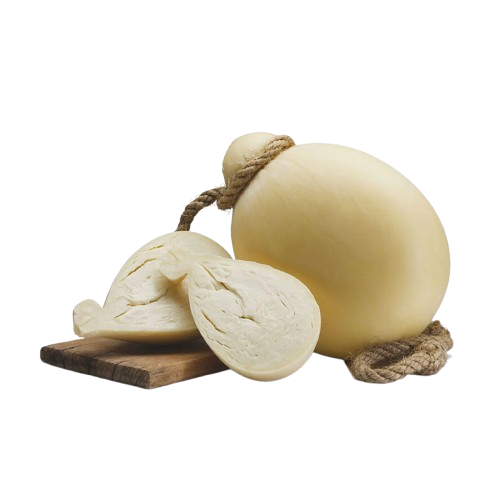
Provolone cheese calories are high, with a 100g serving of standard provolone containing 351 calories. A 1-ounce slice of Provolone provides 100 calories, and a deli slice (21g) has 75 calories. Aged Provolone Piccante is more calorie-dense, with 350-370 calories per 100g, while reduced-fat provolone offers a lower range of 270-300 calories per 100g. Burning the 100 calories from an ounce of provolone cheese might require activities such as 10-12 minutes of jogging, 12-15 minutes of brisk walking, or about 15 minutes of cycling at a moderate intensity.
Provolone cheese nutrition facts show that a 100g portion of standard provolone is rich in protein at 25.6g (51% Daily Value/DV) and fat at 26.6g (34% DV), of which 17.6g is saturated fat (66% DV). It contains 2.1g of carbohydrates (1% DV), primarily residual lactose with 0.6g to 1g of sugar, and 0g of fiber. Key minerals include calcium (756mg, 76% DV) phosphorus (496mg, 71% DV), zinc (3.23mg, 29% DV) and selenium (14.5µg, 26% DV). Sodium content is high at 876mg (38% DV) per 100g. Vitamins present in Provolone include Vitamin B12 (1.46µg, 61% DV) and Vitamin A (236µg RAE, 26% DV).
Provolone is an essential ingredient in many popular main dishes, such as the Philly cheesesteak, widely available at chains like Charleys Cheesesteaks or historic spots like Pat's King of Steaks in Philadelphia. It is a staple in Italian subs or hoagies found at delis like Jersey Mike's Subs and Subway, and in meatball subs offered by many pizzerias. Provolone is not typically used in desserts due to its savory profile. Dairy products like provolone contribute significantly to dietary calcium and high-quality protein intake, which are important for bone health (Gueguen, L. & Pointillart, A., 2000, "The Bioavailability of Dietary Calcium"). The main types of provolone are "Dolce" (mild, sweet, aged 2-3 months) and "Piccante" (sharp, piquant, aged 4 months to over a year), with smoked versions also being common. Provolone cheese originated in Southern Italy.
Italy and the United States are the top producers of provolone cheese, with significant consumption in these countries as well as in Argentina and Canada. The price of provolone cheese has generally increased over the past 20 years. In the early 2000s, a one-pound (454g) package of Provolone Dolce in the U.S. ranged from $3.50 to $5.50. By the early 2020s, it had increased to $5.00 to $8.00 or more, with Provolone Piccante being more expensive.
Provolone Cheese nutrition
- Cholesterol in Provolone Cheese
- Sodium in Provolone Cheese
- Potassium in Provolone Cheese
- Sugar in Provolone Cheese
- Fiber in Provolone Cheese
- Protein in Provolone Cheese
- Carbs in Provolone Cheese
- Fat in Provolone Cheese
- Vitamins in Provolone Cheese
- Minerals in Provolone Cheese
Cholesterol in Provolone Cheese
Provolone cheese contains 69mg of cholesterol per 100g (3.5 oz) serving. One ounce (28.35g, 1 oz) of provolone cheese provides 20mg of cholesterol. Some brands may list slightly different values; for example, Dietz & Watson Inc. Provolone cheese contains 71mg of cholesterol per 100g.
Provolone cheese has a high sodium content, with 876mg of sodium per 100g (3.5 oz) serving (38% DV). One ounce (28.35g, 1 oz) of provolone cheese provides 248mg of sodium (11% DV). Some brands like Dietz & Watson Inc. list 467mg of sodium per 100g (20% DV), while Schnuck Markets, Inc. Provolone cheese contains 909mg per 100g (40% DV).
Provolone cheese contains 138mg of potassium per 100g (3.5 oz) serving (3% DV). One ounce (28.35g, 1 oz) of provolone cheese provides 39mg of potassium (1% DV).
Provolone cheese contains a very small amount of sugar, with 0.6g to 1g of total sugars per 100g (3.5 oz) serving. This is primarily residual lactose from the milk. Many provolone cheese products will list 0g of sugar per serving slice due to the small serving size.
Provolone cheese contains 0g of dietary fiber per 100g (3.5 oz) serving.
Provolone cheese is a good source of protein, providing 25.6g of protein per 100g (3.5 oz) serving (51% DV). One ounce (28.35g, 1 oz) of provolone cheese contains 7.3g of protein. Some brands like Dietz & Watson Inc. list up to 29g of protein per 100g.
Provolone cheese is very low in carbohydrates, containing 2.1g of total carbohydrates per 100g (3.5 oz) serving (1% DV). One ounce (28.35g, 1 oz) of provolone cheese provides 0.6g of total carbohydrates. Some brands may list 0g of carbohydrates per 100g or per slice.
Provolone cheese is high in fat, containing 26.6g of total fat per 100g (3.5 oz) serving (34% DV). One ounce (28.35g, 1 oz) of provolone cheese provides 7.5g of total fat. Some brands, such as Dietz & Watson Inc., list 24g of fat per 100g.
A 100g (3.5 oz) serving of provolone cheese is an excellent source of Vitamin B12, providing 1.46µg (61% DV). It is also a good source of Vitamin A, with 236µg RAE (26% DV), and Riboflavin (Vitamin B2) at 0.32mg (25% DV). Other vitamins present in smaller amounts include Vitamin D (0.5µg, 3% DV), Vitamin B6 (0.07mg, 5% DV), and Folate (10µg, 3% DV).
A 100g (3.5 oz) serving of provolone cheese is an excellent source of Calcium, providing 756mg (76% DV), and Phosphorus at 496mg (71% DV). It is also a good source of Zinc, with 3.23mg (29% DV), and Selenium at 14.5µg (26% DV). Sodium content is high at 876mg (38% DV), and it contains Potassium at 138mg (3% DV).
Get a Custom Report on Provolone Cheese Nutrition Data – Contact Us!
What are the Types of Provolone Cheese?
There are two main types of Provolone cheese, differentiated by their aging period and flavor profile: Provolone Dolce and Provolone Piccante. Variations also exist based on whether it is smoked. The table below shows these common types of Provolone and their calorie information.
| Type | Description | Calories (per 100g) | Calorie Qualifications |
|---|---|---|---|
|
Provolone Dolce (Sweet/Mild)
|
Aged for a shorter period (2-3 months). Mild, sweet, milky flavor. Smooth, semi-hard texture. | 351 | Standard calorie count for common provolone. |
|
Provolone Piccante (Sharp/Aged)
|
Aged for a longer period (4 months to over a year). Sharper, tangier, more intense flavor. Firmer, sometimes crumbly. | 350-370 | Slightly higher in calories due to lower moisture and more concentrated fats and proteins. |
|
Smoked Provolone
|
Either Dolce or Piccante Provolone that has been naturally smoked. Imparts a smoky flavor. | 351-370 | Calorie content is similar to its unsmoked counterpart of the same age. |
|
Reduced-Fat Provolone
|
Made with lower-fat milk to reduce overall fat and calorie content. Milder flavor, sometimes different texture. | 270-300 | Lower in calories and fat than full-fat versions. |
What are the Main Dishes with Provolone Cheese?
Provolone cheese is a popular and versatile cheese featured in a variety of main dishes, particularly in Italian-American cuisine and deli-style sandwiches. Some of the most widespread main dishes that contain provolone cheese include Philly cheesesteaks, Italian subs, and various baked pasta dishes. It melts beautifully, making it ideal for hot sandwiches and as a topping. The table below lists diverse main dishes incorporating provolone cheese, along with estimated nutritional information:
| Dish Name | Calories (per serving) | Type of Provolone | Carbs (g) | Sugar (g) | Protein (g) | Fat (g) | Cuisine | Restaurants |
|---|---|---|---|---|---|---|---|---|
|
Philly Cheesesteak
|
600-1000+ | Provolone Dolce (often mild) | 40-60 | 3-7 | 30-50 | 25-50+ | American (Philadelphia) | Pat's King of Steaks (Philadelphia), Geno's Steaks (Philadelphia), Charleys Cheesesteaks |
|
Italian Sub/Hoagie (with Provolone)
|
500-900 | Provolone Dolce | 45-65 | 5-10 | 25-40 | 20-40 | Italian-American, American Deli | Subway, Jersey Mike's Subs, Jimmy John's, local delis |
|
Meatball Sub with Provolone
|
600-900 | Provolone Dolce | 50-70 | 8-15 | 25-40 | 25-45 | Italian-American | Subway, Firehouse Subs, local pizzerias and delis |
|
Chicken Parmesan Sandwich (with Provolone)
|
550-850 | Provolone Dolce | 45-65 | 6-12 | 30-45 | 20-35 | Italian-American | Local Italian-American eateries, some pizzerias offering hot subs |
|
Baked Ziti or Penne with Provolone Topping
|
500-750 | Provolone Dolce (often mixed with mozzarella) | 45-65 | 8-15 | 25-35 | 20-35 | Italian-American | Sbarro, family-style Italian restaurants |
|
Stromboli or Calzone (with Provolone)
|
500-800+ (portion) | Provolone Dolce | 50-70 | 3-7 | 20-35 | 20-40 | Italian-American | Villa Italian Kitchen, local pizzerias |
|
French Dip Sandwich (often with Provolone option)
|
450-700 | Provolone Dolce | 35-50 | 2-5 | 25-40 | 18-30 | American | Arby's (some roast beef sandwiches offer cheese), local delis and diners |
|
Antipasto Platter/Charcuterie Board (with Provolone)
|
Varies (per portion) | Provolone Piccante or Dolce | Varies | Varies | Varies | Varies | Italian, International | Eataly, Italian wine bars, upscale restaurants with cheese boards |
|
Gourmet Grilled Cheese with Provolone
|
400-650 | Provolone Dolce, Smoked Provolone | 30-45 | 3-6 | 15-25 | 20-35 | American | Tom & Chee, various cafes specializing in grilled cheese |
|
Muffuletta Sandwich (New Orleans - some variations use Provolone)
|
700-1000+ (whole sandwich portion) | Provolone Dolce | 50-70 | 4-8 | 30-45 | 35-55+ | Italian-American (New Orleans) | Central Grocery (New Orleans - original), some delis offering muffulettas |
|
Chicken Provolone (Baked or Pan-fried chicken topped with Provolone & sauce)
|
400-600 | Provolone Dolce | 10-20 | 3-6 | 35-50 | 18-30 | Italian-American | Some casual dining Italian or American restaurants |
|
Provolone Burger Topping
|
Adds 70-100 calories | Provolone Dolce or Smoked | <1-2 | <1 | 5-7 | 6-8 | American | Red Robin Gourmet Burgers, The Counter, many burger joints offering cheese choices |
|
Arancini (Rice Balls sometimes stuffed with Provolone)
|
150-250 (per ball) | Provolone Dolce (cubed) | 20-30 | <1-2 | 5-8 | 6-12 | Italian (Sicilian) | Some authentic Italian restaurants |
What Cuisines Prefer Provolone Cheese the Most?
Provolone cheese is most prominently featured and preferred in Italian cuisine, its country of origin, and subsequently in Italian-American cuisine, where it has become a staple in many iconic dishes. Its excellent melting properties and range of flavors from mild to sharp make it a versatile choice for sandwiches, baked dishes, and as a table cheese. The table below highlights cuisines that frequently utilize provolone cheese.
| Cuisine | Dish Name | Calories (per serving) | Restaurants |
|---|---|---|---|
|
Italian
|
Used in Panini, as a table cheese, some regional baked dishes | Varies | Authentic Italian delicatessens, Eataly |
|
Italian-American
|
Philly Cheesesteak | 600-1000+ | Pat's King of Steaks, Geno's Steaks, Charleys Cheesesteaks |
|
Italian-American
|
Italian Sub/Hoagie | 500-900 | Subway, Jersey Mike's Subs, Jimmy John's |
|
Italian-American
|
Meatball Sub with Provolone | 600-900 | Firehouse Subs, local pizzerias |
|
Italian-American
|
Chicken Parmesan (often uses Provolone/Mozzarella) | 500-800 | Olive Garden (may use it), Carrabba's Italian Grill (may use it) |
|
American Deli-Style
|
Various Hot and Cold Sandwiches | Varies | Most delicatessens, e.g., Katz's Delicatessen (offers provolone for sandwiches) |
|
American
|
Gourmet Grilled Cheese with Provolone | 400-650 | Tom & Chee |
|
American
|
Burger Topping | Adds 70-100 cals | Red Robin Gourmet Burgers, The Counter |
Which Countries Produce the Most Provolone Cheese?
The top producers of Provolone cheese globally are Italy and the United States. Italy is the country of origin for Provolone, and it continues to produce authentic Provolone, including varieties with Protected Designation of Origin (PDO) status like Provolone Valpadana. The United States has a very large dairy industry and manufactures substantial quantities of Provolone-style cheese, which is widely used in sandwiches and cooking. Other countries with notable dairy industries and a market for Italian-style cheeses, such as Argentina and Australia, also produce Provolone. The table below uses estimated production figures for Provolone cheese based on available data for these key producing nations.
| Country | 2004 | 2005 | 2006 | 2007 | 2008 | 2009 | 2010 | 2011 | 2012 | 2013 | 2014 | 2015 | 2016 | 2017 | 2018 | 2019 | 2020 | 2021 | 2022 | 2023 (Est.) |
|---|---|---|---|---|---|---|---|---|---|---|---|---|---|---|---|---|---|---|---|---|
| USA | 140 | 145 | 150 | 155 | 160 | 155 | 158 | 160 | 162 | 165 | 168 | 170 | 172 | 170 | 168 | 165 | 170 | 168 | 165 | 166 |
| Italy | 70 | 72 | 75 | 78 | 80 | 77 | 78 | 80 | 82 | 83 | 85 | 86 | 87 | 88 | 89 | 90 | 88 | 89 | 90 | 91 |
| Argentina | 20 | 22 | 23 | 25 | 26 | 24 | 25 | 26 | 27 | 28 | 29 | 30 | 31 | 32 | 33 | 34 | 32 | 33 | 34 | 35 |
| Brazil | 15 | 16 | 17 | 18 | 19 | 18 | 19 | 20 | 21 | 22 | 23 | 24 | 25 | 26 | 27 | 28 | 26 | 27 | 28 | 29 |
| Australia | 8 | 9 | 9 | 10 | 10 | 9 | 10 | 11 | 11 | 12 | 12 | 13 | 13 | 14 | 14 | 15 | 14 | 15 | 15 | 16 |
Which Countries Consume the Most Provolone Cheese?
Based on production data, import/export figures, and market research on cheese consumption, the United States is the largest overall consumer of Provolone cheese by total volume, driven by its widespread use in delis, sandwich shops, and pizzerias. Italy, as the country of origin, also has significant per capita consumption. Other countries with substantial Italian immigrant populations or a strong affinity for Italian-style foods, such as Argentina, Canada, and Australia, are also notable consumers.
| Country | 2004 | 2005 | 2006 | 2007 | 2008 | 2009 | 2010 | 2011 | 2012 | 2013 | 2014 | 2015 | 2016 | 2017 | 2018 | 2019 | 2020 | 2021 |
|---|---|---|---|---|---|---|---|---|---|---|---|---|---|---|---|---|---|---|
| USA | 150 | 155 | 160 | 165 | 170 | 165 | 168 | 170 | 172 | 175 | 178 | 180 | 182 | 180 | 178 | 175 | 180 | 178 |
| Italy | 60 | 62 | 65 | 68 | 70 | 67 | 68 | 70 | 72 | 73 | 75 | 76 | 77 | 78 | 79 | 80 | 78 | 79 |
| Argentina | 22 | 24 | 25 | 27 | 28 | 26 | 27 | 28 | 29 | 30 | 31 | 32 | 33 | 34 | 35 | 36 | 34 | 35 |
| Canada | 18 | 19 | 20 | 21 | 22 | 21 | 22 | 23 | 24 | 25 | 26 | 27 | 28 | 29 | 30 | 31 | 30 | 31 |
| Brazil | 14 | 15 | 16 | 17 | 18 | 17 | 18 | 19 | 20 | 21 | 22 | 23 | 24 | 25 | 26 | 27 | 25 | 26 |
How Do Prices of Provolone Cheese-including Dishes Change?
The prices of restaurant dishes that have Provolone cheese, such as Philly cheesesteaks, Italian subs, meatball subs, and various baked dishes, have increased over the past 20 years. This is due to the rising cost of Provolone cheese itself, along with more substantial increases in the prices of other main ingredients (meats, bread, other produce), and major escalations in overall restaurant operating costs, including labor, rent, and energy. Provolone is a staple in many popular deli and Italian-American dishes, and its cost influences menu pricing. Below is a comparison of prices of provolone cheese-including dishes in restaurants from mid 2000s to 2024:
| Restaurant Chain/Type | Dish | Old Price (2004-2008) | Estimated Current Price (2024-2025) |
|---|---|---|---|
| Subway | Italian Sub | $4.50 - $7.50 | $7.50 - $12.50 |
| Charleys Cheesesteaks | Philly Cheesesteak with Provolone (Regular) | $5.99 - $7.99 | $9.49 - $13.49 |
| Firehouse Subs | Italian Sub with Provolone (Medium) | $5.79 - $7.29 | $9.29 - $12.79 |
| Arby's (some sandwiches) | Roast Beef | $3.99 - $5.49 | $6.49 - $8.99 |
| Sbarro | Stromboli with Provolone | $4.99 - $6.99 (Slice/Small) | $7.99 - $10.99 (Slice/Small) |
What is the Provolone Cheese Calorie for 100g?
A 100g (3.5 oz) serving of provolone cheese contains 351 calories. Some brands may list slightly different values, such as Dietz & Watson Inc. Provolone cheese with 357 calories per 100g, or Bongards Creameries Provolone cheese with 333 calories per 100g. Provolone cheese with reduced fat (100g) contains 274 calories.
What is the Provolone Cheese Calorie for 1 KG?
One kilogram (1000g, 35.27 oz) of provolone cheese contains 3510 calories.
What is the Provolone Cheese Calorie for 1 Slice?
The calorie content of one slice of provolone cheese depends on its weight and thickness. A typical deli slice of provolone cheese weighing 1 oz (28.35g) contains 100 calories. A smaller slice (17g, 0.6 oz) like Dutch Farms Provolone Cheese Slices contains 60 calories. Kraft Natural Cheese Provolone Slices (21g per slice) contain 70 calories per slice. Great Value Sliced Provolone Cheese (19g per slice) also contains 70 calories. The Counter Provolone (1 slice) contains 80 calories.
What are the Health Benefits of Provolone Cheese?
Provolone cheese provides some health benefits like supporting bone density and offering high-quality protein due to its rich concentration of calcium, phosphorus, and complete proteins derived from milk. A list of the health benefits of provolone cheese are shown below:
- Good Source of Calcium: Provolone cheese is packed with calcium, a mineral essential for building and maintaining strong bones and teeth. Adequate calcium intake is crucial for preventing osteoporosis. (Heaney, R.P., 2006, "Bone health").
- Rich in High-Quality Protein: It is a good source of high-quality protein, providing all the essential amino acids necessary for muscle repair, growth, and the production of enzymes and hormones. (Paddon-Jones, D. & Rasmussen, B.B., 2009, "Dietary protein recommendations and the prevention of sarcopenia").
- High in Phosphorus: Provolone cheese contains a significant amount of phosphorus, which works in conjunction with calcium to support bone health and is also a key component of cell membranes and energy metabolism.
- Provides Vitamin B12: It is a good source of Vitamin B12, essential for nerve function, the formation of red blood cells, and DNA synthesis.
- Source of Other Important Nutrients: Provolone cheese also contributes other beneficial nutrients such as zinc, important for immune function and wound healing, selenium, an antioxidant, and Vitamin A.
- May Contribute to Dental Health: Cheese consumption, including provolone, can stimulate saliva flow and provides calcium and phosphorus, which may help protect tooth enamel and reduce the risk of dental caries. (Kashket, S. & Zero, D.T., 2006, "The Efficacy of an Intraoral Device to Deliver Fluoride and Other Therapeutic Agents to the Teeth").
What are the Downsides of Provolone Cheese?
Provolone cheese has been known to cause some unwanted effects like high saturated fat and sodium content due to its composition as a full-fat, salted cheese. A list of the downsides of provolone cheese are shown below:
- High in Saturated Fat: Provolone cheese is high in saturated fat. Diets rich in saturated fat can contribute to increased levels of LDL (bad) cholesterol, which is a risk factor for heart disease. (American Heart Association, "Saturated Fat").
- Very High Sodium Content: Provolone cheese contains a substantial amount of sodium, added during the cheesemaking process for flavor, texture, and preservation. A 100g serving can contain over 800mg of sodium. High sodium intake is a major risk factor for high blood pressure and cardiovascular disease. (He, F.J. & MacGregor, G.A., 2013, "Salt reduction lowers cardiovascular risk: meta-analysis of outcome trials").
- Calorie-Dense: Due to its high fat and protein content, provolone cheese is calorie-dense. Overconsumption can contribute to excessive calorie intake and potential weight gain if not balanced within an overall dietary plan.
- Contains Lactose: Although an aged cheese, provolone still contains some lactose. While amounts are lower than in fresh cheeses or milk, individuals with moderate to severe lactose intolerance may still experience digestive symptoms.
- Tyramine Content (especially in aged/smoked varieties): Aged cheeses, including some types of provolone (especially Piccante or smoked), can contain tyramine. This can be a concern for individuals taking MAOI medications or those sensitive to tyramine, potentially triggering headaches or hypertensive reactions. (Shulman, K.I., et al., 2006, "Dietary restriction, tyramine, and the use of monoamine oxidase inhibitors").
How Long Does Provolone Cheese Last in the Refrigerator?
Provolone cheese, when properly stored in the refrigerator, can last for 2 to 4 weeks after opening if it is a block, and 5 to 7 days for sliced provolone. Unopened vacuum-sealed packages of provolone can last much longer, often for 2 to 3 months or until the date on the package. The shelf life of provolone cheese depends on whether it is sliced or in a block, its packaging, and how it is handled. To maximize its freshness, it should be tightly wrapped in plastic wrap or aluminum foil, or stored in an airtight container to prevent it from drying out and absorbing other odors. If mold appears on hard or semi-hard cheese like provolone, the USDA Food Safety and Inspection Service suggests cutting off at least 1 inch around and below the mold spot for hard cheeses; however, for sliced, shredded, or crumbled provolone, if mold is present, the entire package should be discarded. (U.S. Department of Agriculture, Food Safety and Inspection Service, "Molds On Food: Are They Dangerous?").
Provolone cheese should not be left out of the refrigerator for more than 2 hours, or 1 hour if the ambient temperature is above 90°F (32°C). Beyond this time, bacteria can grow rapidly, increasing the risk of foodborne illness.
Is Provolone Cheese Good for You?
Yes, provolone cheese can be good for you when consumed in moderation as part of a balanced diet. It is a nutrient-dense food, offering high-quality protein, calcium, phosphorus, and Vitamin B12, which are beneficial for bone health, muscle development, and nerve function. (Gaucheron, F., 2005, "The minerals of milk"). However, it is also important to acknowledge that provolone cheese is high in saturated fat and sodium, and it is calorie-dense. Therefore, portion control is crucial to harness its benefits without contributing excessively to saturated fat or sodium intake, which can have negative cardiovascular implications if overconsumed. (Huth, P.J. & Park, K.M., 2012, "Influence of dairy product and milk fat consumption on cardiovascular disease risk: a review of the evidence").
Is Provolone Cheese Healthy?
Yes, provolone cheese can be part of a healthy diet if consumed in moderation. It provides valuable nutrients such as protein, calcium, phosphorus, and Vitamin B12, which contribute to bone strength, muscle function, and overall metabolic health. (Weaver, C.M., 2014, "Dairy and bone health"). For example, its high calcium content is beneficial for maintaining bone density. However, provolone cheese is also high in saturated fat and sodium, and it is calorie-dense. A diet high in saturated fat and sodium can increase the risk of heart disease and high blood pressure. (Appel, L.J., et al., 2011, "Dietary approaches to prevent and treat hypertension: a scientific statement from the American Heart Association"). Therefore, while it offers nutritional benefits, it should be eaten in controlled portions as part of a diet that also includes plenty of fruits, vegetables, lean proteins, and whole grains to maintain overall health. (Willett, W.C., et al., 2019, "Food in the Anthropocene: the EAT–Lancet Commission on healthy diets from sustainable food systems").
Is Provolone Cheese Heart Healthy?
No, provolone cheese is not considered a "heart-healthy" food when consumed in large quantities due to its high content of saturated fat and sodium. Diets high in saturated fat can raise LDL ("bad") cholesterol levels, which is a risk factor for atherosclerosis and heart disease. (Siri-Tarino, P.W., et al., 2010, "Meta-analysis of prospective cohort studies evaluating the association of saturated fat with cardiovascular disease"). Additionally, the high sodium content in provolone cheese can contribute to elevated blood pressure, another major risk factor for cardiovascular problems. (He, F.J. & MacGregor, G.A., 2013, "Salt reduction lowers cardiovascular risk: meta-analysis of outcome trials"). While provolone cheese does contain beneficial nutrients like calcium, its adverse components for heart health often outweigh these when considering it specifically for cardiovascular benefits. For a heart-healthy diet, it is generally recommended to choose lower-fat and lower-sodium cheeses and consume all cheese in moderation. (U.S. Department of Health and Human Services and U.S. Department of Agriculture, "Dietary Guidelines for Americans, 2020-2025").
How Do Calories Change According to Provolone Cheese Types?
The calorie content of Provolone cheese changes primarily based on its age and fat content. Standard Provolone Dolce (mild, younger) contains 351 calories per 100g. As Provolone ages to become Provolone Piccante (sharp), it loses moisture, causing the fats and proteins to become more concentrated. This results in a slightly higher calorie count for Provolone Piccante, typically ranging from 350 to 370 calories per 100g. Smoked Provolone will have a caloric value similar to its unsmoked base (Dolce or Piccante), as the smoking process itself does not add significant calories. The most notable difference in calories comes with reduced-fat Provolone, which is specifically formulated to be lower in fat and therefore contains fewer calories, generally between 270 and 300 calories per 100g. The highest calorie Provolone types are the well-aged Piccante varieties due to their lower moisture and concentrated nutrients.
What are Desserts with Provolone Cheese?
The use of provolone cheese in desserts is very uncommon. Provolone, especially Provolone Piccante, has a savory, sharp, and sometimes tangy or smoky flavor profile that is not commonly complementary to sweet dessert ingredients. Although some aged, hard cheeses can be paired with fruits or honey as part of a cheese course that bridges savory and sweet, provolone is not a standard choice for dessert applications.
Does Provolone Cheese Macros Change When Melted?
No, the macronutrient composition (protein, fat, carbohydrates) of provolone cheese itself does not change when it is simply melted. Melting is a physical change, not a chemical one that alters the fundamental nutrient makeup of the cheese per gram. The same amount of provolone cheese, whether solid or melted, will contain the same grams of protein, fat, and carbohydrates, and thus the same number of calories.
However, what can sometimes happen during melting, especially with higher heat or if the cheese is cooked for a prolonged period, is that some of the fat may "oil out" or separate from the cheese. If this separated fat is drained away or not consumed with the rest of the melted cheese, then the portion of cheese actually eaten would effectively have a slightly lower fat content and thus fewer calories than the original solid piece from which the fat was lost. But the cheese itself, if all melted components are consumed, retains its original macronutrient profile. The cheese itself does not gain or lose macros simply by transitioning from a solid to a liquid state.
What is the Origin of Provolone Cheese?
Provolone cheese originates from Southern Italy, with its roots in the Campania region, near Mount Vesuvius, and its name is believed to derive from the Neapolitan words "prova" or "provola," meaning a globe or ball shape. It is a "pasta filata" or stretched-curd cheese, similar in production technique to mozzarella. The cheesemaking process involves heating fresh milk curds in hot water or whey, then stretching and kneading them to achieve a smooth, elastic consistency before being molded into various shapes (pear, sausage, cone, or large cylinders) and sizes.
While mozzarella is typically consumed fresh, provolone was developed as an aged version of this style of cheese, allowing it to be preserved for longer periods and to develop a more complex and piquant flavor. There are two main types: Provolone Dolce, which is aged for a shorter period (2-3 months) and has a milder, sweeter taste, and Provolone Piccante, which is aged longer (4 months to over a year) and develops a much sharper, tangier, and more intense flavor. An iconic dish that beautifully showcases provolone's excellent melting quality and satisfying flavor is the Philly Cheesesteak. In this classic American sandwich, thinly sliced steak and (often) caramelized onions are piled into a hoagie roll and topped with melted provolone (though Cheez Whiz and American cheese are also common options). The provolone's smooth melt and savory taste meld perfectly with the steak and onions, creating a beloved regional specialty that has gained worldwide fame, highlighting how this Italian cheese became integral to an American classic.