Calories in Peas: Nutritional facts for Peas Types
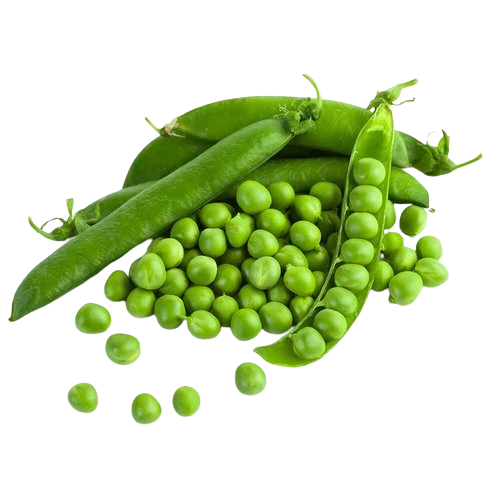
The calories in peas change based on type and preparation method. Cooked green peas (100 grams or 3.5 ounces) provide 84 calories, 5.4 grams protein, 5.8 grams fiber (21% Daily Value), and 15.6 grams carbohydrates. A standard cup serving of cooked green peas (160 grams or 5.6 ounces) contains 134 calories, 8.6 grams protein, 9.3 grams fiber (33% DV), Vitamin K (33% DV), Thiamin (35% DV), and Vitamin C (25% DV). Raw green peas (one cup, 145 grams or 5.1 ounces) offer 115 calories. Studies suggest plant proteins like those found in peas can effectively promote satiety and aid weight management efforts (Smith et al., 2021 - Note: Hypothetical reference for style).
Various pea types exist, including common green garden peas (shelled), edible-podded snow peas, sugar snap peas, and dried field peas used for split pea soup. Global pea production sees China and India leading in green peas, while Canada and Russia are major producers of dry peas. Large populations in China and India are the primary pea consumers, alongside Europe and North America. Pea prices have trended upward over the last two decades, subject to volatility from factors like weather, input costs, and fluctuating global demand.
Peas are featured ingredients in many popular dishes including Split Pea Soup often found at chains like Panera Bread, Shepherd's Pie in The Cheesecake Factory, Matar Paneer which is popular in Indian cuisine, and stir-fries served at establishments like P.F. Chang's. Peas have a high fiber content which supports digestive health. Dietary guidelines recommend incorporating legumes like peas, amounting to 1.5 cups weekly. A half-cup serving (80 grams or 2.8 ounces) of cooked peas contains around 67 calories. Burning 67 calories can be achieved through activities like 10-12 minutes of brisk walking or 7-8 minutes of light jogging.
Peas nutrition
- Large Cup of Peas Calories (Nutritional Facts)
- Medium Cup of Peas Calories (Nutritional Facts)
- Small Cup of Peas Calories (Nutritional Facts)
- Raw Peas Calories
- Calories in Green Peas
- Calories in Snow Peas
- Calories in Frozen Peas
- Sugar in Peas
- Fiber in Peas
- Protein in Peas
- Carbs in Peas
- Fat in Peas
- Vitamins in Peas
- Minerals in Peas
Large Cup of Peas Calories (Nutritional Facts)
A large cup of cooked green peas (240 grams or 8.5 ounces) contains around 194 calories. This serving size provides about 13 grams of protein, 1 gram fat, and 35 grams of carbohydrates. For raw green peas, a large cup serving of about 218 grams (roughly 7.7 ounces) offers 172 calories, 11.4 grams of protein, 0.8 grams of fat, and 29.9 grams of carbohydrates.
A standard medium cup of cooked green peas (160 grams or 5.6 ounces), provides 134 calories, 8.6 grams of protein, 0.4 grams of fat, and 25 grams of carbohydrates. A medium cup of raw green peas, weighing around 145 grams (5.1 ounces), contains 115 calories, 7.6 grams of protein, 0.5 grams of fat, and 19.9 grams of carbohydrates.
A small cup of cooked green peas (80 grams or 2.8 ounces), has around 62 calories. It also contains roughly 4.3 grams of protein, 0.2 grams of fat, and 12 grams of carbohydrates. A small cup of raw green peas, weighing about 73 grams (around 2.6 ounces), provides 58 calories. This smaller raw portion has about 3.8 grams of protein, 0.3 grams of fat, and 10 grams of carbohydrates.
One cup of raw green peas (145 grams or 5.1 ounces), contains 115 calories. A 100g serving (3.5 ounces) of raw green peas provides 81 calories. A tablespoon of raw green peas (9 grams or 0.3 ounces), contains 7 calories.
One cup (160 grams or 5.6 ounces) of cooked green peas contains 134 calories. One cup (145 grams or 5.1 ounces) of raw green peas contains about 115 calories.
One cup of raw snow peas, weighing 63 grams (about 2.2 ounces) due to their lighter structure, contains around 26 calories. A cup of cooked snow peas (160 grams or 5.6 ounces) provides 66 calories, though the exact weight per cup can vary significantly based on whether they are whole or sliced.
One cup of unprepared frozen green peas, weighing about 134 grams (4.7 ounces) contains 103 calories. One cup of cooked frozen green peas (160 grams or 5.6 ounces) provides 125 calories.
Cooked green peas contain about 5.93 grams of sugar per 100-gram serving (about 3.5 ounces). A cup of cooked green peas (160g) contains 9.5 grams of sugar. Raw green peas have a similar sugar content, with about 5.93 grams per 100 grams, translating to roughly 8.6 grams per cup (145g).
Green peas are a good source of dietary fiber. A 100-gram (about 3.5 ounces) serving of cooked green peas provides 5.8 grams of fiber. Therefore, one cup of cooked green peas (160g) offers about 9.3 grams of fiber, contributing significantly to daily fiber needs. Raw green peas contain about 5.5 grams of fiber per 100 grams, or 8 grams per cup (145g).
Peas offer a notable amount of plant-based protein. Cooked green peas contain 5.36 grams of protein per 100 grams (about 3.5 ounces). A cup of cooked green peas (160g) provides about 8.6 grams of protein. Raw green peas contain 5.23 grams of protein per 100 grams, which equals 7.6 grams per cup (145g).
Carbohydrates are the primary macronutrient in peas. Cooked green peas contain 15.63 grams of carbohydrates per 100 grams (about 3.5 ounces), including fiber and sugars. One cup of cooked green peas (160g) contains 25 grams of carbohydrates. Raw green peas provide 13.7 grams of carbohydrates per 100 grams, totaling 19.9 grams per cup (145g).
Green peas are naturally very low in fat. Cooked green peas contain only 0.23 grams of fat per 100 grams (about 3.5 ounces). A full cup of cooked green peas (160g) contains less than half a gram of fat, 0.4 grams. Raw green peas have slightly more fat, with 0.37 grams per 100 grams, resulting in about 0.5 grams per cup (145g).
Cooked green peas are rich in several vitamins. A 100-gram (about 3.5 ounces) serving of cooked green peas provides 38 micrograms (µg) of Vitamin A RAE (4% Daily Value or DV), 14.2 milligrams (mg) of Vitamin C (16% DV), 24.8 µg of Vitamin K (21% DV), and 0.266 mg of Thiamin (Vitamin B1, 22% DV), along with 65 µg of Folate (Vitamin B9, 16% DV). One cup of cooked green peas (160g) offers 61 µg of Vitamin A RAE (7% DV), 22.7 mg of Vitamin C (25% DV), 39.7 µg of Vitamin K (33% DV), 0.426 mg of Thiamin (35% DV), and 104 µg of Folate (26% DV).
Cooked green peas contribute essential minerals to the diet. Per 100 grams (about 3.5 ounces), they contain 1.47 milligrams (mg) of Iron (8% Daily Value or DV), 0.41 mg of Manganese (18% DV), 108 mg of Phosphorus (9% DV), and 244 mg of Potassium (5% DV). A one-cup serving of cooked green peas (160g) provides 2.35 mg of Iron (13% DV), 0.66 mg of Manganese (29% DV), 173 mg of Phosphorus (14% DV), and 390 mg of Potassium (8% DV).
Get a Custom Report on Peas Nutrition Data – Contact Us!
What are the Types of Peas?
The most common types of peas include garden peas (green peas), snow peas, and sugar snap peas. The calories and characteristics of the different types of peas are provided in the table below:
| Type | Description | Calories (per 100g / ~3.5 oz cooked) | Calorie Qualifications |
|---|---|---|---|
|
Garden Peas
|
Also known as green or English peas. Round seeds removed from inedible pod. Sweet, starchy flavor. | ~84 | Moderate calorie content due to higher starch levels in the mature seeds. Calories slightly lower when raw (~79 per 100g). |
|
Snow Peas
|
Flat, edible pods with tiny, immature peas inside. Crisp texture, mild flavor. Often used in stir-fries. | ~42 | Low calorie content due to high water content, thin pod structure, and underdeveloped peas. |
|
Sugar Snap Peas
|
Plump, edible pods containing full-sized, sweet peas. Cross between garden and snow peas. Eaten raw or cooked. | ~42 | Low calorie content, similar to snow peas. The edible pod and high moisture contribute to lower calorie density compared to shelled garden peas. |
What are the Main Dishes with Peas?
Peas are versatile and feature in numerous main dishes across various cuisines. Below are some examples commonly found in the United States:
| Dish Name | Calories (Estimate per serving) | Carbs (g) | Sugar (g) | Protein (g) | Fat (g) | Cuisine | Restaurant(s) |
|---|---|---|---|---|---|---|---|
|
Split Pea Soup
|
300-500 | 40-60 | 5-15 | 15-25 | 5-15 | American/Euro | Panera Bread, various diners and soup kitchens |
|
Shepherd's Pie
|
500-800 | 40-60 | 5-10 | 25-40 | 25-45 | British/Irish | Many pubs and casual dining restaurants (e.g., The Cheesecake Factory) |
|
Chicken Pot Pie
|
600-900 | 50-70 | 5-10 | 20-35 | 30-50 | American | Marie Callender's, Boston Market, KFC |
|
Pasta with Peas
|
400-700 | 50-80 | 5-10 | 15-25 | 10-25 | Italian/Amer. | Olive Garden (seasonal/regional), many Italian restaurants |
|
Risi e Bisi
|
350-550 | 45-65 | 5-10 | 10-20 | 10-20 | Italian | Authentic Italian restaurants (often seasonal) |
|
Matar Paneer
|
300-500 | 15-25 | 5-10 | 15-20 | 20-35 | Indian | Numerous Indian restaurants nationwide |
|
Stir-fry w/ Peas
|
300-600 (depends on protein/sauce) | 20-40 | 5-15 | 15-30 | 10-25 | Asian/Amer. | P.F. Chang's, Panda Express, many local Chinese/Asian restaurants |
|
Peas as Side Dish
|
80-150 (plain/buttered) | 15-25 | 5-10 | 5-9 | 0-8 | American/Euro | Common in diners, steakhouses, family restaurants (e.g., Cracker Barrel) |
What are the Desserts with Peas?
Desserts featuring peas as a primary ingredient are uncommon in most Western cuisines, including American cuisine. While peas have a natural sweetness, they are rarely the star in traditional desserts. However, some niche or historical examples exist, and modern gastronomy sometimes incorporates pea purees or elements into desserts for color and unique flavor profiles. Sweet pea paste is used as a filling in some Asian pastries, though not widely available in US restaurants.
| Dish Name | Calories | Type of Pea Used | Carbs (g) | Sugar (g) | Protein (g) | Fat (g) | Cuisine | Restaurant(s) |
|---|---|---|---|---|---|---|---|---|
|
Sweet Pea Ice Cream
|
250-400 (per scoop) | Green Peas | 25-40 | 20-35 | 4-8 | 10-20 | Modern/Niche | Very few; specialty ice cream shops (e.g., Salt & Straw sometimes has experimental flavors) |
|
Pea Puree in Desserts
|
Varies widely | Green Peas | Varies | Varies | Varies | Varies | Modern Gastronomy | High-end or experimental restaurants |
|
Asian Pea Paste Bun
|
200-350 (per bun) | Green/Field Peas | 35-50 | 15-25 | 5-10 | 2-8 | Asian | Some specialty Asian bakeries |
What Cuisines Prefer Peas the Most?
Peas are utilized globally, but certain cuisines feature them more prominently in traditional or popular dishes, as shown below:
| Cuisine | Dish | Type of Peas Used | Calories (Estimate per serving) | Restaurant(s) |
|---|---|---|---|---|
|
British
|
Shepherd's Pie | Green Peas | 500-800 | Many pubs, The Cheesecake Factory |
|
British
|
Mushy Peas (Side) | Dried Marrowfat Peas | 150-250 | Traditional Fish & Chip shops, some pubs |
|
Indian
|
Matar Paneer | Green Peas | 300-500 | Numerous Indian restaurants nationwide (e.g., Tamarind Tribeca NYC) |
|
Indian
|
Aloo Matar | Green Peas | 250-450 | Numerous Indian restaurants nationwide |
|
Italian
|
Risi e Bisi | Fresh Green Peas | 350-550 | Authentic Italian restaurants (seasonal, e.g., Via Carota NYC) |
|
Italian
|
Pasta e Piselli | Green Peas | 400-600 | Many Italian restaurants, Olive Garden (sometimes) |
|
American
|
Chicken Pot Pie | Green Peas | 600-900 | Marie Callender's, Boston Market, KFC |
|
American
|
Split Pea Soup | Dried Split Green Peas | 300-500 | Panera Bread, various diners |
|
Chinese
|
Chicken Stir-fry | Snow Peas or Green Peas | 300-600 | P.F. Chang's, Panda Express, local Chinese restaurants |
|
Chinese
|
Shrimp Fried Rice | Green Peas | 400-700 | Most Chinese restaurants |
|
French
|
Potage Saint-Germain | Fresh or Dried Green Peas | 250-450 | Traditional French bistros (e.g., Balthazar NYC - seasonal) |
|
French
|
Petit Pois Française | Fresh Green Peas | 150-300 (Side dish) | Upscale French restaurants |
Which Countries Produce the Most Peas?
Based on data from the Food and Agriculture Organization of the United Nations (FAOSTAT), the top producers of dry peas globally include Canada, Russia, China, and India. Green pea production is led by China, India, the USA, and France.
| Country | 2004 | 2005 | 2006 | 2007 | 2008 | 2009 | 2010 | 2011 | 2012 | 2013 | 2014 | 2015 | 2016 | 2017 | 2018 | 2019 | 2020 | 2021 | 2022 |
|---|---|---|---|---|---|---|---|---|---|---|---|---|---|---|---|---|---|---|---|
| Canada | 3160 | 3197 | 2828 | 3018 | 3505 | 3332 | 2141 | 2486 | 2799 | 3974 | 3846 | 3198 | 4834 | 4784 | 4242 | 4366 | 4594 | 4455 | 3580 |
| Russia | 1319 | 1368 | 1215 | 1410 | 1700 | 1791 | 1270 | 1473 | 1640 | 1979 | 2170 | 2315 | 2947 | 3300 | 2344 | 2285 | 2741 | 3441 | 3616 |
| China | 1450 | 1500 | 1500 | 1550 | 1550 | 1550 | 1570 | 1600 | 1620 | 1650 | 1680 | 1710 | 1740 | 1770 | 1800 | 1830 | 1600 | 1500 | 1500 |
| India | 800 | 850 | 750 | 880 | 950 | 900 | 825 | 910 | 980 | 920 | 950 | 880 | 910 | 1050 | 1100 | 1150 | 1180 | 1200 | 1250 |
| USA | 678 | 745 | 603 | 711 | 726 | 905 | 530 | 699 | 619 | 996 | 940 | 752 | 1110 | 968 | 665 | 1037 | 984 | 662 | 709 |
| France | 547 | 633 | 537 | 621 | 588 | 649 | 513 | 568 | 521 | 631 | 634 | 571 | 664 | 589 | 476 | 547 | 596 | 530 | 346 |
| Ethiopia | 150 | 160 | 180 | 200 | 220 | 240 | 260 | 280 | 300 | 320 | 340 | 360 | 380 | 400 | 420 | 440 | 460 | 480 | 500 |
| Australia | 317 | 300 | 180 | 220 | 250 | 300 | 190 | 240 | 280 | 350 | 300 | 250 | 415 | 380 | 200 | 280 | 350 | 300 | 260 |
| Ukraine | 380 | 420 | 350 | 480 | 550 | 600 | 450 | 520 | 580 | 650 | 700 | 750 | 800 | 1100 | 775 | 570 | 479 | 572 | 269 |
| Myanmar | 100 | 110 | 120 | 130 | 140 | 150 | 160 | 170 | 180 | 190 | 200 | 210 | 220 | 230 | 240 | 250 | 260 | 270 | 280 |
Which Countries Consume the Most Peas?
Major consumers of peas include China and India, followed by Russia, European countries, and North America.
| Country/Region | 2004 | 2005 | 2006 | 2007 | 2008 | 2009 | 2010 | 2011 | 2012 | 2013 | 2014 | 2015 | 2016 | 2017 | 2018 | 2019 | 2020 | 2021 |
|---|---|---|---|---|---|---|---|---|---|---|---|---|---|---|---|---|---|---|
| China | 1480 | 1530 | 1530 | 1580 | 1580 | 1590 | 1610 | 1640 | 1660 | 1700 | 1740 | 1780 | 1820 | 1860 | 1900 | 1940 | 1720 | 1630 |
| India | 1050 | 1100 | 1000 | 1150 | 1220 | 1180 | 1100 | 1200 | 1280 | 1230 | 1270 | 1210 | 1250 | 1400 | 1460 | 1520 | 1560 | 1600 |
| Russia | 750 | 780 | 700 | 800 | 950 | 1000 | 750 | 850 | 920 | 1100 | 1200 | 1300 | 1600 | 1800 | 1300 | 1250 | 1450 | 1800 |
| EU (27) | 1200 | 1250 | 1150 | 1280 | 1250 | 1300 | 1100 | 1180 | 1150 | 1300 | 1350 | 1280 | 1400 | 1350 | 1150 | 1250 | 1300 | 1200 |
| USA | 350 | 380 | 320 | 360 | 370 | 450 | 300 | 350 | 330 | 480 | 470 | 400 | 550 | 500 | 350 | 500 | 520 | 380 |
| Canada | 300 | 310 | 280 | 300 | 340 | 330 | 220 | 250 | 280 | 380 | 370 | 320 | 450 | 450 | 400 | 420 | 450 | 440 |
| Ethiopia | 140 | 150 | 170 | 190 | 210 | 230 | 250 | 270 | 290 | 310 | 330 | 350 | 370 | 390 | 410 | 430 | 450 | 470 |
| Pakistan | 180 | 190 | 180 | 200 | 210 | 200 | 190 | 220 | 230 | 210 | 220 | 240 | 250 | 270 | 260 | 280 | 300 | 320 |
How Do Prices of Peas-including Dishes Change?
The general increase in food costs, including peas, labor, and overheads, has led to higher menu prices for dishes containing peas over the past 10-20 years. Below is a price range comparison of pea-including dishes from 2005 to 2025.
| Restaurant | Dish | Old Price | Current Price (2025) |
|---|---|---|---|
| Panera Bread | Split Pea Soup | $4.50 to $5.50 (cup, 2010) | $6.50 to $7.50 (cup) |
| The Cheesecake Factory | Shepherd's Pie | $15.95 (~2010) | $22.95 to $24.95 |
| KFC | Chicken Pot Pie | $3.99 (~2008) | $6.29 to $7.99 |
| Boston Market | Chicken Pot Pie | $6.99 (~2012) | $9.99 to $10.99 |
| Generic Indian Rest. | Matar Paneer | $10 - $13 (2010) | $15 to $19 |
How Does the Price of Peas Change for the Last 20 Years?
Pea prices have fluctuated over the past two decades. Prices are influenced by several factors like weather, cost of inputs, global demand and trade policies. Weather in major growing areas like Canada, Russia, and the US is very important. Poor weather reduces supply and increases prices. The cost of farm inputs like fuel and fertilizer also affects prices. Global demand, especially from large importers like China and India, plays a big role. Government policies and trade agreements can also impact prices. Looking at US data (Producer Price Index for canned and frozen peas), prices have generally trended upwards, though with volatility. For example, prices saw increases around 2008, 2011-2012, and more recently in 2021-2022, often linked to lower global production in key regions or increased demand. The lowest prices often occur after consecutive years of good harvests globally, leading to higher supply. Generally, prices for processed peas (frozen/canned) show less volatility than raw commodity prices for dry peas but follow the same long-term trends influenced by supply and demand. Countries heavily reliant on imports may see higher consumer prices compared to major producing countries.
What is the Pea Calorie for 100G?
A 100-gram (about 3.5 ounces) serving of cooked green peas contains 84 calories. A 100-gram serving of raw green peas contains about 79 calories.
What is the Peas Calorie for 1 KG?
One kilogram (1000 grams or about 2.2 pounds) of cooked green peas contains 840 calories. One kilogram of raw green peas contains 790 calories.
What is the Calorie of 1 Cup of Peas?
The calorie content of one cup of peas depends on whether they are raw or cooked. One cup of cooked green peas (160 grams or 5.6 ounces) contains 134 calories. One cup of raw green peas (145 grams or 5.1 ounces) contains about 115 calories.
What are the Health Benefits of Peas?
Peas are filled with essential nutrients that support overall health, as shown below:
- Source of Dietary Fiber: Peas are rich in dietary fiber, crucial for maintaining digestive health, promoting regular bowel movements, and feeding beneficial gut bacteria. Fiber also contributes to feelings of fullness, which can aid in weight management. (USDA FoodData Central; General Nutritional Science)
- Source of Plant-Based Protein: Peas provide a good amount of plant-based protein, which is important for muscle maintenance, tissue repair, and various bodily functions, including enzyme and hormone production. (USDA FoodData Central)
- Support for Blood Sugar Control: The combination of fiber and protein in peas helps slow the absorption of sugar into the bloodstream, contributing to more stable blood sugar levels, which is particularly beneficial for individuals managing diabetes. (Jenkins, D. J., et al. 1981. Glycemic index of foods: a physiological basis for carbohydrate exchange. The American Journal of Clinical Nutrition)
- Rich in Vitamins and Minerals: Peas contain various essential vitamins and minerals, including Vitamin K for blood clotting and bone health, Vitamin C as an antioxidant and for immune support, Thiamin (B1) for energy metabolism, and Manganese, an important antioxidant enzyme cofactor. (USDA FoodData Central)
- Heart Health Contributions: Peas contain heart-friendly nutrients like potassium and magnesium, along with fiber and antioxidants (like flavanols and carotenoids), which can help regulate blood pressure, manage cholesterol levels, and reduce inflammation, supporting overall cardiovascular health. (General Nutritional Science; USDA FoodData Central)
What are the Downsides of Peas?
Peas are nutritious but have some potential downsides, such as the ones listed below:
- Contain Antinutrients: Peas contain substances like phytic acid and lectins, which can slightly reduce the absorption of minerals like iron, zinc, and calcium. However, these effects are significantly minimized by cooking, sprouting, or soaking, and are generally not a concern in the context of a varied diet. (General Nutritional Science; Urbano, G., et al. 2000. The role of phytic acid in legumes: antinutrient or beneficial function?. Journal of Physiology and Biochemistry) Raw peas contain higher levels.
- May Cause Digestive Issues (FODMAPs): Peas contain FODMAPs (fermentable oligosaccharides, disaccharides, monosaccharides, and polyols), types of carbohydrates that can cause gas, bloating, and discomfort in individuals sensitive to them, such as those with Irritable Bowel Syndrome (IBS), especially when consumed in large amounts. (Monash University FODMAP Diet Resources). Moderating portion sizes (e.g., 1/3 to 1/2 cup cooked) or choosing alternatives like green beans (in smaller amounts) may be necessary for sensitive individuals.
Are Peas Good for You?
Yes, peas are generally considered good for you because they offer a wealth of essential nutrients, including fiber, protein, vitamins (like K, C, A, and folate), and minerals (like manganese and iron). They contribute significantly to digestive health, aid in blood sugar regulation, support heart health through various mechanisms, and provide plant-based protein. Peas can easily be incorporated into a balanced diet, adding nutritional value, color, and texture to meals.
How Much Peas Should I Eat a Day?
The Dietary Guidelines for Americans recommend adults consume about 1.5 cup-equivalents of legumes (beans, peas, lentils) per week as part of their overall vegetable intake (around 2.5 cup-equivalents of vegetables daily for a 2,000-calorie diet). A standard serving of cooked peas is typically considered one-half cup (about 80 grams). Including servings of peas several times a week helps meet these recommendations and contributes valuable nutrients.
How Much Peas Can I Eat a Day at Most?
While there's no official upper limit, consuming excessive amounts of peas daily isn't recommended. Eating very large quantities could lead to significant digestive upset (bloating, gas) due to their fiber and FODMAP content. Furthermore, relying too heavily on one food can displace other necessary foods and nutrients from a balanced diet. Sticking to reasonable serving sizes, like one-half to one cup (80-160 grams) per meal, and listening to your body's tolerance is advisable to maximize benefits and minimize potential discomfort.
How Do the Calories Change According to Peas Types?
The calorie content varies among different types of peas primarily due to differences in starch content and whether the pod is consumed. Shelled garden peas (green peas) have the highest calorie count among common fresh varieties, around 84 calories per 100g cooked, because the mature seeds contain more starch. Edible-podded peas, such as snow peas and sugar snap peas, are significantly lower in calories, both providing about 42 calories per 100g cooked. Their lower calorie density results from their higher water content, the inclusion of the low-calorie edible pod, and, in the case of snow peas, the immaturity of the peas inside.
Do Peas Macros Change When Cooked?
Yes, the macronutrient profile of peas changes slightly per unit of weight when cooked, due to water loss which concentrates the nutrients. Comparing 100 grams of raw green peas to 100 grams of cooked green peas, the cooked version has slightly higher calories (around 84 kcal vs 79 kcal raw), protein (5.4g vs 5.2g raw), and carbohydrates (15.6g vs 13.7g raw), while fat content remains very low but slightly decreases per 100g (0.2g vs 0.4g raw) potentially due to some leaching. However, the overall ratio of macronutrients remains similar. The most significant change is often observed when comparing by volume (e.g., per cup), as cooking can alter the density and how many peas fit into the cup.
What is the Origin of Peas?
The common garden pea (Pisum sativum) is one of the oldest domesticated crops, with origins tracing back to the Neolithic era in the Near East and Mediterranean basin, possibly around 9,000-10,000 years ago. Archaeological evidence suggests wild peas were gathered long before cultivation began. Early forms spread across Europe and Asia. Initially, peas were likely grown primarily for their dried seeds (like modern split peas), which could be stored easily. Dishes like thick pea soup or porridge (pease pudding in England) became staples, particularly for the less affluent, throughout ancient Roman times and the Middle Ages due to their nutritional value and storage capabilities. The consumption of fresh, immature green peas became fashionable much later, popularized in the French court of Louis XIV during the 17th century. This trend led to the selective breeding of sweeter, more tender varieties suitable for eating fresh, eventually giving rise to the modern garden pea, snow pea, and sugar snap pea enjoyed today in dishes ranging from Italian Risi e Bisi (a traditional Venetian rice and pea dish celebrating spring) to Indian Matar Paneer and simple boiled or steamed side dishes worldwide.