Calories in Pasta: Nutritional facts for Pasta Types
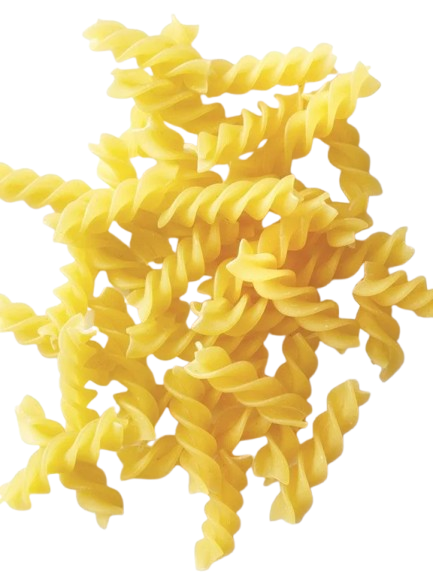
The calories in pasta are a key aspect of its nutritional profile, with a 100g (3.5 oz) serving of cooked enriched plain pasta like spaghetti or penne containing 158 calories. A one-cup serving of cooked spaghetti (140g, 4.94 oz) provides 221 calories. Pasta nutrition facts show that this 100g portion of cooked enriched pasta also offers 5.8g of protein (12% Daily Value/DV), 30.9g of carbohydrates (11% DV), and 0.9g of fat (1% DV), along with selenium (47% DV) and folate (21% DV). Studies examining dietary patterns indicate that pasta consumption itself, within the context of a balanced diet like the Mediterranean diet, is not adversely associated with body weight or cardiometabolic risk factors (Pounis, G., et al., 2017, "Association of pasta consumption with body mass index and waist-to-hip ratio: results from Moli-sani and INHES studies").
Pasta calories and nutritional profile can vary based on the type. Whole wheat pasta offers more fiber (around 6.4g per 100g cooked, 23% DV) and similar calories (150-174 per 100g cooked). Egg noodles contain 138 calories per 100g cooked. Filled pastas like cheese ravioli (206 calories per 100g cooked) or cheese tortellini (290 calories per 100g cooked) are more calorie-dense due to their fillings. Italy is the leading producer and a top consumer of pasta, followed by the USA and Turkey. The retail price of a standard one-pound (454g) package of dry pasta in the U.S. has generally risen from under $1.50 in the early 2000s to $1.50-$2.50 in recent years.
Pasta forms the base of countless popular dishes such as Spaghetti with Marinara at Olive Garden, Fettuccine Alfredo at The Cheesecake Factory, and Macaroni and Cheese at Panera Bread. A recommended serving size for cooked pasta, according to many dietary guidelines, is one half-cup to one cup (70-140g cooked), providing 79 to 221 calories for plain pasta, depending on density and shape. Burning 158 calories from a 100g serving of plain cooked pasta could be achieved through activities like 15-20 minutes of brisk walking, 12-15 minutes of jogging, or about 20 minutes of cycling at a moderate pace.
Pasta nutrition
- Noodles Calories (Nutritional Facts)
- Spaghetti Pasta Calories (Nutritional Facts)
- Penne Pasta Calories (Nutritional Facts)
- Linguine Pasta Calories (Nutritional Facts)
- Fettuccine Pasta Calories (Nutritional Facts)
- Tagliatelle Pasta Calories (Nutritional Facts)
- Macaroni Pasta Calories (Nutritional Facts)
- Fusilli Pasta Calories (Nutritional Facts)
- Orzo Pasta Calories (Nutritional Facts)
- Ravioli Pasta Calories (Nutritional Facts)
- Tortellini Pasta Calories (Nutritional Facts)
- Raw Pasta Nutrition
- Sodium in Pasta
- Potassium in Pasta
- Sugar in Pasta
- Fiber in Pasta
- Protein in Pasta
- Carbs in Pasta
- Fat in Pasta
- Vitamins in Pasta
- Minerals in Pasta
Noodles Calories (Nutritional Facts)
A 100g (3.5 oz) serving of cooked egg noodles provides 138 calories. One cup (160g, 5.64 oz) of cooked egg noodles contains 221 calories. A 100g (3.5 oz) serving of cooked ramen noodles (wheat-based) has 188 calories. A 100g (3.5 oz) serving of cooked rice noodles provides 109 calories. Cooked egg noodles (100g) contain 4.5g of protein, 25.2g of carbohydrates, and 2.1g of fat. Cooked ramen noodles (100g) have 3.9g of protein, 26.1g of carbohydrates, and 7.8g of fat (often from added oils in instant varieties). Cooked rice noodles (100g) contain 0.9g of protein, 24.9g of carbohydrates, and 0.2g of fat.
A 100g (3.5 oz) serving of cooked enriched spaghetti contains 158 calories. One cup of cooked spaghetti (140g, 4.94 oz) provides 221 calories. Cooked enriched spaghetti (100g) contains 5.8g of protein, 30.9g of carbohydrates, and 0.9g of fat. Whole wheat cooked spaghetti (100g) contains 174 calories, 7.5g of protein, 37.2g of carbohydrates, and 0.8g of fat.
A 100g (3.5 oz) serving of cooked enriched penne pasta contains 158 calories. One cup of cooked penne (107g, 3.77 oz) provides 169 calories. Cooked enriched penne pasta (100g) contains 5.8g of protein, 30.9g of carbohydrates, and 0.9g of fat. Whole wheat cooked penne pasta (100g) provides 150 calories, 6.5g of protein, 31.9g of carbohydrates, and 0.8g of fat.
A 100g (3.5 oz) serving of cooked enriched linguine contains 158 calories. One cup of cooked linguine (140g, 4.94 oz) provides 221 calories. Cooked enriched linguine (100g) contains 5.8g of protein, 30.9g of carbohydrates, and 0.9g of fat.
A 100g (3.5 oz) serving of cooked enriched fettuccine contains 158 calories. One cup of cooked fettuccine (140g, 4.94 oz) provides 221 calories. Cooked enriched fettuccine (100g) contains 5.8g of protein, 30.9g of carbohydrates, and 0.9g of fat. Egg fettuccine, cooked (100g), contains 138 calories, 4.5g of protein, 25.2g of carbohydrates, and 2.1g of fat.
A 100g (3.5 oz) serving of cooked plain tagliatelle (which often contains eggs) provides 138 calories. One cup of cooked tagliatelle (160g, 5.64 oz) contains 221 calories. Cooked egg-based tagliatelle (100g) contains 4.5g of protein, 25.2g of carbohydrates, and 2.1g of fat.
A 100g (3.5 oz) serving of cooked enriched macaroni contains 158 calories. One cup of cooked macaroni (140g, 4.94 oz) provides 221 calories. Cooked enriched macaroni (100g) contains 5.8g of protein, 30.9g of carbohydrates, and 0.9g of fat.
A 100g (3.5 oz) serving of cooked enriched fusilli contains 158 calories. One cup of cooked fusilli (120g, 4.23 oz) provides 190 calories. Cooked enriched fusilli (100g) contains 5.8g of protein, 30.9g of carbohydrates, and 0.9g of fat.
A 100g (3.5 oz) serving of cooked enriched orzo pasta contains 158 calories. One cup of cooked orzo (170g, 6 oz) provides 269 calories. Cooked enriched orzo pasta (100g) contains 5.8g of protein, 30.9g of carbohydrates, and 0.9g of fat.
The calories in ravioli vary greatly depending on the filling and sauce. A 100g (3.5 oz) serving of cooked cheese ravioli without sauce contains 206 calories. One cup of cooked cheese ravioli (135g, 4.76 oz) provides 278 calories. Cooked cheese ravioli (100g) contains 9.6g of protein, 27.9g of carbohydrates, and 5.9g of fat. Cooked meat ravioli (100g) without sauce contains 215 calories.
A 100g (3.5 oz) serving of cooked cheese tortellini without sauce contains 290 calories. One cup of cooked cheese tortellini (120g, 4.23 oz) provides 348 calories. Cooked cheese tortellini (100g) contains 12.5g of protein, 38.3g of carbohydrates, and 9.2g of fat. Cooked meat-filled tortellini (100g) without sauce contains 220 calories.
A 100g (3.5 oz) serving of dry, unenriched spaghetti (or other similar plain pasta shapes) contains 371 calories. This portion also provides 13g of protein, 74.7g of carbohydrates, and 1.5g of fat. Dry whole wheat pasta (100g) contains 340 calories, 13.9g of protein, 70.8g of carbohydrates, and 2.3g of fat.
Cooked unenriched pasta (like spaghetti) contains 1mg of sodium per 100g (0% DV) if no salt is added during cooking. One cup of cooked spaghetti (140g, 4.94 oz) without added salt provides 1mg of sodium (0% DV). If salt is added to the cooking water, the sodium content will increase significantly. Canned pasta dishes or pasta with added sauces will have much higher sodium content.
Cooked unenriched spaghetti contains 44mg of potassium per 100g (1% DV). One cup of cooked spaghetti (140g, 4.94 oz) provides 62mg of potassium (1% DV). Cooked whole wheat spaghetti (100g) contains 223mg of potassium (5% DV).
Cooked unenriched spaghetti contains 0.6g of total sugars per 100g. One cup of cooked spaghetti (140g, 4.94 oz) has 0.8g of sugar. Cooked whole wheat spaghetti (100g) contains 2.7g of sugar.
Cooked unenriched spaghetti provides 1.8g of dietary fiber per 100g (6% DV). One cup of cooked spaghetti (140g, 4.94 oz) offers 2.5g of dietary fiber (9% DV). Cooked whole wheat spaghetti (100g) contains 6.4g of dietary fiber (23% DV).
Cooked unenriched spaghetti contains 5.8g of protein per 100g (12% DV). One cup of cooked spaghetti (140g, 4.94 oz) has 8.1g of protein (16% DV). Cooked whole wheat spaghetti (100g) provides 7.5g of protein (15% DV).
Cooked unenriched spaghetti has 30.9g of total carbohydrates per 100g (11% DV). One cup of cooked spaghetti (140g, 4.94 oz) contains 43.2g of total carbohydrates (16% DV). Cooked whole wheat spaghetti (100g) provides 37.2g of total carbohydrates (14% DV).
Cooked unenriched spaghetti contains 0.9g of total fat per 100g (1% DV). One cup of cooked spaghetti (140g, 4.94 oz) has 1.3g of total fat (2% DV). Cooked whole wheat spaghetti (100g) provides 0.8g of total fat (1% DV).
A 100g (3.5 oz) serving of cooked enriched spaghetti is a good source of Folate (Vitamin B9), providing 83µg (21% DV), Thiamin (Vitamin B1) at 0.22mg (18% DV), Riboflavin (Vitamin B2) at 0.11mg (8% DV), and Niacin (Vitamin B3) at 1.3mg (8% DV). Cooked whole wheat spaghetti (100g) provides similar B vitamins but often in slightly lower amounts for thiamin, riboflavin, and niacin due to differences in enrichment, though it can be higher in some natural B vitamins.
A 100g (3.5 oz) serving of cooked enriched spaghetti contains Selenium at 26.1µg (47% DV) and Iron at 1mg (6% DV). It also provides manganese at 0.3mg (13% DV) and phosphorus at 53mg (8% DV). Cooked whole wheat spaghetti (100g) is richer in some minerals, providing 1.8mg of iron (10% DV), 99mg of magnesium (24% DV), 185mg of phosphorus (26% DV), and 0.9mg of manganese (39% DV).
Get a Custom Report on Pasta Nutrition Data – Contact Us!
What are the Types of Pasta?
There is an extensive variety of pasta types, differing in shape, size, ingredients (e.g., with or without egg, type of flour), and sometimes texture. These variations can slightly influence their nutritional content, particularly if made with whole wheat or eggs, and how they pair with different sauces.
| Type | Description | Calories (per 100g cooked, plain) | Calorie Qualifications |
|---|---|---|---|
|
Spaghetti
|
Long, thin, solid, cylindrical strands. Most common type. | 158 (enriched) | Standard calorie count for plain enriched pasta. Whole wheat is similar (150-174). |
|
Penne
|
Short tubes with diagonally cut ends. | 158 (enriched) | Similar to spaghetti. |
|
Linguine
|
Long, flat, narrow strands, like flattened spaghetti. | 158 (enriched) | Similar to spaghetti. |
|
Fettuccine
|
Long, flat, wider ribbons. Often available as egg pasta. | 158 (enriched); 138 (egg) | Enriched is standard; egg fettuccine is slightly lower due to egg content. |
|
Tagliatelle
|
Long, flat ribbons, similar to fettuccine, typically made with egg. | 138 (egg-based) | Calories reflect egg pasta. |
|
Macaroni (Elbows)
|
Short, curved tubes. | 158 (enriched) | Similar to spaghetti. |
|
Fusilli
|
Short, spiral or corkscrew shapes. | 158 (enriched) | Similar to spaghetti. |
|
Orzo
|
Small, rice-shaped pasta. | 158 (enriched) | Similar to spaghetti. |
|
Ravioli (Cheese)
|
Square or round pockets filled with cheese, meat, or vegetables. | 206 (cheese-filled) | Higher in calories due to filling (cheese, fat). Varies greatly by filling. |
|
Tortellini (Cheese)
|
Ring-shaped pasta, typically filled with cheese or meat. | 290 (cheese-filled) | Higher in calories and protein due to filling. Varies greatly by filling. |
|
Lasagne Sheets
|
Large, flat, rectangular or wavy sheets. | 158 (enriched, plain sheet) | Calories for plain sheet; a baked lasagne dish is much higher. |
|
Whole Wheat Pasta
|
Made from whole wheat flour, various shapes. | 150-174 | Slightly variable, higher in fiber. |
|
Gluten-Free Pasta
|
Made from rice, corn, quinoa, or legumes. Various shapes. | Varies (150-190) | Calorie content can be similar to or slightly higher than wheat pasta. |
|
Egg Noodles
|
Noodles made with wheat flour and eggs, various widths. | 138 | Slightly lower in calories than plain enriched pasta due to egg content altering density. |
What are the Main Dishes with Pasta?
Pasta serves as the foundation for many main dishes globally. The table below outlines a selection of popular main dishes featuring pasta, along with estimated nutritional information (which varies significantly based on specific recipes, portion sizes, and ingredients) and examples of restaurants where these or similar dishes can be found.
| Dish Name | Calories (per serving) | Type of Pasta Commonly Used | Carbs (g) | Sugar (g) | Protein (g) | Fat (g) | Cuisine | Restaurants |
|---|---|---|---|---|---|---|---|---|
|
Spaghetti with Marinara Sauce
|
400-600 | Spaghetti | 60-90 | 8-15 | 10-18 | 8-15 | Italian, Italian-American | Olive Garden, Carrabba's Italian Grill, Buca di Beppo, Maggiano's Little Italy |
|
Fettuccine Alfredo
|
800-1200 | Fettuccine | 60-90 | 3-7 | 15-25 | 50-80 | Italian-American | Olive Garden, The Cheesecake Factory, Carrabba's Italian Grill, Red Lobster (some versions) |
|
Lasagna Bolognese
|
600-900 | Lasagne Sheets | 50-70 | 8-15 | 30-45 | 25-40 | Italian, Italian-American | Olive Garden, Maggiano's Little Italy, Buca di Beppo, local Italian restaurants |
|
Macaroni and Cheese (Baked)
|
500-800 | Macaroni (Elbows) | 50-70 | 5-10 | 20-30 | 25-40 | American Comfort Food | Panera Bread, Noodles & Company, Cracker Barrel, Boston Market |
|
Spaghetti Carbonara
|
600-900 | Spaghetti, Bucatini | 50-70 | 2-5 | 20-30 | 30-50 | Italian | Authentic Italian restaurants, some upscale Italian-American spots |
|
Pesto Pasta (with Chicken or Shrimp)
|
550-850 | Penne, Fusilli, Linguine | 50-70 | 3-6 | 25-40 | 25-45 | Italian, Mediterranean | Noodles & Company, California Pizza Kitchen, various casual dining restaurants |
|
Pasta Primavera
|
450-700 | Various (Penne, Rotini) | 60-80 | 5-10 | 10-18 | 15-25 | Italian-American | Olive Garden (seasonal), various family-style Italian restaurants |
|
Beef Stroganoff (with Egg Noodles)
|
500-800 | Egg Noodles | 40-60 | 3-7 | 30-45 | 25-40 | Russian/European | The Cheesecake Factory (some variations), local European or American diners |
|
Chicken Parmesan with Spaghetti
|
700-1000 | Spaghetti | 60-90 | 10-18 | 40-60 | 30-50 | Italian-American | Olive Garden, Carrabba's Italian Grill, Maggiano's Little Italy |
|
Shrimp Scampi with Linguine
|
500-750 | Linguine | 50-70 | 2-5 | 25-35 | 20-35 | Italian-American | Red Lobster, Olive Garden, The Cheesecake Factory |
|
Baked Ziti
|
550-800 | Ziti, Penne | 50-70 | 8-15 | 25-35 | 25-40 | Italian-American | Sbarro, local pizzerias and Italian-American family restaurants |
|
Cacio e Pepe
|
450-650 | Spaghetti, Tonnarelli | 50-70 | <1-2 | 12-18 | 20-30 | Italian (Roman) | Authentic Italian restaurants specializing in Roman cuisine |
|
Pasta Salad (Cold, various ingredients)
|
300-500 | Rotini, Fusilli, Penne | 35-50 | 4-8 | 8-15 | 10-20 | American, Italian-American | Deli sections of grocery stores like Whole Foods, Trader Joe's, Subway (seasonal) |
|
Pad See Ew (Thai Stir-fried Rice Noodles)
|
500-750 | Wide Rice Noodles | 60-80 | 5-10 | 15-25 | 15-25 | Thai | Local Thai restaurants |
|
Lo Mein (Chinese Egg Noodles)
|
450-700 | Egg Noodles | 50-70 | 8-15 | 10-20 | 15-25 | Chinese-American | Panda Express, P.F. Chang's, local Chinese-American restaurants |
What are the Desserts with Pasta?
The use of pasta in desserts is quite uncommon in most Western culinary traditions, as pasta is associated with savory dishes. But some cultures and innovative chefs have explored sweet applications for pasta, often using specific types of pasta or preparing it in ways that complement sweet flavors, as shown below:
| Dish Name | Calories (per serving) | Type of Pasta Used | Carbs (g) | Sugar (g) | Protein (g) | Fat (g) | Cuisine | Restaurants |
|---|---|---|---|---|---|---|---|---|
|
Sweet Noodle Kugel (Lokshen Kugel)
|
300-500 (slice) | Egg Noodles (fine or medium) | 40-60 | 20-35 | 8-12 | 10-20 | Jewish (Ashkenazi) | Jewish delis, often homemade for holidays (e.g., Katz's Delicatessen - occasionally) |
|
Chocolate Pasta with Sweet Sauce
|
350-550 | Chocolate-infused Pasta | 50-70 | 25-40 | 6-10 | 10-18 | Modern/Experimental | Very niche gourmet restaurants or specialty pasta shops (rare) |
|
Sweet Ravioli (e.g., with fruit or sweet cheese filling)
|
250-450 (few pieces) | Ravioli (custom made) | 30-50 | 15-25 | 5-8 | 8-15 | Italian (Regional/Modern) | Some high-end Italian restaurants or pastry chefs exploring unique dishes |
|
Rice Noodle Pudding (e.g., Kheer variation)
|
250-400 | Rice Vermicelli | 40-60 | 25-35 | 4-7 | 5-10 | South Asian/Southeast Asian | Some Indian or Thai restaurants might offer variations of rice noodle desserts |
What Cuisines Prefer Pasta the Most?
Pasta, in its many forms, is most famously and extensively preferred in Italian cuisine, where it is a national staple and an art form. But its versatility and adaptability have made it a beloved food in many other cuisines around the world, often with unique local interpretations. The table below highlights cuisines that prominently feature pasta.
| Cuisine | Dish Name | Calories (per serving) | Restaurants |
|---|---|---|---|
|
Italian
|
Spaghetti Carbonara | 600-900 | Authentic Italian restaurants |
|
Italian
|
Lasagna Bolognese | 600-900 | Olive Garden, Maggiano's Little Italy, Buca di Beppo |
|
Italian
|
Cacio e Pepe | 450-650 | Restaurants specializing in Roman cuisine |
|
Italian-American
|
Fettuccine Alfredo | 800-1200 | Olive Garden, The Cheesecake Factory, Carrabba's Italian Grill |
|
Italian-American
|
Baked Ziti | 550-800 | Sbarro, local pizzerias |
|
American
|
Macaroni and Cheese | 500-800 | Panera Bread, Noodles & Company, Cracker Barrel |
|
Chinese (Noodles)
|
Lo Mein | 450-700 | Panda Express, P.F. Chang's |
|
Thai (Noodles)
|
Pad Thai (Rice Noodles) | 500-800 | Most Thai restaurants |
|
Vietnamese (Noodles)
|
Pho (Rice Noodles) | 350-550 | Local Vietnamese restaurants, Pho specialty chains |
|
Japanese (Noodles)
|
Ramen | 400-700 | Specialized Ramen shops, e.g., Ippudo, Momofuku Noodle Bar (NYC) |
|
Greek
|
Pastitsio (Greek Baked Pasta) | 500-750 | Local Greek restaurants, The Great Greek Mediterranean Grill (some locations) |
|
Jewish (Ashkenazi)
|
Noodle Kugel (can be savory or sweet) | 300-500 (sweet) | Jewish delis, often homemade |
Which Countries Produce the Most Pasta?
The top producers of pasta globally are Italy, the United States, Turkey, Brazil, and Russia. Italy is renowned as the historical and leading producer of pasta, with a vast array of types and brands exported worldwide. In 2022, Italy produced over 3,600 kilotonnes of pasta. The United States also has a very large pasta production industry, catering to significant domestic demand and export markets. The table below shows estimated production volumes for leading countries where data is available or can be reasonably estimated from industry reports and trade figures.
| Country | 2004 | 2005 | 2006 | 2007 | 2008 | 2009 | 2010 | 2011 | 2012 | 2013 | 2014 | 2015 | 2016 | 2017 | 2018 | 2019 | 2020 | 2021 | 2022 | 2023 (Est.) |
|---|---|---|---|---|---|---|---|---|---|---|---|---|---|---|---|---|---|---|---|---|
| Italy | 3,100 | 3,150 | 3,200 | 3,250 | 3,280 | 3,300 | 3,320 | 3,250 | 3,200 | 3,350 | 3,400 | 3,430 | 3,470 | 3,510 | 3,550 | 3,580 | 3,750 | 3,700 | 3,620 | 3,650 |
| USA | 1,900 | 1,920 | 1,950 | 1,980 | 2,000 | 1,950 | 1,980 | 2,010 | 2,030 | 2,050 | 2,070 | 2,090 | 2,100 | 2,080 | 2,050 | 2,020 | 2,150 | 2,100 | 2,070 | 2,080 |
| Turkey | 850 | 900 | 980 | 1,050 | 1,150 | 1,250 | 1,350 | 1,450 | 1,550 | 1,650 | 1,750 | 1,800 | 1,850 | 1,900 | 1,950 | 2,000 | 2,100 | 2,150 | 2,200 | 2,230 |
| Brazil | 1,100 | 1,120 | 1,150 | 1,180 | 1,200 | 1,220 | 1,240 | 1,260 | 1,280 | 1,300 | 1,280 | 1,260 | 1,240 | 1,220 | 1,200 | 1,180 | 1,250 | 1,230 | 1,210 | 1,220 |
| Russia | 700 | 750 | 800 | 850 | 900 | 950 | 1,000 | 1,050 | 1,100 | 1,150 | 1,180 | 1,200 | 1,220 | 1,250 | 1,280 | 1,300 | 1,350 | 1,320 | 1,300 | 1,310 |
| France | 500 | 510 | 520 | 530 | 540 | 530 | 540 | 550 | 560 | 570 | 580 | 570 | 560 | 550 | 540 | 530 | 550 | 540 | 530 | 535 |
Which Countries Consume the Most Pasta?
Based on data from the International Pasta Organisation (IPO) and other food consumption statistics, the highest per capita consumption of pasta is found in Italy, followed by other Mediterranean countries like Tunisia, Greece, and Switzerland (influenced by its Italian-speaking population). Venezuela, surprisingly, also has very high per capita consumption. The United States, while a large overall consumer due to its population size, has a lower per capita consumption rate than these leading nations. The table below provides estimated total consumption (apparent consumption) for some key pasta-consuming countries.
| Country | 2004 | 2005 | 2006 | 2007 | 2008 | 2009 | 2010 | 2011 | 2012 | 2013 | 2014 | 2015 | 2016 | 2017 | 2018 | 2019 | 2020 | 2021 |
|---|---|---|---|---|---|---|---|---|---|---|---|---|---|---|---|---|---|---|
| Italy | 1,500 | 1,520 | 1,540 | 1,560 | 1,550 | 1,530 | 1,520 | 1,480 | 1,450 | 1,480 | 1,500 | 1,510 | 1,520 | 1,500 | 1,480 | 1,460 | 1,550 | 1,520 |
| USA | 2,600 | 2,650 | 2,700 | 2,720 | 2,700 | 2,650 | 2,680 | 2,700 | 2,720 | 2,730 | 2,750 | 2,760 | 2,770 | 2,750 | 2,720 | 2,700 | 2,800 | 2,780 |
| Tunisia | 380 | 390 | 400 | 410 | 420 | 430 | 440 | 450 | 460 | 470 | 480 | 490 | 500 | 510 | 520 | 530 | 540 | 550 |
| Greece | 300 | 305 | 310 | 315 | 310 | 300 | 290 | 280 | 270 | 260 | 250 | 240 | 230 | 220 | 210 | 200 | 210 | 205 |
| France | 580 | 590 | 600 | 610 | 620 | 610 | 620 | 630 | 640 | 650 | 660 | 650 | 640 | 630 | 620 | 610 | 630 | 620 |
| Germany | 700 | 710 | 720 | 730 | 740 | 730 | 740 | 750 | 760 | 770 | 780 | 770 | 760 | 750 | 740 | 730 | 750 | 740 |
| Brazil | 1,150 | 1,170 | 1,200 | 1,230 | 1,250 | 1,270 | 1,290 | 1,310 | 1,330 | 1,350 | 1,330 | 1,310 | 1,290 | 1,270 | 1,250 | 1,230 | 1,300 | 1,280 |
How Do Prices of Pasta-including Dishes Change?
The prices of restaurant dishes centered around pasta have seen a notable increase over the last 20 years. This is due to the rising cost of pasta itself, but more significantly driven by increases in the prices of other key ingredients (meats, seafood, dairy for sauces, fresh vegetables), alongside escalating operational costs such as labor, rent, and energy for restaurants. Below is a comparison of estimated prices for representative pasta dishes.
| Restaurant Chain/Type | Dish | Old Price (2004-2008) | Current Price (2024-2025) |
|---|---|---|---|
| Olive Garden | Spaghetti with Marinara Sauce | $8.99 - $11.99 | $16.49 - $18.99 |
| Olive Garden | Fettuccine Alfredo | $11.99 - $14.99 | $18.99 - $22.99 |
| Maggiano's Little Italy | Mom's Lasagna | $14.95 - $17.95 | $22.99 - $27.99 |
| The Cheesecake Factory | Fettuccini Alfredo with Chicken | $15.95 - $18.95 | $23.95 - $28.95 |
| Carrabba's Italian Grill | Spaghetti Carbonara (if available) | $13.50 - $16.50 | $19.99 - $24.99 |
| Panera Bread | Mac & Cheese (Regular) | $5.49 - $6.99 | $8.49 - $10.99 |
| Noodles & Company | Pesto Cavatappi (Regular) | $5.25 - $6.75 | $8.25 - $10.75 |
How Does the Price of Pasta Change for the Last 20 Years?
The price of pasta has generally increased over the past 20 years, reflecting trends in food inflation, agricultural commodity prices (especially durum wheat), energy costs, and processing expenses. Specific historical price data for "pasta" as a retail item can be observed in national Consumer Price Index (CPI) data. The U.S. CPI for "Pasta and prepared pasta products" or "Rice, pasta, cornmeal" has shown a consistent upward trajectory. The lowest retail prices for a standard one-pound (454g) package of dry pasta (like spaghetti or macaroni) in the U.S. were generally found in the earlier part of this 20-year period (2004-2008), often retailing for under $1.00 to $1.50 for basic brands. In recent years (2022-2024), the same package typically costs $1.50 to $2.50 or more, with significant variations based on brand, type (organic, gluten-free, artisanal), and store.
What is the Pasta Calorie for 100 Grams?
A 100g (3.5 oz) serving of cooked enriched plain pasta (like spaghetti, penne, or macaroni) contains 158 calories. A 100g (3.5 oz) serving of cooked whole wheat pasta provides 150-174 calories depending on the specific type. A 100g (3.5 oz) serving of dry, unenriched pasta contains 371 calories. Cooked egg noodles (100g) have 138 calories.
What is the Pasta Calorie for 1 KG?
One kilogram (1000g, 35.27 oz) of cooked enriched plain pasta contains 1580 calories. One kilogram (1000g, 35.27 oz) of dry, unenriched pasta contains 3710 calories. One kilogram (1000g, 35.27 oz) of cooked egg noodles provides 1380 calories.
What is the Calorie of 1 Plate Pasta?
A typical restaurant serving of cooked pasta with a simple tomato sauce (around 2 cups or 280g of pasta) can range from 400 to 700 calories. A plate of pasta with a creamy Alfredo sauce or meat sauce has 700 to over 1200 calories. A home-cooked portion of 1.5 cups (210g) of plain cooked spaghetti contains 332 calories before any sauce is added.
What are the Health Benefits of Pasta?
Pasta, particularly when chosen and prepared thoughtfully, can offer several health benefits as part of a balanced diet, as listed below:
- Provides Energy: Pasta is a rich source of complex carbohydrates, which are the body's primary fuel source. These carbohydrates are broken down into glucose, providing sustained energy for daily activities and exercise. (National Academies of Sciences, Engineering, and Medicine, 2005, "Dietary Reference Intakes for Energy, Carbohydrate, Fiber, Fat, Fatty Acids, Cholesterol, Protein, and Amino Acids").
- Source of Folate (Folic Acid): Enriched pasta is fortified with folic acid, a crucial B vitamin. Folic acid is essential for cell growth and metabolism and is particularly important for women of childbearing age to prevent neural tube defects in developing fetuses. (U.S. Food and Drug Administration, 2023, "Questions and Answers on Folic Acid Fortification").
- Contains Other B Vitamins: Enriched pasta also provides other B vitamins, such as thiamin, riboflavin, and niacin. These vitamins play important roles in converting food into energy, supporting nervous system function, and maintaining healthy skin.
- Whole Wheat Pasta Offers High Fiber: Choosing whole wheat pasta significantly increases dietary fiber intake. Fiber aids in digestion, promotes bowel regularity, helps manage blood sugar levels, and can contribute to feelings of fullness, which may aid in weight management. (Slavin, J.L., 2013, "Fiber and Prebiotics: Mechanisms and Health Benefits").
- Good Source of Selenium and Manganese: Pasta, especially enriched varieties, can be a good source of selenium, an antioxidant mineral important for thyroid function and protecting against cell damage, and manganese, which is involved in bone formation and metabolism.
- Can Be Part of a Healthy Dietary Pattern: When paired with nutrient-rich foods like vegetables, lean proteins, and healthy fats (as in a Mediterranean-style diet), pasta can be a satisfying and nutritious meal component. Studies have shown that traditional Mediterranean diets, which may include pasta, are associated with positive health outcomes. (Estruch, R., et al., 2013, "Primary Prevention of Cardiovascular Disease with a Mediterranean Diet").
- Low in Sodium (Plain Pasta): Plain, cooked pasta without added salt is very low in sodium, which is beneficial for maintaining healthy blood pressure.
What are the Downsides of Pasta?
Pasta has some potential downsides, particularly related to portion sizes, the type of pasta chosen, and accompanying sauces, as listed below:
- High in Refined Carbohydrates (White Pasta): Most common pasta is made from refined wheat flour, which means the bran and germ have been removed, along with much of the fiber and some nutrients. Diets high in refined carbohydrates can lead to rapid spikes in blood sugar and may be associated with an increased risk of type 2 diabetes and heart disease if consumed excessively. (Ludwig, D.S., et al., 2018, "Dietary carbohydrates: role of quality and quantity in chronic disease").
- Can Be Calorie-Dense, Leading to Weight Gain if Overconsumed: Pasta itself is moderately calorie-dense, and large portion sizes, especially when combined with rich, high-calorie sauces (like creamy Alfredo or heavy meat sauces), can contribute to excessive calorie intake and potential weight gain.
- Gluten Content Can Be Problematic for Some: Pasta made from wheat, barley, or rye contains gluten, a protein that can cause adverse reactions in individuals with celiac disease or non-celiac gluten sensitivity, leading to digestive issues and other symptoms.
- Often Paired with High-Fat, High-Sodium Sauces: The healthfulness of a pasta dish is heavily influenced by what it is served with. Many popular pasta dishes involve sauces that are high in saturated fat, sodium, and calories, which can negate the benefits of the pasta itself.
- Low in Certain Micronutrients if Not Enriched or Whole Grain: While enriched pasta has some B vitamins and iron added back, refined pasta is still lower in overall micronutrients and phytochemicals compared to whole grain versions.
Is Pasta Good for You?
Yes, pasta can be good for you when consumed as part of a balanced and mindful diet. Its healthfulness depends significantly on the type of pasta chosen (whole grain versus refined), portion size, and the sauces and ingredients it is paired with. Whole grain pasta is a good source of fiber, which aids digestion and can help regulate blood sugar levels. Enriched pasta provides important nutrients like folic acid and iron. (Gaesser, G.A., 2021, "Pasta intake is not associated with a higher risk of cardiometabolic disease in adults"). Pasta is primarily a source of carbohydrates, providing energy for the body. When combined with plenty of vegetables, lean proteins, and healthy fats, such as in a Mediterranean-style eating pattern, pasta can be a satisfying and nutritious meal component. (Pounis, G., et al., 2017, "Association of pasta consumption with body mass index and waist-to-hip ratio: results from Moli-sani and INHES studies"). But large portions of refined pasta, especially when served with high-calorie, high-fat, or high-sodium sauces, can contribute to excessive calorie intake and may not be as beneficial.
How Do Calories Change According to Pasta Types?
The calorie content of plain, cooked pasta made from enriched wheat flour is remarkably consistent across most common shapes like spaghetti, penne, linguine, fettuccine (non-egg), macaroni, fusilli, and orzo, generally providing 158 calories per 100g. Whole wheat versions of these shapes are also in a similar caloric range, from 150 to 174 calories per 100g. Pasta types that include eggs in their dough, such as egg fettuccine, tagliatelle, or standard egg noodles, tend to have slightly fewer calories, around 138 calories per 100g cooked, due to the different composition and hydration properties eggs impart. The most significant variations in calorie content occur with filled pastas like ravioli and tortellini. These are inherently higher in calories because their fillings (cheese, meat, etc.) add substantial protein, fat, and overall caloric density; for example, cooked cheese ravioli can have 206 calories per 100g, and cheese tortellini can reach 290 calories per 100g before any sauce is added. Gluten-free pastas made from alternative flours like rice or corn can have calorie counts similar to or slightly higher than wheat-based pasta.
What is the Origin of Pasta?
The origin of pasta is a subject of much historical debate and culinary legend, though it is most strongly associated with Italy. While a popular myth credits Marco Polo with bringing pasta back from China in the 13th century, historical evidence suggests pasta-like foods were already known in the Mediterranean region much earlier. Archaeological findings point to ancient civilizations, including the Greeks and Romans, making simple doughs from flour and water that were then cooked. The Etruscans, an ancient civilization in Italy, are believed to have made a form of pasta as early as 400 BC.
References to "lagana" (a wide, flat sheet of dough, likely a precursor to lasagne) appear in ancient Roman writings. By the 5th century AD, there are mentions of dried pasta, which was particularly useful for long sea voyages due to its portability and shelf stability. The Arab invasions of Sicily in the 8th and 9th centuries are thought to have introduced or popularized the production of dried pasta there. Sicily's climate was ideal for growing durum wheat, the hard wheat variety best suited for making dried pasta that holds its shape during cooking. By the 12th century, a geographer named Al-Idrisi documented a flourishing dried pasta industry in Trabia, Sicily. An interesting piece of trivia is that the word "macaroni" (maccheroni) may have derived from the Sicilian dialect word "maccaruni," meaning "to crush" or "to knead." From Italy, pasta-making techniques spread throughout Europe and eventually the world, evolving into the countless shapes and dishes we know today.