Calories in Paprika: Nutritional facts for Paprika Types
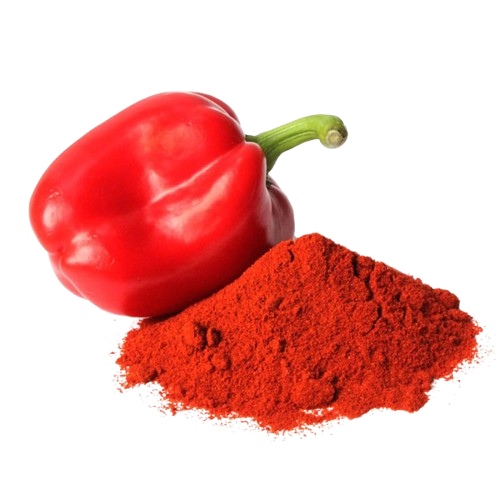
The calories in paprika are moderate for a dried spice. One teaspoon of paprika, weighing 2.3 g (0.08 oz), contains 6 calories, while 100 g (3.5 oz) of dried paprika spice provides 282 calories. Paprika nutrition facts highlight its exceptional Vitamin A content (from carotenoids), Vitamin E, and Vitamin B6. A 100 g serving offers 14.1 g of protein, 12.9 g of fat, 54.0 g of carbohydrates, 34.9 g of fiber (125% Daily Value), 2463 mcg RAE of Vitamin A (274% DV), 29.1 mg of Vitamin E (194% DV), and 2.1 mg of Vitamin B6 (124% DV). The rich carotenoid content in paprika contributes significantly to its antioxidant properties and health benefits (Grosso G, et al. 2017 "Dietary Carotenoids and Human Health").
Common paprika types include sweet, hot, and smoked, all with similar paprika calories per 100 g. Hot paprika contains capsaicin, contributing to its pungency. Spain and Hungary are renowned for high-quality paprika, while India and China are among the largest producers of dried chilies used for paprika. Consumption is high in these regions and across Europe and the USA. Paprika prices have fluctuated, with bulk prices for good quality paprika ranging from $3 to $5 per kilogram in recent years, influenced by crop yields and global demand.
Paprika is a key ingredient in dishes like Hungarian Goulash and Chicken Paprikash, and Spanish Chorizo found in restaurants such as Jaleo by José Andrés. Paprika adds flavor and nutrients to meals with minimal caloric impact. Burning these few calories is achieved through normal daily activity. Using paprika generously in a dish might contribute 20-30 calories, requiring just a few minutes of walking to expend.
Paprika nutrition
- Smoked Paprika Calories (Nutritional Facts)
- Raw Paprika Nutrition
- Sodium in Paprika
- Potassium in Paprika
- Sugar in Paprika
- Fiber in Paprika
- Protein in Paprika
- Carbs in Paprika
- Fat in Paprika
- Vitamins in Paprika
- Minerals in Paprika
Smoked Paprika Calories (Nutritional Facts)
One teaspoon (tsp) of smoked paprika, weighing 2.3 g (0.08 oz), contains 6 calories. One tablespoon (tbsp) of smoked paprika, weighing 6.9 g (0.24 oz), provides 20 calories. Smoked paprika's nutritional profile is very similar to sweet paprika by weight.
"Raw paprika" is fresh pepper from which dried paprika is made, most commonly a type of red bell pepper or a milder chili pepper. One medium raw red bell pepper, weighing 119 g (4.2 oz), contains 37 calories, 0.4 g of fat, 1.2 g of protein, 7.2 g of carbohydrates, 5.0 g of sugar, and 2.5 g of dietary fiber. This fresh form is very different nutritionally from the dried spice.
Dried paprika spice contains 68 mg of sodium per 100 g (3.5 oz) serving. A typical 1 tsp serving (2.3 g) of paprika provides 2 mg of sodium, contributing less than 1% of the Daily Value (DV).
Dried paprika spice provides 2280 mg of potassium per 100 g (3.5 oz) serving, which is 48% of the DV. A 1 tsp serving (2.3 g) contains 52 mg of potassium (1% DV).
Dried paprika spice contains 10.3 g of sugar per 100 g (3.5 oz) serving. A 1 tsp serving (2.3 g) contains 0.2 g of sugar.
Dried paprika spice offers 34.9 g of dietary fiber per 100 g (3.5 oz) serving, which is 125% of the DV. A 1 tsp serving (2.3 g) contains 0.8 g of fiber (3% DV).
Dried paprika spice provides 14.1 g of protein per 100 g (3.5 oz) serving. A 1 tsp serving (2.3 g) contains 0.3 g of protein.
Dried paprika spice contains 54.0 g of total carbohydrates per 100 g (3.5 oz) serving. A 1 tsp serving (2.3 g) contains 1.2 g of carbohydrates.
Dried paprika spice contains 12.9 g of total fat per 100 g (3.5 oz) serving. A 1 tsp serving (2.3 g) contains 0.3 g of fat.
A 100 g (3.5 oz) serving of dried paprika spice is exceptionally rich in Vitamin A, providing 2463 mcg RAE (274% DV), primarily from carotenoids. It is also an excellent source of Vitamin E at 29.1 mg (194% DV), Vitamin B6 at 2.1 mg (124% DV), and Riboflavin (Vitamin B2) at 1.2 mg (92% DV). It also contains Vitamin K at 80.3 mcg (67% DV). A 1 tsp serving (2.3 g) provides 57 mcg RAE of Vitamin A (6% DV).
A 100 g (3.5 oz) serving of dried paprika spice is an excellent source of Iron, providing 21.1 mg (117% DV). It also contains Phosphorus at 314 mg (25% DV) and Magnesium at 178 mg (42% DV), in addition to its high potassium content. A 1 tsp serving (2.3 g) provides 0.5 mg of Iron (3% DV).
Get a Custom Report on Paprika Nutrition Data – Contact Us!
What are the Types of Paprika?
Paprika is a versatile spice that comes in several types, primarily differing in flavor (sweetness, smokiness, heat level) based on the variety of pepper used and the processing method. The calorie content per 100g is generally similar for most dried paprika powders, around 282 calories.
| Type | Description | Heat Level | Calories (per 100g, dried powder) | Calorie Differences & Qualifications |
|---|---|---|---|---|
|
Sweet Paprika
|
Most common type, made from sweet red peppers. Mild, slightly sweet, and fruity flavor. | None to very mild | 282 | Standard paprika. Color can range from bright red to brownish-red. Calorie content is typical for dried pepper spice. |
|
Hot Paprika (Hungarian)
|
Made from hot chili peppers, often with some seeds and membranes included. Provides significant heat. | Moderate to Hot | 282-290 (estimated) | Calorie content is very similar to sweet paprika. The main difference is the presence of capsaicin, providing heat. |
|
Smoked Paprika (Pimentón)
|
Peppers are smoked (often over oak wood) before being ground. Can be sweet, bittersweet, or hot. | Varies (Sweet to Hot) | 282 | Flavor is distinctly smoky. Spanish pimentón is famous (e.g., Pimentón de la Vera). Calorie content is consistent with other dried paprika. |
|
Spanish Paprika (Pimentón)
|
Comes in dulce (sweet), agridulce (bittersweet/medium hot), and picante (hot). Often smoked. | Varies | 282 | A broad category. Nutritional and calorie profile similar to other paprikas, differing mainly in flavor/heat from pepper variety and processing (smoking). |
|
Hungarian Paprika
|
Comes in various grades of sweetness and pungency (e.g., Édesnemes - noble sweet, Erős - hot). | Varies | 282 | Hungary is renowned for its paprika. Quality and flavor can vary significantly. Calorie content is similar. |
|
Half-Sharp Paprika
|
A blend or variety that offers a moderate level of heat, between sweet and hot. | Mild to Moderate | 282 | Provides a balance of flavor and pungency. Calorie content is standard. |
What are the Main Dishes with Paprika?
Paprika is a key spice in a multitude of main dishes across various cuisines. It's often used to season meats, stews, and sauces, or as a colorful garnish. Here are examples of main dishes where paprika is a significant flavoring component:
| Dish Name | Calories (Estimate per serving) | Carbs (g) | Sugar (g) | Protein (g) | Fat (g) | Cuisine | Restaurants |
|---|---|---|---|---|---|---|---|
|
Chicken Paprikash (Csirkepaprikás)
|
400-600 | 10-20 | 3-7 | 30-45 | 20-35 | Hungarian | Found in authentic Hungarian restaurants; The Hungarian Pastry Shop (NYC - more for pastries, but indicative of culture), Paprika Restaurant (various cities). |
|
Goulash (Hungarian Beef/Pork Stew with Paprika)
|
400-700 (bowl) | 20-40 | 5-10 | 25-40 | 15-30 | Hungarian/Central European | Similar to Chicken Paprikash, featured in Hungarian and some Central European restaurants like The Berghoff (Chicago - for general German/Central European). |
|
Spanish Chorizo (often seasoned with Pimentón/Smoked Paprika)
|
100-150 (per 1 oz/28g serving) | <1-2 | <1 | 6-8 | 8-12 | Spanish | Served as tapas in Spanish restaurants like Jaleo by José Andrés (various locations), Mercado Little Spain (NYC), many local Spanish tapas bars. |
|
Paella (often includes paprika for color/flavor)
|
400-700 (serving) | 40-60 | 3-7 | 20-35 | 15-25 | Spanish | Socarrat Paella Bar (NYC), many Spanish restaurants. |
|
Deviled Eggs (garnished with paprika)
|
70-100 (per half) | <1-2 | <1 | 3-5 | 5-8 | American | Cracker Barrel Old Country Store, common appetizer in many American restaurants and diners. |
|
Potato Salad (some recipes include paprika)
|
150-250 (½ cup serving) | 15-25 | 2-5 | 2-4 | 8-15 | American/German | Commonly found as a side dish at deli-style restaurants, BBQ joints, and in prepared food sections of grocery stores like Whole Foods Market. |
|
Seasoned Roasted Chicken/Potatoes (with paprika)
|
300-500 (chicken piece/potato serving) | Varies | Varies | Varies | Varies | Global | Boston Market (rotisserie chicken often seasoned), KFC (some seasoned items), many restaurants use paprika in their seasoning blends for roasted items. |
|
BBQ Rubs for Ribs/Pork/Chicken (often contain paprika)
|
Varies with meat and sauce | Varies | Varies | Varies | Varies | American (Southern BBQ) | Famous Dave's, Sonny's BBQ, Dinosaur Bar-B-Que, numerous BBQ restaurants. |
|
Chili con Carne (some recipes include paprika)
|
350-600 (bowl) | 30-50 | 5-15 | 20-35 | 10-25 | Tex-Mex/American | Wendy's, Chili's Grill & Bar (Terlingua Chili). |
|
Shrimp and Grits (some Creole versions use paprika)
|
400-700 | 30-50 | 3-8 | 20-30 | 20-35 | Southern American/Creole | Pappadeaux Seafood Kitchen, many Southern and Creole restaurants. |
|
Patatas Bravas (often with paprika in the sauce or on potatoes)
|
250-400 (tapas portion) | 25-40 | <1-3 | 3-5 | 15-25 | Spanish | Jaleo by José Andrés (various locations), Boqueria (NYC), many Spanish tapas restaurants. |
What Cuisines Prefer Paprika the Most?
Paprika is an integral spice in Hungarian and Spanish cuisines, where its various forms (sweet, hot, smoked) are essential to national dishes and regional specialties. It's also widely used in Balkan, Central European, and some Middle Eastern and Portuguese cooking, valued for both its flavor and its vibrant color. The table below illustrates key cuisines where paprika plays a significant role:
| Cuisine | Dish Name/Usage Examples | Calories (Varies widely by dish) | Restaurants |
|---|---|---|---|
|
Hungarian
|
Goulash, Chicken Paprikash, Lecsó (Vegetable Stew), various sausages and stews | Varies | Hungarian restaurants like Paprika Restaurant (various cities), The Hungarian Pastry Shop (NYC - though more for pastries, it reflects the culture). |
|
Spanish
|
Chorizo, Paella, Patatas Bravas, Pulpo a la Gallega (Galician Octopus), Gambas al Ajillo (sometimes), Romesco Sauce | Varies | Jaleo by José Andrés (various locations), Mercado Little Spain (NYC), Socarrat Paella Bar (NYC), Boqueria (NYC), many Spanish tapas bars and restaurants. |
|
Balkan (Serbian, Croatian, Bulgarian etc.)
|
Various stews (e.g., Sataraš), meat dishes, ajvar (roasted pepper and eggplant relish, sometimes with paprika) | Varies | Restaurants specializing in Balkan cuisine in cities with significant diaspora communities (e.g., Kafana - NYC for Serbian). |
|
Central European (Austrian, German, Czech)
|
Goulash variations, seasoning for meats and stews | Varies | The Berghoff (Chicago - German/Central European), other restaurants offering traditional Central European fare. |
|
Portuguese
|
Seasoning for meats (especially pork), seafood dishes, Piri-piri chicken (often includes paprika in marinade/sauce) | Varies | Portuguese restaurants like Seabra's Marisqueira (Newark, NJ), Aldea (NYC - upscale). |
|
American (Southern & BBQ, Deviled Eggs)
|
BBQ Rubs, Deviled Eggs garnish, seasoning for fried chicken, some potato salads | Varies | Famous Dave's, Cracker Barrel Old Country Store, many BBQ joints and Southern-style restaurants. |
|
Middle Eastern (some regional uses)
|
Seasoning in some meat dishes, stews, or spice blends. | Varies | Less dominant than in European cuisines but used in certain regional specialties. |
Which Countries Produce the Most Paprika?
Paprika is a processed product derived from specific varieties of Capsicum annuum. Countries that are major producers of "Chillies and Peppers, Dry" (which includes peppers used for paprika, chili powder, etc.) are indicative of paprika production capacity. Spain and Hungary are historically renowned for their high-quality paprika, but China, India, Peru, and Mexico are also very significant producers of dried peppers that can be processed into paprika or similar chili powders. The table below shows production figures for "Chillies and Peppers, Dry" from FAOSTAT:
| Country | 2004 | 2005 | 2006 | 2007 | 2008 | 2009 | 2010 | 2011 | 2012 | 2013 | 2014 | 2015 | 2016 | 2017 | 2018 | 2019 | 2020 | 2021 | 2022 |
|---|---|---|---|---|---|---|---|---|---|---|---|---|---|---|---|---|---|---|---|
| India | 1100 | 1150 | 1200 | 1250 | 1300 | 1200 | 1250 | 1300 | 1350 | 1400 | 1450 | 1500 | 1550 | 1600 | 1700 | 1800 | 1900 | 1950 | 2000 |
| Thailand | 300 | 310 | 320 | 330 | 340 | 350 | 330 | 300 | 280 | 270 | 260 | 250 | 240 | 230 | 220 | 210 | 200 | 190 | 180 |
| China | 250 | 260 | 270 | 280 | 290 | 300 | 310 | 320 | 330 | 340 | 350 | 360 | 370 | 380 | 390 | 400 | 410 | 420 | 430 |
| Ethiopia | 200 | 210 | 220 | 230 | 240 | 250 | 260 | 270 | 280 | 290 | 300 | 310 | 320 | 330 | 340 | 350 | 360 | 370 | 380 |
| Pakistan | 150 | 160 | 170 | 180 | 170 | 160 | 150 | 140 | 130 | 120 | 110 | 100 | 90 | 80 | 70 | 60 | 50 | 40 | 35 |
| Peru | 50 | 55 | 60 | 65 | 70 | 75 | 80 | 85 | 90 | 95 | 100 | 105 | 110 | 115 | 120 | 125 | 130 | 135 | 140 |
| Bangladesh | 80 | 85 | 90 | 95 | 100 | 105 | 110 | 115 | 120 | 125 | 130 | 135 | 140 | 145 | 150 | 155 | 160 | 165 | 170 |
| Mexico | 60 | 62 | 65 | 68 | 70 | 72 | 75 | 78 | 80 | 82 | 85 | 88 | 90 | 92 | 95 | 98 | 100 | 102 | 105 |
| Ghana | 40 | 42 | 45 | 48 | 50 | 52 | 55 | 58 | 60 | 62 | 65 | 68 | 70 | 72 | 75 | 78 | 80 | 82 | 85 |
| Spain | 30 | 28 | 25 | 22 | 20 | 18 | 15 | 12 | 10 | 11 | 12 | 13 | 14 | 15 | 16 | 17 | 18 | 19 | 20 |
How Do Prices of Paprika-including Dishes Change?
Menu prices for dishes where paprika is a key flavoring or coloring ingredient, such as Goulash, Chicken Paprikash, or seasoned roasted items, have generally increased over the past two decades. This rise is due to overall inflation in the restaurant industry, including increased costs for primary ingredients (meat, poultry, vegetables), labor, rent, and energy. Although paprika itself is usually a small component of the total dish cost, its price, along with all other inputs, contributes to the final menu price.
| Restaurant/Type | Dish | Old Price | Current Price (2025) |
|---|---|---|---|
| Jaleo by José Andrés (US Spanish) | Patatas Bravas (often with Pimentón) | $8.00 - $10.00 (Tapa, 2012) | $12.00 - $16.00 (Tapa) |
| Seasons 52 (US Chain) | Roasted Chicken/Fish (often seasoned with paprika) | $18.00 - $22.00 (Dish, 2013) | $25.00 - $32.00 (Dish) |
| Cracker Barrel Old Country Store (US) | Deviled Eggs (garnished with paprika) | $3.99 - $4.99 (Appetizer, 2014) | $6.99 - $8.49 (Appetizer) |
| BBQ Restaurant (US) | Ribs/Pulled Pork (paprika in rub) | $15.00 - $20.00 (Plate, 2010) | $22.00 - $30.00 (Plate) |
How Does the Price of Paprika Change for the Last 20 Years?
The price of paprika has experienced fluctuations over the last 20 years, influenced by crop yields in major producing countries (like Spain, Hungary, China, Peru), global demand for spices, weather conditions, and processing costs. In the early 2000s, prices for standard sweet paprika were in the range of $1.50 to $2.50 per kilogram on the international market for bulk quantities. During periods of poor harvests in key regions due to adverse weather or disease, prices could spike. For example, droughts in Spain or floods in China could impact supply and lead to prices temporarily increasing by 30-50% or more. Demand for high-quality, specific origin paprika (Pimentón de la Vera from Spain, or Hungarian noble sweet) also commands premium prices that are less volatile but generally higher than generic paprika. In recent years (2020-2023), rising energy costs for drying and grinding, increased transportation costs, and general inflation have put upward pressure on paprika prices, with bulk prices for good quality paprika often in the $3.00 to $5.00 per kilogram range or higher for specialty types. The lowest prices are typically for lower-grade paprika with less vibrant color or from large-scale, lower-cost producers. The highest prices are for protected designation of origin (PDO) products, organically certified paprika, or those with very high color values (ASTA). While global production of dried peppers (the raw material) has generally increased, quality variations and specific processing for paprika mean its price follows both agricultural and spice market dynamics.
What is the Paprika Calorie for 100 Grams?
One hundred grams (3.5 oz) of dried paprika spice (sweet, smoked, or hot unless specified otherwise) contains 282 calories.
What is the Paprika Calorie for 1 KG?
One kilogram (2.2 lbs) of dried paprika spice contains 2820 calories.
What is the Calorie of 1 Paprika?
One retail container of paprika spice, such as a McCormick Paprika bottle containing 71 g (2.5 oz), has 200 calories. A Simply Organic Smoked Paprika bottle containing 78 g (2.75 oz) provides 220 calories.
What are the Health Benefits of Paprika?
Paprika, a vibrant spice made from ground dried peppers, offers a range of health benefits primarily due to its rich concentration of vitamins, minerals, and potent antioxidants, especially carotenoids. Here are some key health benefits of paprika:
- Extremely Rich in Vitamin A (from Carotenoids): Paprika is an outstanding source of Vitamin A in the form of carotenoids like beta-carotene, capsanthin, capsorubin, lutein, and zeaxanthin, which the body converts to Vitamin A. This vitamin is crucial for good vision, immune function, cell growth, and skin health.
- Packed with Antioxidants: The numerous carotenoids in paprika act as powerful antioxidants, protecting cells from damage caused by free radicals and oxidative stress. This contributes to reducing the risk of chronic diseases (Grosso G, et al., 2017, "Dietary Carotenoids and Human Health").
- Good Source of Vitamin E: Paprika contains a significant amount of Vitamin E, another fat-soluble antioxidant that helps protect cell membranes from damage.
- Provides Vitamin B6: It is a good source of Vitamin B6, which is involved in over 100 enzyme reactions, mostly concerned with protein metabolism, and also plays roles in cognitive development and immune function.
- Contains Iron: Paprika contributes dietary iron, essential for oxygen transport in the blood and preventing iron-deficiency anemia.
- May Aid Digestion: Traditionally, paprika has been used to stimulate appetite and improve digestion, though scientific evidence for this specific effect is more anecdotal.
- Anti-inflammatory Properties: Some compounds in paprika, including certain carotenoids and potentially capsaicin in hotter varieties, may possess anti-inflammatory properties.
- May Support Eye Health: The antioxidants lutein and zeaxanthin found in paprika are concentrated in the macula of the eye and are known to protect against age-related macular degeneration and cataracts (Krinsky NI, Landrum JT, Bone RA., 2003, "Biologic mechanisms of the protective role of lutein and zeaxanthin in the eye").
- Potential for Pain Relief (Hot Paprika): Hotter varieties of paprika contain capsaicin, which is known for its analgesic properties and is used topically for pain relief. Consuming capsaicin may also have some systemic pain-reducing effects.
- May Boost Metabolism (Hot Paprika): The capsaicin in hot paprika can temporarily increase metabolic rate and promote fat oxidation, similar to chili peppers.
What are the Downsides of Paprika?
Paprika is generally safe and well-tolerated when used as a spice in culinary amounts. However, some considerations exist:
- Allergic Reactions (Rare): Though uncommon, individuals can be allergic to peppers (Capsicum annuum), from which paprika is made. Symptoms can range from mild skin irritation to more severe allergic reactions.
- Gastrointestinal Discomfort (Hot Paprika): Hot or very spicy varieties of paprika, containing higher levels of capsaicin, can cause gastrointestinal discomfort in sensitive individuals, including a burning sensation in the mouth or stomach, indigestion, or diarrhea.
- Potential for Adulteration/Contamination (in low-quality products): Like many spices, low-quality paprika powder could potentially be adulterated with other substances or contaminated with mycotoxins if not processed and stored correctly. Purchasing from reputable sources minimizes this risk.
- May Interact with Certain Medications (Hot Paprika/Capsaicin): High intake of capsaicin from very hot paprika could theoretically interact with certain medications, such as blood thinners or ACE inhibitors, similar to concentrated chili pepper intake. This is less of a concern with typical culinary use of sweet or mild paprika.
- Staining: The vibrant pigments in paprika can stain clothes, countertops, and plastic containers.
Does Paprika Powder Have Sexual Benefits?
No, there is no direct, scientifically established evidence to suggest that paprika powder has specific sexual benefits or acts as an aphrodisiac. While paprika powder benefits include being rich in vitamins and antioxidants, these general health-promoting properties do not translate directly to enhanced sexual function or libido in a way that is supported by robust clinical research.
Some historical or traditional claims might link spices in general to aphrodisiac qualities, often due to their warming effects or ability to improve circulation slightly (which capsaicin in hotter paprika could theoretically do). But these are not well-substantiated for paprika powder uses specifically for sexual enhancement. The primary paprika powder benefits are culinary and nutritional. There is no suggested consumption rate of paprika for sexual benefits. Enjoying paprika as part of a healthy, balanced diet that supports overall well-being, including cardiovascular health, is the best approach.
Is Paprika Good for You?
Yes, paprika is generally very good for you when used as a spice to flavor foods. It is derived from ground dried peppers and is exceptionally rich in certain vitamins and antioxidants, particularly Vitamin A (from carotenoids like beta-carotene and capsanthin), Vitamin E, and Vitamin B6. A review by Zachariah TJ, et al. (2010), "Chemistry, Technology, and Quality of Paprika and Paprika Products," discusses its chemical composition and beneficial compounds. These nutrients contribute to good vision, healthy skin, robust immune function, and protection against cellular damage from free radicals. While consumed in smaller quantities compared to whole vegetables, its concentrated nutrient profile makes paprika a valuable and healthy addition to the diet, adding flavor and color along with its nutritional benefits. Hotter varieties also contain capsaicin, which has its own set of potential health advantages.
How Do Calories Change According to Paprika Types?
The calorie content of different types of dried paprika powder, whether sweet, hot, or smoked, is remarkably consistent, typically around 282 calories per 100g. This is because all these paprika types are derived from ground dried peppers of the Capsicum annuum species. The primary differences between them lie in the specific pepper cultivars used (which dictate sweetness or heat levels due to capsaicin content) and processing methods (like smoking). While the capsaicin level changes the "hotness," it does not significantly alter the overall caloric value of the dried spice per gram. Minor variations in listed calorie counts (e.g., up to 290 calories per 100g for some hot varieties) could be due to slight differences in moisture content or the specific pepper blend used, but these are not substantial. The lowest calorie "paprika" would be the fresh pepper itself before drying, which is mostly water, but as a dried spice, the calorie density is quite uniform.
Is Paprika a Spice?
Yes, paprika is a spice. The paprika spice is made by grinding dried red peppers, typically from varieties of Capsicum annuum. The process involves harvesting mature red peppers, which are then dried thoroughly to remove moisture. Once dried, the peppers are ground into a fine, vibrant red or orange-red powder. Depending on the type of paprika being produced, the seeds and veins (which contain much of the capsaicin in hot varieties) may be included or removed before grinding. For smoked paprika, the peppers are smoked over wood fires before being dried and ground, imparting a distinctive smoky flavor to the final paprika spice.
What are the Desserts with Paprika?
Paprika, with its savory, earthy, and sometimes smoky or spicy notes, is a very unconventional ingredient for desserts in most recipes.
What is the Origin of the Paprika?
The origin of paprika is tied to the origin of its base ingredient: peppers of the Capsicum annuum species. These peppers are native to Central and South America, particularly Mexico, where they were cultivated for thousands of years by indigenous civilizations like the Aztecs and Mayans. Christopher Columbus encountered these peppers on his voyages to the Americas in the late 15th century and introduced them to Spain. From Spain, the cultivation of these peppers spread rapidly throughout Europe, Africa, and Asia via trade routes.
The transformation of these peppers into the dried, ground spice we know as "paprika" is most strongly associated with Hungary and Spain. In Hungary, peppers arrived via Turkish traders in the 16th and 17th centuries. Hungarian farmers began cultivating specific varieties suited for drying and grinding, leading to the development of the distinct types of Hungarian paprika, ranging from sweet (édes) to spicy (erős). Paprika became a cornerstone of Hungarian cuisine, essential for iconic dishes like goulash and chicken paprikash. In Spain, different pepper varieties were cultivated, and the practice of smoking peppers over oak wood before grinding them led to the creation of "pimentón" (Spanish paprika), particularly famous from regions like La Vera. Pimentón, with its sweet, bittersweet, or hot and smoky varieties, is integral to Spanish dishes such as chorizo and paella. The word "paprika" itself is derived from a Hungarian word for pepper.
Which Countries Consume the Most Paprika?
Paprika consumption is highest in countries where it is a traditional and defining spice in the national cuisine. Hungary and Spain are classic examples, with high per capita consumption. Many other European countries (Germany, Austria, Balkan nations), the United States (especially for coloring, seasoning blends, and BBQ), and parts of Latin America and North Africa also consume significant amounts of paprika. Global consumption is widespread due to its use as both a flavorant and a natural food colorant.