Calories in Papaya: Nutritional facts for Papaya Types
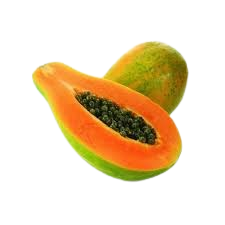
Calories in papaya depend on serving size and type. A 100g (3.5oz) serving of raw papaya contains 43 calories (2% DV), one cup cubed raw papaya (145g or 5.1oz) provides 62 calories (3% DV), and one medium raw papaya (500g or 18 oz) offers 215 calories (11% DV). Green unripe papaya offers similar calories which is 39 to 43 per 100g. Papaya macros per 100g raw papaya include 10.82g carbohydrates, 0.47g protein, and 0.26g fat, along with 1.7g fiber (6% DV), 60.9mg Vitamin C (68% DV), 37µg Folate (9% DV), 47µg Vitamin A RAE (5% DV), and 182mg Potassium (4% DV). Papaya is rich in antioxidants like Vitamin C and carotenoids (Santana LF, et al., 2019). Papaya nutrition facts include aiding digestion through the enzyme papain, supporting immune function with high Vitamin C content, promoting heart health via fiber and potassium, and providing anti-inflammatory effects from antioxidants.
Common papaya types include Hawaiian Papaya (Solo), Mexican (Maradol) Papaya, Green Papaya and Dried Papaya. India leads global papaya production, followed by Brazil and Indonesia. These countries are also the primary consumers. Papaya prices increased over the last 20 years, with recent US retail prices between $1.30 to $1.80 per pound. Papaya is featured in various Asian cuisines, including Green Papaya Salad at Som Tum, Chicken Tinola common in Filipino cuisine, and fresh papaya served with lime, which is popular in Latin American restaurants.
Dietary Guidelines suggest 1.5 to 2 cups of fruit daily for adults. A cup of cubed papaya (145g) counts as one serving. Burning the 62 calories from one cup of papaya requires 12 minutes of moderate intensity jogging or 15 minutes of brisk walking.
Papaya nutrition
- Large Papaya Calories (Nutritional Facts)
- Medium Papaya Calories (Nutritional Facts)
- Small Papaya Calories (Nutritional Facts)
- Raw Papaya Calories
- Calories in Papaya with Skin
- Sugar in Papaya
- Fiber in Papaya
- Protein in Papaya
- Carbs in Papaya
- Fat in Papaya
- Potassium in Papaya
- Vitamins in Papaya
- Minerals in Papaya
Large Papaya Calories (Nutritional Facts)
One whole large papaya flesh (780g) contains 335 calories, 3.67g of protein, 2.03g of fat, and 84.4g of carbohydrates. Dried large papaya (780g or 27.5oz) contains 2504 calories, 14.8g of protein, 6.2g of fat, and 634.9g of carbohydrates.
One medium raw papaya flesh (500g or 17.6oz) contains 215 calories, 2.35g of protein, 1.3g of fat, and 54.1g of carbohydrates. Dried medium papaya (500g or 17.6oz) contains 1605 calories, 9.5g of protein, 4.0g of fat, and 407g of carbohydrates.
One small raw papaya (304g) contains 131 calories, 1.43g of protein, 0.79g of fat, and 32.89g of carbohydrates. Dried small papaya (304g or 10.7oz) contains 976 calories, 5.8g of protein, 2.4g of fat, and 247.5g of carbohydrates.
Nutritional value of raw papaya for a 100g (3.5oz) serving provides 43 calories, 0.47g of protein, 0.26g of fat, and 10.82g of carbohydrates. One cup cubed (145g or 5oz) contains 62 calories, 0.68g of protein, 0.38g of fat, and 15.69g of carbohydrates.
A 100g (3.5oz) serving of raw papaya flesh contains 43 calories. Papaya skin is not edible.
Raw papaya contains 7.82g of sugar per 100g (3.5oz). One medium raw papaya (500g or 17.6oz) contains 39.1g of sugar. One small raw papaya (304g or 10.7oz) contains 23.77g of sugar. One large raw papaya (780g or 27.5oz) contains 61.00g of sugar. One cup cubed raw papaya (145g or 5.1oz) contains 11.34g of sugar. Dried papaya contains 59.4g of sugar per 100g.
Raw papaya contains 1.7g of fiber per 100g (3.5oz), providing 6%DV. One medium raw papaya (500g or 17.6oz) contains 8.5g of fiber (30%DV). One small raw papaya (304g or 10.7oz) contains 5.17g of fiber (18%DV). One large raw papaya (780g or 27.5oz) contains 13.26g of fiber (47%DV). One cup cubed raw papaya (145g or 5.1oz) contains 2.5g of fiber (9%DV). Dried papaya contains 6.4g of fiber per 100g (23%DV).
Raw papaya contains 0.47g of protein per 100g (3.5oz). One medium raw papaya (500g or 18oz) contains 2.35g of protein. One small raw papaya (304g or 11oz) contains 1.43g of protein. One large raw papaya (780g) contains 3.67g of protein. One cup cubed raw papaya (145g or 5oz) contains 0.68g of protein. Dried papaya contains 1.9g of protein per 100g.
Raw papaya contains 10.82g of carbohydrates per 100g (3.5oz). One medium raw papaya (500g or 17.6oz) contains 54.1g of carbohydrates. One small raw papaya (304g or 10.7oz) contains 32.89g of carbohydrates. One large raw papaya (780g or 27.5oz) contains 84.40g of carbohydrates. One cup cubed raw papaya (145g or 5.1oz) contains 15.69g of carbohydrates. Dried papaya contains 81.4g of carbohydrates per 100g.
Raw papaya contains 0.26g of fat per 100g (3.5oz). One medium raw papaya (500g or 17.6oz) contains 1.3g of fat. One small raw papaya (304g or 10.7oz) contains 0.79g of fat. One large raw papaya (780g or 27.5oz) contains 2.03g of fat. One cup cubed raw papaya (145g or 5.1oz) contains 0.38g of fat. Dried papaya contains 0.8g of fat per 100g.
Raw papaya contains 182mg of potassium per 100g (3.5oz), providing 4%DV. One medium raw papaya (500g or 17.6oz) contains 910mg of potassium (19%DV). One small raw papaya (304g or 10.7oz) contains 553mg of potassium (12%DV). One large raw papaya (780g or 27.5oz) contains 1420mg of potassium (31%DV). One cup cubed raw papaya (145g or 5.1oz) contains 264mg of potassium (6%DV). Dried papaya contains 601mg of potassium per 100g (13%DV).
A 100g (3.5oz) serving of raw papaya provides Vitamin C (68%DV), Folate (9%DV), and Vitamin A (5%DV). One medium raw papaya (500g or 17.6oz) provides Vitamin C (338%DV), Folate (46%DV), and Vitamin A (26%DV). One small raw papaya (304g or 10.7oz) provides Vitamin C (207%DV), Folate (27%DV), and Vitamin A (15%DV). One large raw papaya (780g or 27.5oz) provides Vitamin C (530%DV), Folate (70%DV), and Vitamin A (39%DV). One cup cubed raw papaya (145g or 5.1oz) provides Vitamin C (98%DV), Folate (14%DV), and Vitamin A (8%DV). Dried papaya (100g) provides Vitamin A (21%DV) and Vitamin C (13%DV).
A 100g (3.5oz) serving of raw papaya contains Potassium (4%DV) and Magnesium (5%DV). One medium raw papaya (500g or 17.6oz) contains Potassium (19%DV) and Magnesium (25%DV). One small raw papaya (304g or 10.7oz) contains Potassium (12%DV) and Magnesium (15%DV). One large raw papaya (780g or 27.5oz) contains Potassium (31%DV) and Magnesium (39%DV). One cup cubed raw papaya (145g or 5.1oz) contains Potassium (6%DV) and Magnesium (7%DV). Dried papaya (100g) provides Potassium (13%DV), Magnesium (16%DV), and Phosphorus (4%DV).
Get a Custom Report on Papaya Nutrition Data – Contact Us!
What are the Types of Papaya?
The types of papaya commonly available include Hawaiian (Solo), Mexican (Maradol), Green Papaya, and Dried Papaya. The table below outlines general characteristics and calorie information:
| Type | Description | Calories (per 100g / 3.5oz) | Calorie Qualifications |
|---|---|---|---|
|
Hawaiian (Solo) Papaya
|
Smaller, pear-shaped, yellow skin when ripe, sweet orange or pink flesh. | 43 | Represents the standard calorie count for ripe papaya flesh. |
|
Mexican (Maradol) Papaya
|
Larger, oblong shape, greenish-yellow skin when ripe, reddish-orange sweet flesh. | 43 | Calorie content per 100g is the same as Hawaiian, but the larger fruit size means more total calories per fruit. |
|
Green Papaya
|
Unripe papaya, green skin, firm pale flesh, used in savory dishes/salads. | 39-43 | Lower or similar calories to ripe papaya, used shredded or cooked. |
|
Dried Papaya
|
Ripe papaya flesh that has been dehydrated, sweetened. | 321 | Significantly higher calorie density due to water removal and concentration of sugars (natural and potentially added). |
What are the Desserts with Papaya?
The desserts that feature papaya, which emphasizes the fresh, tropical flavor, are listed below:
| Dish Name | Calories (Estimate per serving) | Type of Papaya Used | Carbs (g) (Estimate) | Sugar (g) (Estimate) | Protein (g) (Estimate) | Fat (g) (Estimate) | Cuisine | Restaurants |
|---|---|---|---|---|---|---|---|---|
|
Fresh Papaya with Lime
|
60-100 | Ripe Papaya | 15-25 | 11-20 | <1-1.5 | <1 | Tropical/Latin American | Common serving method at home, some cafes or breakfast spots |
|
Papaya Smoothie
|
200-400 | Ripe Papaya | 40-70 | 30-60 | 2-10 (depends on additions) | 1-10 (depends on additions) | Various | Smoothie King, Jamba Juice, Local juice bars, Cafes |
|
Papaya Sorbet/Ice Cream
|
150-300 (per scoop) | Ripe Papaya Puree | 30-50 | 25-45 | <1-2 | 0-10 (ice cream) | Various | Specialty ice cream shops, Restaurants with tropical themes |
|
Thai Sweet Sticky Rice w/ Papaya
|
400-600 | Ripe Papaya | 70-100 | 30-50 | 4-7 | 10-20 | Thai | Less common than mango, but some Thai restaurants may offer it |
|
Papaya Fruit Salad
|
100-200 | Ripe Papaya | 20-40 | 15-35 | 1-3 | <1-2 | Various | Buffets, Cafes, Fruit stands |
|
Papaya Mousse
|
250-400 | Ripe Papaya Puree | 30-50 | 25-45 | 3-6 | 10-20 | Latin American | Some Latin American restaurants or specialty dessert shops |
What are the Main Dishes with Papaya?
The main dishes that incorporate papaya, most commonly unripe green papaya for the firm texture and ability to absorb flavors, are listed below:
| Dish Name | Calories (Estimate per serving) | Type of Papaya Used | Carbs (g) (Estimate) | Sugar (g) (Estimate) | Protein (g) (Estimate) | Fat (g) (Estimate) | Cuisine | Restaurants |
|---|---|---|---|---|---|---|---|---|
|
Green Papaya Salad (Som Tum)
|
300-500 | Green Papaya | 30-50 | 15-30 | 5-15 (higher w/ shrimp) | 10-25 (from peanuts/dressing) | Thai/Lao | Most Thai/Lao restaurants, e.g., Pok Pok, Lotus of Siam (Las Vegas) |
|
Chicken Tinola
|
350-550 | Green Papaya | 10-20 | 3-6 | 30-45 | 10-20 | Filipino | Max's Restaurant |
|
Achaar (some varieties)
|
50-150 (as condiment) | Green Papaya | 5-15 | 3-10 | <1 | 2-8 (from oil) | Indian/South Asian | Indian restaurants (as pickle/condiment) |
|
Papaya Curry (some regional)
|
400-600 | Green or Ripe Papaya | 30-50 | 10-20 | 10-25 (depends on protein) | 20-35 (from coconut milk/oil) | South Asian/Caribbean | Less common, specific regional restaurants or home cooking |
What Cuisines Prefer Papaya the Most?
Papaya, both ripe and green, is an important ingredient in the cuisines of tropical regions, particularly Southeast Asia and Latin America. The table below details some cuisines where papaya is frequently used:
| Cuisine | Dish | Types of Papaya Used | Calories (Estimate per serving) | Restaurant(s) |
|---|---|---|---|---|
|
Thai/Lao
|
Green Papaya Salad (Som Tum) | Green Papaya | 300-500 | Most Thai/Lao restaurants, Lotus of Siam (Las Vegas) |
|
Filipino
|
Chicken Tinola (Soup) | Green Papaya | 350-550 | Max's Restaurant |
|
Vietnamese
|
Gỏi Đu Đủ (Green Papaya Salad) | Green Papaya | 300-500 | Vietnamese restaurants |
|
Mexican/Latin American
|
Agua de Papaya (Papaya Water/Drink) | Ripe Papaya | 100-200 | Mexican restaurants, Taquerias, Juice bars |
|
Mexican/Latin American
|
Papaya with Lime & Chili Powder | Ripe Papaya | 70-120 | Street food vendors, Casual eateries |
|
Hawaiian/Pacific Islander
|
Papaya (served fresh at breakfast) | Ripe Papaya | 60-100 (per half) | Hotels, Breakfast spots in Hawaii, L&L Hawaiian Barbecue |
|
Indian/South Asian
|
Papaya Achaar (Pickle) | Green Papaya | 50-150 (condiment) | Indian restaurants (as condiment) |
|
Caribbean
|
Papaya (in fruit salads/drinks) | Ripe Papaya | Varies | Caribbean restaurants, Resorts |
Which Countries Produce Most Papaya?
The top producers of papayas globally are India, Brazil, Indonesia, Nigeria, and Mexico. The table below shows the production quantities in tonnes for the top producing countries over the last two decades, based on available FAOSTAT data:
| Country | 2004 | 2005 | 2006 | 2007 | 2008 | 2009 | 2010 | 2011 | 2012 | 2013 | 2014 | 2015 | 2016 | 2017 | 2018 | 2019 | 2020 | 2021 | 2022 |
|---|---|---|---|---|---|---|---|---|---|---|---|---|---|---|---|---|---|---|---|
| India | 2,300,000 | 2,600,000 | 2,800,000 | 3,000,000 | 3,633,000 | 3,910,000 | 4,180,000 | 4,653,000 | 5,166,000 | 5,543,000 | 5,639,000 | 5,667,000 | 5,568,000 | 5,940,000 | 5,989,000 | 6,050,000 | 6,011,000 | 5,540,000 | 5,421,000 |
| Brazil | 1,650,000 | 1,650,000 | 1,700,000 | 1,750,000 | 1,800,000 | 1,792,310 | 1,843,100 | 1,893,900 | 1,573,650 | 1,574,540 | 1,582,610 | 1,424,650 | 1,295,270 | 1,056,880 | 1,060,392 | 1,164,360 | 1,256,700 | 1,257,500 | 1,127,500 |
| Indonesia | 650,000 | 670,000 | 700,000 | 720,000 | 750,000 | 770,000 | 800,000 | 830,000 | 860,000 | 887,600 | 904,300 | 875,100 | 986,800 | 887,000 | 887,591 | 986,780 | 1,016,570 | 1,169,700 | 1,386,400 |
| Nigeria | 743,000 | 748,000 | 753,000 | 758,000 | 763,000 | 768,000 | 773,000 | 778,000 | 783,000 | 788,000 | 793,000 | 837,400 | 847,600 | 857,800 | 868,000 | 877,000 | 886,000 | 895,000 | 904,000 |
| Mexico | 1,050,000 | 1,000,000 | 950,000 | 900,000 | 850,000 | 800,000 | 750,000 | 700,000 | 650,000 | 841,771 | 839,438 | 883,859 | 951,922 | 961,768 | 1,039,820 | 1,096,340 | 1,117,440 | 1,134,700 | 1,135,000 |
| World Total | 8,889,530 | 9,201,200 | 9,569,600 | 9,920,700 | 10,483,100 | 10,812,310 | 11,222,300 | 11,811,700 | 12,417,150 | 12,774,411 | 12,934,848 | 13,028,209 | 13,088,892 | 13,290,321 | 13,305,033 | 13,736,800 | 13,895,300 | 13,633,100 | 13,739,800 |
Which Countries Consume Most Papaya?
The top consumers of papayas are India, Indonesia, Brazil, Nigeria, and the Dominican Republic. Consumption is highest in major producing countries where it is a dietary staple. The table below shows the Domestic Supply Quantity in tonnes for key countries over the last two decades based on available FAOSTAT data:
| Country | 2004 | 2005 | 2006 | 2007 | 2008 | 2009 | 2010 | 2011 | 2012 | 2013 | 2014 | 2015 | 2016 | 2017 | 2018 | 2019 | 2020 | 2021 |
|---|---|---|---|---|---|---|---|---|---|---|---|---|---|---|---|---|---|---|
| India | 2,300,000 | 2,600,000 | 2,800,000 | 3,000,000 | 3,633,000 | 3,910,000 | 4,180,000 | 4,653,000 | 5,166,000 | 5,543,000 | 5,639,000 | 5,667,000 | 5,568,000 | 5,940,000 | 5,989,000 | 6,050,000 | 6,011,000 | 5,540,000 |
| Indonesia | 650,000 | 670,000 | 700,000 | 720,000 | 750,000 | 770,000 | 800,000 | 830,000 | 860,000 | 887,600 | 904,300 | 875,100 | 986,800 | 887,000 | 887,591 | 986,780 | 1,016,570 | 1,169,700 |
| Brazil | 1,631,300 | 1,631,300 | 1,681,300 | 1,731,300 | 1,781,300 | 1,773,610 | 1,824,400 | 1,875,200 | 1,554,950 | 1,555,840 | 1,563,910 | 1,405,950 | 1,276,570 | 1,038,180 | 1,041,692 | 1,145,660 | 1,237,900 | 1,238,700 |
| Nigeria | 743,000 | 748,000 | 753,000 | 758,000 | 763,000 | 768,000 | 773,000 | 778,000 | 783,000 | 788,000 | 793,000 | 837,400 | 847,600 | 857,800 | 868,000 | 877,000 | 886,000 | 895,000 |
| Dominican Republic | 100,000 | 110,000 | 120,000 | 130,000 | 140,000 | 150,000 | 160,000 | 170,000 | 180,000 | 190,000 | 200,000 | 743,800 | 754,000 | 764,200 | 774,400 | 837,000 | 850,000 | 863,000 |
| Mexico | 913,000 | 863,000 | 813,000 | 763,000 | 713,000 | 663,000 | 613,000 | 563,000 | 513,000 | 699,771 | 697,438 | 741,859 | 809,922 | 819,768 | 897,820 | 954,340 | 975,440 | 992,700 |
| World Total | 8,705,030 | 9,014,400 | 9,381,800 | 9,731,900 | 10,292,300 | 10,620,310 | 10,990,500 | 11,578,500 | 12,182,650 | 12,539,911 | 12,699,148 | 12,789,809 | 12,850,492 | 13,052,421 | 13,066,633 | 13,498,400 | 13,657,400 | 13,394,700 |
How Do the Prices of Papaya-including Dishes Change?
Prices for restaurant dishes featuring papaya, such as green papaya salad or papaya smoothies, increased over the past two decades, which shows rising costs for ingredients. The table below provides illustrative price comparisons between past and current estimates for restaurant menu items that have papaya:
| Restaurant Type | Dish | Price in 2015 | Current Price (2024/2025) |
|---|---|---|---|
| Thai Restaurant | Green Papaya Salad (Som Tum) | $8.95 | $13.95 - $16.95 |
| Smoothie Bar | Papaya Smoothie (Regular) | $4.50 (circa 2008) | $6.99 - $9.95 |
| Filipino Restaurant | Chicken Tinola (Bowl) | $9.95 (circa 2012) | $14.95 - $20.50 |
| Juice Bar | Fresh Papaya Juice | $3.75 (circa 2008) | $6.99 - $9.95 |
How Does the Price of Papaya Change for the Last 20 Years?
USDA data shows retail prices for papayas have generally increased. In the mid-2000s, prices of papaya were below $1.00 per pound. Through the 2010s, prices frequently ranged from $1.00 to $1.50 per pound. In recent years (early 2020s), average retail prices commonly fall between $1.30 and $1.80 per pound, sometimes exceeding $2.00 per pound depending on origin, variety (e.g., smaller Hawaiian papayas often cost more per pound than larger Mexican papayas), and season. Price drivers include weather events like hurricanes or droughts in key growing regions (Mexico, Central America, Hawaii), impacting supply. Production costs (labor, fertilizer, transportation) and fuel prices affect the final price. Consumer demand, particularly for tropical fruits in North America and Europe, influences prices. Seasonality also plays a role, with prices often lower during peak production periods. This price increase shows rising input costs and strong demand, occurring alongside steadily increasing global production led by India. Prices are lowest in producing countries and highest in distant import markets.
What is the Papaya Calorie for 100 G?
Raw papaya contains 43 calories per 100g (3.5oz). Dried papaya contains 321 calories per 100g (3.5oz).
What is the Papaya Calorie for 1 KG?
Raw papaya contains 430 calories per 1kg (2.2lbs). Dried papaya contains 3210 calories per 1kg (2.2lbs). One bowl of papaya holding 1kg (1000g or 35.3oz) of cubed raw papaya contains 430 calories.
What is the Calorie of 1 Papaya?
One medium raw papaya (500g or 17.6oz) contains 215 calories. One large raw papaya (780g or 27.5oz) contains 335 calories. One small raw papaya (304g or 10.7oz) contains 131 calories.
What are the Health Benefits of Papaya?
Papaya offers several benefits to health, as supported by research. The health benefits of papaya are listed below:
- Rich in Antioxidants: Papaya contains antioxidants including vitamin C, vitamin E, and carotenoids (such as lycopene and beta-carotene), which help neutralize harmful free radicals in the body, reducing oxidative stress. (Santana LF, Inada AC, Espirito Santo BLS, Filiú WFO, Pott A, Alves FM, Guimarães RCA, Freitas KC, Hiane PA. (2019). Nutraceutical Potential of Carica papaya in Metabolic Syndrome.)
- Aids Digestion: Papaya contains an enzyme called papain, which helps break down proteins. This, along with its fiber and water content, promotes healthy digestion and can help prevent constipation. (Muss C, Mosgoeller W, Endler T. (2013). Papaya preparation (Caricol®) in digestive disorders.)
- Supports Immune Function: The high vitamin C content in papaya is crucial for a healthy immune system, helping to stimulate the body's defenses against infections. (Carr AC, Maggini S. (2017). Vitamin C and Immune Function.)
- May Promote Heart Health: Papaya's fiber, potassium, and vitamin content contribute to cardiovascular health. Potassium helps manage blood pressure, while fiber and antioxidants can help lower cholesterol levels and prevent the oxidation of cholesterol. (Aravind G, Bhowmik D, Duraivel S, Harish G. (2013). Traditional and Medicinal Uses of Carica papaya.)
- Possesses Anti-inflammatory Properties: Nutrients found in papaya, including vitamin C and carotenoids like beta-carotene, have anti-inflammatory effects that help reduce inflammation throughout the body. (Zhou L, Wang H, Chen P, Xie Q, He S. (2011). Carotenoids Content in Papaya and Their Effects on Oxidative Stress.)
What are the Downsides of Papaya?
Papaya consumption has potential downsides for some individuals like the ones listed below:
- Potential Allergic Reactions: Some people may be allergic to papaya, particularly those with latex allergies, due to cross-reactivity with proteins like chitinases found in both. Reactions can range from mild itching to severe responses. (Blanco C, Díaz-Perales A, Collada C, Sánchez-Monge R, Aragoncillo C, Castillo R, Ortega N, Alvarez M, Carrillo T, Salcedo G. (1998). Class I chitinases as potential panallergens involved in the latex-fruit syndrome.) Individuals with latex allergies should exercise caution or avoid papaya. An alternative tropical fruit could be mango or pineapple, provided no allergy exists to those.
- Digestive Upset (Excess Intake): While papain aids digestion, consuming very large amounts of papaya, especially unripe green papaya which has higher papain concentrations, might cause stomach irritation or digestive upset in sensitive individuals. Moderation is key; stick to recommended serving sizes (e.g., 1 cup cubed).
- Potential Interaction with Blood Thinners: Papaya might increase the effects of blood-thinning medications like warfarin, potentially increasing bleeding risk. (Izzo AA, Ernst E. (2009). Interactions between herbal medicines and prescribed drugs: an updated systematic review.) Individuals on these medications should consult their doctor before consuming papaya regularly.
- Unripe Papaya Risks during Pregnancy: Unripe or semi-ripe papaya contains high levels of latex, which could potentially stimulate uterine contractions. While ripe papaya is generally considered safe, pregnant women are advised to avoid unripe papaya. (Adebiyi A, Adaikan PG, Prasad RN. (2002). Papaya (Carica papaya) consumption is unsafe in pregnancy: fact or fable? Scientific evaluation of a common belief in some parts of Asia using a rat model.) Consult a healthcare provider for specific advice during pregnancy.
Is Papaya Good for You?
Yes, papaya is good for a person’s health because it is a nutrient-dense fruit offering significant amounts of Vitamin C, Vitamin A (as carotenoids), folate, potassium, and fiber. Papaya is high in Vitamin C and antioxidants which contribute to immune health and protect against cellular damage caused by oxidative stress (Santana LF, et al. (2019). Nutraceutical Potential of Carica papaya in Metabolic Syndrome.). The enzyme papain aids protein digestion, promoting digestive health (Muss C, et al. (2013). Papaya preparation (Caricol®) in digestive disorders.). The combination of fiber, potassium, and antioxidants supports heart health by helping to regulate blood pressure and cholesterol levels (Aravind G, et al. (2013). Traditional and Medicinal Uses of Carica papaya.).
Are Papayas Good for Women?
Yes, papayas are good for women, and offers relevant benefits such as high folate content, which is particularly important for women of childbearing age, as folate plays a critical role in preventing neural tube defects during early pregnancy (Czeizel AE, Dudás I. (1992). Prevention of the first occurrence of neural-tube defects by periconceptional vitamin supplementation.). Papaya benefits for women also includes providing a rich supply of Vitamin C and other antioxidants which support skin health by aiding collagen production and protecting against sun damage, contributing to a healthy appearance. The digestive enzyme papain has been attributed to many papaya benefits for females, as it can help alleviate common digestive issues like bloating and constipation.
How Much Papaya Should I Eat a Day?
One cup serving of cubed papaya (145g) fits the recommendation for fruit intake, as outlined in the Dietary Guidelines for Americans. Including one cup of papaya as part of the daily fruit intake is a healthy way to obtain various nutrients.
How Many Papaya Can I Eat a Day at Most?
Consuming papaya as part of a varied fruit intake within the recommended 1.5-2 cups per day ensures nutritional benefits without potential issues from overconsumption. Eating excessive amounts, such as multiple whole papayas daily, could lead to digestive upset (gas, bloating) due to fiber and papain content. Very high intake of beta-carotene-rich foods like papaya over extended periods could potentially lead to carotenemia, which is a harmless condition causing yellowish skin discoloration.
How Does Calorie Change According to Papaya Types?
The calorie content of papaya depends on whether fresh or dried, and to a lesser extent, ripeness. Fresh ripe papaya, Hawaiian (Solo) or Mexican (Maradol), contains 43 calories per 100 grams. Green (unripe) papaya has a similar calorie count, listed slightly lower around 39-43 calories per 100 grams. The most significant difference lies with dried papaya. The dehydration process removes water, concentrating the fruit's natural sugars and nutrients, leading to a much higher calorie density. Dried papaya contains 321 calories per 100 grams, which is over seven times the calories of fresh papaya by weight. Fresh papaya (ripe or green) is the lowest calorie type, while dried papaya is the highest calorie type.
What is the Origin of Papaya?
The origin of the papaya (Carica papaya) is traced to southern Mexico and Central America, and was cultivated by indigenous peoples in these regions for centuries before European contact. Spanish and Portuguese explorers encountered the fruit in the early 16th century and were instrumental in its rapid spread throughout the tropics. They carried seeds to the Caribbean, the Philippines (via the Manila galleons), India, and Africa. Papaya adapted well to tropical climates, becoming a staple fruit globally. Its integration into cuisine varies; in Latin America, ripe papaya is commonly eaten fresh, simply with lime juice, or blended into drinks (aguas frescas). In Southeast Asia, particularly Thailand, Laos, and Vietnam, the unripe green papaya became a key ingredient for savory salads like Som Tum and Gỏi Đu Đủ, valued for its crisp texture and ability to absorb pungent, spicy, sweet, and sour flavors. Green papaya in the Philippines is a common vegetable added to soups like Chicken Tinola. The enzyme papain, extracted from papaya latex, also gained commercial importance as a meat tenderizer.