Calories in Onion Powder: Nutritional facts for Onion Powder Types
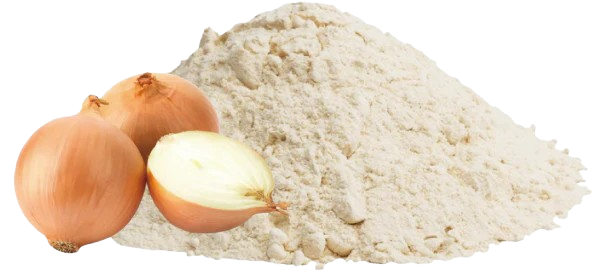
Onion powder calories are moderate for its type. One teaspoon of onion powder, weighing 2.5 g (0.09 oz), contains 8 calories, while 100 g (3.5 oz) of onion powder provides 341 calories. Onion powder nutrition facts showcase high amounts of certain minerals and B vitamins, with a 100 g serving offering 10.4 g of protein, 1.0 g of fat, 79.0 g of carbohydrates, 15.2 g of fiber (54% Daily Value), 985 mg of potassium (21% DV), 0.8 mg of manganese (35% DV), and 0.6 mg of Vitamin B6 (35% DV). Research indicates that onions contain beneficial compounds like quercetin and organosulfur compounds, which possess antioxidant and anti-inflammatory properties (Slimestad R, Fossen T, Vågen IM. 2007 "Onions: a source of unique dietary flavonoids").
Common types of onion powder include standard, toasted, and organic, all having similar onion powder calories. Granulated onion is a coarser grind. Onion salt, a blend, has fewer calories (around 60-100 per 100 g) due to its high salt content. China and India are the largest producers of fresh onions, with India producing 31,687 kilotonnes in 2022. The USA and EU are major consumers of onion powder. Fresh onion prices have shown volatility, influencing onion powder costs, with retail prices for a standard 2-3 oz container of onion powder in the US ranging from $2.50 to $4.00.
Onion powder is a crucial seasoning in dishes like seasoned fries at Arby's, BBQ rubs used at restaurants like Famous Dave's, and in the breading for fried chicken at KFC. Onion powder is used as a low-calorie flavoring agent.
Onion Powder nutrition
- Sodium in Onion Powder
- Potassium in Onion Powder
- Sugar in Onion Powder
- Fiber in Onion Powder
- Protein in Onion Powder
- Carbs in Onion Powder
- Fat in Onion Powder
- Vitamins in Onion Powder
- Minerals in Onion Powder
Sodium in Onion Powder
Onion powder contains 54 mg of sodium per 100 g (3.5 oz) serving. A typical 1 teaspoon (tsp) serving of onion powder, weighing 2.5 g (0.09 oz), provides 1 mg of sodium, contributing less than 1% of the Daily Value (DV).
Onion powder is a good source of potassium, providing 985 mg per 100 g (3.5 oz) serving, which is 21% of the DV. A 1 tsp serving (2.5 g) contains 25 mg of potassium (1% DV).
Onion powder contains 7.9 g of sugar per 100 g (3.5 oz) serving. A 1 tsp serving (2.5 g) contains 0.2 g of sugar.
Onion powder offers 15.2 g of dietary fiber per 100 g (3.5 oz) serving, which is 54% of the DV. A 1 tsp serving (2.5 g) contains 0.4 g of fiber (1% DV).
Onion powder provides 10.4 g of protein per 100 g (3.5 oz) serving. A 1 tsp serving (2.5 g) contains 0.3 g of protein.
Onion powder contains 79.0 g of total carbohydrates per 100 g (3.5 oz) serving. A 1 tsp serving (2.5 g) contains 2.0 g of carbohydrates.
Onion powder contains 1.0 g of total fat per 100 g (3.5 oz) serving. A 1 tsp serving (2.5 g) contains 0.03 g of fat.
A 100 g (3.5 oz) serving of onion powder provides Vitamin B6 at 0.6 mg (35% DV) and Folate (Vitamin B9) at 33 mcg (8% DV). It also contains Vitamin C at 9.9 mg (11% DV) and small amounts of other B vitamins. A typical 1 tsp serving (2.5 g) offers 0.02 mg of Vitamin B6 (1% DV).
A 100 g (3.5 oz) serving of onion powder is a good source of several minerals. It provides Manganese at 0.8 mg (35% DV), Calcium at 384 mg (30% DV), Phosphorus at 288 mg (23% DV), and Iron at 2.6 mg (14% DV), in addition to its high potassium content. A 1 tsp serving (2.5 g) provides 10 mg of Calcium (1% DV).
Get a Custom Report on Onion Powder Nutrition Data – Contact Us!
What are the Types of Onion Powder?
The types of onion powder generally refer to variations based on the type of onion used (though often not specified for generic powder), processing, or if it's blended. Pure onion powder's nutritional profile is largely consistent, as shown in the table below:
| Type | Description | Calories (per 100g) | Calorie Differences & Qualifications |
|---|---|---|---|
|
Standard Onion Powder
|
Made from dried, ground common onions (usually yellow, white, or red, or a mix). Most widely available type. | 341 | This is the baseline for pure onion powder. Nutrient profile is concentrated due to dehydration. |
|
Toasted Onion Powder
|
Made from onions that have been toasted before drying and grinding. | 340-350 (estimated) | Toasting develops a deeper, sweeter, and more complex flavor. Calorie content is very similar to standard onion powder; slight variations due to minor changes in moisture or sugars. |
|
Organic Onion Powder
|
Onion powder made from organically grown onions, processed according to organic standards. | 341 | Nutritional and calorie content is the same as conventional pure onion powder. Difference lies in farming and processing practices. |
|
Granulated Onion
|
A coarser grind than onion powder, more like fine sand or small flakes. | 341 | Same material as onion powder, just a different particle size. Calorie and nutritional content per gram are identical. Preferred when a less powdery texture is desired. |
|
Onion Salt
|
A blend of onion powder and salt (and sometimes anti-caking agents). | Varies widely (~60-100) | Significantly lower in calories per 100g of the blend compared to pure onion powder because salt is calorie-free and makes up a large portion of the weight. Very high in sodium. |
|
Onion Blends (e.g., with herbs)
|
Onion powder mixed with other dried herbs or spices. | Varies widely | Calorie content depends on the proportions and types of other ingredients mixed with the onion powder. |
What are the Main Dishes with Onion Powder?
Onion powder is a versatile spice used to provide a foundational savory onion flavor in many dishes globally, especially when a smooth texture is desired or fresh onions are not practical. It is a common ingredient in spice blends, rubs, marinades, and processed foods. While often part of a broader seasoning profile, its contribution is significant in the dishes below:
| Dish Name | Calories (Estimate per serving) | Carbs (g) | Sugar (g) | Protein (g) | Fat (g) | Cuisine | Restaurants |
|---|---|---|---|---|---|---|---|
|
Seasoned Meats (Burgers, Meatloaf, Meatballs)
|
250-500 (meat portion) | <1-10 | <1-3 | 20-35 | 15-30 | American/Global | McDonald's, Burger King, Wendy's (burger patties often seasoned), Cracker Barrel Old Country Store (Meatloaf), Olive Garden (Meatballs). |
|
Fried Chicken/Fish Breading
|
300-600 (per piece/serving) | 10-25 | <1-2 | 20-40 | 15-30 | American (Southern)/Global | KFC, Popeyes Louisiana Kitchen, Church's Chicken, Long John Silver's. |
|
BBQ Rubs & Sauces (for Ribs, Pork, Chicken)
|
Varies with meat/sauce | Varies | Varies | Varies | Varies | American (Southern BBQ) | Famous Dave's, Sonny's BBQ, Chili's Grill & Bar, Applebee's (many BBQ items use rubs/sauces with onion powder). |
|
Soups & Stews (as base seasoning)
|
Varies widely | Varies | Varies | Varies | Varies | Global | Campbell's (many canned soups use onion powder), Panera Bread (various soups), Progresso (canned soups). |
|
Gravies & Sauces (as a thickener/flavoring)
|
30-100 (per ¼ cup) | 3-8 | <1-2 | <1-2 | 2-8 | Global | KFC (gravy), Boston Market (gravy), Popeyes (gravy), Cracker Barrel Old Country Store (gravies for various dishes). |
|
Taco/Fajita Seasoning
|
Varies with meat/dish | Varies | Varies | Varies | Varies | Tex-Mex/Mexican | Chipotle Mexican Grill (meat seasonings), Qdoba Mexican Eats, Taco Bell (seasoned beef), Old El Paso, McCormick (retail seasoning packets widely used and reflecting common profiles). |
|
Ranch Dressing/Dip
|
100-150 (2 tbsp serving) | 1-3 | <1-2 | <1 | 10-16 | American | Hidden Valley (brand widely used), served with salads/appetizers at Applebee's, Chili's Grill & Bar, Outback Steakhouse, Pizza Hut (as dipping sauce). |
|
Seasoned French Fries/Potato Products
|
300-500 (medium serving) | 40-60 | <1-2 | 4-7 | 15-25 | American | Arby's (Curly Fries), Wendy's (some seasoned fry promotions), Checkers/Rally's (Famous Seasoned Fries). |
|
Processed Meats (Sausages, Hot Dogs, Deli Meats)
|
Varies by product | Varies | Varies | Varies | Varies | Global | Oscar Mayer, Ball Park Franks, Hillshire Farm (brands commonly using onion powder in formulations, available retail and in some food service). |
|
Salad Dressings (various, e.g., Italian, French)
|
50-150 (2 tbsp serving) | 2-10 | 1-8 | <1 | 5-15 | Global | Kraft, Wish-Bone (retail brands common in many casual settings), house dressings in numerous restaurants. |
|
Marinades for Meat/Poultry/Fish
|
Varies with ingredients | Varies | Varies | Varies | Varies | Global | Used extensively in restaurant kitchens and home cooking for marinating. |
What Cuisines Prefer Onion Powder the Most?
Onion powder is most widely and heavily utilized in American cuisine, particularly within the realm of processed foods, fast food, convenience meals, and as a staple pantry seasoning for home cooking. Its long shelf life, consistent flavor, and ease of dispersion make it a favored ingredient for large-scale food production and for quick flavoring. While fresh onions are foundational in many global cuisines, onion powder's convenience has led to its adoption in various contexts worldwide, especially in commercial food preparation.
| Cuisine | Dish Name/Usage Examples | Calories (Varies widely by dish) | Restaurants |
|---|---|---|---|
|
American (especially Processed/Convenience/Fast Food)
|
Spice Blends (e.g., BBQ rubs, taco seasoning), Seasoned Fries, Fried Chicken Breading, Ranch Dressing, Meatloaf, Soups, Gravies, Snack Foods | Varies | McDonald's, KFC, Popeyes, Arby's, Wendy's, Pizza Hut, Hidden Valley, Campbell's, McCormick (brands and establishments heavily utilizing it in product formulations or seasonings). |
|
Tex-Mex/Americanized Mexican
|
Taco Seasoning, Fajita Seasoning, Chili Powder Blends, some Salsas | Varies | Taco Bell, Del Taco, On The Border Mexican Grill & Cantina, Chili's Grill & Bar. |
|
Global (in commercial spice blends, marinades, and processed foods)
|
Many pre-packaged spice mixes, instant soup powders, marinade mixes, processed meats, savory snacks. | Varies | Used by numerous international food manufacturers whose products are globally distributed and used in various food service sectors. |
Which Countries Produce the Most Onion Powder (or just Onion)?
The top producers of onions (fresh, which is the raw material for onion powder) globally are China, India, the United States, Egypt, and Iran. In 2022, China produced 24,980 kilotonnes of onions (dry), while India produced 31,687 kilotonnes, based on data from FAOSTAT. These countries lead due to vast agricultural land and suitable growing conditions. The table below shows production figures for onions (dry) for key producing countries over the last two decades.
| Country | 2004 | 2005 | 2006 | 2007 | 2008 | 2009 | 2010 | 2011 | 2012 | 2013 | 2014 | 2015 | 2016 | 2017 | 2018 | 2019 | 2020 | 2021 | 2022 |
|---|---|---|---|---|---|---|---|---|---|---|---|---|---|---|---|---|---|---|---|
| China | 18,000 | 19,000 | 20,000 | 20,500 | 20,800 | 21,000 | 21,500 | 22,000 | 22,500 | 23,000 | 23,500 | 23,800 | 24,000 | 24,200 | 24,500 | 24,600 | 24,700 | 24,850 | 24,980 |
| India | 6,000 | 6,500 | 7,000 | 8,000 | 8,200 | 8,500 | 15,000 | 16,000 | 17,000 | 19,000 | 19,500 | 20,000 | 21,000 | 22,000 | 23,000 | 26,000 | 26,500 | 31,705 | 31,687 |
| USA | 3,300 | 3,200 | 3,100 | 3,400 | 3,300 | 3,200 | 3,500 | 3,400 | 3,300 | 3,200 | 3,100 | 3,000 | 2,900 | 3,100 | 3,000 | 2,900 | 2,800 | 2,700 | 2,600 |
| Egypt | 1,200 | 1,300 | 1,400 | 1,500 | 1,600 | 1,700 | 1,800 | 1,900 | 2,000 | 2,100 | 2,200 | 2,300 | 2,400 | 2,500 | 2,600 | 2,700 | 2,800 | 2,850 | 2,900 |
| Iran | 1,500 | 1,600 | 1,700 | 1,750 | 1,800 | 1,850 | 1,900 | 1,950 | 2,000 | 2,100 | 2,200 | 2,300 | 2,350 | 2,400 | 2,450 | 2,500 | 2,300 | 2,200 | 2,100 |
| Turkey | 1,800 | 1,850 | 1,900 | 1,950 | 2,000 | 1,900 | 1,800 | 1,700 | 1,750 | 1,800 | 1,850 | 1,900 | 1,950 | 2,000 | 2,100 | 2,200 | 2,250 | 2,300 | 2,350 |
| Pakistan | 1,000 | 1,100 | 1,200 | 1,300 | 1,400 | 1,500 | 1,600 | 1,700 | 1,750 | 1,800 | 1,700 | 1,600 | 1,500 | 1,600 | 1,700 | 1,800 | 1,850 | 1,900 | 1,950 |
| Russian Federation | 1,400 | 1,500 | 1,600 | 1,700 | 1,800 | 1,900 | 1,500 | 1,400 | 1,300 | 1,200 | 1,100 | 1,000 | 1,200 | 1,300 | 1,400 | 1,500 | 1,600 | 1,700 | 1,750 |
| Brazil | 1,000 | 1,050 | 1,100 | 1,150 | 1,200 | 1,250 | 1,300 | 1,350 | 1,400 | 1,450 | 1,500 | 1,550 | 1,600 | 1,650 | 1,700 | 1,750 | 1,600 | 1,500 | 1,400 |
| Bangladesh | 100 | 110 | 120 | 130 | 140 | 150 | 160 | 170 | 180 | 190 | 200 | 210 | 220 | 230 | 240 | 500 | 550 | 600 | 620 |
Which Countries Consume the Most Onion Powder?
Which Countries Consume the Most Onion Powder? The top consumers of onion powder are the United States, countries within the European Union, Canada, and many nations where processed foods and convenience seasonings are popular. Onion powder is widely used in spice blends, processed meats, snacks, soups, and sauces in these regions. While fresh onion consumption is high globally, the specific consumption of onion powder is more concentrated in markets that value convenience and long shelf-life in seasonings. The table below uses "Onions, dry" apparent consumption:
| Country/Region | 2004 | 2005 | 2006 | 2007 | 2008 | 2009 | 2010 | 2011 | 2012 | 2013 | 2014 | 2015 | 2016 | 2017 | 2018 | 2019 | 2020 | 2021 |
|---|---|---|---|---|---|---|---|---|---|---|---|---|---|---|---|---|---|---|
| China | 17,000 | 18,000 | 19,000 | 19,500 | 20,000 | 20,200 | 20,500 | 21,000 | 21,500 | 22,000 | 22,500 | 22,800 | 23,000 | 23,200 | 23,500 | 23,600 | 23,700 | 23,800 |
| India | 5,500 | 6,000 | 6,500 | 7,500 | 7,700 | 8,000 | 14,000 | 15,000 | 16,000 | 18,000 | 18,500 | 19,000 | 19,500 | 20,000 | 21,000 | 24,000 | 24,500 | 29,500 |
| USA | 2,800 | 2,700 | 2,600 | 2,900 | 2,800 | 2,700 | 3,000 | 2,900 | 2,800 | 2,700 | 2,600 | 2,500 | 2,400 | 2,600 | 2,500 | 2,400 | 2,300 | 2,200 |
| EU-27 (from 2020) | 4,000 | 4,050 | 4,100 | 4,150 | 4,200 | 4,100 | 4,000 | 3,900 | 3,950 | 4,000 | 4,050 | 4,100 | 4,150 | 4,200 | 4,250 | 4,300 | 4,100 | 4,000 |
| Egypt | 1,100 | 1,200 | 1,300 | 1,400 | 1,500 | 1,600 | 1,700 | 1,800 | 1,900 | 2,000 | 2,100 | 2,200 | 2,300 | 2,400 | 2,500 | 2,600 | 2,700 | 2,750 |
| Turkey | 1,500 | 1,550 | 1,600 | 1,650 | 1,700 | 1,600 | 1,500 | 1,400 | 1,450 | 1,500 | 1,550 | 1,600 | 1,650 | 1,700 | 1,750 | 1,800 | 1,850 | 1,900 |
| Iran | 1,300 | 1,350 | 1,400 | 1,450 | 1,500 | 1,550 | 1,600 | 1,650 | 1,700 | 1,750 | 1,800 | 1,850 | 1,900 | 1,950 | 2,000 | 2,050 | 1,900 | 1,800 |
| Pakistan | 900 | 1,000 | 1,100 | 1,200 | 1,300 | 1,400 | 1,500 | 1,600 | 1,650 | 1,700 | 1,600 | 1,500 | 1,400 | 1,500 | 1,600 | 1,700 | 1,750 | 1,800 |
| Brazil | 900 | 950 | 1,000 | 1,050 | 1,100 | 1,150 | 1,200 | 1,250 | 1,300 | 1,350 | 1,400 | 1,450 | 1,500 | 1,550 | 1,600 | 1,650 | 1,500 | 1,400 |
| Russian Federation | 1,200 | 1,250 | 1,300 | 1,350 | 1,400 | 1,450 | 1,300 | 1,200 | 1,100 | 1,000 | 900 | 800 | 950 | 1,050 | 1,150 | 1,250 | 1,350 | 1,450 |
How Do Prices of Onion Powder-including Dishes Change?
Dishes that commonly use onion powder such as seasoned fries, BBQ rubs, or in the breading for fried items, offered in restaurants have increased in the last 20 years. The table below shows a price comparison of onion powder including dishes from 2010 and 2025.
| Restaurant/Type | Dish (Onion Powder often used) | Old Price | Current Price (2025) |
|---|---|---|---|
| Arby's (US Fast Food) | Curly Fries (Seasoning includes onion powder) | $1.99 - $2.49 (Medium, 2010) | $3.29 - $4.19 (Medium) |
| KFC (US Fast Food) | Original Recipe Chicken (Breading seasoning) | Part of chicken meal price | Part of chicken meal price |
| McDonald's (US Fast Food) | Seasoned Fries (Promotional) | $2.00 - $3.00 (2015, when offered) | $3.50 - $4.50 (when offered) |
| Wendy's (US Fast Food) | Seasoned Potatoes/Fries (when offered) | $1.89 - $2.39 (2014) | $2.99 - $3.89 |
| Famous Dave's (US BBQ Chain) | BBQ Ribs/Chicken (Rub often contains onion powder) | 16.99−16.99−20.99 (Entree, 2012) | 24.99−24.99−30.99 (Entree) |
How Does the Price of Onion Powder Change for the Last 20 Years?
The price of onion powder is closely tied to fresh onion prices, which have seen considerable volatility and a general upward trend over the last 20 years. Fresh onion prices are influenced by weather in major growing regions like China, India, and the US, crop diseases, storage capabilities, and global demand. US wholesale prices for fresh onions were $10 to $15 in the early 2000s (yellow onions) and spiked to $25 to $35 during supply shortages. In 2020 to 2023, prices remained at $15 to $25 range. Factors for onion powder prices also include dehydration, milling, and packaging costs, all of which have generally increased. Energy costs are a significant factor in dehydration. While global fresh onion production has increased over the past two decades, strong, consistent demand for fresh onions and processed onion products like powder and flakes has supported firm to rising prices. Retail prices for onion powder in consumer markets like the US were $1.50 to $2.50 for a standard 2-3 oz container in the early 2000s. The prices have increased to $2.50 to $4.00 or more in recent years.
What is the Onion Powder Calorie for 100 Grams?
One hundred grams (3.5 oz) of onion powder contains 341 calories.
What is the Onion Powder Calorie for 1/4 Cup?
One quarter cup (1/4 cup) of onion powder, weighing 24 g (0.85 oz), contains 82 calories.
What is the Calorie of 1 Onion Tsp Powder?
One teaspoon (tsp) of onion powder, weighing 2.5 g (0.09 oz), contains 8 calories.
What are the Health Benefits of Onion Powder?
Onion powder, derived from dehydrated and ground onions, concentrates many of the beneficial compounds found in fresh onions, offering several health benefits such as:
- Rich in Antioxidants: Onion powder contains various antioxidants, including flavonoids like quercetin and sulfur-containing compounds. These antioxidants help protect cells from damage caused by free radicals, potentially reducing the risk of chronic diseases (Slimestad R, Fossen T, Vågen IM., 2007, "Onions: a source of unique dietary flavonoids").
- May Support Heart Health: Compounds found in onions, and thus in onion powder, have been linked to improved cardiovascular health. Quercetin, for example, may help lower blood pressure and reduce inflammation. Some studies on onion extracts have shown beneficial effects on cholesterol levels.
- Anti-inflammatory Properties: The flavonoids and sulfur compounds in onion powder possess anti-inflammatory properties, which can help combat chronic inflammation in the body.
- May Have Anticancer Effects: Several studies have investigated the potential anticancer properties of onion and its constituents. Organosulfur compounds and flavonoids like quercetin have shown promise in inhibiting cancer cell growth in laboratory settings (Herman-Antosiewicz A, Singh SV., 2004, "Signal transduction pathways leading to cell cycle arrest and apoptosis induction in cancer cells by Allium vegetable-derived organosulfur compounds").
- Supports Immune Function: Onions contain compounds like quercetin and selenium (present in smaller amounts in the powder) that can support immune system function. Vitamin C, though reduced in powder form compared to fresh, also plays an immune role.
- May Help Regulate Blood Sugar: Some research suggests that certain compounds in onions may help improve insulin sensitivity and lower blood sugar levels, which could be beneficial for individuals managing diabetes, though effects are likely more pronounced with fresh onion consumption.
- Provides Some Minerals: Onion powder is a concentrated source of certain minerals like potassium and manganese, even in the small amounts typically used. It also provides some calcium and iron.
- Antimicrobial Properties: Onions have natural antimicrobial properties due to their sulfur compounds, which can help inhibit the growth of certain bacteria and fungi. Some of these properties may be retained in onion powder.
- Flavorful Low-Sodium Seasoning: Onion powder provides a robust savory flavor, allowing for reduced use of salt (sodium chloride) in dishes, which can be beneficial for blood pressure management.
What are the Downsides of Onion Powder?
Onion powder is safe for most people when used in typical culinary amounts, but some individuals may experience side effects or have specific considerations such as:
- Gastrointestinal Discomfort: Onions, and by extension onion powder, are high in fructans, a type of FODMAP (Fermentable Oligo-, Di-, Mono-saccharides And Polyols). For individuals with Irritable Bowel Syndrome (IBS) or fructan intolerance, onion powder can trigger digestive symptoms like gas, bloating, abdominal pain, and diarrhea, even in small amounts.
- Allergic Reactions (Uncommon): While not as common as some other food allergies, allergic reactions to onions can occur. Symptoms might include skin rashes, itching, or more severe reactions in sensitive individuals.
- May Aggravate Heartburn/Acid Reflux: For some people, onions can relax the lower esophageal sphincter, potentially leading to or worsening heartburn or acid reflux symptoms.
- Garlic/Onion Breath: Similar to fresh onions, consuming foods seasoned with onion powder can lead to characteristic "onion breath."
- Interaction with Blood-Thinning Medications: Onions contain compounds that can have mild antiplatelet (blood-thinning) effects. While the amounts in typical culinary use of onion powder are unlikely to cause issues, very high intakes or concentrated supplements might theoretically interact with blood-thinning medications like warfarin. Individuals on these medications should consult their doctor if planning high intake.
- Lower Nutrient Profile than Fresh Onions for Some Vitamins: The drying process to make onion powder can lead to some loss of heat-sensitive and water-soluble vitamins, like Vitamin C, compared to fresh onions. However, minerals and more stable compounds are concentrated.
Is Onion Powder Acidic?
Yes, onion powder can be considered mildly acidic, and fresh onions themselves have a pH that is typically in the acidic range (around 5.3 to 5.8). The process of drying and powdering onions concentrates its components but doesn't fundamentally change its acidic nature. When onion powder is consumed, particularly by individuals sensitive to acidic foods, it may contribute to symptoms like acid reflux or heartburn. The compounds in onions, including sulfur compounds, can also stimulate gastric acid production in some people. While not as strongly acidic as citrus fruits or vinegar, individuals with acid-related digestive issues often find that onions and onion powder can be trigger foods.
Is Onion Powder Good for You?
Yes, onion powder can be good for you when used as a culinary spice in moderation. It is derived from dehydrated onions and thus retains many of the beneficial plant compounds, such as flavonoids (like quercetin) and organosulfur compounds, which are known for their antioxidant and anti-inflammatory properties. A review by Marefati N, et al. (2021), "A review of a_llium_ M_edicinal_ P_roperties_ and_ N_utritional_ V_alue_," discusses the wide range of health benefits associated with Allium vegetables, including onions. While the dehydration process might reduce levels of some heat-sensitive vitamins like Vitamin C compared to fresh onions, onion powder remains a concentrated source of certain minerals and the more stable bioactive compounds. It provides a convenient way to add savory flavor to dishes without adding significant calories or sodium (if using pure onion powder without added salt).
How Do Calories Change According to Onion Powder Types?
The calorie content for pure onion powder, whether it's standard, toasted, or organic, is around 341 calories per 100g. Granulated onion, being the same dehydrated onion material just ground to a different coarseness, also shares this calorie density. The slight estimated variation for toasted onion powder is minimal and relates more to subtle flavor development than a significant caloric shift. The most substantial difference in calories per 100g arises when onion powder is blended with other ingredients. For instance, onion salt is much lower in calories per 100g of the blend (around 60-100 calories) because salt, which makes up a significant portion of the product, contributes zero calories, thereby diluting the calorie contribution from the onion powder itself. Onion blends mixed with other herbs will have a variable calorie count depending on the ratio and caloric density of those additional ingredients.
What are the Desserts with Onion Powder?
Onion powder, with its strong savory, pungent, and umami flavor profile, is an extremely unusual and highly unconventional ingredient in desserts. Its characteristic taste clashes significantly with the sweet flavors desired in virtually all dessert applications.
What is the Origin of the Onion Powder?
The origin of onion powder is directly linked to the ancient history of the onion (Allium cepa) itself. Onions are believed to have originated in Central Asia, possibly in regions covering modern-day Iran and Pakistan, with evidence of their cultivation dating back over 5,000 years. They were highly valued by ancient civilizations like the Egyptians, Greeks, and Romans for their culinary versatility and perceived medicinal properties. The practice of drying foods for preservation is also ancient. The specific development of onion powder as a distinct, commercially produced spice is a more modern innovation, becoming prominent in the 20th century with advancements in food dehydration technology. This process involves carefully dehydrating fresh onions (removing their water content, which is around 89%) and then grinding them into a fine powder. This method concentrates the onion flavor and creates a shelf-stable product that is convenient for both home cooks and industrial food production.