Calories in Okra: Nutritional facts for Okra Types
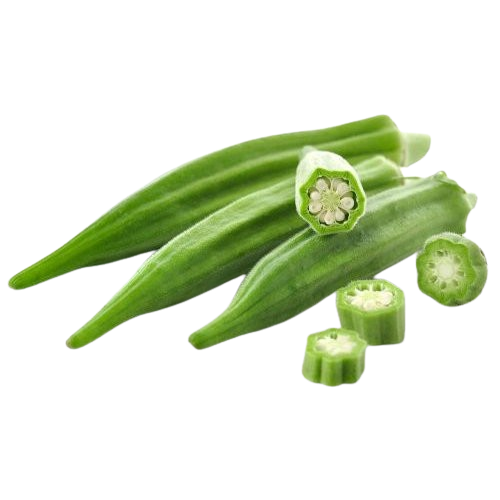
Okra calories are low, varying slightly with preparation. One cup sliced raw okra 100g (3.5 oz) contains 33 calories, while cooked, boiled okra 100g (3.5 oz) has 22 calories. Okra’s nutritional value is notable for its fiber, Vitamin K, Vitamin C, folate, magnesium. A 100g (3.5 oz) raw okra serving offers 3.2g fiber (11% Daily Value/DV), 31.3 mcg Vitamin K (26% DV), 23 mg Vitamin C (26% DV), 60 mcg folate (15% DV), 57 mg magnesium (14% DV). Okra nutrition facts include 1.93g protein, 0.19g fat, and 7.45g carbohydrates per 100g raw. Research highlights okra benefits, including its rich antioxidant content potential role in blood sugar management (Khatun H, et al. 2011).
Common okra types are green and red/burgundy varieties, which have similar calories when fresh. Fried and breaded okra significantly increases okra calories and fat content. India leads global okra production, producing 6,500 kilotonnes in 2022. Consumption is highest in India, Nigeria, and West African nations. Fresh okra prices have risen over the past 20 years, influenced by agricultural costs and inflation, with retail prices in the US averaging $4.98 per pound in 2023 - 2024, according to the USDA.
Okra is used in dishes like Gumbo, served at establishments such as Commander's Palace in New Orleans, and Bhindi Masala, which is found in many Indian restaurants. Fried okra is a popular offering in Southern US chains like Cracker Barrel and Bojangles. Burning the 33 calories from 100g of raw okra can be achieved by doing 10 minutes of brisk walking.
Okra nutrition
- Large Okra Calories (Nutritional Facts)
- Chinese Okra Calories (Nutritional Facts)
- Okra Leaves Calories (Nutritional Facts)
- Small Okra Calories (Nutritional Facts)
- Raw Okra Nutrition
- Sodium in Okra
- Potassium in Okra
- Sugar in Okra
- Fiber in Okra
- Protein in Okra
- Magnesium in Okra
- Carbs in Okra
- Fat in Okra
- Vitamins in Okra
- Minerals in Okra
Large Okra Calories (Nutritional Facts)
One large raw okra pod, weighing 15 g (0.53 oz), contains 5 calories, 0.03 g of fat, 0.29 g of protein, 1.1 g of carbohydrates, 0.21 g of sugar, and 0.48 g of dietary fiber. A large serving of raw okra, considered as 150 g (5.3 oz or about ten large pods), contains 50 calories, 0.29 g of fat, 2.9 g of protein, 11.18 g of carbohydrates, 2.07 g of sugar, and 4.8 g of dietary fiber.
One hundred grams (3.5 oz) of raw Chinese okra, also known as angled luffa, contains 18 calories, 0.2 g of fat, 0.6 g of protein, 4.0 g of carbohydrates, 2.0 g of sugar, and 1.0 g of dietary fiber.
A 100 g (3.5 oz) serving of raw okra leaves contains 22 calories, 0.2 g of fat, 2.2 g of protein, 4.5 g of carbohydrates, and 1.5 g of dietary fiber.
One small raw okra pod, weighing 8 g (0.28 oz), contains 3 calories, 0.02 g of fat, 0.15 g of protein, 0.59 g of carbohydrates, 0.11 g of sugar, and 0.26 g of dietary fiber. A small serving of raw okra, considered as 50 g (1.8 oz or about six small pods), contains 17 calories, 0.1 g of fat, 0.97 g of protein, 3.73 g of carbohydrates, 0.69 g of sugar, and 1.6 g of dietary fiber.
A 100 g (3.5 oz) serving of raw okra provides 33 calories, 0.19 g of fat, 1.93 g of protein, 7.45 g of carbohydrates, 1.38 g of sugar, and 3.2 g of dietary fiber. One cup of sliced raw okra (100 g) contains the same nutritional values. A bowl of raw okra (200g or equivalent to two cups) provides 66 calories, 0.38 g of fat, 3.86 g of protein, 14.9 g of carbohydrates, 2.76 g of sugar, and 6.4 g of dietary fiber.
Raw okra contains 7 mg of sodium per 100 g (3.5 oz) serving, contributing less than 1% of the Daily Value (DV). Cooked, boiled okra contains 6 mg of sodium per 100 g.
Raw okra provides 299 mg of potassium per 100 g (3.5 oz) serving, which is 6% of the DV. Cooked, boiled okra contains 135 mg of potassium per 100 g.
Raw okra contains 1.38 g of sugar per 100 g (3.5 oz) serving. Cooked, boiled okra contains 1.27 g of sugar per 100 g.
Raw okra offers 3.2 g of dietary fiber per 100 g (3.5 oz) serving, which is 11% of the DV. Cooked, boiled okra provides 2.1 g of fiber per 100 g.
Raw okra provides 1.93 g of protein per 100 g (3.5 oz) serving. Cooked, boiled okra contains 1.6 g of protein per 100 g.
Raw okra contains 57 mg of magnesium per 100 g (3.5 oz) serving, contributing 14% of the DV. Cooked, boiled okra contains 36 mg of magnesium per 100 g.
Raw okra contains 7.45 g of total carbohydrates per 100 g (3.5 oz) serving. Cooked, boiled okra contains 4.58 g of carbohydrates per 100 g.
Raw okra contains 0.19 g of total fat per 100 g (3.5 oz) serving. Cooked, boiled okra contains 0.18 g of total fat per 100 g.
A 100 g (3.5 oz) serving of raw okra is a source of Vitamin K, providing 31.3 mcg (26% DV). It also contains Vitamin C at 23 mg (26% DV), Folate (Vitamin B9) at 60 mcg (15% DV), and Vitamin A at 36 mcg RAE (4% DV). Cooking okra can reduce some vitamin content; boiled okra (100 g) provides 52.9 mcg of Vitamin K (44% DV), 13.2 mg of Vitamin C (15% DV), and 46 mcg of Folate (12% DV).
A 100 g (3.5 oz) serving of raw okra provides Manganese at 0.94 mg (41% DV). In addition to magnesium (14% DV) and potassium (6% DV), it contains Calcium at 82 mg (6% DV). Cooked, boiled okra (100 g) provides 0.452 mg of Manganese (20% DV).
Get a Custom Report on Okra Nutrition Data – Contact Us!
What are the Types of Okra?
Numerous cultivars of okra (Abelmoschus esculentus) exist and they primarily vary in pod length, color (green, red/burgundy), and sometimes spininess, rather than having drastically different nutritional profiles or calorie counts when comparing standard green varieties. Red okra varieties tend to turn green when cooked. The "Chinese Okra" is a different species (angled luffa) with a distinct profile. The different types of okra are shown in the table below:
| Type | Description | Calories (per 100g, raw unless stated) | Calorie Differences & Qualifications |
|---|---|---|---|
|
Green Okra (Common)
|
Most widely available type, with green, ribbed pods. Varieties include Clemson Spineless, Emerald. | 33 | This is the standard nutritional baseline for common okra. Cooked (boiled) green okra contains 22 calories per 100g. |
|
Red/Burgundy Okra
|
Pods are red or burgundy in color; typically turn green when cooked. Flavor similar to green okra. | 33-35 | Calorie content is virtually identical to green okra. The red pigments are anthocyanins, which are antioxidants, but overall nutritional profile is very similar. |
|
Dwarf Okra Varieties
|
Produce smaller plants and often shorter pods. | 33 | Calorie and nutritional content per 100g is similar to standard green okra; serving sizes by pod count might differ. |
|
Spineless Okra Varieties
|
Cultivars bred to have smooth pods without prominent spines, e.g., Clemson Spineless. | 33 | Nutritional profile and calories per 100g are the same as other green okra varieties. Easier to handle. |
|
Okra (Fried, Breaded)
|
Okra pods coated in batter/breading and deep-fried. | 150-250+ | Significantly higher in calories, fat, and sodium due to the breading and frying process. Fiber content remains, but overall healthfulness is reduced. |
|
Okra (Pickled)
|
Okra pods preserved in a vinegar brine, often with spices. | 20-40 | Calorie content is similar to or slightly higher than fresh if sugar is used in the brine. Sodium content is significantly increased. |
What are the Main Dishes with Okra?
Okra's unique texture and flavor make it a versatile ingredient in various main dishes, particularly in Southern American, Indian, Middle Eastern, and African cuisines. Below are some examples of main dishes where okra plays a significant role:
| Dish Name | Calories (Estimate per serving) | Carbs (g) | Sugar (g) | Protein (g) | Fat (g) | Cuisine | Restaurants |
|---|---|---|---|---|---|---|---|
|
Gumbo (with Okra)
|
300-500 | 25-40 | 3-8 | 15-30 | 10-25 | Louisiana Creole/Cajun | Commander's Palace (New Orleans), Popeyes Louisiana Kitchen (seasonal/regional), Pappadeaux Seafood Kitchen, many local Louisiana restaurants. |
|
Bhindi Masala (Okra Curry)
|
200-350 (without rice/bread) | 20-30 | 5-10 | 5-8 | 10-20 | Indian | Swagat Indian Cuisine (various US locations), The Saffron Patch (Cleveland), many independent Indian restaurants. |
|
Fried Okra (as a substantial side or main with other items)
|
300-500 (large side) | 30-50 | 2-5 | 4-7 | 18-35 | Southern American | Cracker Barrel Old Country Store, Bojangles, Church's Chicken, many Southern-style restaurants. |
|
Bamia (Okra Stew with Meat)
|
350-550 | 20-35 | 5-10 | 20-30 | 15-25 | Middle Eastern/Mediterranean | Zaytinya (Washington D.C.), Fadi's Mediterranean Grill, many local Middle Eastern and Levantine restaurants. |
|
Okra Soup (African style, e.g., Ogbono with Okra)
|
250-450 | 15-30 | 3-7 | 10-20 | 12-25 | West African | Found in specialized West African restaurants in cities like Houston, Atlanta, NYC. |
|
Stewed Okra and Tomatoes
|
100-200 (as a side, larger as part of a main) | 15-25 | 8-15 | 3-5 | 2-8 | Southern American | Common in home cooking and some soul food or Southern comfort food restaurants. |
|
Shrimp and Okra Creole
|
300-450 | 25-40 | 6-12 | 20-30 | 10-20 | Louisiana Creole | Similar to Gumbo, found in Louisiana-style eateries and seafood restaurants focusing on Creole cuisine. |
What Cuisines Prefer Okra the Most?
Okra is a cherished vegetable in many warm-climate cuisines around the world, particularly in the Southern United States, various parts of Africa (especially West Africa), the Middle East, India, Southeast Asia, and the Caribbean. Its ability to thicken stews and its unique flavor make it a staple in these regions, as shown in the following table:
| Cuisine | Dish Name | Calories (Estimate per serving) | Restaurants |
|---|---|---|---|
|
Southern American
|
Fried Okra, Gumbo, Stewed Okra & Tomatoes | 100-500 | Cracker Barrel Old Country Store, Bojangles, Popeyes Louisiana Kitchen, Commander's Palace (New Orleans), many local Southern and Soul Food restaurants. |
|
Indian
|
Bhindi Masala, Sambhar (with okra), Kurkuri Bhindi | 150-350 | Swagat Indian Cuisine (various US locations), The Saffron Patch (Cleveland), many independent Indian restaurants across the US. |
|
Middle Eastern / Levantine
|
Bamia (Okra and Lamb/Beef Stew) | 300-550 | Zaytinya (Washington D.C.), Fadi's Mediterranean Grill, many local Middle Eastern restaurants. |
|
African (West African emphasis)
|
Okra Soup (various regional versions), Okra Stew | 250-450 | Specialized West African restaurants in major US cities with significant African diaspora communities (e.g., Buka Nigerian Restaurant - NYC, Wazobia - Houston). |
|
Caribbean
|
Callaloo (often includes okra), Okra Rice | 200-400 | Restaurants specializing in Jamaican, Trinidadian, or other Caribbean cuisines in cities like NYC, Miami, Toronto. |
|
Southeast Asian (e.g., Filipino, Vietnamese)
|
Pinakbet (includes okra), Canh Chua (sour soup with okra) | 200-400 | Filipino restaurants like Jollibee (some locations may have okra in dishes), many independent Vietnamese and Filipino restaurants. |
Which Countries Produce the Most Okras?
India is by far the largest producer of okra globally, accounting for a vast majority of the world's supply. Other significant producers include Nigeria, Sudan, Pakistan, and Egypt. Okra thrives in warm climates, which is reflected in the leading producing nations. The table below shows production figures for okra where data is available and consistently reported by FAOSTAT:
| Country | 2004 | 2005 | 2006 | 2007 | 2008 | 2009 | 2010 | 2011 | 2012 | 2013 | 2014 | 2015 | 2016 | 2017 | 2018 | 2019 | 2020 | 2021 | 2022 |
|---|---|---|---|---|---|---|---|---|---|---|---|---|---|---|---|---|---|---|---|
| India | 3,530 | 3,600 | 3,800 | 4,200 | 4,550 | 4,800 | 5,300 | 5,784 | 6,126 | 6,346 | 6,025 | 5,800 | 6,000 | 6,100 | 6,150 | 6,200 | 6,300 | 6,400 | 6,500 |
| Nigeria | 850 | 900 | 940 | 980 | 1,030 | 1,050 | 1,100 | 1,150 | 1,200 | 1,250 | 1,300 | 1,350 | 1,400 | 1,450 | 1,500 | 1,550 | 1,600 | 1,650 | 1,700 |
| Sudan | 250 | 260 | 270 | 280 | 290 | 300 | 310 | 320 | 330 | 340 | 350 | 360 | 370 | 380 | 390 | 400 | 410 | 420 | 430 |
| Pakistan | 110 | 115 | 120 | 125 | 130 | 135 | 140 | 145 | 150 | 155 | 160 | 165 | 170 | 175 | 180 | 185 | 190 | 195 | 200 |
| Egypt | 80 | 85 | 90 | 95 | 100 | 105 | 110 | 115 | 120 | 125 | 130 | 135 | 140 | 145 | 150 | 155 | 160 | 165 | 170 |
| Iraq | 60 | 65 | 70 | 75 | 80 | 85 | 90 | 95 | 100 | 105 | 110 | 115 | 120 | 125 | 130 | 135 | 140 | 145 | 150 |
| Côte d'Ivoire | 40 | 45 | 50 | 55 | 60 | 65 | 70 | 75 | 80 | 85 | 90 | 95 | 100 | 105 | 110 | 115 | 120 | 125 | 130 |
| Ghana | 30 | 35 | 40 | 45 | 50 | 55 | 60 | 65 | 70 | 75 | 80 | 85 | 90 | 95 | 100 | 105 | 110 | 115 | 120 |
| Benin | 25 | 30 | 35 | 40 | 45 | 50 | 55 | 60 | 65 | 70 | 75 | 80 | 85 | 90 | 95 | 100 | 105 | 110 | 115 |
| Mali | 20 | 22 | 25 | 28 | 30 | 32 | 35 | 38 | 40 | 42 | 45 | 48 | 50 | 52 | 55 | 58 | 60 | 62 | 65 |
Which Countries Consume the Most Okras?
Okra consumption is highest in regions where it is heavily produced and culturally significant and these include India, Nigeria, West African countries, Sudan, Egypt, Pakistan, and parts of the Middle East and Southeast Asia. The table below shows Food Supply Quantity (apparent consumption) data for okra from 2012 to 2021:
| Country | 2012 | 2013 | 2014 | 2015 | 2016 | 2017 | 2018 | 2019 | 2020 | 2021 |
|---|---|---|---|---|---|---|---|---|---|---|
| India | 5,500 | 5,700 | 5,400 | 5,200 | 5,450 | 5,500 | 5,600 | 5,750 | 5,700 | 5,800 |
| Nigeria | 1,100 | 1,150 | 1,200 | 1,250 | 1,300 | 1,350 | 1,400 | 1,450 | 1,500 | 1,550 |
| Sudan | 300 | 310 | 320 | 330 | 340 | 350 | 360 | 370 | 380 | 390 |
| Pakistan | 140 | 145 | 150 | 155 | 160 | 165 | 170 | 175 | 180 | 185 |
| Egypt | 110 | 115 | 120 | 125 | 130 | 135 | 140 | 145 | 150 | 155 |
| Iraq | 90 | 95 | 100 | 105 | 110 | 115 | 120 | 125 | 130 | 135 |
| Ghana | 60 | 65 | 70 | 75 | 80 | 85 | 90 | 95 | 100 | 105 |
| Côte d'Ivoire | 70 | 75 | 80 | 85 | 90 | 95 | 100 | 105 | 110 | 115 |
| Benin | 60 | 65 | 70 | 75 | 80 | 85 | 90 | 95 | 100 | 105 |
| USA | 30 | 32 | 33 | 35 | 36 | 37 | 38 | 39 | 40 | 41 |
How Does Prices of Okra-including Dishes Change?
Menu prices for dishes that feature okra prominently, such as Gumbo or Bhindi Masala, have generally increased over the past two decades. This rise is consistent with overall trends in the restaurant industry, driven by higher costs for all ingredients (including okra), labor, rent, energy, and other operational expenses. The table below provides estimated price changes for some common okra-containing dishes in US restaurants:
| Restaurant/Type | Dish | Old Price | Current Price (2025) |
|---|---|---|---|
| Cracker Barrel Old Country Store (US) | Fried Okra (Side Dish) | $1.99 - $2.49 (2010) | $3.09 - $4.00 |
| Pappadeaux Seafood Kitchen (US) | Seafood Gumbo (Cup/Bowl, with Okra) | $5.95 - $8.95 (Cup, 2012) | $11.95 - $12.95 (Cup) |
| Church's Chicken (US Fast Food) | Fried Okra (Side) | $1.79 - $2.29 (Regular, 2014) | $3.89 - $4.59 (Regular) |
| Typical Southern Style Restaurant (US) | Stewed Okra and Tomatoes (Side) | $2.50 - $3.50 (2010) | $4.00 - $5.50 |
How Does the Price of Okra Change for the Last 20 Years?
Fresh okra prices have risen over the last two decades, with seasonal fluctuations. In the US, for example, retail prices climbed from $2.00 to $3.50 per pound in the early 2000s to an average of $4.98 per pound noted by the USDA in 2023 to 2024. This upward trend is driven by factors including seasonality, origin, weather impacts on supply, and increasing farm input costs like fuel, fertilizer, and labor, alongside general food price inflation. While global okra production has increased, particularly in leading countries like India, these rising operational and logistical costs have largely translated to higher consumer prices. The highest prices are seen during off-peak seasons or in import-dependent countries, while the lowest prices occur during peak local harvests in major producing nations.
What is the Okra Calorie for 100 Grams?
One hundred grams (3.5 oz) of raw okra contains 33 calories. One hundred grams of cooked, boiled okra contains 22 calories.
What is the Okra Calorie for 1 KG?
One kilogram (2.2 lbs) of raw okra contains 330 calories. One kilogram of cooked, boiled okra contains 220 calories.
What is the Calorie of 1 Cup Okra?
One cup of sliced raw okra (100 g or 3.5 oz) contains 33 calories. One cup of sliced, boiled okra (160 g or 5.6 oz) contains 35 calories.
What are the Health Benefits of Okra?
Okra is a nutritious vegetable offering several health benefits due to its rich profile of vitamins, minerals, fiber, and antioxidants. The benefits of okra make it a valuable addition to a healthy diet. Here are some key okra health benefits:
- Rich in Nutrients: Okra is low in calories but packed with nutrients. It is a good source of Vitamin C, Vitamin K, folate, magnesium, and manganese, all contributing to overall okra benefits for bodily functions.
- High in Dietary Fiber: Okra benefits include its high fiber content, which aids in digestion, helps prevent constipation, and promotes a feeling of fullness, potentially assisting in weight management. A study by Slavin JL (2005), "Dietary fiber and body weight," discusses the role of fiber in satiety and weight control.
- Contains Beneficial Antioxidants: Okra contains various antioxidants, including polyphenols like flavonoids and isoquercitrin, as well as vitamins C and A. These compounds help combat oxidative stress caused by free radicals, which is one of the significant okra health benefits.
- May Help Manage Blood Sugar: Some research suggests that okra may help stabilize blood sugar levels. Compounds in okra, including its fiber and certain phytochemicals, may slow sugar absorption in the digestive tract. A review by Khatun H, et al. (2011), "Antihyperglycemic and Antihyperlipidemic Effects of Okra (Abelmoschus esculentus) Fruit Extract in Streptozotocin-Induced Diabetic Rats," explored these effects in animal models, indicating potential benefits of okra.
- Supports Heart Health: The fiber in okra can help lower cholesterol levels. Additionally, the antioxidants and potassium in okra may contribute to cardiovascular health by reducing oxidative stress and helping to manage blood pressure.
- Rich in Folate: Okra is a good source of folate (Vitamin B9), which is particularly important during pregnancy for preventing neural tube defects in the developing fetus. Folate is also crucial for cell growth and DNA synthesis throughout life.
- Contributes to Healthy Vision: Okra contains Vitamin A and antioxidants like lutein and zeaxanthin, which are beneficial for eye health and may help protect against age-related eye diseases.
- May Have Anti-Fatigue Effects: Preliminary research suggests that compounds in okra seeds and pods may possess anti-fatigue properties. A study by Xia F, et al. (2015), "Antioxidant and Anti-Fatigue Constituents of Okra," identified such compounds in an animal study, highlighting another potential okra benefit.
What are the Downsides of Okra?
When consuming okra, there are a few potential downsides to consider for certain individuals, such as:
- High in Oxalates: Okra contains a moderate amount of oxalates. For individuals prone to calcium oxalate kidney stones, high intake of oxalate-rich foods might contribute to stone formation. People with a history of kidney stones should consume okra in moderation (Massey LK, 2007, "Food oxalate: factors affecting measurement, biological variation, and bioavailability").
- Digestive Issues for Some: Due to its high fiber content and fructans (a type of carbohydrate), okra might cause gas, bloating, or other digestive discomfort in some individuals, particularly those with Irritable Bowel Syndrome (IBS) or a sensitivity to FODMAPs.
- Potential for Allergic Reactions: Though rare, allergic reactions to okra can occur in some individuals, manifesting as skin rashes, itching, or other allergic symptoms.
- Interaction with Blood Thinners (Vitamin K): Okra is a good source of Vitamin K, which plays a role in blood clotting. Individuals taking blood-thinning medications like warfarin should maintain a consistent intake of Vitamin K-rich foods, including okra, and consult their doctor, as significant changes in intake can affect medication efficacy.
Is Okra Good for You?
Yes, okra is generally considered a very good and healthy vegetable to include in your diet. It is low in calories and fat, yet rich in valuable nutrients such as dietary fiber, Vitamin C, Vitamin K, folate, magnesium, and manganese. The numerous okra benefits stem from its unique combination of vitamins, minerals, antioxidants, and fiber. Research highlights its potential to support digestive health, manage blood sugar, and contribute to heart health. For instance, a review by Gemede HF, et al. (2015), "Nutritional Quality and Health Benefits of Okra (Abelmoschus esculentus): A Review," summarizes the diverse nutritional components and associated health advantages of consuming okra. The presence of beneficial plant compounds like polyphenols further enhances its health-promoting properties.
How Do Calories Change According to Okra Types?
The calorie content of fresh okra pods shows minimal variation among common green and red/burgundy cultivars, consistently around 33 calories per 100g raw. Dwarf or spineless varieties also fall within this same low-calorie range. The most significant changes in calories occur due to preparation methods. Frying okra, especially when breaded, drastically increases its calorie count, often to 150-250 calories or more per 100g, primarily from the absorbed fat and the coating. Pickled okra's calorie content can be similar to fresh or slightly higher (20-40 calories per 100g) if sugar is included in the pickling brine, but its sodium content becomes notably high. Cooking methods like boiling or steaming reduce the calorie content per 100g slightly to around 22 calories, mainly due to water absorption and a slight loss of soluble components.
What are the Desserts with Okra?
Desserts featuring okra as a primary ingredient are very uncommon in mainstream Western or other global cuisines. Okra's savory flavor profile and mucilaginous texture do not lend themselves to traditional dessert applications.
Is Pickled Okra Good for You?
Yes, with caveats. Pickled okra retains some of the base nutritional benefits of fresh okra, such as being low in calories and providing fiber, Vitamin K, and some antioxidants. The pickling process itself, involving fermentation or a vinegar brine, can sometimes introduce probiotics if naturally fermented, which are beneficial for gut health (Marco ML, et al., 2017, "Health benefits of fermented foods: microbiota and beyond"). However, pickled okra is often very high in sodium due to the brine, which can be a concern for blood pressure and overall cardiovascular health if consumed in large quantities or by individuals sensitive to sodium. Some commercial pickled okra may also contain added sugars or preservatives. Consumed in moderation as part of a balanced diet, pickled okra can be a flavorful and relatively healthy addition, but its high sodium content means it should not be relied upon as a primary vegetable source.
What is the Origin of the Okra?
The precise origin of okra (Abelmoschus esculentus) is debated among botanists and historians, but it is widely believed to have originated in the region of Abyssinia (modern-day Ethiopia, Eritrea, and parts of Sudan) or possibly West Africa. Wild relatives of okra are found in these areas. From Africa, its cultivation spread to North Africa, the Mediterranean, Arabia, and India. The transatlantic slave trade is considered a primary route for okra's introduction to the Americas, particularly the Southern United States and the Caribbean, in the 17th or 18th century, where it quickly became an integral part of the regional cuisines.
Gumbo, the iconic Louisiana stew, is perhaps one of the most famous dishes intricately linked with okra. The name "gumbo" itself is thought to derive from a West African word for okra, "ki ngombo" or "quingombo." Okra's mucilaginous properties are highly valued in gumbo as it acts as a natural thickener, contributing to the stew's characteristic consistency. While filé powder (ground sassafras leaves) and roux are also used as thickeners, okra remains a traditional and defining ingredient in many gumbo recipes. This dish beautifully illustrates the culinary fusion of West African, French, Spanish, and Native American influences that characterize Louisiana Creole and Cajun cooking, with okra playing a starring role brought from its African origins.