Calories in Mushrooms: Nutritional facts for Mushrooms Types
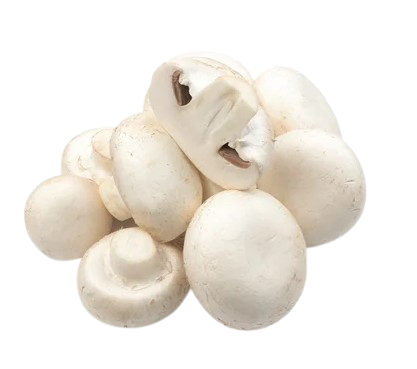
The calories in mushrooms are low for most fresh varieties, with a 100g (3.5 oz) serving of raw white button mushrooms containing just 22 calories. A cup of sliced raw white mushrooms (70g, 2.47 oz) provides a mere 15 calories. Mushroom nutrition facts reveal that despite their low caloric content, they offer valuable nutrients, including B vitamins like riboflavin (31% Daily Value/DV per 100g white mushrooms) and niacin (23% DV), along with minerals such as selenium (17% DV) and potassium (7% DV). Mushrooms are also recognized for containing unique antioxidants like ergothioneine. Research suggests that regular mushroom consumption may be associated with various health benefits, including immune support and potential anti-inflammatory effects (Ba, D.M., et al., 2021, "Mushroom intake and depression: A population-based study using data from the US National Health and Nutrition Examination Survey (NHANES), 2005–2016").
Different types of mushrooms show slight variations in mushroom calories and specific mushroom nutritional value. For example, while white button, cremini, and portobello mushrooms all hover around 22 calories per 100g raw, fresh shiitake mushrooms contain 34 calories per 100g, and dried shiitake mushrooms are much more calorie-dense at 296 calories per 100g due to water removal. China is the world's largest producer of mushrooms, with significant production also occurring in the United States and various European countries like Poland and the Netherlands. Consumption is widespread, with high per capita rates in parts of Europe and Asia. The price of common cultivated mushrooms like white button or cremini has seen moderate increases over the past two decades, with a pound in the U.S. often retailing between $2.50 and $4.00 in recent years.
Mushrooms are often featured in dishes like mushroom risotto at Olive Garden, chicken marsala at Carrabba's Italian Grill, and portobello mushroom burgers at Red Robin. A typical serving of one cup of sliced raw mushrooms (70g, 15 calories) is a nutritious and low-calorie choice. Burning the 15 calories from this serving of mushrooms requires minimal physical activity, such as about 2 minutes of walking or very light activity.
Mushrooms nutrition
- White Mushroom Calories (Nutritional Facts)
- Button Mushroom Calories (Nutritional Facts)
- Portobello Mushroom Calories (Nutritional Facts)
- Baby Bella Mushroom Calories (Nutritional Facts)
- Raw Mushrooms Calories
- Sodium in Mushrooms
- Potassium in Mushrooms
- Sugar in Mushrooms
- Fiber in Mushrooms
- Protein in Mushrooms
- Carbs in Mushrooms
- Fat in Mushrooms
- Vitamins in Mushrooms
- Minerals in Mushrooms
White Mushroom Calories (Nutritional Facts)
A 100g (3.5 oz) serving of raw white mushrooms contains 22 calories. One cup of sliced raw white mushrooms (70g, 2.47 oz) provides 15 calories. A single medium raw white mushroom (18g, 0.63 oz) has 4 calories. Raw white mushrooms (100g) contain 3.1g of protein, 3.3g of carbohydrates, and 0.3g of fat.
A 100g (3.5 oz) serving of raw button mushrooms contains 22 calories. One cup of whole raw button mushrooms (85g, 3 oz) provides 19 calories. Raw button mushrooms (100g) contain 3.1g of protein, 3.3g of carbohydrates, and 0.3g of fat.
A 100g (3.5 oz) serving of raw portobello mushrooms contains 22 calories. One large raw portobello mushroom cap (84g, 2.96 oz) provides 18 calories. Raw portobello mushrooms (100g) contain 2.1g of protein, 3.9g of carbohydrates, and 0.3g of fat.
Baby bella mushrooms, also known as cremini or crimini mushrooms, are a young stage of portobello mushrooms and are browner than white button mushrooms. A 100g (3.5 oz) serving of raw baby bella (cremini) mushrooms contains 22 calories. One cup of sliced raw baby bella mushrooms (85g, 3 oz) provides 19 calories. Raw baby bella mushrooms (100g) contain 2.5g of protein, 4.3g of carbohydrates, and 0.1g of fat.
A 100g (3.5 oz) serving of generic raw mushrooms (referencing white mushrooms) contains 22 calories. One cup of sliced raw mushrooms (70g, 2.47 oz) provides 15 calories. A single medium raw mushroom (18g, 0.63 oz) contains 4 calories.
Raw white mushrooms contain 5mg of sodium per 100g (0% DV). One cup of sliced raw white mushrooms (70g, 2.47 oz) has 4mg of sodium (0% DV). Raw portobello mushrooms contain 6mg of sodium per 100g (0% DV). Raw baby bella (cremini) mushrooms contain 6mg of sodium per 100g (0% DV).
Raw white mushrooms provide 318mg of potassium per 100g (7% DV). One cup of sliced raw white mushrooms (70g, 2.47 oz) contains 223mg of potassium (5% DV). Raw portobello mushrooms provide 364mg of potassium per 100g (8% DV). Raw baby bella (cremini) mushrooms contain 318mg of potassium per 100g (7% DV).
Raw white mushrooms contain 2g of total sugars per 100g. One cup of sliced raw white mushrooms (70g, 2.47 oz) has 1.4g of sugar. Raw portobello mushrooms contain 2.5g of total sugars per 100g. Raw baby bella (cremini) mushrooms contain 1.2g of total sugars per 100g.
Raw white mushrooms provide 1g of dietary fiber per 100g (4% DV). One cup of sliced raw white mushrooms (70g, 2.47 oz) offers 0.7g of dietary fiber (3% DV). Raw portobello mushrooms contain 1.3g of dietary fiber per 100g (5% DV). Raw baby bella (cremini) mushrooms provide 0.6g of dietary fiber per 100g (2% DV).
Raw white mushrooms contain 3.1g of protein per 100g (6% DV). One cup of sliced raw white mushrooms (70g, 2.47 oz) has 2.2g of protein (4% DV). Raw portobello mushrooms provide 2.1g of protein per 100g (4% DV). Raw baby bella (cremini) mushrooms contain 2.5g of protein per 100g (5% DV).
Raw white mushrooms have 3.3g of total carbohydrates per 100g (1% DV). One cup of sliced raw white mushrooms (70g, 2.47 oz) contains 2.3g of total carbohydrates (1% DV). Raw portobello mushrooms contain 3.9g of total carbohydrates per 100g (1% DV). Raw baby bella (cremini) mushrooms provide 4.3g of total carbohydrates per 100g (2% DV).
Raw white mushrooms contain 0.3g of total fat per 100g (0% DV). One cup of sliced raw white mushrooms (70g, 2.47 oz) has 0.2g of total fat (0% DV). Raw portobello mushrooms provide 0.3g of total fat per 100g (0% DV). Raw baby bella (cremini) mushrooms contain 0.1g of total fat per 100g (0% DV).
A 100g (3.5 oz) serving of raw white mushrooms is a good source of Riboflavin (Vitamin B2), providing 0.4mg (31% DV), Niacin (Vitamin B3) at 3.6mg (23% DV), and Pantothenic Acid (Vitamin B5) at 1.5mg (30% DV). It also contains Selenium at 9.3µg (17% DV). Mushrooms exposed to UV light can also be a source of Vitamin D; a 100g serving of UV-exposed raw white mushrooms can provide over 10µg of Vitamin D2 (50% DV or more, depending on exposure). Raw portobello mushrooms (100g) provide 0.3mg of Riboflavin (23% DV) and 3.8mg of Niacin (24% DV). Raw baby bella (cremini) mushrooms (100g) offer 0.4mg of Riboflavin (31% DV) and 3.8mg of Niacin (24% DV).
A 100g (3.5 oz) serving of raw white mushrooms contains 318mg of potassium (7% DV), 9.3µg of selenium (17% DV), and 85mg of phosphorus (12% DV). It also provides copper at 0.318mg (35% DV). Raw portobello mushrooms (100g) offer 364mg of potassium (8% DV) and 10.9µg of selenium (20% DV). Raw baby bella (cremini) mushrooms (100g) contain 318mg of potassium (7% DV) and 9.3µg of selenium (17% DV).
Get a Custom Report on Mushrooms Nutrition Data – Contact Us!
What are the Types of Mushrooms?
There is a vast diversity of edible mushrooms, each with its own unique flavor, texture, and appearance. Their nutritional content, including calories, can also vary slightly. The table below lists some common types of edible mushrooms.
| Type | Description | Calories (per 100g raw) | Calorie Qualifications |
|---|---|---|---|
|
White Button Mushroom
|
(Agaricus bisporus) Youngest stage, mild flavor, most common. | 22 | Very low in calories. |
|
Cremini (Baby Bella) Mushroom
|
(Agaricus bisporus) Brown strain, firmer and more flavorful than white button. | 22 | Very low in calories, similar to white button. |
|
Portobello Mushroom
|
(Agaricus bisporus) Mature cremini, large, meaty texture, rich flavor. | 22 | Low in calories, slightly more concentrated nutrients due to lower water content than button. |
|
Shiitake Mushroom
|
(Lentinula edodes) Umbrella-shaped cap, savory, smoky flavor. Often sold fresh or dried. | Fresh: 34 Dried: 296 | Fresh are low calorie; dried are very calorie and nutrient-dense due to dehydration. |
|
Oyster Mushroom
|
(Pleurotus ostreatus) Fan-shaped, delicate, velvety texture, mild, slightly sweet, and anise-like flavor. | 33 | Low in calories. |
|
Maitake Mushroom (Hen of the Woods)
|
(Grifola frondosa) Grows in clusters, feathery, earthy, and rich flavor. | 31 | Low in calories. |
|
Enoki Mushroom
|
(Flammulina velutipes) Long, thin stems with tiny caps, crisp texture, mild, slightly fruity flavor. | 37 | Low in calories. |
|
Morel Mushroom
|
(Morchella esculenta) Honeycomb-like cap, earthy, nutty, and smoky flavor. Highly prized, usually foraged. | 31 | Low in calories. |
|
Chanterelle Mushroom
|
(Cantharellus cibarius) Funnel-shaped, golden color, fruity (apricot-like) aroma, peppery flavor. Usually foraged. | 38 | Low in calories. |
What are the Main Dishes with Mushrooms?
Mushrooms, with their earthy flavors and versatile textures, can be sautéed, grilled, roasted, stir-fried, or incorporated into sauces, soups, and stews. The table below highlights several main dishes where mushrooms often play a significant role:
| Dish Name | Calories (per serving) | Type of Mushroom Commonly Used | Carbs (g) | Sugar (g) | Protein (g) | Fat (g) | Cuisine | Restaurants |
|---|---|---|---|---|---|---|---|---|
|
Mushroom Risotto
|
400-600 | Cremini, Portobello, Porcini | 45-65 | 2-5 | 10-18 | 15-25 | Italian | Olive Garden, Carrabba's Italian Grill, Maggiano's Little Italy, Buca di Beppo |
|
Beef Stroganoff
|
500-800 | White Button, Cremini | 30-50 | 3-7 | 30-45 | 25-40 | Russian/European | The Cheesecake Factory (some variations), local European restaurants |
|
Mushroom Soup (Creamy)
|
200-400 (bowl) | White Button, Cremini | 15-25 | 3-6 | 5-10 | 10-25 | American/European | Panera Bread, Hale and Hearty Soups, Au Bon Pain |
|
Chicken Marsala
|
450-700 | White Button, Cremini | 15-30 | 4-8 | 35-50 | 20-35 | Italian-American | Olive Garden, Carrabba's Italian Grill, Maggiano's Little Italy, The Cheesecake Factory |
|
Stuffed Mushrooms (as appetizer or main component)
|
200-400 (4-6 pieces) | White Button, Portobello | 10-20 | 2-5 | 8-15 | 15-25 | Italian-American/American | Red Lobster, Olive Garden, LongHorn Steakhouse |
|
Mushroom Pizza
|
250-400 (per slice) | White Button, Cremini | 30-45 | 3-6 | 10-15 | 8-18 | Italian-American | Pizza Hut, Domino's, Papa John's, California Pizza Kitchen |
|
Portobello Mushroom Burger
|
350-600 | Portobello | 30-50 | 5-10 | 10-18 | 15-30 | American/Vegetarian | Red Robin Gourmet Burgers, Shake Shack (Shroom Burger), Veggie Grill |
|
Mushroom Omelette/Frittata
|
300-500 | White Button, Cremini, Shiitake | 5-15 | 2-4 | 20-30 | 20-30 | French/Italian/American | IHOP, Denny's, First Watch, local diners |
|
Steak with Sautéed Mushrooms
|
500-800 | White Button, Cremini | 5-15 | 1-3 | 40-60 | 30-50 | American Steakhouse | Outback Steakhouse, LongHorn Steakhouse, Ruth's Chris Steak House, Morton's The Steakhouse |
|
Mushroom Stir-fry (with Tofu or Meat)
|
350-600 | Shiitake, Oyster, Button | 20-40 | 5-15 | 15-30 | 10-25 | Asian (Chinese, Thai, etc.) | P.F. Chang's, Panda Express (seasonal), Pei Wei Asian Kitchen, local Asian restaurants |
|
Mushroom Gravy (over meatloaf, mashed potatoes)
|
50-150 (per 1/4 cup) | White Button, Cremini | 5-10 | 1-3 | 1-3 | 3-10 | American/European | Cracker Barrel, Boston Market, various home-style restaurants |
|
Mushroom Quiche
|
350-550 (per slice) | White Button, Cremini, Swiss | 20-35 | 2-5 | 10-18 | 20-30 | French/American | Starbucks (seasonal), Au Bon Pain, local bakeries and cafes |
|
Salisbury Steak with Mushroom Gravy
|
400-700 | White Button, Cremini | 20-35 | 3-7 | 25-40 | 20-35 | American | Cracker Barrel, Denny's, various diners |
|
Mushroom Pasta (various sauces)
|
400-700 | Various (Button, Cremini, Porcini) | 50-75 | 5-10 | 10-20 | 15-30 | Italian/American | Noodles & Company, local Italian restaurants |
What Cuisines Prefer Mushrooms the Most?
Mushrooms are a globally appreciated food, with many cuisines featuring them prominently due to their versatility and unique umami flavor. They are particularly favored in Italian, French, Chinese, Japanese, and various Eastern European culinary traditions, where they appear in everything from rustic stews to elegant sauces. The table below highlights cuisines that frequently utilize mushrooms and some representative dishes.
| Cuisine | Dish Name | Calories (per serving) | Restaurants |
|---|---|---|---|
|
Italian
|
Mushroom Risotto | 400-600 | Olive Garden, Carrabba's Italian Grill, Maggiano's Little Italy |
|
Italian
|
Pasta with Mushroom Sauce (e.g., Funghi) | 400-700 | Buca di Beppo, local Italian restaurants |
|
Italian
|
Mushroom Pizza | 250-400 (per slice) | Pizza Hut, Domino's, California Pizza Kitchen |
|
French
|
Mushroom Omelette | 300-500 | Local cafes, IHOP (customized), First Watch |
|
French
|
Coq au Vin (often includes mushrooms) | 500-750 | French bistros, some upscale American restaurants with French cuisine |
|
Chinese
|
Mushroom Stir-fries | 350-600 | P.F. Chang's, Panda Express (seasonal), local Chinese restaurants |
|
Chinese
|
Hot and Sour Soup (with mushrooms) | 200-400 | Most Chinese restaurants |
|
Japanese
|
Shiitake in Soups (e.g., Miso, Udon) | Varies | Local Japanese restaurants, Nobu |
|
Japanese
|
Kinoko Gohan (Mushroom Rice) | 300-450 | Authentic Japanese restaurants |
|
Russian
|
Beef Stroganoff | 500-800 | The Cheesecake Factory (some variations), local European or Russian restaurants |
|
Eastern European
|
Mushroom Soups & Stews (various) | 200-450 | Local Polish, Hungarian, Czech restaurants |
|
American
|
Steak with Sautéed Mushrooms | 500-800 | Outback Steakhouse, LongHorn Steakhouse, Ruth's Chris Steak House |
|
American
|
Stuffed Mushrooms | 200-400 (appetizer) | Red Lobster, Olive Garden |
Which Countries Produce the Most Mushrooms?
The top producers of mushrooms globally are China, the United States, Poland, the Netherlands, and Spain. In 2022, China was by far the largest producer, yielding over 45,000 kilotonnes of mushrooms. The Food and Agriculture Organization of the United Nations (FAO) provides data for "Mushrooms and truffles," which primarily reflects cultivated mushroom production. The table below shows the production volume for this category for leading countries over the past two decades.
| Country | 2004 | 2005 | 2006 | 2007 | 2008 | 2009 | 2010 | 2011 | 2012 | 2013 | 2014 | 2015 | 2016 | 2017 | 2018 | 2019 | 2020 | 2021 | 2022 | 2023 (Est.) |
|---|---|---|---|---|---|---|---|---|---|---|---|---|---|---|---|---|---|---|---|---|
| China | 12,845 | 14,302 | 15,889 | 19,099 | 21,885 | 25,565 | 28,056 | 30,097 | 32,135 | 34,194 | 36,941 | 38,419 | 39,987 | 41,148 | 42,863 | 43,578 | 44,291 | 45,010 | 45,730 | 46,150 |
| USA | 386 | 384 | 391 | 389 | 380 | 375 | 390 | 401 | 412 | 408 | 420 | 425 | 433 | 410 | 405 | 390 | 372 | 350 | 330 | 325 |
| Poland | 165 | 180 | 200 | 225 | 250 | 270 | 295 | 315 | 330 | 340 | 350 | 290 | 305 | 320 | 335 | 340 | 376 | 385 | 390 | 395 |
| Netherlands | 265 | 260 | 250 | 240 | 230 | 225 | 230 | 260 | 280 | 301 | 310 | 315 | 320 | 300 | 270 | 260 | 240 | 230 | 220 | 215 |
| Spain | 85 | 90 | 98 | 105 | 115 | 125 | 130 | 135 | 142 | 148 | 155 | 160 | 165 | 150 | 145 | 164 | 170 | 175 | 180 | 182 |
| India | 40 | 45 | 50 | 58 | 65 | 70 | 78 | 90 | 105 | 110 | 115 | 120 | 157 | 180 | 205 | 230 | 243 | 250 | 255 | 260 |
Which Countries Consume the Most Mushrooms?
Based on data from FAOSTAT regarding food supply quantity ( kg/capita/yr ) and total production, countries in Europe and Asia show high mushroom consumption. The Netherlands, Poland, China, and Italy are among the countries with significant per capita availability and overall consumption. The table below represents estimated domestic food supply, which gives an indication of consumption.
| Country | 2004 | 2005 | 2006 | 2007 | 2008 | 2009 | 2010 | 2011 | 2012 | 2013 | 2014 | 2015 | 2016 | 2017 | 2018 | 2019 | 2020 | 2021 |
|---|---|---|---|---|---|---|---|---|---|---|---|---|---|---|---|---|---|---|
| China | 12,700 | 14,150 | 15,720 | 18,900 | 21,650 | 25,300 | 27,780 | 29,800 | 31,820 | 33,870 | 36,600 | 38,050 | 39,600 | 40,750 | 42,450 | 43,160 | 43,870 | 44,580 |
| USA | 480 | 485 | 495 | 500 | 490 | 485 | 505 | 520 | 535 | 530 | 545 | 555 | 565 | 540 | 535 | 520 | 500 | 480 |
| Poland | 150 | 165 | 180 | 200 | 220 | 235 | 255 | 270 | 280 | 290 | 300 | 245 | 255 | 265 | 275 | 280 | 310 | 315 |
| Netherlands | 160 | 155 | 145 | 135 | 130 | 125 | 130 | 155 | 170 | 185 | 190 | 195 | 200 | 185 | 160 | 150 | 135 | 130 |
| Italy | 120 | 125 | 130 | 135 | 140 | 145 | 150 | 155 | 160 | 165 | 170 | 175 | 180 | 170 | 165 | 170 | 175 | 180 |
| Spain | 95 | 100 | 110 | 118 | 128 | 138 | 145 | 150 | 158 | 165 | 173 | 180 | 185 | 170 | 165 | 180 | 185 | 190 |
How Do Prices of Mushrooms-including Dishes Change?
The prices of restaurant dishes that prominently feature mushrooms, such as mushroom risotto, beef stroganoff, chicken marsala, or mushroom pizzas, have increased over the past 20 years. This is due to the rising cost of mushrooms themselves, combined with more increases in the prices of other main ingredients (meats, dairy, grains, other vegetables), as well as escalating labor, rent, and energy costs for restaurant operations. Below is a comparison of estimated prices for representative menu items where mushrooms are a key component.
| Restaurant Chain/Type | Dish | Estimated Old Price (2004-2008) | Current Price (2024-2025) |
|---|---|---|---|
| Olive Garden | Chicken Marsala | $13.99 - $16.99 | $20.99 - $25.99 |
| The Cheesecake Factory | Mushroom Burger | $9.95 - $12.95 | $16.95 - $20.95 |
| Panera Bread | Cream of Mushroom Soup (Bowl, seasonal) | $4.59 - $5.99 | $6.99 - $8.99 |
| Outback Steakhouse | Steak with Sautéed Mushrooms (add-on or included) | $1.99 - $3.49 (as add-on) | $3.99 - $5.99 (as add-on) |
| California Pizza Kitchen | Mushroom Pepperoni Sausage Pizza | $11.99 - $14.99 | $18.99 - $23.99 |
| Red Robin Gourmet Burgers | Sautéed 'Shroom Burger | $8.79 - $10.79 | $14.99 - $18.49 |
How Does the Price of Mushrooms Change for the Last 20 Years?
The price of fresh mushrooms, like common white button or cremini mushrooms, has seen a general upward trend over the past 20 years, though with periods of fluctuation. This increase is influenced by production costs (energy for climate-controlled growing environments, substrate, labor), transportation, packaging, and overall food price inflation. Specific historical price data for "mushrooms" can be found in agricultural market reports and as a component of the Consumer Price Index (CPI) for fresh vegetables in various countries. The lowest prices for common mushrooms were generally observed in the earlier part of this 20-year period (e.g., 2004-2008), where a pound of white button mushrooms in the U.S. might have retailed for $1.50 to $2.50. In more recent years (2020-2024), average prices have often been in the $2.50 to $4.00 per pound range, or higher for organic or specialty varieties like shiitake or oyster mushrooms (portobello mushrooms, being larger, are often priced per piece or by weight at a higher rate than button mushrooms). Price range factors include the type of mushroom (specialty and wild-foraged mushrooms like morels or chanterelles command significantly higher prices), whether they are organic, seasonal availability for some wild types, and packaging (sliced vs. whole). Countries that are major producers and have efficient cultivation systems, like China or Poland, may have lower production costs.
What are the Mushroom Calories for 100G?
A 100g (3.5 oz) serving of raw white mushrooms (button mushrooms) contains 22 calories. A 100g (3.5 oz) serving of raw portobello mushrooms provides 22 calories. A 100g (3.5 oz) serving of raw baby bella (cremini) mushrooms has 22 calories.
What is the Mushroom Calorie for 1 KG?
One kilogram (1000g, 35.27 oz) of raw white mushrooms (button mushrooms) contains 220 calories. One kilogram (1000g, 35.27 oz) of raw portobello mushrooms provides 220 calories. One kilogram (1000g, 35.27 oz) of raw baby bella (cremini) mushrooms has 220 calories.
What are the Calories of 1 Cup of Canned Mushrooms?
One cup (drained solids, 156g, 5.5 oz) of canned, drained, pieces or stems of white mushrooms from Green Giant contains 30 calories. One cup (drained solids, 156g, 5.5 oz) of Del Monte Canned Sliced Mushrooms has 31 calories.
What are the Health Benefits of Mushrooms?
Mushrooms offer a variety of health benefits due to their unique nutritional composition and bioactive compounds, as listed below:
- Rich in B Vitamins: Mushrooms are a good source of B vitamins such as riboflavin (B2), niacin (B3), and pantothenic acid (B5). These vitamins are essential for energy production, brain function, and maintaining healthy skin. (USDA FoodData Central, "Mushrooms, white, raw").
- Source of Minerals: They provide important minerals like selenium, an antioxidant that protects cells from damage; potassium, which is crucial for heart and muscle function; and copper, important for iron absorption and energy production. (Finley, J.W., 2004, "Selenium accumulation in plant foods").
- Contain Antioxidants: Mushrooms contain various antioxidants, including ergothioneine and glutathione, in addition to selenium. These compounds help protect the body against oxidative stress and may reduce the risk of chronic diseases. (Kalaras, M.D., et al., 2017, "Mushrooms: A rich source of the antioxidants ergothioneine and glutathione").
- May Support Immune Function: Some mushrooms, particularly varieties like shiitake and maitake, contain beta-glucans, which are polysaccharides known to enhance immune system activity and help fight infections. (Wasser, S.P., 2002, "Medicinal mushrooms as a source of antitumor and immunomodulating polysaccharides").
- Can Provide Vitamin D: Mushrooms have the unique ability to produce Vitamin D when exposed to UV light (sunlight or artificial). Commercially grown mushrooms are often treated with UV light to increase their Vitamin D content, which is vital for bone health and immune function. (Koyyalamudi, S.R., et al., 2009, "Vitamin D2 Formation and Bioavailability from Agaricus bisporus Button Mushrooms Treated with Ultraviolet Irradiation").
- Low in Calories and Fat, Good Source of Fiber: Mushrooms are low in calories and fat and provide dietary fiber, which can aid in weight management by promoting satiety and supporting digestive health. (Slavin, J.L., 2013, "Fiber and Prebiotics: Mechanisms and Health Benefits").
- May Have Anti-cancer Properties: Certain compounds found in mushrooms, including polysaccharides and antioxidants, have been studied for their potential to inhibit tumor growth and modulate the immune system's response to cancer, though more human research is needed. (Patel, S. & Goyal, A., 2012, "Recent developments in mushrooms as anti-cancer therapeutics: a review").
What are the Downsides of Mushrooms?
Edible mushrooms are nutritious but there are some potential downsides to consider, as listed below:
- Risk of Poisoning from Wild Mushrooms: The most significant downside is the risk associated with foraging wild mushrooms. Many wild mushrooms are poisonous and can cause severe illness or death if ingested. It is crucial to only consume mushrooms identified by an expert or purchased from reputable sources. (Diaz, J.H., 2005, "Evolving global epidemiology, syndromic classification, and management of mushroom poisoning").
- Can Cause Allergic Reactions: Some individuals may be allergic to mushrooms, experiencing symptoms ranging from mild skin rashes or digestive upset to more severe reactions.
- Digestive Issues for Some: Mushrooms contain chitin, a type of fiber that can be difficult for some people to digest, potentially leading to gas, bloating, or discomfort, especially when consumed raw or in large quantities.
- Potential for Heavy Metal Accumulation: Mushrooms can absorb heavy metals like cadmium and mercury from the soil in which they grow. While levels in commercially cultivated mushrooms are generally monitored and safe, wild mushrooms from contaminated areas could pose a risk. (Falandysz, J., 2008, "Selenium in edible mushrooms").
- Purine Content: Mushrooms contain moderate levels of purines, which are broken down into uric acid in the body. Individuals with gout or a predisposition to high uric acid levels may be advised to moderate their intake of purine-rich foods, though mushrooms are not as high in purines as some other foods like red meat or certain seafood.
Are Mushrooms Good for You?
Yes, edible mushrooms are good for you and can be a valuable and nutritious component of a healthy diet. They are low in calories, sodium, and fat, yet provide a good source of B vitamins, minerals like selenium and potassium, and dietary fiber. Mushrooms also contain unique antioxidants such as ergothioneine and glutathione, which contribute to cellular protection. (Valverde, M.E., et al., 2015, "Edible Mushrooms: Improving Human Health and Promoting Quality Life"). Furthermore, certain types of mushrooms contain compounds like beta-glucans that can support immune function, and if exposed to UV light, they become an excellent source of Vitamin D. (Feeney, M.J., et al., 2014, "Mushrooms and Health Summit proceedings"). While a small number of people may have allergies or experience digestive discomfort, for the vast majority, mushrooms offer a range of health benefits.
How Do Calories Change According to Mushroom Types?
The calorie content of fresh mushrooms is generally low across most common edible varieties, primarily due to their high water content (often 80-90%). Most fresh culinary mushrooms like white button, cremini (baby bella), and portobello mushrooms all contain 22 calories per 100g. Other fresh varieties such as oyster mushrooms (33 calories per 100g), shiitake mushrooms (34 calories per 100g), maitake mushrooms (31 calories per 100g), enoki mushrooms (37 calories per 100g), morel mushrooms (31 calories per 100g), and chanterelle mushrooms (38 calories per 100g) also fall within a similarly low caloric range. The most significant change in calorie density occurs when mushrooms are dried. For example, dried shiitake mushrooms contain 296 calories per 100g. This dramatic increase is because the removal of water concentrates all other components, including carbohydrates and protein, which contribute to the calorie count. Therefore, while fresh mushrooms are a very low-calorie food, dried mushrooms are much more calorie-dense by weight.
Are Mushrooms a Vegetable?
No, biologically speaking, mushrooms are not vegetables; they belong to the Fungi kingdom, distinct from plants and animals. Fungi, such as mushrooms, have a unique cellular structure and obtain nutrients by decomposing organic matter or through symbiotic relationships, unlike plants which produce their own food through photosynthesis.
In culinary and nutritional contexts, mushrooms are commonly classified and used as vegetables. This is because their texture, flavor profile, and usage in meals are similar to those of many vegetables. They are often cooked and served in dishes alongside or in place of vegetables. The U.S. Department of Agriculture (USDA) groups mushrooms with vegetables in its MyPlate dietary guidelines due to their comparable nutrient contributions (providing vitamins, minerals, and fiber, similar to vegetables) and how they are consumed in diets. So, while scientifically mushrooms are fungi, for dietary and cooking purposes, they are treated as a vegetable. Mushrooms are not a significant source of protein when compared to meat, poultry, fish, or legumes, so they are not considered a primary "protein" food, though they do contain some protein.
What are Desserts with Mushrooms?
The use of mushrooms in desserts is highly unconventional and very rare in mainstream culinary practices. Mushrooms' earthy, savory (umami) flavor profiles are not typically associated with sweet dessert applications.
What is the Origin of Mushrooms?
Mushrooms, as fungi, have existed on Earth for hundreds of millions of years, long before humans. Their use by humans as food and for medicinal or ritualistic purposes dates back to prehistoric times. Archaeological evidence from various parts of the world, including Chile and China, suggests human consumption of mushrooms thousands of years ago. Ancient civilizations, including the Egyptians, Greeks, and Romans, valued mushrooms. The Egyptians considered them a food of royalty, believing they granted immortality. The Greeks and Romans attributed various powers to mushrooms, from providing strength to warriors to being considered a delicacy.
The common button mushroom (Agaricus bisporus), which includes portobellos and creminis, is a more recent development in human history. It is believed that the French were among the first to cultivate mushrooms systematically in the 17th century, reportedly in the catacombs and caves around Paris. These cool, dark, and humid environments provided ideal conditions for growing Agaricus mushrooms. This innovation allowed for a more consistent and controlled supply of mushrooms, moving them from a foraged novelty to a more regularly available food item in European markets, eventually spreading globally.