Calories in Mozzarella Cheese: Nutritional facts for Mozzarella Cheese Types
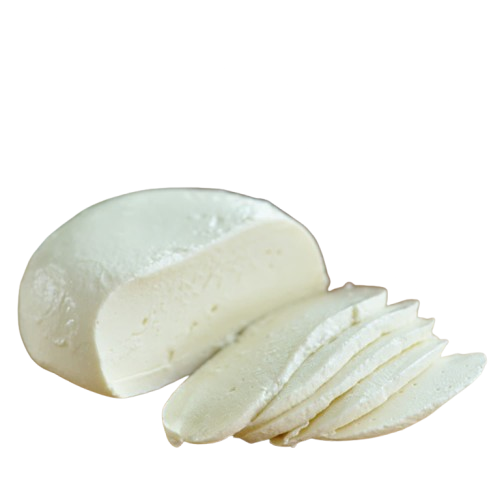
Mozzarella cheese calories vary by type, with a 100g (3.5 oz) serving of whole milk, low-moisture mozzarella containing 299-318 calories, while an ounce (28g) provides 85 calories. The calories in mozzarella cheese are mainly from fat and protein with a 100g portion of whole milk mozzarella offering 22g of fat (28% Daily Value) and 22g of protein (43% DV), and 2.5g of carbohydrates (1% DV). Mozzarella nutrition facts highlight its high calcium content (731mg, 73% DV per 100g whole milk) and phosphorus (500mg, 71% DV). Dairy products like mozzarella are important sources of calcium and high-quality protein, contributing to bone health and muscle maintenance (Weaver, C.M., 2014, "Dairy and bone health").
Different types of mozzarella have varying calories. Part-skim low-moisture mozzarella has 254-280 calories per 100g, fresh mozzarella (fior di latte) contains 240-280 calories per 100g, and buffalo mozzarella ranges from 250-300 calories per 100g. Burrata, with its creamy filling, is higher at 280-320 calories per 100g. The USA and Italy are leading producers and consumers of mozzarella, driven by its use in pizza and other Italian-style dishes. The price of a 1 lb (454g) package of low-moisture mozzarella in the U.S. has risen from $2.50 to $4.00 in 2003/2004 to $3.50 to $5.50 in 2023-2024. Mozzarella is a star in Pizza Margherita at countless pizzerias like Grimaldi's, Lasagna Classico at Olive Garden, and Caprese salads at various Italian eateries.
A common serving size for mozzarella cheese, as part of a meal or snack, is one ounce (28g), providing 72-85 calories for part-skim or whole milk low-moisture varieties. Burning the 85 calories from an ounce of whole milk mozzarella cheese might require activities such as 8-10 minutes of jogging, 10-12 minutes of brisk walking, or about 12-15 minutes of cycling at a moderate pace.
Mozzarella Cheese nutrition
- Phosphorus in Mozzarella Cheese
- Sodium in Mozzarella Cheese
- Potassium in Mozzarella Cheese
- Sugar in Mozzarella Cheese
- Fiber in Mozzarella Cheese
- Protein in Mozzarella Cheese
- Carbs in Mozzarella Cheese
- Fat in Mozzarella Cheese
- Saturated Fat in Mozzarella Cheese
- Vitamins in Mozzarella Cheese
- Minerals in Mozzarella Cheese
Phosphorus in Mozzarella Cheese
Whole milk mozzarella cheese contains 500mg of phosphorus per 100g (71% DV). One ounce (28.35g, 1 oz) of whole milk mozzarella cheese provides 142mg of phosphorus (20% DV). Part-skim mozzarella cheese (100g) contains 478mg of phosphorus (68% DV). Fresh mozzarella cheese (100g) provides 170mg of phosphorus (24% DV).
Whole milk mozzarella cheese contains 627mg of sodium per 100g (27% DV). One ounce (28.35g, 1 oz) of whole milk mozzarella cheese provides 178mg of sodium (8% DV). Part-skim mozzarella cheese (100g) contains 619mg of sodium (27% DV). Fresh mozzarella cheese (100g) typically has lower sodium, around 200-400mg per 100g (9-17% DV), with some brands like BelGioioso Fresh Mozzarella (100g) containing 161mg of sodium (7% DV).
Whole milk mozzarella cheese provides 90mg of potassium per 100g (2% DV). One ounce (28.35g, 1 oz) of whole milk mozzarella cheese contains 26mg of potassium (1% DV). Part-skim mozzarella cheese (100g) contains 114mg of potassium (2% DV). Fresh mozzarella cheese (100g) has 76mg of potassium (2% DV).
Whole milk mozzarella cheese contains 2.19g of total sugars per 100g. One ounce (28.35g, 1 oz) of whole milk mozzarella cheese has 0.62g of sugar. Part-skim mozzarella cheese (100g) contains 2.77g of total sugars. Fresh mozzarella cheese (100g) provides 1g of total sugars. These sugars are primarily lactose.
Whole milk mozzarella cheese contains 0g of dietary fiber per 100g. Part-skim mozzarella cheese (100g) also provides 0g of dietary fiber. Fresh mozzarella cheese (100g) contains 0g of dietary fiber.
Whole milk mozzarella cheese contains 21.6g of protein per 100g (43% DV). One ounce (28.35g, 1 oz) of whole milk mozzarella cheese has 6.1g of protein (12% DV). Part-skim mozzarella cheese (100g) provides 24.3g of protein (49% DV). Fresh mozzarella cheese (100g) contains 17.9g of protein (36% DV).
Whole milk mozzarella cheese has 2.47g of total carbohydrates per 100g (1% DV). One ounce (28.35g, 1 oz) of whole milk mozzarella cheese contains 0.7g of total carbohydrates (0% DV). Part-skim mozzarella cheese (100g) provides 3.09g of total carbohydrates (1% DV). Fresh mozzarella cheese (100g) contains 1g of total carbohydrates (0% DV).
Whole milk mozzarella cheese contains 22.1g of total fat per 100g (28% DV). One ounce (28.35g, 1 oz) of whole milk mozzarella cheese has 6.3g of total fat (8% DV). Part-skim mozzarella cheese (100g) provides 15.9g of total fat (20% DV). Fresh mozzarella cheese (100g) contains 17.1g of total fat (22% DV).
Whole milk mozzarella cheese (100g) contains 13.2g of saturated fat (66% DV). One ounce (28.35g, 1 oz) of whole milk mozzarella cheese has 3.7g of saturated fat (19% DV). Part-skim mozzarella cheese (100g) provides 9.9g of saturated fat (50% DV). Fresh mozzarella cheese (100g) contains 10.7g of saturated fat (54% DV).
A 100g (3.5 oz) serving of whole milk mozzarella cheese is a good source of Vitamin B12, providing 0.86µg (36% DV), and Vitamin A at 198µg RAE (22% DV). It also contains Riboflavin (Vitamin B2) at 0.286mg (22% DV). Part-skim mozzarella (100g) provides similar amounts, with 0.87µg of Vitamin B12 (36% DV) and 162µg RAE of Vitamin A (18% DV).
A 100g (3.5 oz) serving of whole milk mozzarella cheese is an excellent source of Calcium, providing 731mg (73% DV), and Phosphorus at 500mg (71% DV). It is also a good source of Zinc at 2.92mg (27% DV) and Selenium at 17µg (31% DV). Part-skim mozzarella (100g) offers 782mg of Calcium (78% DV) and 478mg of Phosphorus (68% DV). Fresh mozzarella (100g) provides 505mg of Calcium (51% DV).
Get a Custom Report on Mozzarella Cheese Nutrition Data – Contact Us!
What are the Types of Mozzarella Cheese?
There are several main types of mozzarella cheese, primarily differing based on moisture content, milk type (cow or water buffalo), and whether it is fresh or aged/low-moisture. These variations affect texture, meltability, flavor, and nutritional profile, including calories. The table below shows the most common types of mozzarella and their calorie information.
| Type | Description | Calories (per 100g) | Calorie Qualifications |
|---|---|---|---|
|
Low-Moisture Mozzarella (Whole Milk)
|
The common shredded or block mozzarella used for pizza. Lower moisture, good melting, slightly salty. Made from cow's milk. | 299-318 | Calorie-dense due to lower moisture and higher fat concentration compared to fresh. |
|
Low-Moisture Mozzarella (Part-Skim)
|
Similar to whole milk low-moisture, but made with part-skim cow's milk. Common for pizza and baking. | 254-280 | Lower in calories and fat than the whole milk version. Still good for melting. |
|
Fresh Mozzarella (Fior di Latte)
|
Soft, high-moisture cheese, often sold in water or whey. Delicate, milky flavor. Made from cow's milk. | 240-280 | Higher moisture content means fewer calories per 100g than low-moisture types. |
|
Buffalo Mozzarella (Mozzarella di Bufala Campana DOP)
|
Made from the milk of Italian Mediterranean water buffalo. Richer, tangier flavor, creamier texture than cow's milk mozzarella. | 250-300 | Can be slightly higher in calories and fat than cow's milk fresh mozzarella due to richer milk. |
|
Smoked Mozzarella (Affumicata)
|
Fresh or low-moisture mozzarella that has been smoked, imparting a smoky flavor. | Similar to its non-smoked counterpart (250-320) | Smoking process itself adds negligible calories; base cheese determines calorie content. |
|
Burrata
|
Fresh mozzarella outer shell filled with stracciatella (shreds of mozzarella soaked in cream). Very rich and creamy. | 280-320 | Higher in calories and fat than plain fresh mozzarella due to the cream filling. |
|
String Cheese (Mozzarella-based)
|
Low-moisture mozzarella formed into sticks for snacking. Often part-skim. | 270-300 | Similar calorie content to part-skim low-moisture mozzarella. |
What are the Main Dishes with Mozzarella Cheese?
Mozzarella cheese is an important ingredient in a multitude of iconic main dishes, especially within Italian and Italian-American cuisines. Some of the most widespread main dishes that contain mozzarella are Pizza Margherita, Lasagna, and Chicken Parmesan. The table below lists diverse main dishes featuring mozzarella cheese, along with estimated nutritional information:
| Dish Name | Calories (per serving) | Type of Mozzarella Commonly Used | Carbs (g) | Sugar (g) | Protein (g) | Fat (g) | Cuisine | Restaurants |
|---|---|---|---|---|---|---|---|---|
|
Pizza Margherita
|
250-350 (per slice) | Fresh Mozzarella, Low-Moisture | 30-40 | 2-5 | 10-15 | 10-18 | Italian, Italian-American | Domino's, Pizza Hut, Papa John's, Grimaldi's Pizzeria, Eataly, local pizzerias |
|
Lasagna Classico (with Mozzarella topping/layers)
|
500-800 | Low-Moisture (Whole Milk/Part-Skim) | 40-60 | 8-15 | 25-40 | 20-35 | Italian, Italian-American | Olive Garden, Carrabba's Italian Grill, Maggiano's Little Italy, Buca di Beppo |
|
Chicken Parmesan with Spaghetti
|
700-1000 | Low-Moisture (often melted on top) | 60-90 | 10-18 | 40-60 | 30-50 | Italian-American | Olive Garden, Carrabba's Italian Grill, Maggiano's Little Italy |
|
Caprese Salad
|
300-450 | Fresh Mozzarella | 8-15 | 6-12 | 15-20 | 20-30 | Italian | Most Italian restaurants, California Pizza Kitchen, Panera Bread (seasonal) |
|
Baked Ziti with Mozzarella
|
500-750 | Low-Moisture (Whole Milk/Part-Skim) | 45-65 | 8-15 | 25-35 | 20-35 | Italian-American | Sbarro, local pizzerias and family-style Italian restaurants |
|
Mozzarella Sticks (Fried, with Marinara)
|
300-500 (appetizer) | Low-Moisture String Cheese type | 25-40 | 2-5 | 10-18 | 15-25 | American (Appetizer) | Applebee's, TGI Fridays, Chili's, Arby's, Sonic Drive-In |
|
Eggplant Parmesan
|
450-700 | Low-Moisture (melted on top) | 35-50 | 8-15 | 15-25 | 25-40 | Italian-American | Olive Garden, local Italian restaurants |
|
Calzone (with Mozzarella and other fillings)
|
600-1000+ | Low-Moisture, Ricotta sometimes | 60-90 | 4-8 | 25-40 | 25-50 | Italian-American | Sbarro, many local pizzerias |
|
Stromboli
|
500-800 (slice/portion) | Low-Moisture | 45-65 | 3-7 | 20-30 | 20-35 | Italian-American | Villa Italian Kitchen, local pizzerias |
|
Stuffed Shells/Manicotti (with Mozzarella topping)
|
400-650 | Low-Moisture (often mixed with ricotta) | 35-50 | 5-10 | 20-30 | 15-25 | Italian-American | Many local Italian restaurants |
|
Chicken or Veal Milanese with Fresh Mozzarella & Arugula
|
500-750 | Fresh Mozzarella | 30-45 | 2-5 | 35-50 | 20-30 | Italian, Italian-American | Upscale Italian restaurants |
|
Quesadillas (some Americanized versions use mozzarella)
|
400-700 | Low-Moisture (shredded) | 35-50 | 2-4 | 15-25 | 20-35 | Tex-Mex (Fusion) | Some casual dining chains may offer mozzarella in quesadillas |
|
Arancini (Rice Balls stuffed with Mozzarella)
|
150-250 (per ball) | Low-Moisture or Fresh (cubed) | 20-30 | <1-2 | 5-8 | 6-12 | Italian (Sicilian) | Authentic Italian restaurants, especially those with Sicilian specialties, The Meatball Shop (NYC) |
|
Grilled Cheese Sandwich (with Mozzarella)
|
350-550 | Low-Moisture Slices | 30-40 | 2-5 | 12-20 | 15-25 | American | Tom & Chee, some cafes offering gourmet grilled cheese |
What are Desserts with Mozzarella Cheese?
Unsalted mozzarella or ricotta (which is often confused but distinct from mozzarella) is sometimes used in desserts for a creamy element, as shown in the examples below:
| Dish Name | Calories (per serving) | Type of Mozzarella Used | Carbs (g) | Sugar (g) | Protein (g) | Fat (g) | Cuisine | Restaurants |
|---|---|---|---|---|---|---|---|---|
|
Mozzarella in Carrozza (Sweet Version - very rare)
|
300-450 | Fresh Mozzarella | 25-35 | 8-15 | 10-15 | 15-25 | Italian (Highly Regional/Experimental) | Extremely niche |
|
Sweetened Fresh Mozzarella with Fruit (Conceptual)
|
200-350 | Fresh Mozzarella (unsalted type) | 15-25 | 12-20 | 8-12 | 8-15 | Experimental/Modern | Can be found in avant-garde culinary settings. |
What Cuisines Prefer Mozzarella Cheese the Most?
Mozzarella cheese is most famously and extensively preferred in Italian cuisine, where it is a cornerstone ingredient, particularly in Neapolitan traditions (the birthplace of Pizza Margherita). Its popularity has made it a staple in Italian-American cuisine as well, and it's widely adopted in American cooking in general, especially for its melting properties. The table below highlights cuisines that prominently feature mozzarella.
| Cuisine | Dish Name | Calories (per serving) | Restaurants |
|---|---|---|---|
|
Italian
|
Pizza Margherita | 250-350 (slice) | Grimaldi's Pizzeria, Eataly, authentic Neapolitan pizzerias |
|
Italian
|
Caprese Salad | 300-450 | Most Italian restaurants, California Pizza Kitchen |
|
Italian
|
Lasagna (with mozzarella) | 500-800 | Olive Garden, Carrabba's Italian Grill, Maggiano's Little Italy |
|
Italian-American
|
Chicken Parmesan | 700-1000 | Olive Garden, Carrabba's Italian Grill |
|
Italian-American
|
Baked Ziti | 500-750 | Sbarro, local Italian-American family restaurants |
|
Italian-American
|
Mozzarella Sticks | 300-500 (appetizer) | Applebee's, TGI Fridays, Chili's, Arby's |
|
American
|
Grilled Cheese (often with mozzarella) | 350-550 | Tom & Chee, various cafes |
|
American
|
Topping for various Sandwiches/Burgers | Varies | Subway (Melt sandwiches), many burger joints |
|
American (Appetizer)
|
Stuffed Mushrooms with Mozzarella | Varies | Olive Garden (some versions) |
Which Countries Produce the Most Mozzarella Cheese?
The top producers of mozzarella cheese globally are Italy and the United States. Italy, as the birthplace of mozzarella, particularly buffalo mozzarella from Campania (Mozzarella di Bufala Campana DOP), is a major producer for both its significant domestic market and for export. The United States has a very large dairy industry and produces vast quantities of mozzarella, primarily cow's milk mozzarella, which is a staple for its massive pizza industry and retail sales. Germany and France are also significant producers within Europe. The table below uses estimated production figures for mozzarella cheese based on available data from these sources for key producing nations.
| Country | 2004 | 2005 | 2006 | 2007 | 2008 | 2009 | 2010 | 2011 | 2012 | 2013 | 2014 | 2015 | 2016 | 2017 | 2018 | 2019 | 2020 | 2021 | 2022 | 2023 (Est.) |
|---|---|---|---|---|---|---|---|---|---|---|---|---|---|---|---|---|---|---|---|---|
| USA | 1,350 | 1,380 | 1,420 | 1,450 | 1,480 | 1,460 | 1,500 | 1,530 | 1,560 | 1,590 | 1,620 | 1,650 | 1,680 | 1,700 | 1,720 | 1,730 | 1,750 | 1,760 | 1,770 | 1,775 |
| Italy | 280 | 285 | 290 | 295 | 300 | 295 | 300 | 305 | 310 | 315 | 320 | 325 | 330 | 335 | 340 | 345 | 335 | 340 | 342 | 345 |
| Germany | 200 | 210 | 220 | 230 | 240 | 235 | 240 | 245 | 250 | 255 | 260 | 265 | 270 | 275 | 280 | 285 | 280 | 282 | 285 | 286 |
| France | 100 | 105 | 110 | 115 | 120 | 118 | 120 | 122 | 125 | 128 | 130 | 132 | 135 | 138 | 140 | 142 | 140 | 141 | 142 | 143 |
| Brazil | 70 | 75 | 80 | 85 | 90 | 95 | 100 | 105 | 110 | 115 | 120 | 125 | 130 | 135 | 140 | 145 | 142 | 144 | 146 | 147 |
Which Countries Consume the Most Mozzarella Cheese?
Based on production data, import/export figures (UN Comtrade for cheese), and market research on cheese consumption, the United States is the largest overall consumer of mozzarella cheese by total volume, largely driven by its extensive pizza industry and retail demand. Italy, as the origin country, has very high per capita consumption. Other significant consumer countries include Canada, Brazil, Germany, France, and the United Kingdom, where pizza and Italian-style dishes are popular.
| Country | 2004 | 2005 | 2006 | 2007 | 2008 | 2009 | 2010 | 2011 | 2012 | 2013 | 2014 | 2015 | 2016 | 2017 | 2018 | 2019 | 2020 | 2021 |
|---|---|---|---|---|---|---|---|---|---|---|---|---|---|---|---|---|---|---|
| USA | 1,400 | 1,430 | 1,470 | 1,500 | 1,530 | 1,510 | 1,550 | 1,580 | 1,610 | 1,640 | 1,670 | 1,700 | 1,730 | 1,750 | 1,770 | 1,780 | 1,800 | 1,810 |
| Italy | 260 | 265 | 270 | 275 | 280 | 275 | 280 | 285 | 290 | 295 | 300 | 305 | 310 | 315 | 320 | 325 | 315 | 320 |
| Brazil | 100 | 105 | 110 | 115 | 120 | 125 | 130 | 135 | 140 | 145 | 150 | 155 | 160 | 165 | 170 | 175 | 170 | 172 |
| Canada | 90 | 95 | 98 | 102 | 105 | 103 | 105 | 108 | 110 | 112 | 115 | 118 | 120 | 122 | 125 | 127 | 125 | 126 |
| Germany | 150 | 155 | 160 | 165 | 170 | 168 | 170 | 172 | 175 | 178 | 180 | 182 | 185 | 188 | 190 | 192 | 188 | 190 |
| France | 80 | 85 | 88 | 92 | 95 | 93 | 95 | 97 | 100 | 102 | 105 | 107 | 110 | 112 | 115 | 117 | 115 | 116 |
How Does Prices of Mozzarella Cheese-including Dishes Change?
The prices of restaurant dishes that heavily feature mozzarella cheese, such as pizza, lasagna, chicken parmesan, and Caprese salads, have increased over the past 20 years. This is primarily due to the rising cost of mozzarella cheese itself, along with increases in the prices of other key ingredients (flour, tomatoes, meats, fresh produce), and substantial escalations in overall restaurant operating costs, including labor, rent, and energy. Mozzarella is a staple in many popular dishes, and its cost directly influences menu pricing. Below is a comparison of estimated prices for representative menu items where mozzarella cheese is a central component.
| Restaurant Chain/Type | Dish | Old Price (2004-2008) | Estimated Current Price (2024-2025) |
|---|---|---|---|
| Domino's | Large Pepperoni Pizza (with Mozzarella) | $10.99 - $14.99 | $16.99 - $22.99 |
| Olive Garden | Lasagna Classico | $11.99 - $14.99 | $18.99 - $23.99 |
| Carrabba's Italian Grill | Chicken Parmesan | $14.95 - $17.95 | $21.95 - $25.95 |
| Applebee's | Mozzarella Sticks (Appetizer) | $6.49 - $8.49 | $8.99 - $13.49 |
| Panera Bread | Caprese Sandwich/Salad (Seasonal) | $6.99 - $8.99 | $10.49 - $13.99 |
| Sbarro | Baked Ziti Slice | $3.99 - $5.49 | $6.49 - $8.49 |
What is the Mozzarella Cheese Calorie for 100g?
A 100g (3.5 oz) serving of whole milk mozzarella cheese contains 299 calories. A 100g (3.5 oz) serving of part-skim mozzarella cheese provides 254 calories. Fresh mozzarella cheese (100g) contains 240-280 calories depending on the brand and moisture content; for example, BelGioioso Fresh Mozzarella has 250 calories per 100g. Low-moisture mozzarella (100g) contains 318 calories.
What is the Mozzarella Cheese Calorie for 1 KG?
One kilogram (1000g, 35.27 oz) of whole milk mozzarella cheese contains 2990 calories. One kilogram (1000g, 35.27 oz) of part-skim mozzarella cheese provides 2540 calories. One kilogram (1000g, 35.27 oz) of fresh mozzarella cheese contains 2400-2800 calories.
What is the Mozzarella Cheese Calorie per Slice?
The calorie content of one slice of mozzarella cheese depends on its weight and type. A typical slice of whole milk mozzarella cheese (1 oz or 28.35g) contains 85 calories. A slice of part-skim mozzarella cheese (1 oz or 28.35g) provides 72 calories. A slice of fresh mozzarella (1 oz or 28.35g) contains 70-80 calories; for instance, a 1 oz slice of BelGioioso Fresh Mozzarella has 71 calories.
What are the Health Benefits of Mozzarella Cheese?
Mozzarella cheese provides some health benefits like supporting bone strength and offering high-quality protein due to its rich concentration of calcium, phosphorus, and complete proteins derived from milk. A list of the health benefits of mozzarella cheese are shown below:
- Source of Calcium: Mozzarella cheese is packed with calcium, a mineral essential for building and maintaining strong bones and teeth, as well as for nerve function, muscle contraction, and blood clotting. (Heaney, R.P., 2006, "Bone health").
- Good Source of High-Quality Protein: It provides a significant amount of high-quality protein, containing all the essential amino acids necessary for muscle repair, growth, and overall bodily functions. (Paddon-Jones, D. & Rasmussen, B.B., 2009, "Dietary protein recommendations and the prevention of sarcopenia").
- Rich in Phosphorus: Alongside calcium, mozzarella is a good source of phosphorus, which works in tandem with calcium to support bone health and is also a key component of cell membranes and energy production.
- Provides Vitamin B12: Mozzarella cheese contains Vitamin B12, crucial for nerve function, the formation of red blood cells, and DNA synthesis, helping to prevent certain types of anemia.
- Source of Other Important Nutrients: It also contributes other beneficial nutrients such as zinc (important for immune function and wound healing), selenium (an antioxidant), and Vitamin A (important for vision and immune function).
- May Contribute to Dental Health: Cheese consumption, including mozzarella, can stimulate saliva flow and contains calcium and phosphorus, which may help protect tooth enamel and reduce the risk of dental caries. (Kashket, S. & Zero, D.T., 2006, "The Efficacy of an Intraoral Device to Deliver Fluoride and Other Therapeutic Agents to the Teeth").
What are the Downsides of Mozzarella Cheese?
Mozzarella cheese has been known to cause some unwanted effects like high saturated fat content and notable sodium levels due to its composition as a dairy product and its production process. A list of the downsides of mozzarella cheese are shown below:
- High in Saturated Fat (especially whole milk varieties): Whole milk mozzarella cheese is high in saturated fat. Diets rich in saturated fat can contribute to increased levels of LDL (bad) cholesterol, which is a risk factor for heart disease. (American Heart Association, "Saturated Fat"). Part-skim versions offer a lower-fat alternative.
- Sodium Content: Mozzarella cheese contains a significant amount of sodium, added during the cheesemaking process for flavor, texture, and preservation. A 100g serving of whole milk mozzarella can have over 600mg of sodium. High sodium intake is linked to increased blood pressure and cardiovascular issues. (He, F.J. & MacGregor, G.A., 2013, "Salt reduction lowers cardiovascular risk: meta-analysis of outcome trials"). Fresh mozzarella often has lower sodium than low-moisture varieties.
- Calorie-Dense: Due to its fat and protein content, mozzarella cheese is calorie-dense. While it provides valuable nutrients, overconsumption can contribute to excessive calorie intake and potential weight gain if not balanced within an overall dietary plan.
- Lactose Content Can Cause Issues for Intolerant Individuals: As a dairy product, mozzarella cheese contains lactose. Individuals with lactose intolerance may experience digestive symptoms such as bloating, gas, diarrhea, and abdominal discomfort after consuming it, though mozzarella generally has less lactose than fresh milk.
- Potential for Dairy Allergy: Some individuals may have an allergy to milk proteins (casein or whey) found in mozzarella cheese, which can trigger allergic reactions varying in severity.
Is Mozzarella Cheese Good for You?
Yes, mozzarella cheese can be good for you when consumed in moderation as part of a varied and balanced diet. It is a good source of several important nutrients, including high-quality protein, calcium, phosphorus, Vitamin B12, and zinc, which are beneficial for bone health, muscle function, and overall metabolism. (Gaucheron, F., 2005, "The minerals of milk"). The protein in mozzarella can contribute to satiety. However, it's also important to consider that whole milk mozzarella is high in saturated fat and sodium, and it is calorie-dense. Choosing part-skim or fresh mozzarella can offer a healthier profile with less fat. (Huth, P.J. & Park, K.M., 2012, "Influence of dairy product and milk fat consumption on cardiovascular disease risk: a review of the evidence"). For individuals who are not lactose intolerant or allergic to dairy, incorporating moderate amounts of mozzarella into meals can be a nutritious choice.
Is Mozzarella Cheese Healthy?
Yes, mozzarella cheese can be a healthy component of a diet if chosen wisely and eaten in moderation. It offers significant nutritional benefits, being a rich source of protein, calcium, and phosphorus, which are vital for bone health and muscle development. (Weaver, C.M., 2014, "Dairy and bone health"). It also provides Vitamin B12 and other micronutrients. Part-skim mozzarella is a healthier option than whole milk mozzarella as it contains less saturated fat and fewer calories while retaining much of its protein and calcium content. Fresh mozzarella often has lower sodium compared to the low-moisture packaged varieties. However, even part-skim mozzarella contains sodium and saturated fat, so portion control is important to avoid excessive intake of these components, which can have negative health implications if overconsumed. (O'Neil, C.E., et al., 2011, "Nutrient contribution of total and different types of dairy foods to the diets of US children and adolescents"). Its healthiness depends on the type, portion size, and the overall dietary pattern it is part of.
How Do Calories Change According to Mozzarella Cheese Types?
The calorie content of mozzarella cheese varies significantly based primarily on its moisture content and milk fat percentage. Low-moisture mozzarella, which is often used for pizzas and has less water, is more calorie-dense. Whole milk low-moisture mozzarella contains 299 to 318 calories per 100g, while the part-skim version of low-moisture mozzarella is lower, ranging from 254 to 280 calories per 100g due to its reduced fat content. Fresh mozzarella (often called Fior di Latte when made from cow's milk), which has a much higher moisture content, is generally lower in calories than the low-moisture types, typically providing 240 to 280 calories per 100g. Buffalo mozzarella (Mozzarella di Bufala), made from richer water buffalo milk, can be slightly higher in calories and fat than cow's milk fresh mozzarella, often falling in the 250 to 300 calories per 100g range. Burrata, with its creamy stracciatella filling, is among the highest in calories for fresh types, around 280 to 320 calories per 100g, due to the added cream. Smoked mozzarella will have a calorie count similar to its unsmoked base (fresh or low-moisture). String cheese, typically a part-skim low-moisture mozzarella, has calories in that category, around 270-300 per 100g.
What Cooking Methods Change Mozzarella Cheese Macros the Most?
Cooking methods that involve adding significant amounts of fat or breading, or those that cause substantial moisture loss without adding other ingredients, will change mozzarella cheese macros the most from its original state. Deep-frying mozzarella (as in mozzarella sticks) significantly increases the fat and carbohydrate content (from breading) and thus total calories of the mozzarella macros. Baking mozzarella as part of a dish like lasagna or pizza doesn't drastically change the macros of the cheese itself per 100g, but the overall dish's macros are altered by other ingredients. Melting mozzarella causes a physical change but doesn't alter its core macronutrient composition per gram unless significant oiling out occurs and is removed. If fresh mozzarella is grilled or baked until it loses a lot of moisture, its nutrient density per 100g will increase (more protein, fat, and calories per 100g of the cooked, now drier, product), even if no ingredients are added. Conversely, adding mozzarella to a very watery sauce or soup might lead to some minor leaching of soluble components, but this is less common for changing the core mozzarella cheese macros significantly compared to frying or intense dehydration.
What is the Origin of Mozzarella Cheese?
The origin of mozzarella cheese is firmly rooted in Southern Italy, specifically in the region of Campania, dating back to at least the 12th century, although some accounts suggest even earlier beginnings. It was traditionally made from the rich milk of the Italian Mediterranean water buffalo (Mozzarella di Bufala Campana), which thrived in the marshy lands of the region. The name "mozzarella" is believed to derive from the Neapolitan dialect verb "mozzare," meaning "to cut off" or "to tear," referring to the traditional method of hand-shaping the cheese by tearing pieces from the larger curd mass.
At first, mozzarella was a locally consumed fresh cheese due to its high moisture content and limited shelf life. Its production was often a daily affair on farms. The process involves heating milk curds in hot water, then stretching and kneading them to achieve the characteristic smooth, elastic, and layered texture. A classic dish that truly highlights the unique qualities of fresh mozzarella is the "Insalata Caprese" (Caprese Salad). This simple yet iconic salad, originating from the island of Capri, features slices of fresh mozzarella, ripe tomatoes, and fresh basil, often drizzled with olive oil and seasoned with salt and pepper. The Caprese salad showcases mozzarella's delicate milky flavor, soft texture, and its beautiful contrast with the acidity of the tomatoes and the fragrance of basil, embodying the fresh, vibrant flavors of Italian cuisine. The protection of "Mozzarella di Bufala Campana" under the European Union's Protected Designation of Origin (PDO) scheme underscores its historical and cultural significance to its region of origin.