Calories in Mousse: Nutritional facts for Mousse Types
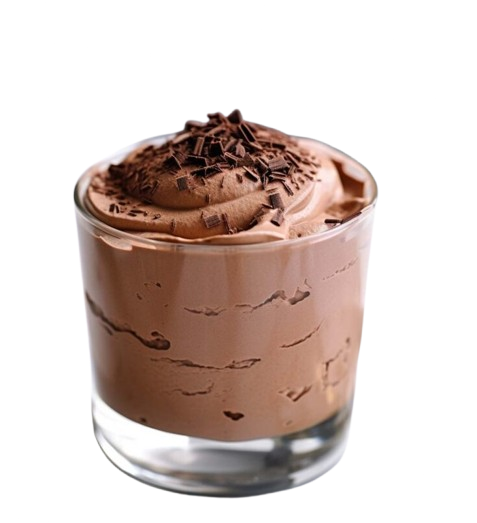
Mousse calories depend heavily on the type of ingredients used and serving size. A small serving of chocolate mousse (95g) has 333 calories, a medium serving (190g) has 665 calories, and a large serving (285g) provides 998 calories. White chocolate mousse offers more calories, with a small serving (95g) containing 361 calories, medium (190g) offers 722 calories, and a large serving (285g) provides 1083 calories. Fruit mousses like strawberry mousse provide 209 calories in a small serving, 418 calories in a medium serving, and 627 calories in a large serving. Mousse types include classic Chocolate Mousse, White Chocolate Mousse, Fruit Mousse, Yogurt Mousse, Salmon Mousse, and Chicken Liver Mousse.
Mousse prices have increased over the past 20 years. Supermarket mousse might cost $2.00 to $34.00 today, while restaurant versions often range from $12 to $18 per serving. Popular mousse desserts include Chocolate Mousse, served in restaurants like Balthazar NYC, and Fruit Mousses or Mousse Cakes found in patisseries such as Dominique Ansel Bakery. Mousses, like Salmon Mousse and Chicken Liver Mousse, feature in French cuisine and fine dining establishments. Potential health benefits in mousse stem from specific ingredients, such as the monounsaturated fats and fiber in avocados or the flavanols in dark chocolate. A 100g serving of chocolate mousse contains 350 calories, which can be burned through activities such as 50 to 70 minutes of jogging, 50 to 60 minutes of swimming, or 60 to 70 minutes of brisk walking.
Mousse nutrition
- Large Glass of Mousse Calories (Nutritional Facts)
- Medium Glass of Mousse Calories (Nutritional Facts)
- Small Glass of Mousse Calories (Nutritional Facts)
- Chocolate Mousse Calories (Nutritional Facts)
- Avocado Chocolate Mousse Calories (Nutritional Facts)
- Avocado Mousse Calories (Nutritional Facts)
- Sugar in Mousse
- Fiber in Mousse
- Protein in Mousse
- Carbs in Mousse
- Fat in Mousse
- Vitamins in Mousse
- Minerals in Mousse
Large Glass of Mousse Calories (Nutritional Facts)
A large glass (1.5 cups, 285g) of chocolate mousse contains 998 calories, 71.3g fat, 14.3g protein, 85.5g carbohydrates, 71.3g sugar, and 5.7g fiber. A large glass (1.5 cups, 330g) of avocado chocolate mousse contains 825 calories, 66g fat, 13.2g protein, 59.4g carbohydrates, 33g sugar, and 19.8g fiber. A large glass (1.5 cups, 330g) of avocado mousse contains 594 calories, 52.8g fat, 6.6g protein, 29.7g carbohydrates, 3.3g sugar, and 23.1g fiber.
A medium glass (1 cup, 190g) of chocolate mousse contains 665 calories, 47.5g fat, 9.5g protein, 57g carbohydrates, 47.5g sugar, and 3.8g fiber. A medium glass (1 cup, 220g) of avocado chocolate mousse contains 550 calories, 44g fat, 8.8g protein, 39.6g carbohydrates, 22g sugar, and 13.2g fiber. A medium glass (1 cup, 220g) of avocado mousse contains 396 calories, 35.2g fat, 4.4g protein, 19.8g carbohydrates, 2.2g sugar, and 15.4g fiber.
A small glass (0.5 cup, 95g) of chocolate mousse contains 333 calories, 23.8g fat, 4.8g protein, 28.5g carbohydrates, 23.8g sugar, and 1.9g fiber. A small glass (0.5 cup, 110g) of avocado chocolate mousse contains 275 calories, 22g fat, 4.4g protein, 19.8g carbohydrates, 11g sugar, and 6.6g fiber. A small glass (0.5 cup, 110g) of avocado mousse contains 198 calories, 17.6g fat, 2.2g protein, 9.9g carbohydrates, 1.1g sugar, and 7.7g fiber.
A 100g serving (0.5 cup) of chocolate mousse contains 350 calories, 25g fat, 5g protein, 30g carbohydrates, 25g sugar, and 2g fiber.
A 100g serving (0.5 cup) of avocado chocolate mousse contains 250 calories, 20g fat, 4g protein,18g carbohydrates, 10g sugar, and 6g fiber.
A 100g serving (0.5 cup) of avocado mousse contains 180 calories, 16g fat, 2g protein, 9g carbohydrates, 1g sugar, and 7g fiber.
Chocolate mousse contains 25g of sugar per 100g serving. Avocado chocolate mousse contains 10g of sugar per 100g serving. Avocado mousse contains 1g of sugar per 100g serving.
Chocolate mousse contains 2g of fiber per 100g serving. Avocado chocolate mousse contains 6g of fiber per 100g serving. Avocado mousse contains 7g of fiber per 100g serving.
Chocolate mousse contains 5g of protein per 100g serving. Avocado chocolate mousse contains 4g of protein per 100g serving. Avocado mousse contains 2g of protein per 100g serving.
Chocolate mousse contains 30g of carbohydrates per 100g serving. Avocado chocolate mousse contains 18g of carbohydrates per 100g serving. Avocado mousse contains 9g of carbohydrates per 100g serving.
Chocolate mousse contains 25g of fat per 100g serving. Avocado chocolate mousse contains 20g of fat per 100g serving. Avocado mousse contains 16g of fat per 100g serving.
A 100g serving of avocado mousse provides 21µg of Vitamin K (18% DV), 81µg of Folate (20% DV), and 2.1mg of Vitamin E (14% DV). A small glass (110g) of avocado mousse provides 23µg of Vitamin K (20% DV), 89µg of Folate (22% DV), and 2.3mg of Vitamin E (15% DV). A medium glass (220g) of avocado mousse provides 46µg of Vitamin K (39% DV), 178µg of Folate (45% DV), and 4.6mg of Vitamin E (31% DV). A large glass (330g) of avocado mousse provides 69µg of Vitamin K (58% DV), 267µg of Folate (67% DV), and 6.9mg of Vitamin E (46% DV). A 100g serving of avocado chocolate mousse provides 15µg of Vitamin K (13% DV), 60µg of Folate (15% DV), and 1.5mg of Vitamin E (10% DV). A small glass (110g) of avocado chocolate mousse provides 17µg of Vitamin K (14% DV), 66µg of Folate (17% DV), and 1.7mg of Vitamin E (11% DV). A medium glass (220g) of avocado chocolate mousse provides 33µg of Vitamin K (28% DV), 132µg of Folate (33% DV), and 3.3mg of Vitamin E (22% DV). A large glass (330g) of avocado chocolate mousse provides 50µg of Vitamin K (41% DV), 198µg of Folate (50% DV), and 5.0mg of Vitamin E (33% DV).
A 100g serving of avocado mousse contains 485mg of Potassium (10% DV) and 0.19mg of Copper (21% DV). A small glass (110g) of avocado mousse contains 534mg of Potassium (11% DV) and 0.21mg of Copper (23% DV). A medium glass (220g) of avocado mousse contains 1067mg of Potassium (23% DV) and 0.42mg of Copper (47% DV). A large glass (330g) of avocado mousse contains 1601mg of Potassium (34% DV) and 0.63mg of Copper (70% DV). A 100g serving of avocado chocolate mousse contains 500mg of Potassium (11% DV), 70mg of Magnesium (17% DV), 0.3mg of Copper (33% DV), and 1.5mg of Iron (8% DV). A small glass (110g) of avocado chocolate mousse contains 550mg of Potassium (12% DV), 77mg of Magnesium (18% DV), 0.33mg of Copper (37% DV), and 1.7mg of Iron (9% DV). A medium glass (220g) of avocado chocolate mousse contains 1100mg of Potassium (23% DV), 154mg of Magnesium (37% DV), 0.66mg of Copper (73% DV), and 3.3mg of Iron (18% DV). A large glass (330g) of avocado chocolate mousse contains 1650mg of Potassium (35% DV), 231mg of Magnesium (55% DV), 0.99mg of Copper (110% DV), and 5.0mg of Iron (28% DV). A 100g serving of chocolate mousse made with dark cocoa, contains 60mg of Magnesium (14% DV), 0.35mg of Copper (39% DV), and 1.8mg of Iron (10% DV). A small glass (95g) of chocolate mousse contains 57mg of Magnesium (14% DV), 0.33mg of Copper (37% DV), and 1.7mg of Iron (9% DV). A medium glass (190g) of chocolate mousse contains 114mg of Magnesium (27% DV), 0.67mg of Copper (74% DV), and 3.4mg of Iron (19% DV). A large glass (285g) of chocolate mousse contains 171mg of Magnesium (41% DV), 1.0mg of Copper (111% DV), and 5.1mg of Iron (28% DV).
Get a Custom Report on Mousse Nutrition Data – Contact Us!
What are the Types of Mousse?
Mousse selections differ in ingredients, texture, and nutritional profile, as shown in the table below:
| Type | Description | Calories (Approx. per 100g / ~0.5 cup) | Calorie Qualifications |
|---|---|---|---|
|
Chocolate Mousse
|
Classic mousse made with chocolate (dark, milk, or semi-sweet), eggs, cream. | 300-400 | Higher calories due to fat from cream, eggs, and chocolate type (milk/white higher than dark). Sugar content is high. |
|
White Chocolate Mousse
|
Similar to chocolate mousse but uses white chocolate. | 350-450 | Highest in calories due to high sugar and cocoa butter content in white chocolate, plus cream and eggs. |
|
Fruit Mousse
|
Made with pureed fruit (berries, mango, lemon), with gelatin or cream. | 150-250 | Generally lower in calories than chocolate types, especially if made without heavy cream. Calories depend on fruit sugar and added sugar/fat. |
|
Avocado Mousse
|
Uses ripe avocado as the base for creaminess, with cocoa or lime. | 180-280 | Moderate calories, high in healthy fats. Calorie count depends heavily on added sweeteners (sugar, maple syrup). |
|
Yogurt Mousse
|
Uses yogurt (Greek or regular) as a base, with fruit and gelatin. | 120-200 | Lower calorie option, especially if using low-fat/non-fat yogurt and minimal added sugar. Protein content is higher. |
|
Savory Mousse
|
Less common, made with vegetables (e.g., bell pepper) or fish (e.g., salmon). | 100-300 | Calorie content varies widely based on main ingredient and added fats (cream, oil). |
What are the Desserts with Mousse?
Mousse is featured in desserts which offer a light texture and flavor. The table below shows the different desserts with mousse:
| Dish Name | Calories (Estimate) | Type of Mousse | Carbs (g) | Sugar (g) | Protein (g) | Fat (g) | Cuisine | Restaurants |
|---|---|---|---|---|---|---|---|---|
|
Chocolate Mousse
|
350-550 | Chocolate (Dark, Milk) | 30-50 | 25-45 | 5-10 | 20-40 | French/American | Balthazar (NYC), Mon Ami Gabi, French bistros |
|
White Chocolate Mousse
|
400-600 | White Chocolate | 35-55 | 30-50 | 6-12 | 25-45 | French/American | Fine dining restaurants, specialty dessert shops |
|
Fruit Mousse (Raspberry)
|
250-400 | Fruit (Berries, etc.) | 30-50 | 25-45 | 3-7 | 10-20 | French/American | Patisseries, fine dining restaurants |
|
Mousse Cake/Entremet
|
450-700 (slice) | Chocolate, Fruit | 40-65 | 35-55 | 6-12 | 25-45 | French/Modern | Dominique Ansel Bakery (NYC), Bottega Louie (LA), high-end bakeries |
|
Tiramisu (Mousse-like)
|
400-600 | Mascarpone/Egg | 35-55 | 25-40 | 8-15 | 25-40 | Italian | Eataly, Carmine's, Italian restaurants |
|
Layered Mousse Verrine
|
300-500 | Different combinations | 30-50 | 25-45 | 4-8 | 15-30 | Modern/American | Dessert cafes (e.g., Lady M), catering menus |
|
Avocado Chocolate Mousse
|
300-450 | Avocado, Chocolate | 25-40 | 15-30 | 5-10 | 20-35 | Modern/Health | True Food Kitchen, health-focused cafes |
What are the Main Dishes with Mousse?
Mousses are served as appetizers or components in main courses, particularly in French and modern cuisine, as shown in the following table:
| Dish Name | Calories (Estimate) | Type of Mousse | Carbs (g) | Sugar (g) | Protein (g) | Fat (g) | Cuisine | Restaurants |
|---|---|---|---|---|---|---|---|---|
|
Salmon Mousse
|
250-400 (appetizer) | Smoked or Cooked Salmon | 2-8 | 1-3 | 15-25 | 18-35 | French/American | Fine dining (e.g., components at The French Laundry), catering |
|
Chicken Liver Mousse/Pâté
|
300-500 (appetizer) | Chicken Liver | 3-10 | 1-4 | 10-18 | 25-45 | French | Balthazar (NYC), Bouchon Bakery, many French bistros |
|
Smoked Trout Mousse
|
250-400 (appetizer) | Smoked Trout | 2-8 | 1-3 | 15-25 | 18-35 | Modern American/Euro | Upscale restaurants with seafood focus (e.g., Eventide Oyster Co.) |
|
Vegetable Mousse (Asparagus)
|
150-300 (appetizer/side) | Puréed Vegetables | 8-15 | 3-7 | 5-10 | 10-25 | French/Modern European | Fine dining establishments (often tasting menus) |
|
Foie Gras Mousse
|
350-550 (appetizer) | Foie Gras | 3-8 | 1-4 | 6-12 | 35-55 | French | High-end French restaurants (where legal, e.g., Daniel NYC) |
What Cuisines Prefer Mousse the Most?
French cuisine is the historical home of mousse, but the techniques and variations are used globally, especially in fine dining. The table below shows different cuisines that use mousse in recipes:
| Cuisine | Dish | Types of Mousse | Calories (Estimate) | Restaurant(s) |
|---|---|---|---|---|
|
French
|
Chocolate Mousse | Chocolate (Dark, Milk) | 350-550 | Balthazar (NYC), Mon Ami Gabi, Le Diplomate (DC) |
|
French
|
Chicken Liver Mousse | Chicken Liver | 300-500 | Balthazar (NYC), Bouchon Bakery, countless bistros |
|
French
|
Salmon Mousse | Salmon | 250-400 | Fine dining, catering companies |
|
French
|
Fruit Mousse | Fruit (Berries, etc.) | 250-400 | Patisseries, fine dining restaurants |
|
Modern American
|
Various Savory Mousses | Vegetable, Seafood, etc. | 150-400 | The French Laundry (Yountville), Per Se (NYC), Alinea (Chicago) |
|
Modern American
|
Innovative Dessert Mousses | Various (often layered) | 300-600 | Dominique Ansel Bakery (NYC), fine dining dessert menus |
|
Italian
|
Tiramisu (Mousse-like) | Mascarpone/Egg | 400-600 | Eataly, Carmine's, countless Italian restaurants |
|
Modern European
|
Various Sweet & Savory | Chocolate, Fruit, Veg, Fish | 200-600 | Fine dining establishments across the US |
Which Countries Produce the Most Mousse?
The top producers of Cocoa Beans, a key ingredient in mousse, are Côte d'Ivoire, Ghana, Indonesia, Nigeria, and Ecuador based on FAOSTAT data on cocoa bean production. Specific global production data for mousse is unavailable as it is a prepared food, not a tracked commodity. The table below shows cocoa bean production volumes for major producers from 2004 to 2022:
| Country | 2004 | 2005 | 2006 | 2007 | 2008 | 2009 | 2010 | 2011 | 2012 | 2013 | 2014 | 2015 | 2016 | 2017 | 2018 | 2019 | 2020 | 2021 | 2022 |
|---|---|---|---|---|---|---|---|---|---|---|---|---|---|---|---|---|---|---|---|
| Côte d'Ivoire | 1350 | 1280 | 1250 | 1300 | 1200 | 1220 | 1240 | 1511 | 1449 | 1472 | 1741 | 1796 | 1581 | 2019 | 2150 | 2180 | 2200 | 2250 | 2200 |
| Ghana | 737 | 740 | 613 | 680 | 700 | 711 | 1025 | 879 | 835 | 897 | 740 | 878 | 778 | 969 | 900 | 812 | 1047 | 800 | 750 |
| Indonesia | 450 | 500 | 550 | 580 | 600 | 610 | 590 | 570 | 550 | 530 | 500 | 480 | 460 | 440 | 420 | 400 | 380 | 360 | 340 |
| Nigeria | 180 | 190 | 200 | 210 | 220 | 230 | 240 | 250 | 260 | 270 | 280 | 290 | 300 | 310 | 320 | 330 | 340 | 350 | 370 |
| Ecuador | 115 | 120 | 125 | 130 | 135 | 140 | 150 | 160 | 170 | 180 | 190 | 200 | 210 | 220 | 230 | 240 | 250 | 260 | 270 |
| Cameroon | 165 | 170 | 175 | 180 | 185 | 190 | 195 | 200 | 205 | 210 | 215 | 220 | 225 | 230 | 235 | 240 | 245 | 250 | 260 |
| Brazil | 160 | 165 | 170 | 175 | 180 | 185 | 190 | 195 | 200 | 205 | 210 | 215 | 220 | 225 | 230 | 235 | 240 | 245 | 250 |
| Peru | 28 | 30 | 32 | 35 | 38 | 42 | 46 | 50 | 55 | 60 | 65 | 70 | 75 | 80 | 85 | 90 | 95 | 100 | 105 |
| Dom. Republic | 35 | 38 | 40 | 42 | 45 | 48 | 50 | 52 | 55 | 58 | 60 | 62 | 65 | 68 | 70 | 72 | 75 | 78 | 80 |
| Colombia | 45 | 48 | 50 | 52 | 55 | 58 | 60 | 62 | 65 | 68 | 70 | 72 | 75 | 78 | 80 | 82 | 85 | 88 | 90 |
Which Countries Consume the Most Mousse?
The top consumers/processors of Cocoa Beans, a key ingredient in mousse, are the Netherlands, the United States, Germany, Malaysia, and Côte d'Ivoire, based on FAOSTAT supply quantity data. Specific global consumption data for mousse is unavailable as it is a prepared food, not a tracked commodity. The table below shows the cocoa bean supply quantity for major consuming/processing countries from 2004 to 2021:
| Country | 2004 | 2005 | 2006 | 2007 | 2008 | 2009 | 2010 | 2011 | 2012 | 2013 | 2014 | 2015 | 2016 | 2017 | 2018 | 2019 | 2020 | 2021 |
|---|---|---|---|---|---|---|---|---|---|---|---|---|---|---|---|---|---|---|
| Netherlands | 475 | 490 | 510 | 520 | 530 | 500 | 515 | 530 | 540 | 550 | 560 | 570 | 580 | 590 | 600 | 610 | 620 | 630 |
| USA | 450 | 460 | 470 | 480 | 470 | 450 | 460 | 470 | 480 | 490 | 500 | 510 | 500 | 490 | 480 | 470 | 460 | 450 |
| Germany | 280 | 290 | 300 | 310 | 320 | 310 | 320 | 330 | 340 | 350 | 360 | 370 | 380 | 390 | 400 | 410 | 420 | 430 |
| Malaysia | 200 | 210 | 220 | 230 | 240 | 250 | 260 | 270 | 280 | 290 | 300 | 310 | 320 | 330 | 340 | 350 | 360 | 370 |
| Côte d'Ivoire | 150 | 160 | 180 | 200 | 220 | 240 | 260 | 280 | 300 | 320 | 340 | 360 | 380 | 400 | 420 | 440 | 460 | 480 |
| France | 140 | 145 | 150 | 155 | 160 | 155 | 160 | 165 | 170 | 175 | 180 | 185 | 190 | 195 | 200 | 205 | 210 | 215 |
| UK | 130 | 135 | 140 | 145 | 140 | 135 | 140 | 145 | 150 | 155 | 160 | 165 | 160 | 155 | 150 | 145 | 140 | 135 |
| Brazil | 120 | 125 | 130 | 135 | 140 | 145 | 150 | 155 | 160 | 165 | 170 | 175 | 180 | 185 | 190 | 195 | 200 | 205 |
| Belgium | 100 | 105 | 110 | 115 | 120 | 125 | 130 | 135 | 140 | 145 | 150 | 155 | 160 | 165 | 170 | 175 | 180 | 185 |
| Indonesia | 80 | 90 | 100 | 110 | 120 | 130 | 140 | 150 | 160 | 170 | 180 | 190 | 200 | 210 | 220 | 230 | 240 | 250 |
How Do Prices of Mousse-including Dishes Change?
The price increases in ingredients and operating costs such as labor, rent, energy have led to noticeable increases in the menu prices of mousse desserts at restaurants over the past 10 to 20 years. The table below is a pricing comparison of mousse dishes in 2015 and 2025:
| Restaurant | Dish | Old Price (Approx. Year) | Current Price (Approx. 2024/2025) |
|---|---|---|---|
| Balthazar (NYC) | Chocolate Mousse | $9.00 - $10.00 | $14.00 to $16.00 |
| Mon Ami Gabi (various locations) | Chocolate Mousse | $8.00 - $9.00 | $10.95 - $14.00 |
How Does the Price of Mousse Change for the Last 20 Years?
Mousse prices have increased over the last 20 years due to rising ingredient costs and food inflation. Key ingredients saw major price hikes: Cocoa futures surged from a $2,000-$3,000/tonne average to over $10,000/tonne recently. US milk prices rose from $10,000/tonne recently, US milk prices rose from $3.00/gallon to over $4.00/gallon, US egg prices spiked from under $1.50/dozen to peaks over $4.50/dozen. US food inflation (CPI up ~75% from 2004-2024) also pushed costs up. The supermarket mousse prices rose from $1.00-$1.50 to $2.00-3.50+, while restaurant mousse prices increased from $8-$10 to $12-18+, with high-end selections exceeding $20.
What is the Mousse Calorie for 100 GR?
Chocolate mousse contains 350 calories per 100g. Avocado chocolate mousse contains 250 calories per 100g. Avocado mousse contains 180 calories per 100g. Strawberry mousse contains 220 calories per 100g. White chocolate mousse contains 380 calories per 100g.
What is the Mousse Calorie for 1 KG?
Chocolate mousse contains 3500 calories per 1kg. Avocado chocolate mousse contains 2500 calories per 1kg. Avocado mousse contains 1800 calories per 1kg. Strawberry mousse contains 2200 calories per 1kg. White chocolate mousse contains 3800 calories per 1kg.
What is the Calorie of 1 Glass of Mousse?
A small glass (0.5 cup, 95g) of chocolate mousse contains 333 calories, while a medium glass (1 cup, 190g) contains 665 calories, and a large glass (1.5 cups, 285g) contains 998 calories. A small glass (0.5 cup, 110g) of avocado chocolate mousse contains 275 calories, a medium glass (1 cup, 220g) contains 550 calories, and a large glass (1.5 cups, 330g) contains 825 calories. A small glass (0.5 cup, 110g) of avocado mousse contains 198 calories, a medium glass (1 cup, 220g) contains 396 calories, and a large glass (1.5 cups, 330g) contains 594 calories. A small glass (0.5 cup, 95g) of strawberry mousse contains 209 calories, a medium glass (1 cup, 190g) contains 418 calories, and a large glass (1.5 cups, 285g) contains 627 calories. A small glass (0.5 cup, 95g) of white chocolate mousse contains 361 calories, a medium glass (1 cup, 190g) contains 722 calories, and a large glass (1.5 cups, 285g) contains 1083 calories.
What are the Health Benefits of Mousse?
Some types of mousse offer nutritional benefits depending on the ingredients, as shown below:
- Source of Flavanols (Dark Chocolate Mousse): Dark chocolate, a common base for mousse, is rich in flavanols, which possess antioxidant and anti-inflammatory properties that may benefit cardiovascular health. (Katz, D. L., Doughty, K., & Ali, A., 2011. Cocoa and Chocolate in Human Health and Disease.)
- Source of Monounsaturated Fats (Avocado Mousse): Mousses made with avocado provide monounsaturated fats, which are associated with improved heart health markers, such as lower LDL cholesterol levels when replacing saturated fats. (Wang, L., Bordi, P. L., Fleming, J. A., Hill, A. M., & Kris-Etherton, P. M., 2015. Effect of a moderate fat diet with and without avocados on lipoprotein particle number, size and subclasses in overweight and obese adults: a randomized, controlled trial.)
- Potential Source of Vitamins and Minerals: Depending on the base, mousses can contribute micronutrients. Avocado mousses offer potassium and folate, while dark chocolate versions provide magnesium and copper. Fruit-based mousses can contribute Vitamin C and other antioxidants specific to the fruit used. (USDA FoodData Central, specific entries for avocado, dark chocolate, fruits.)
What are the Downsides of Mousse?
Despite potential benefits from certain ingredients, mousses have nutritional downsides, as shown below:
- High in Added Sugars: Traditional mousse recipes are high in added sugars, contributing significantly to daily sugar intake. Excessive sugar consumption is linked to weight gain, type 2 diabetes, and cardiovascular disease. An alternative is to prepare mousse with natural sweeteners like fruit puree or use minimal amounts of sugar substitutes. (Malik, V. S., Popkin, B. M., Bray, G. A., Després, J. P., & Hu, F. B., 2010. Sugar-Sweetened Beverages, Obesity, Type 2 Diabetes Mellitus, and Cardiovascular Disease Risk.) The daily suggested amount for added sugars is less than 10% of total daily calories, equating to less than 50 grams for a 2000-calorie diet, a limit easily approached or exceeded by a standard mousse serving.
- High in Saturated Fat: Many mousses, especially traditional chocolate or those made with heavy cream and egg yolks, are high in saturated fat. High intake of saturated fat can raise LDL (bad) cholesterol levels, increasing the risk of heart disease. Opting for mousses based on avocado, yogurt, or silken tofu, or using lighter creams can reduce saturated fat content. (Siri-Tarino, P. W., Sun, Q., Hu, F. B., & Krauss, R. M., 2010. Meta-analysis of prospective cohort studies evaluating the association of saturated fat with cardiovascular disease.) The Dietary Guidelines for Americans recommend limiting saturated fat to less than 10% of daily calories.
- High Calorie Density: Due to the concentration of fat and sugar, mousses are calorie-dense, meaning they provide a large number of calories in a small serving size. Frequent consumption without accounting for the calories can contribute to a caloric surplus and potential weight gain. (Rolls, B. J., 2017. Dietary energy density: Applying behavioural science to weight management.) Choosing lighter versions or consuming small portions helps manage calorie intake.
Is Mousse Good for You?
No, mousses are not considered health food because traditional recipes are high in added sugars and saturated fats, which can negatively impact health if consumed frequently or in large amounts, but the healthfulness of mousse depends entirely on the ingredients, portion size, and how often it is eaten. Mousses prepared with nutrient-dense ingredients like avocado or high-percentage dark chocolate can offer some specific benefits, avocado provides heart-healthy monounsaturated fats and fiber supporting digestive health, while dark chocolate contains flavanols linked to improved blood flow and potentially brain health (Socci, V., et al., 2017. Enhancing Human Cognition with Cocoa Flavonoids). But these potential positives in certain options, the high levels of added sugars and saturated fats found in cream, butter, and egg yolk-based mousses can contribute to negative impacts on heart health and metabolic function when consumed excessively.
How Much Mousse Should I Eat a Day?
Mousse should be consumed infrequently and in small portions like a half-cup serving, as part of a balanced diet, rather than being a daily food item. The Dietary Guidelines for Americans recommend limiting added sugars to <10% of total daily calories and saturated fats to <10% of total daily calories, so for a 2000-calorie diet, this is <50 grams of added sugar and <22 grams of saturated fat per day. A single serving of traditional mousse can contribute a significant portion, or even exceed, these limits.
How Much Mousse Can I Eat a Day at Most?
Sticking to a small serving size (100-150 grams or 0.5-0.75 cup) on an occasional basis is the most prudent approach. Exceeding the daily recommended limits consistently can contribute to adverse health outcomes, including weight gain, increased risk of type 2 diabetes, elevated LDL cholesterol, and cardiovascular disease. Consuming more than one small serving per day would push intake of added sugars and saturated fats beyond recommended daily maximums for most individuals adhering to dietary guidelines.
How Do Calories Change According to Mousse Types?
The calorie content of mousse is based on the fat and sugar content. Richer mousses, such as traditional chocolate mousse made with heavy cream, egg yolks, and sugar, or white chocolate mousse which uses high-fat white chocolate have the highest calorie counts, ranging from 300 to over 400 calories per 100g serving. Mousses with lighter bases have fewer calories. Fruit mousses, especially those relying on fruit puree and gelatin with minimal added cream or sugar, can be lower in calories, sometimes falling between 150 and 250 calories per 100g. Avocado-based mousses offer moderate calories of 180-280 per 100g derived from healthy fats, with the final count influenced by sweeteners. Yogurt-based mousses are the lowest in calories when made with low-fat yogurt and natural fruit sweetness, ranging from 120 to 200 calories per 100g. The type of base ingredient such as chocolate, fruit, avocado, yogurt and the amount of added fat like cream, butter, eggs and sugar are the key determinants of calorie density in mousse.
What is the Origin of Mousse?
The term "mousse" is French for "foam," aptly describing the light, airy texture that defines the culinary preparation. The origins trace back to 18th-century France, where it initially referred primarily to savory dishes. Early mousses were often made from puréed fish, shellfish, poultry, or vegetables, lightened with egg whites or cream and typically served chilled as appetizers or elegant components of a meal, such as salmon mousse or chicken liver mousse (which shares characteristics with pâté). The concept of sweet mousse emerged later, gaining significant popularity in the late 19th and early 20th centuries. Chocolate mousse, arguably the most famous type, became a staple dessert, its richness derived from chocolate and eggs, lightened traditionally with whipped egg whites and sometimes enriched with cream. The technique of incorporating air via whipped elements is central to all mousses, whether sweet or savory, differentiating them from denser custards or puddings. Countless variations have developed over time, from classic fruit mousses to modern interpretations using ingredients like avocado or yogurt.