Calories in Kiwi: Nutritional facts for Kiwi Types
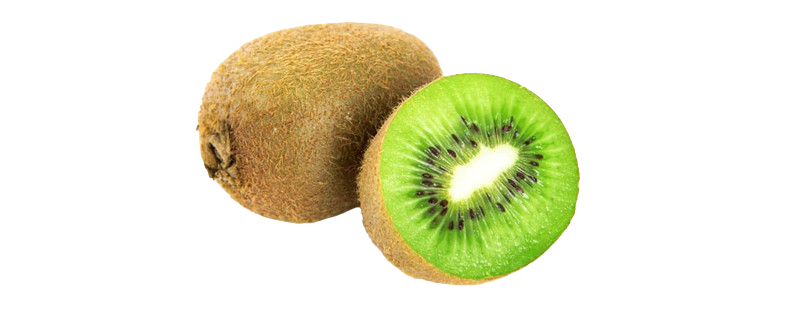
Kiwi calories vary in type and size. A 100g serving of raw green kiwi or gold kiwifruit contains 61 calories (3% DV). One medium green kiwi (76g) provides 46 calories (2% DV), while one medium gold kiwi (89g or 3.1oz) offers 54 calories (3% DV). One cup sliced kiwi (180g or 6.3oz) contains 110 calories (6% DV). Kiwi nutrition facts are recognized for the fruit’s high nutrient density, particularly Vitamin C (Richardson DP, Ansell J, Drummond LN. (2018). Kiwi macros per 100g (green kiwi) include 14.66g carbohydrates, 1.14g protein, 0.52g fat, and 3.0g fiber (11% DV). Kiwi nutrition offers 92.7mg Vitamin C (103% DV), 40.3µg Vitamin K (34% DV), 1.46mg Vitamin E (10% DV), 25µg Folate (6% DV), and 312mg Potassium (7%DV).
Common kiwifruit types are Green (Hayward) and Gold (SunGold), along with kiwi berries and dried kiwi. China, New Zealand, and Italy are the top global producers and consumers of kiwi. Kiwifruit prices increased over the last 20 years, with recent US retail prices ranging from $2.50 to $4.00 per pound.
Kiwifruit features prominently in desserts like Pavlova at Australian restaurants, Kiwi Tarts at bakeries like Dominique Ansel Bakery, and Kiwi Smoothies at Smoothie King and Jamba Juice. fiber and potassium. The recommended daily fruit intake is 1.5-2 cups which equates to 1-2 medium kiwis (46 to 92 calories). Burning 46 calories from one kiwi fruit requires 8 to 9 minutes of moderate jogging or 10 to 11 minutes of cycling
Kiwi nutrition
- Large Kiwi Calories (Nutritional Facts)
- Medium Kiwi Calories (Nutritional Facts)
- Small Kiwi Calories (Nutritional Facts)
- Calories in Kiwi without Skin
- Sugar in a Kiwi
- Fiber in Kiwi
- Protein in Kiwi
- Carbs in Kiwi
- Fat in Kiwi
- Calcium in Kiwi
- Vitamins in Kiwi
- Minerals in Kiwi
Large Kiwi Calories (Nutritional Facts)
One large green kiwifruit (91g) contains 56 calories, 1.04g of protein, 0.47g of fat, and 13.3g of carbohydrates. One large gold kiwifruit (114g) contains 70 calories, 1.17g of protein, 0.30g of fat, and 17.12g of carbohydrates.
One medium green kiwifruit (76g or 2.7oz) contains 46 calories, 0.87g of protein, 0.39g of fat, and 11.1g of carbohydrates. One medium gold kiwifruit (89g or 3.1oz) contains 54 calories, 0.92g of protein, 0.23g of fat, and 13.4g of carbohydrates.
One small green kiwifruit (50g or 1.8oz) contains 31 calories, 0.57g of protein, 0.26g of fat, and 7.31g of carbohydrates. One small gold kiwifruit (60g or 2.1oz) contains 37 calories, 0.62g of protein, 0.16g of fat, and 8.97g of carbohydrates.
A 100g (3.5oz) serving of raw green kiwifruit without skin contains 61 calories, 1.14g of protein, 0.52g of fat, and 14.66g of carbohydrates. A 100g (3.5oz) serving of raw gold kiwifruit without skin contains 61 calories, 1.03g of protein, 0.26g of fat, and 14.96g of carbohydrates. The calories in 1 kiwi without skin are 46 for a medium green kiwi (76g or 2.7oz) and 54 for a medium gold kiwi (89g or 3.1oz). One cup of sliced green kiwifruit without skin (180g or 6.3oz) contains 110 calories. One cup of sliced gold kiwifruit without skin (180g or 6.3oz) contains 110 calories.
Kiwi sugar content for a raw green kiwifruit is 8.99g of sugar per 100g (3.5oz). One medium green kiwifruit (76g or 2.7oz) contains 6.83g of sugar. One small green kiwifruit (50g or 1.8oz) contains 4.50g of sugar. One large green kiwifruit (91g or 3.2oz) contains 8.18g of sugar. One cup sliced green kiwifruit (180g or 6.3oz) contains 16.18g of sugar. Raw gold kiwifruit contains 10.96g of sugar per 100g (3.5oz). One medium gold kiwifruit (89g or 3.1oz) contains 9.75g of sugar. One small gold kiwifruit (60g or 2.1oz) contains 6.58g of sugar. One large gold kiwifruit (114g or 4.0oz) contains 12.50g of sugar. One cup sliced gold kiwifruit (180g or 6.3oz) contains 19.73g of sugar.
Kiwi fiber content for a raw green kiwifruit amounts to 3.0g of fiber per 100g (3.5oz), providing 11%DV. One medium green kiwifruit (76g or 2.7oz) contains 2.3g of fiber (8%DV). One small green kiwifruit (50g or 1.8oz) contains 1.5g of fiber (5%DV). One large green kiwifruit (91g or 3.2oz) contains 2.7g of fiber (10%DV). One cup sliced green kiwifruit (180g or 6.3oz) contains 5.4g of fiber (19%DV). Raw gold kiwifruit contains 1.4g of fiber per 100g (3.5oz), providing 5%DV. One medium gold kiwifruit (89g or 3.1oz) contains 1.2g of fiber (4%DV). One small gold kiwifruit (60g or 2.1oz) contains 0.8g of fiber (3%DV). One large gold kiwifruit (114g or 4.0oz) contains 1.6g of fiber (6%DV). One cup sliced gold kiwifruit (180g or 6.3oz) contains 2.5g of fiber (9%DV).
Kiwi protein for a raw green kiwifruit amounts to 1.14g protein per 100g (3.5oz). One medium green kiwifruit (76g or 2.7oz) contains 0.87g of protein. One small green kiwifruit (50g or 1.8oz) contains 0.57g of protein. One large green kiwifruit (91g or 3.2oz) contains 1.04g of protein. One cup sliced green kiwifruit (180g or 6.3oz) contains 2.05g of protein. Raw gold kiwifruit contains 1.03g of protein per 100g (3.5oz). One medium gold kiwifruit (89g or 3.1oz) contains 0.92g of protein. One small gold kiwifruit (60g or 2.1oz) contains 0.62g of protein. One large gold kiwifruit (114g or 4.0oz) contains 1.17g of protein. One cup sliced gold kiwifruit (180g or 6.3oz) contains 1.85g of protein.
Raw green kiwifruit contains 14.66g of carbohydrates per 100g (3.5oz). One medium green kiwifruit (76g or 2.7oz) contains 11.14g of carbohydrates. One small green kiwifruit (50g or 1.8oz) contains 7.33g of kiwi carbs. One large green kiwifruit (91g or 3.2oz) contains 13.34g of carbohydrates. One cup sliced green kiwifruit (180g or 6.3oz) contains 26.39g of carbohydrates. Raw gold kiwifruit contains 14.96g of carbohydrates per 100g (3.5oz). One medium gold kiwifruit (89g or 3.1oz) contains 13.31g of carbohydrates. One small gold kiwifruit (60g or 2.1oz) contains 8.98g of carbohydrates. One large gold kiwifruit (114g or 4.0oz) contains 17.05g of carbohydrates. One cup sliced gold kiwifruit (180g or 6.3oz) contains 26.93g of carbohydrates.
Raw green kiwifruit contains 0.52g of fat per 100g (3.5oz). One medium green kiwifruit (76g or 2.7oz) contains 0.39g of fat. One small green kiwifruit (50g or 1.8oz) contains 0.26g of fat. One large green kiwifruit (91g or 3.2oz) contains 0.47g of fat. One cup sliced green kiwifruit (180g or 6.3oz) contains 0.94g of fat. Raw gold kiwifruit contains 0.26g of fat per 100g (3.5oz). One medium gold kiwifruit (89g or 3.1oz) contains 0.23g of fat. One small gold kiwifruit (60g or 2.1oz) contains 0.16g of fat. One large gold kiwifruit (114g or 4.0oz) contains 0.30g of fat. One cup sliced gold kiwifruit (180g or 6.3oz) contains 0.47g of fat.
Raw green kiwifruit contains 34mg of calcium per 100g (3.5oz), providing 3%DV. One medium green kiwifruit (76g or 2.7oz) contains 26mg of calcium (2%DV). One small green kiwifruit (50g or 1.8oz) contains 17mg of calcium (1%DV). One large green kiwifruit (91g or 3.2oz) contains 31mg of calcium (2%DV). One cup sliced green kiwifruit (180g or 6.3oz) contains 61mg of calcium (5%DV). Raw gold kiwifruit contains 20mg of calcium per 100g (3.5oz), providing 2%DV. One medium gold kiwifruit (89g or 3.1oz) contains 18mg of calcium (1%DV). One small gold kiwifruit (60g or 2.1oz) contains 12mg of calcium (1%DV). One large gold kiwifruit (114g or 4.0oz) contains 23mg of calcium (2%DV). One cup sliced gold kiwifruit (180g or 6.3oz) contains 36mg of calcium (3%DV).
A 100g (3.5oz) serving of raw green kiwifruit provides 92.7mg of Vitamin C (103%DV), 40.3µg of Vitamin K (34%DV), 1.46mg of Vitamin E (10%DV), and 25µg of Folate (6%DV). A 100g (3.5oz) serving of raw gold kiwifruit provides 131.6mg of Vitamin C (146%DV), 1.37mg of Vitamin E (9%DV), 31µg of Folate (8%DV), and 10.3µg of Vitamin K (9%DV).
A 100g (3.5oz) serving of raw green kiwifruit contains 312mg of Potassium (7%DV), 0.147mg of Copper (16%DV), 0.098mg of Manganese (4%DV), and 17mg of Magnesium (4%DV). A 100g (3.5oz) serving of raw gold kiwifruit contains 315mg of Potassium (7%DV), 0.101mg of Copper (11%DV), 13mg of Magnesium (3%DV), and 0.041mg of Manganese (2%DV).
Get a Custom Report on Kiwi Nutrition Data – Contact Us!
What are the Types of Kiwi?
The main types of kiwifruit are Green Kiwifruit (Hayward variety) and Gold Kiwifruit (Zespri SunGold variety). Other less common types exist, including miniature kiwi berries and red kiwifruit. The table below outlines characteristics and calorie information for the main types:
| Type | Description | Calories (per 100g / 3.5oz) | Calorie Qualifications |
|---|---|---|---|
|
Green Kiwifruit (Hayward)
|
Fuzzy brown skin, bright green flesh with black seeds, tangy-sweet flavor. | 61 | Represents the calorie count for the common green variety. |
|
Gold Kiwifruit (SunGold)
|
Smooth, bronze skin, golden-yellow flesh with smaller core/fewer seeds, sweeter tropical flavor. | 61 | Calorie count per 100g is identical to green kiwi based on USDA data, though sweetness perception differs. |
|
Kiwi Berries (Hardy Kiwi)
|
Grape-sized, smooth edible skin, similar internal appearance and flavor to green kiwi. | 76 | Higher calorie density than larger kiwis, possibly due to relatively higher sugar or lower water content per 100g. |
|
Dried Kiwifruit
|
Sliced kiwifruit (usually green) with water removed, often sweetened. | 300-340 | Higher calorie density due to water removal and concentration of sugars (natural and often added). |
What are the Desserts with Kiwi?
The desserts that feature kiwi showcasing the bright color and taste, are listed below:
| Dish Name | Calories (Estimate per serving) | Type of Kiwi Used | Carbs (g) (Estimate) | Sugar (g) (Estimate) | Protein (g) (Estimate) | Fat (g) (Estimate) | Cuisine | Restaurants |
|---|---|---|---|---|---|---|---|---|
|
Kiwi Tart
|
300-500 | Fresh Green or Gold Kiwi | 35-60 | 20-35 | 3-6 | 15-25 | French/American | Dominique Ansel Bakery (NYC - seasonal items), Local bakeries |
|
Pavlova with Kiwi
|
400-600 | Fresh Green Kiwi | 60-90 | 50-80 | 4-7 | 10-20 | Australian/New Zealander | Restaurants featuring Australian/NZ cuisine, Specialty dessert shops |
|
Kiwi Sorbet/Granita
|
120-200 | Fresh Green or Gold Kiwi | 30-50 | 25-45 | <1 | <1 | Various | Gelaterias, Upscale restaurants with sorbet selections |
|
Fruit Salad with Kiwi
|
100-200 | Fresh Green or Gold Kiwi | 20-40 | 15-35 | 1-3 | <1-2 | Various | Buffets, Cafes, Breakfast spots |
|
Kiwi Smoothie
|
200-400 | Fresh Green or Gold Kiwi | 40-70 | 30-60 | 2-10 (depends on additions) | 1-10 (depends on additions) | Various | Smoothie King, Jamba Juice |
|
Kiwi Panna Cotta
|
250-400 | Kiwi Puree/Coulis (topping) | 20-35 | 15-30 | 3-6 | 15-25 | Italian/Modern | Italian restaurants, Modern European restaurants |
|
Kiwi Cheesecake Topping
|
50-100 (topping only) | Fresh Kiwi or Kiwi Glaze | 10-20 | 8-18 | <1 | <1-2 | American | The Cheesecake Factory |
What are the Main Dishes with Kiwi?
Kiwifruit is less commonly used in main dishes compared to desserts, but can appear in sauces, salsas, or as a garnish, particularly in fusion or tropical-inspired cuisine as listed below:
| Dish Name | Calories (Estimate per serving) | Type of Kiwi Used | Carbs (g) (Estimate) | Sugar (g) (Estimate) | Protein (g) (Estimate) | Fat (g) (Estimate) | Cuisine | Restaurants |
|---|---|---|---|---|---|---|---|---|
|
Fish/Chicken with Kiwi Salsa
|
400-600 | Fresh Green or Gold Kiwi | 15-30 | 10-20 | 30-50 | 15-25 | Fusion/Tropical/New American | Restaurants with Pacific Rim or tropical fusion menus (seasonal) |
|
Kiwi Glazed Pork/Chicken
|
500-700 | Kiwi Puree/Jam (glaze) | 20-40 | 15-35 | 35-55 | 20-35 | Fusion/New American | Less common, potentially found on creative seasonal menus |
|
Salad with Kiwi Dressing
|
250-450 (depends on salad base) | Kiwi Puree (in dressing) | 15-30 | 10-25 | 5-15 | 15-30 | New American/Fusion | Cafes or restaurants with unique salad offerings |
What Cuisines Prefer Kiwi the Most?
Kiwifruit, while globally popular, is not deeply embedded in many traditional cuisines due to relatively recent widespread cultivation. Kiwi is most featured in cuisines from Australia and New Zealand (where commercialized) and commonly used in modern, fusion, and health-focused cooking worldwide. The table shows the dishes, and countries that use Kiwi:
| Cuisine | Dish | Types of Kiwi Used | Calories (Estimate per serving) | Restaurant(s) |
|---|---|---|---|---|
|
Australian/New Zealander
|
Pavlova with Kiwi | Fresh Green Kiwi | 400-600 | Restaurants featuring Australian/NZ cuisine, Dessert shops |
|
Modern American/Fusion
|
Fruit Tarts | Fresh Green or Gold Kiwi | 300-500 | Tartine Bakery |
|
Modern American/Fusion
|
Smoothies | Fresh Green or Gold Kiwi | 200-400 | Smoothie King, Jamba Juice, Juice Bars |
|
Modern American/Fusion
|
Salads with Fruit/Salsas | Fresh Green or Gold Kiwi | Varies | New American restaurants, Cafes with creative salads |
|
Health-Focused/Cafes
|
Fruit Bowls/Salads | Fresh Green or Gold Kiwi | 100-200 | Health food cafes, Breakfast spots, Juice bars |
|
Pan-Asian/Fusion (less common)
|
Garnishes/Unique Sauces | Fresh Kiwi | Varies | Modern Asian fusion restaurants might use it creatively |
Which Countries Produce the Most Kiwis?
The top producers of kiwifruit globally are China, New Zealand, Italy, Greece, and Chile. The table below shows the production quantities in tonnes for the top producing countries over the last two decades, based on available FAOSTAT data:
| Country | 2004 | 2005 | 2006 | 2007 | 2008 | 2009 | 2010 | 2011 | 2012 | 2013 | 2014 | 2015 | 2016 | 2017 | 2018 | 2019 | 2020 | 2021 | 2022 |
|---|---|---|---|---|---|---|---|---|---|---|---|---|---|---|---|---|---|---|---|
| China | 1,400,000 | 1,500,000 | 1,600,000 | 1,700,000 | 1,750,000 | 1,800,000 | 1,850,000 | 1,900,000 | 2,010,000 | 2,100,000 | 2,190,000 | 2,280,000 | 2,370,000 | 2,460,000 | 2,035,179 | 2,196,756 | 2,230,065 | 2,380,304 | 2,380,304 |
| New Zealand | 270,000 | 280,000 | 300,000 | 320,000 | 340,000 | 360,000 | 380,000 | 400,000 | 377,500 | 398,400 | 412,800 | 430,100 | 414,200 | 506,600 | 558,000 | 578,000 | 606,700 | 603,500 | 532,600 |
| Italy | 436,100 | 469,300 | 507,700 | 523,500 | 510,600 | 485,100 | 478,300 | 483,100 | 384,800 | 443,500 | 506,600 | 507,100 | 524,500 | 365,200 | 447,500 | 525,500 | 521,400 | 477,200 | 311,100 |
| Greece | 80,000 | 85,000 | 90,000 | 95,000 | 100,000 | 110,000 | 120,000 | 130,000 | 140,000 | 150,000 | 160,000 | 170,000 | 220,000 | 274,600 | 265,200 | 285,900 | 307,400 | 313,300 | 321,600 |
| Chile | 145,000 | 155,000 | 165,000 | 175,000 | 185,000 | 195,000 | 205,000 | 215,000 | 230,000 | 240,000 | 250,000 | 205,000 | 180,000 | 155,000 | 177,000 | 175,000 | 153,000 | 147,000 | 134,000 |
| World Total | 2,627,000 | 2,790,000 | 2,979,000 | 3,136,000 | 3,263,000 | 3,352,000 | 3,430,000 | 3,567,000 | 3,671,000 | 3,881,000 | 4,116,000 | 4,117,000 | 4,272,000 | 4,345,000 | 4,038,820 | 4,348,412 | 4,408,841 | 4,489,411 | 4,339,704 |
Which Countries Consume the Most Kiwi?
The top consumers of kiwifruit are China, Italy, New Zealand, Iran, and Greece. Consumption is high in major producing countries and also in countries with import volumes, particularly in Europe and Asia. Domestic Supply Quantity (Production + Imports - Exports +/- Stock changes) serves as a proxy for overall consumption. The table below shows the Domestic Supply Quantity in tonnes for key countries over the last two decades based on available FAOSTAT data:
| Country | 2004 | 2005 | 2006 | 2007 | 2008 | 2009 | 2010 | 2011 | 2012 | 2013 | 2014 | 2015 | 2016 | 2017 | 2018 | 2019 | 2020 | 2021 |
|---|---|---|---|---|---|---|---|---|---|---|---|---|---|---|---|---|---|---|
| China | 1,400,000 | 1,500,000 | 1,600,000 | 1,700,000 | 1,750,000 | 1,800,000 | 1,850,000 | 1,900,000 | 2,010,000 | 2,100,000 | 2,190,000 | 2,280,000 | 2,370,000 | 2,460,000 | 2,035,179 | 2,196,756 | 2,230,065 | 2,380,304 |
| Italy | 332,000 | 360,000 | 390,000 | 400,000 | 380,000 | 350,000 | 340,000 | 340,000 | 270,000 | 300,000 | 350,000 | 350,000 | 360,000 | 250,000 | 300,000 | 360,000 | 350,000 | 310,000 |
| New Zealand | 60,000 | 62,000 | 65,000 | 68,000 | 70,000 | 72,000 | 75,000 | 78,000 | 75,000 | 78,000 | 80,000 | 82,000 | 80,000 | 85,000 | 90,000 | 92,000 | 95,000 | 93,000 |
| Iran | 40,000 | 45,000 | 50,000 | 55,000 | 60,000 | 65,000 | 70,000 | 75,000 | 80,000 | 85,000 | 90,000 | 95,000 | 100,000 | 105,000 | 110,000 | 115,000 | 120,000 | 125,000 |
| Greece | 50,000 | 55,000 | 60,000 | 65,000 | 70,000 | 75,000 | 80,000 | 85,000 | 90,000 | 95,000 | 100,000 | 105,000 | 110,000 | 115,000 | 120,000 | 125,000 | 130,000 | 135,000 |
| World Total | 2,417,000 | 2,577,000 | 2,759,000 | 2,906,000 | 3,013,000 | 3,092,000 | 3,160,000 | 3,287,000 | 3,401,000 | 3,591,000 | 3,806,000 | 3,847,000 | 3,982,000 | 4,065,000 | 3,718,820 | 3,918,412 | 3,958,841 | 4,069,411 |
How Do the Prices of Kiwi-including Dishes Change?
Prices for restaurant dishes featuring kiwifruit, such as fruit tarts or pavlova, increased over the past two decades. This increase reflects rising costs for ingredients including kiwifruit, labor, rent, and general food service inflation. The table below provides price comparisons between past and current estimates:
| Restaurant Type | Dish | Old Price (2010-2015) | Current Price (2024/2025) |
|---|---|---|---|
| Bakery/Cafe | Slice of Kiwi Tart | $4.75 | $5.50 - $6.95 |
| Restaurant (NZ/Aus focus) | Pavlova with Kiwi (Slice) | $8.00 | $7.00 - $10.00 |
| Smoothie Bar | Kiwi Smoothie (Regular) | $4.50 | $8.00 - $14.00 |
| Upscale Restaurant | Kiwi Sorbet (Scoop) | $3.50 | $5.00 - $7.22 |
How Does the Price of Kiwi Change for the Last 20 Years?
Kiwi prices over the last 20 years have had notable fluctuations driven by key factors including weather conditions in major production zones like New Zealand, Italy, and Chile, affecting harvest size and quality. Production costs, particularly labor and shipping (as kiwis are often transported long distances), influence prices. Growing global demand, especially for convenient and nutritious fruits, supports prices. Exchange rates also play a role for internationally traded kiwifruit. USDA data for US retail prices reflects this trend. In the mid-2000s, prices were $1.50 to $2.00 per pound. Prices gradually increased through the 2010s, exceeding $2.00 to $2.50 per pound. Average retail prices in recent years (early 2020s) range from $2.50 to $4.00 per pound, varying by season, origin, and variety (e.g., gold kiwi often commands a premium over green). The lowest prices occur during peak harvest seasons (e.g., New Zealand supply dominates Northern Hemisphere summer/fall), while prices are highest for stored or imported fruit during the off-season.
What is the Kiwi Calorie for 100 G?
Kiwi calories in 100g (3.5oz) of raw green kiwifruit is 61 calories. Raw gold kiwifruit contains 61 calories per 100g (3.5oz).
What is the Kiwi Calorie for 1 KG?
Raw green kiwifruit contains 610 calories per 1kg (2.2lbs). Raw gold kiwifruit contains 610 calories per 1kg (2.2lbs).
What is the Calorie of 1 Kiwi?
One medium green kiwifruit (76g or 2.7oz) contains 46 calories. One large green kiwifruit (91g or 3.2oz) contains 56 calories. One small green kiwifruit (50g or 1.8oz) contains 31 calories. One medium gold kiwifruit (89g or 3.1oz) contains 54 calories. One large gold kiwifruit (114g or 4.0oz) contains 70 calories. One small gold kiwifruit (60g or 2.1oz) contains 37 calories.
What are the Health Benefits of Kiwi?
The health benefits of Kiwi are shown in the list below:
- Excellent Source of Vitamin C: Kiwifruit, particularly the gold variety, is exceptionally rich in Vitamin C, a potent antioxidant that supports immune function and collagen production for skin health. (Richardson DP, Ansell J, Drummond LN. (2018). The nutritional and health attributes of kiwifruit: a review.)
- Aids Digestion: Green kiwifruit contains dietary fiber and a unique enzyme called actinidin, which helps break down proteins and can improve digestive comfort, reducing bloating and aiding regular bowel movements. (Kaur L, Rutherfurd SM, Moughan PJ, Drummond L, Boland MJ. (2010). Actinidin enhances gastric protein digestion as assessed using an in vitro gastric digestion model.)
- Supports Immune Health: Beyond Vitamin C, kiwifruit contains other nutrients and antioxidants like Vitamin E and carotenoids that contribute to a robust immune system response. (Skinner MA, Bentley-Hewitt KL, Rosendale D, Naoko ST, Pernthaner A. (2013). Effects of kiwifruit on innate and adaptive immunity and symptoms of upper respiratory tract infections.)
- May Improve Sleep Quality: Some research suggests that consuming kiwifruit before bed may improve sleep onset, duration, and efficiency, possibly due to its antioxidant content and serotonin levels. (Lin HH, Tsai PS, Fang SC, Liu JF. (2011). Effect of kiwifruit consumption on sleep quality in adults with sleep problems.)
- Contributes to Heart Health: The fiber, potassium, and antioxidants in kiwifruit can help manage blood pressure and cholesterol levels, contributing to overall cardiovascular health. (Stonehouse W, Gammon CS, Beck KL, Conlon CA, von Hurst PR, Kruger R. (2013). Kiwifruit: our daily prescription for health.)
What are the Downsides of Kiwi?
Kiwifruit has potential downsides for certain individuals which are detailed below:
- Allergic Reactions: Kiwi allergy is relatively common, sometimes linked to latex allergy or birch pollen allergy (oral allergy syndrome). Symptoms can range from mild mouth itching to severe systemic reactions. (Lucas JS, Lewis SA, Hourihane JO. (2003). Kiwi fruit allergy: a review.) Individuals with known fruit or latex allergies should be cautious. Alternatives include fruits like berries or melons, assuming no allergy exists to those.
- Potential for Digestive Upset: Due to its fiber content and acidity, consuming large amounts of kiwifruit might cause stomach upset, gas, or diarrhea in sensitive individuals. Introduce kiwi gradually if prone to digestive issues. A suggested daily amount is 1-2 kiwifruits.
- Oxalates: Kiwifruit contains oxalates, which can contribute to kidney stone formation in susceptible individuals. Those with a history of calcium oxalate kidney stones may need to limit their intake. (Noonan SC, Savage GP. (1999). Oxalate content of foods and its effect on humans.) Consult a healthcare provider for personalized advice.
Is Kiwi Bad for Acid Reflux?
Kiwifruit can be problematic for some individuals with acid reflux, but kiwifruit consumption is not universally bad for everyone with the condition. Kiwifruit is acidic, with a pH typically ranging from 3.1 to 3.9. Dietary guidelines often recommend that individuals with gastroesophageal reflux disease (GERD) identify and limit foods that trigger their specific symptoms, and acidic foods are common triggers for many people. Research investigating dietary patterns has noted associations between the intake of certain food groups, including fruits considered acidic, and the prevalence or severity of reflux symptoms in some populations, although results can vary (Kubo A, Block G, Quesenberry CP Jr, Buffler P, Corley DA. Dietary guideline adherence for gastroesophageal reflux disease.).
Because tolerance is highly individual, some people with acid reflux may find they can eat kiwi without issue, while others experience heartburn or regurgitation. Factors influencing tolerance include the amount eaten, the ripeness of the fruit, and what other foods are consumed concurrently. There is no specific research establishing a universally "safe" or "unsafe" amount regarding Kiwi acid reflux interactions for individuals. Personal tolerance testing is necessary. Starting with a very small portion, such as one or two slices, is advisable to gauge individual reaction. Consulting with a healthcare provider or registered dietitian is recommended for personalized dietary advice regarding acid reflux management (Newberry C, Lynch K. (2019). The role of diet in the development and management of gastroesophageal reflux disease: why we feel the burn.).
Are Kiwis Good for You?
Yes, kiwis are good because they are packed with essential nutrients, particularly Vitamin C, Vitamin K, Vitamin E, potassium, and fiber. The nutrient profile supports various aspects of health; the high Vitamin C content bolsters immune function and skin health (Richardson DP, Ansell J, Drummond LN, 2018) while the fiber and unique enzyme actinidin promote digestive health and regularity (Kaur L, Rutherfurd SM, Moughan PJ, Drummond L, Boland MJ. 2010). Kiwifruit's antioxidants help combat oxidative stress, contributing to heart health and potentially reducing inflammation.
Is Kiwi Good for Weight Loss?
Yes, kiwi can be good for weight loss when included as part of a balanced, calorie-controlled diet. Using kiwi for weight loss efforts can be beneficial because kiwifruit is relatively low in calories (one medium green kiwi has 46 calories) but high in water and dietary fiber. Fiber promotes feelings of fullness (satiety), which can help reduce overall calorie intake by managing appetite. Kiwifruit also has a low glycemic index, meaning it causes a slower rise in blood sugar compared to high-GI foods, which can be beneficial for weight management. Its nutrient density provides vitamins and minerals without excessive calories.
How Many Kiwi Should I Eat a Day?
The general recommendation is 1 to 2 kiwifruits a day. Kiwi counts towards the general fruit intake recommendations in the Dietary Guidelines for Americans, which suggest adults consume 1.5 to 2 cups of fruit per day. One serving of kiwifruit is typically considered one medium kiwi or one-half cup sliced. Eating one to two kiwifruits per day is a reasonable amount for most adults to enjoy the health benefits as part of their total fruit consumption.
How Many Kiwi Can I Eat a Day at Most?
There isn't a strict maximum limit for kiwifruit consumption, but moderation is sensible. Eating excessive amounts (e.g., many kiwis in one sitting) could potentially lead to digestive issues like diarrhea or stomach cramps in some individuals due to the high fiber and acidity. For those susceptible to oxalate kidney stones, very high intake should be avoided. Consuming kiwifruit within the recommended 1.5-2 cups of total daily fruit intake is unlikely to cause problems for most people.
How Does Calorie Change According to Kiwi Types?
Fresh green (Hayward) and fresh gold (SunGold) kiwifruit contain the same number of calories per 100 grams, at 61 calories, despite differences in taste and nutrient profiles like Vitamin C. Miniature kiwi berries are more calorie-dense at 76 calories per 100 grams. The most significant difference is seen with dried kiwifruit, where water removal concentrates sugars and nutrients, resulting in a much higher calorie count, ranging from 300 to 340 calories per 100 grams. Fresh green and gold kiwis are the lowest calorie types among common options, while dried kiwifruit is the highest calorie type.
What is the Origin of Kiwi?
Kiwifruit (Actinidia deliciosa) originally started in China, where it grew wild and was known as yang tao (sunny peach or macaque peach). It was primarily gathered from the wild rather than cultivated extensively for fruit. Seeds were taken from China to New Zealand in the early 20th century (1904) by Mary Isabel Fraser, the principal of Wanganui Girls' College. Initial cultivation focused on ornamental vines, but horticulturists like Alexander Allison and Hayward Wright recognized the fruit's potential. Hayward Wright developed the 'Hayward' cultivar in the 1920s, the large, oval, fuzzy brown-skinned, green-fleshed variety that dominates global production today. The fruit was initially called Chinese gooseberry in New Zealand. During the Cold War era, exporting under this name to the United States became problematic. New Zealand exporters in 1959, led by Turners and Growers, rebranded it "kiwifruit" after New Zealand's national bird, the kiwi, which is also small, brown, and fuzzy. This marketing move was highly successful, and kiwifruit cultivation spread globally, particularly to Italy, Chile, Greece, and France, though New Zealand remains a major player. Its integration into cuisine is relatively modern compared to ancient fruits, it became popular internationally from the 1960s onwards, primarily eaten fresh or used in desserts like pavlova (a meringue dessert popular in Australia and New Zealand often topped with kiwi), fruit salads, and tarts. Savory applications are less traditional and more common in modern fusion cooking.