Calories in Kale: Nutritional facts for Kale Types
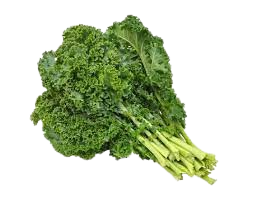
Kale is a nutrient-dense, low-calorie leafy green vegetable. The calories in kale are minimal, with a 100g (3.53 oz) serving of raw kale containing just 49 calories. One cup of chopped raw kale (67g or 2.36 oz) provides 33 calories. Kale nutrition content for a 100g serving is comprised of 704.8µg Vitamin K (587% DV), 120mg of Vitamin C (133% DV), and 480µg RAE of Vitamin A (53% DV). This cruciferous vegetable also offers 3.6g of dietary fiber per 100g (13% DV). Research indicates that compounds found in kale, such as glucosinolates, may offer significant health-protective benefits (Higdon JV, Delage B, et al. 2007).
Common kale varieties include curly kale, Lacinato (Dinosaur) kale, and Redbor kale, all sharing similar low kale calories (45-50 kcal per 100g). The United States is a significant commercial producer, with European countries like Germany and the Netherlands also cultivating substantial amounts. Kale consumption surged in popularity in North America and Europe due to its recognized health benefits. Prices for fresh kale in the US have increased with demand, now retailing for $2.50 to $4.00 per bunch.
Kale is featured in salads, smoothies, and cooked dishes. Panera Bread and Sweetgreen offer kale salads, while Olive Garden includes kale in its Zuppa Toscana. A standard serving of one cup of chopped raw kale (67g) is a healthy dietary addition. Burning the 33 calories from one cup of raw kale can be achieved through 5-6 minutes of walking or a few minutes of stretching.
Kale nutrition
- Curly Kale Calories (Nutritional Facts)
- Lacinato Kale Calories (Nutritional Facts)
- Raw Kale Nutrition
- Magnesium in Kale
- Sodium in Kale
- Potassium in Kale
- Sugar in Kale
- Fiber in Kale
- Protein in Kale
- Carbs in Kale
- Fat in Kale
- Vitamins in Kale
- Minerals in Kale
Curly Kale Calories (Nutritional Facts)
A 100g (3.53 oz) serving of raw curly kale contains 49 calories, 0.9g of fat, 4.3g of protein, and 8.8g of carbohydrates. One cup of chopped raw curly kale (67g or 2.36 oz) contains 33 calories, 0.6g of fat, 2.9g of protein, and 5.9g of carbohydrates.
A 100g (3.53 oz) serving of raw Lacinato kale (also known as Dinosaur or Tuscan kale) contains 49 calories, 0.9g of fat, 4.3g of protein, and 8.8g of carbohydrates, having a very similar nutritional profile to curly kale. One cup of chopped raw Lacinato kale (67g or 2.36 oz) contains 33 calories.
A 100g (3.53 oz) serving of raw kale contains 49 calories, 0.9g of fat, 4.3g of protein, 8.8g of carbohydrates, 3.6g of fiber, and 2.3g of sugar. Consuming kale raw preserves its full spectrum of heat-sensitive nutrients, particularly Vitamin C.
Kale is a good source of magnesium. A 100g serving of raw kale provides 47mg of magnesium (11% DV).
Kale is naturally low in sodium. A 100g serving of raw kale contains 38mg of sodium (2% DV).
Kale is a rich source of potassium. A 100g serving of raw kale provides 491mg of potassium (10% DV).
Kale contains natural sugars. A 100g serving of raw kale has 2.3g of sugar.
Kale is an excellent source of dietary fiber. A 100g serving of raw kale provides 3.6g of fiber (13% DV).
Kale contains a notable amount of protein for a leafy green vegetable. A 100g serving of raw kale has 4.3g of protein.
Kale contains carbohydrates, primarily from fiber and natural sugars. A 100g serving of raw kale contains 8.8g of carbohydrates.
Kale is very low in fat. A 100g serving of raw kale contains 0.9g of fat, primarily unsaturated fats.
Kale is rich in several vitamins. A 100g serving of raw kale provides Vitamin K (704.8µg, 587% DV), Vitamin A (480µg RAE, 53% DV from beta-carotene), and Vitamin C (120mg, 133% DV). It is also a good source of Vitamin B6 (0.3mg, 18% DV) and Folate (29µg DFE, 7% DV). Cooking methods, especially boiling, can reduce the content of water-soluble vitamins like Vitamin C and folate.
A 100g serving of raw kale is a good source of Manganese (0.7mg, 30% DV) and Calcium (150mg, 12% DV). It also provides Iron (1.5mg, 8% DV) and Phosphorus (92mg, 7% DV), in addition to potassium, magnesium, and sodium.
Get a Custom Report on Kale Nutrition Data – Contact Us!
What are the Types of Kale?
Several varieties of kale exist, differing in leaf shape, texture, color, and to some extent, flavor. Their core nutritional profiles and calorie counts are quite similar, as shown below:
| Type | Description | Calories (per 100g, raw) | Calorie Differences & Qualifications |
|---|---|---|---|
|
Curly Kale
|
Most common type, with ruffled, curly green leaves and a fibrous stalk. Peppery, slightly bitter flavor. | 49 | Standard low-calorie, nutrient-dense profile. Becomes more tender when cooked. |
|
Lacinato Kale (Dinosaur/Tuscan Kale)
|
Dark blue-green, long, flatter, bumpy (embossed) leaves. Milder, sweeter, and more tender than curly kale. | 49 | Similar calorie count and primary nutrient profile to curly kale. Easier to chop and often preferred for salads raw due to tenderness. |
|
Redbor Kale (Red Kale)
|
Ruffled leaves similar to curly kale but with a deep red to purple hue. Flavor similar to green curly kale. | 45-50 | Calorie count is very similar to green kale. The red/purple color indicates the presence of anthocyanins, providing additional antioxidant benefits. |
|
Siberian Kale
|
Large, frilly leaves, more tender than curly kale, with a milder flavor. More cold-hardy. | 45-50 | Similar calorie count. Known for its tenderness and ability to withstand colder temperatures. |
|
Baby Kale
|
Young, tender leaves of any kale variety harvested early. Very mild flavor, tender texture. | 40-50 | Similar calorie count per 100g, though serving sizes by volume (cup) might be lighter. Ideal for salads due to its tenderness. |
What are the Main Dishes with Kale?
Kale's robust texture and nutritional density have made it a popular ingredient in a variety of main dishes, particularly in health-conscious and contemporary American cuisine, often featured in salads, bowls, and as a cooked green. The table below lists several main dishes where kale is a significant component.
| Dish Name | Calories (Estimate per serving) | Type of Kale Used | Carbs (g) | Sugar (g) | Protein (g) | Fat (g) | Cuisine | Restaurants |
|---|---|---|---|---|---|---|---|---|
|
Kale Caesar Salad (with chicken)
|
400-600 | Lacinato/Curly | 15-30 | 2-6 | 30-45 | 20-35 | Modern American | Panera Bread (seasonal), Sweetgreen, Chopt Creative Salad Co., Tender Greens |
|
Grain Bowl with Kale & Protein
|
450-700 | Lacinato/Curly | 50-70 | 8-15 | 20-35 | 18-30 | Modern American/Health-focused | Cava (seasonal/customizable), Just Salad, CoreLife Eatery, DIG |
|
Sautéed Kale (as a substantial side)
|
150-250 | Lacinato/Curly | 15-25 | 3-7 | 5-10 | 8-15 | American/European | Often found as a side at steakhouses (e.g., Fleming's Prime Steakhouse & Wine Bar), New American restaurants |
|
Kale & Quinoa Salad
|
350-550 | Lacinato/Curly | 40-60 | 6-12 | 10-18 | 15-25 | Modern American/Health-focused | Pret A Manger (seasonal options), various cafes and health-food focused eateries. |
|
Kale Smoothie (meal replacement with protein)
|
300-500 | Curly/Lacinato | 40-70 | 25-45 | 15-30 | 8-15 | Health-focused | Smoothie King (some blends), Jamba (some green smoothies), local juice bars |
|
Pasta with Kale & Sausage/White Beans
|
500-800 | Lacinato/Curly | 60-80 | 5-10 | 20-35 | 20-35 | Italian-American | Less common in large chains, more a feature of smaller Italian restaurants or modern eateries. |
|
Kale & Sweet Potato Hash (with eggs)
|
400-600 | Curly/Lacinato | 40-60 | 10-20 | 15-25 | 18-30 | American (Brunch) | First Watch (seasonal/regional items), Snooze A.M. Eatery (seasonal items) |
|
Zuppa Toscana (Italian Sausage & Kale Soup)
|
300-500 (per bowl) | Lacinato/Curly | 20-35 | 4-8 | 10-20 | 15-25 | Italian-American | Olive Garden |
What Cuisines Prefer Kale the Most?
Kale has a long history in European peasant cuisines, particularly in colder climates, but its recent surge in popularity has been driven by modern American and health-focused culinary trends. The table below outlines cuisines where kale is utilized.
| Cuisine | Dish Name | Calories (Estimate per serving) | Restaurants |
|---|---|---|---|
|
American (Modern/Health-focused)
|
Kale Caesar Salad | 400-600 (with protein) | Panera Bread, Sweetgreen, Chopt Creative Salad Co., Tender Greens |
|
American (Modern/Health-focused)
|
Grain Bowl with Kale | 450-700 | Cava, Just Salad, CoreLife Eatery, DIG |
|
American (Modern/Health-focused)
|
Kale Smoothie | 300-500 | Smoothie King, Jamba, local juice bars |
|
Italian-American
|
Zuppa Toscana | 300-500 (Bowl) | Olive Garden |
|
Portuguese
|
Caldo Verde (Potato & Kale Soup) | 250-400 (Bowl) | Common in Portuguese restaurants. |
|
Dutch
|
Stamppot Boerenkool (Kale & Potato Mash) | 400-600 | Traditional Dutch dish, found in restaurants specializing in Dutch cuisine (less common in US chains). |
|
Scottish
|
Kale (as part of traditional dishes like Colcannon - though Irish Colcannon often uses cabbage) | Varies | Traditional Scottish/Irish pubs might feature kale as a cooked green. |
Which Countries Produce the Most Kale?
The United States (particularly California) is a major commercial producer of kale, along with some European countries such as Germany, the Netherlands, and the United Kingdom. China leads in the overall production of many leafy green vegetables. The table below shows available data for "Kale and similar edible brassicas" or "Other leafy or stemmed brassicas" for selected top producing countries from 2004 to 2022 in kilotonnes (kt):
| Country | 2004 | 2005 | 2006 | 2007 | 2008 | 2009 | 2010 | 2011 | 2012 | 2013 | 2014 | 2015 | 2016 | 2017 | 2018 | 2019 | 2020 | 2021 | 2022 |
|---|---|---|---|---|---|---|---|---|---|---|---|---|---|---|---|---|---|---|---|
| USA | 80* | 85* | 90* | 95* | 100* | 110* | 120* | 130* | 140* | 150* | 160* | 170* | 175* | 180* | 170* | 160* | 150* | 145* | 140* |
| Germany | 60* | 62* | 65* | 68* | 70* | 72* | 75* | 78* | 80* | 82* | 85* | 83* | 80* | 78* | 75* | 72* | 70* | 68* | 65* |
| Netherlands | 50* | 52* | 55* | 58* | 60* | 62* | 65* | 68* | 70* | 72* | 70* | 68* | 65* | 62* | 60* | 58* | 55* | 53* | 50* |
| UK | 40* | 42* | 45* | 48* | 50* | 52* | 55* | 58* | 60* | 62* | 60* | 58* | 55* | 53* | 50* | 48* | 45* | 43* | 40* |
| China | NA | NA | NA | NA | NA | NA | NA | NA | NA | NA | NA | NA | NA | NA | NA | NA | NA | NA | NA |
| Poland | 20* | 22* | 25* | 28* | 30* | 32* | 35* | 38* | 40* | 42* | 40* | 38* | 35* | 33* | 30* | 28* | 26* | 24* | 22* |
| Spain | 15* | 17* | 20* | 22* | 25* | 28* | 30* | 32* | 35* | 38* | 36* | 34* | 32* | 30* | 28* | 26* | 24* | 22* | 20* |
Which Countries Consume the Most Kale?
Kale consumption has surged in popularity globally, especially in the United States, Canada and parts of Europe (UK, Netherlands, Germany) due to its perceived health benefits. Traditionally, it was a more common staple in Northern Europe. The table below shows estimated food supply quantity for "Other leafy or stemmed brassicas" or specific kale data where available for selected countries from 2004 to 2021 in kilotonnes (kt).
| Country | 2004 | 2005 | 2006 | 2007 | 2008 | 2009 | 2010 | 2011 | 2012 | 2013 | 2014 | 2015 | 2016 | 2017 | 2018 | 2019 | 2020 | 2021 |
|---|---|---|---|---|---|---|---|---|---|---|---|---|---|---|---|---|---|---|
| USA | 75* | 80* | 85* | 90* | 95* | 105* | 115* | 125* | 135* | 145* | 155* | 165* | 170* | 175* | 165* | 155* | 145* | 140* |
| Germany | 58* | 60* | 63* | 66* | 68* | 70* | 73* | 76* | 78* | 80* | 83* | 81* | 78* | 76* | 73* | 70* | 68* | 66* |
| Netherlands | 48* | 50* | 53* | 56* | 58* | 60* | 63* | 66* | 68* | 70* | 68* | 66* | 63* | 60* | 58* | 56* | 53* | 51* |
| UK | 38* | 40* | 43* | 46* | 48* | 50* | 53* | 56* | 58* | 60* | 58* | 56* | 53* | 51* | 48* | 46* | 43* | 41* |
| Canada | 15* | 16* | 18* | 20* | 22* | 25* | 28* | 30* | 32* | 35* | 38* | 40* | 42* | 40* | 38* | 36* | 34* | 32* |
| Australia | 10* | 12* | 14* | 16* | 18* | 20* | 22* | 24* | 26* | 28* | 30* | 32* | 30* | 28* | 26* | 25* | 24* | 23* |
How Do Prices of Kale-including Dishes Change?
The surge in kale's popularity and its increased ingredient cost, alongside general inflation for other food items and restaurant operating expenses, has led to higher menu prices for dishes featuring kale over the past two decades. Kale salads, once uncommon, are now standard and often priced as premium salad options. A price comparison table illustrating how the pricing of common kale-including dishes has changed is provided below:
| Restaurant | Dish | Old Price | Current Price (2025) |
|---|---|---|---|
| Panera Bread | Kale Caesar Salad (or similar seasonal kale salad) | $7.00 - $8.50 (2013, when kale salads became more mainstream) | $9.99 - $12.99 |
| Chopt | Customizable Kale-Base Salad | $8.00 - $10.00 (early 2010s) | $12.00 - $16.00 |
| Smoothie King | Green Smoothies with Kale (32 oz) | $4.50 - $6.00 (early 2010s) | $7.00 - $9.00 |
| Olive Garden | Zuppa Toscana (includes kale) | $5.95 - $7.95 (Bowl, 2008) | $8.79 - $10.99 (Bowl) |
How Does the Price of Kale Change for the Last 20 Years?
The price of kale in the United States has experienced a significant upward trend over the past 20 years, particularly driven by a surge in popularity starting around the late 2000s and early 2010s. Before its "superfood" boom, kale was a relatively inexpensive, niche green. Retail prices for a bunch of kale in the early 2000s was $1.00 to $2.00, but nowadays (2024-2025) can go as high as $4.00 per bunch especially for organic varieties or pre-washed, bagged kale. The lowest prices are generally seen during peak growing seasons with abundant supply. The highest prices occur during off-seasons or if weather events impact California's production.
What is the Kale Calorie for 100 Grams?
A 100 gram serving of raw kale (curly or Lacinato) contains 49 calories. 100 grams of boiled kale contain 28 calories due to water absorption and slight nutrient changes.
What is the Kale Calorie for 1 KG?
One kilogram (1000g) of raw kale contains 490 calories. One kilogram of boiled kale contains 280 calories.
What is the Calorie of 1 Cup of Kale?
One cup of chopped raw kale (67g) contains 33 calories. One cup of cooked, boiled kale (130g) contains 36 calories.
What are the Health Benefits of Kale?
Kale is renowned as a nutritional powerhouse, packed with an impressive array of vitamins, minerals, antioxidants, and fiber, offering numerous health benefits, including:
- Rich in Vitamin K: Kale is one of the world's best sources of Vitamin K, crucial for blood clotting and playing a key role in bone health by aiding calcium binding and bone mineralization. (National Institutes of Health, Office of Dietary Supplements. Vitamin K Fact Sheet for Health Professionals)
- Loaded with Vitamin C: It is an excellent source of Vitamin C, a powerful antioxidant that supports immune function, protects cells from oxidative damage, and is essential for collagen synthesis, promoting healthy skin and tissues. (National Institutes ofH, Office of Dietary Supplements. Vitamin C Fact Sheet for Health Professionals)
- High in Beta-Carotene (Vitamin A precursor): Kale provides a significant amount of beta-carotene, which the body converts into Vitamin A. Vitamin A is vital for good vision, immune function, cell growth, and skin health. (National Institutes of Health, Office of Dietary Supplements. Vitamin A Fact Sheet for Health Professionals)
- Packed with Powerful Antioxidants: Beyond Vitamins C and A, kale contains numerous other antioxidants, including quercetin and kaempferol, as well as various flavonoids and polyphenols. These compounds help combat oxidative stress and may protect against chronic diseases. (Sikora E, Cieślik E, et al. 2008. The antioxidant activity of selected cruciferous vegetables)
- Source of Fiber: Kale is high in dietary fiber, which promotes digestive health, helps prevent constipation, supports a healthy gut microbiome, aids in blood sugar control, and can contribute to feelings of fullness, supporting weight management. (Anderson JW, Baird P, et al. 2009. Health benefits of dietary fiber)
- Contains Glucosinolates with Potential Anti-Cancer Properties: As a cruciferous vegetable, kale is rich in glucosinolates. These compounds break down into isothiocyanates and indoles, which have demonstrated anti-cancer effects in numerous studies by helping to detoxify carcinogens and inhibit cancer cell growth. (Higdon JV, Delage B, et al. 2007. Cruciferous vegetables and human cancer risk: epidemiologic evidence and mechanistic basis)
- Source of Minerals: Kale provides important minerals like manganese (essential for enzyme function and metabolism), calcium (for bone health, though its bioavailability can be affected by oxalates), copper, and potassium (important for blood pressure regulation).
- Contains Lutein and Zeaxanthin for Eye Health: Kale is a good source of lutein and zeaxanthin, carotenoid antioxidants that accumulate in the retina and help protect the eyes from damage caused by blue light and oxidative stress, reducing the risk of age-related macular degeneration. (Ma L, Lin XM. 2010. Effects of Lutein and Zeaxanthin on aspects of Eye Health)
What are the Downsides of Kale?
There are a few potential downsides to consuming kale for some people, including:
- Contains Goitrogens (for those with thyroid issues): Like other cruciferous vegetables, kale contains goitrogens, compounds that can interfere with thyroid hormone production, particularly in individuals with iodine deficiency or pre-existing hypothyroidism, especially when consumed raw in very large quantities. Cooking kale typically reduces its goitrogenic potential. (Messina M, Redmond G. 2006. Effects of soy protein and soybean isoflavones on thyroid function in healthy adults and hypothyroid patients: a review of the relevant literature)
- High in Vitamin K (Potential Interaction with Blood Thinners): Due to its extremely high Vitamin K content, individuals taking blood-thinning medications like warfarin (Coumadin) should maintain a consistent intake of kale and consult with their doctor. Large, sudden changes in Vitamin K intake can interfere with the medication's effectiveness. (National Institutes of Health, Office of Dietary Supplements. Vitamin K Fact Sheet for Health Professionals)
- May Cause Digestive Discomfort (Gas and Bloating): Kale is high in fiber and contains raffinose, a complex sugar that can be difficult for some people to digest. This can lead to gas, bloating, and abdominal discomfort, particularly if consumed raw in large amounts or if one is not accustomed to a high-fiber diet. (Barrett JS, Gibson PR. 2012. Fermentable oligosaccharides, disaccharides, monosaccharides and polyols (FODMAPs) and nonallergic food intolerance: FODMAPs or food chemicals?)
- Contains Oxalates: Kale contains oxalates, which can contribute to the formation of kidney stones in susceptible individuals, particularly calcium oxalate stones. Those with a history of such kidney stones might need to moderate their intake of oxalate-rich foods, including kale. (Siener R, Honow R, et al. 2006. Oxalate content of cereals and cereal products)
Is Kale Good for You?
Yes, kale is good for you. It is one of the most nutrient-dense foods available, packed with an impressive array of vitamins (especially A, C, and K), minerals, fiber, and powerful antioxidants and bioactive compounds like glucosinolates. Its high fiber content promotes digestive health and can aid in blood sugar control, while its antioxidants help combat oxidative stress and may reduce the risk of chronic diseases, including heart disease and certain cancers. Research consistently supports the health benefits of consuming cruciferous vegetables like kale as part of a balanced diet (Zhang X, Shu XO, et al. 2011. Cruciferous vegetable consumption is associated with a reduced risk of total and cardiovascular disease mortality). While considerations exist for individuals with specific thyroid conditions or those on blood thinners due to its goitrogen and Vitamin K content, for the vast majority of people, kale is a highly beneficial food.
Is Kale a Superfood?
Yes, kale is widely considered a "superfood." The term kale superfood status is attributed to its exceptionally high concentration of vitamins (A, C, K), minerals (manganese, calcium), antioxidants (like quercetin and kaempferol), fiber, and beneficial plant compounds such as glucosinolates, all within a very low-calorie package. While "superfood" is a marketing term rather than a strictly scientific one, kale fits the popular definition due to its outstanding nutrient density and the array of potential health benefits associated with its regular consumption, including supporting heart health, eye health, and potentially reducing the risk of certain chronic diseases.
How Do Calories Change According to Kale Types?
The calorie content among different common kale types is very consistent, ranging from 45 to 50 calories per 100g raw. Baby kale, being young leaves, also falls within this very low-calorie range. The slight variations that might exist are generally negligible for dietary planning purposes. The primary nutritional differences between these types, such as the higher anthocyanin content in Redbor kale, relate to their specific phytonutrient profiles rather than significant deviations in overall calories, protein, fat, or carbohydrate content. All varieties of kale are considered exceptionally low-calorie, nutrient-dense leafy greens.
Do the Macros of Kale Change According to Kale Types?
No, the kale macros (protein, fat, carbohydrates) do not significantly change based on the common types of kale like curly, Lacinato, or red kale when comparing them raw per 100g. All these varieties have a very similar composition: high in carbohydrates (primarily from fiber and some natural sugars), a good amount of protein for a leafy green, and very low in fat.
When cooked, the kale macros per 100g can appear to change. For example, if 100g of raw curly kale is boiled, it will absorb some water and some water-soluble nutrients may leach out. If you then take 100g of that cooked kale, the concentration of fiber, protein, and remaining carbohydrates might be slightly lower on a per-gram basis compared to 100g of raw kale because the cooked portion now contains more water.
But if kale is sautéed and loses some moisture without significant fat addition, the macros per 100g of the cooked product might appear slightly more concentrated. Water-soluble vitamins like Vitamin C and folate are the nutrients most susceptible to loss during cooking processes, especially boiling, while minerals and fiber are generally more stable, though some mineral leaching can occur with boiling if the cooking liquid is discarded. The core macronutrient ratios of the kale plant itself don't fundamentally alter between types like green or red kale.
What are the Desserts with Kale?
Kale's strong and somewhat bitter flavor profile makes it an extremely unconventional ingredient for desserts, and it is not featured in any traditional or mainstream dessert recipes.
What is the Origin of Kale?
Kale (Brassica oleracea var. sabellica or acephala) is one of the oldest cultivated forms of cabbage, with its origins tracing back to the Eastern Mediterranean or Asia Minor over 2,000 years ago. Unlike headed cabbages, early kale varieties were non-heading, leafy plants. It was a significant food crop for the ancient Greeks and Romans, valued for its hardiness and nutritional properties. Throughout the Middle Ages, kale was a staple green vegetable across much of Europe, particularly in colder regions where other vegetables struggled to grow. It was brought to the Americas by European settlers in the 17th century.
A historically significant dish featuring kale is Caldo Verde, a traditional Portuguese green soup. This hearty soup consists of potatoes, thinly sliced collard greens or kale, onions, garlic, and often includes slices of chouriço or linguiça sausage. Caldo Verde is considered a national dish of Portugal, with regional variations, and its comforting nature speaks to kale's long history as a nourishing staple. It remains a popular dish in Portuguese homes and restaurants worldwide.