Calories in Hot Sauce: Nutritional facts for Hot Sauce Types
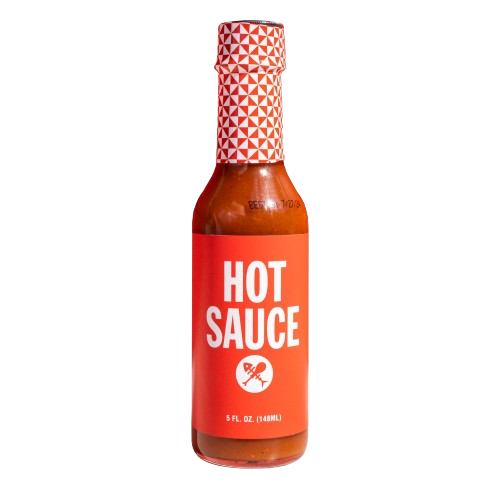
There are very few calories in hot sauce. One teaspoon (5g) of Tabasco Original Red Pepper Sauce provides 0 calories (0% Daily Value DV). A 100g serving (3.5 ounce oz) contains 12 calories (1% DV). A small 2 fl oz bottle of hot sauce (59g) has 7 calories (0% DV). Hot sauce nutrition facts suggest that capsaicin, which is the compound giving peppers heat, boosts metabolism (Whiting, S., et al., 2012). Key nutrients per teaspoon (5 grams) of hot sauce are minimal, including 0.08g carbohydrates (0% DV), 0.04g fat (0% DV), 0.05g protein (0% DV), 0.04g fiber (0% DV), and 0 sugar (0% DV). Hot sauce is high in sodium with one teaspoon containing 35 milligrams (2% DV), while 100 grams (3.5 ounces oz) contains 1800 milligrams (78% DV).
Hot sauce types include Tabasco, Sriracha, and Sweet Chili Sauce. Global chili pepper production, the base ingredient of hot sauce, is led by China and Mexico. Consumption is highest in the United States, Mexico, and Asia. Hot sauce prices increased significantly over the past 20 years, the US Consumer Price Index for sauces rose roughly 80% since 2005. Hot sauce features prominently in dishes like Buffalo wings served at Buffalo Wild Wings and tacos at Chipotle Mexican Grill.
The health benefits of hot sauce stem from capsaicin, which aid in metabolism, pain relief, and providing antioxidants. A teaspoon of hot sauce daily is generally considered safe. One teaspoon (5 grams) of hot sauce contributes 35-200 milligrams of sodium and less than 5 calories.
Hot Sauce nutrition
- Tabasco Hot Sauce Calories (Nutritional Facts)
- Sodium in Hot Sauce
- Sugar in Hot Sauce
- Fiber in Hot Sauce
- Protein in Hot Sauce
- Carbs in Hot Sauce
- Fat in Hot Sauce
- Vitamins in Hot Sauce
- Minerals in Hot Sauce
Tabasco Hot Sauce Calories (Nutritional Facts)
One teaspoon (5ml or 5g) of Tabasco Original Red Pepper Sauce contains 0 calories, 0 grams of fat, 0 grams of protein, and 0 grams of carbohydrates. A 100ml (100 grams) serving of Tabasco Original Red Pepper Sauce contains 12 calories, 0.8 grams of fat, 1 gram of protein, and 1.6 grams of carbohydrates. Potential benefits of tabasco sauce relate to the capsaicin in peppers. This compound contributes to the health benefits of tabasco sauce associated with faster metabolism.
Hot sauce sodium content for a one teaspoon (5 milliliters) of Tabasco Original Red Pepper Sauce is 35 milligrams of sodium, which is 2% of the Daily Value (DV). One cup (237 ml or 237 g) of Tabasco Original Red Pepper Sauce contains 4266 milligrams of sodium (185% DV).
Tabasco Original Red Pepper Sauce contains zero sugar.
One teaspoon of Tabasco Original Red Pepper Sauce contains 0.04 grams of fiber (0% DV). A 100ml (100 grams) serving of hot sauce contains 0.8 grams of fiber (3% DV).
One teaspoon of Tabasco Original Red Pepper Sauce contains 0.05 grams of protein (0% DV). A 100 milliliter (100 grams) serving contains 1 gram of protein (2% DV). One cup (237 milliliters or 237 grams) of Tabasco Original Red Pepper Sauce contains 2.37 grams of protein (5% DV).
One teaspoon of Tabasco Original Red Pepper Sauce contains 0.08 grams of carbohydrates (0% DV). A 100 milliliter (100 grams) serving contains 1.6 grams of carbohydrates (1% DV). One cup (237 milliliters or 237 grams) of Tabasco Original Red Pepper Sauce contains 3.79 grams of carbohydrates (1% DV).
One teaspoon of Tabasco Original Red Pepper Sauce contains 0.04 grams of fat (0% DV). A 100 milliliter (100 grams) serving contains 0.8 grams of fat (1% DV). One cup (237 milliliters or 237 grams) of Tabasco Original Red Pepper Sauce contains 1.9 grams of fat (2% DV).
One teaspoon of Tabasco Original Red Pepper Sauce provides less than 1% DV for Vitamin C. A 100 milliliter (100 grams) serving provides 7.3 milligrams of Vitamin C (8% DV). One cup (237 milliliters or 237 grams) provides 17.3 milligrams of Vitamin C (19% DV). Other vitamins are not present in significant amounts.
One teaspoon of Tabasco Original Red Pepper Sauce provides less than 1% DV for iron and potassium. A 100 milliliter (100 grams) serving contains 0.5 milligrams of iron (3% DV) and 60 milligrams of potassium (1% DV). One cup (237 milliliters or 237 grams) contains 1.18 milligrams of iron (7% DV) and 142 milligrams of potassium (3% DV).
Get a Custom Report on Hot Sauce Nutrition Data – Contact Us!
What are the Types of Hot Sauce?
Hot sauces types depend on ingredients, heat level, and consistency. The table below outlines the different types of hot sauce:
| Type | Description | Calories (per tsp / 5ml) | Calorie Qualifications |
|---|---|---|---|
|
Vinegar-Based
|
Thin, tangy, highlights pepper flavor (e.g., Tabasco, Louisiana style). | 0-5 | Very low calorie; minimal sugar or fat. Calories mainly from trace pepper solids. |
|
Cayenne Pepper-Based
|
Often vinegar-forward, medium heat, smooth (e.g., Frank's RedHot, Crystal). | 0-5 | Very low calorie; similar to vinegar-based, minimal sugar or fat. |
|
Sriracha Style
|
Thicker paste, includes sugar, garlic, vinegar (e.g., Huy Fong). | 5-10 | Moderate calories due to added sugar content. |
|
Habanero/Scotch Bonnet
|
Very hot, often fruity notes, can be vinegar or vegetable/fruit-based. | 0-10 | Calorie content varies; vinegar-based are low, fruit/vegetable-based can add calories. |
|
Chipotle
|
Made from smoked jalapeños (often in adobo sauce), smoky, medium heat. | 0-10 | Low to moderate calories; adobo sauce can contain oil or sugar, increasing calories. |
|
Sweet Chili Sauce
|
Thick, sweet, and mildly spicy, often used as a dip. | 15-30 | Higher calorie content due to significant amounts of sugar. |
|
Verde (Green Sauce)
|
Made with green chilies (jalapeño, serrano), often includes tomatillos. | 0-10 | Low to moderate calories; tomatillos and other vegetables contribute slightly. |
|
Peri-Peri
|
African Bird's Eye chili based, often includes lemon, garlic, oil. | 5-20 | Variable calories; oil content can significantly increase calorie count. |
What are the Main Dishes with Hot Sauce?
Hot sauce is a staple condiment or ingredient in numerous main dishes across various cuisines. The nutritional values below are estimates for the entire dish and vary based on preparation, ingredients, and portion size. Hot sauce itself contributes minimally to these macronutrient totals but adds significant sodium, as shown in the table below:
| Dish Name | Calories (Estimate) | Carbs (g) | Sugar (g) | Protein (g) | Fat (g) | Type of Hot Sauce Often Used | Cuisine | Restaurants |
|---|---|---|---|---|---|---|---|---|
|
Buffalo Wings
|
600-1000+ (per serving) | 5-20 | 0-5 | 40-70 | 40-80 | Cayenne Pepper-based (e.g., Frank's) | American | Buffalo Wild Wings, Anchor Bar (originator), Hooters, countless sports bars |
|
Tacos/Burritos/Enchiladas
|
300-1000+ (per item/serving) | 30-100+ | 2-10 | 15-50+ | 10-50+ | Various Mexican styles, Cholula, Tapatio | Mexican/Tex-Mex | Chipotle, Moe's Southwest Grill, Taco Bell, countless local taquerias & Mexican restaurants |
|
Bloody Mary (Cocktail)
|
120-250+ (per glass) | 5-15 | 3-10 | 1-3 | 0-2 | Tabasco, Worcestershire-based | American/Global | Most bars and restaurants serving brunch or cocktails |
|
Jambalaya/Gumbo
|
400-700+ (per serving) | 40-80 | 3-8 | 20-40 | 15-35 | Louisiana-style (e.g., Tabasco, Crystal) | Cajun/Creole | Many restaurants in New Orleans, Popeyes (limited time offers), some seafood restaurants |
|
Pho
|
400-600+ (per bowl) | 40-60 | 2-6 | 25-40 | 10-20 | Sriracha, Sambal Oelek | Vietnamese | Numerous Vietnamese restaurants nationwide |
|
Korean Fried Chicken
|
500-900+ (per serving) | 30-60 | 10-25 | 30-50 | 25-50 | Gochujang-based sauces | Korean | Bonchon Chicken, bb.q Chicken, local Korean restaurants |
|
Chili con Carne
|
400-700+ (per bowl) | 30-60 | 5-15 | 20-40 | 15-35 | Various, often user-added | American/Tex-Mex | Wendy's, many diners and casual restaurants |
|
Eggs (Scrambled, Omelets)
|
200-500+ (depending on additions) | 2-15 | 1-5 | 15-30 | 15-40 | Tabasco, Cholula, Sriracha | American/Global | IHOP, Denny's, Waffle House, breakfast diners everywhere |
|
Pizza (as topping)
|
+0-10 (per slice addition) | <1 | <1 | <1 | <1 | Sriracha, Cayenne, Specialty blends | Italian/American | User addition at many pizzerias (e.g., Domino's, Pizza Hut offer side sauces) |
|
Ramen
|
500-800+ (per bowl) | 60-100 | 3-10 | 20-40 | 15-35 | Sriracha, Chili Oil, Sambal Oelek | Japanese/Fusion | Many Ramen shops |
What are the Desserts with Hot Sauce?
While less common than in savory dishes, hot sauce is used creatively in some desserts to provide a contrasting spicy kick. The nutritional values below are estimates for the entire dish and vary significantly based on recipe and portion size:
| Dish Name | Calories (Estimate) | Carbs (g) | Sugar (g) | Protein (g) | Fat (g) | Type of Hot Sauce Often Used | Cuisine | Restaurants |
|---|---|---|---|---|---|---|---|---|
|
Spicy Chocolate Cake/Brownies
|
400-600 (per slice) | 50-80 | 30-50 | 4-8 | 20-40 | Chipotle, Cayenne, Ancho | American/Fusion | Some craft bakeries, specialty chocolate shops (e.g., Vosges Haut-Chocolat sometimes) |
|
Mango Sticky Rice with Chili
|
350-550 (per serving) | 70-100 | 30-50 | 4-7 | 5-15 | Mild sweet chili sauce | Thai | Many Thai restaurants |
|
Spicy Ice Cream/Sorbet
|
250-450 (per scoop/serving) | 30-60 | 25-50 | 2-6 | 10-25 | Habanero, Jalapeño, Ghost Pepper | Fusion/Artisan | Specialty ice cream shops (e.g., Salt & Straw, OddFellows Ice Cream Co. sometimes) |
|
Spicy Fruit Salad/Compote
|
150-300 (per serving) | 30-60 | 25-50 | 1-3 | 0-5 | Mild fruity hot sauces | Fusion/Mexican | Some modern Mexican or fusion restaurants |
|
Spicy Chocolate Truffles
|
80-150 (per truffle) | 8-15 | 6-12 | 1-2 | 5-10 | Chipotle, Ancho, Cayenne | Artisan/Fusion | Specialty chocolatiers, some upscale restaurants |
|
Spicy Pineapple Upside-Down Cake
|
450-650 (per slice) | 60-90 | 40-60 | 4-7 | 20-35 | Jalapeño or Habanero-infused | Fusion/American | Niche bakeries or restaurants with experimental menus |
What Cuisines Prefer Hot Sauce the Most?
Several global cuisines prominently feature hot sauce either as a key ingredient during cooking or as an essential table condiment, as shown below:
| Cuisine | Dish Example(s) | Types of Hot Sauce Commonly Used | Calories (Estimate for Dish Example) | Restaurant |
|---|---|---|---|---|
|
Mexican/Tex-Mex
|
Tacos, Enchiladas | Salsa Valentina, Tapatio, Cholula, house-made salsas, Verde sauce | 300-600+ (per item/serving) | Chipotle, Local Taquerias, On The Border, Chuy's |
|
Cajun/Creole
|
Gumbo, Jambalaya | Louisiana-style vinegar-based (Tabasco, Crystal), Cayenne sauces | 400-700+ (per serving) | Popeyes Louisiana Kitchen, Pappadeaux Seafood Kitchen, Local NOLA spots |
|
Thai
|
Green Curry, Drunken Noodles | Sriracha, Nam Prik Pao (chili paste), Sweet Chili Sauce | 400-800+ (per serving) | Local Thai Restaurants, PF Chang's (offers chili sauce) |
|
Vietnamese
|
Pho | Sriracha, Sambal Oelek, Chili Garlic Sauce | 400-600+ (per bowl) | Local Pho Restaurants |
|
Korean
|
Korean Fried Chicken, Bibimbap | Gochujang (fermented chili paste), Gochugaru (chili flakes) based sauces | 500-900+ (per serving) | Bonchon Chicken, Local Korean BBQ & Restaurants |
|
American (Southern/Soul Food)
|
Fried Chicken w/ Hot Sauce, Spicy Greens | Louisiana-style vinegar-based (Tabasco), Texas Pete | 500-800+ (per meal) | Cracker Barrel (offers Tabasco), Local Soul Food Joints |
|
American (Bar Food)
|
Buffalo Wings | Cayenne pepper-based (Frank's RedHot style) | 600-1000+ (per serving) | Buffalo Wild Wings, Hooters, Sports Bars |
|
Caribbean
|
Jerk Chicken | Scotch Bonnet or Habanero-based sauces, often fruity | 400-700+ (per serving) | Local Caribbean Restaurants |
Which Countries Produce the Most Hot Sauce?
The top producers of chili peppers (including both green and dried categories used in hot sauces) are China, Mexico, Turkey, Indonesia and Spain. The data below reflects the raw agricultural output from 2004 to 2022:
| Country | 2004 | 2005 | 2006 | 2007 | 2008 | 2009 | 2010 | 2011 | 2012 | 2013 | 2014 | 2015 | 2016 | 2017 | 2018 | 2019 | 2020 | 2021 | 2022 |
|---|---|---|---|---|---|---|---|---|---|---|---|---|---|---|---|---|---|---|---|
| China | 11754 | 12507 | 13280 | 14035 | 14260 | 14900 | 15100 | 15400 | 15700 | 16000 | 16100 | 16300 | 16500 | 16700 | 16900 | 17100 | 17300 | 17500 | 17700 |
| Mexico | 1854 | 1941 | 1690 | 1853 | 2060 | 2060 | 2142 | 2160 | 2294 | 2378 | 2733 | 2723 | 3048 | 3298 | 2813 | 2999 | 3086 | 3114 | 3110 |
| Turkey | 1750 | 1800 | 1840 | 1945 | 1988 | 2042 | 2069 | 2086 | 2111 | 2190 | 2216 | 2479 | 2564 | 2630 | 2630 | 2630 | 3076 | 3120 | 3150 |
| Indonesia | 1084 | 1100 | 1171 | 1250 | 1300 | 1350 | 1400 | 1450 | 1500 | 1600 | 1700 | 1800 | 1900 | 2000 | 2100 | 2770 | 2800 | 2850 | 2900 |
| Spain | 1064 | 1060 | 1074 | 1070 | 1080 | 1090 | 1100 | 1150 | 1200 | 1250 | 1280 | 1300 | 1320 | 1350 | 1380 | 1400 | 1450 | 1480 | 1500 |
| United States | 856 | 856 | 875 | 900 | 920 | 940 | 960 | 980 | 1000 | 1020 | 1040 | 1060 | 1080 | 1100 | 1120 | 1140 | 1160 | 1180 | 1200 |
| Nigeria | 720 | 725 | 730 | 735 | 740 | 745 | 750 | 755 | 760 | 765 | 770 | 775 | 780 | 785 | 790 | 795 | 800 | 805 | 810 |
| Egypt | 450 | 460 | 470 | 480 | 490 | 500 | 510 | 520 | 530 | 540 | 550 | 560 | 570 | 580 | 590 | 600 | 610 | 620 | 630 |
| Netherlands | 360 | 370 | 380 | 390 | 400 | 410 | 420 | 430 | 440 | 450 | 460 | 470 | 480 | 490 | 500 | 510 | 520 | 530 | 540 |
| Algeria | 250 | 260 | 270 | 280 | 290 | 300 | 310 | 320 | 330 | 340 | 350 | 360 | 370 | 380 | 390 | 400 | 410 | 420 | 430 |
Which Countries Consume the Most Hot Sauce?
Countries with high per capita supply of chillies and peppers are Turkey, Algeria, Mexico, Tunisia, Spain and China. The table below shows the Chilies and Peppers food supply quantity for these top countries from 2004 to 2021.
| Country | 2004 | 2005 | 2006 | 2007 | 2008 | 2009 | 2010 | 2011 | 2012 | 2013 | 2014 | 2015 | 2016 | 2017 | 2018 | 2019 | 2020 | 2021 |
|---|---|---|---|---|---|---|---|---|---|---|---|---|---|---|---|---|---|---|
| Turkey | 21.5 | 21.8 | 22.0 | 23.0 | 23.2 | 23.5 | 23.8 | 24.0 | 24.2 | 24.5 | 24.8 | 27.5 | 28.0 | 28.5 | 28.6 | 28.7 | 32.0 | 32.1 |
| Algeria | 7.5 | 7.7 | 7.9 | 8.1 | 8.3 | 8.5 | 8.7 | 8.9 | 9.1 | 9.3 | 9.5 | 9.7 | 9.9 | 10.1 | 10.3 | 10.5 | 10.7 | 10.9 |
| Mexico | 14.0 | 14.5 | 12.5 | 13.5 | 14.8 | 14.7 | 15.0 | 15.1 | 15.8 | 16.2 | 18.3 | 18.0 | 19.8 | 21.2 | 18.0 | 19.0 | 19.5 | 19.6 |
| Tunisia | 11.8 | 12.0 | 12.2 | 12.4 | 12.6 | 12.8 | 13.0 | 13.2 | 13.4 | 13.6 | 13.8 | 14.0 | 14.2 | 14.4 | 14.6 | 14.8 | 15.0 | 15.2 |
| Spain | 10.5 | 10.4 | 10.5 | 10.4 | 10.5 | 10.6 | 10.7 | 11.0 | 11.4 | 11.8 | 12.0 | 12.2 | 12.4 | 12.6 | 12.8 | 13.0 | 13.4 | 13.6 |
| China | 8.9 | 9.4 | 9.9 | 10.4 | 10.5 | 10.9 | 11.0 | 11.2 | 11.4 | 11.6 | 11.7 | 11.8 | 11.9 | 12.0 | 12.1 | 12.2 | 12.3 | 12.4 |
| Indonesia | 4.9 | 5.0 | 5.2 | 5.5 | 5.7 | 5.9 | 6.1 | 6.3 | 6.5 | 6.8 | 7.1 | 7.4 | 7.7 | 8.0 | 8.3 | 10.5 | 10.6 | 10.7 |
| Egypt | 6.2 | 6.3 | 6.4 | 6.5 | 6.6 | 6.7 | 6.8 | 6.9 | 7.0 | 7.1 | 7.2 | 7.3 | 7.4 | 7.5 | 7.6 | 7.7 | 7.8 | 7.9 |
| Italy | 6.5 | 6.6 | 6.7 | 6.8 | 6.9 | 7.0 | 7.1 | 7.2 | 7.3 | 7.4 | 7.5 | 7.6 | 7.7 | 7.8 | 7.9 | 8.0 | 8.1 | 8.2 |
| United States | 3.5 | 3.5 | 3.6 | 3.7 | 3.8 | 3.8 | 3.9 | 4.0 | 4.1 | 4.2 | 4.3 | 4.4 | 4.5 | 4.6 | 4.7 | 4.8 | 4.9 | 5.0 |
How Do Prices of Hot Sauce-including Dishes Change?
The price of dishes that commonly include hot sauce, like Buffalo wings or tacos, has increased over the past two decades, and while hot sauce itself is a minor component of the dish's total cost, the overall price reflects rising ingredient costs, labor, rent, and energy expenses faced by restaurants. Here is a comparison table showing estimated price changes for common dishes featuring hot sauce at major US chains:
| Restaurant | Dish | Old Price | Current Price |
|---|---|---|---|
| Buffalo Wild Wings | Snack Size Traditional Wings | $6-8 (Mid-2000s) | $12-16 |
| Anchor Bar (Buffalo) | Single Order (10) Wings | $8-10 (Mid-2000s) | $17-22 |
| Chipotle Mexican Grill | Chicken Burrito | $6-7 (Late 2000s) | $10-12 |
| Taco Bell | Crunchy Taco | $0.89-1.19 (Late 2000s) | $1.89-2.49 |
| Popeyes Louisiana Kitchen | Spicy Chicken Sandwich (Launched) | $3.99 (2019) | $5.49-6.49 |
How Does the Price of Hot Sauce Change for the Last 20 Years?
Hot sauce prices have increased over the last 20 years because of inflation and changing market demands. The US Consumer Price Index for "Sauces and gravies" rose from about 175 in early 2005 to 315 by early 2025, an increase of roughly 80%. A standard 5oz bottle of basic hot sauce costing $1 in the mid 2000s now costs $2.50 to $4.00. The most significant change is in premium sauces with small bottles of artisanal or super-hot sauces now costing up to $20.
What is the Hot Sauce Calorie for 100 GR?
Tabasco Original Red Pepper Sauce contains 12 calories per 100 grams.
What is the Hot Sauce Calorie for 1 KG?
Tabasco Original Red Pepper Sauce contains 120 calories per 1 kilogram (1000 grams).
What is the Calorie of 1 Hot Sauce?
The calorie content per bottle of hot sauce depends on brand and specific type based on ingredients. Tabasco Original Red Pepper Sauce, a small 2 fluid ounce (59 milliliter) bottle contains 7 calories, and a large 5 fluid ounce (148 milliliter) bottle contains 18 calories. Frank's RedHot Original Cayenne Pepper Sauce lists 0 calories per teaspoon serving on its label. Sriracha sauces contain sugar and garlic, Huy Fong Sriracha lists 5 calories per teaspoon. Cholula Original Hot Sauce lists 0 calories per teaspoon. Crystal Hot Sauce lists 0 calories per teaspoon.
What are the Health Benefits of Hot Sauce?
Hot sauce, through the active compound capsaicin, offers several potential health benefits as listed below:
- May Boost Metabolism: Capsaicin can increase thermogenesis, the process by which the body burns calories to produce heat, potentially aiding in weight management. (Whiting, S., Derbyshire, E., & Tiwari, B.K., 2012. Capsaicinoids and capsinoids. A potential role for weight management? A systematic review of the evidence.)
- May Offer Pain Relief: Capsaicin is used topically to deplete substance P, a neurotransmitter involved in sending pain signals, providing relief for certain types of pain such as arthritis or neuropathy. (Derry, S., Rice, A.S., Cole, P., Tan, T., & Moore, R.A., 2017. Topical capsaicin (high concentration) for chronic neuropathic pain in adults.) While ingested capsaicin's effect is different, it interacts with pain receptors.
- May Support Cardiovascular Health: Research suggests capsaicin have positive effects on cardiovascular health by improving blood vessel function, reducing blood pressure, and potentially lowering cholesterol levels. (McCarty, M.F., DiNicolantonio, J.J., & O’Keefe, J.H., 2015. Capsaicin may have important potential for promoting vascular and metabolic health.)
- Source of Antioxidants: Chili peppers contain antioxidants such as Vitamin C (though amounts vary in the final sauce) and carotenoids, which help combat oxidative stress in the body.
What are the Downsides of Hot Sauce?
Hot sauce consumption has downsides, particularly when consumed excessively or by sensitive individuals. The downsides of hot sauce are listed below:
- Can Cause Digestive Discomfort: Capsaicin can irritate the digestive tract, leading to heartburn, acid reflux, stomach pain, diarrhea, and aggravation of conditions like Gastritis or Irritable Bowel Syndrome (IBS). (Jarosz, M., & Taraszewska, A., 2014. Risk factors for gastroesophageal reflux disease: the role of diet.)
- High in Sodium: A lot of commercially produced hot sauces contain significant amounts of sodium per serving, which contributes to overall daily intake. Excessive sodium intake is linked to high blood pressure, increasing the risk of heart disease and stroke. Consider alternatives such as using fresh chili peppers, herbs, spices (paprika, cayenne powder), garlic powder, onion powder, or seeking out specifically low-sodium hot sauce brands.
- May Worsen Certain Conditions: Individuals with conditions like GERD or IBS may find that hot sauce triggers or worsens their symptoms.
- Can Mask Flavors: Overuse of very hot sauces can overwhelm the flavors of the food itself.
Is Hot Sauce Good for You?
Yes, hot sauce can be good when taken in moderation, because of the capsaicin derived from chili peppers. Capsaicin is linked to several positive health effects. For heart health, studies suggest capsaicin may help improve blood vessel function and potentially lower blood pressure and cholesterol levels (McCarty, M.F., et al., 2015. Capsaicin may have important potential for promoting vascular and metabolic health.). Regarding digestive health, while it can cause irritation for some, capsaicin might stimulate gut motility and has been investigated for potential protective effects in certain contexts, though caution is needed for those with sensitivity. Emerging research explores capsaicin's role in brain health, suggesting potential neuroprotective effects due to the anti-inflammatory and antioxidant properties. The anti-inflammatory action might contribute positively to liver health. Capsaicin is also recognized for boosting metabolism, which can assist with weight management efforts. The presence of antioxidants from the peppers also contributes to overall well-being by fighting cellular damage.
Is Hot Sauce Bad for You?
No, hot sauce is not inherently bad but the potential negative effects depend on the amount consumed, individual sensitivity, and the specific ingredients of the sauce. Excessive consumption can lead to significant digestive distress, including heartburn, stomach cramps, and diarrhea, particularly in individuals prone to acid reflux or IBS. A major concern with many commercial hot sauces is the high sodium content. Consuming too much sodium regularly is detrimental to cardiovascular health as it can elevate blood pressure. Some hot sauces may also contain added sugars or artificial ingredients, diminishing their health profile.
How Much Hot Sauce Should I Consume in a Day?
A teaspoon of hot sauce per day is generally considered safe for most people. The Dietary Guidelines for Americans recommend limiting sodium intake to less than 2300 milligrams per day for adults, while the American Heart Association (AHA) suggests an ideal limit of no more than 1500 milligrams per day for most adults. Since many hot sauces contain 35 milligrams (Tabasco) to over 200 milligrams of sodium per teaspoon, intake should be moderated to stay within these overall daily sodium limits.
How Much Hot Sauce Can I Consume in a Day at Most?
The practical upper limit for hot sauce is determined by individual tolerance to capsaicin's heat and potential digestive side effects. Consuming amounts that cause significant or persistent digestive pain, heartburn, or other discomfort is excessive for that individual.
How Does the Calorie Change According to Hot Sauce Types?
The calorie content of hot sauce changes based on the inclusion of sugar, oil, and fruit or vegetable purees in the recipe. Vinegar-based hot sauces such as Tabasco, and simple cayenne pepper sauces like Frank's RedHot contain the lowest calories, registering 0 to 5 calories per teaspoon, because their primary ingredients such as vinegar, peppers, salt, contribute negligible caloric value. Sauces with substantial amounts of added sugar, such as Sweet Chili Sauce, have the highest calorie content, reaching 15 to 30 calories or more per teaspoon. Sriracha-style sauces fall in a moderate range due to added sugar. Sauces incorporating oil such as Peri-Peri sauces, or significant amounts of fruit/vegetable pulp can also have higher calorie counts than simple vinegar-pepper mixtures. The ingredient list dictates the caloric density of the hot sauce type.
What is the Origin of Hot Sauce?
The origin of hot sauce is intertwined with the history of chili peppers (genus Capsicum), which were first domesticated in Central and South America thousands of years ago as early as 7000 BCE. Indigenous peoples in regions spanning modern-day Mexico, Central America, and South America cultivated various chili species and used them extensively in their cuisine, both fresh and dried, creating early forms of spicy pastes and salsas by grinding peppers with water or other ingredients. Following the Columbian Exchange beginning in the late 15th century, chili peppers were introduced to Europe, Africa, and Asia by explorers and traders. The versatile plants quickly adapted to new climates and were integrated into local cuisines worldwide, leading to the independent development of diverse spicy condiments and sauces. The modern commercial hot sauce industry largely began in the United States in the mid-to-late 19th century. The McIlhenny Company started producing Tabasco sauce in Louisiana in 1868, utilizing fermented tabasco peppers, vinegar, and salt, creating a style that became globally recognized.