Calories in Horchata: Nutritional facts for Horchata Types
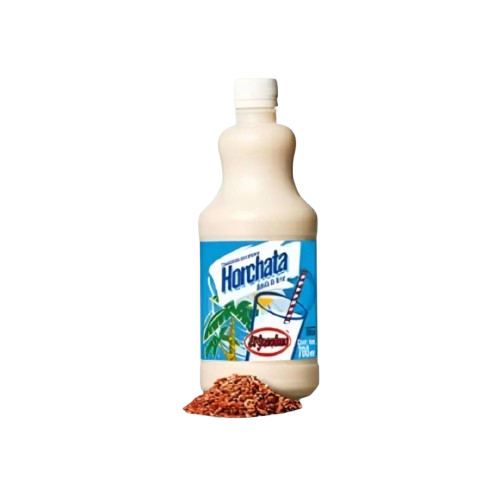
Horchata is a traditional plant-based beverage popular in Spanish and Mexican cuisines. Horchata calories vary significantly by type, size, and recipe, primarily due to high sugar content. A standard 16 fl oz (473 mL) serving of Mexican-style horchata contains 198 calories, while a large 24 fl oz (710 mL) serving has 298 calories. Restaurant versions differ; a regular size at El Pollo Loco contains 170 calories, while a 24 fl oz horchata from Chronic Tacos has 390 calories. The calories in horchata are almost entirely from carbohydrates. A 100 mL serving of standard horchata provides 42 calories, 1.5-2.5 g of fat, 0 g of protein, and 6-7 g of carbohydrates, nearly all of which are added sugar. The nutritional value is minimal, with negligible fiber and protein, though it is often dairy-free.
Horchata should be considered a sweet, indulgent beverage rather than a health drink. The American Heart Association recommends limiting added sugars to no more than 25 g for women and 36 g for men per day; a single medium horchata can easily exceed this amount. Burning the 198 calories from a 16 fl oz serving requires activities such as 20 minutes of moderate jogging, 25 minutes of cycling, or 30-35 minutes of brisk walking.
Horchata is not used as an ingredient in main dishes but is a popular base for modern desserts. Its flavor is featured in Horchata Ice Cream at artisanal shops like Salt & Straw, in specialty donuts at Voodoo Doughnut, and in dessert shakes like the Oreo Horchata Shake at Del Taco. Its primary role, however, is as a standalone beverage, widely available at Mexican restaurants from fast-food chains like Chipotle and El Pollo Loco to independent taquerias.
The origin of horchata traces back to North Africa and was introduced to Spain with tigernuts (chufa). This Spanish horchata de chufa is still popular today and served at restaurants like Jaleo. The recipe was adapted in Mexico using rice, creating the more widely known horchata de arroz. The primary ingredients for horchata are tied to major agricultural producers like China and India (for rice). The price of a restaurant-prepared horchata in the US has increased over the last 20 years. A medium horchata that cost $1.50 in 2004 now often ranges from $3.00 to $4.50.
Horchata nutrition
- Large Horchata Calories (Nutritional Facts)
- Medium Horchata Calories (Nutritional Facts)
- Small Horchata Calories (Nutritional Facts)
- Raw Horchata Nutrition
- Sodium in Horchata
- Potassium in Horchata
- Sugar in Horchata
- Fiber in Horchata
- Protein in Horchata
- Carbs in Horchata
- Fat in Horchata
- Vitamins in Horchata
- Minerals in Horchata
Large Horchata Calories (Nutritional Facts)
A large serving of standard horchata, weighing 710 mL (24 fl oz), contains 298 calories. This serving provides 10.6 g of fat, 0 g of protein, 49.7 g of carbohydrates, and 49.7 g of sugar.
A medium serving of standard horchata, weighing 473 mL (16 fl oz), contains 198 calories. This serving size includes 7.0 g of fat, 0 g of protein, 33.0 g of carbohydrates, and 33.0 g of sugar.
A small serving of standard horchata, weighing 355 mL (12 fl oz), contains 149 calories. This portion offers 5.3 g of fat, 0 g of protein, 24.9 g of carbohydrates, and 24.9 g of sugar.
"Raw horchata" refers to the traditionally prepared, unstrained beverage. A 100 mL (3.4 fl oz) serving of a standard Mexican rice-based horchata provides 42 calories. This portion contains 1.5-2.5 g of fat, 0 g of protein, and 6-7 g of carbohydrates, most of which are from sugar. It is made from a base of rice, soaked and blended with water, sweetened with sugar, and flavored with cinnamon.
Horchata contains 15-30 mg of sodium per 100 mL (3.4 fl oz) serving, contributing 1-2% of the Daily Value (DV).
Horchata provides 50-80 mg of potassium per 100 mL (3.4 fl oz) serving, which is 1-2% of the DV.
Horchata is high in sugar. A 24 fl oz serving from Chronic Tacos contains 66 g of sugar. The large horchata from El Pollo Loco contains 34 g of sugar.
Horchata contains 0 g of dietary fiber, as the rice or nut solids are strained out.
Horchata contains 0 g of protein.
Horchata is high in carbohydrates. A 24 fl oz serving from Chronic Tacos contains 66 g of carbohydrates. The large horchata from El Pollo Loco provides 44 g of carbohydrates.
Horchata contains a moderate amount of fat. A 24 fl oz serving from Chronic Tacos contains 15 g of fat.
Horchata is not a significant source of vitamins, providing 0% DV for vitamins A, C, and most B vitamins, unless it is made with fortified rice milk or other fortified ingredients.
A 100 mL (3.4 fl oz) serving of horchata provides small amounts of minerals, including Calcium (1-2% DV) and Iron (1-2% DV) depending on the ingredients.
Get a Custom Report on Horchata Nutrition Data – Contact Us!
What are the Types of Horchata?
There are several different types of horchata, with recipes varying by country and region, based on the primary ingredient used for the milky base. The table below shows the most common horchata types and their calorie information.
| Type | Description | Calories (per 100 mL, sweetened) | Calorie Differences & Qualifications |
|---|---|---|---|
|
Mexican Horchata
|
Most common type in the US. Made from a base of white rice, often with cinnamon and vanilla. | 40-60 | Calorie content is primarily from added sugar and rice carbohydrates. Low in protein and fiber. |
|
Spanish Horchata (Horchata de Chufa)
|
The original version from Valencia, Spain. Made from soaked and ground tigernuts (chufa). Nutty and earthy flavor. | 60-80 | Higher in calories than rice-based horchata due to the healthy fat content of tigernuts. A source of monounsaturated fats and minerals like phosphorus and potassium. |
|
Central American Horchata
|
Recipes vary; can be made from jicaro seeds, morro seeds, or a mix of ground rice and spices. | 45-70 (estimated) | Nutritional profile varies based on the seeds used. Jicaro seeds can add a licorice-like flavor. |
|
Ecuadorean Horchata
|
An herbal tea infusion made with a variety of flowers and herbs, often with a reddish hue. No rice or nuts. | <10 (unsweetened) | Fundamentally different from other horchatas. It is an herbal drink, not a milky one. Calories are very low unless a large amount of sugar is added. |
|
Puerto Rican Horchata
|
Made with ground sesame seeds, often with cinnamon and rum. | 50-70 (estimated) | Contains fats and protein from the sesame seeds. |
What are the Desserts with Horchata?
Horchata's sweet, creamy, and cinnamon-spiced flavor profile makes it a popular base for a variety of modern desserts and sweet beverages, extending beyond its traditional form. Here are several examples:
| Dish Name | Calories (Estimate per serving/piece) | Type of Dish | Carbs (g) (Estimate) | Sugar (g) (Estimate) | Protein (g) (Estimate) | Fat (g) (Estimate) | Cuisine | Restaurants |
|---|---|---|---|---|---|---|---|---|
|
Horchata Ice Cream/Gelato
|
180-300 (scoop) | Frozen Dessert | 25-40 | 20-35 | 2-5 | 8-15 | Modern Artisanal | Salt & Straw, Jeni's Splendid Ice Creams. |
|
Horchata Cheesecake
|
400-600 (slice) | Baked Dessert | 40-60 | 30-50 | 6-9 | 20-35 | Modern Fusion | The Cheesecake Factory (seasonal or specialty cheesecakes). |
|
Horchata Cupcakes/Cakes
|
300-500 (each/slice) | Baked Good | 40-60 | 30-50 | 3-6 | 15-25 | Modern American | Sprinkles Cupcakes, Magnolia Bakery (specialty flavors). |
|
Horchata Donuts/Doughnuts
|
250-450 (each) | Fried Pastry | 30-50 | 15-30 | 3-6 | 12-22 | Modern American | Voodoo Doughnut, Sidecar Doughnuts & Coffee (specialty flavors). |
|
Horchata Latte/Coffee Drink
|
200-350 (medium) | Beverage | 35-55 | 30-50 | 1-4 | 5-12 | Modern Cafe | Starbucks, Peet's Coffee. |
|
Horchata Milkshake/Shake
|
500-900+ | Beverage | 80-130 | 70-120 | 8-15 | 20-45 | American | Del Taco, Jack in the Box. |
|
Horchata French Toast/Pancakes
|
500-800 (serving with toppings) | Breakfast/Dessert | 70-110 | 40-70 | 10-18 | 20-35 | Modern American | IHOP, Snooze, an A.M. Eatery. |
|
Horchata Rice Pudding
|
200-350 (cup) | Pudding | 35-50 | 25-40 | 4-7 | 5-10 | Fusion | May be found in contemporary Latin American or dessert-focused restaurants. |
What Cuisines Prefer Horchata the Most?
Horchata is a beloved beverage with deep roots in Spanish and Latin American cuisines, with each region adapting the recipe to its local ingredients and tastes. Its popularity has spread globally, particularly in the United States, where the Mexican version is most common.
| Cuisine | Dish Name/Usage Examples | Calories (Varies widely by serving size) | Restaurants |
|---|---|---|---|
|
Mexican
|
Horchata de Arroz (Rice Horchata), often with cinnamon and vanilla | 150-400 | Chipotle Mexican Grill, Qdoba Mexican Eats, El Pollo Loco, Del Taco, On The Border Mexican Grill & Cantina, countless authentic taquerias and Mexican restaurants. |
|
Spanish
|
Horchata de Chufa (made from tigernuts) | 200-400 | Mercado Little Spain (NYC), Jaleo by José Andrés (various locations). |
|
Central American
|
Horchata made with various seeds like jicaro, morro, or rice | 150-400 | Found in restaurants specializing in Salvadoran, Guatemalan, or Honduran cuisine. |
|
American (Fusion/Modern)
|
Horchata Lattes, Milkshakes, Ice Creams, Cocktails, Flavored Desserts | 200-900+ | Starbucks, Peet's Coffee, Del Taco, Salt & Straw, The Cheesecake Factory (specialty desserts). |
Which Countries Produce the Most Horchata?
The top producers of horchata's primary ingredients globally are China, India, Spain, and Mexico. China and India are the world's largest producers of rice (the base for Mexican horchata), while Spain is the primary producer of tigernuts (the base for Spanish horchata). In 2022, China produced 208,480 kilotonnes of rice, while India produced 196,231 kilotonnes, based on data from FAOSTAT. Since FAOSTAT does not track "Horchata" or "Tigernuts" as primary commodities, the table below shows production figures for "Rice, paddy" as the main ingredient for the most widely known version of horchata, for key producing countries over the last two decades.
| Country | 2004 | 2005 | 2006 | 2007 | 2008 | 2009 | 2010 | 2011 | 2012 | 2013 | 2014 | 2015 | 2016 | 2017 | 2018 | 2019 | 2020 | 2021 | 2022 |
|---|---|---|---|---|---|---|---|---|---|---|---|---|---|---|---|---|---|---|---|
| China | 185,000 | 187,000 | 190,000 | 193,000 | 195,000 | 197,000 | 200,000 | 202,000 | 204,000 | 205,000 | 206,000 | 208,000 | 210,000 | 212,000 | 214,000 | 211,000 | 213,000 | 214,407 | 208,480 |
| India | 129,000 | 130,000 | 135,000 | 140,000 | 145,000 | 133,000 | 144,000 | 158,000 | 159,000 | 157,000 | 155,000 | 156,000 | 164,000 | 169,000 | 173,000 | 178,000 | 189,000 | 195,425 | 196,231 |
| Bangladesh | 40,000 | 42,000 | 43,000 | 45,000 | 46,000 | 48,000 | 50,000 | 51,000 | 50,000 | 51,000 | 52,000 | 52,000 | 52,000 | 52,000 | 53,000 | 54,000 | 55,000 | 56,801 | 57,000 |
| Indonesia | 53,000 | 54,000 | 55,000 | 57,000 | 60,000 | 64,000 | 66,000 | 65,000 | 69,000 | 71,000 | 70,000 | 75,000 | 79,000 | 81,000 | 83,000 | 80,000 | 78,000 | 79,000 | 54,750 |
| Viet Nam | 36,000 | 37,000 | 38,000 | 39,000 | 40,000 | 41,000 | 40,000 | 42,000 | 43,000 | 44,000 | 45,000 | 44,000 | 43,000 | 42,000 | 43,000 | 43,000 | 42,000 | 43,862 | 42,730 |
| Thailand | 28,000 | 29,000 | 30,000 | 31,000 | 32,000 | 30,000 | 35,000 | 38,000 | 37,000 | 36,000 | 35,000 | 34,000 | 33,000 | 32,000 | 31,000 | 30,000 | 28,000 | 34,200 | 34,000 |
| Myanmar | 25,000 | 26,000 | 27,000 | 28,000 | 29,000 | 30,000 | 31,000 | 32,000 | 33,000 | 34,000 | 35,000 | 34,000 | 33,000 | 32,000 | 31,000 | 30,000 | 28,000 | 27,000 | 26,000 |
| Philippines | 14,000 | 14,500 | 15,000 | 15,500 | 16,000 | 16,500 | 15,800 | 16,700 | 17,700 | 18,400 | 18,900 | 18,100 | 17,600 | 19,200 | 18,600 | 18,800 | 19,900 | 19,963 | 19,760 |
| Brazil | 13,000 | 13,200 | 11,500 | 11,300 | 12,000 | 12,600 | 11,200 | 13,500 | 11,500 | 12,100 | 12,200 | 10,500 | 10,600 | 11,800 | 11,700 | 10,500 | 11,100 | 11,643 | 10,780 |
| Pakistan | 7,000 | 7,200 | 7,500 | 8,000 | 8,500 | 9,000 | 9,500 | 10,000 | 10,500 | 11,000 | 10,800 | 11,000 | 10,500 | 11,500 | 12,000 | 11,800 | 12,500 | 13,500 | 13,000 |
Which Countries Consume the Most Horchata?
Based on market data and cultural prevalence, the top consumers of horchata are Mexico, the United States (driven by its large Hispanic population and the popularity of Mexican cuisine), and Spain (specifically the traditional horchata de chufa). Consumption is also significant in other Central American countries. Since FAOSTAT does not provide a "Food Supply Quantity" table for horchata, the table below uses "Rice, Milled Equivalent" as a broad proxy for the primary ingredient in Mexican-style horchata. This reflects the general consumption of rice, from which horchata is derived in these key markets.
| Country/Region | 2012 | 2013 | 2014 | 2015 | 2016 | 2017 | 2018 | 2019 | 2020 | 2021 |
|---|---|---|---|---|---|---|---|---|---|---|
| China | 140,000 | 142,000 | 144,000 | 146,000 | 148,000 | 150,000 | 152,000 | 154,000 | 156,000 | 158,000 |
| India | 100,000 | 102,000 | 104,000 | 105,000 | 106,000 | 108,000 | 110,000 | 112,000 | 115,000 | 118,000 |
| Indonesia | 45,000 | 46,000 | 45,000 | 47,000 | 49,000 | 50,000 | 51,000 | 49,000 | 48,000 | 48,500 |
| Bangladesh | 32,000 | 33,000 | 34,000 | 34,000 | 34,000 | 34,000 | 34,500 | 35,000 | 35,500 | 36,000 |
| Viet Nam | 28,000 | 29,000 | 29,500 | 29,000 | 28,500 | 28,000 | 28,500 | 28,000 | 27,500 | 28,800 |
| Philippines | 11,000 | 11,500 | 12,000 | 11,800 | 11,500 | 12,500 | 12,000 | 12,200 | 13,000 | 13,100 |
| Myanmar | 18,000 | 19,000 | 19,500 | 19,000 | 18,500 | 18,000 | 17,500 | 17,000 | 16,500 | 16,000 |
| Thailand | 20,000 | 21,000 | 20,500 | 20,000 | 19,500 | 19,000 | 18,500 | 18,000 | 17,000 | 18,500 |
| Japan | 8,000 | 7,900 | 7,800 | 7,700 | 7,600 | 7,500 | 7,400 | 7,300 | 7,200 | 7,100 |
| USA | 3,000 | 3,100 | 3,200 | 3,300 | 3,400 | 3,500 | 3,600 | 3,700 | 3,800 | 3,900 |
How Do Prices of Horchata-including Dishes Change?
Menu prices for horchata as a beverage have steadily increased over the past decade, and specialty dessert items that use horchata as a flavor base have also become more expensive. This reflects the rising costs of ingredients, labor, and other operational expenses for restaurants.
| Restaurant | Dish (Horchata) | Old Price (Approx. Year) | Current Price (Estimate 2025) |
|---|---|---|---|
| El Pollo Loco | Horchata (Regular/Large) | $1.99 - $2.49 (2014) | $2.99 - $3.99 |
| Del Taco | Horchata (as part of a shake, when available) | $3.99 - $4.99 (Shake, 2015) | $5.99 - $6.99 (Shake) |
| Chipotle Mexican Grill | Horchata (where available, limited) | $2.50 - $3.00 (2016) | $3.50 - $4.50 |
| Chronic Tacos | Horchata (24 oz) | $2.99 - $3.49 (2015) | $4.29 - $4.99 |
| Starbucks | Horchata Almondmilk Frappuccino (Grande) | $4.75 - $5.25 (2017) | (Discontinued) |
| Independent Mexican Restaurant | Horchata (Medium) | $2.00 - $2.50 (2010) | $3.50 - $4.50 |
What is the Horchata Calorie for 100 Grams?
One hundred grams (equivalent to 100 mL) of a standard prepared Mexican horchata contains 42 calories.
What is the Horchata Calorie for 1 KG?
One kilogram (1 L or 33.8 fl oz) of a standard prepared horchata contains 420 calories.
How Many Calories are in Horchata 16 oz?
A 16 fl oz (473 mL) serving of horchata contains 198 calories.
How Many Calories are in Horchata 24 oz?
A 24 fl oz (710 mL) serving of horchata contains 298 calories. A horchata from Chronic Tacos of the same size contains 390 calories.
How Many Calories are in Horchata 32 oz?
A 32 fl oz (946 mL) serving of horchata contains 397 calories. The large horchata from El Pollo Loco, at 34.4 oz, contains 260 calories.
What is the Calorie of 1 Horchata?
At El Pollo Loco, one regular size horchata contains 170 calories, while the large horchata has 260 calories. A 24 fl oz horchata from Chronic Tacos contains 390 calories. The Starbucks Horchata Almondmilk Frappuccino (a coffee-based, non-traditional version) in a Grande size contains 390 calories. The Del Taco Oreo Horchata Shake, a dessert hybrid, contains 590 to 980 calories depending on the size.
What are the Health Benefits of Horchata?
Horchata provides some health benefits like supplying quick energy and certain minerals due to its base of rice, nuts, or seeds and spices. While traditional horchata is high in sugar, its foundational ingredients offer some nutritional value. A list of the health benefits of horchata are shown below.
- Source of Energy: The carbohydrates from the rice and added sugar in horchata provide a rapid source of energy.
- Contains Plant-Based Minerals: If made with almonds or tigernuts (chufa), horchata can be a source of minerals like magnesium, potassium, and iron. Tigernuts themselves are a good source of these nutrients.
- Benefits from Spices (Cinnamon): Horchata is flavored with cinnamon, a spice rich in antioxidants. Some studies suggest cinnamon may have beneficial effects on blood sugar control and cholesterol levels (Khan A, et al., 2003, "Cinnamon improves glucose and lipids of people with type 2 diabetes").
- Provides Hydration: As a water-based beverage, horchata contributes to daily fluid intake and hydration.
- Dairy-Free Option: Traditional rice or nut-based horchata is naturally dairy-free, making it a suitable option for individuals with lactose intolerance or a dairy allergy.
- May Contain Healthy Fats (Nut-Based Versions): Horchata made from almonds or tigernuts contains monounsaturated fats, which are considered heart-healthy.
What are the Downsides of Horchata?
Horchata has been known to cause some unwanted effects like contributing to high blood sugar and excess calorie intake due to its high content of added sugars. A list of the downsides of horchata are shown below.
- Very High in Added Sugar: The primary downside of most commercially prepared or traditional horchata is its very high content of added sugar. A single large serving can contain as much sugar as a regular soda, contributing to an increased risk of weight gain, type 2 diabetes, and heart disease (Malik VS, et al., 2010, "Sugar-Sweetened Beverages and Risk of Metabolic Syndrome and Type 2 Diabetes: A meta-analysis").
- High in "Empty" Calories: Most of the calories in horchata come from sugar, providing energy but very few essential nutrients. This makes it a source of "empty" calories.
- Low in Fiber and Protein: The traditional preparation process involves straining the rice or nut solids, which removes nearly all of the dietary fiber and most of the protein, reducing its nutritional value.
- Potential for Allergens: Horchata made with almonds or other nuts poses a risk for individuals with nut allergies.
Is Horchata Good for You?
No, in its common, sweetened form, horchata is not considered a health drink. While its base ingredients like rice or nuts offer some minor nutritional value, these are overwhelmingly negated by the large amount of added sugar. A single serving can deliver a significant portion of the daily recommended limit for added sugars. As highlighted by research on sugar-sweetened beverages, high intake of such drinks provides empty calories and is strongly associated with an increased risk of obesity and metabolic diseases (Malik VS, et al., 2010, "Sugar-Sweetened Beverages and Risk of Metabolic Syndrome and Type 2 Diabetes: A meta-analysis"). Therefore, horchata should be viewed as an indulgent sweet treat, not a beverage for regular, healthy consumption.
Is Horchata Bad for You?
Yes, when consumed regularly and in large quantities, traditional sweetened horchata can be bad for you. Its high content of added sugar is the primary reason. Diets high in sugary drinks are linked to a host of health problems, including weight gain, an increased risk of type 2 diabetes, cardiovascular disease, and non-alcoholic fatty liver disease. A single large horchata can contain over 60 grams of sugar, exceeding the daily recommended limit for added sugars for most adults.
However, horchata can be enjoyed in a healthier way. The best approach is to treat it as an occasional dessert and consume it in small portions, such as one small cup once a week. Alternatively, preparing horchata at home allows for complete control over the ingredients. A healthier version can be made by drastically reducing the sugar, using a natural sweetener like dates, or omitting added sugar altogether. Using a more nutrient-dense base like almonds can also enhance its nutritional profile.
How Do Calories Change According to Horchata Types?
The calories in horchata change significantly based on two factors: the base ingredient and the amount of added sugar. The lowest calorie version is Ecuadorean horchata, which is an herbal tea and is nearly calorie-free before sugar is added. Among the milky varieties, Mexican rice-based horchata is one of the lowest in calories (40-60 calories per 100 mL), with its calories coming mainly from rice starch and added sugar. Spanish horchata, made from tigernuts, is the highest in calories (60-80 calories per 100 mL) due to its higher content of natural fats, which are more calorie-dense than carbohydrates. However, across all milky types, the most significant factor determining the final calorie count is the quantity of added sugar, which can vary dramatically from homemade recipes to commercial preparations and restaurant versions.
What are the Main Dishes with Horchata?
Horchata is a sweet beverage and is almost never used as an ingredient in savory main dishes. Its flavor profile, dominated by sugar and cinnamon, does not complement typical savory preparations. Therefore, there are no widespread or popular main dishes that contain horchata. It is consumed alongside main dishes, not as a component of them.
What is the Origin of the Horchata?
The origin of horchata traces back to ancient North Africa, likely in modern-day Nigeria, where a similar sugary drink made from soaked, ground tigernuts (chufa in Spanish) was consumed. The Moors brought this drink and the cultivation of tigernuts with them to Spain during their rule. The drink became firmly established in the Valencia region of Spain, where it is known as horchata de chufa and remains a beloved, iconic beverage. The name "horchata" itself is thought to be derived from the Latin word hordeata, meaning "barley," as early versions may have been made from barley water.
When the Spanish brought the concept of horchata to the Americas, they found that tigernuts were not readily available in the New World. In Mexico, the recipe was ingeniously adapted using a more accessible ingredient: rice. This led to the creation of Horchata de Arroz, the creamy, cinnamon-spiced rice-based drink that is now the most well-known version of horchata in North America. This adaptation is a perfect example of culinary evolution, where a traditional concept is transformed by local ingredients to create a new, distinct, and beloved dish.