Calories in Goat Cheese: Nutritional facts for Goat Cheese Types
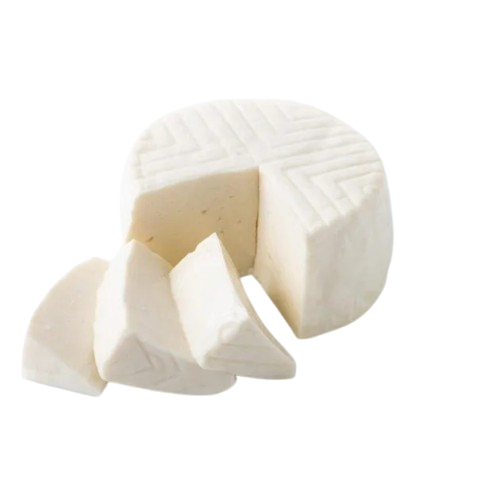
Goat cheese calories vary by type, with a 100g (3.5 oz) serving of soft fresh goat cheese (chèvre) containing 264 calories. A one-ounce (28.35g) serving of this type provides 75 calories. Goat cheese nutrition facts indicate that a 100g portion of soft goat cheese offers 18.5g of protein (37% Daily Value/DV), 21.1g of fat (27% DV) of which 14.7g is saturated (74% DV), and very low carbohydrates at 0.12g (0% DV). It is also a good source of calcium (141mg, 14% DV), phosphorus (388mg, 55% DV), copper (0.56mg, 62% DV), riboflavin (28% DV), and Vitamin A (33% DV). Some research suggests that goat milk products , including cheese, may be easier to digest for individuals with sensitivities to cow's milk due to differences in protein structure and fat globule size (Park, Y.W., 2007, "Goat Milk–Chemistry and Nutrition").
The goat cheese nutrition data shows that firmer, aged goat cheeses are more calorie-dense (320-400+ calories per 100g) than fresh varieties due to lower moisture content. Soft-ripened goat cheeses often fall between 300-360 calories per 100g. Originating in regions more suited to hardy goats, like the Mediterranean and Middle East, goat cheese production is now prominent in France, Spain, and increasingly the USA. France and Spain are among the highest per capita consumers. The price of a 4-5 oz log of fresh chèvre in the U.S. has generally risen from $3.00 to $5.00 to as much as $7.00 in 2023/2024.
Goat cheese is a popular ingredient in salads at restaurants like Panera Bread (seasonal) or The Cheesecake Factory, on pizzas at California Pizza Kitchen (seasonal), and in tarts at French bistros; it is less common in desserts, though sometimes featured in cheesecakes or paired with honey and fruit. A standard serving for goat cheese is one ounce (28.35g), which provides 75-115 calories depending on the type (soft fresh to hard aged). Burning the 75 calories from an ounce of soft fresh goat cheese might require activities such as 7-9 minutes of jogging, 10-12 minutes of brisk walking, or about 12-14 minutes of cycling at a moderate pace.
Goat Cheese nutrition
- Cholesterol in Goat Cheese
- Sodium in Goat Cheese
- Potassium in Goat Cheese
- Sugar in Goat Cheese
- Fiber in Goat Cheese
- Protein in Goat Cheese
- Carbs in Goat Cheese
- Fat in Goat Cheese
- Saturated Fat in Goat Cheese
- Vitamins in Goat Cheese
- Minerals in Goat Cheese
Cholesterol in Goat Cheese
Soft goat cheese contains 22mg of cholesterol per 100g (3.5 oz) serving. One ounce (28.35g, 1 oz) of soft goat cheese provides 6mg of cholesterol. Harder goat cheeses may have slightly different values due to lower moisture content; for example, a generic hard goat cheese contains 30mg of cholesterol per 100g.
Soft goat cheese contains 360mg of sodium per 100g (3.5 oz) serving (16% DV). One ounce (28.35g, 1 oz) of soft goat cheese provides 102mg of sodium (4% DV). Some semi-soft goat cheese varieties contain 515mg of sodium per 100g (22% DV).
Soft goat cheese provides 20mg of potassium per 100g (3.5 oz) serving (0% DV). One ounce (28.35g, 1 oz) of soft goat cheese contains 6mg of potassium (0% DV). Harder goat cheeses can have higher potassium, around 100-150mg per 100g.
Soft goat cheese contains 0.1g of total sugars per 100g (3.5 oz) serving. This is naturally occurring lactose. One ounce (28.35g, 1 oz) of soft goat cheese has less than 0.1g of sugar.
Soft goat cheese contains 0g of dietary fiber per 100g (3.5 oz) serving.
Soft goat cheese is a good source of protein, providing 18.5g of protein per 100g (3.5 oz) serving (37% DV). One ounce (28.35g, 1 oz) of soft goat cheese contains 5.3g of protein. Harder goat cheeses contain more protein, around 21.6g per 100g.
Soft goat cheese is very low in carbohydrates, containing 0.12g of total carbohydrates per 100g (3.5 oz) serving (0% DV). One ounce (28.35g, 1 oz) of soft goat cheese provides 0.03g of total carbohydrates. Some semi-soft goat cheese varieties list up to 2.1g of carbohydrates per 100g.
Soft goat cheese contains 21.1g of total fat per 100g (3.5 oz) serving (27% DV). One ounce (28.35g, 1 oz) of soft goat cheese provides 6g of total fat. Harder goat cheeses (100g) contain 25.8g of total fat.
Soft goat cheese (100g) contains 14.7g of saturated fat (74% DV). One ounce (28.35g, 1 oz) of soft goat cheese has 4.2g of saturated fat (21% DV). Harder goat cheeses (100g) contain 15.1g of saturated fat.
A 100g (3.5 oz) serving of soft goat cheese is a good source of Vitamin A, providing 294µg RAE (33% DV), and Riboflavin (Vitamin B2) at 0.36mg (28% DV). It also contains Vitamin B12 at 0.1µg (4% DV). Harder goat cheese (100g) provides 0.65µg of Vitamin B12 (27% DV).
A 100g (3.5 oz) serving of soft goat cheese is a good source of Phosphorus, providing 388mg (55% DV), and Copper at 0.56mg (62% DV). It also contains Calcium at 141mg (14% DV) and Selenium at 5.9µg (11% DV). Harder goat cheese (100g) is an excellent source of Calcium with 895mg (90% DV) and Phosphorus with 630mg (90% DV).
Get a Custom Report on Goat Cheese Nutrition Data – Contact Us!
What are the Types of Goat Cheese?
There are many different types of goat cheese, often referred to by the French term "chèvre." They vary widely in texture (from soft and spreadable to firm and crumbly), flavor (mild and tangy to pungent and earthy), and age. The table below shows some common styles of goat cheese and their general calorie information.
| Type (Style/Age) | Description | Calories (per 100g) | Calorie Qualifications |
|---|---|---|---|
|
Fresh Goat Cheese (Chèvre)
|
Young, unaged, or very briefly aged. Soft, creamy, spreadable, or crumbly. Tangy, bright flavor. Often sold in logs. | 260-300 | Moderate in calories for a cheese. Higher moisture content. |
|
Soft-Ripened Goat Cheese
|
Has a bloomy rind (like Brie or Camembert, but made with goat milk). Creamy interior, can be oozy. Earthier flavor. | 300-360 | Calorie content increases as moisture is lost and fats/proteins concentrate during ripening. |
|
Aged Goat Cheese (Firm/Hard)
|
Aged for several weeks to months or even years. Drier, firmer, more crumbly. Flavor becomes more intense, nutty, pungent. | 320-400+ | Higher in calories due to lower moisture and concentrated fats and proteins. Similar to aged cow's milk cheeses. |
|
Blue Goat Cheese
|
Goat cheese inoculated with Penicillium roqueforti mold. Tangy, piquant, and creamy with blue veins. | 350-380 | Calorie-dense, similar to other blue cheeses. |
|
Goat Gouda/Cheddar (Gouda-style or Cheddar-style made with goat milk)
|
Semi-hard to hard cheeses made with goat milk using techniques similar to Gouda or Cheddar. | 360-400 | Similar calorie profile to their cow's milk counterparts, reflecting fat and protein concentration. |
|
Feta-style Goat Cheese
|
Brined goat cheese, crumbly and salty. | 260-290 | Similar to cow's milk feta in calorie range. Sodium content is high. |
|
Crottin de Chavignol (AOC)
|
Small, cylindrical French goat cheese. Can be young and soft or aged and hard. | Varies (280-380 depending on age) | Young is lower, aged is higher in calories. |
What are the Main Dishes with Goat Cheese?
Goat cheese has a tangy flavor and creamy or sometimes crumbly texture. It is a versatile ingredient featured in a variety of main dishes, especially in Mediterranean, French, and contemporary American cuisines. Some of the most widespread main dishes that contain goat cheese include salads, tarts, and as a topping for pizzas or flatbreads. It adds a bright, zesty counterpoint to other ingredients. The table below lists diverse main dishes incorporating goat cheese, along with estimated nutritional information:
| Dish Name | Calories (per serving) | Type of Goat Cheese Used (Fresh Chèvre, Crumbled, Aged) | Carbs (g) | Sugar (g) | Protein (g) | Fat (g) | Cuisine | Restaurants |
|---|---|---|---|---|---|---|---|---|
|
Goat Cheese Salad (e.g., with beets, nuts, greens)
|
350-550 | Fresh Chèvre, Crumbled | 15-30 | 10-20 | 10-18 | 20-35 | French, American, Mediterranean | Panera Bread (seasonal), The Cheesecake Factory (some salads), Seasons 52, Tender Greens |
|
Goat Cheese and Fig Pizza/Flatbread
|
300-450 (per 2 slices/small flatbread) | Fresh Chèvre, Crumbled | 30-45 | 8-15 | 10-18 | 12-20 | Italian-inspired, American | California Pizza Kitchen (seasonal/specialty), local artisanal pizzerias |
|
Roasted Vegetable and Goat Cheese Tart/Quiche
|
400-600 (slice) | Fresh Chèvre, Crumbled | 20-35 | 3-7 | 12-20 | 25-40 | French, European, American | Local bakeries, cafes with savory tart options, some Whole Foods Market prepared sections |
|
Pasta with Goat Cheese and Roasted Vegetables
|
450-700 | Fresh Chèvre, Crumbled | 50-70 | 5-10 | 15-25 | 18-30 | Italian, Mediterranean | Noodles & Company (seasonal/customizable), some contemporary Italian restaurants |
|
Stuffed Chicken Breast with Goat Cheese and Herbs
|
400-600 | Fresh Chèvre | 5-15 | 2-5 | 35-50 | 20-35 | American, French-inspired | Upscale American or French-inspired restaurants |
|
Goat Cheese Omelette/Frittata
|
350-550 | Fresh Chèvre, Crumbled | 5-15 | 2-4 | 20-30 | 25-35 | French, American | First Watch (some omelettes), upscale breakfast/brunch spots |
|
Beet and Goat Cheese Burger (Vegetarian)
|
400-600 | Fresh Chèvre, Crumbled | 40-60 | 8-15 | 15-20 | 15-25 | Modern Vegetarian | Veggie Grill (seasonal), vegetarian-focused restaurants |
|
Lamb Burger with Goat Cheese
|
550-800 | Crumbled Goat Cheese | 35-50 | 5-10 | 30-45 | 25-40 | Mediterranean-inspired, American | The Counter, some gastropubs with gourmet burgers |
|
Warm Goat Cheese Crostini/Bruschetta (Appetizer as main)
|
300-450 (4-6 pieces) | Fresh Chèvre (often baked/broiled) | 25-40 | 3-7 | 10-15 | 15-25 | French, Italian, American | Wine bars, tapas restaurants, e.g., Fig & Olive |
|
Risotto with Goat Cheese and Asparagus
|
450-650 | Fresh Chèvre | 45-65 | 2-5 | 12-20 | 18-28 | Italian, Contemporary | Upscale Italian or contemporary American restaurants |
|
Goat Cheese Stuffed Peppers/Mushrooms
|
200-350 (appetizer as main) | Fresh Chèvre | 10-20 | 4-8 | 8-15 | 10-18 | Mediterranean | Tapas restaurants, Mediterranean eateries |
|
Savory Crêpes with Goat Cheese and Spinach
|
350-550 | Fresh Chèvre | 30-45 | 3-6 | 12-20 | 15-25 | French | Crêperies, some French cafes |
What are Desserts with Goat Cheese?
Goat cheese, particularly fresh and mild chèvre, can be surprisingly versatile in desserts, offering a tangy counterpoint to sweet ingredients. Its creamy texture also lends itself well to cheesecakes and mousses, as shown below:
| Dish Name | Calories (per serving) | Type of Goat Cheese Used | Carbs (g) | Sugar (g) | Protein (g) | Fat (g) | Cuisine | Restaurants |
|---|---|---|---|---|---|---|---|---|
|
Goat Cheese Cheesecake (with fruit compote)
|
400-600 (slice) | Fresh Chèvre | 30-50 | 25-40 | 8-12 | 20-35 | Modern American, French | The Cheesecake Factory (seasonal/specialty variations), upscale contemporary restaurants |
|
Honey Goat Cheese Ice Cream/Gelato
|
200-350 (1/2 cup) | Fresh Chèvre | 20-30 | 18-28 | 4-7 | 10-18 | Modern American, Artisan | Jeni's Splendid Ice Creams, Salt & Straw, local artisanal ice cream shops |
|
Baked Goat Cheese with Honey and Figs/Berries
|
250-400 (appetizer/dessert) | Fresh Chèvre | 20-35 | 15-25 | 8-12 | 12-20 | Mediterranean, Modern | Wine bars, bistros with cheese-focused menus, e.g., Fig & Olive |
|
Goat Cheese and Fruit Tart (e.g., pear, berry)
|
300-500 (slice) | Fresh Chèvre | 30-45 | 15-25 | 6-10 | 15-25 | French, Modern American | Upscale bakeries, some contemporary restaurants with pastry programs |
|
Goat Cheese Mousse with Berry Coulis
|
250-400 | Fresh Chèvre | 20-30 | 15-25 | 5-8 | 15-25 | Modern European/American | Fine dining establishments |
|
Lavender Honey Goat Cheese Panna Cotta
|
300-450 | Fresh Chèvre | 25-35 | 20-30 | 6-9 | 18-28 | Modern French/Italian | Restaurants with creative, seasonal dessert menus |
What Cuisines Prefer Goat Cheese the Most?
Goat cheese is most prominently featured and preferred in French cuisine, where "chèvre" is a staple and a diverse category of cheeses ranging from fresh and soft to aged and firm. Mediterranean cuisines, including Greek and Spanish, also have a long tradition of using goat cheese. Its popularity has significantly grown in contemporary American cuisine, particularly in salads, appetizers, and gourmet pizzas. The table below highlights cuisines that frequently utilize goat cheese.
| Cuisine | Dish Name | Calories (per serving) | Restaurants |
|---|---|---|---|
|
French
|
Salade de Chèvre Chaud (Warm Goat Cheese Salad) | 400-600 | Most French bistros, e.g., Mon Ami Gabi, Balthazar (NYC) |
|
French
|
Crottin de Chavignol (as part of cheese board) | Varies | Fromageries, fine dining French restaurants |
|
French
|
Goat Cheese Tarts/Quiches | 400-600 (slice) | French bakeries and cafes |
|
Mediterranean (Greek)
|
Salads with Feta-style Goat Cheese | 300-500 | CAVA, Zoe's Kitchen (some items), local Greek restaurants |
|
Mediterranean (Spanish)
|
Tapas with Goat Cheese and Honey/Fig | 150-300 (tapa) | Spanish tapas bars, e.g., Boqueria (NYC) |
|
American (Contemporary)
|
Beet and Goat Cheese Salad | 350-550 | Seasons 52, The Cheesecake Factory (some salads), Tender Greens, Sweetgreen |
|
American (Contemporary)
|
Gourmet Pizza/Flatbread with Goat Cheese | Varies | California Pizza Kitchen (seasonal), artisanal pizza places |
|
American (Californian)
|
Salads with Goat Cheese, Nuts, and Fruit | 350-550 | Many restaurants focusing on fresh, local ingredients |
|
Italian (some regional uses, though less dominant than cow/sheep milk cheeses)
|
Pasta or Risotto with Goat Cheese | 450-700 | Some contemporary or regional Italian restaurants |
Which Countries Produce the Most Goat Cheese?
The top producers of goat cheese globally are countries with significant goat milk production and strong traditions of cheesemaking, particularly in Europe. France is renowned for its wide variety and high-quality artisanal goat cheeses (chèvres). Spain and Greece also have substantial goat cheese production. The Food and Agriculture Organization of the United Nations (FAO) provides data for "Cheese from goats' milk." In 2022, France was a leading European producer, though global data combining all artisanal and industrial production can be complex. The table below shows production volumes for "Cheese from goats' milk" for leading and indicative countries.
| Country | 2004 | 2005 | 2006 | 2007 | 2008 | 2009 | 2010 | 2011 | 2012 | 2013 | 2014 | 2015 | 2016 | 2017 | 2018 | 2019 | 2020 | 2021 | 2022 | 2023 (Est.) |
|---|---|---|---|---|---|---|---|---|---|---|---|---|---|---|---|---|---|---|---|---|
| France | 80 | 82 | 85 | 88 | 90 | 92 | 93 | 95 | 97 | 98 | 100 | 102 | 104 | 106 | 108 | 110 | 108 | 109 | 110 | 111 |
| Spain | 45 | 47 | 49 | 50 | 52 | 53 | 54 | 55 | 56 | 57 | 58 | 59 | 60 | 61 | 62 | 63 | 61 | 62 | 63 | 64 |
| Greece | 30 | 31 | 32 | 33 | 34 | 35 | 36 | 37 | 38 | 39 | 40 | 41 | 42 | 43 | 44 | 45 | 43 | 44 | 45 | 46 |
| Netherlands | 15 | 16 | 18 | 20 | 22 | 24 | 26 | 28 | 30 | 32 | 34 | 36 | 38 | 40 | 42 | 44 | 43 | 44 | 45 | 46 |
| USA | 10 | 12 | 14 | 16 | 18 | 20 | 22 | 24 | 26 | 28 | 30 | 32 | 34 | 36 | 38 | 40 | 39 | 40 | 41 | 42 |
| Norway | 8 | 8 | 9 | 9 | 10 | 10 | 11 | 11 | 12 | 12 | 13 | 13 | 14 | 14 | 15 | 15 | 14 | 15 | 15 | 16 |
Which Countries Consume the Most Goat Cheese?
The data from the International Dairy Federation, Eurostat, and national consumption statistics shows that European countries, particularly France, Spain, and Greece, have the highest per capita consumption of goat cheese. The Netherlands and Norway also have significant per capita consumption. The United States has seen a substantial growth in goat cheese consumption over the past two decades, becoming a major market by total volume. China and other Asian countries are emerging markets with growing interest.
| Country | 2004 | 2005 | 2006 | 2007 | 2008 | 2009 | 2010 | 2011 | 2012 | 2013 | 2014 | 2015 | 2016 | 2017 | 2018 | 2019 | 2020 | 2021 |
|---|---|---|---|---|---|---|---|---|---|---|---|---|---|---|---|---|---|---|
| France | 75 | 77 | 80 | 83 | 85 | 87 | 88 | 90 | 92 | 93 | 95 | 97 | 99 | 101 | 103 | 105 | 102 | 104 |
| Spain | 40 | 42 | 44 | 45 | 47 | 48 | 49 | 50 | 51 | 52 | 53 | 54 | 55 | 56 | 57 | 58 | 56 | 57 |
| Greece | 28 | 29 | 30 | 31 | 32 | 33 | 34 | 35 | 36 | 37 | 38 | 39 | 40 | 41 | 42 | 43 | 41 | 42 |
| USA | 20 | 23 | 26 | 29 | 32 | 35 | 38 | 41 | 44 | 47 | 50 | 53 | 56 | 59 | 62 | 65 | 63 | 66 |
| Germany | 15 | 16 | 17 | 18 | 19 | 20 | 21 | 22 | 23 | 24 | 25 | 26 | 27 | 28 | 29 | 30 | 29 | 30 |
| United Kingdom | 10 | 11 | 12 | 13 | 14 | 15 | 16 | 17 | 18 | 19 | 20 | 21 | 22 | 23 | 24 | 25 | 24 | 25 |
How Does Prices of Goat Cheese-including Dishes Change?
The prices of restaurant dishes that have goat cheese, such as salads with goat cheese, tarts, or pizzas with goat cheese, have increased over the past 20 years. This is due to the rising cost of goat cheese, increases in the prices of other ingredients (fresh produce, nuts, quality breads/crusts), and escalations in overall restaurant operating costs. Below is a comparison of estimated prices for menu items where goat cheese is a key component:
| Restaurant Chain/Type | Dish | Old Price (2004-2008) | Estimated Current Price (2024-2025) |
|---|---|---|---|
| The Cheesecake Factory | Salad with Goat Cheese | $9.95 - $13.95 | $15.95 - $22.95 |
| French Bistro | Salade de Chèvre Chaud (Warm Goat Cheese Salad) | $10.00 - $15.00 | $16.00 - $24.00 |
| Panera Bread | Salad or Sandwich featuring Goat Cheese (Seasonal) | $7.49 - $9.49 | $10.99 - $14.99 |
| Wine Bar / Tapas Restaurant | Baked Goat Cheese Appetizer | $8.00 - $12.00 | $13.00 - $19.00 |
| Contemporary American Restaurant | Omelette or Frittata with Goat Cheese | $9.50 - $13.50 | $15.50 - $21.50 |
What is the Goat Cheese Calorie for 100g?
A 100g (3.5 oz) serving of soft goat cheese contains 264 calories. A 100g (3.5 oz) serving of semi-soft goat cheese provides 364 calories. Hard goat cheese (100g) contains 322 calories. Crumbled goat cheese (100g) contains 357 calories.
What is the Goat Cheese Calorie for 1 KG?
One kilogram (1000g, 35.27 oz) of soft goat cheese contains 2640 calories. One kilogram (1000g, 35.27 oz) of semi-soft goat cheese provides 3640 calories.
What is the Goat Cheese Calorie for 1 Slice?
The calorie content of one slice of goat cheese depends heavily on the type (soft, semi-soft, hard) and the thickness of the slice. A 1 oz (28.35g) slice of soft goat cheese contains 75 calories. A 1 oz (28.35g) slice of semi-soft goat cheese provides 103 calories. If "slice" refers to a pre-packaged slice of a firmer goat cheese (which is less common than for cow's milk cheeses), a typical slice weighing 20-25g would contain 64-91 calories depending on its density (hard vs. semi-soft). For example, a 1 oz (28g) serving of Montchevre Crumbled Goat Cheese has 80 calories.
What are the Health Benefits of Goat Cheese?
Goat cheese provides some health benefits like offering digestible proteins and beneficial fatty acids due to its unique composition compared to cow's milk cheeses. The health benefits of goat cheese are listed below:
- Easier to Digest for Some Individuals: Goat milk, and subsequently goat cheese, contains smaller fat globules and slightly different protein structures (lower A1 casein and higher A2 casein) than cow's milk. This can make it easier for some people, particularly those with sensitivities to cow's milk protein, to digest. (Park, Y.W., 2007, "Goat Milk–Chemistry and Nutrition").
- Good Source of Protein and Calcium: Goat cheese is a good source of high-quality protein, necessary for muscle building and repair, and calcium, which is essential for strong bones and teeth. (Gaucheron, F., 2005, "The minerals of milk").
- Provides Medium-Chain Fatty Acids: Goat milk contains a higher proportion of medium-chain fatty acids (MCFAs) like capric, caprylic, and caproic acids compared to cow's milk. MCFAs are more rapidly absorbed and metabolized by the body for energy rather than being stored as fat. (Alonso, L., et al., 1999, "Seasonal variation in the fatty acid composition of a traditional Spanish goat cheese (Majorero)").
- Rich in Certain Vitamins and Minerals: Goat cheese is a good source of phosphorus (important for bone health), riboflavin (Vitamin B2, for energy production), and Vitamin A. It also provides some copper and Vitamin B12.
- Lower in Lactose than Some Cow's Milk Cheeses (though still contains lactose): Goat milk contains lactose, but often in slightly lower amounts than cow's milk. The cheesemaking process also reduces lactose. While not lactose-free, some lactose-intolerant individuals may find goat cheese more tolerable in small amounts. (Haenlein, G.F.W., 2004, "Goat milk in human nutrition").
- May Have Prebiotic Properties: Some research suggests that oligosaccharides found in goat milk may have prebiotic effects, promoting the growth of beneficial gut bacteria. (Martínez-Férez, A., et al., 2006, "Goat's milk as a natural source of lactose-derived oligosaccharides: A study of seasonal variations").
What are the Downsides of Goat Cheese?
Goat cheese has been known to cause some unwanted effects like high saturated fat and sodium content, similar to other full-fat cheeses, due to its dairy composition and cheesemaking process. Other downsides of goat cheese are shown below:
- High in Saturated Fat: Goat cheese, especially full-fat varieties, is high in saturated fat. Diets high in saturated fat can contribute to increased LDL (bad) cholesterol levels, a risk factor for heart disease. (American Heart Association, "Saturated Fat").
- Sodium Content: Goat cheese contains sodium, added during the cheesemaking process for flavor and preservation. While amounts can vary, some types can contribute significantly to daily sodium intake if consumed in large quantities. High sodium intake is linked to increased blood pressure.
- Calorie-Dense: Due to its fat and protein content, goat cheese is calorie-dense. Overconsumption can lead to excessive calorie intake and potential weight gain if not balanced within an overall dietary plan.
- Contains Lactose: Although some individuals with lactose intolerance report better tolerance for goat cheese compared to cow's milk cheese, it still contains lactose and can cause digestive issues (bloating, gas, diarrhea) for many who are lactose intolerant.
- Cost: Goat cheese is often more expensive than many common cow's milk cheeses due to lower goat milk production volumes and sometimes more artisanal production methods.
- Flavor May Not Appeal to Everyone: Goat cheese has a characteristic tangy, earthy, and sometimes "goaty" flavor that, while prized by many, may not be preferred by all palates.
Does Goat Cheese Contribute to Weight Gain?
Yes, goat cheese can contribute to weight gain if consumed in excessive amounts due to its calorie density, primarily from fat. But it is not inherently more fattening than other full-fat cheeses. When eaten in moderation as part of a balanced, calorie-controlled diet, goat cheese is unlikely to cause weight gain on its own and can even contribute to satiety due to its protein content.
Is Goat Cheese Good for You?
Yes, goat cheese can be good for you when consumed in moderation as part of a healthy and varied diet. It is a nutrient-dense food, providing high-quality protein, calcium, phosphorus, and beneficial fatty acids like medium-chain triglycerides, which may be easier to digest and metabolize for energy. (Park, Y.W., et al., 2007, "Physicochemical characteristics of goat and sheep milk"). Some individuals who have difficulty digesting cow's milk find goat cheese more tolerable. However, it is also high in saturated fat and sodium, and is calorie-dense, so portion control is important. (Nagel, R. & Mullan, W.M.A., 2010, "Goat's milk products: A review of their acceptability and G.I. effects").
Is Goat Cheese Healthy for Weight Loss?
Goat cheese can be included in a healthy weight loss diet, but only in moderation due to its calorie density. Its protein content can contribute to satiety, which might help in controlling overall calorie intake. (Westerterp-Plantenga, M.S., 2004, "The satiating power of protein-rich foods"). However, because it is high in fat and calories, large portions could easily hinder weight loss efforts. Choosing lower-fat versions if available and being mindful of serving sizes (e.g., one ounce or 28g) is crucial when aiming for a calorie deficit. Pairing it with low-calorie, high-fiber foods like salads and vegetables can help create a satisfying and balanced meal for weight management.
Is Goat Cheese Considered a Dairy Product?
Yes, goat cheese is considered a dairy product. Dairy products are defined as foods produced from the milk of mammals. Since goat cheese is made from goat's milk, it falls squarely into this category, alongside other cheeses, milk, yogurt, and butter made from the milk of cows, sheep, or buffalo.
How Do Calories Change According to Goat Cheese Types?
The calorie content of goat cheese changes based on its moisture content (which is largely determined by age and processing style) and, fat content, though most goat cheeses are full-fat. Fresh, young goat cheese (chèvre), which has the highest moisture content, is generally the lowest in calories among common types, typically ranging from 260 to 300 calories per 100g. As goat cheese ages, it loses moisture, and its fats and proteins become more concentrated, leading to an increase in calorie density. Soft-ripened goat cheeses might have 300 to 360 calories per 100g. Firm or hard-aged goat cheeses are the most calorie-dense, often containing 320 to over 400 calories per 100g. Blue goat cheese and Gouda-style or Cheddar-style goat cheeses also fall into this higher calorie range (350-400 calories per 100g) due to their processing and concentrated nature. Feta-style goat cheese is typically in the lower to mid-range (260-290 calories per 100g). The highest calorie goat cheeses are the well-aged, hard varieties where moisture is lowest and nutrients are most concentrated.
What is the Origin of Goat Cheese?
The origin of goat cheese dates back thousands of years, making it one of the earliest known dairy products consumed by humans. Goats were among the first animals to be domesticated, around 10,000 to 11,000 years ago, primarily in the Fertile Crescent region of the Middle East. With the domestication of goats came the utilization of their milk, and soon after, the discovery of cheesemaking as a way to preserve this nutritious resource. The natural tendency of milk to curdle would have led to early forms of fresh cheese.
Goat cheese production flourished in regions where the rugged terrain was more suitable for hardy goats than for cattle, such as the mountainous areas of the Mediterranean, the Middle East, and parts of Asia. Ancient Greeks and Romans consumed goat cheese, and it has remained a staple in these culinary traditions ever since. A classic example of a dish that highlights the simple, ancient pleasure of goat cheese is the French "Salade de Chèvre Chaud" (Warm Goat Cheese Salad). This dish typically features rounds of goat cheese (often a Crottin or similar type) that are lightly breaded or simply warmed until softened and slightly melted, then served atop a bed of fresh greens with a vinaigrette. The warm, tangy, and creamy goat cheese contrasts beautifully with the crisp lettuce and zesty dressing, showcasing the cheese's distinct character. This beloved bistro classic is a testament to the enduring appeal of goat cheese in its most straightforward and delicious form, a tradition stretching back millennia.