Calories in Gelato: Nutritional facts for Gelato Types
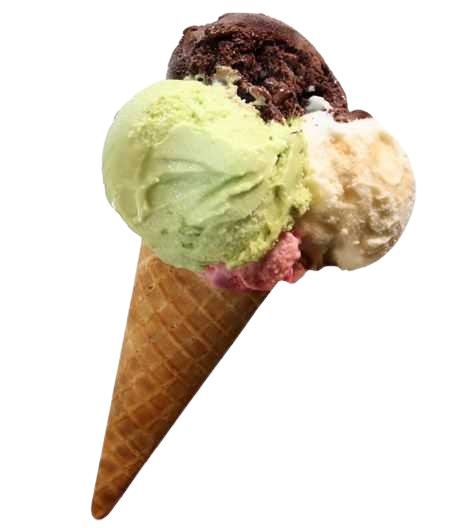
Calories in gelato vary significantly based on fat content, sugar content, and density. A small scoop of vanilla gelato (90g or 0.5 cup) contains 184 calories, 1g fat, 20.7g carbohydrates, 18.9g sugar, 3.1g protein, 0g fiber, and 36mg cholesterol. A medium serving of vanilla gelato (180g or 1 cup) holds 367 calories, while a large serving (270g, 9.5 oz or 1.5 cup) provides 551 calories (28% DV). A small scoop of chocolate gelato contains 194 calories, a medium serving has 387 calories and a large serving provides 581 calories. Gelato provides energy primarily from carbohydrates, sugars, and milk lactose, which are the body's preferred immediate fuel source (Gropper, S. S., & Smith, J. L., 2013). Gelato macros vary by flavor; a medium serving of vanilla gelato has 19.8g of fat, while a medium pistachio gelato contains 25.2g of fat.
Gelato types include dairy-based classics like vanilla, chocolate, pistachio, and stracciatella, and non-dairy fruit sorbettos. Gelato prices have increased over the past 20 years due to rising ingredient costs such as milk, sugar, cocoa, fruit, and nuts and food inflation. A single scoop of artisanal gelato rose from an estimated $2.50-$3.50 range in the mid-2000s to $4.50-6.50 today in many US cities.
Common gelato dishes include scoops, cones, cups, Affogato (gelato with espresso), Gelato Cakes, and Spumoni. Gelaterias like Eataly, Grom, Amorino, and local shops serve these items. Gelato nutrition facts offer minor benefits, such as calcium from dairy-based types, which is essential for bone health (Weaver, C. M., 2014). Gelato should be perceived as an occasional treat due to the high sugar and saturated fat content in traditional versions. The recommended serving size is one scoop (90g or 0.5 cup), which offers 184 calories in vanilla gelato . Burning the 184 calories in one scoop of vanilla gelato requires activities like 30 minutes of jogging, 25 minutes of moderate intensity swimming, or 30 minutes of brisk walking.
Gelato nutrition
- Large Gelato Calories (Nutritional Facts)
- Medium Gelato Calories (Nutritional Facts)
- Small Gelato Calories (Nutritional Facts)
- Sugar in Gelato
- Fiber in Gelato
- Cholesterol in Gelato
- Protein in Gelato
- Carbs in Gelato
- Fat in Gelato
- Vitamins in Gelato
- Minerals in Gelato
Large Gelato Calories (Nutritional Facts)
A large serving of vanilla gelato (1.5 cups, 270g or 9.5 oz) contains 551 calories, 29.7g fat, 62.1g carbohydrates, 56.7g sugar, 9.5g protein, 0g fiber, and 108mg cholesterol. A large serving (270g) of chocolate gelato contains 581 calories, 29.7g fat, 70.2g carbohydrates, 64.8g sugar, 10.8g protein, 2.7g fiber, and 95mg cholesterol. A large serving (270g) of strawberry sorbetto contains 346 calories, 1.4g fat, 83.7g carbohydrates, 75.6g sugar, 1.4g protein, 2.7g fiber, and 0mg cholesterol. A large serving (270g) of pistachio gelato contains 621 calories, 37.8g fat, 59.4g carbohydrates, 54g sugar, 13.5g protein, 2.7g fiber, and 122mg cholesterol.
A medium serving of vanilla gelato (1 cup, 180g or 6.3 oz) contains 367 calories, 19.8g fat, 41.4g carbohydrates, 37.8g sugar, 6.3g protein, 0g fiber, and 72mg cholesterol. A medium serving (180g) of chocolate gelato contains 387 calories, 19.8g fat, 46.8g carbohydrates, 43.2g sugar, 7.2g protein, 1.8g fiber, and 63mg cholesterol. A medium serving (180g) of strawberry sorbetto contains 230 calories, 0.9g fat, 55.8g carbohydrates, 50.4g sugar, 0.9g protein, 1.8g fiber, and 0mg cholesterol. A medium serving (180g) of pistachio gelato contains 414 calories, 25.2g fat, 39.6g carbohydrates, 36g sugar, 9g protein, 1.8g fiber, and 81mg cholesterol.
A small serving of vanilla gelato (0.5 cup, 90g or 3.2 oz) has 184 calories, 9.9g fat, 20.7g carbohydrates, 18.9g sugar, 3.1g protein, 0g fiber, and 36mg cholesterol. A small serving (90g) of chocolate gelato contains 194 calories, 9.9g fat, 23.4g carbohydrates, 21.6g sugar, 3.6g protein, 0.9g fiber, and 32mg cholesterol. A small serving (90g) of strawberry sorbetto contains 115 calories, 0.5g fat, 27.9g carbohydrates, 25.2g sugar, 0.5g protein, 0.9g fiber, and 0mg cholesterol. A small serving (90g) of pistachio gelato contains 207 calories, 12.6g fat, 19.8g carbohydrates, 18g sugar, 4.5g protein, 0.9g fiber, and 41mg cholesterol.
Vanilla gelato contains 21g of sugar per 100g (3.5 oz) serving, and one scoop (90g) contains 18.9g of sugar. Chocolate gelato contains 24g of sugar per 100g serving, while one scoop (90g) contains 21.6g of sugar. Strawberry sorbetto contains 28g of sugar per 100g serving, with one scoop (90g) containing 25.2g of sugar. Pistachio gelato contains 20g of sugar per 100g serving, while one scoop (90g) contains 18g of sugar.
Vanilla gelato contains 0g of fiber per 100g (3.5 oz) serving and 0g per scoop (90g). Chocolate gelato contains 1g of fiber per 100g serving, one scoop (90g) contains 0.9g of fiber. Strawberry sorbetto contains 1g of fiber per 100g serving, one scoop (90g) contains 0.9g of fiber. Pistachio gelato contains 1g of fiber per 100g serving, one scoop (90g) contains 0.9g of fiber.
Vanilla gelato contains 40mg of cholesterol per 100g (3.5 oz) serving, while one scoop (90g) contains 36mg of cholesterol. Chocolate gelato contains 35mg of cholesterol per 100g serving, while one scoop (90g) contains 32mg of cholesterol. Strawberry sorbetto contains 0mg of cholesterol per 100g serving and 0mg per scoop (90g). Pistachio gelato contains 45mg of cholesterol per 100g serving, and one scoop (90g) contains 41mg of cholesterol.
Vanilla gelato contains 3.5g of protein per 100g (3.5 oz) serving, while one scoop (90g) contains 3.1g of protein. Chocolate gelato contains 4g of protein per 100g serving, with one scoop (90g) containing 3.6g of protein. Strawberry sorbetto contains 0.5g of protein per 100g serving, and one scoop (90g) contains 0.5g of protein. Pistachio gelato contains 5g of protein per 100g serving, while one scoop (90g) contains 4.5g of protein.
Vanilla gelato contains 23g of carbohydrates per 100g (3.5 oz) serving; one scoop (90g) contains 20.7g of carbohydrates. Chocolate gelato contains 26g of carbohydrates per 100g serving; one scoop (90g) contains 23.4g of carbohydrates. Strawberry sorbetto contains 31g of carbohydrates per 100g serving; one scoop (90g) contains 27.9g of carbohydrates. Pistachio gelato contains 22g of carbohydrates per 100g serving and one scoop (90g) contains 19.8g of carbohydrates.
Vanilla gelato contains 11g of fat per 100g (3.5 oz) serving and one scoop (90g) contains 9.9g of fat. Chocolate gelato contains 11g of fat per 100g serving and one scoop (90g) contains 9.9g of fat. Strawberry sorbetto contains 0.5g of fat per 100g serving and one scoop (90g) contains 0.5g of fat. Pistachio gelato contains 14g of fat per 100g serving and one scoop (90g) contains 12.6g of fat.
A 100g (3.5 oz) serving of vanilla gelato provides 35µg RAE Vitamin A (4% DV), 0.02mg Thiamin (2% DV), 0.1mg Riboflavin (8% DV), and 0.1µg Vitamin B12 (4% DV). One scoop (90g) provides 32µg RAE Vitamin A (4% DV), 0.02mg Thiamin (2% DV), 0.09mg Riboflavin (7% DV), and 0.09µg Vitamin B12 (4% DV). A 100g serving of chocolate gelato provides 30µg RAE Vitamin A (3% DV), 0.03mg Thiamin (3% DV), 0.1mg Riboflavin (8% DV), and 0.1µg Vitamin B12 (4% DV). One scoop (90g) provides 27µg RAE Vitamin A (3% DV), 0.03mg Thiamin (2% DV), 0.09mg Riboflavin (7% DV), and 0.09µg Vitamin B12 (4% DV). A 100g serving of strawberry sorbetto provides 1µg RAE Vitamin A (0% DV), 15mg Vitamin C (17% DV), and 10µg Folate (3% DV). One scoop (90g) provides 0.9µg RAE Vitamin A (0% DV), 13.5mg Vitamin C (15% DV), and 9µg Folate (2% DV). A 100g serving of pistachio gelato provides 39µg RAE Vitamin A (4% DV), 0.05mg Thiamin (4% DV), 0.1mg Riboflavin (8% DV), 0.2mg Vitamin B6 (12% DV), and 0.1µg Vitamin B12 (4% DV). One scoop (90g) provides 35µg RAE Vitamin A (4% DV), 0.05mg Thiamin (4% DV), 0.09mg Riboflavin (7% DV), 0.18mg Vitamin B6 (11% DV), and 0.09µg Vitamin B12 (4% DV). Vitamin content varies based on milkfat percentage, egg inclusion, and the amount/type of fruit or nuts used.
A 100g (3.5 oz) serving of vanilla gelato contains 120mg Calcium (9% DV), 100mg Phosphorus (8% DV), and 150mg Potassium (3% DV). One scoop (90g) contains 108mg Calcium (8% DV), 90mg Phosphorus (7% DV), and 135mg Potassium (3% DV). A 100g serving of chocolate gelato contains 100mg Calcium (8% DV), 85mg Phosphorus (7% DV), 180mg Potassium (4% DV), 0.8mg Iron (4% DV), and 25mg Magnesium (6% DV). One scoop (90g) contains 90mg Calcium (7% DV), 77mg Phosphorus (6% DV), 162mg Potassium (3% DV), 0.7mg Iron (4% DV), and 23mg Magnesium (5% DV). A 100g serving of strawberry sorbetto contains 10mg Calcium (1% DV), 15mg Phosphorus (1% DV), and 100mg Potassium (2% DV). One scoop (90g) contains 9mg Calcium (1% DV), 14mg Phosphorus (1% DV), and 90mg Potassium (2% DV). A 100g serving of pistachio gelato contains 110mg Calcium (8% DV), 120mg Phosphorus (10% DV), 200mg Potassium (4% DV), 0.9mg Iron (5% DV), 30mg Magnesium (7% DV), and 0.5mg Zinc (5% DV). One scoop (90g) contains 99mg Calcium (8% DV), 108mg Phosphorus (9% DV), 180mg Potassium (4% DV), 0.8mg Iron (4% DV), 27mg Magnesium (6% DV), and 0.45mg Zinc (4% DV). Mineral content is influenced by dairy content, cocoa powder, fruit, and nuts.
Get a Custom Report on Gelato Nutrition Data – Contact Us!
What are the Types of Gelato?
Gelato comes in different flavors and styles, which impacts nutritional profile, as shown in the following table:
| Type | Description | Calories (Approx. per 100g / ~3.5 oz) | Calorie Qualifications |
|---|---|---|---|
|
Vanilla/Fior di Latte
|
Classic milk/cream based gelato, flavored with vanilla or just the dairy. | 200-250 | Moderate calories, contains saturated fat and sugar. Base for many other flavors. |
|
Chocolate
|
Milk/cream base flavored with cocoa powder or melted chocolate. | 210-280 | Calories similar to or slightly higher than vanilla due to chocolate solids/fat. Can vary based on chocolate darkness. |
|
Fruit Sorbetto
|
Water-based, dairy-free, made with fruit puree/juice and sugar. | 120-180 | Lowest in calories, fat-free but very high in sugar. Not technically gelato but often sold alongside. |
|
Nut (Pistachio, Hazelnut)
|
Milk/cream base flavored with nut pastes. | 230-300+ | Higher in calories due to fat content from both dairy and nuts. Provides some healthy fats minerals. |
|
Stracciatella
|
Fior di Latte base with fine shards of chocolate mixed in. | 220-270 | Calories slightly higher than plain vanilla due to added chocolate. |
|
Caramel/Dulce de Leche
|
Milk/cream base flavored with cooked sugar/caramelized milk. | 230-290 | High in sugar, moderate fat content. |
|
Coffee (Caffè)
|
Milk/cream base infused with coffee or espresso. | 200-250 | Calorie content similar to vanilla. |
What are the Desserts with Gelato?
Gelato is a versatile dessert, served alone or as a component in different sweet dishes.
| Dish Name | Calories (Estimate) | Type of Gelato Used | Carbs (g) | Sugar (g) | Protein (g) | Fat (g) | Cuisine | Restaurants/Shops |
|---|---|---|---|---|---|---|---|---|
|
Gelato (Scoops/Cup)
|
150-400 (1-2 scoops) | Any (Vanilla, Choc, etc.) | 20-50 | 18-45 | 3-9 | 5-25 | Italian/Global | Eataly, Grom, Amorino Gelato, Talenti (Retail), local gelaterias |
|
Affogato
|
200-400 | Vanilla, Fior di Latte | 20-40 | 18-38 | 3-7 | 10-20 | Italian | Italian restaurants, Eataly, coffee shops |
|
Gelato Sandwich
|
300-600 | Various | 40-70 | 30-50 | 5-12 | 15-35 | Modern/American | Specialty dessert shops, bakeries |
|
Brioche con Gelato
|
400-700 | Various | 50-80 | 30-50 | 8-15 | 18-35 | Italian (Sicilian) | Authentic Italian cafes/gelaterias |
|
Gelato with Waffles/Crepes
|
400-800+ | Various | 50-100+ | 30-60+ | 8-20 | 15-40+ | Belgian/French/Am | Creperies, dessert cafes, brunch spots |
|
Gelato Cake
|
300-600 (slice) | Layered, various flavors | 40-70 | 35-60 | 5-12 | 15-35 | Modern/Italian | Gelaterias, specialty cake shops |
|
Spumoni
|
250-450 (serving) | Layered (Choc, Cherry, Pistachio) | 30-50 | 25-45 | 4-10 | 10-25 | Italian-American | Old-school Italian-American restaurants |
What are the Main Dishes with Gelato?
Gelato is predominantly a dessert, but is sometimes paired with items like waffles or pancakes, often served for breakfast, brunch, or as a dessert-style main meal. Gelato applications remain rare outside of specialized gastronomy.
| Dish Name | Calories (Estimate) | Type of Gelato Used | Carbs (g) | Sugar (g) | Protein (g) | Fat (g) | Cuisine | Restaurants |
|---|---|---|---|---|---|---|---|---|
|
Waffles with Gelato
|
400-800+ | Various | 50-100+ | 30-60+ | 8-20 | 15-40+ | Belgian/American | Brunch spots, dessert cafes, IHOP (seasonal/specialty) |
|
Pancakes with Gelato
|
400-800+ | Various | 50-100+ | 30-60+ | 8-20 | 15-40+ | American | Brunch spots, dessert cafes, some diners with extensive menus |
|
Crepes with Gelato
|
350-700+ | Various | 45-90+ | 25-50+ | 7-18 | 15-35+ | French/American | Creperies, dessert cafes |
|
French Toast with Gelato
|
450-800+ | Various | 55-100+ | 35-60+ | 10-25 | 18-40+ | American/French | Brunch spots, cafes with indulgent breakfast options |
What Cuisines Prefer Gelato the Most?
Originating in Italy, gelato is most central to Italian cuisine but is enjoyed globally, as shown in this table:
| Cuisine | Dish | Type of Gelato Used | Calories (Estimate) | Restaurant(s) |
|---|---|---|---|---|
|
Italian
|
Gelato (Scoops/Cup) | Any (Vanilla, Choc, etc.) | 150-400 | Eataly, Grom, Amorino Gelato, countless gelaterias & restaurants |
|
Italian
|
Affogato | Vanilla, Fior di Latte | 200-400 | Many Italian restaurants, Eataly |
|
Italian
|
Brioche con Gelato | Various | 400-700 | Authentic Italian cafes/gelaterias |
|
Italian-American
|
Spumoni | Layered (Choc, Cherry, Pistachio) | 250-450 | Old-school Italian-American restaurants |
|
Modern American
|
Gelato Sandwiches | Various | 300-600 | Specialty dessert shops, bakeries |
|
Modern American
|
Creative Pairings/Dishes | Various (incl. savory experiments) | Varies widely | Fine dining restaurants, dessert bars |
|
Global Dessert
|
Gelato with Waffles/Crepes | Various | 400-800+ | Creperies, dessert cafes |
Which Countries Produce the Most Gelato?
Finding the top producers of gelato and the production volumes is not possible because it is a prepared food product not tracked like standardized commodities. The top producers of Milk, a key ingredient in gelato, are India, the United States, Pakistan, China, and Brazil based on FAOSTAT data. The table below lists the production volumes for milk for these countries:
| Country | 2004 | 2005 | 2006 | 2007 | 2008 | 2009 | 2010 | 2011 | 2012 | 2013 | 2014 | 2015 | 2016 | 2017 | 2018 | 2019 | 2020 | 2021 | 2022 |
|---|---|---|---|---|---|---|---|---|---|---|---|---|---|---|---|---|---|---|---|
| India | 37551 | 37551 | 37551 | 41400 | 43600 | 45800 | 48100 | 50400 | 55000 | 57300 | 60600 | 63900 | 67700 | 71500 | 75800 | 80100 | 84400 | 88700 | 93000 |
| USA | 77556 | 80256 | 82405 | 84276 | 86177 | 85879 | 87461 | 88996 | 90865 | 91273 | 93464 | 94647 | 96383 | 97729 | 98669 | 99161 | 101252 | 102661 | 102716 |
| Pakistan | 28800 | 29900 | 31100 | 32300 | 33500 | 34700 | 35900 | 37100 | 38300 | 39500 | 40700 | 42000 | 43300 | 44600 | 45900 | 47300 | 48700 | 50100 | 51500 |
| China | 21960 | 28660 | 32740 | 35560 | 36000 | 35190 | 35590 | 36580 | 37380 | 35310 | 36110 | 35700 | 35710 | 35450 | 35600 | 36830 | 37780 | 39320 | 40270 |
| Brazil | 23450 | 24250 | 25100 | 26900 | 27800 | 29100 | 30700 | 32100 | 32900 | 34300 | 35100 | 34600 | 33700 | 33500 | 33800 | 34100 | 35500 | 36200 | 36700 |
| Russia | 31900 | 31400 | 31600 | 32000 | 32400 | 32600 | 31800 | 31600 | 31800 | 30500 | 30800 | 30800 | 30700 | 31100 | 31400 | 31700 | 32200 | 32300 | 32900 |
| Germany | 27800 | 27900 | 28200 | 28400 | 28600 | 28800 | 29200 | 29700 | 30400 | 31100 | 31900 | 32400 | 32700 | 32800 | 33100 | 33000 | 33200 | 32900 | 32400 |
| France | 24500 | 24300 | 24100 | 23900 | 23700 | 23500 | 23300 | 23800 | 24100 | 24400 | 25000 | 25300 | 24900 | 24800 | 24700 | 24600 | 24800 | 24700 | 24400 |
| Turkey | 10600 | 10800 | 11000 | 11200 | 11500 | 11800 | 12400 | 14700 | 16100 | 17600 | 18500 | 18600 | 18400 | 20700 | 22100 | 22900 | 23500 | 23200 | 21500 |
| New Zealand | 14700 | 14900 | 14800 | 15100 | 15600 | 16500 | 17000 | 18900 | 19800 | 21300 | 21900 | 21700 | 21300 | 21400 | 21700 | 21600 | 21900 | 22100 | 21400 |
Which Countries Consume the Most Gelato?
The top consumers of Milk, which is a key ingredient of Gelato, are India, the EU, the United States, China, and Pakistan based on FAOSTAT data. The table below shows milk consumption data for major consuming countries/regions.
| Country/Region | 2004 | 2005 | 2006 | 2007 | 2008 | 2009 | 2010 | 2011 | 2012 | 2013 | 2014 | 2015 | 2016 | 2017 | 2018 | 2019 | 2020 | 2021 |
|---|---|---|---|---|---|---|---|---|---|---|---|---|---|---|---|---|---|---|
| India | 35000 | 36500 | 38000 | 39500 | 41000 | 42500 | 44000 | 45500 | 47000 | 48500 | 50500 | 52500 | 54500 | 56500 | 58500 | 60500 | 62500 | 64500 |
| EU (27) | 33000 | 32800 | 32600 | 32400 | 32200 | 32000 | 31800 | 31600 | 31400 | 31200 | 31000 | 30800 | 30600 | 30400 | 30200 | 30000 | 29800 | 29600 |
| USA | 25500 | 25400 | 25300 | 25200 | 25000 | 24800 | 24600 | 24400 | 24200 | 24000 | 23800 | 23600 | 23400 | 23200 | 23000 | 22800 | 22600 | 22400 |
| China | 10000 | 11500 | 13000 | 14000 | 14500 | 15000 | 15500 | 16000 | 16500 | 17000 | 17500 | 18000 | 18500 | 19000 | 19500 | 20000 | 20500 | 21000 |
| Pakistan | 18000 | 18500 | 19000 | 19500 | 20000 | 20500 | 21000 | 21500 | 22000 | 22500 | 23000 | 23500 | 24000 | 24500 | 25000 | 25500 | 26000 | 26500 |
| Brazil | 10000 | 10500 | 11000 | 11500 | 12000 | 12500 | 13000 | 13500 | 14000 | 14500 | 15000 | 14800 | 14600 | 14400 | 14200 | 14000 | 14200 | 14400 |
| Russia | 12500 | 12400 | 12300 | 12200 | 12100 | 12000 | 11900 | 11800 | 11700 | 11600 | 11500 | 11400 | 11300 | 11200 | 11100 | 11000 | 10900 | 10800 |
| Mexico | 6000 | 6200 | 6400 | 6600 | 6800 | 7000 | 7200 | 7400 | 7600 | 7800 | 8000 | 8100 | 8200 | 8300 | 8400 | 8500 | 8600 | 8700 |
How Do Prices of Gelato-including Dishes Change?
Rising ingredient and operating costs have increased menu prices for gelato and related desserts in restaurants and gelaterias. The following price comparison table illustrate this trend:
| Restaurant/Shop | Dish | Old Price (2015) | Current Price (2024/2025) |
|---|---|---|---|
| Eataly (US cities) | Small Gelato Cup/Cone | $4.50 - $5.50 | $6.59 - $8.29 |
| Eataly (US cities) | Affogato | $6.00 - $7.00 | $5.50 - $10.80 |
| Typical Local Gelateria (US City) | Single Scoop | $2.75 - $3.75 | $5.35 - $6.50 |
| Italian Restaurant (Generic US) | Affogato | $3.00 - $9.00 | $4.50 - $11.00 |
How Does the Price of Gelato Change for the Last 20 Years?
The price trend for gelato is driven by ingredient costs such as milk, cream, sugar, fruit, nuts, flavorings, energy, labor, and general food inflation. Key ingredients like milk and sugar experienced upward trends with volatility. US average milk prices rose from $3.00/gallon in the mid-2000s to over $4.00/gallon in 2023-2024. Sugar prices fluctuated but trended higher recently, and energy and labor costs have also increased significantly. US food inflation (CPI food at home up ~75% from 2004-2024) directly impacted gelato prices. A single scoop from an artisanal gelateria increased from an estimated $2.50-$3.50 range in the mid-2000s to $4.50-$6.50+ today in many US cities. Supermarket pints/tubs of premium gelato/ice cream rose from $3.50-$4.50 to $5.50-$7.50+. The lowest prices are for basic, lower-quality supermarket frozen desserts, while the highest are for artisanal gelato using premium, imported ingredients like Sicilian pistachios in high-cost urban locations. Countries with high labor/rent costs (e.g., Switzerland, Norway) or reliance on imported dairy/sugar may see higher average prices compared to Italy or countries with strong domestic dairy.
What is the Calorie of 1 Scoop of Gelato?
One scoop (0.5 cup, 90g or 3.2 oz) of vanilla gelato contains 184 calories. One scoop (90g) of chocolate gelato contains 194 calories. One scoop (90g) of strawberry sorbetto contains 115 calories. One scoop (90g) of pistachio gelato contains 207 calories.
What is the Calorie of 1 Cup of Gelato?
One cup (180g or 6.3 oz) of vanilla gelato contains 367 calories. One cup (180g) of chocolate gelato contains 387 calories. One cup (180g) of strawberry sorbetto contains 230 calories. One cup (180g) of pistachio gelato contains 414 calories.
What are the Health Benefits of Gelato?
Gelato offer minor nutritional contributions depending on the ingredients, as shown below:
- Source of Calcium: Dairy-based gelato contains calcium, an essential mineral crucial for building and maintaining strong bones and teeth. Calcium also plays vital roles in muscle function, nerve transmission, and blood clotting. (Weaver, C. M., 2014. Calcium intake, bone health, and osteoporosis.)
- Provides Energy: Gelato is a source of carbohydrates, primarily from sugars (like sucrose) and milk lactose. Carbohydrates are the body's preferred source for immediate energy production to fuel cellular activities. (Gropper, S. S., & Smith, J. L., 2013. Advanced Nutrition and Human Metabolism, 6th Ed. Chapter on Carbohydrates.)
- May Contain Micronutrients from Additions: Gelato flavors incorporating fruit (like strawberry or lemon sorbetto) can provide Vitamin C, an antioxidant important for immune function and skin health. Nut-based flavors (like pistachio) contribute minerals such as magnesium and heart-healthy monounsaturated and polyunsaturated fats. (Fruits: Padayatty, S. J., et al., 2003. Vitamin C as an antioxidant: evaluation of its role in disease prevention. Journal of the American College of Nutrition; Nuts: Kris-Etherton, P. M., Hu, F. B., Ros, E., & Sabaté, J., 2008. The Role of Tree Nuts and Peanuts in the Prevention of Coronary Heart Disease: Multiple Potential Mechanisms. The Journal of Nutrition.)
What are the Downsides of Gelato?
Gelato, particularly traditional dairy-based flavors, has notable nutritional drawbacks, including:
- High in Added Sugars: Gelato is high in added sugars, which contributes to daily intake. Excessive sugar consumption is linked to increased risks of weight gain, type 2 diabetes, cardiovascular disease, and dental caries. Alternatives like fruit-based sorbetto may still be high in sugar, or choosing smaller portions helps manage intake. (World Health Organization, 2015. Guideline: Sugars intake for adults and children.) The daily suggested amount for added sugars is less than 10% of total daily calories (less than 50 grams for a 2000-calorie diet), a limit easily reached with a standard gelato serving.
- Contains Saturated Fat: Cream-based gelato contains saturated fat from milkfat. While gelato generally has less fat than American ice cream, high intake of saturated fat can raise LDL (bad) cholesterol levels, increasing heart disease risk. Choosing sorbetto (which is typically fat-free) or limiting portion sizes are ways to reduce intake. (Astrup, A., Magkos, F., Bier, D. M., Brenna, J. T., King, J. C., Midthune, A. F., ... & Krauss, R. M., 2020. Saturated Fats and Health: A Reassessment and Proposal for Food-Based Recommendations: JACC State-of-the-Art Review.) The Dietary Guidelines for Americans recommend limiting saturated fat to less than 10% of daily calories.
- Calorie Density: Due to its sugar and fat content, gelato is calorie-dense. Consuming large portions frequently without accounting for the calories can contribute to a calorie surplus and potential weight gain. (Malik, V. S., Willett, W. C., & Hu, F. B., 2013. Global obesity: trends, risk factors and policy implications.) Opting for smaller servings (e.g., one scoop) helps manage calorie intake.
Is Gelato Good for You?
No, gelato is not considered a healthy food because traditional selections are high in added sugars and contain amounts of saturated fat. The minor benefits are outweighed by the high sugar content, which can negatively impact metabolic health and contribute to weight gain if consumed frequently or in large portions. Potential micronutrients come from fruit or nut additions, but gelato's primary role in a diet is that of an indulgent dessert. Research consistently links high intake of added sugars, a key component of gelato, to adverse health outcomes (Malik, V. S., Popkin, B. M., Bray, G. A., Després, J. P., & Hu, F. B., 2010. Sugar-Sweetened Beverages, Obesity, Type 2 Diabetes Mellitus, and Cardiovascular Disease Risk.).
Is Gelato Bad for You?
No, gelato is not entirely bad as long as it is consumed in moderation. The high content of added sugars contributes empty calories and can increase the risk of developing conditions like type 2 diabetes, heart disease, and weight gain. The saturated fat content in dairy-based gelato can also negatively impact cholesterol levels and heart health if intake is high. Consuming gelato regularly, especially in large servings, displaces opportunities to eat more nutrient-dense foods and makes it harder to maintain a healthy weight and manage blood sugar levels.
How Much Gelato Should I Eat a Day?
Gelato should be consumed occasionally and in small portions, such as one scoop which is 90g or 0.5 cup. The Dietary Guidelines recommend limiting added sugars to <10% of daily calories which is <50g for a 2000-calorie diet, and saturated fat to <10% which is <22g for a 2000-calorie diet. A single scoop of 0.5 cup, 90g of gelato contains 15-25g of sugar and 5-10g or more of saturated fat, using up a significant portion of these daily limits.
How Much Gelato Can I Eat a Day at Most?
Eating more than one small serving (one scoop, 90g / 0.5 cup) per day would make it very difficult to stay within the recommended daily limits for added sugars and saturated fats outlined by dietary guidelines. Regularly exceeding these limits increases the risk of negative health consequences like weight gain, insulin resistance, elevated cholesterol, and cardiovascular problems. Gelato is best enjoyed as an occasional indulgence, not a daily staple.
How Does Calorie Change According to Gelato Types?
Gelato calories vary based on fat content, sugar content, and density. Dairy-free fruit sorbettos have the lowest calorie count, ranging from 120 to 180 calories per 100g, as they lack fat but are high in sugar. Classic dairy-based flavors like vanilla or coffee sit in a moderate range, 200 to 250 calories per 100g, deriving calories from both sugar and milkfat. Chocolate gelato is slightly higher, 210 to 280 calories, due to added cocoa solids or chocolate fat. The highest calorie types are nut-based gelatos like pistachio or hazelnut, reaching 230 to over 300 calories per 100g, because they contain fat from both the dairy base and the nuts themselves. Flavors with inclusions like stracciatella (chocolate chips) or added caramel also increase the calorie count compared to their plain base.
What is the Origin of Gelato?
The origins of gelato trace back to ancient flavored ices, but the more direct ancestor emerged during the Italian Renaissance. Bernardo Buontalenti, a Florentine architect and polymath, is credited with creating a version closer to modern gelato for the court of Catherine de' Medici in the 16th century, reportedly using milk, eggs, and flavorings. The popularization of gelato is strongly linked to Francesco Procopio dei Coltelli, a Sicilian chef who opened Café Procope in Paris in 1686. He introduced gelato to the French public, achieving great success and helping establish Paris as a culinary center. His café served frozen desserts, including gelato and sorbetto (fruit-based ices).