Calories in Flour: Nutritional facts for Flour Types
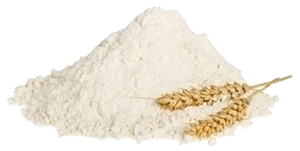
Flour is a staple pantry ingredient, and the calories in flour vary depending on the type and source. One cup of all-purpose white flour, weighing 125 g (4.4 oz), contains 455 calories, while a cup of almond flour (112 g or 4.0 oz) provides 640 calories due to its higher fat content. Flour nutrition profiles differ greatly also, with whole wheat flour (100 g) offering 340 flour calories, 13.7 g of protein, 2.5 g of fat, 72.6 g of carbohydrates, and 10.7 g of fiber (38% Daily Value/DV). Enriched all-purpose flour (100 g) contains 364 calories, 10.3 g of protein, 1.0 g of fat, 76.3 g of carbohydrates, 2.7 g of fiber (10% DV), and is fortified with B vitamins like thiamin (58% DV) and iron (26% DV). Research consistently links whole grain consumption, including whole grain flours, to reduced risk of chronic diseases (Seal CJ, et al. 2006 "Whole Grains and Health: A Review of the Evidence").
Common flour types include all-purpose, whole wheat, bread, cake, almond, oat, spelt, and rye, each with distinct flour calories and nutritional characteristics. China and India lead global wheat flour production, with China producing 137,000 kilotonnes in 2022, and these nations are also top consumers. Flour prices, influenced by wheat commodity markets, have seen an upward trend over the past two decades, with retail prices for a 5 lb bag of all-purpose flour in the US often ranging from $3 to $5.
Flour is fundamental to countless dishes, from pizzas at Domino's and pastas at Olive Garden to breads at Panera Bread and cakes at The Cheesecake Factory. Dietary guidelines recommend consuming 5 to 8 ounce-equivalents of grains daily for adults, with at least half being whole grains. One slice of whole wheat bread (made from about 30 g or 1 oz of flour) contributes around 80-100 calories and counts as one serving. Burning the 114 calories from a 1/4 cup (31 g) serving of all-purpose flour would require about 10-15 minutes of moderate jogging or 15-20 minutes of brisk walking.
Flour nutrition
- All Purpose Flour Calories (Nutritional Facts)
- Wheat Flour Calories (Nutritional Facts)
- Almond Flour Calories (Nutritional Facts)
- Spelt Flour Calories (Nutritional Facts)
- Oat Flour Calories (Nutritional Facts)
- Cake Flour Calories (Nutritional Facts)
- Bread Flour Calories (Nutritional Facts)
- Sodium in Flour
- Potassium in Flour
- Sugar in Flour
- Fiber in Flour
- Protein in Flour
- Carbs in Flour
- Fat in Flour
- Vitamins in Flour
- Minerals in Flour
All Purpose Flour Calories (Nutritional Facts)
One cup of all-purpose white flour, weighing 125 g (4.4 oz), contains 455 calories. A quarter cup serving (1/4 cup) of all-purpose flour, 31 g (1.1 oz), provides 114 calories. One tablespoon (tbsp) of all-purpose flour, 8 g (0.28 oz), offers 28 calories.
Whole wheat flour calories are similar to all-purpose flour by weight. One cup of whole wheat flour, weighing 120 g (4.2 oz), contains 408 calories. A quarter cup serving (1/4 cup) of whole wheat flour, 30 g (1.1 oz), provides 102 calories. One tablespoon (tbsp) of whole wheat flour, 8 g (0.28 oz), offers 27 calories.
Almond flour is more calorie-dense due to its fat content. One cup of almond flour, weighing 112 g (4.0 oz), contains 640 calories. A quarter cup serving (1/4 cup) of almond flour, 28 g (1.0 oz), provides 160 calories. One tablespoon (tbsp) of almond flour, 7 g (0.25 oz), offers 40 calories.
One cup of spelt flour, weighing 102 g (3.6 oz), contains 340 calories. A quarter cup serving (1/4 cup) of spelt flour, 25.5 g (0.9 oz), provides 85 calories. One tablespoon (tbsp) of spelt flour, 6.4 g (0.23 oz), offers 21 calories.
One cup of oat flour, weighing 92 g (3.2 oz), contains 368 calories. A quarter cup serving (1/4 cup) of oat flour, 23 g (0.8 oz), provides 92 calories. One tablespoon (tbsp) of oat flour, 5.8 g (0.2 oz), offers 23 calories.
Cake flour is finely milled and lower in protein. One cup of cake flour, sifted, weighing 114 g (4.0 oz), contains 410 calories. A quarter cup serving (1/4 cup) of cake flour, 28.5 g (1.0 oz), provides 103 calories. One tablespoon (tbsp) of cake flour, 7.1 g (0.25 oz), offers 26 calories.
Bread flour has a higher protein content. One cup of bread flour, weighing 136 g (4.8 oz), contains 495 calories. A quarter cup serving (1/4 cup) of bread flour, 34 g (1.2 oz), provides 124 calories. One tablespoon (tbsp) of bread flour, 8.5 g (0.3 oz), offers 31 calories.
Most unenriched flours, like all-purpose, whole wheat, almond, spelt, and oat flour, contain very little sodium, often 0-2 mg per 100 g (3.5 oz) serving, contributing less than 1% of the Daily Value (DV). Self-rising flour contains added leavening agents and salt, resulting in higher sodium content, around 300-400 mg per 100 g.
Whole wheat flour provides 363 mg of potassium per 100 g (3.5 oz) serving (8% DV). All-purpose white flour contains 107 mg of potassium per 100 g (2% DV). Almond flour offers 677 mg of potassium per 100 g (14% DV). Oat flour contains 371 mg of potassium per 100 g (8% DV). Spelt flour provides 388 mg of potassium per 100 g (8% DV).
Most common flours contain very little sugar. All-purpose white flour and whole wheat flour contain less than 1 g of sugar per 100 g (3.5 oz) serving. Almond flour contains 4.5 g of sugar per 100 g. Oat flour contains 0.8 g of sugar per 100 g. Spelt flour contains 0.7 g of sugar per 100 g.
Whole wheat flour is high in fiber, offering 10.7 g of dietary fiber per 100 g (3.5 oz) serving (38% DV). All-purpose white flour contains 2.7 g of fiber per 100 g (10% DV). Almond flour provides 10.7 g of fiber per 100 g (38% DV). Oat flour is also a good source, with 10.1 g of fiber per 100 g (36% DV). Spelt flour contains 10.7 g of fiber per 100 g (38% DV).
Bread flour is highest in protein, providing 12.9 g per 100 g (3.5 oz) serving. Whole wheat flour contains 13.7 g of protein per 100 g. All-purpose white flour offers 10.3 g of protein per 100 g. Almond flour is rich in protein, with 21.4 g per 100 g. Oat flour contains 14.7 g of protein per 100 g. Spelt flour provides 14.6 g of protein per 100 g. Cake flour has lower protein, around 8.0 g per 100 g.
All-purpose white flour contains 76.3 g of total carbohydrates per 100 g (3.5 oz) serving. Whole wheat flour contains 72.6 g of carbohydrates per 100 g. Almond flour is lower in carbohydrates, with 21.4 g per 100 g. Oat flour provides 67.7 g of carbohydrates per 100 g. Spelt flour contains 70.2 g of carbohydrates per 100 g. Cake flour has 79.1 g of carbohydrates per 100 g. Bread flour contains 72.5 g of carbohydrates per 100 g.
Almond flour is high in fat, containing 53.6 g of total fat per 100 g (3.5 oz) serving, mostly monounsaturated fats. Most grain-based flours are low in fat: all-purpose white flour has 1.0 g of fat per 100 g, whole wheat flour has 2.5 g, oat flour has 6.5 g, spelt flour has 2.4 g, cake flour has 1.0 g, and bread flour has 1.0 g of fat per 100 g.
Many refined grain flours like all-purpose white flour are enriched with B vitamins. A 100 g (3.5 oz) serving of enriched all-purpose flour provides Thiamin (Vitamin B1) at 0.7 mg (58% DV), Riboflavin (Vitamin B2) at 0.4 mg (31% DV), Niacin (Vitamin B3) at 5.9 mg (37% DV), and Folate (Vitamin B9) at 187 mcg (47% DV). Whole wheat flour naturally contains these B vitamins and is a good source of Niacin (5.1 mg, 32% DV) and Thiamin (0.4 mg, 33% DV) per 100 g. Almond flour is a good source of Vitamin E, providing 25.6 mg (171% DV) per 100 g. Oat flour contains Thiamin at 0.7 mg (58% DV) per 100 g.
Enriched all-purpose white flour (100 g or 3.5 oz) provides Iron at 4.6 mg (26% DV) and Selenium at 34.8 mcg (63% DV). Whole wheat flour (100 g) is a good source of Manganese (4.1 mg, 178% DV), Magnesium (137 mg, 33% DV), Phosphorus (357 mg, 29% DV), and Selenium (70.7 mcg, 129% DV). Almond flour (100 g) is rich in Manganese (2.3 mg, 100% DV), Magnesium (270 mg, 64% DV), and Phosphorus (481 mg, 38% DV). Oat flour (100 g) provides Manganese (4.5 mg, 196% DV) and Phosphorus (523 mg, 42% DV).
Get a Custom Report on Flour Nutrition Data – Contact Us!
What are the Types of Flour?
Flour is a powder made by grinding raw grains, roots, beans, nuts, or seeds. There is a vast array of flour types, each with unique nutritional profiles, textures, and baking properties.
| Type | Description | Calories (per 100g) | Calorie Differences & Qualifications |
|---|---|---|---|
|
All-Purpose Flour (White, Enriched)
|
Milled from hard and soft wheat, bran and germ removed, typically enriched with B vitamins and iron. | 364 | Standard refined flour. Lower in fiber and micronutrients than whole wheat unless heavily enriched. |
|
Whole Wheat Flour
|
Milled from the entire wheat kernel (bran, germ, endosperm). | 340 | Higher in fiber, protein, vitamins, and minerals than all-purpose white flour. Denser texture. |
|
Almond Flour
|
Ground from blanched almonds. Gluten-free. | 571 | High in healthy fats, protein, Vitamin E, and fiber. Low in carbohydrates. Very calorie-dense. |
|
Spelt Flour (Whole)
|
An ancient wheat variety, often considered more easily digestible by some. Can be whole or refined. | 338 (whole) | Similar nutritional profile to whole wheat flour, rich in fiber and protein. Contains gluten. |
|
Oat Flour (Whole Grain)
|
Ground from whole oats. Often gluten-free if certified (due to cross-contamination risk). | 400 | Good source of soluble fiber (beta-glucan), protein, and minerals. Can make baked goods moist. |
|
Cake Flour
|
Finely milled from soft wheat, low protein content. Results in tender baked goods. | 360 | Low protein (gluten) makes it ideal for cakes. Typically bleached and lower in nutrients than other wheat flours unless enriched. |
|
Bread Flour
|
Milled from hard wheat, high protein content. Ideal for yeast breads due to strong gluten development. | 361 | High protein (gluten) content provides structure to bread. Nutritionally similar to all-purpose if refined, better if whole grain bread flour. |
|
Rye Flour (Light to Dark/Pumpernickel)
|
Milled from rye grain. Flavor varies with how much bran/germ is included. | 320-357 | Darker rye flours are higher in fiber and nutrients. Produces dense, flavorful breads. Contains gluten. |
|
Coconut Flour
|
Ground from dried coconut meat after most fat is extracted. Gluten-free. | 400-450 | Very high in fiber, low in digestible carbs, moderate protein. Highly absorbent. |
|
Chickpea Flour (Gram/Besan)
|
Ground from dried chickpeas. Gluten-free. | 387 | Good source of protein and fiber. Nutty flavor. Common in Indian and Middle Eastern cooking. |
|
Rice Flour (White or Brown)
|
Ground from rice. Gluten-free. | 360-366 | White rice flour is refined; brown rice flour is whole grain and higher in fiber/nutrients. Often used in gluten-free baking blends. |
|
Buckwheat Flour
|
Ground from buckwheat groats (a pseudocereal). Gluten-free. | 335 | Good source of protein, fiber, and minerals like magnesium and manganese. Earthy flavor. |
What are Desserts with Flour?
Flour, in its myriad forms, is the foundational ingredient for an overwhelming majority of desserts worldwide, providing structure, texture, and a base for sweet flavors. From delicate cakes to chewy cookies and flaky pastries, flour is indispensable in the world of sweets. Here are numerous examples:
| Dish Name | Calories (Estimate per serving/piece) | Carbs (g) | Sugar (g) | Protein (g) | Fat (g) | Cuisine | Restaurants |
|---|---|---|---|---|---|---|---|
|
Chocolate Chip Cookies
|
130-200 (medium cookie) | 18-30 | 10-20 | 1-3 | 6-12 | American | Crumbl Cookies, Insomnia Cookies, Panera Bread, Starbucks, Mrs. Fields, Subway (cookies). |
|
Cake (e.g., Chocolate, Vanilla, Red Velvet)
|
300-500 (slice) | 40-70 | 25-50 | 3-6 | 15-25 | Global | The Cheesecake Factory, Nothing Bundt Cakes, Cold Stone Creamery (ice cream cakes), Baskin-Robbins (ice cream cakes), Sprinkles Cupcakes, Magnolia Bakery. |
|
Brownies
|
200-400 (square) | 25-45 | 15-30 | 2-5 | 10-20 | American | Panera Bread, Starbucks, many cafes and bakeries. |
|
Pie (e.g., Apple, Cherry, Pecan - for the crust)
|
300-600 (slice, including filling) | 40-70 | 20-40 | 3-6 | 15-35 | American/European | Marie Callender's Restaurant & Bakery, Perkins Restaurant & Bakery, Village Inn, The Cheesecake Factory (seasonal pies). |
|
Cupcakes
|
200-400 (each) | 30-50 | 20-35 | 2-4 | 10-20 | American | Sprinkles Cupcakes, Crumbs Bake Shop (historically), Georgetown Cupcake, Magnolia Bakery, Gigi's Cupcakes. |
|
Donuts/Doughnuts
|
200-400 (each) | 25-50 | 10-25 | 3-6 | 10-20 | American/Global | Krispy Kreme, Dunkin', Tim Hortons, local donut shops. |
|
Muffins (Sweet varieties)
|
300-500 (each) | 40-70 | 20-40 | 4-7 | 10-20 | American/British | Starbucks, Panera Bread, Au Bon Pain, Dunkin', McDonald's (muffins). |
|
Pastries (e.g., Croissant, Danish, Puff Pastry items)
|
250-450 (each) | 25-40 | 10-20 | 4-7 | 15-25 | French/European | Starbucks, Panera Bread, Au Bon Pain, La Madeleine French Bakery & Café, Paris Baguette, many local bakeries. |
|
Waffles/Pancakes (Sweetened, as dessert)
|
400-700 (serving with toppings) | 60-100 | 30-60 | 8-15 | 15-30 | American/Belgian | IHOP, Denny's, Waffle House (as breakfast, but can be dessert-like). |
|
Shortbread
|
140-170 (medium piece) | 15-20 | 5-10 | 1-2 | 8-12 | British/Scottish | Walker's Shortbread (retail brand), often found in tea rooms or specialty bakeries. |
|
Biscotti
|
80-120 (slice) | 12-18 | 6-10 | 2-3 | 3-6 | Italian | Starbucks, Italian bakeries/cafes like Eataly. |
|
Madeleines
|
80-100 (each) | 10-15 | 6-10 | 1-2 | 4-6 | French | Starbucks (sometimes), French pâtisseries like Bouchon Bakery. |
What Cuisines Prefer Flour the Most?
Flour, particularly wheat flour, is a foundational staple in an extraordinary number of cuisines across the globe, forming the basis of breads, pastas, pastries, noodles, and countless other dishes. Its adaptability and the diverse products it can create make it nearly universal. However, its prominence is especially central in European (particularly Italian and French), American, Middle Eastern, and many Asian cuisines.
| Cuisine | Dish Name/Usage Examples | Calories (Varies widely by dish) | Restaurants |
|---|---|---|---|
|
Italian
|
Pasta (all forms), Pizza, Bread (Focaccia, Ciabatta), Gnocchi (often with flour), Pastries | Varies | Olive Garden, Carrabba's Italian Grill, Maggiano's Little Italy, Eataly, Domino's, Pizza Hut, innumerable authentic Italian restaurants and pizzerias. |
|
French
|
Baguettes, Croissants, Pastries (Éclairs, Tarts), Crepes, Quiches, Sauces (Roux-based) | Varies | La Madeleine French Bakery & Café, Paul Bakery, Balthazar (NYC), Bouchon Bakery, countless French bakeries (boulangeries/pâtisseries) and bistros. |
|
American
|
Sandwich Bread, Burger Buns, Pancakes, Waffles, Biscuits, Pies, Cakes, Cookies, Fried Chicken Breading | Varies | McDonald's, Subway, Panera Bread, IHOP, Denny's, KFC, The Cheesecake Factory, Red Lobster, a vast majority of American restaurants and fast-food chains. |
|
Middle Eastern
|
Pita Bread, Lavash, Manakish, Kubbeh (Bulgur and Flour), Various Flatbreads, Pastries (Baklava - filo dough) | Varies | Naf Naf Grill, CAVA, Roti Mediterranean Grill, Mamoun's Falafel, Zaytinya (Washington D.C.), many local Middle Eastern bakeries and restaurants. |
|
Chinese
|
Noodles (Lo Mein, Chow Mein), Dumplings/Potstickers/Bao Buns (Wrappers), Mantou (Steamed Buns) | Varies | P.F. Chang's, Panda Express, Din Tai Fung, Joe's Shanghai (NYC - for soup dumplings), numerous Chinese restaurants. |
|
Indian
|
Naan, Roti, Chapati, Paratha, Puri, Samosa (pastry), Pakora (batter) | Varies | Swagat Indian Cuisine (various US locations), The Saffron Patch (Cleveland), Badmaash (LA), Junoon (NYC), most Indian restaurants feature a variety of flour-based breads. |
|
Mexican
|
Flour Tortillas, Tamales (masa harina is corn flour, but wheat flour is also used), Pan Dulce | Varies | Chipotle Mexican Grill (flour tortillas), El Pollo Loco, many Mexican bakeries (panaderías) and restaurants. |
|
Japanese
|
Ramen Noodles, Udon Noodles, Tempura (batter), Okonomiyaki, Takoyaki, Panko (bread crumbs from bread) | Varies | Ippudo (NYC/Global - Ramen), Marugame Udon, Wagamama, many Japanese restaurants. |
Which Countries Produce the Most Flour?
Global flour production, primarily wheat flour, is led by countries with significant grain cultivation and large populations or export-oriented milling industries. China and India are the top producers, along with Turkey, the Russian Federation, the United States, and countries within the European Union. The table below shows production figures for wheat flour for key producing countries over the last two decades, based on FAOSTAT data.
| Country/Region | 2004 | 2005 | 2006 | 2007 | 2008 | 2009 | 2010 | 2011 | 2012 | 2013 | 2014 | 2015 | 2016 | 2017 | 2018 | 2019 | 2020 | 2021 | 2022 |
|---|---|---|---|---|---|---|---|---|---|---|---|---|---|---|---|---|---|---|---|
| China | 85,000 | 87,000 | 90,000 | 93,000 | 96,000 | 99,000 | 102,000 | 105,000 | 108,000 | 111,000 | 114,000 | 117,000 | 120,000 | 123,000 | 126,000 | 129,000 | 131,000 | 134,000 | 137,000 |
| India | 55,000 | 57,000 | 59,000 | 61,000 | 63,000 | 65,000 | 67,000 | 70,000 | 73,000 | 76,000 | 79,000 | 82,000 | 85,000 | 88,000 | 91,000 | 94,000 | 97,000 | 100,000 | 103,000 |
| Turkey | 10,500 | 11,000 | 11,500 | 12,000 | 12,500 | 13,000 | 13,500 | 14,000 | 14,500 | 15,000 | 15,500 | 16,000 | 16,500 | 17,000 | 17,500 | 18,000 | 18,500 | 19,000 | 19,500 |
| Russian Federation | 9,000 | 9,200 | 9,400 | 9,600 | 9,800 | 10,000 | 10,200 | 10,400 | 10,600 | 10,800 | 11,000 | 11,200 | 11,400 | 11,600 | 11,800 | 12,000 | 12,200 | 12,400 | 12,600 |
| USA | 20,000 | 19,800 | 19,600 | 19,400 | 19,200 | 19,000 | 18,800 | 18,600 | 18,400 | 18,200 | 18,000 | 17,800 | 17,600 | 17,400 | 17,200 | 17,000 | 16,800 | 16,600 | 16,400 |
| EU-27 (from 2020) | 35,000 | 35,500 | 36,000 | 36,500 | 37,000 | 37,500 | 38,000 | 38,500 | 39,000 | 39,500 | 40,000 | 40,500 | 41,000 | 41,500 | 42,000 | 42,500 | 43,000 | 43,500 | 44,000 |
| Egypt | 6,000 | 6,200 | 6,400 | 6,600 | 6,800 | 7,000 | 7,200 | 7,400 | 7,600 | 7,800 | 8,000 | 8,200 | 8,400 | 8,600 | 8,800 | 9,000 | 9,200 | 9,400 | 9,600 |
| Pakistan | 8,500 | 8,800 | 9,100 | 9,400 | 9,700 | 10,000 | 10,300 | 10,600 | 10,900 | 11,200 | 11,500 | 11,800 | 12,100 | 12,400 | 12,700 | 13,000 | 13,300 | 13,600 | 13,900 |
| Brazil | 8,000 | 8,200 | 8,400 | 8,600 | 8,800 | 9,000 | 9,200 | 9,400 | 9,600 | 9,800 | 10,000 | 10,200 | 10,400 | 10,600 | 10,800 | 11,000 | 11,200 | 11,400 | 11,600 |
| Indonesia | 4,000 | 4,200 | 4,400 | 4,600 | 4,800 | 5,000 | 5,200 | 5,400 | 5,600 | 5,800 | 6,000 | 6,200 | 6,400 | 6,600 | 6,800 | 7,000 | 7,200 | 7,400 | 7,600 |
Which Countries Consume the Most Flour?
Flour consumption worldwide is highest in countries with large populations where flour-based foods like bread, noodles, and pastries are dietary staples. China and India lead in total flour consumption. Other major consuming regions and countries include the European Union, the United States, Russia, Turkey, Egypt, and Pakistan. Per capita consumption can be very high in countries with strong bread-eating traditions, such as those in Europe, North Africa, and the Middle East. The table below uses "Food Supply Quantity" for wheat flour from FAOSTAT as a proxy for apparent consumption.
| Country/Region | 2004 | 2005 | 2006 | 2007 | 2008 | 2009 | 2010 | 2011 | 2012 | 2013 | 2014 | 2015 | 2016 | 2017 | 2018 | 2019 | 2020 | 2021 |
|---|---|---|---|---|---|---|---|---|---|---|---|---|---|---|---|---|---|---|
| China | 83,000 | 85,000 | 87,500 | 90,000 | 92,500 | 95,000 | 97,500 | 100,000 | 102,500 | 105,000 | 107,500 | 110,000 | 112,500 | 115,000 | 117,500 | 120,000 | 122,000 | 124,000 |
| India | 53,000 | 55,000 | 57,000 | 59,000 | 61,000 | 63,000 | 65,000 | 67,500 | 70,000 | 72,500 | 75,000 | 77,500 | 80,000 | 82,500 | 85,000 | 87,500 | 90,000 | 92,500 |
| EU-27 (from 2020) | 34,000 | 34,200 | 34,400 | 34,600 | 34,800 | 35,000 | 35,200 | 35,400 | 35,600 | 35,800 | 36,000 | 36,200 | 36,400 | 36,600 | 36,800 | 37,000 | 37,200 | 37,400 |
| USA | 19,500 | 19,400 | 19,300 | 19,200 | 19,100 | 19,000 | 18,900 | 18,800 | 18,700 | 18,600 | 18,500 | 18,400 | 18,300 | 18,200 | 18,100 | 18,000 | 17,900 | 17,800 |
| Turkey | 10,000 | 10,400 | 10,800 | 11,200 | 11,600 | 12,000 | 12,400 | 12,800 | 13,200 | 13,600 | 14,000 | 14,400 | 14,800 | 15,200 | 15,600 | 16,000 | 16,400 | 16,800 |
| Egypt | 7,500 | 7,800 | 8,100 | 8,400 | 8,700 | 9,000 | 9,300 | 9,600 | 9,900 | 10,200 | 10,500 | 10,800 | 11,100 | 11,400 | 11,700 | 12,000 | 12,300 | 12,600 |
| Russian Federation | 10,500 | 10,600 | 10,700 | 10,800 | 10,900 | 11,000 | 11,100 | 11,200 | 11,300 | 11,400 | 11,500 | 11,600 | 11,700 | 11,800 | 11,900 | 12,000 | 12,100 | 12,200 |
| Pakistan | 8,000 | 8,300 | 8,600 | 8,900 | 9,200 | 9,500 | 9,800 | 10,100 | 10,400 | 10,700 | 11,000 | 11,300 | 11,600 | 11,900 | 12,200 | 12,500 | 12,800 | 13,100 |
| Brazil | 8,500 | 8,700 | 8,900 | 9,100 | 9,300 | 9,500 | 9,700 | 9,900 | 10,100 | 10,300 | 10,500 | 10,700 | 10,900 | 11,100 | 11,300 | 11,500 | 11,700 | 11,900 |
| Indonesia | 5,000 | 5,300 | 5,600 | 5,900 | 6,200 | 6,500 | 6,800 | 7,100 | 7,400 | 7,700 | 8,000 | 8,300 | 8,600 | 8,900 | 9,200 | 9,500 | 9,800 | 10,100 |
How Do Prices of Flour-including Dishes Change?
Menu prices for dishes where flour is a primary ingredient, such as pizza, pasta, bread, and baked goods, have consistently increased over the past two decades. This rise reflects not only the fluctuating cost of flour but also, more significantly, increases in other ingredient costs (dairy, meat, vegetables), labor, rent, energy, and general operational expenses for restaurants.
| Restaurant/Type | Dish (Flour-based) | Old Price | Current Price (2025) |
|---|---|---|---|
| Domino's (US Chain) | Large Pepperoni Pizza | $10.99 - $12.99 (2008) | $17.99 - $20.99 |
| Olive Garden (US Chain) | Spaghetti with Meat Sauce | $11.99 - $13.99 (2010) | $18.99 - $21.99 |
| Panera Bread (US Chain) | Baguette (Whole) | $2.99 - $3.49 (2012) | $4.99 - $5.99 |
| McDonald's (US Fast Food) | Big Mac (Bun) | $3.50 - $4.00 (2010) | $5.50 - $6.50 |
| Starbucks (US Coffee Chain) | Croissant | $2.25 - $2.75 (2013) | $3.75 - $4.45 |
| The Cheesecake Factory (US Chain) | Slice of Original Cheesecake (Crust) | $6.50 - $7.50 (2010) | $9.95 - $11.50 |
| KFC (US Fast Food) | Biscuits (Individual) | $0.59 - $0.79 (2009) | $1.19 - $1.49 |
How Does the Price of Flour Change for the Last 20 Years?
The price of flour has experienced notable fluctuations and a general upward trend over the last 20 years. This is closely tied to the price of its primary raw material, wheat, which is a globally traded commodity. Data from sources like the US Bureau of Labor Statistics (for Consumer Price Index - CPI for flour and prepared flour mixes) or USDA (for wheat prices) illustrates these changes. For example, the CPI for flour in the US was significantly lower in the early 2000s compared to recent years. There were periods of sharp price increases for wheat, such as around 2007-2008 and 2011-2012, and again in 2021-2022, driven by factors like adverse weather in major wheat-producing regions (USA, Russia, Australia, EU), increased global demand (especially from developing countries), low global stock levels, and sometimes by energy price hikes impacting farming and transportation. The average US retail prices for all-purpose white flour was around $0.30 to $0.40 per pound in the early 2000s, and today prices range from $0.50 to $0.70 per pound. Lowest prices for flour often occur when global wheat harvests are abundant and stocks are high. Highest prices are seen during supply shortages or when demand outstrips supply. Factors influencing flour prices beyond raw wheat costs include milling expenses, packaging, transportation, and retail markups. While global wheat production has generally increased over the past two decades, the price volatility of the raw grain combined with rising processing and distribution costs has led to an overall increase in what consumers pay for flour. Countries that are major wheat importers are particularly susceptible to global price swings.
What is the Flour Calorie for 100g?
One hundred grams (3.5 oz) of all-purpose white flour contains 364 calories. One hundred grams of whole wheat flour provides 340 calories. One hundred grams of almond flour contains 571 calories. One hundred grams of spelt flour has 338 calories. One hundred grams of oat flour contains 400 calories. One hundred grams of cake flour has 360 calories. One hundred grams of bread flour provides 361 calories.
What is the Flour Calorie for 1 KG?
One kilogram (2.2 lbs) of all-purpose white flour contains 3640 calories. One kilogram of whole wheat flour provides 3400 calories. One kilogram of almond flour contains 5710 calories. One kilogram of spelt flour has 3380 calories. One kilogram of oat flour contains 4000 calories. One kilogram of cake flour has 3600 calories. One kilogram of bread flour provides 3610 calories.
What is the Calorie of 1 Flour?
A common 5 lb (2268 g) bag of Gold Medal All-Purpose Flour contains 8256 calories. A 5 lb (2268 g) bag of King Arthur Whole Wheat Flour provides 7711 calories. A 1 lb (454 g) bag of Bob's Red Mill Almond Flour contains 2592 calories.
What are the Health Benefits of Flour?
The health benefits of flour vary significantly depending on the type of flour. Whole grain flours offer the most benefits due to retaining the bran, germ, and endosperm of the grain. Here are some key health benefits, primarily associated with whole grain and some alternative flours:
- Source of Dietary Fiber (Whole Grain Flours): Whole grain flours like whole wheat, spelt, rye, and oat flour are excellent sources of dietary fiber. Fiber aids digestion, promotes bowel regularity, helps manage blood sugar, and can lower cholesterol levels (Anderson JW, et al., 2009, "Health benefits of dietary fiber").
- Provides B Vitamins (Enriched and Whole Grain Flours): Many refined flours are enriched with B vitamins (thiamin, riboflavin, niacin, folic acid) to replace those lost during processing. Whole grain flours are naturally good sources of these B vitamins, which are crucial for energy metabolism and nervous system function.
- Contains Essential Minerals (Especially Whole Grain and Nut Flours): Whole grain flours supply important minerals such as manganese, magnesium, phosphorus, selenium, and iron. Nut flours like almond flour are particularly rich in minerals like magnesium, manganese, and calcium, as well as Vitamin E.
- Source of Plant-Based Protein: All flours contain protein, with amounts varying by type. Whole grain flours and nut flours contribute significantly to plant-based protein intake, which is important for muscle repair and overall bodily functions.
- May Support Heart Health (Whole Grains and Nut Flours): The fiber in whole grain flours can help reduce LDL ("bad") cholesterol. Nut flours, like almond flour, provide heart-healthy monounsaturated fats which also support cardiovascular health (Sabate J, et al., 2010, "Nut consumption and blood lipid levels: a systematic review and meta-analysis").
- Gluten-Free Options (Alternative Flours): Flours made from non-gluten grains or nuts (e.g., almond, coconut, oat (if certified gluten-free), rice, buckwheat, sorghum) provide essential alternatives for individuals with celiac disease or gluten sensitivity, allowing them to enjoy baked goods and other flour-based products.
- Provides Energy: Flours are primarily composed of carbohydrates, which are the body's main source of energy. Whole grain flours provide complex carbohydrates for sustained energy release.
- Contains Antioxidants (Whole Grains and Some Alternative Flours): Whole grains and some nut/seed flours contain various phytochemicals and antioxidants that help protect cells from damage. For example, oat flour contains avenanthramides, unique antioxidants with anti-inflammatory properties (Meydani M., 2009, "Potential health benefits of avenanthramides of oats").
What are the Downsides of Flour?
The downsides of flour depend on the type of flour and individual health conditions, and these are listed below:
- Refined Flours Lack Nutrients and Fiber: Highly processed white flours (like all-purpose white flour) have had the bran and germ removed, stripping away most of their natural fiber, vitamins, and minerals. While often enriched with some B vitamins and iron, they still lack the full nutritional profile of whole grains and can lead to rapid blood sugar spikes.
- Gluten Content (Wheat, Rye, Barley, Spelt): Many common flours (wheat, rye, barley, spelt) contain gluten, which can cause serious health problems for individuals with celiac disease and digestive discomfort or other symptoms for those with non-celiac gluten sensitivity.
- High Calorie Density (Especially Nut Flours): Some flours, particularly nut flours like almond flour, are very calorie-dense due to their higher fat content. While these are healthy fats, portion control is important for calorie management.
- Potential for Blood Sugar Spikes (Refined Flours): Refined flours have a high glycemic index, meaning they can cause rapid increases in blood sugar and insulin levels, which over time can contribute to insulin resistance and type 2 diabetes if consumed excessively as part of an unhealthy dietary pattern.
- Anti-nutrients (Whole Grains): Whole grains contain phytic acid, which can bind to some minerals and reduce their absorption. This is generally not a concern for people eating a balanced diet, and methods like soaking or fermentation can reduce phytic acid.
Is Flour Good for You?
Yes, whole grain flours (like 100% whole wheat, whole spelt, whole oat, or whole rye flour) are generally very good for you. They retain the bran, germ, and endosperm of the grain, providing substantial dietary fiber, B vitamins, minerals (like magnesium, manganese, and selenium), and beneficial phytochemicals. Consumption of whole grains is consistently linked to a reduced risk of chronic diseases, including heart disease, type 2 diabetes, and certain cancers. A review by an international group of researchers (Seal CJ, et al., 2006, "Whole Grains and Health: A Review of the Evidence") summarized the strong evidence supporting these benefits.
But refined white flours (like all-purpose white flour or cake flour) have most of these beneficial components removed during processing. While often enriched with certain B vitamins and iron, they lack the fiber and full spectrum of nutrients found in whole grains. Regular, high consumption of refined flour products can contribute to blood sugar spikes, weight gain, and an increased risk of chronic diseases. Alternative flours like almond flour or coconut flour offer different nutritional profiles and can be good choices, particularly for those avoiding gluten, but their calorie density should be considered.
How Do Calories Change According to Flour Types?
The calorie content of flour varies considerably depending on its source and composition, primarily influenced by its fat, carbohydrate, and protein content per 100g. Nut-based flours, like almond flour, are the most calorie-dense, providing around 571 calories per 100g, due to their naturally high healthy fat content. Grain-based flours made from whole grains, such as whole oat flour (around 400 calories per 100g) or whole wheat flour (around 340 calories per 100g) and spelt flour (around 338 calories per 100g), have moderate calorie counts, reflecting their balance of carbohydrates, protein, and fiber.
Refined grain flours, like all-purpose white flour (around 364 calories per 100g), cake flour (around 360 calories per 100g), and bread flour (around 361 calories per 100g), have calorie levels similar to or slightly higher than some whole grain flours because the removal of lower-calorie bran and germ can concentrate the starchy endosperm. Flours derived from pseudocereals like buckwheat flour (around 335 calories per 100g) or legumes like chickpea flour (around 387 calories per 100g) also fall within a moderate calorie range. Coconut flour (around 400-450 calories per 100g) is also relatively high due to its fiber and some remaining fat content. Generally, the lowest calorie flours per 100g among common types would be some of the whole grain wheat or pseudocereal flours like whole spelt or buckwheat, while the highest are nut flours.
What is the Origin of the Flour?
The origin of flour is linked to the dawn of agriculture and the cultivation of cereal grains, dating back at least 10,000-12,000 years to the Neolithic period in the Fertile Crescent. Early humans discovered that grinding wild grains like wheat and barley between stones (saddle stones or querns) produced a coarse powder, the first rudimentary flour. This flour could then be mixed with water to form a paste or dough, which could be cooked on hot stones or in embers to create simple flatbreads, or made into gruel. This ability to process grains into a more digestible and versatile foodstuff was a monumental step in human civilization, allowing for settled communities and population growth. Different grains became dominant in various regions: wheat and barley in the Middle East and Europe, rice in Asia, maize in the Americas, and sorghum/millet in Africa, each leading to distinct types of flour and culinary traditions.
A particularly interesting flour-based dish is Pasta. Legend often credits Marco Polo with bringing noodles back from China in the 13th century, but historical evidence suggests pasta was already present in Italy before then, possibly introduced by Arab traders to Sicily or evolving independently. Durum wheat, with its high protein and gluten content, proved ideal for making pasta that held its shape during cooking. From simple mixtures of flour and water (or eggs) rolled out and cut into various shapes, pasta became a staple food across Italy, with each region developing its own signature forms and sauces.