Calories in Fish: Nutritional facts for Fish Types
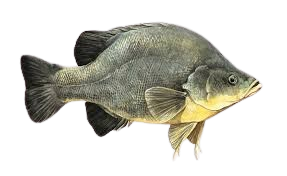
Calories in fish depend on the species and preparation. A 100 gram (3.5 ounce) serving of raw cod has 82 calories. A 100 gram serving of cooked cod has 105 calories. A 100 gram serving of raw salmon contains 142 calories. A 100 gram serving of cooked salmon contains 182 calories. A standard 6 ounce (170g) fillet of cooked salmon provides 310 calories (16% DV). Research confirms the high fish nutritional value from regular consumption for overall health (Mozaffarian & Rimm, 2006). A 100 gram (3.5 ounce) serving of cooked salmon offers 25.4g of protein, 8.1g of fat, 3.05mcg of Vitamin B12 (127% DV), and 46.8mcg of selenium (85% DV). The fish nutrition facts for a 100 gram serving of cooked cod show 22.8g of protein, 0.9g of fat, 1.52mcg of Vitamin B12 (63% DV), and 37.1mcg of selenium (67% DV).
Many fish types exist, including salmon, cod, tuna, halibut, tilapia, and sardines. China, Indonesia, and India are the top producers and consumers of fish globally. Fish prices have increased over the last 20 years. Fresh Atlantic salmon fillets rose from $5.99 per pound in 2006 to over $11.00 per pound in 2025. This change in cost affects the price of fish as food nutrition.
Popular fish dishes include fish and chips, served at restaurants like Gordon Ramsay Fish & Chips, and sushi, a specialty at establishments like Nobu. Fish is an excellent source of omega-3 fatty acids for heart health and high-quality protein for muscle growth. The recommended consumption of fish is two servings per week. A single 6 ounce (170g) serving of salmon contains 310 calories. Burning the fish calories from this meal can be achieved through 30 minutes of jogging or 40 minutes of swimming.
Fish nutrition
- Salmon Calories (Nutritional Facts)
- Cod Calories (Nutritional Facts)
- Flounder Calories (Nutritional Facts)
- Mahi Mahi Calories (Nutritional Facts)
- White Fish Calories (Nutritional Facts)
- Halibut Calories (Nutritional Facts)
- Grouper Calories (Nutritional Facts)
- Tuna Calories (Nutritional Facts)
- Raw Fish Nutrition
- Sodium in Fish
- Potassium in Fish
- Sugar in Fish
- Cholesterol in Fish
- Fiber in Fish
- Protein in Fish
- Carbs in Fish
- Fat in Fish
- Vitamins in Fish
- Minerals in Fish
Salmon Calories (Nutritional Facts)
A 100g (3.5oz) serving of raw wild salmon has 142 calories, 20g of protein, 6.3g of fat, and 0g of carbohydrates. A 100g (3.5oz) serving of cooked wild salmon contains 182 calories, 25.4g of protein, 8.1g of fat, and 0g of carbohydrates. A 100g (3.5oz) serving of cooked farmed salmon contains 206 calories, 22g of protein, 12g of fat, and 0g of carbohydrates. A 100g (3.5oz) grilled or baked wild Atlantic salmon provides 182 calories, 25.4g of protein, 8.1g of fat, and 0g of carbohydrates.
A 100g (3.5oz) serving of raw Atlantic cod has 82 calories, 17.8g of protein, 0.7g of fat, and 0g of carbohydrates. A 100g (3.5oz) serving of cooked Atlantic cod contains 105 calories, 22.8g of protein, 0.9g of fat, and 0g of carbohydrates. A 100g (3.5oz) serving of cooked Pacific cod provides 100 calories, 22.9g of protein, 0.6g of fat, and 0g of carbohydrates.
A 100g (3.5oz) serving of raw flounder contains 91 calories, 18.8g of protein, 1.2g of fat, 0g of carbohydrates, and 0g of fiber. A 100g (3.5oz) serving of cooked flounder that is steamed or poached has 117 calories, 24.2g of protein, 1.5g of fat, and 0g of carbohydrates.
A 100g (3.5oz) serving of raw mahi-mahi contains 85 calories, 18.5g of protein, 0.7g of fat, 0g of carbohydrates, and 75mg of sodium. A 100g (3.5oz) cooked serving of mahi-mahi provides 109 calories, 23.7g of protein, 0.9g of fat, and 0g of carbohydrates.
A 100g (3.5oz) serving of raw whitefish, such as Atlantic cod, contains 82 calories, 17.8g of protein, 0.7g of fat, and 0g of carbohydrates. A 100g (3.5oz) serving of cooked whitefish like cod provides 105 calories, 22.8g of protein, 0.9g of fat, and 0g of carbohydrates.
A 100g (3.5oz) serving of raw Atlantic or Pacific halibut contains 91 calories, 18.6g of protein, 1.3g of fat, and 0g of carbohydrates. A 100g (3.5oz) serving of raw halibut with skin has 116 calories, 20.5g of protein, 2.8g of fat, and 1.8g of carbohydrates. A 100g (3.5oz) serving of cooked halibut provides 111 calories, 22.5g of protein, 1.6g of fat, and 0g of carbohydrates.
A 100g (3.5oz) serving of raw grouper contains 92 calories, 19.4g of protein, 1g of fat, and 0g of carbohydrates. A 100g (3.5oz) serving of cooked grouper has 118 calories, 24.8g of protein, 1.3g of fat, and 0g of carbohydrates.
A 100g (3.5oz) serving of raw yellowfin tuna contains 109 calories, 24.4g of protein, 0.5g of fat, and 0g of carbohydrates. A 100g (3.5oz) serving of cooked yellowfin tuna has 132 calories, 29.1g of protein, 0.6g of fat, and 0g of carbohydrates. A 100g (3.5oz) serving of canned light tuna in water, drained, provides 86 calories, 19.4g of protein, 0.9g of fat, and 0g of carbohydrates.
A 100g (3.5oz) serving of raw wild salmon has 142 calories, 20g of protein, and 6.3g of fat. A 100g (3.5oz) serving of raw cod contains 82 calories, 17.8g of protein, and 0.7g of fat. Raw flounder, in a 100g (3.5oz) serving, has 91 calories, 18.8g of protein, and 1.2g of fat. A 100g (3.5oz) serving of raw mahi-mahi contains 85 calories, 18.5g of protein, and 0.7g of fat. Raw whitefish (cod) provides 82 calories, 17.8g of protein, and 0.7g of fat per 100g (3.5oz). A 100g (3.5oz) serving of raw halibut has 91 calories, 18.6g of protein, and 1.3g of fat. Raw grouper contains 92 calories, 19.4g of protein, and 1g of fat per 100g (3.5oz). A 100g (3.5oz) serving of raw tuna has 109 calories, 24.4g of protein, and 0.5g of fat.
A 100g (3.5oz) serving of raw salmon contains 59mg of sodium (3% DV). A 100g (3.5oz) serving of cooked salmon contains 75mg of sodium (3% DV). Raw cod has 54mg of sodium (2% DV) per 100g (3.5oz), while cooked cod contains 97mg of sodium (4% DV). A 100g (3.5oz) serving of raw flounder contains 81mg of sodium (4% DV), and cooked flounder has 104mg of sodium (5% DV). Raw mahi-mahi has 88mg of sodium (4% DV) per 100g (3.5oz), and cooked mahi-mahi contains 113mg of sodium (5% DV). A 100g (3.5oz) serving of raw whitefish (cod) contains 54mg of sodium (2% DV), and cooked whitefish contains 97mg of sodium (4% DV). Raw halibut contains 68mg of sodium (3% DV) per 100g (3.5oz), while cooked halibut has 87mg of sodium (4% DV). A 100g (3.5oz) serving of raw grouper has 53mg of sodium (2% DV), and cooked grouper contains 68mg of sodium (3% DV). Raw tuna contains 45mg of sodium (2% DV) per 100g (3.5oz), while cooked tuna has 50mg of sodium (2% DV).
A 100g (3.5oz) serving of raw salmon contains 363mg of potassium (8% DV). A 100g (3.5oz) serving of cooked salmon contains 490mg of potassium (10% DV). Raw cod has 413mg of potassium (9% DV) per 100g (3.5oz), and cooked cod has 288mg of potassium (6% DV). A 100g (3.5oz) serving of raw flounder contains 160mg of potassium (3% DV), while cooked flounder has 206mg of potassium (4% DV). Raw mahi-mahi has 417mg of potassium (9% DV) per 100g (3.5oz), and cooked mahi-mahi has 535mg of potassium (11% DV). A 100g (3.5oz) serving of raw whitefish (cod) contains 413mg of potassium (9% DV), and cooked whitefish has 288mg of potassium (6% DV). Raw halibut provides 435mg of potassium (9% DV) per 100g (3.5oz), and cooked halibut provides 557mg of potassium (12% DV). A 100g (3.5oz) serving of raw grouper has 333mg of potassium (7% DV), and cooked grouper has 427mg of potassium (9% DV). Raw tuna contains 441mg of potassium (9% DV) per 100g (3.5oz), and cooked tuna contains 484mg of potassium (10% DV).
A 100g (3.5oz) serving of raw or cooked salmon, cod, flounder, mahi-mahi, white fish, halibut, grouper, and tuna all contain 0g of sugar.
A 100g (3.5oz) serving of raw salmon contains 63mg of cholesterol (21% DV). A 100g (3.5oz) serving of cooked salmon contains 85mg of cholesterol (28% DV). Raw cod has 43mg of cholesterol (14% DV) per 100g (3.5oz), and cooked cod has 60mg of cholesterol (20% DV). A 100g (3.5oz) serving of raw flounder contains 48mg of cholesterol (16% DV), while cooked flounder has 62mg of cholesterol (21% DV). Raw mahi-mahi has 73mg of cholesterol (24% DV) per 100g (3.5oz), and cooked mahi-mahi has 94mg of cholesterol (31% DV). A 100g (3.5oz) serving of raw whitefish (cod) contains 43mg of cholesterol (14% DV), and cooked whitefish has 60mg of cholesterol (20% DV). Raw halibut has 49mg of cholesterol (16% DV) per 100g (3.5oz), and cooked halibut has 63mg of cholesterol (21% DV). A 100g (3.5oz) serving of raw grouper contains 37mg of cholesterol (12% DV), and cooked grouper has 47mg of cholesterol (16% DV). Raw tuna contains 39mg of cholesterol (13% DV) per 100g (3.5oz), and cooked tuna has 49mg of cholesterol (16% DV).
A 100g (3.5oz) serving of raw or cooked salmon, cod, flounder, mahi-mahi, white fish, halibut, grouper, and tuna all contain 0g of fiber.
A 100g (3.5oz) serving of raw salmon contains 20g of protein (40% DV). A 100g (3.5oz) serving of cooked salmon contains 25.4g of protein (51% DV). Raw cod has 17.8g of protein (36% DV) per 100g (3.5oz), and cooked cod has 22.8g of protein (46% DV). A 100g (3.5oz) serving of raw flounder provides 18.8g of protein (38% DV), while cooked flounder provides 24.2g of protein (48% DV). Raw mahi-mahi contains 18.5g of protein (37% DV) per 100g (3.5oz), and cooked mahi-mahi has 23.7g of protein (47% DV). A 100g (3.5oz) serving of raw whitefish (cod) has 17.8g of protein (36% DV), and cooked whitefish has 22.8g of protein (46% DV). Raw halibut provides 18.6g of protein (37% DV) per 100g (3.5oz), and cooked halibut provides 22.5g of protein (45% DV). A 100g (3.5oz) serving of raw grouper contains 19.4g of protein (39% DV), and cooked grouper has 24.8g of protein (50% DV). Raw tuna has 24.4g of protein (49% DV) per 100g (3.5oz), and cooked tuna has 29.1g of protein (58% DV).
A 100g (3.5oz) serving of raw or cooked salmon, cod, flounder, mahi-mahi, white fish, halibut, grouper, and tuna all contain 0g of carbohydrates.
A 100g (3.5oz) serving of raw salmon contains 6.3g of fat. A 100g (3.5oz) serving of cooked salmon contains 8.1g of fat. Raw cod has 0.7g of fat per 100g (3.5oz), and cooked cod has 0.9g of fat. A 100g (3.5oz) serving of raw flounder provides 1.2g of fat, while cooked flounder provides 1.5g of fat. Raw mahi-mahi has 0.7g of fat per 100g (3.5oz), and cooked mahi-mahi has 0.9g of fat. A 100g (3.5oz) serving of raw whitefish (cod) contains 0.7g of fat, and cooked whitefish contains 0.9g of fat. Raw halibut has 1.3g of fat per 100g (3.5oz), and cooked halibut has 1.6g of fat. A 100g (3.5oz) serving of raw grouper contains 1g of fat, and cooked grouper has 1.3g of fat. Raw tuna has 0.5g of fat per 100g (3.5oz), and cooked tuna has 0.6g of fat.
A 100g (3.5oz) serving of raw salmon provides 22.4mcg of Vitamin D (112% DV), 3.23mcg of Vitamin B12 (135% DV), 7.8mg of Niacin (49% DV), and 0.63mg of Vitamin B6 (37% DV). A 100g (3.5oz) serving of cooked salmon provides 28.4mcg of Vitamin D (142% DV), 3.05mcg of Vitamin B12 (127% DV), 10.4mg of Niacin (65% DV), and 0.81mg of Vitamin B6 (48% DV). A 100g (3.5oz) serving of raw cod contains 0.91mcg of Vitamin B12 (38% DV), 0.25mg of Vitamin B6 (15% DV), and 2.06mg of Niacin (13% DV). A 100g (3.5oz) serving of cooked cod contains 1.52mcg of Vitamin B12 (63% DV), 2.75mg of Niacin (17% DV), and 2.2mcg of Vitamin D (11% DV). A 100g (3.5oz) serving of raw flounder provides 1.1mcg of Vitamin B12 (46% DV) and 7.0mcg of Vitamin D (35% DV). A 100g (3.5oz) serving of cooked flounder provides 1.2mcg of Vitamin B12 (50% DV), 9.0mcg of Vitamin D (45% DV), and 2.6mg of Niacin (16% DV). A 100g (3.5oz) serving of raw mahi-mahi contains 6.5mg of Niacin (41% DV), 0.4mg of Vitamin B6 (24% DV), and 0.6mcg of Vitamin B12 (25% DV). A 100g (3.5oz) serving of cooked mahi-mahi contains 8.4mg of Niacin (53% DV), 0.47mg of Vitamin B6 (28% DV), and 0.7mcg of Vitamin B12 (29% DV). A 100g (3.5oz) serving of raw whitefish (cod) contains 0.91mcg of Vitamin B12 (38% DV), 0.25mg of Vitamin B6 (15% DV), and 2.06mg of Niacin (13% DV). A 100g (3.5oz) serving of cooked whitefish (cod) contains 1.52mcg of Vitamin B12 (63% DV), 2.75mg of Niacin (17% DV), and 2.2mcg of Vitamin D (11% DV). A 100g (3.5oz) serving of raw halibut provides 9.5mcg of Vitamin D (48% DV), 1.1mcg of Vitamin B12 (46% DV), 6.5mg of Niacin (41% DV), and 0.55mg of Vitamin B6 (32% DV). A 100g (3.5oz) serving of cooked halibut provides 12.2mcg of Vitamin D (61% DV), 8.3mg of Niacin (52% DV), and 1.1mcg of Vitamin B12 (46% DV). A 100g (3.5oz) serving of raw grouper contains 0.6mcg of Vitamin B12 (25% DV) and 0.3mg of Vitamin B6 (18% DV). A 100g (3.5oz) serving of cooked grouper contains 0.8mcg of Vitamin B12 (33% DV) and 0.4mg of Vitamin B6 (24% DV). A 100g (3.5oz) serving of raw tuna provides 18.5mg of Niacin (116% DV), 2.2mcg of Vitamin B12 (92% DV), 0.9mg of Vitamin B6 (53% DV), and 450mcg of Vitamin A (50% DV). A 100g (3.5oz) serving of cooked tuna provides 22.1mg of Niacin (138% DV), 2.8mcg of Vitamin B12 (117% DV), and 1.0mg of Vitamin B6 (59% DV).
A 100g (3.5oz) serving of raw salmon provides 36.5mcg of selenium (66% DV), 200mg of phosphorus (16% DV), and 490mg of potassium (10% DV). A 100g (3.5oz) serving of cooked salmon provides 46.8mcg of selenium (85% DV), 350mg of phosphorus (28% DV), and 490mg of potassium (10% DV). A 100g (3.5oz) serving of raw cod contains 33.1mcg of selenium (60% DV), 203mg of phosphorus (16% DV), and 413mg of potassium (9% DV). A 100g (3.5oz) serving of cooked cod contains 37.1mcg of selenium (67% DV), 288mg of phosphorus (23% DV), and 288mg of potassium (6% DV). A 100g (3.5oz) serving of raw flounder provides 28.2mcg of selenium (51% DV) and 190mg of phosphorus (15% DV). A 100g (3.5oz) serving of cooked flounder provides 35.3mcg of selenium (64% DV) and 244mg of phosphorus (20% DV). A 100g (3.5oz) serving of raw mahi-mahi contains 36.5mcg of selenium (66% DV), 417mg of potassium (9% DV), and 205mg of phosphorus (16% DV). A 100g (3.5oz) serving of cooked mahi-mahi contains 46.8mcg of selenium (85% DV), 535mg of potassium (11% DV), and 263mg of phosphorus (21% DV). A 100g (3.5oz) serving of raw whitefish (cod) contains 33.1mcg of selenium (60% DV), 203mg of phosphorus (16% DV), and 413mg of potassium (9% DV). A 100g (3.5oz) serving of cooked whitefish (cod) contains 37.1mcg of selenium (67% DV), 288mg of phosphorus (23% DV), and 288mg of potassium (6% DV). A 100g (3.5oz) serving of raw halibut provides 45.6mcg of selenium (83% DV), 236mg of phosphorus (19% DV), and 435mg of potassium (9% DV). A 100g (3.5oz) serving of cooked halibut provides 55.7mcg of selenium (101% DV), 290mg of phosphorus (23% DV), and 557mg of potassium (12% DV). A 100g (3.5oz) serving of raw grouper contains 36.5mcg of selenium (66% DV), 198mg of phosphorus (16% DV), and 333mg of potassium (7% DV). A 100g (3.5oz) serving of cooked grouper contains 46.8mcg of selenium (85% DV), 254mg of phosphorus (20% DV), and 427mg of potassium (9% DV). A 100g (3.5oz) serving of raw tuna provides 90.6mcg of selenium (165% DV), 278mg of phosphorus (22% DV), and 441mg of potassium (9% DV). A 100g (3.5oz) serving of cooked tuna provides 108.2mcg of selenium (197% DV), 333mg of phosphorus (27% DV), and 484mg of potassium (10% DV).
Get a Custom Report on Fish Nutrition Data – Contact Us!
What are the Types of Fish?
The types of fish include salmon, cod, tuna, tilapia, haddock, pollock, and sardines. The aquatic world offers a vast array of fish types, each with unique characteristics in terms of flavor, texture, and nutritional content. The table below describes some of the most widely consumed fish:
| Type | Description | Calories (per 100g cooked) | Calorie Qualifications |
|---|---|---|---|
|
Salmon
|
Oily, pink-fleshed fish, rich in omega-3 fatty acids. | 206 | High calorie content due to high fat, making it very nutrient-dense. |
|
Cod
|
Lean, white, mild-flavored fish with flaky texture. | 105 | Low calorie content due to very low fat. Most calories come from protein. |
|
Tuna
|
Meaty fish ranging from light pink to deep red. Can be lean or fatty. | 132 (Yellowfin) | Calorie content varies by species. Leaner species like Yellowfin are low in calories, while fattier Bluefin is higher. |
|
Tilapia
|
Mild, white-fleshed freshwater fish. Very lean. | 128 | Low calorie content due to low fat. A popular and affordable lean protein source. |
|
Haddock
|
Mildly sweet, white-fleshed fish, slightly firmer than cod. | 90 | Very low calorie content, similar to cod. An excellent lean protein choice. |
|
Pollock
|
Mild, white fish, commonly used for fish sticks and imitation crab. | 92 | Very low calorie content due to being extremely lean. |
|
Sardines
|
Small, oily fish, often canned. Strong flavor and rich in nutrients. | 208 | High calorie content for its size, due to being an oily fish packed with healthy fats. |
What are the Desserts with Fish?
Desserts incorporating fish are uncommon in most culinary traditions, but a few unique dishes exist, often as savory-leaning or novelty items. The table below outlines some examples:
| Dish Name | Calories (Estimate) | Type of Fish | Carbs (g) | Sugar (g) | Protein (g) | Fat (g) | Cuisine | Restaurants |
|---|---|---|---|---|---|---|---|---|
|
Candied Smoked Salmon
|
150-250 (per serving) | Salmon | 15-25 | 15-25 | 10-15 | 5-10 | American (Pacific NW) | Russ & Daughters (NYC) |
|
Fish Gelatin (Aspic)
|
100-200 (per serving) | Various white fish | 1-5 | 0-2 | 15-25 | 2-8 | European | The Russian Tea Room (NYC) |
|
Tuna Ice Cream
|
250-400 (per scoop) | Tuna (canned) | 20-35 | 18-30 | 8-15 | 12-25 | Novelty/Fusion | Coromoto (Venezuela, historical), OddFellows Ice Cream Co. (NYC, occasional special) |
What are the Main Dishes with Fish?
Fish is a staple protein in numerous main courses across the globe, prepared in countless ways. The table below details some prominent fish dishes:
| Dish Name | Calories | Type of Fish | Carbs (g) | Sugar (g) | Protein (g) | Fat (g) | Cuisine | Restaurants |
|---|---|---|---|---|---|---|---|---|
|
Fish and Chips
|
800-1200 | Cod, Haddock | 70-100 | 2-5 | 30-50 | 40-70 | British | A Salt & Battery (NYC), Gordon Ramsay Fish & Chips (Las Vegas) |
|
Grilled Salmon
|
400-600 | Salmon | 0-10 | 0-2 | 40-50 | 20-35 | American/European | The Capital Grille, Seasons 52 |
|
Fish Tacos
|
250-450 (per taco) | Mahi-Mahi, Cod, Tilapia | 20-35 | 1-4 | 15-25 | 10-20 | Mexican/Californian | Rubio's Coastal Grill, Wahoo's Fish Taco |
|
Sushi/Sashimi
|
40-80 (per piece) | Tuna, Salmon, Halibut | 5-10 | 0-1 | 3-6 | 1-5 | Japanese | Nobu, SUGARFISH by sushi nozawa |
|
Blackened Redfish
|
500-700 | Redfish, Snapper | 5-15 | 1-3 | 40-60 | 30-50 | Cajun/Creole | Commander's Palace (New Orleans) |
|
Cioppino
|
600-900 | Cod, Halibut, Shellfish | 20-40 | 10-15 | 50-70 | 25-40 | Italian-American | Sotto Mare (San Francisco), Tadich Grill (San Francisco) |
|
Pan-Seared Scallops
|
300-500 | Scallops (Mollusk) | 5-15 | 1-3 | 20-30 | 15-25 | French/American | Le Bernardin (NYC) |
|
New England Clam Chowder
|
300-500 (per bowl) | Clams (Mollusk) | 20-35 | 3-7 | 10-15 | 15-25 | American (New England) | Legal Sea Foods, Pike Place Chowder (Seattle) |
What Cuisines Prefer Fish the Most?
Fish and seafood are fundamental components of many global culinary traditions, especially those in coastal regions. The table below highlights cuisines where fish is a celebrated staple:
| Cuisine | Dish | Types of Fish | Calories (Estimate) | Restaurant(s) |
|---|---|---|---|---|
|
Japanese
|
Sushi & Sashimi | Tuna, Salmon, Mackerel, Eel | 40-80 (per piece) | Nobu, Katsuya, SUGARFISH |
|
Mediterranean
|
Grilled Whole Fish (Branzino) | Branzino, Sea Bream, Snapper | 400-600 | Estiatorio Milos (various locations), Avra Estiatorio (various locations) |
|
Scandinavian
|
Gravlax | Salmon | 150-250 (per serving) | Aquavit (NYC), Scandinavian restaurants |
|
Peruvian
|
Ceviche | Sea Bass, Halibut, Flounder | 200-400 (per serving) | La Mar Cebicheria Peruana (San Francisco, Miami) |
|
Portuguese
|
Bacalhau à Brás | Salt Cod | 500-700 | Seabra's Marisqueira (Newark, NJ) |
|
Thai
|
Pla Rad Prik (Fried Fish with Chili Sauce) | Snapper, Tilapia, Pompano | 600-900 | Jitlada (Los Angeles), Ayada Thai (NYC) |
|
Caribbean
|
Escovitch Fish | Snapper, Kingfish | 500-800 | Miss Lily's (NYC), Golden Krust |
Which Countries Produce the Most Fish?
The top producers of fish, combining both capture fisheries and aquaculture, are China, Indonesia, India, and Vietnam. The table below shows the total fish production for the leading countries over the past two decades.
| Country | 2004 | 2005 | 2006 | 2007 | 2008 | 2009 | 2010 | 2011 | 2012 | 2013 | 2014 | 2015 | 2016 | 2017 | 2018 | 2019 | 2020 | 2021 | 2022 |
|---|---|---|---|---|---|---|---|---|---|---|---|---|---|---|---|---|---|---|---|
| China | 49027 | 51535 | 53733 | 56149 | 58863 | 60474 | 62168 | 64615 | 67478 | 70473 | 73721 | 76159 | 79368 | 81559 | 81775 | 83364 | 84391 | 85473 | 86244 |
| Indonesia | 6019 | 6328 | 7414 | 8604 | 9816 | 10836 | 12279 | 13984 | 15417 | 19681 | 20835 | 22314 | 23198 | 23421 | 23896 | 24118 | 23164 | 22671 | 22011 |
| India | 6202 | 6578 | 6869 | 7129 | 7616 | 7854 | 8292 | 8689 | 9040 | 9579 | 10263 | 10762 | 11394 | 12121 | 13095 | 14164 | 14732 | 16243 | 17545 |
| Vietnam | 2859 | 3127 | 3466 | 3934 | 4586 | 4851 | 5141 | 5576 | 5922 | 6231 | 6549 | 6927 | 7285 | 7743 | 8154 | 8601 | 8402 | 8729 | 9062 |
| Peru | 9631 | 9389 | 7198 | 7015 | 7356 | 5987 | 8425 | 8234 | 6843 | 5796 | 7432 | 4012 | 6942 | 5293 | 7794 | 3859 | 5531 | 6721 | 7983 |
| Russia | 3251 | 3328 | 3335 | 3412 | 3671 | 3952 | 4123 | 4256 | 4312 | 4487 | 4569 | 4783 | 4951 | 5078 | 5123 | 5387 | 5492 | 5421 | 5364 |
| USA | 5463 | 5361 | 5218 | 5378 | 5011 | 4987 | 5278 | 5342 | 5511 | 5413 | 5476 | 5032 | 5231 | 5312 | 5598 | 5562 | 4731 | 4987 | 5123 |
| Japan | 5312 | 5201 | 4978 | 4899 | 4598 | 4312 | 4762 | 4714 | 4863 | 4697 | 4778 | 4649 | 4361 | 4304 | 4419 | 4197 | 3929 | 3857 | 3912 |
Which Countries Consume the Most Fish?
The top consumers of fish are China, Indonesia, and India, reflecting large populations and high production levels. The table below shows the total apparent consumption of fish for these leading nations.
| Country | 2004 | 2005 | 2006 | 2007 | 2008 | 2009 | 2010 | 2011 | 2012 | 2013 | 2014 | 2015 | 2016 | 2017 | 2018 | 2019 | 2020 |
|---|---|---|---|---|---|---|---|---|---|---|---|---|---|---|---|---|---|
| China | 33129 | 35281 | 37123 | 39452 | 41892 | 42981 | 45123 | 48321 | 51231 | 54123 | 57321 | 59832 | 62134 | 65012 | 67321 | 68321 | 68912 |
| Indonesia | 5123 | 5432 | 6123 | 6891 | 7812 | 8912 | 9812 | 10923 | 11982 | 14892 | 15982 | 17123 | 18012 | 18321 | 18912 | 19213 | 19012 |
| India | 5321 | 5612 | 5982 | 6123 | 6512 | 6712 | 7012 | 7512 | 7912 | 8321 | 8912 | 9412 | 10123 | 10812 | 11512 | 12312 | 13012 |
| USA | 6812 | 6912 | 7012 | 7123 | 7012 | 6912 | 7123 | 7213 | 7312 | 7213 | 7312 | 7112 | 7213 | 7312 | 7412 | 7451 | 7321 |
| Japan | 8512 | 8412 | 8213 | 8012 | 7812 | 7512 | 7312 | 7112 | 6912 | 6712 | 6512 | 6312 | 6112 | 5912 | 5812 | 5712 | 5612 |
| Vietnam | 2123 | 2412 | 2812 | 3213 | 3812 | 4123 | 4412 | 4812 | 5123 | 5412 | 5712 | 6012 | 6312 | 6612 | 6912 | 7213 | 7112 |
| Russia | 2812 | 2912 | 3012 | 3123 | 3213 | 3312 | 3412 | 3512 | 3612 | 3712 | 3812 | 3912 | 4012 | 4123 | 4151 | 4182 | 4213 |
How Do Prices of Fish-including Dishes Change?
The rising cost of raw fish has directly impacted menu prices at restaurants for fish-inclusive dishes over the past two decades. The following table shows a price comparison for popular fish dishes at well-known U.S. restaurants.
| Restaurant | Dish | Old Price | Current Price (2025) |
|---|---|---|---|
| Legal Sea Foods | New England Clam Chowder (Bowl) | $5.95 (2006) | $9.00 - $11.00 |
| The Capital Grille | Pan-Seared Salmon with Asparagus | $28.00 (2008) | $40.00 - $49.00 |
| Nobu | Black Cod with Miso | $20.00 (2005) | $42.00 - $49 |
| Rubio's Coastal Grill | The Original Fish Taco | $1.99 (2009) | $4.99 - $5.29 |
| Red Lobster | Ultimate Feast® | $22.99 (2007) | $36.99 - $41.99 |
| McCormick & Schmick's | Seared Georges Bank Scallops | $24.50 (2009) | $48.50 - $54.05 |
How Does the Price of Fish Change for the Last 20 Years?
The price of fish has increased, influenced by rising demand, higher operational costs, and supply chain dynamics. Data from the U.S. Bureau of Labor Statistics shows the Consumer Price Index for fish and seafood rose from 194.2 in January 2005 to 348.5 by early 2025, an increase of nearly 80%. For specific types, fresh Atlantic salmon fillets that sold for $5.99 per pound in 2006 now average over $11.00 per pound. Cod fillets have climbed from a price of $4.50 per pound in the mid-2000s to over $9.00 per pound in recent years. The lowest prices for fish were seen in the early 2000s. A sharp increase in prices occurred in 2022, driven by high fuel costs for fishing fleets and elevated feed costs for aquaculture. The growth in global consumption, particularly in China and other Asian nations, has put continuous pressure on supply, keeping prices high despite record production. Countries that are major importers, such as Japan and the United States, face some of the highest consumer prices. Prices remain lower in top producing countries with high local supply, such as Indonesia and Vietnam.
What is the Fish Calorie for 100 Grams?
A 100g serving of raw salmon contains 142 calories, and cooked salmon contains 182 calories. A 100g serving of raw cod has 82 calories, and cooked cod has 105 calories. Raw flounder contains 91 calories per 100g, and cooked flounder contains 117 calories. A 100g serving of raw mahi-mahi has 85 calories, and cooked mahi-mahi has 109 calories. Raw whitefish (cod) contains 82 calories per 100g, and cooked whitefish has 105 calories. A 100g serving of raw halibut has 91 calories, and cooked halibut has 111 calories. Raw grouper contains 92 calories per 100g, and cooked grouper has 118 calories. A 100g serving of raw tuna has 109 calories, and cooked tuna has 132 calories.
What is the Fish Calorie for 1 KG?
One kilogram of raw salmon contains 1420 calories, and one kilogram of cooked salmon contains 1820 calories. One kilogram of raw cod has 820 calories, and one kilogram of cooked cod has 1050 calories. One kilogram of raw flounder contains 910 calories, and one kilogram of cooked flounder contains 1170 calories. One kilogram of raw mahi-mahi has 850 calories, and one kilogram of cooked mahi-mahi has 1090 calories. One kilogram of raw whitefish (cod) contains 820 calories, and one kilogram of cooked whitefish has 1050 calories. One kilogram of raw halibut has 910 calories, and one kilogram of cooked halibut has 1110 calories. One kilogram of raw grouper contains 920 calories, and one kilogram of cooked grouper has 1180 calories. One kilogram of raw tuna has 1090 calories, and one kilogram of cooked tuna has 1320 calories.
What is the Calorie of 1 Fried Fish?
A 100g (3.5oz) serving of raw cod contains 82 calories, while a 100g serving of battered and fried cod contains 254 calories. A 100g serving of raw flounder contains 91 calories, while a 100g serving of battered and fried flounder contains 234 calories. A 100g serving of raw salmon contains 142 calories, while a 100g serving of pan-fried salmon contains 284 calories. A 100g serving of raw mahi-mahi contains 85 calories, while a 100g serving of battered and fried mahi-mahi contains 237 calories. A 100g serving of raw white fish, such as cod, contains 82 calories, while a 100g serving of battered and fried white fish contains 254 calories. A 100g serving of raw halibut contains 91 calories, while a 100g serving of battered and fried halibut contains 240 calories. A 100g serving of raw grouper contains 92 calories, while a 100g serving of battered and fried grouper contains 250 calories. A 100g serving of raw tuna contains 109 calories, while a 100g serving of battered and fried tuna contains 260 calories.
What are the Health Benefits of Fish?
The regular inclusion of fish in a diet is associated with significant health improvements, supported by extensive scientific evidence. The key health benefits are detailed below:
- Supports Heart Health: Fish, especially fatty fish, is a major source of omega-3 fatty acids, which are essential for cardiovascular health. These fats help reduce inflammation, lower blood pressure, decrease triglycerides, and reduce the risk of heart attacks and strokes. A study by Mozaffarian and Rimm, 2006, "Fish Intake, Contaminants, and Human Health: Evaluating the Risks and the Benefits," concluded that the benefits of modest fish consumption for heart health outweigh the potential risks.
- Enhances Brain Function: The omega-3 fatty acid DHA (docosahexaenoic acid) is a primary structural component of the brain and retina. Adequate intake is linked to improved cognitive function, memory, and a lower risk of age-related mental decline, including dementia and Alzheimer's disease. A study by Lauritzen et al., 2016, "The Essentiality of Long-Chain Omega-3 Fatty Acids in Relation to Development and Health," reviewed the critical role of DHA in brain development and function throughout the lifespan.
- Reduces Inflammation: Chronic inflammation is a root cause of many diseases. The omega-3 fatty acids found in fish, EPA (eicosapentaenoic acid) and DHA, have potent anti-inflammatory properties that can help manage and reduce the symptoms of inflammatory conditions like arthritis. A study by Calder, P.C., 2015, "Marine omega-3 fatty acids and inflammatory processes: Effects, mechanisms and clinical relevance," detailed the mechanisms by which these fatty acids resolve inflammation in the body.
- Source of High-Quality Protein and Nutrients: Fish provides high-quality, easily digestible protein necessary for building and repairing tissues and making enzymes and hormones. Fish is also rich in essential micronutrients that are not widely available in other foods, such as vitamin D, vitamin B12, and the mineral selenium. A publication by the U.S. Department of Agriculture, "USDA National Nutrient Database for Standard Reference," provides comprehensive data showing the rich nutrient profile of different fish species.
What are the Downsides of Fish?
Despite the nutritional value of fish, there are important considerations regarding contaminants and environmental impact. These potential adverse aspects are outlined below:
- Mercury Contamination: Some larger, predatory fish that have long lifespans can accumulate high levels of methylmercury, a neurotoxin. High exposure can be particularly harmful to the nervous system of unborn babies and young children. A study by the U.S. Environmental Protection Agency (EPA) and Food and Drug Administration (FDA), 2017, "Advice about Eating Fish," provides guidelines on fish consumption to limit mercury exposure. An alternative is to consume smaller, non-predatory fish like sardines, salmon, and tilapia. The suggested daily amount for most people equates to about two servings of low-mercury fish per week.
- Environmental Contaminants: Besides mercury, some fish can contain other pollutants like polychlorinated biphenyls (PCBs) and dioxins from contaminated waters. These industrial chemicals can build up in the fatty tissues of fish and may pose health risks over time. A study by Foran et al., 2005, "Risk-Based Consumption Advice for Farmed Atlantic and Wild Pacific Salmon," analyzed contaminant levels in salmon and discussed the associated health implications. An alternative is to choose wild-caught fish from less polluted waters or farmed fish raised in controlled environments with strict contaminant testing. Adhering to the suggested weekly consumption guidelines helps minimize exposure.
- Sustainability and Overfishing: The high demand for certain fish species has led to overfishing, which depletes fish stocks and damages marine ecosystems. Unsustainable fishing practices can have long-term consequences for ocean health and food security. A report by the Food and Agriculture Organization of the United Nations (FAO), 2022, "The State of World Fisheries and Aquaculture," documents the status of global fish stocks, showing that a substantial percentage are fished at biologically unsustainable levels. An alternative is to choose seafood that is certified as sustainable by organizations like the Marine Stewardship Council (MSC).
Is Fish Good for You?
Yes, fish is good for health because its unique nutritional profile supports whole-body wellness. For heart health, the omega-3 fatty acids abundant in fish lower the risk of cardiovascular events. A study by Kris-Etherton, Harris, and Appel, 2002, titled "Fish Consumption, Fish Oil, Omega-3 Fatty Acids, and Cardiovascular Disease," affirmed that omega-3s from fish have a cardioprotective effect. For brain health, the high concentration of DHA in fatty fish is crucial for maintaining cognitive function and preventing neurological decline. A review by Swanson, Block, and Mousa, 2012, "Omega-3 Fatty Acids EPA and DHA: Health Benefits Throughout Life," detailed how these fatty acids are integral to brain structure and performance. Fish consumption also promotes liver health by reducing fat accumulation, a key factor in non-alcoholic fatty liver disease. A study by He et al., 2015, "Association of Fish and Long-Chain Omega-3 Fatty Acid Intake with Reduced Risk of Cholelithiasis in Women," found a link between fish intake and a healthier liver and gallbladder function. The high-quality protein in fish also supports digestive health by being easily digestible and providing essential amino acids for gut tissue repair.
How Do Calories Change According to Fish Types?
The calorie content in fish changes based on the amount of fat in the fish's tissues. Oily fish have a higher fat content and, consequently, a higher calorie count compared to lean fish. The fish with the highest calorie counts are oily species like salmon, which has 206 calories per 100g cooked, and sardines, with 208 calories per 100g. The fish with the lowest calorie counts are lean, white-fleshed species whose calories come almost entirely from protein. Haddock is one of the lowest at 90 calories per 100g, followed closely by pollock at 92 calories and cod at 105 calories.
What are the Lowest-Calorie Fish?
The lowest calorie fish are lean species with white flesh and very low fat content. These fish are excellent sources of high-quality protein without the extra calories from fat. The lowest calorie seafood options are ideal for weight management and lean muscle development.
- Haddock: A member of the cod family, haddock is a mild, slightly sweet white fish. With only 90 calories per 100g cooked serving, it is one of the leanest choices available.
- Pollock: This mild, versatile white fish is extremely lean. A 100g cooked serving of pollock contains just 92 calories, making it another top choice for a low-calorie protein.
- Cod: A popular white fish known for its flaky texture and mild flavor. Cod is a classic lowest calorie fish, containing 105 calories per 100g cooked serving.
- Sole/Flounder: These are flatfish with a delicate, mild taste. A 100g cooked serving of flounder contains 117 calories, placing it firmly in the category of low-calorie seafood.
These fish are the lowest in calories because they store oils in their liver, unlike fatty fish like salmon or mackerel that store fat throughout their flesh. This biological difference results in fillets that are almost pure protein, making them the lowest calorie fish available.
What is the Origin of Fish?
The consumption of fish dates back to the earliest periods of human history, representing one of the first wild food sources for hominins. Archaeological evidence, such as fish bones found at sites nearly 2 million years old, confirms that fish were part of the diet of early humans long before the development of agriculture. The invention of specialized tools like hooks made from bone and shell, nets woven from plant fibers, and harpoons marked a significant advancement in fishing technology, allowing for more reliable and abundant catches. This development was crucial for the survival and expansion of coastal and riverside populations worldwide. The history of specific fish dishes is tied to the need for preservation before refrigeration. Salting and drying were among the earliest methods, giving rise to staples like salt cod (bacalhau), a food that fueled European exploration from the Viking age through the 15th century due to its long shelf life. Fermentation was another ancient preservation technique, leading to products like garum in the Roman Empire and the fermented fish dishes still found in Scandinavian and Southeast Asian cuisines. Grilling fish over an open fire is perhaps the oldest cooking method, while more complex dishes like the British fish and chips emerged much later, in the 19th century, as trawl fishing made cheap fish widely available to the urban working class.