Calories in Fig: Nutritional facts for Fig Types
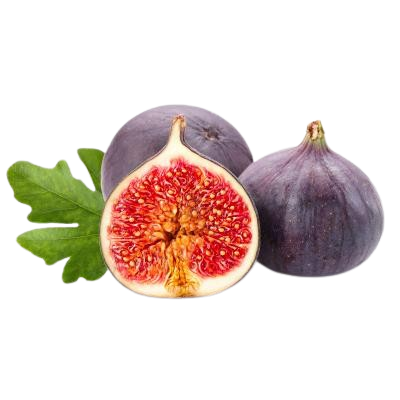
Calories in fig depend on whether the fig is fresh or dried. One medium fresh fig (50 grams or 1.8 ounces) contains 37 calories, while a single dried fig (21 grams or 0.7 ounces) provides 52 calories. A 100 gram (3.5 ounce) serving of fresh figs has 74 calories, 19.2 grams carbohydrates, 16.3 grams sugar, 2.9 grams fiber (10% Daily Value, DV), and 0.8 grams protein. Dried figs are much more concentrated, with 100 grams providing 249 calories, 63.9 grams carbohydrates, 47.9 grams sugar, 9.8 grams fiber (35% DV), and 3.3 grams protein. Figs are a good source of minerals like potassium, calcium, magnesium, and copper, and contain antioxidants. Research suggests the high fiber content in figs aids digestive health and helps manage constipation (Oh HK, Lee JY., 2011, "Effects of Ficus carica paste on constipation induced by a low-fibre diet in rats").
Common fig types include Black Mission, Brown Turkey, Calimyrna, and Kadota. Turkey is the world's largest fig producer (350,000 tonnes in 2022), followed by Egypt and Morocco. Consumption is highest in these Mediterranean and Middle Eastern producing regions, with Turkey leading in per capita supply (3.29 kilograms per capita per year in 2020). Fig prices fluctuate, with fresh figs being highly seasonal and dried fig prices showing a general upward trend over the past 20 years.
Figs feature in both savory and sweet dishes across various cuisines, especially Mediterranean and Californian. Restaurants like California Pizza Kitchen seasonally offer fig and prosciutto pizza, while Eataly features fresh figs with cheese. Fig jam is a common accompaniment on cheese boards at numerous establishments. Dietary guidelines suggest incorporating fruits like figs into a balanced diet, with a serving of 2-3 fresh figs (74-111 calories) or 2-3 dried figs (104-156 calories). Expending the calories from three medium fresh figs is achieved with 15 minutes of light jogging, 20 minutes of moderate cycling, or 30 minutes of walking.
Fig nutrition
- Large Fig Calories (Nutritional Facts)
- Medium Fig Calories (Nutritional Facts)
- Small Fig Calories (Nutritional Facts)
- Raw Fig Calories
- Calories in Dried Figs
- Sugar in Fig
- Fiber in Fig
- Protein in Fig
- Carbs in Fig
- Potassium in Figs
- Vitamins in Fig
- Minerals in Fig
Large Fig Calories (Nutritional Facts)
One large fresh fig (2.5 inches in diameter, 64g), provides 47 calories, 0.5g of protein, 0.2g of fat, and 12.3g of carbohydrates. A large serving of three dried figs (63g or 2.2oz) contains 157 calories, 2.1g of protein, 0.6g of fat, and 40.2g of carbohydrates.
One medium fresh fig (2 inches in diameter, 50g) contains 37 calories, 0.4g of protein, 0.2g of fat, and 9.6g of carbohydrates. A medium serving of two dried figs (42g or 1.5oz) provides 105 calories, 1.4g of protein, 0.4g of fat, and 26.8g of carbohydrates.
One small fresh fig (1.5 inches in diameter, 40g) provides 30 calories, 0.3g of protein, 0.1g of fat, and 7.7g of carbohydrates. A small serving of one dried fig (21g or 0.7oz) contains 52 calories, 0.7g of protein, 0.2g of fat, and 13.4g of carbohydrates.
A 100g (3.5oz) serving of raw fresh figs contains 74 calories, 0.8g of protein, 0.3g of fat, and 19.2g of carbohydrates. One cup of chopped fresh figs (150g or 5.3oz) provides 111 calories. One medium fresh fig (50g or 1.8oz) contains 37 calories.
A 100g (3.5oz) serving of dried figs contains 249 calories, 3.3g of protein, 0.9g of fat, and 63.9g of carbohydrates. One cup of chopped dried figs (149g or 5.3oz) provides 371 calories. One single dried fig (21g or 0.7oz) contains 52 calories.
Fresh figs contain 16.3g of sugar per 100g (3.5oz) serving. Dried figs contain 47.9g of sugar per 100g serving due to the concentration effect of drying.
Fresh figs provide 2.9g of dietary fiber per 100g (3.5oz) serving, contributing 10% towards the Daily Value (DV). Dried figs are much richer in fiber, offering 9.8g per 100g serving (35% of the DV).
Fresh figs contain 0.8g of protein per 100g (3.5oz) serving (2% DV). Dried figs contain 3.3g of protein per 100g serving (7% DV).
Fresh figs have 19.2g of total carbohydrates per 100g (3.5oz) serving (7% DV). Dried figs contain 63.9g of carbohydrates per 100g serving (23% DV).
Fresh figs supply 232mg of potassium per 100g (3.5oz) serving (5% DV). Dried figs provide a higher concentration of potassium at 680mg per 100g serving (14% DV).
Fresh figs, per 100g (3.5oz), provide Vitamin K at 4.7µg (4% DV) and Vitamin B6 at 0.1mg (7% DV). They also contain smaller amounts of thiamin (Vitamin B1), riboflavin (Vitamin B2), and pantothenic acid (Vitamin B5). Dried figs contain higher concentrations of these vitamins per 100g, notably Vitamin K at 15.6µg (13% DV) and Vitamin B6 at 0.2mg (12% DV).
Fresh figs, per 100g (3.5oz), contain manganese at 0.1mg (5% DV), magnesium at 17mg (4% DV), calcium at 35mg (3% DV), and copper at 0.1mg (8% DV). Dried figs offer higher mineral density per 100g, providing calcium at 162mg (12% DV), magnesium at 68mg (16% DV), manganese at 0.5mg (22% DV), copper at 0.3mg (33% DV), and iron at 2.0mg (11% DV).
Get a Custom Report on Fig Nutrition Data – Contact Us!
What are the Types of Fig?
There are hundreds of fig varieties, but several are commercially common, differing mainly in color, flavor, and texture rather than significant nutritional variations in their fresh state. The primary nutritional difference arises between fresh and dried figs, as shown in the following table:
| Type | Description | Calories (per 100g Fresh) | Calories (per 100g Dried) | Calorie Differences & Qualifications |
|---|---|---|---|---|
|
Black Mission
|
Deep purple/black skin, pink flesh, rich sweet flavor. Common fresh and dried. | 74 | 249 | Standard calorie count for fresh figs. Dried Mission figs are typical dried fig calorie level. Good all-purpose fig. |
|
Brown Turkey
|
Brownish-purple skin, paler pink/amber flesh, milder sweet flavor than Mission. Common fresh. | 74 | (Less common dried) | Similar calories to other fresh figs. Often eaten fresh due to less intense flavor when dried. |
|
Calimyrna
|
Large, greenish-yellow skin, amber flesh, nutty sweet flavor. Often sold dried. | 74 | 249 | Similar calories fresh. Popular dried variety, often larger than Mission figs. Requires pollination by specific wasp (caprification). |
|
Kadota
|
Greenish-yellow skin, amber/violet flesh, less sweet than others, often seedless feel. Used for preserves. | 74 | (Less common dried) | Similar calories fresh. Lower perceived sweetness. Good for canning and fig bars. |
|
Adriatic
|
Light green skin, pale pink to bright red flesh, intense sweet flavor. Often used in fig bars/pastes. | 74 | (Often processed) | Similar calories fresh. Sometimes called "white figs." High sugar content makes them good for processing. |
|
General Fresh
|
Encompasses various fresh types. | 74 | N/A | Low calorie density due to high water content. Minor variations between varieties are negligible. |
|
General Dried
|
Encompasses various dried types (Mission, Calimyrna common). | N/A | 249 | High calorie density due to water removal and concentration of sugars and nutrients. Dried figs are consistently much higher in calories than fresh per unit weight. |
What are the Desserts with Fig?
Figs, both fresh and dried, are used in various desserts, lending natural sweetness and unique texture, as shown in the table below:
| Dish Name | Calories (Estimate per serving) | Type | Carbs (g) | Sugar (g) | Protein (g) | Fat (g) | Cuisine | Restaurants |
|---|---|---|---|---|---|---|---|---|
|
Fig Tart/Galette
|
300 - 500 per slice | Pastry | 40 - 60 | 20 - 35 | 4 - 7 | 15 - 25 | French/Mediterranean | Tartine Bakery - San Francisco, Whole Foods Market |
|
Fig Newton (Cookie)
|
100 - 110 per 2 cookies (28g) | Cookie | 20 - 22 | 11 - 12 | 1 | 2 - 2.5 | American | Nabisco Fig Newtons |
|
Figs with Mascarpone/Ricotta & Honey
|
200 - 350 per serving | Simple Dessert | 25 - 40 | 20 - 35 | 5 - 8 | 8 - 15 | Italian/Mediterranean | Italian or Mediterranean restaurants like Eataly. |
|
Fig Pudding
|
350 - 550 per serving | Steamed/Baked Pudding | 50 - 80 | 35 - 55 | 4 - 7 | 15 - 25 | British/American | British restaurants during holiday season |
|
Fig Jam/Preserves (as component)
|
50 - 70 per tbsp | Dessert Component | 12 - 18 | 10 - 15 | <1 | 0 | Various | Numerous desserts across various restaurants |
|
Baked Figs with Goat Cheese & Nuts
|
250 - 400 per serving | Appetizer/Dessert | 20 - 35 | 15 - 30 | 8 - 12 | 12 - 20 | Mediterranean/Californian | Founding Farmers |
What are the Main Dishes with Fig?
Fresh figs are often paired with savory ingredients in main dishes, particularly salads, pizzas, and accompaniments to meats, as shown in this table:
| Dish Name | Calories (Estimate per serving) | Type | Carbs (g) | Sugar (g) | Protein (g) | Fat (g) | Cuisine | Restaurants |
|---|---|---|---|---|---|---|---|---|
|
Fig & Prosciutto Pizza
|
350 - 500 per slice | Pizza | 40 - 60 | 8 - 15 | 15 - 25 | 12 - 20 | Italian/Californian | California Pizza KitchenPizzeria Delfina - San Francisco |
|
Fig Salad (with Greens, Cheese, Nuts)
|
300 - 500 | Salad | 25 - 40 | 15 - 30 | 10 - 20 | 15 - 30 | Mediterranean/Californian | Tender Greens |
|
Chicken/Pork with Fig Sauce
|
450 - 700 (with meat) | Main Course | 20 - 35 | 15 - 30 | 35 - 55 | 15 - 30 | Mediterranean/French | The Capital Grille |
|
Fig & Cheese Board Accompaniment
|
Varies (Figs: 50-100) | Appetizer Accompaniment | Varies | Varies | Varies | Varies | Various | Murray's Cheese Bar - NYC |
|
Fig Stuffed Chicken/Pork
|
500 - 750 (with meat) | Main Course | 15 - 30 | 10 - 25 | 40 - 60 | 20 - 35 | Mediterranean/American | Restaurants specializing in creative meat preparations |
What Cuisines Prefer Fig the Most?
Figs are most prominently featured in cuisines from regions where they grow abundantly, particularly the Mediterranean and the Middle East. The cuisines preferring fig are shown here:
| Cuisine | Dish Name / Use Example | Calories (Estimate per serving, Dish Only) | Restaurants |
|---|---|---|---|
|
Mediterranean (General)
|
Fresh Figs with Cheese, Fig Salads, Fig Tarts | Varies (Salad: 300-500) | Cava, Eataly, numerous Greek, Italian, Spanish, French-inspired restaurants. |
|
Italian
|
Figs with Prosciutto, Pizza with Figs, Figs with Ricotta | Varies (Pizza slice: 350-500) | Eataly, North Italia |
|
Middle Eastern
|
Dried Figs (Snack), Fig Pastries/Cookies (Ma'amoul) | Varies (Dried Fig: 52) | Mamoun's Falafel, Shatila Bakery |
|
Turkish
|
Dried Figs (İncir), Fig Desserts (İncir Tatlısı) | Varies | Sip Sak - NYC |
|
Californian / New American
|
Fig Salads, Fig Pizza, Cheese Board Accompaniment | Varies (Salad: 300-500) | California Pizza Kitchen, Tender Greens, Founding Farmers |
|
French
|
Fig Tarts, Figs with Foie Gras (classic pairing) | Varies (Tart slice: 300-500) | Patisserie Chanson in NYC, fine dining French restaurants |
Which Countries Produce the Most Figs?
Turkey, Egypt, Morocco, Algeria, and Iran are the world's largest producers of figs. Production is concentrated in the Mediterranean region and Western Asia, where the climate is suitable for fig cultivation. The table below shows production volumes of fig in these countries from 2004 to 2022:
| Country | 2004 | 2005 | 2006 | 2007 | 2008 | 2009 | 2010 | 2011 | 2012 | 2013 | 2014 | 2015 | 2016 | 2017 | 2018 | 2019 | 2020 | 2021 | 2022 |
|---|---|---|---|---|---|---|---|---|---|---|---|---|---|---|---|---|---|---|---|
| Turkey | 270000 | 280000 | 287561 | 274843 | 253038 | 243740 | 254056 | 260508 | 274535 | 300282 | 300600 | 305689 | 305450 | 306499 | 306499 | 310000 | 320000 | 300000 | 350000 |
| Egypt | 170000 | 170000 | 170000 | 170000 | 170000 | 170000 | 165484 | 165484 | 165484 | 165484 | 165484 | 165484 | 167622 | 167622 | 189339 | 189339 | 201211 | 201211 | 201211 |
| Morocco | 57100 | 60000 | 66000 | 70000 | 75000 | 85000 | 102970 | 111895 | 103184 | 126556 | 131399 | 134976 | 137890 | 141667 | 128471 | 144246 | 141770 | 137959 | 137959 |
| Algeria | 65000 | 67000 | 71000 | 75000 | 80000 | 85000 | 91200 | 98900 | 109658 | 117000 | 128600 | 131798 | 131798 | 109214 | 111900 | 114100 | 116143 | 116143 | 116143 |
| Iran | 88000 | 88000 | 88000 | 88000 | 88000 | 88000 | 78000 | 78000 | 78000 | 78000 | 78000 | 78000 | 73650 | 73650 | 59361 | 59361 | 69506 | 69506 | 69506 |
| Spain | 38000 | 38000 | 38000 | 38000 | 38000 | 38000 | 28000 | 28000 | 28000 | 28000 | 28000 | 28000 | 29000 | 29000 | 60690 | 60690 | 48680 | 48680 | 48680 |
| Syria | 41000 | 41000 | 41000 | 41000 | 41000 | 41000 | 41000 | 41000 | 41000 | 41000 | 41000 | 41000 | 43000 | 43000 | 36441 | 36441 | 39016 | 39016 | 39016 |
| USA | 35000 | 35000 | 35000 | 35000 | 35000 | 35000 | 35000 | 35000 | 35000 | 35000 | 35000 | 35000 | 31751 | 31751 | 28095 | 28095 | 25855 | 25855 | 25855 |
| Tunisia | 25000 | 25000 | 25000 | 25000 | 25000 | 25000 | 25000 | 25000 | 25000 | 25000 | 25000 | 25000 | 25696 | 25696 | 25696 | 25696 | 25696 | 25696 | 25696 |
| Albania | 20000 | 20000 | 20000 | 20000 | 20000 | 20000 | 20000 | 20000 | 20000 | 20000 | 20000 | 20000 | 20513 | 20513 | 24328 | 24328 | 24328 | 24328 | 24328 |
Which Countries Consume the Most Figs?
Consumption is highest in the fig-producing countries of the Mediterranean and Middle East, where figs are part of the traditional diet, consumed fresh, dried, and in various preparations. Countries like Turkey, Egypt, Algeria, Morocco, and Iran are major consumers of fig. The table below shows Food Supply Quantity for Figs per capita for fig:
| Country | Food Supply Quantity ( kg/capita/yr ) | Year |
|---|---|---|
| Turkey | 3.29 | 2020 |
| Algeria | 2.65 | 2020 |
| Morocco | 2.31 | 2020 |
| Tunisia | 1.95 | 2020 |
| Albania | 1.88 | 2020 |
| Egypt | 1.73 | 2020 |
| Syria | 1.61 | 2020 |
| Greece | 1.15 | 2020 |
| Iran | 0.70 | 2020 |
| Spain | 0.58 | 2020 |
| Italy | 0.45 | 2020 |
| Portugal | 0.42 | 2020 |
| USA | 0.13 | 2020 |
How Does Prices of Fig-including Dishes Change?
The price of restaurant dishes featuring figs has generally increased over the past two decades. This rise is primarily driven by overall inflation in the food service sector, including labor, rent, energy, and the cost of other ingredients rather than solely by the price of figs themselves. Below is a comparison for fig-including dishes served in restaurants:
| Restaurants | Dish Examples | Old Price | Current Price (2025) |
|---|---|---|---|
| California Pizza Kitchen | Fig & Prosciutto Pizza (Seasonal) | $12.00 - $15.00 (2010) | $19.99 - $24.99 |
| Tender Greens / Sweetgreen (Seasonal) | Fig Salad (e.g., with Goat Cheese) | $9.00 - $12.00 (2012) | $14.00 - $18.00 |
| Eataly / Upscale Italian | Fresh Figs with Prosciutto/Cheese | $10.00 - $14.00 (2010) | $16.00 - $22.00 |
| Wine Bar / Gastropub | Cheese Board with Fig Jam/Fresh Figs | $14.00 - $18.00 (2008) | $20.00 - $28.00 |
| Bakery (Tartine Bakery) | Fig Tart / Galette Slice (Seasonal) | $5.00 - $7.00 (2010) | $8.00 - $12.00 |
How Does the Price of Fig Change for the Last 20 Years?
Fig prices have fluctuated over the past 20 years, influenced by supply, demand, and whether they are fresh or dried. Fresh fig prices are highly seasonal and volatile. They depend heavily on annual harvest yields in major producing regions like Turkey and California (USA), which are sensitive to weather conditions. Prices are lowest during the peak harvest seasons (late summer/early fall) and highest off-season when availability relies on imports or greenhouse production. Dried fig prices tend to be more stable than fresh but have generally trended upward over the last two decades. Turkey, as the largest producer and exporter of fig, significantly influences global dried fig prices.
What is the Fig Calorie for 100 G?
One hundred grams (3.5oz) of fresh figs contain 74 calories. One hundred grams (3.5oz) of dried figs contain 249 calories.
What is the Fig Calorie for 1 KG?
One kilogram (1000g or 2.2lbs) of fresh figs provides 740 calories. One kilogram (1000g or 2.2lbs) of dried figs provides 2490 calories.
What is the Calorie of 1 Fig?
One medium fresh fig (50g or 1.8oz) contains 37 calories. One single dried fig (21g or 0.7oz) contains 52 calories.
What are the Health Benefits of Figs?
Figs when consumed as part of a balanced diet offer several potential health benefits, including:
- Promote Digestive Health: Figs are an excellent source of dietary fiber, which aids digestion, helps prevent constipation by adding bulk to stool, and acts as a prebiotic, feeding beneficial gut bacteria. A study by Oh HK, Lee JY. (2011), "Effects of Ficus carica paste on constipation induced by a low-fibre diet in rats," demonstrated positive effects on constipation in an animal model, suggesting benefits for bowel regularity.
- Support Bone Health: Figs contain minerals important for bone health, including calcium, magnesium, and potassium. Potassium may help counteract urinary calcium loss caused by high-salt diets, while calcium and magnesium are structural components of bone. (Weaver CM., 2013. Potassium and health.)
- Rich in Antioxidants: Figs, especially darker varieties and dried figs, contain various phenolic compounds and flavonoids which act as antioxidants. These compounds help combat oxidative stress caused by free radicals in the body, potentially reducing the risk of chronic diseases. (Vinson JA, Zubik L, Bose P, Samman N, Proch J., 2005. Dried fruits: excellent in vitro and in vivo antioxidants.)
- May Help Manage Blood Pressure: The potassium content in figs can contribute to managing blood pressure by helping to balance the negative effects of sodium and promoting vasodilation. (Aburto NJ, Hanson S, Gutierrez H, Hooper L, Elliott P, Cappuccio FP., 2013. Effect of increased potassium intake on cardiovascular risk factors and disease: systematic review and meta-analyses.)
- Source of Essential Minerals: Beyond bone health minerals, figs provide copper, important for energy production and neurotransmitter formation, and manganese, involved in metabolism and bone development. Dried figs are particularly concentrated sources.
What are the Downsides of Figs?
Figs are nutritious but also have potential downsides to consider, including:
- High Sugar Content (Especially Dried): Dried figs are very concentrated in natural sugars. Consuming large quantities can lead to excessive sugar intake, impacting blood sugar levels and contributing significant calories. Fresh figs have less sugar per serving but are still relatively sweet. Moderation is key, especially for individuals managing blood sugar. Alternatives include lower-sugar fruits like berries. A suggested serving might be 2-3 fresh figs or 1-2 dried figs.
- Potential Laxative Effect: Due to their high fiber content, eating too many figs, particularly dried ones, can cause diarrhea or loose stools in some individuals. Gradually increasing fiber intake is advisable. If sensitive, consuming smaller portions or choosing fruits with less potent effects like bananas might be better.
- Vitamin K Content and Blood Thinners: Figs contain Vitamin K, which plays a role in blood clotting. Individuals taking blood-thinning medication like warfarin (Coumadin) need to maintain consistent Vitamin K intake. Sudden large increases in fig consumption could potentially interfere with the medication's effectiveness. Consulting a healthcare provider is recommended.
- Calorie Density (Dried Figs): Dried figs are calorie-dense due to the removal of water and concentration of sugars. While nutritious, consuming large amounts can easily contribute to excess calorie intake and potential weight gain if not balanced within the daily diet. Portion control is important; consider fresh figs as a lower-calorie alternative.
- Possible Allergies: Fig allergies, though not extremely common, can occur. They may be linked to birch pollen allergies or latex allergies due to cross-reactivity. Symptoms can range from oral allergy syndrome to more severe reactions.
Are Figs Good for You?
Yes, figs are good for you when consumed in moderation as part of a balanced diet. Figs significantly benefit digestive health due to their high fiber content, promoting regularity and acting as prebiotics. Their mineral profile, including calcium, potassium, and magnesium, supports bone health and may contribute positively to heart health by helping manage blood pressure. Figs also provide antioxidants that combat cellular damage. But the natural sugar content in figs (especially in dried figs) means excessive consumption can negatively impact blood sugar control and contribute excess calories. Choosing fresh figs over dried helps manage sugar and calorie intake, allowing enjoyment of their fiber and mineral benefits with fewer drawbacks.
How Many Figs Should I Eat a Day?
Figs fall under the fruit category, and the Dietary Guidelines for Americans recommend adults consume 1.5 to 2 cups of fruit per day. A serving of figs could be considered about 2-3 medium fresh figs (100-150g) or about 1/4 cup of dried figs (around 40g, which is 2-3 dried figs).
How Many Figs Can I Eat a Day at Most?
Eating an excessive number of figs, especially dried ones (which are concentrated in sugar and fiber), could lead to digestive upset (diarrhea, bloating) and contribute significantly to daily sugar and calorie intake. Consuming more than 4-5 fresh figs or 3-4 dried figs in one day may be excessive for some individuals, particularly those sensitive to fiber or monitoring sugar intake.
How Do Calories Change According to Fig Types?
The most significant factor determining the calorie content of figs is whether they are fresh or dried, not the specific variety (like Mission, Brown Turkey, or Calimyrna). Fresh figs have a relatively low calorie density due to their high water content, providing 74 calories per 100 grams (3.5oz). Differences in calorie content between various fresh fig types are minimal and nutritionally insignificant. Dried figs, conversely, are calorie-dense because the drying process removes water and concentrates sugars and other nutrients. Dried figs contain 249 calories per 100 grams, over three times the calories of fresh figs by weight. Therefore, the lowest calorie figs are always fresh figs (74 kcal/100g), and the highest calorie figs are always dried figs (249 kcal/100g).
What is the Origin of the Fig?
The common fig (Ficus carica) is one of the earliest fruit trees cultivated by humans, with origins tracing back to Western Asia, likely in the Fertile Crescent region. Archaeological evidence suggests fig cultivation began as early as 9400-9200 BCE in the Jordan Valley. Figs spread rapidly throughout the Mediterranean basin, becoming a vital food source for ancient civilizations including the Egyptians, Greeks, and Romans. Figs held cultural and religious significance, mentioned frequently in ancient texts, including the Bible and Quran, often symbolizing peace, prosperity, and abundance.
The process of sun-drying figs allowed this perishable fruit to be preserved and transported, making its energy and nutrients available year-round and across vast distances. Dried figs were a crucial source of calories and sweetness long before refined sugar became widespread. They were carried by travelers, soldiers, and traders, becoming a staple snack and ingredient across the Mediterranean and Middle East. Their importance is highlighted by their frequent inclusion in ancient diets and trade records.