Calories in Crab: Nutritional facts for Crab Types
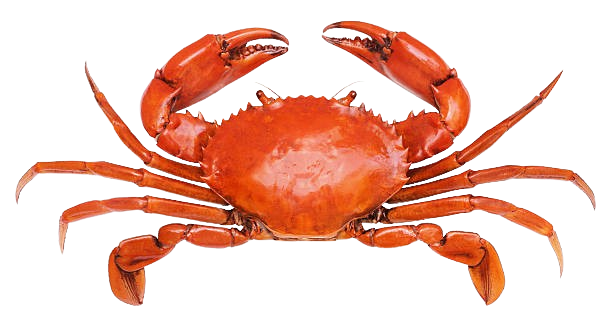
Crab is a delicious and nutritious seafood enjoyed worldwide. The calories in crab vary depending on the species, preparation method, and portion size. A 100g serving of cooked crab meat (3.5 oz) contains around 80-150 calories. A 3-ounce (85g) serving of cooked crab meat provides approximately 70-128 calories, 14-20g protein, 1-5g fat, 0g carbs, and 0g fiber. One cooked King crab leg (134g) contains approximately 130 calories, 26g protein, 1g fat, 0 carbs. Crab is an excellent source of protein, vitamins, and minerals, including vitamin B12, zinc, copper, and selenium. There are numerous crab species, including Blue crab, Dungeness crab, Snow crab, King crab, and Stone crab. Blue crab is popular along the Atlantic coast of North America, while Dungeness crab is prevalent on the Pacific coast. Crab fisheries and aquaculture exist worldwide, with major producers including China, Indonesia, and the United States. Crab is consumed globally, and the biggest crab consumers are China, the United States, and Japan. Prices of crab can vary significantly depending on the species and availability. Crab is a versatile ingredient used in many culinary applications. It can be steamed, boiled, baked, grilled, or used in soups, stews, salads, and appetizers. Popular crab dishes include crab cakes, crab Rangoon, crab bisque, and crab-stuffed mushrooms. Many restaurants feature crab on their menus, including Mason's Famous Lobster Rolls, Joe's Crab Shack, The Capital Grille, McCormick & Schmick's, and Red Lobster. The health benefits of eating crabs include a rich source of high-quality protein, essential minerals like zinc and selenium, and vitamins that contribute to overall well-being. The Dietary Guidelines for Americans recommend including seafood in a balanced diet, and consuming 3 to 4 ounces of crab in a day is considered safe. To burn off a 3-ounce serving of cooked crab (approximately 100 calories), activities such as walking for 25 minutes, swimming for 15 minutes, or cycling for 20 minutes are sufficient.
Crab nutrition
- Large Crab Calories (Nutritional Facts)
- Medium Crab Calories (Nutritional Facts)
- Small Crab Calories (Nutritional Facts)
- Raw Crab Calories
- Calories in Crab Legs
- Calories in Crab with Shell
- Sugar in Crab
- Fiber in Crab
- Protein in Crab
- Carbs in Crab
- Fat in Crab
- Vitamins in Crab
- Minerals in Crab
Large Crab Calories (Nutritional Facts)
One large serving of cooked crab meat (170g) contains approximately 140-255 calories, 28-40g protein, 2-10g fat, 0 carbs, 0 fiber.
One medium serving of cooked crab meat (3 oz, 85g) contains approximately 70-128 calories, 14-20g protein, 1-5g fat, 0 carbs, and 0 fiber.
One small serving of cooked crab meat (2 oz, 57g) contains approximately 47-85 calories, 9-14g protein, 1-3g fat, 0 carbs and fiber.
The calories in raw crab are similar to cooked, with slight variations depending on the species. A 100g serving of raw crab meat contains approximately 80-130 calories.
One cooked King crab leg (134g) contains approximately 130 calories, 26g protein, 1g fat, 0 carbs.
The calorie content of crab with the shell is 97 calories per 118 g serving, with 0.9 g of fat, 21 g of protein and 0 g of carbohydrate.
Crab does not naturally contain sugar.
Crab contains no dietary fiber.
Crab is an excellent source of protein, providing approximately 14-20 grams per 3-ounce serving.
Crab contains 0g of carbohydrates.
Crab is relatively low in fat. A 3-ounce serving contains approximately 1-5g fat.
Crab contains several essential vitamins. A 100g serving of cooked Blue crab provides 0 mg of vitamin C, 0.062 mg of thiamin, 0.077 mg of riboflavin, 3.287 mg of niacin, 0.717 mg of pantothenic acid, 0.158 mg of vitamin B6, 20 µg of folate, 9.07 µg of vitamin B12, 30 IU of vitamin A (RAE), 1.2 mg of vitamin E, 0 µg of vitamin D, and 0.1 µg of vitamin K.
A 100g serving of cooked Blue crab contains 119 mg of calcium, 0.5 mg of iron, 51 mg of magnesium, 244 mg of phosphorus, 230 mg of potassium, 274 mg of sodium, 6.6 mg of zinc, 0.15 mg of copper, 0.021 mg of manganese, and 41.7 µg of selenium.
Get a Custom Report on Crab Nutrition Data – Contact Us!
What are the Types of Crab?
There are several distinct types of crab, each offering unique flavors and textures. The types of crabs, calories and characteristics are illustrated in this table:
| Type | Description | Calories (per 100g, cooked) | Calorie Qualifications |
|---|---|---|---|
|
Blue Crab
|
Found along the Atlantic and Gulf Coasts of North America. Sweet, delicate flavor. | 87 | Relatively low calorie content. Calories primarily from protein, with very little fat. The specific calorie count can vary slightly depending on the cooking method (steaming, boiling) and whether any butter or other sauces are added. |
|
Dungeness Crab
|
Found along the Pacific Coast. Sweet, succulent meat. | 94 | Moderate calorie content for a cooked crustacean. Higher in calories than Blue or Snow crab, primarily due to slightly higher protein and fat content. Still a lean protein source. |
|
King Crab
|
Large size, impressive legs. Harvested in Alaska and Russia. | 97 | Moderate calorie content. Similar to Dungeness in terms of calorie density. Calories primarily from protein. |
|
Snow Crab
|
Sweet, slightly briny flavor. Often sold in clusters of legs and claws. | 91 | Relatively low in calories. Similar to Blue crab in calorie density. Very lean, with most calories coming from protein. |
|
Stone Crab
|
Primarily harvested for its claws. Claws are cooked and served chilled. Firm texture, rich, sweet flavor. | 130 (per medium claw, ~85g meat) | Difficult to provide a precise 100g calorie count because it's almost exclusively sold and consumed by the claw. The calorie count per claw is provided, with an estimated meat weight. The meat itself is relatively lean, but the portion size (the claw) dictates the overall calories. |
|
Jonah Crab
|
Found in North Atlantic waters. It's similar to Dungeness Crab. | 85 | Moderate, since crab meat contains little fat content. |
|
Peekytoe Crab
|
Found on the east coast of the US. They are rock/sand crabs, known to be very sweet. | 85 | Moderate, since it is low on fat. |
What are the Main Dishes with Crab?
The main dishes with crab are listed below:
| Dish Name | Calories (per serving, estimate) | Type of Crab | Carbs (g) | Sugar (g) | Protein (g) | Fat (g) | Cuisine | Restaurants |
|---|---|---|---|---|---|---|---|---|
|
Crab Cakes
|
200-400 (per cake) | Blue, Dungeness, other | 10-20 | 1-3 | 15-25 | 10-20 | American (Coastal) | Faidley Seafood, Phillips Seafood, The Oceanaire Seafood Room |
|
Crab Rangoon
|
50-100 (per piece) | Imitation, Snow | 5-10 | 2-5 | 2-5 | 2-6 | Chinese (Americanized) | P.F. Chang's, many Chinese restaurants |
|
Crab Bisque
|
250-450 (per cup/bowl) | Various | 15-30 | 2-5 | 10-20 | 15-30 | French/American | Brennan's, The Capital Grille, McCormick & Schmick's |
|
Crab-Stuffed Mushrooms
|
50-100 (per mushroom) | Various | 5-10 | 1-2 | 3-7 | 2-6 | American | Bonefish Grill, Seasons 52, many steakhouses |
|
Crab Salad
|
200-400 (depending on mayo) | Blue, Snow, other | 5-15 | 1-3 | 15-25 | 10-25 | American | Cousins Maine Lobster, Mason's Famous Lobster Rolls, various delis |
|
Crab Legs with Butter
|
100-200 (per 1/2 lb, varies) | King, Snow | 0-5 | 0-1 | 18-25 | 2-15+ | American | Red Lobster, Joe's Crab Shack, many seafood restaurants |
|
Soft Shell Crab Sandwich
|
400-600 | Soft Shell (Blue) | 30-50 | 3-7 | 20-30 | 20-35 | American (Coastal) | Various seafood shacks, coastal eateries |
|
Crab Linguine
|
400-700 | Blue, Snow, other | 50-80 | 3-7 | 20-35 | 10-25 | Italian | Trattoria Il Panino, The Old Spaghetti Factory, various Italian restaurants |
|
Crab Sushi Rolls
|
30-60 (per piece) | Imitation, Snow | 4-8 | 1-3 | 2-5 | 1-4 | Japanese | Sushi Nakazawa, Nobu, various sushi restaurants |
|
Ginger Scallion Crab
|
300-400 | Dungeness, Blue | 15-25 | 3-6 | 20-30 | 10-15 | Chinese | R&G Lounge, various Cantonese restaurants |
|
Soft Shell Crab Tempura
|
350-450 | Soft shell crab | 25-35 | 3-5 | 15-25 | 10-18 | Japanese | Various Japanese restaurants with tempura offerings |
|
Soft Shell Crab with Chili Sauce
|
400-550 | Soft shell crab | 30-45 | 8-12 | 20-30 | 15-22 | Southeast Asian | Various Thai and Vietnamese restaurants with seafood dishes |
|
Crab Fried Rice
|
350-500 | Blue crab, Snow crab | 40-60 | 5-8 | 15-25 | 8-15 | Southeast Asian | Various Southeast Asian restaurants |
What Cuisines Prefer Crab the Most?
The cuisines that often use crab in their recipes are listed below:
| Cuisine | Dish Name(s) (Examples) | Calories (per serving, estimate) | Restaurants (Examples) |
|---|---|---|---|
|
American (Coastal)
|
Crab Cakes, Crab Salad Sandwich, Crab Legs | (See Main Dishes table) | Faidley Seafood, Phillips Seafood, The Oceanaire, Cousins Maine Lobster, Mason's, Red Lobster |
|
Chinese (Americanized/Cantonese)
|
Crab Rangoon, Ginger Scallion Crab | (See Main Dishes table) | P.F. Chang's, many Chinese restaurants, R&G Lounge |
|
Japanese
|
Crab Sushi Rolls, Soft Shell Crab Tempura | (See Main Dishes table) | Sushi Nakazawa, Nobu, various sushi restaurants, Japanese restaurants with tempura |
|
French
|
Crab Bisque, Crab Soufflé | (See Main Dishes table) | Brennan's, The Capital Grille, McCormick & Schmick's, upscale French restaurants |
|
Italian
|
Crab Linguine | (See Main Dishes table) | Trattoria Il Panino, The Old Spaghetti Factory, various Italian restaurants |
|
Southeast Asian
|
Soft Shell Crab with Chili Sauce, Crab Fried Rice | (See Main Dishes Table) | Various Thai and Vietnamese restaurants |
Which Countries Produce the Most Crab?
The largest producers of crab in the world are China, Indonesia, and Vietnam. The table shows the production volumes in 1000 tonnes from 2003 to 2024:
| Country | 2003 | 2004 | 2005 | 2006 | 2007 | 2008 | 2009 | 2010 | 2011 | 2012 | 2013 | 2014 | 2015 | 2016 | 2017 | 2018 | 2019 | 2020 | 2021 | 2022 |
|---|---|---|---|---|---|---|---|---|---|---|---|---|---|---|---|---|---|---|---|---|
| China | 312 | 343 | 374 | 401 | 406 | 417 | 434 | 463 | 551 | 633 | 683 | 728 | 766 | 794 | 803 | 788 | 799 | 807 | 808 | 808 |
| Indonesia | 49 | 54 | 59 | 62 | 64 | 69 | 71 | 74 | 77 | 81 | 83 | 87 | 90 | 93 | 95 | 97 | 98 | 98 | 98 | 99 |
| Viet Nam | 48 | 50 | 52 | 53 | 54 | 55 | 56 | 57 | 58 | 59 | 60 | 61 | 62 | 63 | 64 | 65 | 66 | 66 | 66 | 67 |
| United States | 81 | 84 | 83 | 84 | 83 | 80 | 77 | 79 | 80 | 81 | 82 | 82 | 81 | 81 | 80 | 79 | 78 | 77 | 76 | 75 |
| South Korea | 43 | 49 | 50 | 51 | 53 | 54 | 53 | 54 | 55 | 58 | 57 | 59 | 59 | 60 | 61 | 61 | 58 | 53 | 51 | 50 |
| Bahrain | 33 | 34 | 34 | 35 | 35 | 35 | 35 | 35 | 35 | 35 | 35 | 35 | 35 | 35 | 35 | 35 | 34 | 34 | 35 | 35 |
| Tunisia | - | - | - | - | - | 1 | 2 | 4 | 6 | 9 | 11 | 13 | 14 | 15 | 16 | 17 | 18 | 21 | 23 | 24 |
| Philippines | 17 | 17 | 18 | 18 | 18 | 18 | 18 | 18 | 18 | 19 | 19 | 19 | 19 | 20 | 20 | 20 | 20 | 20 | 20 | 20 |
| Thailand | 23 | 21 | 20 | 18 | 18 | 18 | 19 | 19 | 19 | 19 | 19 | 19 | 19 | 18 | 18 | 18 | 17 | 17 | 17 | 16 |
| Mexico | 14 | 14 | 14 | 14 | 14 | 14 | 14 | 14 | 15 | 15 | 15 | 15 | 15 | 15 | 15 | 15 | 15 | 15 | 15 | 15 |
| Madagascar | 8 | 8 | 9 | 9 | 10 | 10 | 10 | 10 | 10 | 10 | 10 | 10 | 10 | 10 | 10 | 10 | 10 | 10 | 10 | 10 |
How Do Prices of Crab-including Dishes Change?
The price of crab has steadily increased over the years, affecting restaurant menus and consumer choices as illustrated in the table below:
| Restaurant | Dish | Old Price | Current Price Range |
|---|---|---|---|
| Red Lobster | King Crab Legs (per lb) | $20-25 (2010-2012) | $40-50+ |
| Joe's Crab Shack | Snow Crab Legs (bucket) | $15-20 (2008-2010) | $30-40+ |
| Faidley Seafood | Jumbo Lump Crab Cake | $12-15 (2005-2008) | $25-35 |
| P.F. Chang's | Crab Rangoon (appetizer) | $6-8 (2008-2010) | $10-14 |
| The Capital Grille | Crab Bisque (cup/bowl) | $8-10 (2008-2010) | $12-18 |
| Cousins Maine Lobster | Crab Salad Roll | $10-12 (2012-2014) | $18-24 |
How Does the Price of Crab Change for the Last 20 Years?
Note: These prices are estimates based on available market data and may vary depending on location, seasonality, and other factors.Global crab prices have experienced fluctuations in the last 20 years. The price of Dungeness crab in December 2015 was $6.50 per pound, rising to $7.00 per pound in December 2016. The price increased to $7.50 in 2018. Prices steadily increased from 2019 to 2023, reaching $10.00 in December 2023 and then slightly increasing to $10.50 in December 2024. As of January 2025, retail prices at Walmart and Kroger range from $12 to $15 per pound. The price of Dungeness crab from 2015 to 2024 are listed below:
What is the Crab Calorie for 100 GR?
A 100g serving of cooked crab meat contains approximately 80-150 calories.
What is the Crab Calorie for 1 KG?
1 kg of cooked crab meat contains approximately 800-1500 calories.
What is the Calorie of 1 Whole Crab?
The calorie content of one whole crab depends on its size and species. A medium-sized Blue crab (around 150g of meat) would contain approximately 120-225 calories.
What are the Health Benefits of Crab?
Crab is filled with essential nutrients that support overall health, as shown below:
- Excellent Source of High-Quality Protein: Crab is a great source of protein which is essential for building and repairing tissues. Protein also supports muscle mass and helps with overall body function. A 100-gram serving of cooked blue crab provides 15 grams of protein. Research suggests that consuming adequate protein is crucial for muscle health and recovery.
- Rich in Vitamin B12: Crab is an excellent source of vitamin B12, which is vital for nerve function, DNA synthesis, and red blood cell formation. A 100-gram serving of cooked blue crab provides a significant portion of the daily value (DV) for vitamin B12. Vitamin B12 deficiency can lead to neurological issues and anemia.
- Good Source of Selenium: Crab provides a good amount of selenium, an essential mineral that acts as an antioxidant and supports thyroid function. A 100-gram serving of cooked blue crab contains a notable amount of selenium. Studies have shown that selenium plays a role in immune function and may help protect against certain cancers. A 2017 review by Caitlyn W. Barrett discusses the role of selenium in reducing thyroid antibodies in autoimmune thyroid disease and potentially lowering the risk of certain cancers.
- Provides Copper: Crab is a source of copper, an important mineral that is essential for energy production, iron metabolism, and nerve function. A 100-gram serving of cooked blue crab provides a measurable amount of copper. Copper deficiency can lead to anemia and neurological problems.
What are the Downsides of Crab?
Crab is a nutritious food that can be a great addition to a balanced diet, but eating crab has a few potential downsides as listed below:
- Potential Allergens: Crab is a common shellfish allergen, and individuals with shellfish allergies should avoid it. Allergic reactions can range from mild symptoms like hives to severe reactions like anaphylaxis.
- Cholesterol Content: Crab contains cholesterol, which may be a concern for individuals with high cholesterol levels or heart disease. It's important to consume crab in moderation as part of a balanced diet.
- Sodium Content: Some crab preparations, especially processed or canned crab, can be high in sodium. High sodium intake can contribute to high blood pressure and other health issues.
Is Crab Good for You?
Yes, crab is considered a nutritious and healthy food because it is high in protein and important minerals. Eating crab can be a part of a balanced diet that supports overall health. The essential nutrients found in crab have been credited with several health benefits in numerous studies, including its effects on immune function, thyroid health, and overall well-being.
How Much Crab Should I Eat a Day?
A serving size of 3-4 ounces of crab is generally recommended.
How Much Crab Can I Eat a Day at Most?
Moderation is key and consuming up to 6 ounces of crab in a day is generally considered safe for most adults.
How Does Calorie Change According to Crab Types?
The calorie content varies slightly based on the type. King crab tends to have slightly fewer calories per serving compared to Blue crab.
What are the Desserts with Crab?
Crab is not used in desserts due to its savory flavor profile.
What is the Origin of Crab?
Crabs have existed for millions of years, with fossil records dating back to the Jurassic period. Evidence suggests that humans have consumed crabs since prehistoric times, with archaeological findings indicating crab consumption by early coastal populations. Ancient civilizations like Mesopotamia and along the Mediterranean utilized crabs as a food source. Indigenous peoples along the coasts of North and South America also relied on crabs as a part of their diet. As trade routes developed, the popularity of crab spread further inland. By the Middle Ages, crab was a common dish in many European coastal towns. In the 19th and 20th centuries, with advancements in fishing and transportation technologies, crab became more widely available and enjoyed across the globe. Dishes like crab cakes in the United States and chili crab in Singapore showcase the diverse culinary traditions that have embraced this versatile seafood.
Which Countries Consume Crabs the Most?
The biggest crab consumers include China, the United States, and Japan. China has a large domestic market for crab, with a wide variety of crab dishes popular across different regions. The United States is another major consumer, with crab featuring prominently in coastal cuisines and seafood dishes. Japan has a strong tradition of crab consumption, with crab used in sushi, tempura, and other culinary preparations.