Calories in Cocktail: Nutritional facts for Cocktail Types
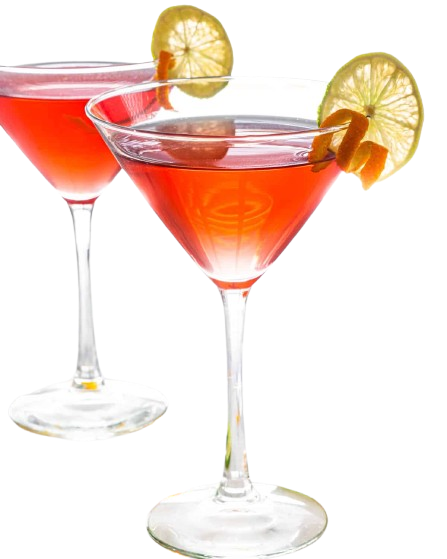
The calories in a cocktail and mixed drink calories in general depend on ingredients, proportions, and serving size. A large Pina Colada (300ml or 10fl oz) contains 490 calories from recipe, with 50 grams carbohydrates (18% DV), 22 grams fat (28% DV), 1.5 grams protein (3% DV), 45 grams sugar, and 1.5 grams fiber (5% DV). A small Pina Colada (150ml or 5fl oz) contains 245 calories. A Gin Martini (100ml or 3.4fl oz) contains 185 calories. A Margarita (240ml or 8fl oz) contains 390 calories. Rum shot, Tequila shot, Gin Shot, and Vodka Shot contain 97 calories each. A small Mojito provides 14 grams carbohydrates (5% DV), 0 grams fat, 0.1 grams protein (0% DV), 14 grams sugar, 0.5 grams fiber (2% DV). The overall cocktail nutrition profile shows cocktails lack significant fiber, vitamins, and minerals unless fruit juice and herbs are added.
Cocktail types include spirit-forward such as Martini, sours like Margarita, highballs including Gin Tonic, creamy/Tiki cocktails such as Pina Colada, juice-based mixed drinks like Screwdriver, and sparkling cocktails such as Aperol Spritz. Spirit production is led by China, India, and the USA. Countries that consume the most spirits are China, India, the USA, Russia, and Brazil. Cocktail prices increased over the past 20 years, driven by rising ingredient and labor costs. Spirits also feature in cooking, appearing in dishes such as Penne alla Vodka at Carbone, Tiramisu at The Cheesecake Factory, and Steak Diane at The Palm.
Alcohol itself poses significant health risks (Rehm, J., et al., 2017). The recommended alcohol limit is 1 drink for women (44ml or 1.5fl oz 80-proof spirit), and 2 drinks for men although daily consumption is not advised. Burning 150-200 cocktail calories from one cocktail requires 30 minutes of moderate jogging or 45 minutes of brisk walking.
Cocktail nutrition
- Large Glass Cocktail Calories (Nutritional Facts)
- Small Glass Cocktail Calories (Nutritional Facts)
- Martini Calories (Nutritional Facts)
- Margarita Calories (Nutritional Facts)
- Rum Shot Calories (Nutritional Facts)
- Tequila Calories (Nutritional Facts)
- Gin Shot Calories (Nutritional Facts)
- Vodka Shot Calories (Nutritional Facts)
- Sugar in Cocktail
- Fiber in Cocktail
- Protein in Cocktail
- Carbs in Cocktail
- Fat in Cocktail
- Vitamins in Cocktail
- Minerals in Cocktail
Large Glass Cocktail Calories (Nutritional Facts)
A large Pina Colada (300ml or 10fl oz) contains 490 calories, 1.5g of protein, 22g of fat, and 50g of carbohydrates. A large Mojito (300ml or 10fl oz) contains 240 calories, 0.2g of protein, 0.1g of fat, and 28g of carbohydrates. A large Espresso Martini cocktail (200ml or 6.7fl oz) contains 300 calories, 0.5g of protein, 0.1g of fat, and 25g of carbohydrates. A large Passion Fruit Martini (200ml or 6.7fl oz) contains 260 calories, 0.5g of protein, 0.1g of fat, and 30g of carbohydrates. A large Pimm's Cup (350ml or 12fl oz, including fruit and mixer) contains 210 calories, 0.5g of protein, 0.1g of fat, and 25g of carbohydrates.
A small Pina Colada (150ml or 5fl oz) contains 245 calories, 0.8g of protein, 11g of fat, and 25g of carbohydrates. A small Mojito (150ml or 5fl oz) contains 120 calories, 0.1g of protein, 0g of fat, and 14g of carbohydrates. A small Espresso Martini (100ml or 3.4fl oz) contains 150 calories, 0.3g of protein, 0g of fat, and 12.5g of carbohydrates. A small Passion Fruit Martini (100ml or 3.4fl oz) contains 130 calories, 0.3g of protein, 0g of fat, and 15g of carbohydrates. A small Pimm's Cup (180ml or 6fl oz) contains 105 calories, 0.3g of protein, 0g of fat, and 12.5g of carbohydrates.
Calories in Martini Gin for a Gin Martini (100ml or 3.4fl oz) contains 185 calories, 0.05g of protein, 0g of fat, and 0.1g of carbohydrates. A larger Martini (150ml or 5fl oz) contains 278 calories, 0.07g of protein, 0g of fat, and 0.2g of carbohydrates.
Margarita calories per glass (120ml or 4fl oz), made with tequila, lime juice, and triple sec, contains 195 calories, 0.1g of protein, 0g of fat, and 12g of carbohydrates. A larger Margarita (240ml or 8fl oz) contains 390 calories, 0.2g of protein, 0g of fat, and 24g of carbohydrates. Calorie counts increase with added sweeteners or larger sizes.
Calories in Rum shot of 80 proof (40% ABV) rum (44ml or 1.5fl oz) contains 97 calories, 0g of protein, 0g of fat, and 0g of carbohydrates. A double shot of 80 proof rum (88ml or 3fl oz) contains 194 calories, 0g of protein, 0g of fat, and 0g of carbohydrates.
Calories in a tequila shot with 80 proof (40% ABV) tequila (44ml or 1.5fl oz) contains 97 calories, 0g of protein, 0g of fat, and 0g of carbohydrates. A double shot of 80 proof tequila (88ml or 3fl oz) contains 194 calories, 0g of protein, 0g of fat, and 0g of carbohydrates.
Calories in Gin shot of 80 proof (40% ABV) gin (44ml or 1.5fl oz) contains 97 calories, 0g of protein, 0g of fat, and 0g of carbohydrates. A double shot of 80 proof gin (88ml or 3fl oz) contains 194 calories, 0g of protein, 0g of fat, and 0g of carbohydrates. Higher proof gins contain more calories.
A shot of 80 proof (40% ABV) vodka (44ml or 1.5fl oz) contains 97 calories, 0g of protein, 0g of fat, and 0g of carbohydrates. A double shot of 80 proof vodka (88ml or 3fl oz) contains 194 calories, 0g of protein, 0g of fat, and 0g of carbohydrates. A Vodka Red Bull calories count for a drink made with one shot (44ml or 1.5fl oz) of 80 proof vodka and one 250ml (8.4fl oz) can of Red Bull is 207 calories, containing 27g of sugar and 28g of carbohydrates. A Vodka Tonic calories count for a drink with one shot (44ml or 1.5fl oz) of 80 proof vodka and 180ml (6fl oz) of tonic water is 175 calories, containing 19g of sugar and 19g of carbohydrates.
A Pina Colada (200ml or 6.7fl oz) contains 28g of sugar. An Espresso Martini (100ml or 3.4fl oz) contains 10g of sugar. A Mojito (180ml or 6fl oz) contains 18g of sugar. A Passion Fruit Martini (120ml or 4fl oz) contains 16g of sugar. A Pimm's Cup (250ml or 8.5fl oz) contains 20g of sugar.
A Pina Colada (200ml or 6.7fl oz) contains 1.5g of fiber. A Espresso Martini (100ml or 3.4fl oz) contains 0g of fiber. A Mojito (180ml or 6fl oz) contains 0.5g of fiber from mint and lime. A Passion Fruit Martini (120ml or 4fl oz) contains 1g of fiber from passion fruit puree. A Pimm's Cup (250ml or 8.5fl oz) contains <1g of fiber, from fruit garnishes.
A Pina Colada (200ml or 6.7fl oz) contains 1g of protein. An Espresso Martini (100ml or 3.4fl oz) contains 0.3g of protein. A Mojito (180ml or 6fl oz) contains 0.1g of protein. A Passion Fruit Martini (120ml or 4fl oz) contains 0.3g of protein. A Pimm's Cup (250ml or 8.5fl oz) contains 0.4g of protein.
A Pina Colada (200ml or 6.7fl oz) contains 33g of carbohydrates. A Espresso Martini (100ml or 3.4fl oz) contains 12.5g of carbohydrates. A Mojito (180ml or 6fl oz) contains 19g of carbohydrates. A Passion Fruit Martini (120ml or 4fl oz) contains 18g of carbohydrates. A Pimm's Cup (250ml or 8.5fl oz) contains 21g of carbohydrates.
A Pina Colada (200ml or 6.7fl oz) contains 15g of fat, from coconut cream. An Espresso Martini (100ml or 3.4fl oz) contains 0g of fat. A Mojito (180ml or 6fl oz) contains 0g of fat. A Passion Fruit Martini (120ml or 4fl oz) contains 0g of fat. A Pimm's Cup (250ml or 8.5fl oz) contains 0g of fat.
A Pina Colada (200ml or 6.7fl oz) provides 13.5mg of Vitamin C (15% DV), 0.08mg of Thiamin (7% DV), and 10mcg DFE of Folate (3% DV). An Espresso Martini (100ml or 3.4fl oz) contains 0.5mg of Niacin (3% DV) and 0.05mg of Riboflavin (4% DV). A Mojito (180ml or 6fl oz) provides 9mg of Vitamin C (10% DV), 6mcg RAE of Vitamin A (1% DV), and 1.2mcg of Vitamin K (1% DV). A Passion Fruit Martini (120ml or 4fl oz) provides 18mg of Vitamin C (20% DV) and 45mcg RAE of Vitamin A (5% DV). A Pimm's Cup (250ml or 8.5fl oz) provides 8mg of Vitamin C (9% DV) derived from fruit garnishes.
A Pina Colada (200ml or 6.7fl oz) provides 0.7mg of Manganese (30% DV), 0.09mg of Copper (10% DV), 235mg of Potassium (5% DV), and 0.8mg of Iron (4% DV). An Espresso Martini (100ml or 3.4fl oz) contains 35mg of Potassium (1% DV) and 7mg of Magnesium (2% DV). A Mojito (180ml or 6fl oz) provides 70mg of Potassium (2% DV) and 0.05mg of Manganese (2% DV). A Passion Fruit Martini (120ml or 4fl oz) provides 190mg of Potassium (4% DV). A Pimm's Cup (250ml or 8.5fl oz) provides 140mg of Potassium (3% DV) from the mixer and fruit garnishes.
Get a Custom Report on Cocktail Nutrition Data – Contact Us!
What are the Types of Cocktail?
The types of cocktails are discussed below:
| Type Category | Description & Examples | Calories (Approx. per typical serving) | Calorie Qualifications |
|---|---|---|---|
|
Spirit-Forward
|
Primarily spirits, minimal mixers (e.g., Martini, Old Fashioned, Negroni) | 150-250 | Calories driven mainly by alcohol content/proof and volume. Small amounts of sugar/liqueur add some calories. |
|
Sours
|
Spirit, citrus (lemon/lime), sweetener (e.g., Margarita, Daiquiri, Whiskey Sour) | 180-300 | Calories from spirit and significant sugar content in simple syrup or liqueurs (like triple sec). |
|
Highballs
|
Spirit topped with a large volume of non-alcoholic mixer (e.g., Gin & Tonic, Rum & Coke, Vodka Soda) | 100-250 | Calories depend heavily on the mixer. Soda water adds none; tonic/cola add significant sugar/calories. Spirit amount matters. |
|
Creamy / Tiki
|
Often rum/vodka based with cream, coconut cream, rich syrups, multiple juices (e.g., Pina Colada, White Russian) | 300-600+ | Highest calorie category due to fat (cream/coconut), high sugar (syrups/liqueurs), multiple spirits/juices. |
|
Juice-Based
|
Spirit mixed primarily with fruit juices (e.g., Screwdriver, Cape Codder, Sea Breeze) | 150-300 | Calories from spirit and natural/added sugars in juice(s). Volume is a key factor. |
|
Sparkling
|
Topped with sparkling wine/soda (e.g., Aperol Spritz, French 75, Mimosa) | 120-200 | Calories from base spirit/liqueur and sparkling wine (sugar varies by Brut/Dry/Sweet). Prosecco often lower. |
What are the Desserts with Cocktail?
Spirits commonly found in cocktails are sometimes used as flavoring agents in desserts, as shown in the table below:
| Dish Name | Calories (Estimate) | Type of Spirit/Liqueur Used | Carbs (g) (Estimate) | Sugar (g) (Estimate) | Protein (g) (Estimate) | Fat (g) (Estimate) | Cuisine | Restaurants |
|---|---|---|---|---|---|---|---|---|
|
Tiramisu
|
450-700 (per slice) | Marsala Wine, Coffee Liqueur, Rum, Brandy | 40-60 | 25-40 | 8-15 | 25-45 | Italian | The Cheesecake Factory, Maggiano's Little Italy, many Italian restaurants |
|
Rum Cake
|
400-600 (per slice) | Dark Rum | 50-70 | 35-55 | 4-7 | 18-30 | Caribbean/American | Often specialty bakeries (e.g., Tortuga Rum Cakes - commercial), less common in restaurants |
|
Bananas Foster
|
600-900 | Dark Rum, Banana Liqueur | 80-120 | 70-100 | 3-6 | 30-50 | American (New Orleans) | Brennan's (New Orleans), Commander's Palace (New Orleans), some fine dining |
|
Cherries Jubilee
|
400-600 | Kirsch (Cherry Brandy) | 50-80 | 45-70 | 2-5 | 15-25 | French/American | Older fine dining establishments (less common now), sometimes tableside service |
|
Grasshopper Pie
|
400-600 (per slice) | Crème de Menthe, Crème de Cacao | 35-55 | 25-45 | 4-8 | 25-40 | American | Primarily homemade or retro diners; less common commercially. |
|
Bourbon Balls
|
80-150 (per ball) | Bourbon | 8-15 | 7-12 | 1-2 | 4-8 | American (Southern) | Primarily homemade/specialty candy shops. |
|
Boozy Ice Cream/Sorbet
|
200-400 (per scoop) | Various (Rum, Vodka, Liqueurs) | 20-40 | 18-35 | 2-5 | 8-20 | American | Specialty ice cream shops (e.g., Tipsy Scoop NYC), some restaurants |
What are the Main Dishes with Cocktails?
Spirits used in cocktails are frequently incorporated into main dishes for sauces, marinades, or flambéing. The main dishes with spirits or cocktails are shown below:
| Dish Name | Calories (Estimate) | Type of Spirit/Liqueur Used | Carbs (g) (Estimate) | Sugar (g) (Estimate) | Protein (g) (Estimate) | Fat (g) (Estimate) | Cuisine | Restaurants |
|---|---|---|---|---|---|---|---|---|
|
Penne alla Vodka
|
600-900 | Vodka | 60-90 | 8-15 | 15-25 | 30-50 | Italian-American | Carbone (NYC), Jon & Vinny's (Los Angeles), many Italian-American restaurants |
|
Steak Diane
|
700-1000+ | Brandy or Cognac | 10-20 | 3-8 | 50-70 | 45-70+ | French/American | Delmonico's (NYC - historical), classic steakhouses (e.g., The Palm) |
|
Bourbon Glazed Salmon
|
500-750 | Bourbon | 20-40 | 15-30 | 35-50 | 25-40 | American | Yard House, many casual dining restaurants |
|
Rum Glazed Pork/Ribs
|
600-1000+ | Rum | 30-60 | 25-50 | 40-70 | 30-50+ | American/Caribbean | Bahama Breeze, BBQ restaurants |
|
Tequila Lime Chicken
|
500-800 | Tequila | 15-30 | 5-10 | 40-60 | 25-45 | Mexican-American | Chili's Grill & Bar (similar flavor profiles), Applebee's |
|
Beer Can Chicken
|
500-800 (per portion) | Beer | <5 | <2 | 50-70 | 30-50 | American | Primarily BBQ joints or homemade; less common as a standard menu item. |
|
Shrimp Scampi
|
500-750 | Dry White Wine | 40-60 | 3-6 | 25-40 | 25-40 | Italian-American | Red Lobster, Olive Garden, many Italian restaurants |
What Cuisines Prefer Cocktails the Most?
The modern cocktail is largely an American invention with global influence, certain cuisines traditionally incorporate spirits (often used in cocktails) into the cooking more. Cocktail consumption culture is strongest in the US and international bars, rather than being tied to one traditional cuisine, as shown below:
| Cuisine | Dish(es) | Type of Spirit/Liqueur/Wine Used | Calories (Estimate) | Restaurant(s) |
|---|---|---|---|---|
|
American (Modern/Fusion)
|
Glazed Meats, Flambéed Dishes, Vodka Sauce | Bourbon, Rum, Brandy, Vodka | 500-1000+ | Yard House, Chili's, Steakhouses, various casual & fine dining |
|
French
|
Steak Diane, Sauces, Flambéed Desserts | Brandy, Cognac, Kirsch, Wine | 400-1000+ | Delmonico's (NYC), Brennan's (New Orleans), classic French restaurants |
|
Italian / Italian-American
|
Tiramisu, Penne alla Vodka, Scampi, Marsala | Marsala, Liqueurs, Vodka, Wine | 450-900 | Carbone (NYC), Maggiano's Little Italy, Olive Garden, The Cheesecake Factory |
|
Caribbean
|
Rum Cake, Rum Glazes | Rum | 400-1000+ | Bahama Breeze, specialty bakeries |
|
Creole/Cajun
|
Bananas Foster, some savory dishes | Rum, Bourbon | 600-900 (Bananas Foster) | Brennan's (New Orleans), Commander's Palace (New Orleans) |
Which Countries Produce the Most Spirits (Proxy for Cocktails)?
Based on data from the Food and Agriculture Organization of the United Nations (FAOSTAT), major producers of distilled spirits include China, India, the USA, Brazil, and Russia. The table below shows production figures for "Spirits, nes" which includes many common distilled liquors used in cocktails.
| Country | 2004 | 2005 | 2006 | 2007 | 2008 | 2009 | 2010 | 2011 | 2012 | 2013 | 2014 | 2015 | 2016 | 2017 | 2018 | 2019 | 2020 | 2021 |
|---|---|---|---|---|---|---|---|---|---|---|---|---|---|---|---|---|---|---|
| China | 4050000 | 4300000 | 4950000 | 6100000 | 7000000 | 7900000 | 9000000 | 10200000 | 11500000 | 12000000 | 11800000 | 11600000 | 11500000 | 11400000 | 11300000 | 11000000 | 10500000 | 10300000* |
| India | 1500000 | 1600000 | 1700000 | 1800000 | 1900000 | 2000000 | 2100000 | 2200000 | 2300000 | 2400000 | 2500000 | 2600000 | 2700000 | 2800000 | 2900000 | 3000000 | 2800000 | 2900000* |
| USA | 1200000 | 1250000 | 1300000 | 1350000 | 1380000 | 1400000 | 1420000 | 1450000 | 1480000 | 1500000 | 1550000 | 1600000 | 1650000 | 1700000 | 1750000 | 1800000 | 1850000 | 1900000* |
| Brazil | 800000 | 820000 | 840000 | 860000 | 880000 | 900000 | 920000 | 940000 | 960000 | 980000 | 1000000 | 980000 | 960000 | 950000 | 940000 | 930000 | 920000 | 930000* |
| Russia | 1100000 | 1050000 | 1000000 | 980000 | 950000 | 930000 | 900000 | 880000 | 860000 | 840000 | 820000 | 800000 | 780000 | 770000 | 760000 | 750000 | 760000 | 770000* |
| Japan | 600000 | 610000 | 620000 | 630000 | 640000 | 650000 | 660000 | 670000 | 680000 | 690000 | 700000 | 710000 | 720000 | 730000 | 740000 | 750000 | 740000 | 750000* |
| Mexico | 350000 | 360000 | 370000 | 380000 | 390000 | 400000 | 410000 | 420000 | 430000 | 440000 | 450000 | 460000 | 470000 | 480000 | 490000 | 500000 | 510000 | 520000* |
| UK | 300000 | 310000 | 320000 | 330000 | 340000 | 350000 | 360000 | 370000 | 380000 | 390000 | 400000 | 410000 | 420000 | 430000 | 440000 | 450000 | 440000 | 450000* |
| Germany | 320000 | 310000 | 300000 | 290000 | 280000 | 270000 | 260000 | 250000 | 240000 | 230000 | 220000 | 210000 | 200000 | 190000 | 180000 | 170000 | 170000 | 170000* |
| Thailand | 180000 | 190000 | 200000 | 210000 | 220000 | 230000 | 240000 | 250000 | 260000 | 270000 | 280000 | 290000 | 300000 | 310000 | 320000 | 330000 | 320000 | 330000* |
Which Countries Consume the Most Spirits (Proxy for Cocktails)?
Consumption of distilled spirits, the base for cocktails, is highest in countries with large populations or established drinking cultures. China, India, the USA, Russia, and Brazil show high overall consumption volumes. The table below uses FAOSTAT data for "Spirits, nes" supply quantity from 2004 to 2021:
| Country | 2004 | 2005 | 2006 | 2007 | 2008 | 2009 | 2010 | 2011 | 2012 | 2013 | 2014 | 2015 | 2016 | 2017 | 2018 | 2019 | 2020 | 2021 |
|---|---|---|---|---|---|---|---|---|---|---|---|---|---|---|---|---|---|---|
| China | 4000000 | 4250000 | 4900000 | 6000000 | 6900000 | 7800000 | 8900000 | 10100000 | 11400000 | 11900000 | 11700000 | 11500000 | 11400000 | 11300000 | 11200000 | 10900000 | 10400000 | 10200000* |
| India | 1450000 | 1550000 | 1650000 | 1750000 | 1850000 | 1950000 | 2050000 | 2150000 | 2250000 | 2350000 | 2450000 | 2550000 | 2650000 | 2750000 | 2850000 | 2950000 | 2750000 | 2850000* |
| USA | 1400000 | 1450000 | 1500000 | 1550000 | 1580000 | 1600000 | 1620000 | 1650000 | 1680000 | 1700000 | 1750000 | 1800000 | 1850000 | 1900000 | 1950000 | 2000000 | 2050000 | 2100000* |
| Russia | 1300000 | 1250000 | 1200000 | 1180000 | 1150000 | 1130000 | 1100000 | 1080000 | 1060000 | 1040000 | 1020000 | 1000000 | 980000 | 970000 | 960000 | 950000 | 960000 | 970000* |
| Brazil | 850000 | 870000 | 890000 | 910000 | 930000 | 950000 | 970000 | 990000 | 1010000 | 1030000 | 1050000 | 1030000 | 1010000 | 1000000 | 990000 | 980000 | 970000 | 980000* |
| Japan | 700000 | 710000 | 720000 | 730000 | 740000 | 750000 | 760000 | 770000 | 780000 | 790000 | 800000 | 810000 | 820000 | 830000 | 840000 | 850000 | 840000 | 850000* |
| UK | 400000 | 410000 | 420000 | 430000 | 440000 | 450000 | 460000 | 470000 | 480000 | 490000 | 500000 | 510000 | 520000 | 530000 | 540000 | 550000 | 540000 | 550000* |
| Mexico | 380000 | 390000 | 400000 | 410000 | 420000 | 430000 | 440000 | 450000 | 460000 | 470000 | 480000 | 490000 | 500000 | 510000 | 520000 | 530000 | 540000 | 550000* |
| Germany | 450000 | 440000 | 430000 | 420000 | 410000 | 400000 | 390000 | 380000 | 370000 | 360000 | 350000 | 340000 | 330000 | 320000 | 310000 | 300000 | 300000 | 300000* |
| Thailand | 200000 | 210000 | 220000 | 230000 | 240000 | 250000 | 260000 | 270000 | 280000 | 290000 | 300000 | 310000 | 320000 | 330000 | 340000 | 350000 | 340000 | 350000* |
How Do Prices of Cocktail-including Dishes Change?
The prices of restaurant dishes that incorporate spirits used in cocktails (for sauces, flambéing, marinades, desserts) have increased over the past two decades. This reflects rising costs for all ingredients (including the alcohol), labor, and general restaurant operations as shown in the table below:
| Restaurant/Type | Dish | Old Price (Approx. Year) | Current Price (2025 Estimate) |
|---|---|---|---|
| Olive Garden | Chicken Marsala | $14.99 | $19.49 - $27.29 |
| Maggiano's Little Italy | Chicken Marsala | $17.95 | $25.50 - $29.50 |
| The Cheesecake Factory | Tiramisu (Slice) | $7.50 | $9.50 - $11.95 |
| Carbone | Spicy Rigatoni Vodka | $24.00 | $34.00 - $39.96 |
| Brennan's | Bananas Foster (Slice) | $9.00 | $12.00 - $14.00 |
| Yard House | Whiskey Glazed Salmon | $18.95 | $25.95 - $30.49 |
How Does the Price of Cocktail Change for the Last 20 Years?
Cocktail prices have increased significantly over the last 20 years. This rise outpaces general inflation for many food items. Data from the U.S. Bureau of Labor Statistics shows the Consumer Price Index (CPI) for "Alcoholic Beverages Away From Home" increased substantially between 2005 and 2025. Key factors include rising costs for spirits, fresh juices, liqueurs, and garnishes. Increased labor costs in bars and restaurants, higher rent, and operational expenses also contribute heavily. The craft cocktail movement emphasized premium ingredients and complex preparations, further justifying higher price points compared to simpler mixed drinks of the past. Prices vary greatly by location, type of establishment (dive bar vs. upscale lounge), brand of spirits used, and complexity. The highest prices are found in major cities like New York or San Francisco, tourist destinations, and high-end hotel bars from$18-25+ per cocktail, and lower prices exist in less expensive regions or simpler bars for $8-$12. The consumption trends for spirits have been stable or increasing in markets like the US, which supports price resilience despite rising costs.
What is the Cocktail Calorie for 100ml?
A 100ml serving of a spirit-forward cocktail like a Martini contains 185 calories. A 100ml serving of a sour like a Margarita contains 163 calories. A 100ml serving of a creamy cocktail like a Pina Colada contains 163 calories. A 100ml serving of a lighter highball like a Mojito contains 67 calories. Distilled spirits like vodka, gin, rum, or tequila contain 220 calories per 100ml at 80 proof (40% ABV).
What is the Calorie of 1 Cocktail?
A Pina Colada (200ml) contains 325 calories. An Espresso Martini (100ml) contains 150 calories. A Mojito (180ml) contains 160 calories. A Passion Fruit Martini (120ml) contains 195 calories. A Pimm's Cup (250ml) contains 175 calories. A Margarita (120ml) contains 195 calories. A Negroni (90ml) contains 190 calories. An Old Fashioned (80ml) contains 155 calories. An Aperol Spritz (180ml) contains 140 calories. A Cosmopolitan (100ml) contains 170 calories.
What are the Health Benefits of Cocktail?
Cocktails offer negligible direct health benefits due to the component being alcohol. Any potential minor benefits derive solely from non-alcoholic ingredients used, as shown below:
- Source of Vitamin C (from citrus): Cocktails containing fresh citrus juices (lime, lemon, orange) provide Vitamin C, an antioxidant important for immune function. (USDA FoodData Central for lime/lemon juice).
- Potential Antioxidants (from fruits/herbs): Some cocktails include muddled fruits (berries) or herbs (mint) which contain small amounts of antioxidants, though typically not in nutritionally significant quantities relative to the risks of alcohol. (Skrovankova, S., et al., 2015. Bioactive Compounds and Antioxidant Activity in Different Types of Berries.)
- Hydration (from mixers): Non-alcoholic mixers like soda water or large amounts of juice contribute to hydration, but this is counteracted by the diuretic effect of alcohol.
What are the Downsides of Cocktails?
Cocktails pose significant health risks from alcohol content and high sugar content, as listed below:
- Alcohol-Related Health Risks: Alcohol consumption increases the risk of numerous chronic diseases, including liver disease (cirrhosis), various cancers (breast, colon, liver, esophageal), cardiovascular diseases (high blood pressure, stroke, cardiomyopathy), pancreatitis, and mental health issues. Alcohol is addictive and can lead to alcohol use disorder. (Rehm, J., et al., 2017. The relationship between different dimensions of alcohol consumption and burden of disease: an overview.)
- High Sugar Content: Many popular cocktails contain large amounts of added sugar from syrups, liqueurs, and sweetened juices, contributing to excess calorie intake, weight gain, increased risk of type 2 diabetes, and negative impacts on cardiovascular health. (Malik, V.S., Hu, F.B., 2022. The role of sugar-sweetened beverages in the global epidemics of obesity and chronic diseases.)
- High Calorie Content: The combination of alcohol (7 calories/gram) and sugar makes many cocktails calorie-dense, contributing to weight gain.
- Impairment and Accidents: Alcohol impairs judgment, coordination, and reaction time, increasing the risk of accidents and injuries.
- Recommended Limits: Health authorities advise limiting alcohol intake significantly. The Dietary Guidelines for Americans suggest no more than 1 standard drink equivalent per day for women and 2 for men. Alternatives include mocktails (non-alcoholic cocktails), sparkling water with fruit, or unsweetened iced tea.
Are Cocktails Good for You?
No, cocktails are not good for regular intake. The base ingredient, alcohol, is a toxin and carcinogen that negatively impacts every organ system, outweighing any minor potential benefits from non-alcoholic ingredients like fruit juice. Studies consistently link alcohol consumption to significant health risks (Rehm, J., et al., 2017. The relationship between different dimensions of alcohol consumption and burden of disease: an overview.). Alcohol consumption damages liver health, increases the risk of various cancers, negatively affects brain health and cognitive function, contributes to heart problems like high blood pressure and arrhythmias (despite some outdated notions about moderate drinking), and can harm the digestive system. Cocktails also contain high amounts of sugar, further contributing to metabolic issues, weight gain, and cardiovascular risk. Cocktails should be viewed strictly as occasional indulgences, not as health-promoting beverages.
How Many Cocktails Should I Drink in a Day?
The Dietary Guidelines for Americans (2020-2025) advise that if alcohol is consumed, it should be limited to 1 standard drink or less per day for women and 2 standard drinks or less per day for men. It is crucial to understand what constitutes a standard drink equivalent in a cocktail, which is typically 1.5 fluid ounces (44ml) of 80-proof (40% ABV) distilled spirits (like vodka, gin, rum, tequila, whiskey). Cocktails contain more than this amount of alcohol. Health organizations like the World Health Organization, CDC, and American Heart Association emphasize that drinking less is always better for health, and individuals who do not drink should not start.
How Many Cocktails Can I Drink in a Day at Most?
The maximum recommended limit for daily alcohol consumption, according to the Dietary Guidelines for Americans, corresponds to the alcohol content in 1 standard drink for women (e.g., 1.5 fl oz or 44 ml of 80-proof spirit) and 2 standard drinks for men (e.g., 3 fl oz or 88 ml of 80-proof spirit). Cocktails exceed a single standard drink's worth of alcohol. Consuming cocktails beyond these moderate limits significantly increases health risks, including accidents, dependence, and long-term chronic diseases. These guidelines represent upper limits for those who choose to drink, not recommended daily amounts. The safest amount of alcohol consumption is none.
How Does Calorie Change According to Cocktail Types?
Cocktail calories depend on ingredients, proportions, and serving size. The calorie sources are alcohol (7 calories per gram) and carbohydrates, mainly from sugars (4 calories per gram) found in syrups, liqueurs, juices, and sweetened mixers. Fat (9 calories per gram) contributes only in creamy cocktails. Spirit-forward cocktails like Martinis derive most calories from alcohol. Sours add significant calories from sugar/liqueurs. Highballs vary widely: a Vodka Soda is low-calorie, while a Rum and Coke is much higher due to the soda's sugar. Juice-based cocktails depend on juice type and volume. Sparkling cocktails are influenced by the base ingredients and the sweetness of the sparkling wine. Creamy and Tiki drinks, like Pina Coladas or White Russians, are typically the highest in calories due to the combined effect of alcohol, high sugar content from multiple sources, and fat from cream or coconut cream, often exceeding 400-500 calories. The lowest calorie options are simple combinations of a spirit and a zero-calorie mixer like soda water.
What is the Origin of Cocktail?
The first known printed definition of “cocktail” appeared in The Balance and Columbian Repository of Hudson, New York, on May 13, 1806, describing a cocktail as "a stimulating liquor, composed of spirits of any kind, sugar, water, and bitters." This defined an "Old Fashioned" style drink, distinct from earlier punches (large format, often lower proof), slings, and toddies. Cocktails evolved throughout the 19th century with the advent of ice, new liqueurs, and vermouth, leading to classics like the Martini and Manhattan. American Prohibition (1920-1933) paradoxically spurred cocktail innovation as bartenders disguised poor-quality illicit spirits with juices, syrups, and other mixers, leading to many sour and juice-heavy drinks. After a mid-20th-century period favoring simpler drinks, a craft cocktail renaissance began in the late 20th and early 21st centuries, emphasizing fresh ingredients, premium spirits, historical recipes, and complex techniques, solidifying the cocktail's place in global beverage culture. Iconic cocktails like the Margarita have their own disputed origin stories, often linked to specific bartenders or locations in the mid-20th century.