Calories in Cannoli: Nutritional facts for Cannoli Types
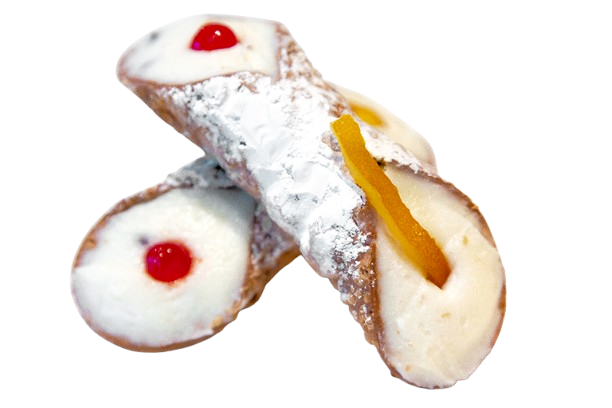
Cannoli is a Sicilian pastry with a high calorie count from its fried shell and sweet filling. The cannoli calories are dense, with a 100 gram (3.53 ounce) serving containing 254 calories. A small cannoli (45g) has 114 calories, a medium one (100g) has 254 calories, and a large one (140g) contains 356 calories. A single raw, unfilled cannoli shell (20g) has 100 calories. The calories in a cannoli from bakeries differ, with one from Mike's Pastry containing 480 calories and one cannoli from Carlo's Bakery having 450 calories.
Cannoli nutrition facts show high levels of saturated fat and sugar. The ricotta filling supplies calcium, a mineral important for skeletal strength, with a medium cannoli providing 15% of the Daily Value. A scientific advisory from the American Heart Association by Sacks, F. M., et al. (2017) connects high saturated fat intake, a key component of the calories in a cannoli, to increased cardiovascular risk. The main health concerns for cannoli stem from the high amounts of sugar and fat, which provide few essential nutrients.
Common cannoli varieties include Classic Ricotta, Chocolate Cream, and Mascarpone. Italy and the United States are leading producers of the whey cheese used for ricotta and are also the dessert's largest consumers. The cost of cannoli components has climbed over the past two decades. The average U.S. retail price for cheese increased from below $4.00 per pound to above $6.10 per pound by 2022.
Cannoli holds a significant place in Italian and Italian-American dessert traditions and is a signature item at renowned bakeries such as Mike's Pastry in Boston and Ferrara Bakery in New York. A suggested portion for consumption is a single small cannoli (45 grams) for special occasions. This serving size contains 114 calories, which can be burned by 11 minutes of jogging or 15 minutes of cycling.
Cannoli nutrition
- Large Cannoli Calories (Nutritional Facts)
- Medium Cannoli Calories (Nutritional Facts)
- Small Cannoli Calories (Nutritional Facts)
- Cannoli with Filling Calories (Nutritional Facts)
- Raw Cannoli Nutrition
- Sodium in Cannoli
- Potassium in Cannoli
- Sugar in Cannoli
- Fiber in Cannoli
- Protein in Cannoli
- Carbs in Cannoli
- Fat in Cannoli
- Vitamins in Cannoli
- Minerals in Cannoli
Large Cannoli Calories (Nutritional Facts)
A large cannoli (140g or 4.94oz) contains 356 calories, 12.2g of protein, 15.5g of fat, and 40.4g of carbohydrates.
A medium cannoli (100g or 3.53oz) contains 254 calories, 8.7g of protein, 11g of fat, and 28.8g of carbohydrates.
A small cannoli (45g or 1.59oz) contains 114 calories, 3.9g of protein, 5g of fat, and 13g of carbohydrates.
A single serving of cannoli with traditional ricotta filling (100g) contains 254 calories, 8.7g of protein, 11g of fat, and 28.8g of carbohydrates.
A single raw, unfilled cannoli shell (20g or 0.7oz) contains 100 calories, 1.5g of protein, 6g of fat, and 10g of carbohydrates.
A large cannoli (140g) contains 70mg of sodium. A medium cannoli (100g) contains 50mg of sodium. A small cannoli (45g) contains 23mg of sodium. A cannoli with filling (100g) contains 50mg of sodium. A raw cannoli shell (20g) contains 25mg of sodium.
A large cannoli (140g) contains 136mg of potassium. A medium cannoli (100g) contains 97mg of potassium. A small cannoli (45g) contains 44mg of potassium. A cannoli with filling (100g) contains 97mg of potassium. A raw cannoli shell (20g) contains 20mg of potassium.
A large cannoli (140g) contains 15.3g of sugar. A medium cannoli (100g) contains 11g of sugar. A small cannoli (45g) contains 4.9g of sugar. A cannoli with filling (100g) contains 11g of sugar. A raw cannoli shell (20g) contains 1g of sugar.
A large cannoli (140g) contains 1g of fiber. A medium cannoli (100g) contains 0.7g of fiber. A small cannoli (45g) contains 0.3g of fiber. A cannoli with filling (100g) contains 0.7g of fiber. A raw cannoli shell (20g) contains 0.5g of fiber.
A large cannoli (140g) provides 12.2g of protein (24% DV). A medium cannoli (100g) provides 8.7g of protein (17% DV). A small cannoli (45g) provides 3.9g of protein (8% DV). A cannoli with filling (100g) provides 8.7g of protein (17% DV). A raw cannoli shell (20g) provides 1.5g of protein (3% DV).
A large cannoli (140g) contains 40.4g of carbohydrates (15% DV). A medium cannoli (100g) contains 28.8g of carbohydrates (10% DV). A small cannoli (45g) contains 13g of carbohydrates (5% DV). A cannoli with filling (100g) contains 28.8g of carbohydrates (10% DV). A raw cannoli shell (20g) contains 10g of carbohydrates (4% DV).
A large cannoli (140g) contains 15.5g of total fat (20% DV). A medium cannoli (100g) contains 11g of total fat (14% DV). A small cannoli (45g) contains 5g of total fat (6% DV). A cannoli with filling (100g) contains 11g of total fat (14% DV). A raw cannoli shell (20g) contains 6g of total fat (8% DV).
A medium cannoli (100g) provides minimal vitamin content.
A medium cannoli (100g) provides minimal mineral content.
Get a Custom Report on Cannoli Nutrition Data – Contact Us!
What are the Types of Cannoli?
The types of cannolis are Classic Ricotta Cannoli, Chocolate Cream Cannoli, Mascarpone Cannoli, and Pistachio Cream Cannoli, defined by the filling used inside the fried pastry shell. The filling is the primary driver of the dessert's flavor and nutritional profile. Common varieties are described in the following table.
| Type | Description | Calories (Approximate per 100g) | Calorie Qualifications |
|---|---|---|---|
|
Classic Ricotta Cannoli
|
The traditional version, with a filling of sweetened whole-milk ricotta cheese, sometimes with vanilla or citrus zest. | 254 | The baseline for cannoli, with a balance of fat and sugar from the cheese and sweetener. |
|
Chocolate Cream Cannoli
|
A cannoli filled with a chocolate-flavored ricotta or pastry cream, often with chocolate chip garnishes. | 310 | The addition of cocoa, chocolate, and extra sugar increases the calorie and fat content. |
|
Mascarpone Cannoli
|
A richer version where the filling uses mascarpone cheese, which has a higher fat content than ricotta. | 380 | The high butterfat percentage of mascarpone makes this the most calorie-dense type of cannoli. |
|
Pistachio Cream Cannoli
|
A cannoli with a filling that incorporates ground pistachios or pistachio paste into the ricotta base. | 290 | The nuts add some healthy fats and protein, but the paste is sweetened, keeping the calorie count high. |
What are the Desserts with Cannoli?
Cannoli is a complete dessert, but its core elements are frequently adapted into new sweet dishes. These contemporary desserts leverage the distinct flavors of the cannoli shell and its ricotta filling. The following table details dessert variations that incorporate cannoli components.
| Dish Name | Calories (Estimate) | Type of Filling | Carbs (g) (Estimate) | Sugar (g) (Estimate) | Protein (g) (Estimate) | Fat (g) (Estimate) | Cuisine | Restaurants |
|---|---|---|---|---|---|---|---|---|
|
Cannoli Cake
|
550 (per slice) | Ricotta Cream Cheese Frosting | 65 | 45 | 10 | 28 | Italian-American | Ferrara Bakery (New York, NY) |
|
Cannoli Dip
|
350 (per serving) | Sweetened Ricotta & Mascarpone | 30 | 25 | 9 | 22 | Modern American | The Cheesecake Factory (restaurant chain) |
|
Cannoli Cupcakes
|
420 | Ricotta Cream Cheese Frosting | 50 | 38 | 7 | 22 | Italian-American | Georgetown Cupcake (Washington, D.C.) |
|
Deconstructed Cannoli
|
380 | Sweetened Ricotta | 35 | 28 | 8 | 23 | Modern Italian | L'Artusi (New York, NY) |
|
Cannoli Ice Cream
|
320 (per cup) | Ricotta & Cream Base | 38 | 35 | 6 | 17 | American | Ample Hills Creamery (Brooklyn, NY) |
|
Cannoli Beignets
|
450 (per serving) | Ricotta Filling | 55 | 30 | 8 | 22 | Fusion | GATO (formerly, New York, NY) |
|
Cannoli Cheesecake
|
600 (per slice) | Ricotta & Cream Cheese | 50 | 42 | 12 | 40 | Italian-American | Junior's Cheesecake (New York, NY) |
|
Cannoli Cream Puffs
|
390 | Ricotta Pastry Cream | 32 | 25 | 7 | 26 | French-Italian | Bottega Louie (Los Angeles, CA) |
What Cuisines Prefer Cannolis the Most?
Cannoli is a foundational dessert within Italian food culture, with deep roots in Sicilian cuisine. The dessert is also a staple of Italian-American culinary identity. The cuisines that prominently feature cannoli are detailed in the table below.
| Cuisine | Dish | Types of Filling Used | Calories (Estimate) | Restaurant(s) |
|---|---|---|---|---|
|
Sicilian
|
Classic Cannoli Siciliani | Sweetened Ricotta, Candied Fruit | 250-350 | Villabate Alba (Brooklyn, NY) |
|
Italian-American
|
Chocolate Chip Cannoli | Sweetened Ricotta, Chocolate Chips | 280-400 | Mike's Pastry (Boston, MA) |
|
Italian
|
Pistachio Cannoli | Ricotta with Pistachio Paste | 270-380 | Caffe Palermo (New York, NY) |
|
Modern Italian
|
Deconstructed Cannoli | Sweetened Ricotta, Mascarpone | 350-450 | L'Artusi (New York, NY) |
|
Italian-American
|
Chocolate-Dipped Cannoli | Sweetened Ricotta | 300-420 | Ferrara Bakery (New York, NY) |
|
Neapolitan
|
Cannoli Napoletani | Pastry Cream | 220-320 | Pasticceria Rocco (New York, NY) |
|
Italian-American
|
Cannoli Cake | Ricotta Cream Cheese Frosting | 500-600 | Carlo's Bakery (Hoboken, NJ) |
|
Modern American
|
Cannoli Dip | Ricotta, Mascarpone, Cream Cheese | 300-400 | The Cheesecake Factory (restaurant chain) |
Which Countries Produce the Most Cannolis?
The top producers of whey cheese, the main component of traditional ricotta filling, are Italy, the United States, and France. The table below shows the production quantity of whey cheese from 2003 to 2022 in key countries.
| Country | 2003 | 2004 | 2005 | 2006 | 2007 | 2008 | 2009 | 2010 | 2011 | 2012 | 2013 | 2014 | 2015 | 2016 | 2017 | 2018 | 2019 | 2020 | 2021 | 2022 |
|---|---|---|---|---|---|---|---|---|---|---|---|---|---|---|---|---|---|---|---|---|
| Italy | 480,500 | 485,200 | 490,100 | 495,300 | 500,400 | 505,600 | 510,800 | 515,900 | 520,100 | 525,300 | 530,500 | 535,700 | 540,900 | 546,100 | 551,300 | 556,500 | 561,700 | 566,900 | 572,100 | 577,300 |
| United States | 95,000 | 97,000 | 99,000 | 101,000 | 103,000 | 105,000 | 107,000 | 109,000 | 111,000 | 113,000 | 115,000 | 117,000 | 119,000 | 121,000 | 123,000 | 125,000 | 127,000 | 129,000 | 131,000 | 133,000 |
| France | 85,000 | 86,000 | 87,000 | 88,000 | 89,000 | 90,000 | 91,000 | 92,000 | 93,000 | 94,000 | 95,000 | 96,000 | 97,000 | 98,000 | 99,000 | 100,000 | 101,000 | 102,000 | 103,000 | 104,000 |
| Germany | 70,000 | 71,000 | 72,000 | 73,000 | 74,000 | 75,000 | 76,000 | 77,000 | 78,000 | 79,000 | 80,000 | 81,000 | 82,000 | 83,000 | 84,000 | 85,000 | 86,000 | 87,000 | 88,000 | 89,000 |
| Greece | 40,000 | 41,000 | 42,000 | 43,000 | 44,000 | 45,000 | 46,000 | 47,000 | 48,000 | 49,000 | 50,000 | 51,000 | 52,000 | 53,000 | 54,000 | 55,000 | 56,000 | 57,000 | 58,000 | 59,000 |
Which Countries Consume the Most Cannoli?
The top consumers of cannolis are Italy and the United States, where the dessert is a cultural staple. Consumption data for cannolis is best represented by the domestic consumption of cheese, a key component.
| Country | 2013 | 2014 | 2015 | 2016 | 2017 | 2018 | 2019 | 2020 | 2021 | 2022 |
|---|---|---|---|---|---|---|---|---|---|---|
| United States | 5,100,000 | 5,200,000 | 5,300,000 | 5,400,000 | 5,500,000 | 5,600,000 | 5,700,000 | 5,800,000 | 5,900,000 | 6,000,000 |
| Germany | 2,100,000 | 2,150,000 | 2,200,000 | 2,250,000 | 2,300,000 | 2,350,000 | 2,400,000 | 2,450,000 | 2,500,000 | 2,550,000 |
| France | 1,800,000 | 1,820,000 | 1,840,000 | 1,860,000 | 1,880,000 | 1,900,000 | 1,920,000 | 1,940,000 | 1,960,000 | 1,980,000 |
| Italy | 1,300,000 | 1,310,000 | 1,320,000 | 1,330,000 | 1,340,000 | 1,350,000 | 1,360,000 | 1,370,000 | 1,380,000 | 1,390,000 |
How Do Prices of Cannoli-Including Dishes Change?
Menu prices for cannolis have increased substantially over the last decade. This rise reflects the higher wholesale cost of dairy and flour, along with increased labor and operational expenses for bakeries. Italian and Italian-American bakeries have adjusted menu prices to account for these economic factors.
| Restaurant | Dish | Old Price (Year) | Current Price (2024/2025) |
|---|---|---|---|
| Mike's Pastry (Boston, MA) | Cannoli | $4.00 (2015) | $6.00 - $9.00 |
| Ferrara Bakery (New York, NY) | Cannoli | $4.50 (2016) | $6.29 - $9.50 |
| Carlo's Bakery (Hoboken, NJ) | Cannoli | $3.95 (2017) | $5.50 - $6.50 |
| Villabate Alba (Brooklyn, NY) | Cannoli | $3.50 (2015) | $5.00 - $6.00 |
What is the Cannoli Calorie for 100 Grams?
A 100g serving of cannoli contains 254 calories.
What is the Cannoli Calorie for 1 KG?
One kilogram (1000g) of cannoli contains 2540 calories.
What is the Calorie of 1 Cannoli?
A single 100g cannoli contains 254 calories, while specific bakery and brand versions differ, with a cannoli from Mike's Pastry containing 480 calories, one from Carlo's Bakery having 450 calories, and a cannoli from a brand like Alessi providing 290 calories.
What are the Health Benefits of Cannoli?
Cannoli offers minimal health benefits, which are mainly associated with the ricotta cheese filling. The list below details these benefits.
- Supports Bone Health. The ricotta cheese in cannoli provides calcium, a mineral essential for developing and maintaining strong bones and teeth. A review by Heaney, R. P. (2009), "Dairy and bone health," published in the Journal of the American College of Nutrition, confirmed the positive role of dairy consumption in achieving adequate calcium intake for skeletal health.
- Provides Protein. Ricotta filling is a source of protein, which is necessary for muscle repair, immune function, and the production of enzymes. Research by Wolfe, R. R. (2017), "The role of dietary protein in optimizing muscle mass, function and health," details the importance of high-quality protein for maintaining muscle mass throughout life.
What are the Downsides of Cannoli?
Cannoli is a dessert with considerable health drawbacks due to its high content of sugar, saturated fat, and calories from being fried. The list below details these downsides.
- High in Calories and Sugar. A single cannoli is calorie-dense and contains a large amount of added sugar, which can lead to weight gain and disrupt blood sugar regulation. A study by Ludwig, D. S., et al. (2018), "Dietary carbohydrates: role of quality and quantity in chronic disease," established a strong link between the consumption of high-glycemic, processed carbohydrates and an increased risk of obesity and type 2 diabetes. A healthier alternative is fresh ricotta cheese with berries. A suggested serving is one small cannoli (45g) on rare occasions.
- High in Saturated and Trans Fats. The shell of a cannoli is deep-fried, and the ricotta filling is high in saturated fat. Diets high in these fats are linked to elevated LDL cholesterol levels and an increased risk of heart disease. A scientific advisory from the American Heart Association by Sacks, F. M., et al. (2017), "Dietary Fats and Cardiovascular Disease," recommended limiting saturated and trans fat intake to reduce cardiovascular risk.
Are Cannolis Good for You?
No, cannolis are not a healthy food choice because of the high concentration of refined carbohydrates, sugar, and unhealthy fats. The nutritional profile of a cannoli is dominated by ingredients that can negatively affect health. The fried shell and sweetened ricotta filling provide a significant load of calories that can contribute to weight gain. The high sugar content poses a risk to metabolic health, as detailed in research by Stanhope, K. L. (2016), "Sugar consumption, metabolic disease and obesity: The state of the controversy," which connects excessive sugar intake to metabolic dysfunction. The saturated fat from the cheese and potential trans fats from frying the shell are detrimental to heart health. While the ricotta filling does offer some calcium for bone support and protein for muscle maintenance, these minor nutritional contributions do not outweigh the significant health risks associated with the dessert's overall composition.
How Does Calorie Change According to Cannoli Types?
The specific filling used in a cannoli directly determines its calorie count. A Classic Ricotta Cannoli has the lowest energy value at 254 calories per 100 grams, establishing a baseline for the dessert. At the opposite end, the Mascarpone Cannoli is the most calorie-dense, with 380 calories per 100 grams, a result of mascarpone's higher butterfat content compared to ricotta. Other variations, such as chocolate or pistachio, have calorie values that sit between these two extremes due to the added fats and sugars from their respective ingredients.
What are the Main Dishes with Cannoli?
Cannoli is a dessert and is not incorporated into savory main courses. The sweetness of the fried shell and ricotta filling is inconsistent with the taste profiles of savory food.
Is Cannoli a High-Calorie Treat Compared to Other Desserts?
Yes, cannolis are a high-calorie treat when compared to some other desserts, though the food is less dense than others. A medium cannoli (100g) contains 254 calories. A similar 100g serving of New York Cheesecake contains 321 calories, a slice of chocolate fudge cake has 420 calories, and a serving of tiramisu has 300 calories. A serving of apple pie contains 237 calories, making the calorie count of a cannoli comparable. The fried nature of the shell and the high fat content of the whole-milk ricotta filling result in a calorie-dense dessert.
What is the Origin of Cannoli?
The history of cannoli begins in Sicily, with specific ties to the Palermo and Messina regions. The name of the dessert comes from "canna," the river reeds once used to form the pastry tubes for frying. Historical records indicate that cannoli were first made for the Carnevale festival, where the food may have served as a symbol of fertility. The dessert's invention is linked to the period of Saracen rule in Sicily, with the recipe later being refined in the island's convents. The initial filling consisted of sweetened ricotta piped into the fried pastry tubes. Sicilian bakers introduced the cannoli to the United States during the great wave of Italian immigration in the late 19th and early 20th centuries, where the dessert became a defining feature of Italian-American bakeries and food culture.