Calories in Cabbage: Nutritional facts for Cabbage Types
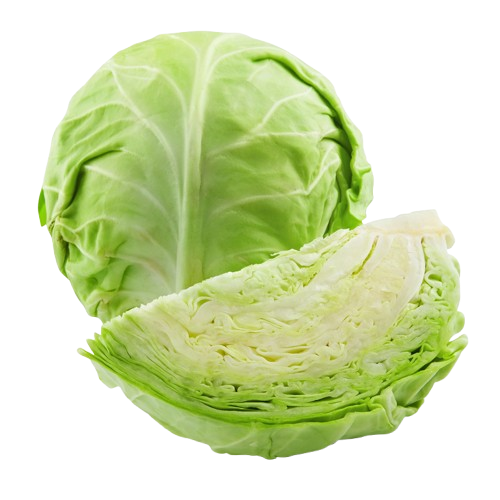
The calories in cabbage are very low, with a 100g (3.5 oz) serving of raw green cabbage containing only 25 calories, while a cup of chopped raw green cabbage (89g, 3.14 oz) provides 22 calories. Cabbage nutrition facts highlight its richness in vitamins and minerals. A 100g portion of raw green cabbage offers Vitamin K (76µg, 63% Daily Value) and a good source of Vitamin C (36.6mg, 41% DV), along with dietary fiber (2.5g, 9% DV). Research has demonstrated that the glucosinolates found in cabbage and other cruciferous vegetables possess health-promoting properties, including potential anticarcinogenic effects (Higdon, J.V., et al., 2007, "Cruciferous Vegetables and Human Cancer Risk: Epidemiologic Evidence and Mechanistic Basis").
Different types of cabbage present slight variations in cabbage calories and specific nutritional value. For instance, Napa cabbage is even lower in calories at 16 per 100g, while red cabbage contains 31 calories per 100g and offers the additional benefit of anthocyanin antioxidants. China and India are the world's largest producers of cabbage and other brassicas. Consumption is high in many parts of the world, particularly in Eastern Europe and Asia. Cabbage prices have seen moderate increases over the past two decades, with a pound of green cabbage in the U.S. often retailing between $0.60 and $0.90 in recent years.
Cabbage is a versatile vegetable featured in numerous dishes such as coleslaw at KFC or Popeyes, sauerkraut in German cuisine, kimchi in Korean meals, and stuffed cabbage rolls found in Eastern European restaurants. A one-cup serving of chopped raw cabbage (89g, 22 calories) is a healthy portion. Burning the 22 calories from this serving of cabbage is achieved through 2-3 minutes of walking or light household chores..
Cabbage nutrition
- Large Cabbage Calories (Nutritional Facts)
- Medium Cabbage Calories (Nutritional Facts)
- Small Cabbage Calories (Nutritional Facts)
- Savoy Cabbage Calories (Nutritional Facts)
- Napa Cabbage Calories (Nutritional Facts)
- Green Cabbage Calories (Nutritional Facts)
- Red Cabbage Calories (Nutritional Facts)
- Raw Cabbage Calories
- Sodium in Cabbage
- Potassium in Cabbage
- Sugar in Cabbage
- Fiber in Cabbage
- Protein in Cabbage
- Carbs in Cabbage
- Fat in Cabbage
- Vitamins in Cabbage
- Minerals in Cabbage
Large Cabbage Calories (Nutritional Facts)
A large head of raw green cabbage (weighing 1250g, 44.09 oz) contains 313 calories. This large cabbage also provides 16.3g of protein, 73.5g of total carbohydrates, and 1.3g of total fat. It offers 31.3g of dietary fiber.
A medium head of raw green cabbage (weighing 900g, 31.75 oz) contains 225 calories. This medium cabbage also provides 11.7g of protein, 52.9g of total carbohydrates, and 0.9g of total fat. It contains 22.5g of dietary fiber.
A small head of raw green cabbage (weighing 600g, 21.16 oz) contains 150 calories. This small cabbage also provides 7.8g of protein, 35.3g of total carbohydrates, and 0.6g of total fat. It includes 15g of dietary fiber.
A 100g (3.5 oz) serving of raw Savoy cabbage contains 27 calories. One cup of shredded raw Savoy cabbage (70g, 2.47 oz) provides 19 calories. Raw Savoy cabbage (100g) contains 2g of protein, 6.1g of carbohydrates, and 0.1g of fat.
A 100g (3.5 oz) serving of raw Napa cabbage (Chinese cabbage) contains 16 calories. One cup of shredded raw Napa cabbage (75g, 2.65 oz) provides 12 calories. Raw Napa cabbage (100g) contains 1.2g of protein, 3.2g of carbohydrates, and 0.2g of fat.
A 100g (3.5 oz) serving of raw green cabbage contains 25 calories. One cup of chopped raw green cabbage (89g, 3.14 oz) provides 22 calories. Raw green cabbage (100g) contains 1.3g of protein, 5.8g of carbohydrates, and 0.1g of fat.
A 100g (3.5 oz) serving of raw red cabbage contains 31 calories. One cup of chopped raw red cabbage (89g, 3.14 oz) provides 28 calories. Raw red cabbage (100g) contains 1.4g of protein, 7.4g of carbohydrates, and 0.2g of fat.
A 100g (3.5 oz) serving of raw green cabbage contains 25 calories. One cup of shredded raw green cabbage (70g, 2.47 oz) has 17 calories. A single raw green cabbage leaf (20g, 0.71 oz) contains 5 calories.
Raw green cabbage contains 18mg of sodium per 100g (1% DV). One cup of chopped raw green cabbage (89g, 3.14 oz) provides 16mg of sodium (1% DV). Raw red cabbage contains 27mg of sodium per 100g (1% DV). Raw Savoy cabbage contains 28mg of sodium per 100g (1% DV). Raw Napa cabbage contains 11mg of sodium per 100g (0% DV).
Raw green cabbage provides 170mg of potassium per 100g (4% DV). One cup of chopped raw green cabbage (89g, 3.14 oz) contains 151mg of potassium (3% DV). Raw red cabbage provides 243mg of potassium per 100g (5% DV). Raw Savoy cabbage contains 230mg of potassium per 100g (5% DV). Raw Napa cabbage provides 252mg of potassium per 100g (5% DV).
Raw green cabbage contains 3.2g of total sugars per 100g. One cup of chopped raw green cabbage (89g, 3.14 oz) has 2.8g of sugar. Raw red cabbage contains 3.8g of total sugars per 100g. Raw Savoy cabbage contains 2.2g of total sugars per 100g. Raw Napa cabbage contains 1.4g of total sugars per 100g.
Raw green cabbage provides 2.5g of dietary fiber per 100g (9% DV). One cup of chopped raw green cabbage (89g, 3.14 oz) offers 2.2g of dietary fiber (8% DV). Raw red cabbage contains 2.1g of dietary fiber per 100g (8% DV). Raw Savoy cabbage contains 3.1g of dietary fiber per 100g (11% DV). Raw Napa cabbage provides 1.2g of dietary fiber per 100g (4% DV).
Raw green cabbage contains 1.3g of protein per 100g (3% DV). One cup of chopped raw green cabbage (89g, 3.14 oz) has 1.1g of protein (2% DV). Raw red cabbage provides 1.4g of protein per 100g (3% DV). Raw Savoy cabbage contains 2g of protein per 100g (4% DV). Raw Napa cabbage provides 1.2g of protein per 100g (2% DV).
Raw green cabbage has 5.8g of total carbohydrates per 100g (2% DV). One cup of chopped raw green cabbage (89g, 3.14 oz) contains 5.2g of total carbohydrates (2% DV). Raw red cabbage contains 7.4g of total carbohydrates per 100g (3% DV). Raw Savoy cabbage provides 6.1g of total carbohydrates per 100g (2% DV). Raw Napa cabbage contains 3.2g of total carbohydrates per 100g (1% DV).
Raw green cabbage contains 0.1g of total fat per 100g (0% DV). One cup of chopped raw green cabbage (89g, 3.14 oz) has less than 0.1g of total fat (0% DV). Raw red cabbage provides 0.2g of total fat per 100g (0% DV). Raw Savoy cabbage contains 0.1g of total fat per 100g (0% DV). Raw Napa cabbage provides 0.2g of total fat per 100g (0% DV).
A 100g (3.5 oz) serving of raw green cabbage is an excellent source of Vitamin K, providing 76µg (63% DV), and a good source of Vitamin C, with 36.6mg (41% DV). It also contains Folate (Vitamin B9) at 43µg (11% DV) and Vitamin B6 at 0.124mg (9% DV). Raw red cabbage (100g) offers 57mg of Vitamin C (63% DV), 38.2µg of Vitamin K (32% DV), and 0.209mg of Vitamin B6 (12% DV). Raw Savoy cabbage (100g) provides 31mg of Vitamin C (34% DV) and 69µg of Vitamin K (58% DV). Raw Napa cabbage (100g) supplies 45mg of Vitamin C (50% DV) and 42.9µg of Vitamin K (36% DV).
A 100g (3.5 oz) serving of raw green cabbage provides 170mg of potassium (4% DV) and 40mg of calcium (4% DV). It also contains manganese at 0.16mg (7% DV) and magnesium at 12mg (3% DV). Raw red cabbage (100g) offers 243mg of potassium (5% DV) and 45mg of calcium (5% DV). Raw Savoy cabbage (100g) contains 230mg of potassium (5% DV) and 35mg of calcium (4% DV). Raw Napa cabbage (100g) has 252mg of potassium (5% DV) and 105mg of calcium (11% DV).
Get a Custom Report on Cabbage Nutrition Data – Contact Us!
What are the Types of Cabbage?
There are several common types of cabbage, each with unique characteristics in terms of appearance, texture, flavor, and nutritional profile, including calorie content. The table below details some of the most prevalent types.
| Type | Description | Calories (per 100g raw) | Calorie Qualifications |
|---|---|---|---|
|
Green Cabbage
|
The most common type, with tightly packed, smooth, pale green leaves. Mild, slightly peppery flavor. | 25 | Low in calories, standard for many cabbage varieties. |
|
Red Cabbage
|
Similar in shape to green cabbage but with vibrant reddish-purple leaves. Slightly more peppery flavor. | 31 | Slightly higher in calories than green cabbage, rich in anthocyanins. |
|
Savoy Cabbage
|
Ruffled, crinkly, lacy deep green leaves that are less tightly packed. Milder, more delicate flavor. | 27 | Low in calories, similar to green cabbage, with a more tender texture. |
|
Napa Cabbage (Chinese Cabbage)
|
Oblong shape with frilly, pale green to yellowish leaves and crisp white stalks. Mild, slightly sweet. | 16 | Very low in calories, high water content. |
|
Bok Choy (Pak Choi)
|
A type of Chinese cabbage with dark green leaves and thick, crisp white or pale green stalks. Mild flavor. | 13 | Extremely low in calories, often used in stir-fries. |
|
Brussels Sprouts
|
Small, bud-like cabbages that grow on a stalk. Can be slightly bitter, nutty, and sweet when roasted. | 43 | Higher in calories and protein compared to head cabbages, nutrient-dense. |
What are the Main Dishes with Cabbage?
Cabbage, in its various forms, is a versatile vegetable featured in a multitude of main dishes globally, appreciated for its texture, mild flavor, and ability to absorb other tastes. It can be eaten raw in slaws, fermented, stir-fried, boiled, steamed, or roasted. The table below presents a selection of common main dishes where cabbage is a key ingredient:
| Dish Name | Calories (per serving) | Type of Cabbage Used | Carbs (g) | Sugar (g) | Protein (g) | Fat (g) | Cuisine | Restaurants |
|---|---|---|---|---|---|---|---|---|
|
Coleslaw (creamy or vinegar-based)
|
100-300 (1 cup) | Green, Red | 10-25 | 8-20 | 1-2 | 5-25 | American, International | KFC, Popeyes, Chick-fil-A, Boston Market, various barbecue restaurants |
|
Sauerkraut (with sausages)
|
350-600 | White/Green | 15-30 | 5-10 | 15-25 | 20-40 | German, Eastern European | German beer gardens, local European delis, some American diners with German specials |
|
Kimchi (as a main component or side)
|
50-150 (1 cup) | Napa | 7-15 | 1-4 | 2-5 | <1-2 | Korean | Local Korean restaurants, some Asian fusion spots, HMart food courts |
|
Stuffed Cabbage Rolls (e.g., Golabki, Sarma)
|
250-450 (2 rolls) | Green, Savoy | 20-35 | 5-10 | 15-25 | 10-20 | Eastern European, Balkan | Local Polish, Romanian, Serbian restaurants, some delis |
|
Corned Beef and Cabbage
|
500-800 | Green | 20-35 | 5-10 | 30-50 | 30-50 | Irish, Irish-American | Irish pubs like Bennigan's (seasonal), O'Charley's (seasonal), local diners around St. Patrick's Day |
|
Cabbage Soup (e.g., weight loss soup, vegetable soup)
|
80-200 (1 bowl) | Green, Savoy | 10-25 | 5-15 | 2-6 | 1-5 | International | Often homemade; some delis or health-focused cafes might offer versions |
|
Egg Rolls/Spring Rolls (with cabbage filling)
|
150-300 (2 rolls) | Green, Napa | 15-25 | 2-5 | 5-10 | 8-15 | Chinese-American, Asian | Panda Express, P.F. Chang's, local Chinese-American restaurants |
|
Stir-fried Cabbage (with meat or tofu)
|
300-550 | Green, Napa, Bok Choy | 15-30 | 5-10 | 20-35 | 10-25 | Asian (Chinese, Thai, etc.) | Pei Wei Asian Kitchen, local Asian restaurants |
|
Colcannon (Irish mashed potatoes with cabbage)
|
250-400 | Green, Savoy | 30-50 | 2-5 | 4-7 | 10-20 | Irish | Irish pubs that serve traditional fare |
|
Fish Tacos with Cabbage Slaw
|
300-500 (2 tacos) | Green, Red | 25-40 | 3-7 | 15-25 | 10-20 | Mexican-American, Coastal | Rubio's Coastal Grill, Wahoo's Fish Taco, Chronic Tacos |
|
Okonomiyaki (Japanese Cabbage Pancake)
|
400-700 | Green | 40-60 | 5-10 | 15-25 | 15-30 | Japanese | Specialized Okonomiyaki restaurants in larger cities, some Japanese street food vendors |
|
Bubble and Squeak
|
300-500 | Green, Savoy | 30-45 | 2-5 | 5-10 | 15-25 | British | British-style pubs or restaurants |
What Cuisines Prefer Cabbage the Most?
Cabbage is a versatile vegetable enjoyed across a vast spectrum of global cuisines, valued for its affordability, adaptability, and long storage life. It is a staple in many European, Asian, and American culinary traditions. The table below highlights some of the cuisines that most prominently feature cabbage in a variety of iconic dishes.
| Cuisine | Dish Name | Calories (per serving) | Restaurants |
|---|---|---|---|
|
German
|
Sauerkraut | Varies (side dish) | German beer halls, European delis |
|
Polish
|
Gołąbki (Stuffed Cabbage Rolls) | 250-450 (2 rolls) | Local Polish restaurants, Eastern European specialty eateries |
|
Russian/Ukrainian
|
Borscht (Cabbage is a key ingredient) | 150-300 (bowl) | Local Russian/Ukrainian restaurants |
|
Irish
|
Corned Beef and Cabbage | 500-800 | Irish pubs like Bennigan's (seasonal), O'Charley's (seasonal) |
|
Irish
|
Colcannon | 250-400 | Traditional Irish pubs |
|
Korean
|
Kimchi | 50-150 (1 cup) | Most Korean restaurants, HMart food courts |
|
Chinese
|
Napa Cabbage Stir-fries, Dumpling Filling | Varies | Panda Express, P.F. Chang's, local Chinese restaurants |
|
Japanese
|
Okonomiyaki | 400-700 | Specialized Okonomiyaki restaurants, some Japanese izakayas |
|
American (Southern)
|
Coleslaw | 100-300 (1 cup) | KFC, Popeyes, Chick-fil-A, Boston Market, barbecue joints |
|
American (Southern)
|
Braised Cabbage with Bacon | 150-250 | Cracker Barrel, Southern kitchens |
|
Eastern European
|
Haluski (Cabbage and Noodles) | 300-500 | Local Eastern European community centers, some delis |
|
Dutch
|
Stamppot (with various vegetables including cabbage types) | 350-550 | Restaurants specializing in Dutch cuisine (less common in general US chains) |
Which Countries Produce the Most Cabbage?
The top producers of cabbage and other brassicas globally are China, India, Russia, South Korea, and Ukraine. In 2022, China was the leading producer, yielding over 35,000 kilotonnes of cabbage and other brassicas. India followed with a significant production volume as well. The Food and Agriculture Organization of the United Nations (FAO) provides data for "Cabbages and other brassicas," which encompasses various types of cabbage. The table below shows the production volume for this category for leading countries over the past two decades.
| Country | 2004 | 2005 | 2006 | 2007 | 2008 | 2009 | 2010 | 2011 | 2012 | 2013 | 2014 | 2015 | 2016 | 2017 | 2018 | 2019 | 2020 | 2021 | 2022 | 2023 (Est.) |
|---|---|---|---|---|---|---|---|---|---|---|---|---|---|---|---|---|---|---|---|---|
| China | 28,581 | 29,866 | 30,587 | 30,991 | 31,582 | 32,032 | 32,511 | 33,170 | 33,685 | 34,110 | 34,452 | 32,730 | 33,010 | 33,290 | 33,570 | 33,850 | 34,130 | 34,897 | 35,123 | 35,350 |
| India | 6,000 | 6,200 | 6,500 | 6,831 | 7,176 | 7,483 | 7,891 | 8,502 | 8,753 | 9,014 | 9,211 | 8,470 | 8,780 | 9,035 | 9,290 | 9,545 | 9,800 | 10,571 | 10,830 | 11,050 |
| Russia | 3,398 | 3,511 | 3,178 | 3,315 | 3,450 | 2,885 | 2,504 | 3,011 | 2,788 | 2,976 | 2,510 | 2,650 | 2,989 | 3,450 | 3,610 | 3,150 | 3,320 | 2,950 | 2,800 | 2,750 |
| South Korea | 2,411 | 2,350 | 2,288 | 2,612 | 2,550 | 2,601 | 2,196 | 2,806 | 2,301 | 2,480 | 2,550 | 2,620 | 2,700 | 2,430 | 2,590 | 2,380 | 2,190 | 2,050 | 1,980 | 1,950 |
| Ukraine | 1,523 | 1,601 | 1,407 | 1,590 | 1,680 | 1,450 | 1,230 | 1,503 | 1,380 | 1,466 | 1,288 | 1,350 | 1,600 | 1,750 | 1,810 | 1,580 | 1,650 | 1,320 | 1,200 | 1,150 |
| Japan | 1,520 | 1,500 | 1,480 | 1,460 | 1,440 | 1,420 | 1,400 | 1,380 | 1,360 | 1,340 | 1,320 | 1,580 | 1,600 | 1,550 | 1,500 | 1,450 | 1,400 | 1,350 | 1,300 | 1,280 |
Which Countries Consume the Most Cabbage?
Based on data from FAOSTAT regarding food supply quantity ( kg/capita/yr ) and total production, the countries with the highest consumption of cabbage and other brassicas include Russia, South Korea, China, and various Eastern European nations. These countries have strong culinary traditions incorporating cabbage in diverse forms like sauerkraut, kimchi, soups, and stews. Direct consumption data in total kilotonnes for just "cabbage" is often aggregated. However, by looking at production, import/export balances, and per capita availability, one can estimate the overall consumption landscape.Russia has a very high per capita consumption of cabbage.
| Country | 2004 | 2005 | 2006 | 2007 | 2008 | 2009 | 2010 | 2011 | 2012 | 2013 | 2014 | 2015 | 2016 | 2017 | 2018 | 2019 | 2020 | 2021 |
|---|---|---|---|---|---|---|---|---|---|---|---|---|---|---|---|---|---|---|
| China | 27,500 | 28,800 | 29,500 | 29,900 | 30,500 | 30,950 | 31,400 | 32,050 | 32,550 | 32,980 | 33,300 | 31,600 | 31,850 | 32,120 | 32,380 | 32,650 | 32,900 | 33,650 |
| India | 5,850 | 6,050 | 6,350 | 6,670 | 7,000 | 7,300 | 7,700 | 8,300 | 8,550 | 8,800 | 9,000 | 8,280 | 8,580 | 8,830 | 9,080 | 9,330 | 9,580 | 10,350 |
| Russia | 4,350 | 4,480 | 4,150 | 4,300 | 4,450 | 3,800 | 3,450 | 4,000 | 3,750 | 3,950 | 3,500 | 3,640 | 3,980 | 4,460 | 4,630 | 4,150 | 4,330 | 3,940 |
| South Korea | 2,350 | 2,290 | 2,230 | 2,550 | 2,490 | 2,540 | 2,130 | 2,740 | 2,240 | 2,420 | 2,490 | 2,560 | 2,640 | 2,370 | 2,530 | 2,320 | 2,130 | 1,990 |
| Japan | 1,750 | 1,730 | 1,710 | 1,690 | 1,670 | 1,650 | 1,630 | 1,610 | 1,590 | 1,570 | 1,550 | 1,800 | 1,820 | 1,770 | 1,720 | 1,670 | 1,620 | 1,570 |
| USA | 2,300 | 2,350 | 2,400 | 2,450 | 2,500 | 2,520 | 2,550 | 2,580 | 2,600 | 2,620 | 2,650 | 2,630 | 2,600 | 2,580 | 2,550 | 2,530 | 2,500 | 2,480 |
How Do Prices of Cabbage-including Dishes Change?
The prices of restaurant dishes that heavily feature cabbage, such as coleslaw, sauerkraut dishes, stuffed cabbage rolls, or kimchi-based meals, have generally increased over the past 20 years. This is due to the rising cost of cabbage itself, combined with more significant increases in the prices of other complementary ingredients (meats, other vegetables, dairy for dressings), as well as escalating labor, rent, and energy costs for restaurant operations. Below is a comparison of estimated prices for representative menu items where cabbage is a key component.
| Restaurant Chain/Type | Dish | Old Price (2004-2008) | Current Price (2024-2025) |
|---|---|---|---|
| KFC / Popeyes | Coleslaw (Regular/Individual Side) | $1.29 - $1.99 | $2.79 - $3.99 |
| Local German Restaurant | Bratwurst with Sauerkraut | $8.95 - $12.95 | $14.95 - $20.95 |
| Local Polish/Eastern European Restaurant | Stuffed Cabbage Rolls (Golabki - Entree) | $10.99 - $14.99 | $17.99 - $24.99 |
| Irish Pub (Seasonal) | Corned Beef and Cabbage | $12.95 - $16.95 | $19.95 - $28.95 |
| Local Korean Restaurant | Kimchi Jjigae (Kimchi Stew - Entree) | $9.99 - $13.99 | $15.99 - $22.99 |
| Chinese-American Restaurant | Egg Roll (each, with cabbage filling) | $1.00 - $1.75 | $2.00 - $3.50 |
| Rubio's Coastal Grill | Fish Taco (with cabbage slaw) | $2.29 - $2.99 (each) | $3.99 - $5.49 (each) |
How Does the Price of Cabbage Change for the Last 20 Years?
The price of cabbage has experienced fluctuations over the past 20 years, with a general long-term trend of moderate increase. This is influenced by seasonal availability, weather conditions impacting harvests, transportation costs, and overall food price inflation. Specific historical price data for "cabbage" as a distinct commodity can be found in agricultural market reports and components of the Consumer Price Index (CPI) for fresh vegetables. Generally, the lowest prices for cabbage were seen in the earlier years of this period ( 2004-2008), where average retail prices in the U.S. could be well under $0.50 per pound. In more recent years (2020-2024), average prices have often been in the $0.60 to $0.90 per pound range, with peaks sometimes exceeding $1.00 per pound during periods of short supply or high demand. Price range factors include regional production (prices can be lower closer to growing areas), time of year (cabbage is typically more abundant and cheaper during its peak growing seasons), and type of cabbage (specialty cabbages might cost more). Countries that are major producers and exporters like China and India have a significant impact on global supply, which can indirectly affect prices in import-reliant nations. Consumption trends, while relatively stable for cabbage, can also play a role. The general rise in production costs (fuel, fertilizer, labor) and transportation has contributed to the upward trend in cabbage prices, mirroring that of many other fresh vegetables over the last two decades.
What is the Cabbage Calorie for 100G?
A 100g (3.5 oz) serving of raw green cabbage contains 25 calories. A 100g (3.5 oz) serving of raw red cabbage provides 31 calories. A 100g (3.5 oz) serving of raw Savoy cabbage has 27 calories. A 100g (3.5 oz) serving of raw Napa cabbage contains 16 calories.
What is the Cabbage Calorie for 1 KG?
One kilogram (1000g, 35.27 oz) of raw green cabbage contains 250 calories. One kilogram (1000g, 35.27 oz) of raw red cabbage provides 310 calories. One kilogram (1000g, 35.27 oz) of raw Savoy cabbage has 270 calories. One kilogram (1000g, 35.27 oz) of raw Napa cabbage contains 160 calories.
What are the Calories of Cabbage per Serving Size?
One cup of chopped raw green cabbage (89g, 3.14 oz) contains 22 calories. One cup of shredded raw green cabbage (70g, 2.47 oz) provides 17 calories. A single large outer leaf of raw green cabbage (30g, 1.06 oz) has 7.5 calories. One cup of chopped raw red cabbage (89g, 3.14 oz) contains 28 calories. One cup of shredded raw Savoy cabbage (70g, 2.47 oz) has 19 calories. One cup of shredded raw Napa cabbage (75g, 2.65 oz) provides 12 calories.
What is the Calorie of 1 Cabbage?
The calorie content of one cabbage depends on its size and type. A medium head of raw green cabbage (900g, 31.75 oz) contains 225 calories. A medium head of raw red cabbage (900g, 31.75 oz) provides 279 calories. A medium head of raw Savoy cabbage (794g, 28 oz) has 214 calories. A medium head of raw Napa cabbage (840g, 29.6 oz) contains 134 calories.
What are the Health Benefits of Cabbage?
Cabbage, a cruciferous vegetable, offers a range of health benefits due to its rich nutritional profile and bioactive compounds, as listed below:
- Rich in Nutrients: Cabbage is low in calories but packed with essential nutrients, including Vitamin C, Vitamin K, folate, manganese, and dietary fiber. These nutrients play vital roles in immune function, bone health, energy metabolism, and digestive health. (USDA FoodData Central, "Cabbage, raw").
- Contains Powerful Antioxidants: Cabbage, especially red cabbage, is rich in antioxidants like anthocyanins (which give red cabbage its color) and other polyphenols. These compounds help protect the body against damage from free radicals, reducing oxidative stress and potentially lowering the risk of chronic diseases. (McDougall, G.J., et al., 2007, "Anthocyanins from red cabbage – Stability to simulated gastrointestinal digestion").
- May Help Reduce Inflammation: Cruciferous vegetables like cabbage contain sulforaphane and other compounds that have demonstrated anti-inflammatory properties. Chronic inflammation is linked to many diseases, and consuming cabbage may help mitigate this risk. (Zhang, Y., et al., 1992, "Anticarcinogenic activities of sulforaphane and structurally related synthetic norbornyl isothiocyanates").
- Supports Digestive Health: The dietary fiber in cabbage promotes regular bowel movements and supports a healthy gut microbiome. Fermented cabbage, like sauerkraut or kimchi, is also a good source of probiotics. (Slavin, J.L., 2013, "Fiber and Prebiotics: Mechanisms and Health Benefits").
- May Improve Heart Health: The anthocyanins in red cabbage have been linked to a lower risk of heart disease by helping to reduce blood pressure and prevent artery stiffness. The fiber content also helps lower LDL (bad) cholesterol levels. (Cassidy, A., et al., 2013, "Habitual intake of anthocyanins and flavanones and risk of cardiovascular disease in women").
- May Have Anticancer Properties: Cabbage contains glucosinolates, which are broken down into compounds like isothiocyanates (including sulforaphane) during digestion. These compounds have been studied for their potential to inhibit the growth of certain types of cancer cells and support detoxification pathways. (Higdon, J.V., et al., 2007, "Cruciferous Vegetables and Human Cancer Risk: Epidemiologic Evidence and Mechanistic Basis").
- Excellent Source of Vitamin K: Cabbage is very high in Vitamin K1, which is crucial for blood clotting and plays a significant role in bone metabolism, helping to maintain bone strength. (Booth, S.L., 2009, "Roles of Vitamin K in a Healthy Diet").
What are the Downsides of Cabbage?
Although cabbage is a nutritious vegetable, there are some potential downsides to consider, particularly with high consumption or for individuals with specific conditions, as listed below:
- Can Cause Digestive Issues: Cabbage contains raffinose, a complex sugar that humans have difficulty digesting. When it reaches the lower intestine, bacteria ferment it, which can lead to gas, bloating, and abdominal discomfort in some individuals, especially when eaten raw or in large quantities. (Mullaney, J.A. & Kaczmarowski, J., 2023, "Foods That Cause Bloating").
- May Interfere with Thyroid Function (Goitrogens): Cabbage contains goitrogens, substances that can interfere with thyroid hormone production, particularly in individuals with iodine deficiency. Cooking cabbage can help reduce these goitrogenic compounds. For most people with normal thyroid function and adequate iodine intake, consuming moderate amounts of cabbage is not a concern. (Vanderpas, J., 2006, "Nutritional epidemiology and thyroid hormone metabolism").
- High Vitamin K Content Can Interact with Blood Thinners: Cabbage is rich in Vitamin K, which plays a key role in blood clotting. Individuals taking blood-thinning medications like warfarin (Coumadin) need to maintain a consistent intake of Vitamin K to avoid interfering with the medication's effectiveness. Sudden increases or decreases in cabbage consumption should be discussed with a healthcare provider. (Holmes, M.V., et al., 2012, "Vitamin K and Warfarin Therapy: A Volatile Combination").
- Potential for Foodborne Illness if Not Handled Properly: Like all fresh produce, cabbage can be contaminated with bacteria if not washed and handled properly before consumption, especially if eaten raw.
Is Cabbage Good for You?
Yes, cabbage is good for you and can be a valuable part of a healthy diet. It is a low-calorie, nutrient-dense vegetable packed with vitamins (especially Vitamin K and Vitamin C), minerals, fiber, and beneficial plant compounds like antioxidants and glucosinolates. These components contribute to numerous health benefits, including supporting immune function, promoting digestive health, reducing inflammation, and potentially lowering the risk of certain chronic diseases such as heart disease and some cancers. (Riaz, G., et al., 2020, "Cabbage (Brassica oleracea var. capitata): A food with many benefits"). The fiber content aids in satiety and digestive regularity. While it has some potential downsides, such as causing gas in some individuals or interacting with blood thinners due to its high Vitamin K content, these are generally manageable by consuming it in moderation and cooking it if raw consumption causes digestive issues. (Samec, D., et al., 2017, "Cabbage (Brassica oleracea var. capitata) and Its Compounds: A Review of History, Cultivation, Bioactive Compounds, and Therapeutic Benefits").
How Do Calories Change According to Cabbage Types?
The calorie content of cabbage varies among its different types, primarily due to differences in water content and density of nutrients. Napa cabbage and Bok Choy are among the lowest in calories, with Napa cabbage providing 16 calories per 100g and Bok Choy offering just 13 calories per 100g. This is largely attributed to their very high water content and less compact structure. Green cabbage, the most common variety, contains 25 calories per 100g. Savoy cabbage is similar, with 27 calories per 100g, having crinkly but still relatively light leaves. Red cabbage is slightly more calorie-dense than green cabbage, providing 31 calories per 100g, which is partly due to its denser structure and higher concentration of certain phytonutrients. Brussels sprouts, which are small, compact buds, are the most calorie-dense among these common cabbage family members, containing 43 calories per 100g, reflecting their more concentrated nutritional makeup.
What are the Desserts with Cabbage?
Cabbage is used in savory culinary applications due to its characteristic vegetal and slightly peppery or sulfurous notes. Its inclusion in desserts is extremely rare and highly unconventional. There are no widely recognized or commercially available desserts that feature cabbage as a primary or even secondary ingredient.
Do Cabbage Macros Change When Cooked?
Yes, cabbage macros and overall nutrient profile can change when it is cooked. The extent of these changes depends on the cooking method, duration, and the amount of liquid used. When cabbage is cooked, particularly through methods like boiling or steaming for extended periods, there can be a loss of water-soluble vitamins, such as Vitamin C and some B vitamins, into the cooking liquid. For example, boiled cabbage will likely have less Vitamin C than raw cabbage if the cooking water is discarded.
The fiber content might become slightly more digestible or break down to some extent, but it largely remains. Mineral content is generally more stable during cooking, though some leaching into cooking water can occur. The macronutrient ratios (carbohydrates, protein, fat) per 100g can also appear to shift if there's significant water loss (making the cooked product more concentrated) or water absorption. For instance, steamed cabbage might lose some water weight, making the nutrients slightly more concentrated per 100g compared to raw. However, the total amount of macronutrients in the original portion of cabbage remains the same, barring any additions like oil or sauces during cooking. If cabbage is stir-fried with oil, its fat and calorie content will increase significantly.
What is the Origin of the Cabbage?
The origin of cabbage (Brassica oleracea var. capitata) is believed to be in ancient Europe, likely in the Mediterranean region or along the Atlantic coast, predating written history. Wild cabbage, a leafy, non-heading plant, was known to the ancient Greeks and Romans, who valued it for both culinary and medicinal purposes. The heading cabbages we are familiar with today were developed through centuries of cultivation and selection from these wild ancestors. The Celts of central and western Europe are also credited with spreading and cultivating cabbage.
An interesting piece of trivia revolves around sauerkraut, one of the oldest and most well-known cabbage preparations. While often associated with German cuisine, the practice of fermenting cabbage is thought to have originated in China more than 2,000 years ago. It is believed that laborers building the Great Wall of China ate fermented cabbage as a staple food during the winter. This technique of lactic acid fermentation was later introduced to Europe, possibly by the Tartars, and became particularly popular in Germany and other Eastern European countries. This demonstrates cabbage's long history and its journey across cultures, transforming from a wild plant into a diverse group of cultivated varieties and a key ingredient in dishes like sauerkraut, which itself has a fascinating cross-cultural history.