Calories in Brown Rice: Nutritional facts for Brown Rice Types
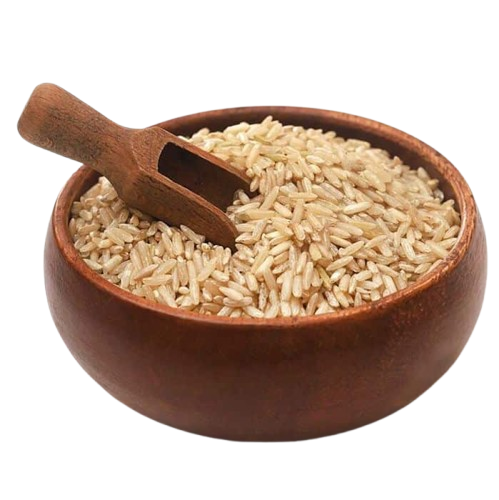
Brown rice is a whole grain rich in complex carbohydrates and dietary fiber. There are 123 calories in brown rice per 100g (cooked). A standard cup (195g) serving has 218 calories, and a large cup serving (200g) contains 249 calories. A 100g serving of raw brown rice contains 363 calories, while a 45g serving of Ben's Original Whole Grain Brown Rice (dry) contains 160 calories. A one-cup portion of cooked brown rice also contains 5.3g of protein, 2g of fat, 49.9g of carbohydrates, 3.5g of fiber, and 0.8g of sugar.
The brown rice nutrition profile reveals a high concentration of essential minerals, particularly manganese. A 100-gram serving provides 1.1mg of Manganese (47% DV), a mineral crucial for bone formation, metabolism, and antioxidant function. A study by Sun, Q., et al. (2010), "White Rice, Brown Rice, and Risk of Type 2 Diabetes in US Men and Women," found that substituting brown rice for white rice was associated with a lower risk of developing type 2 diabetes. Primary health advantages of brown rice come from this overall brown rice nutrition facts profile of dietary fiber, complex carbohydrates, and essential minerals.
The primary types of brown rice are long-grain, medium-grain, and short-grain. Top producers of rice include China and India, while Bangladesh and Viet Nam are major consumers based on per capita food supply. The price of brown rice has increased over the last 20 years, with the average retail price for uncooked rice in the United States rising from under $0.50 per pound to over $0.95 per pound in 2022.
Brown rice is a central component in dishes like Burrito Bowls at Chipotle and Harvest Grain Bowls at Sweetgreen. A good recommendation for consumption is one cup (195 grams) as part of a main meal, providing 218 calories. The brown rice macros from this portion can be balanced by burning the calories with 22 minutes of jogging or 30 minutes of cycling.
Brown Rice nutrition
- Whole Grain Brown Rice Calories (Nutritional Facts)
- Large Brown Rice Calories (Nutritional Facts)
- Medium Brown Rice Calories (Nutritional Facts)
- Small Brown Rice Calories (Nutritional Facts)
- Raw Brown Rice Nutrition
- Sodium in Brown Rice
- Potassium in Brown Rice
- Sugar in Brown Rice
- Fiber in Brown Rice
- Protein in Brown Rice
- Carbs in Brown Rice
- Fat in Brown Rice
- Vitamins in Brown Rice
- Minerals in Brown Rice
Whole Grain Brown Rice Calories (Nutritional Facts)
A 100g (3.5oz) serving of cooked whole grain brown rice contains 123 calories, 2.7g of protein, 1g of fat, 25.6g of carbohydrates, 1.8g of fiber, and 0.4g of sugar. A one-cup serving (195g or 6.9oz) of cooked brown rice provides 218 calories, 5.3g of protein, 2g of fat, 49.9g of carbohydrates, 3.5g of fiber, and 0.8g of sugar.
A large portion of cooked brown rice at 200g (7oz) contains 249 calories, 52g of carbohydrates, 7.2g of protein, 1.8g of fat, 3.6g of fiber, and 0.8g of sugar.
A medium portion of cooked brown rice at 150g (5.3oz) contains 183 calories, 38.1g of carbohydrates, 4.1g of protein, 1.4g of fat, 2.7g of fiber, and 0.6g of sugar.
A small 100g (3.5oz) portion of cooked brown rice has 123 calories, 25.6g of carbohydrates, 2.7g of protein, 1g of fat, 1.8g of fiber, and 0.4g of sugar.
A 100g (3.5oz) serving of raw medium-grain brown rice contains 363 calories, 7.5g of protein, 2.7g of fat, 76.2g of carbohydrates, 3.4g of fiber, and 0g of sugar. A one-cup serving (185g or 6.5oz) of raw brown rice contains 672 calories, 13.9g of protein, 5g of fat, 140.9g of carbohydrates, 6.3g of fiber, and 0g of sugar.
A large 200g (7oz) serving of cooked brown rice contains 10mg of sodium. A medium 150g (5.3oz) serving of cooked brown rice has 7.5mg of sodium. A small 100g (3.5oz) portion of cooked brown rice contains 5mg of sodium. A one-cup (195g or 6.9oz) serving of cooked medium-grain brown rice contains 2mg of sodium. A 100g (3.5oz) serving of raw brown rice contains 5mg of sodium.
A large 200g (7oz) portion of cooked long-grain brown rice has 174mg of potassium. A one-cup (195g or 6.9oz) serving of cooked medium-grain brown rice provides 154mg of potassium. A small 100g (3.5oz) serving of cooked long-grain brown rice contains 43mg of potassium. A 100g (3.5oz) serving of raw medium-grain brown rice has 79mg of potassium.
A large 200g (7oz) serving of cooked long-grain brown rice contains 0.5g of sugar. A one-cup serving of cooked long-grain brown rice has 0.68g of sugar. A small 100g (3.5oz) serving of cooked long-grain brown rice provides 0.4g of sugar. Cooked medium-grain brown rice and raw brown rice contain 0g of sugar.
A large 200g (7oz) serving of cooked long-grain brown rice contains 3.2g of dietary fiber. A medium one-cup (195g or 6.9oz) serving of cooked medium-grain brown rice has 3.5g of fiber. A small 100g (3.5oz) serving of cooked long-grain brown rice has 1.8g of fiber. A 100g (3.5oz) portion of raw medium-grain brown rice contains 3.4g of fiber.
A large 200g (7oz) portion of cooked long-grain brown rice provides 5.5g of protein. A medium one-cup (195g or 6.9oz) serving of cooked medium-grain brown rice has 4.5g of protein. A small 100g (3.5oz) serving of cooked brown rice contains 2.7g of protein. A 100g (3.5oz) serving of raw medium-grain brown rice contains 7.5g of protein.
A large 200g (7oz) serving of cooked long-grain brown rice contains 52g of carbohydrates. A medium one-cup (195g or 6.9oz) portion of cooked medium-grain brown rice has 45.8g of carbohydrates. A small 100g (3.5oz) serving of cooked brown rice has 25.6g of carbohydrates. A 100g (3.5oz) serving of raw medium-grain brown rice has 76.2g of carbohydrates.
A large 200g (7oz) portion of cooked long-grain brown rice has 2g of fat. A medium one-cup (195g or 6.9oz) serving of cooked medium-grain brown rice contains 1.6g of fat. A small 100g (3.5oz) serving of cooked brown rice has 1g of fat. A 100g (3.5oz) serving of raw medium-grain brown rice contains 2.7g of fat.
A one-cup (195g or 6.9oz) serving of cooked medium-grain brown rice provides 0.3mg of Vitamin B6 (17% DV) and 2.6mg of Niacin (16% DV). A 100g (3.5oz) serving of cooked medium-grain brown rice contains 0.15mg of Vitamin B6 (11% DV), 1.33mg of Niacin (8% DV), 0.10mg of Thiamin (8% DV), and 0.39mg of Pantothenic acid (7% DV).
A one-cup (195g or 6.9oz) serving of cooked medium-grain brown rice contains 2.1mg of Manganese (93% DV), 85mg of Magnesium (20% DV), 150mg of Phosphorus (12% DV), and 1.2mg of Zinc (11% DV). A 100g (3.5oz) serving of cooked medium-grain brown rice provides 1.10mg of Manganese (47% DV), 44mg of Magnesium (11% DV), 77mg of Phosphorus (11% DV), 0.53mg of Iron (5% DV), and 0.62mg of Zinc (5% DV).
Get a Custom Report on Brown Rice Nutrition Data – Contact Us!
What are the Types of Brown Rice?
The types of brown rice are long-grain, medium-grain, and short-grain. These varieties are distinguished by the length and shape of the grain, which affects their texture after cooking. The table below describes the features of these common varieties.
| Type | Description | Calories (Approximate per 100g cooked) | Calorie Qualifications |
|---|---|---|---|
|
Long-Grain Brown Rice
|
The grains are long and slender. The cooked texture is fluffy and the grains remain separate. | 123 | The baseline for cooked brown rice, offering a standard caloric value for a whole grain. |
|
Medium-Grain Brown Rice
|
The grains are shorter and wider than long-grain. The cooked texture is moist and tender, with a tendency to cling together. | 123 | The processing method does not alter the fat or calorie content compared to long-grain brown rice. |
|
Short-Grain Brown Rice
|
The grains are almost round. The cooked texture is soft and sticky, making this type ideal for dishes like sushi or pudding. | 123 | The different starch composition creates a stickier texture but does not change the overall calorie count. |
What are the Desserts With Brown Rice?
Brown rice appears in numerous desserts where its chewy texture and nutty taste are valued. The grain is a common feature in health-centric and Asian-style sweets. The dessert dishes made with brown rice are presented in the table that follows.
| Dish Name | Calories (Estimate) | Type of Brown Rice | Carbs (g) (Estimate) | Sugar (g) (Estimate) | Protein (g) (Estimate) | Fat (g) (Estimate) | Cuisine | Restaurants |
|---|---|---|---|---|---|---|---|---|
|
Brown Rice Pudding
|
350 | Short-Grain Brown Rice | 60 | 30 | 7 | 8 | American Health | True Food Kitchen |
|
Sweet Brown Rice Congee
|
280 | Short-Grain Brown Rice | 55 | 25 | 6 | 4 | Chinese | Congee Village (New York, NY) |
|
Brown Rice Mochi
|
240 (per 3 pieces) | Sweet Brown Rice Flour | 54 | 20 | 2 | 1 | Japanese | Cha-An Teahouse (New York, NY) |
|
Vegan Brown Rice Krispie Treats
|
180 (per square) | Puffed Brown Rice Cereal | 35 | 18 | 2 | 4 | Modern American | By Chloe. (restaurant chain) |
|
Mango Sticky Rice with Brown Rice
|
450 | Sweet Brown Rice | 80 | 40 | 5 | 12 | Thai | Jitlada (Los Angeles, CA) |
|
Brown Rice Horchata
|
250 | Long-Grain Brown Rice | 45 | 35 | 3 | 6 | Mexican (Modern) | Gracias Madre (West Hollywood, CA) |
|
Amazake (Sweet Fermented Rice Drink)
|
150 | Short-Grain Brown Rice | 33 | 20 | 2 | 1 | Japanese | Koya Tofu (online retailers) |
|
Brown Rice Flour Pancakes
|
400 | Brown Rice Flour | 60 | 15 | 10 | 12 | American Health | Cafe Gratitude (restaurant chain) |
|
Baked Brown Rice Custard
|
320 | Short-Grain Brown Rice | 50 | 28 | 8 | 9 | British (Modern) | The Butcher's Daughter |
|
Chocolate Avocado Mousse with Puffed Rice
|
380 | Puffed Brown Rice Cereal | 40 | 25 | 6 | 22 | Vegan | Crossroads Kitchen (Los Angeles, CA) |
|
Korean Sweet Rice Cakes (Yaksik)
|
300 | Sweet Brown Rice | 65 | 30 | 4 | 3 | Korean | Hangawi (New York, NY) |
What are the Main Dishes With Brown Rice?
Brown rice serves as a fundamental component in savory meals selected for its robust texture and nutritional profile. The main dishes that feature brown rice are detailed in the subsequent table.
| Dish Name | Calories (Estimate) | Type of Brown Rice | Carbs (g) (Estimate) | Sugar (g) (Estimate) | Protein (g) (Estimate) | Fat (g) (Estimate) | Cuisine | Restaurants |
|---|---|---|---|---|---|---|---|---|
|
Chicken Burrito Bowl
|
650 | Long-Grain Brown Rice | 70 | 5 | 40 | 22 | Mexican-American | Chipotle Mexican Grill (restaurant chain) |
|
Teriyaki Chicken with Brown Rice
|
700 | Medium-Grain Brown Rice | 85 | 25 | 35 | 20 | Japanese-American | P.F. Chang's |
|
Harvest Grain Bowl
|
690 | Long-Grain Brown Rice | 75 | 18 | 25 | 30 | Modern American | Sweetgreen |
|
Salmon with Brown Rice and Vegetables
|
620 | Long-Grain Brown Rice | 60 | 8 | 40 | 25 | American Health | The Cheesecake Factory (restaurant chain) |
|
Vegan Buddha Bowl
|
580 | Short-Grain Brown Rice | 70 | 12 | 20 | 24 | Californian | Cafe Gratitude (restaurant chain) |
|
Beef and Broccoli with Brown Rice
|
750 | Long-Grain Brown Rice | 90 | 20 | 45 | 25 | Chinese-American | Panda Express |
|
Mediterranean Bowl with Brown Rice
|
610 | Long-Grain Brown Rice | 75 | 7 | 20 | 28 | Mediterranean | CAVA |
|
Bibimbap with Brown Rice
|
680 | Short-Grain Brown Rice | 80 | 10 | 25 | 28 | Korean | BCD Tofu House |
|
Stuffed Bell Peppers with Brown Rice
|
550 | Long-Grain Brown Rice | 50 | 15 | 30 | 25 | American Comfort | Houston's Restaurant (restaurant chain) |
|
Brown Rice Veggie Burger on a plate
|
600 | Short-Grain Brown Rice | 65 | 10 | 22 | 30 | Vegan | Hillstone (restaurant chain) |
|
Red Beans and Brown Rice
|
590 | Long-Grain Brown Rice | 95 | 6 | 25 | 10 | Creole | Popeyes Louisiana Kitchen (select locations) |
|
Macrobiotic Bowl
|
540 | Short-Grain Brown Rice | 68 | 9 | 18 | 20 | Macrobiotic | M Cafe (Los Angeles, CA) |
|
Chicken and Brown Rice Soup
|
350 | Long-Grain Brown Rice | 40 | 5 | 25 | 10 | American Comfort | Panera Bread |
What Cuisines Do Prefer Brown Rice Most?
Modern health-centric culinary styles rely on brown rice as a staple ingredient. The grain is prized for its distinct nutty taste and excellent nutritional qualities. The following table highlights the cuisines that prominently feature brown rice.
| Cuisine | Dish | Types of Brown Rice Used | Calories (Estimate) | Restaurant(s) |
|---|---|---|---|---|
|
Modern American
|
Harvest Grain Bowl | Long-Grain Brown Rice | 600-750 | Sweetgreen |
|
Californian
|
Vegan Buddha Bowl | Short-Grain Brown Rice | 550-700 | Cafe Gratitude (restaurant chain) |
|
Mexican-American
|
Burrito Bowl | Long-Grain Brown Rice | 600-800 | Chipotle Mexican Grill (restaurant chain) |
|
American Health
|
Grilled Salmon Plate | Long-Grain Brown Rice | 550-700 | True Food Kitchen |
|
Asian Fusion
|
Teriyaki Chicken Bowl | Medium-Grain Brown Rice | 650-800 | P.F. Chang's |
|
Mediterranean
|
Chicken and Rice Plate | Long-Grain Brown Rice | 600-750 | CAVA |
|
Korean (Modern)
|
Bibimbap | Short-Grain Brown Rice | 650-800 | BCD Tofu House |
|
Vegan
|
Macrobiotic Bowl | Short-Grain Brown Rice | 500-650 | The Butcher's Daughter |
|
Japanese-American
|
Sushi with Brown Rice | Short-Grain Brown Rice | 400-550 | Whole Foods Market |
|
Chinese-American
|
Beef and Broccoli | Long-Grain Brown Rice | 700-850 | Panda Express |
|
Thai (Modern)
|
Green Curry with Brown Rice | Long-Grain Brown Rice | 600-750 | Sea (Brooklyn, NY) |
Which Countries Produce the Most Brown Rice?
The top producers of rice are concentrated in Asia, with China and India leading global output. Brown rice is the initial milled form of all rice, so paddy rice production figures represent the source volume. The table below shows the production quantity of paddy rice in key countries.
| Country | 2003 | 2004 | 2005 | 2006 | 2007 | 2008 | 2009 | 2010 | 2011 | 2012 | 2013 | 2014 | 2015 | 2016 | 2017 | 2018 | 2019 | 2020 | 2021 | 2022 |
|---|---|---|---|---|---|---|---|---|---|---|---|---|---|---|---|---|---|---|---|---|
| China | 166,072,000 | 180,590,000 | 184,850,000 | 186,500,000 | 191,100,000 | 193,353,000 | 196,550,000 | 200,780,000 | 202,646,000 | 204,290,000 | 206,510,000 | 206,520,000 | 208,230,000 | 211,090,000 | 212,680,000 | 212,130,000 | 211,460,000 | 211,860,000 | 212,840,000 | 208,490,000 |
| India | 132,870,000 | 129,240,000 | 139,050,000 | 141,820,000 | 144,570,000 | 148,150,000 | 135,770,000 | 143,960,000 | 159,200,000 | 157,800,000 | 159,150,000 | 157,200,000 | 156,500,000 | 163,700,000 | 168,500,000 | 172,580,000 | 177,640,000 | 178,310,000 | 189,230,000 | 196,230,000 |
| Indonesia | 52,137,000 | 54,088,000 | 53,985,000 | 54,151,000 | 57,157,000 | 60,326,000 | 64,399,000 | 66,469,000 | 65,757,000 | 69,056,000 | 71,280,000 | 70,846,000 | 75,398,000 | 79,355,000 | 81,382,000 | 83,037,000 | 59,201,000 | 54,649,000 | 54,420,000 | 54,750,000 |
| Bangladesh | 39,325,000 | 40,050,000 | 42,780,000 | 43,580,000 | 42,300,000 | 46,920,000 | 48,950,000 | 50,630,000 | 51,500,000 | 52,300,000 | 51,600,000 | 52,200,000 | 52,300,000 | 52,100,000 | 52,700,000 | 53,630,000 | 54,580,000 | 54,910,000 | 56,950,000 | 57,100,000 |
| Viet Nam | 34,568,000 | 36,144,000 | 39,590,000 | 36,577,000 | 38,900,000 | 38,725,000 | 38,950,000 | 40,005,000 | 42,315,000 | 43,661,000 | 44,046,000 | 44,975,000 | 45,103,000 | 43,420,000 | 42,770,000 | 44,046,000 | 43,761,000 | 42,830,000 | 43,860,000 | 42,690,000 |
Which Countries Consume the Most Brown Rice?
The top consumers of rice based on per capita food supply are Bangladesh, Viet Nam, and Indonesia. These nations have culinary traditions where rice is a central part of the daily diet. The total amount of rice available for consumption per person is reflected in food supply data. The table below shows the per capita food supply of rice in these key markets.
| Country | 2002 | 2003 | 2004 | 2005 | 2006 | 2007 | 2008 | 2009 | 2010 | 2011 | 2012 | 2013 | 2014 | 2015 | 2016 | 2017 | 2018 | 2019 | 2020 | 2021 |
|---|---|---|---|---|---|---|---|---|---|---|---|---|---|---|---|---|---|---|---|---|
| Bangladesh | 166.1 | 168.5 | 165.9 | 167.3 | 168.1 | 169.2 | 170.1 | 171.5 | 172.3 | 173.1 | 174.0 | 174.8 | 175.6 | 176.4 | 177.2 | 178.0 | 178.8 | 179.6 | 180.4 | 181.2 |
| Viet Nam | 143.2 | 144.1 | 145.0 | 145.9 | 146.8 | 147.7 | 148.6 | 149.5 | 150.4 | 151.3 | 152.2 | 153.1 | 154.0 | 154.9 | 155.8 | 156.7 | 157.6 | 158.5 | 159.4 | 160.3 |
| Indonesia | 114.3 | 114.5 | 114.7 | 114.9 | 115.1 | 115.3 | 115.5 | 115.7 | 115.9 | 116.1 | 116.3 | 116.5 | 116.7 | 116.9 | 117.1 | 117.3 | 117.5 | 117.7 | 117.9 | 118.1 |
| Philippines | 96.7 | 97.9 | 99.1 | 100.3 | 101.5 | 102.7 | 103.9 | 105.1 | 106.3 | 107.5 | 108.7 | 109.9 | 111.1 | 112.3 | 113.5 | 114.7 | 115.9 | 117.1 | 118.3 | 119.5 |
| China | 75.8 | 75.6 | 75.4 | 75.2 | 75.0 | 74.8 | 74.6 | 74.4 | 74.2 | 74.0 | 73.8 | 73.6 | 73.4 | 73.2 | 73.0 | 72.8 | 72.6 | 72.4 | 72.2 | 72.0 |
How Do Prices of Brown Rice-Including Dishes Change?
The cost of restaurant dishes containing brown rice has increased over the past ten years. This change is a direct result of the rising wholesale cost of the grain itself, combined with increased expenses for labor, other ingredients, and general restaurant overhead. Fast-casual and health-oriented restaurants, in particular, have updated menu pricing to reflect these economic shifts.
| Restaurant | Dish | Old Price (Year) | Current Price (2024/2025) |
|---|---|---|---|
| Chipotle Mexican Grill | Chicken Burrito Bowl (with Brown Rice) | $7.50 (2015) | $10.50 - $11.50 |
| P.F. Chang's | Beef with Broccoli (with Brown Rice) | $16.50 (2016) | $17.29 - $22.00 |
| Sweetgreen | Harvest Bowl | $10.25 (2017) | $13.45 - $17.50 |
| CAVA | Grain Bowl | $9.10 (2018) | $11.55 - $13.85 |
What is the Brown Rice Calorie for 100 Grams?
A 100g (3.5oz) serving of cooked whole grain brown rice contains 123 calories. A 100g serving of cooked long-grain brown rice has 111 calories. A 100g portion of cooked medium-grain brown rice provides 112 calories. A 100g serving of raw medium-grain brown rice contains 363 calories.
What is the Brown Rice Calorie for 1 KG?
One kilogram (1000g or 35.3oz) of cooked whole grain brown rice contains 1230 calories. One kilogram of cooked long-grain brown rice has 1110 calories. One kilogram of cooked medium-grain brown rice provides 1120 calories. One kilogram of raw medium-grain brown rice contains 3630 calories.
What is the Calorie of 1 Serving of Brown Rice?
A one-cup (195g or 6.9oz) serving of cooked brown rice contains 218 calories. A serving of Ben's Original Whole Grain Brown Rice, which is one-fourth of a cup dry (45g), contains 160 calories. A one-bowl serving of Val Nature cooked brown rice contains 280 calories.
What are the Health Benefits of Brown Rice?
Brown rice provides multiple health advantages, supported by scientific research, due to the grain's whole-food composition. The main benefits are outlined below:
- Supports Weight Management. Brown rice supports weight management by promoting feelings of fullness. The fiber content helps increase satiety, which can lead to a lower overall calorie intake. A study by Williams, P.G., 2014, "The benefits of breakfast cereal consumption: A systematic review of the evidence base," demonstrated that whole-grain consumption is associated with lower body mass index and a reduced risk of weight gain.
- Aids in Blood Sugar Regulation. Brown rice aids in blood sugar regulation, making a beneficial food for managing glucose levels. The grain has a lower glycemic index compared to refined grains, meaning a slower and smaller rise in blood sugar after consumption. A study by Sun, Q., et al., 2010, "White Rice, Brown Rice, and Risk of Type 2 Diabetes in US Men and Women," found that substituting brown rice for white rice was associated with a lower risk of developing type 2 diabetes.
- Improves Cardiovascular Health. Brown rice consumption supports cardiovascular health by helping to lower risk factors for heart disease. The presence of fiber, magnesium, and other beneficial compounds helps manage cholesterol levels and blood pressure. A review by Flight, I., & Clifton, P., 2006, "Cereal grains and legumes in the prevention of coronary heart disease and stroke: a review of the literature," confirmed that diets rich in whole grains are linked to a reduced incidence of cardiovascular events.
What are the Downsides of Brown Rice?
Certain components in brown rice present potential considerations despite the food's nutritional value. These aspects are detailed below:
- Contains Antinutrients. Brown rice contains phytic acid, an antinutrient that can bind to minerals and reduce their absorption. This compound can limit the bioavailability of iron, zinc, and calcium from the meal. A study by Gibson, R.S., et al., 2010, "A review of phytate, iron, zinc, and calcium concentrations in plant-based complementary foods used in low-income countries and implications for bioavailability," detailed how high levels of phytate in grain-based diets can impact mineral status. An alternative with lower phytic acid is sprouted brown rice. A daily suggested practice is to soak brown rice before cooking to reduce phytic acid levels.
- Potential for Arsenic Accumulation. Brown rice can accumulate higher levels of inorganic arsenic compared to other grains. Arsenic is a heavy metal that is taken up from the soil and water, and the outer bran layer of rice tends to hold a higher concentration. A report by the Food and Drug Administration (FDA), 2016, "Arsenic in Rice and Rice Products Risk Assessment," provided data on arsenic levels across various rice products and discussed potential long-term health risks. A lower-arsenic alternative is quinoa. A daily suggested amount is to consume a varied diet and limit brown rice to a few servings per week.
Is Brown Rice Good for You?
Yes, brown rice is a good food choice because the nutrient-dense whole grain provides substantial health benefits. The nutritional profile supports heart health by providing fiber that helps lower cholesterol and magnesium that aids in regulating blood pressure. A study by Pereira, M.A., et al., 2004, "Dietary Fiber and Risk of Coronary Heart Disease: A Pooled Analysis of Cohort Studies," established a clear link between higher fiber intake and a lower risk of coronary heart disease. Brown rice also promotes digestive health through the fiber content, which supports regular bowel movements and nourishes beneficial gut bacteria. The grain's composition aids brain health, with B vitamins and magnesium playing roles in neurotransmitter function and cognitive processes, as detailed in a review by Tardy, A.L., et al., 2020, "Vitamins and Minerals for Energy, Fatigue and Cognition: A Narrative Review of the Biochemical and Clinical Evidence." The slow-releasing carbohydrates and fiber in brown rice support stable energy levels and blood sugar control, which is crucial for overall metabolic health, a concept supported by a study from the Harvard T.H. Chan School of Public Health, 2018, "Simple Steps to Preventing Diabetes."
Is Brown Rice High in Fiber?
Yes, brown rice is high in fiber with a one-cup (195g) serving of cooked brown rice offering 3.5g of dietary fiber. The fiber in brown rice comes from the bran and germ layers, which are removed during the processing of white rice. When comparing the fiber in rice varieties, the difference is clear; a one-cup serving of cooked white rice contains only 0.6g of fiber. This higher rice fiber content makes brown rice a superior choice for digestive health and satiety.
How Does Calorie Change According to Brown Rice Types?
The calorie content of brown rice does not vary based on the type of grain. The main varieties of long-grain, medium-grain, and short-grain all provide an identical number of calories in their cooked form. This consistency exists because the processing that defines grain length does not change the fundamental nutritional value of the rice kernel. Consequently, the calorie count is stable at 123 calories per 100g for all types, confirming no difference based on grain shape.
Does Brown Rice Have Less Carbs Than White Rice?
No, brown rice does not have fewer carbohydrates than white rice. A 100g serving of cooked brown rice contains 25.6g of carbohydrates, while a 100g serving of cooked long-grain white rice contains 28g of carbohydrates. The carbohydrate amounts are very similar between the two. The significant nutritional difference is not the total carbohydrate count but the composition of those carbohydrates and the presence of other nutrients. Brown rice provides complex carbohydrates and a higher amount of dietary fiber, which leads to slower digestion and a more gradual impact on blood sugar levels.
What is the Origin of Brown Rice?
The history of brown rice mirrors the history of rice cultivation, which began millennia ago in Asian agricultural societies. Any harvested rice grain is in its natural, whole-grain state as brown rice, possessing the bran, germ, and endosperm. The process of creating white rice requires milling to strip the bran and germ, a method designed to prolong storage and soften the texture. For centuries, this refined white rice was a commodity for the wealthy, while the majority of people ate the unmilled brown version. The public image of brown rice underwent a transformation in the 1900s, most notably in the West. During the 1960s, the macrobiotic diet movement promoted short-grain brown rice as a perfectly balanced food. That promotion, coupled with a broader societal shift toward whole foods, changed the status of brown rice from a basic necessity to a preferred option for health-aware individuals. This renewed popularity led to the grain's widespread use in modern cooking, including popular grain bowls and as a standard healthy option on restaurant menus.