Calories in Beer: Nutritional facts for Beer Types
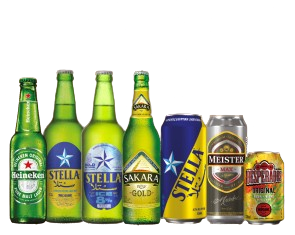
Beer contains calories primarily from alcohol and carbohydrates, varying widely by style and serving size. A standard 12 fluid ounce (355 milliliter) serving of regular beer (5% Alcohol by Volume, ABV) provides 155 calories, while a light beer contains 95 to 110 calories. Stronger styles like an India Pale Ale (IPA) or an Imperial Stout contain 200 to 300 calories per 12 fl oz serving. A 355mL regular beer contains 1.6 grams protein, 12.8 grams carbohydrates, 0 grams fat, 0 grams sugar, and small amounts of soluble fiber (0.5-1.5 grams). Beer also supplies B vitamins, such as Niacin (1.8mg or 11% Daily Value, DV) and Riboflavin (0.1mg or 8% DV), and is a source of dietary silicon, which is important for bone health (Casey TR and Bamforth CW, 2010, "Silicon in Beer and Brewing").
Major types of beer include lagers (like Pilsners), ales (like Pale Ales, IPAs), stouts, porters, and wheat beers. Global beer production is led by China (373.9 million hectoliters in 2022), the United States (194.1 mhl), and Brazil (147.4 mhl). Per capita consumption is highest in countries like the Czech Republic (148.6 liters per capita in 2021), Austria (101.1 L), and Poland (94.1 L). Beer prices have increased over the last 20 years, influenced by ingredient costs (barley, hops), energy, packaging, taxes, and the growth of higher-priced craft beers.
Beer features as an ingredient in various dishes like beer-battered fish, Beef and Guinness stew, and beer cheese soup, commonly found in pubs and restaurants like Gordon Ramsay Fish & Chips and traditional Irish pubs. Health authorities advise limiting alcohol consumption, and the Dietary Guidelines for Americans define moderation as up to one drink daily for women and up to two drinks daily for men, where one drink is 12 fl oz (355mL) of regular 5% ABV beer (155 calories). To expend the 155 calories from one standard beer, spend 15 minutes of moderate jogging, 20 minutes of cycling on flat ground, or about 30 minutes of brisk walking.
Beer nutrition
- Large Glass of Beer Calories (Nutritional Facts)
- Medium Glass of Beer Calories (Nutritional Facts)
- Small Glass of Beer Calories (Nutritional Facts)
- Sour Beer Calories (Nutritional Facts)
- Lager Beer Calories (Nutritional Facts)
- Stout Beer Calories (Nutritional Facts)
- Ale Calories (Nutritional Facts)
- Pale Ale Calories (Nutritional Facts)
- Pilsner Calories (Nutritional Facts)
- Sugar in Beer
- Fiber in Beer
- Protein in Beer
- Carbs in Beer
- Fat in Beer
- Vitamins in Beer
- Minerals in Beer
Large Glass of Beer Calories (Nutritional Facts)
A large glass of beer, such as a US pint (473mL or 16 fl oz), contains a significant number of calories, mainly from alcohol and carbohydrates. A large glass (473mL or 1 pint) of regular beer (5% ABV) provides 208 calories, 2.2g of protein, 0g of fat, and 17.1g of carbohydrates. A pint (473mL) of Guinness Draught stout contains 176 calories, 1.5g protein, 0g fat, and 14.3g carbs. A pint (473mL) of Heineken lager contains 236 calories, 2.4g protein, 0g fat, and 14.7g carbs. A pint (473mL) of Corona Extra lager contains 197 calories, 1.7g protein, 0g fat, and 18.5g carbs. A pint (473mL) of a standard India Pale Ale (IPA, 6.5% ABV) contains 240 calories, 2.5g protein, 0g fat, and 19g carbs. A pint (473mL) of Miller Lite pilsner contains 128 calories, 1.2g protein, 0g fat, and 4.3g carbs.
A medium glass (355mL or 12 fl oz) of regular beer (5% ABV) contains 155 calories, 1.6g of protein, 0g of fat, and 12.8g of carbohydrates. A 12 fl oz serving (355mL) of Guinness Draught stout contains 131 calories, 1.1g protein, 0g fat, and 10.7g carbs. A 12 fl oz serving (355mL) of Heineken lager contains 148 calories, 1.8g protein, 0g fat, and 11.0g carbs. A 12 fl oz serving (355mL) of Corona Extra lager contains 148 calories, 1.3g protein, 0g fat, and 13.9g carbs. A 12 fl oz serving (355mL) of a standard IPA (6.5% ABV) contains 180 calories, 1.9g protein, 0g fat, and 14g carbs. A 12 fl oz serving (355mL) of Miller Lite pilsner contains 96 calories, 0.9g protein, 0g fat, and 3.2g carbs.
A small glass (237mL or 8 fl oz) of regular beer (5% ABV) contains 104 calories, 1.1g of protein, 0g of fat, and 8.5g of carbohydrates. An 8 fl oz serving (237mL) of Guinness Draught stout contains 88 calories, 0.7g protein, 0g fat, and 7.1g carbs. An 8 fl oz serving (237mL) of Heineken lager contains 99 calories, 1.2g protein, 0g fat, and 7.3g carbs. An 8 fl oz serving (237mL) of Corona Extra lager contains 99 calories, 0.9g protein, 0g fat, and 9.3g carbs. An 8 fl oz serving (237mL) of a standard IPA (6.5% ABV) contains 120 calories, 1.3g protein, 0g fat, and 9.5g carbs. An 8 fl oz serving (237mL) of Miller Lite pilsner contains 64 calories, 0.6g protein, 0g fat, and 2.1g carbs.
Sour beers vary widely in calories depending on ABV, fruit additions, and residual sugars. A small serving (237mL or 8 fl oz) of a sour beer might contain 100-150 calories. A medium serving (355mL or 12 fl oz) could range from 150-220 calories. Dogfish Head SeaQuench Ale (4.9% ABV) has 140 calories, 2g protein, 0g fat, and 9g carbs per 12 fl oz. A large serving (473mL or 16 fl oz) of a sour beer could contain 200-300 calories or more, especially for higher ABV or fruited versions.
Lagers, known for their crispness, have calorie counts influenced by ABV and ingredients. A small serving (237mL or 8 fl oz) of a standard American lager like Budweiser (5% ABV) contains 97 calories. A medium serving (355mL or 12 fl oz) of Budweiser contains 145 calories, 1.3g protein, 0g fat, and 10.6g carbs. A large serving (473mL or 16 fl oz) of Budweiser contains 194 calories. Heineken lager (5% ABV) contains 99 calories per 8 fl oz, 148 calories per 12 fl oz, and 197 calories per 16 fl oz.
Stouts, dark beers known for roasted flavors, vary in calories. Traditional dry stouts can be lower in calories than sweeter milk stouts or high-ABV imperial stouts. A small serving (237mL or 8 fl oz) of Guinness Draught (4.2% ABV) contains 88 calories. A medium serving (355mL or 12 fl oz) of Guinness Draught contains 131 calories, 1.1g protein, 0g fat, and 10.7g carbs. A large serving (473mL or 16 fl oz) of Guinness Draught contains 176 calories. Higher ABV stouts like Founders Breakfast Stout (8.3% ABV) contain significantly more calories, around 270 calories per 12 fl oz.
A small serving (237mL or 8 fl oz) of a moderate ABV ale, like an Amber Ale (5-6% ABV), contain 110-130 calories. A medium serving (355mL or 12 fl oz) of New Belgium Fat Tire Amber Ale (5.2% ABV) contains 160 calories, 1.7g protein, 0g fat, and 15g carbs. A large serving (473mL or 16 fl oz) of a similar amber ale could contain 210-240 calories. Stronger ales will have higher calorie counts.
Pale Ales, including American Pale Ales and IPAs, have calorie levels influenced by ABV and hop bitterness. A small serving (237mL or 8 fl oz) of Sierra Nevada Pale Ale (5.6% ABV) contains 117 calories. A medium serving (355mL or 12 fl oz) of Sierra Nevada Pale Ale contains 175 calories, 1.9g protein, 0g fat, and 16.9g carbs. A large serving (473mL or 16 fl oz) contains 233 calories. India Pale Ales (IPAs) with higher ABV (6.5%+) will have more calories, often 120-150 per 8 fl oz, 180-220 per 12 fl oz, and 240-300 per 16 fl oz.
Pilsners, a type of pale lager, are often light in body and calories, especially American light pilsners. A small serving (237mL or 8 fl oz) of Miller Lite (4.2% ABV) contains 64 calories. A medium serving (355mL or 12 fl oz) of Miller Lite contains 96 calories, 0.9g protein, 0g fat, and 3.2g carbs. A large serving (473mL or 16 fl oz) of Miller Lite contains 128 calories. A classic European pilsner like Pilsner Urquell (4.4% ABV) contains more calories, around 107 calories per 8 fl oz, 160 calories per 12 fl oz, and 213 calories per 16 fl oz.
A standard 12 fl oz (355mL) beer contains 0g to 1g of sugar. Some styles with added lactose (Milk Stouts) or fruit purees may contain slightly more residual sugar. Most finished beers contain very little simple sugar. The yeast consumes most sugars during fermentation, converting them into alcohol and carbon dioxide. Residual sweetness comes from unfermentable carbohydrates (dextrins).
A 12 fl oz (355mL) serving of regular beer might contain 0.5g to 1.5g of fiber, contributing a small amount (2-6% DV) towards daily needs. Darker beers sometimes contain slightly more fiber than lighter beers.
Beer contains a small amount of protein derived from the grains (barley, wheat). A 12 fl oz (355mL) serving of regular beer provides 1g to 2g of protein (2-4% DV).
Light lagers like Miller Lite contain few carbs (3.2g per 12 fl oz or 355mL, 1% DV). Regular lagers like Budweiser contain more (10.6g per 12 fl oz, 4% DV). Stouts like Guinness Draught contain 10.7g per 12 fl oz (4% DV). Pale ales and IPAs often contain 14g to 20g per 12 fl oz (5-7% DV). The carbohydrate content in beer varies significantly by style. Most carbs come from unfermented sugars (dextrins) left after brewing.
Beer contains 0g of fat.
Beer contains several B vitamins produced by yeast during fermentation or derived from the grains. A 12 fl oz (355mL) serving of regular beer provides Niacin (Vitamin B3) at 1.8mg (11% DV), Riboflavin (Vitamin B2) at 0.1mg (8% DV), Vitamin B6 at 0.1mg (6% DV), and Folate (Vitamin B9) at 19mcg (5% DV). Amounts vary by beer type and brewing process.
Beer contains various minerals sourced from the water and grains used in brewing. A 12 fl oz (355mL) serving of regular beer provides Silicon (important for bone health, amount varies greatly but can be significant), Magnesium at 21mg (5% DV), Phosphorus at 124mg (10% DV), Selenium at 3.9mcg (7% DV), and Potassium at 96mg (2% DV).
Get a Custom Report on Beer Nutrition Data – Contact Us!
What are the Types of Beer?
Beer is broadly categorized into lagers and ales, with numerous styles within each, differing in ingredients, fermentation, flavor, color, and nutritional content. The characteristics and typical calorie content for a standard 12 fl oz (355 mL) serving are provided below:
| Type | Description | Calories (per 12 fl oz / 355 mL) | Calorie Differences & Qualifications |
|---|---|---|---|
|
Lager
|
Fermented at cooler temperatures with bottom-fermenting yeast; often crisp, smooth. Includes Pilsners, Bocks. | 100 - 170 | Wide range. American light lagers (Bud Light, Miller Lite, Coors Light) are lowest (95-110 kcal). Standard lagers (Budweiser, Heineken) are mid-range (140-150 kcal). Darker lagers/Bocks higher. |
|
Pilsner
|
A type of pale lager; crisp, hoppy, light to medium body. Originated in Czech Republic. | 95 - 160 | Light pilsners (Miller Lite) are very low (96 kcal). Classic European pilsners (Pilsner Urquell) are higher (160 kcal). |
|
Ale
|
Fermented at warmer temperatures with top-fermenting yeast; often more fruity, fuller-bodied. Includes Pale Ales, IPAs, Stouts, Wheat beers. | 140 - 300+ | Very broad category. Standard Pale Ales (Sierra Nevada) around 175 kcal. Amber ales similar. Stronger ales (Belgian Tripels, Barleywines) can exceed 300 kcal. |
|
Pale Ale (APA)
|
American style; balanced malt and hop character, moderate ABV. | 160 - 190 | Moderate calories, balanced profile. Example: Sierra Nevada Pale Ale (175 kcal). |
|
India Pale Ale (IPA)
|
Higher hop bitterness/aroma, often higher ABV than Pale Ales. Many sub-styles (Hazy, West Coast). | 180 - 250+ | Higher calories due to higher ABV (6-8%+) and sometimes more residual carbs. Double/Imperial IPAs (8%+) are highest (250-300+ kcal). |
|
Stout
|
Dark, roasted malt flavors (coffee, chocolate). Includes Dry, Milk, Oatmeal, Imperial stouts. | 125 - 300+ | Dry stouts like Guinness Draught are surprisingly low (131 kcal). Milk stouts (added lactose) are sweeter/higher. Imperial stouts (high ABV, 8%+) are very high calorie (250-300+ kcal). |
|
Wheat Beer (Hefeweizen, Witbier)
|
Made with a significant portion of wheat; often hazy, fruity, spicy notes. | 150 - 190 | Moderate calories. Examples: Blue Moon Belgian White (168 kcal), German Hefeweizens similar. |
|
Sour Beer
|
Characterized by intentional tart, acidic flavors; various base styles (Gose, Berliner Weisse). | 140 - 250 | Calorie range depends heavily on base beer style, ABV, and fruit additions (which add sugar). Lower ABV Gose/Berliner Weisse often lower end. Fruited sours can be higher. |
|
Light Beer
|
Lower in calories and often ABV than standard counterparts; usually pale lagers/pilsners. | 90 - 110 | Lowest calorie category, designed for fewer calories and carbs. Examples: Miller Lite (96 kcal), Coors Light (102 kcal), Bud Light (110 kcal), Michelob Ultra (95 kcal). |
What are the Desserts with Beer?
Beer, especially darker styles like stouts and porters, can be incorporated into desserts to add depth and unique flavors, as shown below:
| Dish Name | Calories (Estimate per serving) | Type | Carbs (g) | Sugar (g) | Protein (g) | Fat (g) | Cuisine | Restaurants |
|---|---|---|---|---|---|---|---|---|
|
Chocolate Stout Cake
|
400 - 600 per slice | Cake | 50 - 80 | 35 - 55 | 5 - 8 | 20 - 35 | American/Irish | Yard House locations |
|
Beer Ice Cream/Float
|
300 - 500 per serving | Frozen Dessert | 30 - 50 | 25 - 45 | 4 - 7 | 15 - 25 | American Craft | Salt & Straw |
|
Stout Brownies
|
300 - 450 per brownie | Baked Good | 35 - 50 | 25 - 40 | 4 - 6 | 15 - 25 | American | Less common on menus, more often found in bakeries or as homemade items. |
|
Beer Caramel Sauce
|
80 - 120 per 2 tbsp | Dessert Topping | 15 - 25 | 15 - 25 | <1 | 2 - 5 | Modern American | Used as a component in composed desserts at restaurants focusing on craft ingredients. |
|
Beer Bread Pudding
|
450 - 650 per serving | Baked Pudding | 60 - 90 | 40 - 60 | 8 - 12 | 18 - 30 | American/British | Sometimes featured in pubs or restaurants offering comfort food desserts. |
What are the Main Dishes with Beer?
Beer is frequently used in cooking main dishes, acting as a tenderizer, flavoring agent, leavening agent, or deglazing liquid, as shown below:
| Dish Name | Calories (Estimate per serving) | Type | Carbs (g) | Sugar (g) | Protein (g) | Fat (g) | Cuisine | Restaurants |
|---|---|---|---|---|---|---|---|---|
|
Beer-Battered Fish & Chips
|
800 - 1200+ | Fried Main Course | 60 - 100 | 2 - 5 | 30 - 50 | 40 - 70 | British/Irish/Pub | Gordon Ramsay Fish & Chips (Las Vegas), The Cheesecake Factory |
|
Beef and Guinness Stew
|
450 - 700 per bowl | Stew | 25 - 40 | 5 - 10 | 35 - 50 | 15 - 30 | Irish | The Dubliner - DC, Fadó Irish Pub |
|
Beer Can Chicken
|
300 - 500 per serving (chicken only) | Roasted Main Course | <5 | <1 | 40 - 60 | 10 - 20 | American BBQ/Grill | Popular for home grilling; sometimes found at BBQ joints or casual American restaurants. |
|
Beer Cheese Soup
|
350 - 600 per bowl | Soup | 15 - 30 | 3 - 8 | 15 - 25 | 20 - 40 | American Midwest/Pub | Old Chicago Pizza & Taproom |
|
Carbonnade Flamande
|
500 - 800 per serving | Beef & Onion Stew (Beer Braised) | 20 - 35 | 8 - 15 | 40 - 60 | 25 - 45 | Belgian/French | BXL Cafe - NYC |
|
Beer Braised Sausages/Brats
|
400 - 600 per serving (with sausage) | Braised Main Course | 10 - 20 | 2 - 5 | 20 - 30 | 25 - 40 | German/American | Wurstküche - Los Angeles |
|
Welsh Rarebit
|
400 - 600 per serving | Cheese Sauce on Toast | 30 - 45 | 2 - 5 | 15 - 25 | 20 - 35 | British | Found in some traditional British pubs or restaurants offering British fare. |
What Cuisines Prefer Beer the Most?
Beer is a globally consumed beverage, but certain cuisines feature it prominently either as a staple drink pairing or as a common cooking ingredient. The cuisines that prefer beer are shown in the following table:
| Cuisine | Dish Name / Use Example | Calories (Estimate per serving, Dish Only) | Restaurants |
|---|---|---|---|
|
German
|
Beer Gardens (Beverage), Beer Braised Meats | Varies (Beer: 150-250) | Hofbräuhaus |
|
Belgian
|
Carbonnade Flamande, Mussels in Beer Broth | 500-800 (Carbonnade) | BXL Cafe (NYC), Monk's Cafe (Philadelphia), Belgian brasseries. (Known for strong ales, often used in cooking). |
|
British / Irish
|
Pub Culture (Beverage), Beer Batter, Stews | Varies (Beer: 130-200) | The Churchill (NYC), Fadó Irish Pub |
|
American (Pub/Craft Beer)
|
Beer Cheese Soup, Beer Can Chicken, Beverage Pairing | Varies (Beer: 100-300+) | Yard House, Old Chicago Pizza & Taproom |
|
Czech
|
Pilsner (Beverage Staple) | 150-170 (Pilsner Urquell) | Czech-themed restaurants |
|
American (Tailgating/BBQ)
|
Beer Can Chicken, Beer Brats, Beverage | Varies | Primarily home cooking/event culture, though elements appear in BBQ restaurants. |
Which Countries Produce the Most Beer?
China, the United States, Brazil, Mexico, and Germany are consistently the world's largest beer producers by volume. Global beer production has seen shifts over the past two decades, with significant growth in countries like Brazil and Mexico, as shown in the following table:
| Country | 2004 | 2005 | 2006 | 2007 | 2008 | 2009 | 2010 | 2011 | 2012 | 2013 | 2014 | 2015 | 2016 | 2017 | 2018 | 2019 | 2020 | 2021 | 2022 |
|---|---|---|---|---|---|---|---|---|---|---|---|---|---|---|---|---|---|---|---|
| China | 291.0 | 306.2 | 351.5 | 399.7 | 410.4 | 423.6 | 448.3 | 489.9 | 490.2 | 497.8 | 471.6 | 460.4 | 450.6 | 440.2 | 397.9 | 376.5 | 341.1 | 359.7 | 373.9 |
| United States | 231.8 | 232.1 | 231.9 | 231.8 | 227.3 | 221.6 | 225.7 | 225.0 | 223.5 | 221.8 | 224.1 | 223.5 | 221.0 | 217.7 | 213.9 | 211.1 | 203.7 | 203.8 | 194.1 |
| Brazil | 85.2 | 89.8 | 96.3 | 102.6 | 108.1 | 121.6 | 126.7 | 133.2 | 134.7 | 133.6 | 141.4 | 138.6 | 133.3 | 140.4 | 145.4 | 149.1 | 151.9 | 143.0 | 147.4 |
| Mexico | 69.8 | 78.9 | 80.6 | 88.6 | 89.5 | 81.5 | 88.4 | 95.8 | 98.2 | 97.5 | 100.0 | 105.0 | 110.0 | 113.5 | 124.5 | 126.9 | 118.7 | 134.7 | 141.0 |
| Germany | 106.7 | 107.4 | 106.9 | 106.1 | 103.1 | 100.0 | 95.5 | 98.2 | 95.7 | 94.6 | 95.6 | 95.7 | 95.1 | 93.5 | 94.0 | 91.6 | 87.0 | 85.4 | 87.8 |
| Russia | 84.1 | 89.5 | 98.1 | 114.7 | 114.4 | 108.6 | 102.9 | 98.1 | 97.4 | 88.9 | 81.6 | 78.2 | 79.9 | 77.2 | 77.4 | 76.6 | 79.5 | 82.1 | 82.3 |
| Japan | 64.8 | 63.6 | 62.9 | 62.6 | 61.7 | 58.9 | 58.7 | 56.9 | 55.5 | 54.7 | 53.9 | 53.2 | 52.3 | 51.9 | 51.1 | 49.5 | 46.9 | 45.9 | 46.8 |
| Vietnam | 12.8 | 15.0 | 17.5 | 19.7 | 20.5 | 24.1 | 26.6 | 28.9 | 30.1 | 31.4 | 33.8 | 38.8 | 41.4 | 44.3 | 46.6 | 47.0 | 40.0 | 38.5 | 45.7 |
| United Kingdom | 59.1 | 56.4 | 55.7 | 53.6 | 50.4 | 49.5 | 47.2 | 45.5 | 42.8 | 41.9 | 42.2 | 43.3 | 43.6 | 44.2 | 41.8 | 45.3 | 39.0 | 41.3 | 40.3 |
| Poland | 27.2 | 30.1 | 31.8 | 34.8 | 35.5 | 35.7 | 36.9 | 38.2 | 39.6 | 39.8 | 39.5 | 39.7 | 39.9 | 40.4 | 40.0 | 39.2 | 38.0 | 37.6 | 37.9 |
Which Countries Consume the Most Beer?
The Czech Republic consistently leads in per capita consumption of beer, followed by countries like Austria, Poland, Romania, and Germany. The table below shows the consumption volume of beer per person in these countries:
| Country | 2004 | 2005 | 2006 | 2007 | 2008 | 2009 | 2010 | 2011 | 2012 | 2013 | 2014 | 2015 | 2016 | 2017 | 2018 | 2019 | 2020 | 2021 |
|---|---|---|---|---|---|---|---|---|---|---|---|---|---|---|---|---|---|---|
| Czech Republic | 156.9 | 160.0 | 158.9 | 159.9 | 159.3 | 148.6 | 144.2 | 142.4 | 146.0 | 144.0 | 144.5 | 142.4 | 143.3 | 138.3 | 141.1 | 142.1 | 135.2 | 148.6 |
| Austria | 109.3 | 108.1 | 107.8 | 107.6 | 108.1 | 107.2 | 107.0 | 108.3 | 106.5 | 105.5 | 104.7 | 104.8 | 106.0 | 106.1 | 103.1 | 107.6 | 96.9 | 101.1 |
| Poland | 79.3 | 84.0 | 87.1 | 93.0 | 94.0 | 93.6 | 95.7 | 98.5 | 100.3 | 100.8 | 98.0 | 99.4 | 99.6 | 100.8 | 97.7 | 96.1 | 92.8 | 94.1 |
| Romania | 60.9 | 71.1 | 83.0 | 90.0 | 99.0 | 85.9 | 83.2 | 83.2 | 83.4 | 80.3 | 78.7 | 80.0 | 85.6 | 90.4 | 94.1 | 98.8 | 90.3 | 92.1 |
| Germany | 115.8 | 115.2 | 114.2 | 111.7 | 109.7 | 106.9 | 107.2 | 105.0 | 103.1 | 101.7 | 100.7 | 104.1 | 104.2 | 101.3 | 101.1 | 99.0 | 92.5 | 93.5 |
| Spain | 83.8 | 84.8 | 85.0 | 85.4 | 83.8 | 78.1 | 76.6 | 77.6 | 77.1 | 76.4 | 78.2 | 80.6 | 81.6 | 84.8 | 86.0 | 88.5 | 70.7 | 82.8 |
| Namibia | N/A | N/A | N/A | N/A | N/A | N/A | 83.2 | 83.8 | 83.4 | 81.4 | 79.0 | 81.5 | 84.8 | 85.7 | 83.0 | 81.3 | 76.4 | N/A |
| Croatia | 81.2 | 82.3 | 81.2 | 85.2 | 82.7 | 78.5 | 77.9 | 78.4 | 74.6 | 76.0 | 72.5 | 74.1 | 76.2 | 78.3 | 78.7 | 85.5 | 77.0 | 81.2 |
| Estonia | 75.7 | 80.6 | 89.9 | 91.4 | 86.0 | 73.2 | 75.7 | 81.9 | 82.1 | 80.5 | 78.0 | 76.4 | 78.5 | 80.6 | 76.5 | 75.3 | 70.5 | 76.6 |
| Lithuania | 75.4 | 78.5 | 89.4 | 95.6 | 92.5 | 89.0 | 81.0 | 85.8 | 89.3 | 92.2 | 90.0 | 88.2 | 86.4 | 74.6 | 76.4 | 74.6 | 74.1 | 75.3 |
How Do Prices of Beer-including Dishes Change?
The price of restaurant dishes that use beer as a significant ingredient has increased over the past two decades. This increase reflects the rising costs of all components, including the main protein (beef, fish), other ingredients, labor, rent, and overall inflation, rather than being solely driven by the cost of the beer used in the recipe. The table below shows pricing comparisons from mid 2000s and 2025, for beer-including restaurant menu items:
| Restaurants | Dish Example (Beer as Ingredient) | Old Price (2005-2010) | Current Price (2025) |
|---|---|---|---|
| Gordon Ramsay Fish & Chips (Las Vegas) / The Cheesecake Factory | Beer-Battered Fish & Chips | $10.00 - $14.00 (2016) | $18.00 - $26.00 |
| Fadó Irish Pub (Various Locations) / The Dubliner (DC) | Beef and Guinness Stew | $12.00 - $15.00 (2008) | $18.00 - $25.00 |
| Old Chicago Pizza & Taproom (Various Locations) | Beer Cheese Soup (Bowl) | $5.00 - $7.00 (2010) | $7.00 - $12.00 |
| BXL Cafe (NYC) / Monk's Cafe (Philadelphia) | Carbonnade Flamande | $18.00 - $24.00 (2007) | $28.00 - $38.00 |
| Wurstküche (Los Angeles) / Hofbräuhaus | Beer Braised Brats (Plate) | $9.00 - $12.00 (2010) | $15.00 - $20.00 |
How Does the Price of Beer Change for the Last 20 Years?
Beer prices have increased over the past 20 years. In the United States, the Consumer Price Index (CPI) for "Beer, ale, and other malt beverages at home" and "Alcoholic beverages away from home" both show consistent upward trends from 2004 to 2024. Prices rise due to factors like the cost of ingredients (barley, hops, water), energy for brewing and transport, packaging (cans, bottles), labor costs, and government taxes (excise taxes). The rise of the craft beer segment has also influenced average prices, as craft beers often command higher prices than mass-market lagers. The lowest prices are found for budget domestic brands, while the highest prices are for imported beers, specialty craft beers (like barrel-aged stouts or limited-release IPAs), particularly when purchased at bars or restaurants versus retail stores. While global beer production volume has fluctuated and per capita consumption has decreased in some traditional markets like Germany, rising input costs and the trend towards premium products have generally pushed consumer prices higher over the two decades.
What is the Beer Calorie for 100 mL?
Regular beer (5% ABV) contains 44 calories per 100mL. Guinness Draught stout contains 37 calories per 100mL. Heineken lager contains 42 calories per 100mL. Corona Extra lager contains 42 calories per 100mL. A standard IPA (6.5% ABV) contains 51 calories per 100mL. Miller Lite pilsner contains 27 calories per 100mL. Budweiser lager contains 41 calories per 100mL. Sierra Nevada Pale Ale contains 49 calories per 100mL.
What is the Beer Calorie for 1 Liter?
One liter of regular beer (5% ABV) provides 440 calories. One liter of Guinness Draught stout contains 370 calories. One liter of Heineken lager contains 420 calories. One liter of Corona Extra lager contains 420 calories. One liter of a standard IPA (6.5% ABV) contains 510 calories. One liter of Miller Lite pilsner contains 270 calories. One liter of Budweiser lager contains 410 calories. One liter of Sierra Nevada Pale Ale contains 490 calories.
What is the Calorie of 1 Can of Beer?
Miller Lite contains 96 calories per can (355 ml). Coors Light contains 102 calories per can. Guinness Draught (in its specific widget can which contains 14.9 fl oz or 440mL) contains 163 calories per can; a standard 12 fl oz equivalent would be 131 calories. Heineken contains 148 calories per 12 fl oz can. Busch Light contains 95 calories per can. Budweiser contains 145 calories per can. Bud Light contains 110 calories per can. Blue Moon Belgian White ale contains 168 calories per 12 fl oz can.
What are the Health Benefits of Beer?
Moderate consumption of beer has been associated with some potential health benefits in certain studies, though these must be weighed against the risks of alcohol. Potential benefits of beer include:
- May Support Heart Health (Moderate Consumption): Some observational studies suggest that light to moderate alcohol consumption, including beer, might be associated with a reduced risk of certain cardiovascular diseases compared to heavy drinking or abstaining. This is often linked to potential effects on HDL (good) cholesterol and blood clotting factors. A meta-analysis by Ronksley PE et al. (2011), "Association of alcohol consumption with selected cardiovascular disease outcomes: a systematic review and meta-analysis," explored this complex relationship. It is crucial to note that higher consumption increases heart risks.
- Source of Silicon: Beer is a significant dietary source of silicon, derived from barley and hops. Dietary silicon is important for bone health and the formation of connective tissue. A study by Casey TR and Bamforth CW (2010), "Silicon in Beer and Brewing," confirmed beer as a major source of bioavailable silicon.
- Contains B Vitamins: Beer contains several B vitamins (like niacin, riboflavin, B6, folate) originating from the yeast and grains. These vitamins play roles in energy metabolism and other bodily functions. However, beer is not considered a primary or efficient source compared to many foods, and heavy alcohol use can impair B vitamin absorption.
- May Contain Antioxidants: Ingredients like barley and hops contain phenolic compounds (antioxidants) that may help combat oxidative stress in the body. The amounts and types vary significantly depending on the beer style and ingredients used. (Piazzon A, Forte M, Nardini M., 2010. Characterization of phenolics content and antioxidant activity of different beer types.)
What are the Downsides of Beer?
Alcohol consumption, including beer, carries significant health risks, especially when consumed in excess. The downsides of beer are listed below:
- Alcohol Dependence and Addiction: Beer contains alcohol, which is an addictive substance. Regular or heavy consumption can lead to alcohol use disorder. (National Institute on Alcohol Abuse and Alcoholism. Alcohol Use Disorder.)
- Liver Damage: Chronic heavy drinking is a major cause of liver diseases, including fatty liver, alcoholic hepatitis, and cirrhosis. Alcohol metabolism places significant stress on the liver. (Rehm J et al., 2010. Alcohol as a risk factor for liver cirrhosis: a systematic review and meta-analysis.)
- Increased Cancer Risk: Alcohol consumption is linked to an increased risk of several types of cancer, including mouth, throat, esophagus, liver, colon, rectum, and breast cancer. The risk increases with the amount of alcohol consumed. (World Health Organization. Alcohol.) There is no established "safe" level of alcohol consumption regarding cancer risk. Non-alcoholic beer, sparkling water, or other non-alcoholic beverages are alternatives.
- Weight Gain and Obesity: Beer contains calories primarily from alcohol and carbohydrates ("empty calories"). Regular consumption, especially of higher-calorie beers, can contribute significantly to calorie intake, leading to weight gain and associated health problems. (Sayon-Orea C, Martinez-Gonzalez MA, Bes-Rastrollo M., 2011. Alcohol consumption and body weight: a systematic review.) Light beers or non-alcoholic options are lower-calorie alternatives. Daily recommended limits for moderate consumption should be adhered to, if choosing to drink.
- Impaired Brain Function and Mental Health: Alcohol affects the brain, impairing judgment, coordination, and reaction times. Chronic heavy drinking can lead to lasting brain damage and is associated with mental health issues like depression and anxiety.
- Negative Impact on Sleep: While alcohol might induce sleepiness initially, it disrupts sleep architecture later in the night, leading to poorer quality sleep.
Is Beer Good for You?
No, beer is not considered a health food. While moderate consumption might be linked in some observational studies to potential cardiovascular benefits or contribute dietary silicon important for bone health, these benefits are often modest and can be obtained from healthier sources without the inherent risks of alcohol. Beer does contain some B vitamins and antioxidants, but not in amounts that justify its consumption for nutritional purposes. The significant downsides associated with alcohol, including the risk of addiction, liver damage, increased cancer risk, contribution to weight gain, negative impacts on brain health and mental well-being, and poor sleep quality, often outweigh any potential minor benefits. Excessive consumption is clearly detrimental to heart health, brain function, liver health, and overall well-being.
How Much Beer Should I Drink a Day?
If choosing to drink alcohol, including beer, health authorities recommend moderation. The Dietary Guidelines for Americans define moderate drinking as up to one drink per day for women and up to two drinks per day for men. One standard alcoholic drink equivalent for beer is defined as 12 fluid ounces (355 mL) of regular beer (containing 5% alcohol by volume, ABV). Consuming less is always better for health than consuming more. These are not daily averages, but limits for days when alcohol is consumed. Some individuals should not drink at all, including pregnant women, individuals under the legal drinking age, those with certain medical conditions, or those taking medications that interact with alcohol. The American Heart Association also advises moderation if you drink, emphasizing that you should not start drinking for potential heart benefits.
How Much Beer Can I Drink a Day at Most?
The maximum amount of beer recommended per day aligns with the definition of moderate consumption: up to one 12-ounce regular beer (5% ABV) for women and up to two 12-ounce regular beers (5% ABV) for men, only on days when alcohol is consumed. Exceeding these amounts constitutes heavy drinking or binge drinking (defined as consuming 4 or more drinks for women, or 5 or more drinks for men, within about 2 hours), both of which significantly increase health risks. Drinking more than the moderate amounts is not recommended and negates any potential minor health benefits while substantially increasing the risks of accidents, injuries, alcohol poisoning, liver disease, various cancers, addiction, and other health problems.
How Do Calories Change According to Beer Types?
Beer calories primarily come from two sources: alcohol and carbohydrates. Alcohol itself contains 7 calories per gram, making higher alcohol by volume (ABV) beers inherently higher in calories. Carbohydrates, mainly residual sugars and dextrins left after fermentation, contribute 4 calories per gram. Therefore, beer styles with high ABV and/or high residual carbohydrates are the most calorie-dense. The lowest calorie beers are Light Lagers, specifically designed with lower ABV (around 4.2%) and minimal residual carbohydrates, containing 90-110 calories per 12 fl oz. Standard lagers and ales with moderate ABV (around 5%) fall into a mid-range of 140-180 calories. Styles like IPAs, especially Double or Imperial IPAs (7.5%+ ABV), and high-gravity Stouts (Imperial Stouts, 8%+ ABV) contain the most calories, often ranging from 180 to over 300 calories per 12 fl oz serving, due to both high alcohol content and often higher residual carbohydrate levels contributing to body and flavor.
What is the Origin of Beer?
Beer is one of the oldest prepared beverages in human history, with origins dating back to the early Neolithic era, around 9500 BCE, when cereal grains were first farmed in Mesopotamia (modern-day Iraq and Syria). It is believed that beer was discovered accidentally when grains stored for bread-making became wet and fermented naturally with wild yeasts present in the air. Early evidence includes chemical residues found in pottery shards and mentions in ancient Sumerian texts like the "Hymn to Ninkasi," a prayer to the Sumerian goddess of beer dating back to 1800 BCE, which includes a recipe. Beer was a dietary staple in many ancient civilizations, including Egypt and Mesopotamia, valued for its nutritional content (less so than modern beer) and lower risk compared to potentially contaminated water sources. Brewing techniques evolved over millennia, with hops being introduced much later (around the 9th century CE in Europe) for flavoring and preservation.
One famous dish where beer plays a crucial role is Carbonnade Flamande (or Stoofvlees), a traditional beef and onion stew from the Flanders region of Belgium and Northern France. Its history is tied to the region's long tradition of brewing strong, flavorful ales. While exact origins are hard to pinpoint, stewing tough cuts of meat slowly was common practice, and using the readily available local beer instead of wine (more common further south) became characteristic. The beer, often a Belgian brown ale or dubbel, tenderizes the beef and imparts a deep, slightly sweet and malty flavor profile distinct from wine-based stews. Onions, slow-cooked until deeply caramelized, add further sweetness and depth. Carbonnade Flamande remains a beloved comfort food dish in Belgian cuisine, often served with french fries or boiled potatoes, showcasing beer not just as a drink but as a key culinary ingredient.