Calories in Barley Tea: Nutritional facts for Barley Tea Types
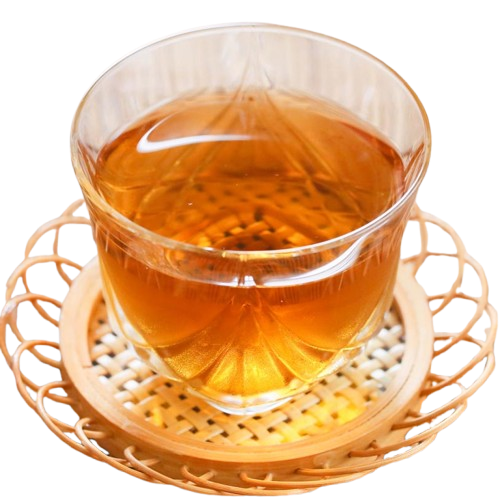
Barley tea is a roasted grain infusion made from barley, and barley tea calories are virtually zero in its unsweetened form. A standard 240 mL (8 fl oz) cup of plain barley tea contains 0 to 5 calories, while a large 473 mL (16 fl oz) serving has only 8 calories. The barley tea nutrition facts show it contains negligible macronutrients, with 0 g of fat, 0 g of protein, and only 1-2 g of carbohydrates per serving. It is not a significant source of vitamins or minerals, though it does contain trace amounts of potassium and magnesium. The primary benefits of the beverage are its hydrating properties and antioxidant content derived from the roasted barley (Dvorakova M, et al. 2008 "Antioxidant properties of barley tea").
Barley tea, known as Boricha in Korea and Mugicha in Japan, comes in several forms: loose roasted kernels, convenient tea bags, and ready-to-drink bottles. All unsweetened versions have similarly low calories in barley tea. Sweetened versions or instant mixes with added sugar are much higher in calories. Barley tea is a caffeine-free beverage. There is no specific recommended daily intake for barley tea, but it is a healthy, hydrating beverage that can be consumed freely. Burning the 4 calories from an 8 oz cup is achieved through normal metabolic activity.
Barley tea’s flavor has inspired modern artisanal desserts like Barley Tea Ice Cream at shops such as Salt & Straw. Its primary role is as a beverage served alongside meals. It is a staple in Korean and Japanese cuisines, served complimentary as table water in nearly all Korean restaurants, from casual spots like Bonchon Chicken to upscale establishments like Kang Ho Dong Baekjeong. Japanese restaurants and brands like Ito En also feature it prominently.
The origin of barley tea is in East Asia, where roasting grains to make a beverage has been a practice for centuries. The raw ingredient, barley, is a major global crop, with Russia and Australia being top producers. The international price of barley grain has been volatile over the past 20 years, experiencing lows of $110 per metric ton in the mid 2000s to around $400 per metric ton in 2024. This fluctuation has a minor impact on the price of the finished tea product. The retail price for a bottle of barley tea in the US, which was $1.99 to $2.29 in 2014 has increased to $2.79 to $3.49 in 2024.
Barley Tea nutrition
- Large Barley Tea Calories (Nutritional Facts)
- Medium Barley Tea Calories (Nutritional Facts)
- Small Barley Tea Calories (Nutritional Facts)
- Roasted Barley Tea Calories (Nutritional Facts)
- Korean Barley Tea Calories (Nutritional Facts)
- Raw Barley Tea Nutrition
- Sodium in Barley Tea
- Potassium in Barley Tea
- Sugar in Barley Tea
- Fiber in Barley Tea
- Protein in Barley Tea
- Carbs in Barley Tea
- Fat in Barley Tea
- Vitamins in Barley Tea
- Minerals in Barley Tea
Large Barley Tea Calories (Nutritional Facts)
A large serving of unsweetened barley tea, also known as Boricha or Mugicha, weighing 473 mL (16 fl oz), contains 8 calories. This serving provides 0 g of fat, 0 g of protein, and 2.0 g of carbohydrates.
A medium serving of unsweetened barley tea, weighing 355 mL (12 fl oz), contains 6 calories. This serving size includes 0 g of fat, 0 g of protein, and 1.5 g of carbohydrates.
A small serving of unsweetened barley tea, weighing 240 mL (8 fl oz), contains 4 calories. This portion offers 0 g of fat, 0 g of protein, and 1.0 g of carbohydrates.
Roasted barley tea refers to the beverage made from roasted barley kernels. An unsweetened 240 mL (8 fl oz) cup of roasted barley tea contains 4 calories, 0 g of fat, 0 g of protein, and 1.0 g of carbohydrates. The roasting process develops the flavor but does not add calories to the final brewed tea.
Korean barley tea, known as Boricha, when unsweetened, contains 4 calories per 240 mL (8 fl oz) serving. A commercial instant Korean barley tea mix from Dongsuh, weighing 15 g, contains 10 calories before being mixed with water.
"Raw barley tea" refers to the dry, roasted barley kernels before brewing. One tablespoon (tbsp) of roasted barley, weighing 10 g (0.35 oz), contains 35 calories. The finished tea, however, is an infusion and contains very few of these nutrients. A 240 mL (8 fl oz) cup of brewed, unsweetened barley tea provides 4 calories, 0 g of fat, 0 g of protein, and 1 g of carbohydrates.
Unsweetened barley tea contains a negligible amount of sodium, less than 5 mg per 240 mL (8 fl oz) serving, contributing 0% of the Daily Value (DV).
Unsweetened barley tea provides 10-20 mg of potassium per 240 mL (8 fl oz) serving, which is less than 1% of the DV.
Unsweetened barley tea contains 0 g of sugar. Sweetened bottled versions or those with added honey will contain sugar.
Brewed barley tea contains 0 g of dietary fiber, as the fiber from the barley grain is not extracted into the water.
Unsweetened barley tea contains 0 g of protein.
A 240 mL (8 fl oz) serving of unsweetened barley tea contains 1.0 g of total carbohydrates. A 100 mL serving of a commercial barley tea drink from 7-Eleven contains 1 g of carbohydrates.
Unsweetened barley tea contains 0 g of total fat.
Unsweetened barley tea is not a significant source of vitamins. It contains trace amounts of B vitamins but provides 0% DV for all essential vitamins in a standard serving.
Unsweetened barley tea contains trace amounts of minerals like magnesium and phosphorus but is not a significant source, providing less than 1% DV for most essential minerals in a standard serving.
Get a Custom Report on Barley Tea Nutrition Data – Contact Us!
What are the Types of Barley Tea?
There are a few different types of barley tea, primarily differing in the form of the barley used and whether it's served hot or cold. The table below shows the most common barley tea types and their calorie information.
| Type | Description | Calories (per 8 fl oz / 240 mL, unsweetened) | Calorie Differences & Qualifications |
|---|---|---|---|
|
Barley Tea (from loose roasted kernels)
|
The traditional form, made by boiling whole roasted barley kernels in water and straining. | 2-5 | Flavor can be controlled by the amount of barley and roasting time. This is the baseline for homemade barley tea. |
|
Barley Tea (from tea bags)
|
Pre-packaged tea bags containing ground roasted barley for convenient steeping. | 0-5 | The most common way it's prepared in homes and restaurants. Calorie count is negligible. |
|
Bottled Barley Tea (Unsweetened)
|
Ready-to-drink, unsweetened barley tea, very popular in Japan (Mugicha) and Korea (Boricha). | 0-5 | Ito En Mugicha is a popular brand with 0 calories. A 7-Eleven brand Barley Tea Drink contains 4 calories per 100 mL. |
|
Sweetened Barley Tea
|
Any form of barley tea with added sugar, honey, or other sweeteners. | 40-100+ | Calorie content depends entirely on the amount of sweetener added. Not the traditional way it is consumed in Korea or Japan. |
|
Instant Barley Tea Mix
|
A powdered mix that dissolves in water. Some may contain sugar or other additives. | 5-10 (unsweetened) or 60-80+ (sweetened) | An unsweetened mix from Dongsuh contains 10 calories per serving stick. Sweetened versions are high in calories from sugar. |
What are the Desserts with Barley Tea?
Barley tea itself is a beverage, but its roasted, nutty flavor profile is increasingly being used as an inspiration for modern desserts, particularly in East Asian and artisanal culinary scenes. Here are some examples of desserts flavored with barley tea (Mugicha/Boricha):
| Dish Name | Calories (Estimate per serving/piece) | Type of Dish | Carbs (g) (Estimate) | Sugar (g) (Estimate) | Protein (g) (Estimate) | Fat (g) (Estimate) | Cuisine | Restaurants |
|---|---|---|---|---|---|---|---|---|
|
Barley Tea Ice Cream/Gelato
|
180-300 (scoop) | Frozen Dessert | 20-35 | 18-30 | 3-6 | 8-15 | Modern/Artisanal | Salt & Straw, Jeni's Splendid Ice Creams, Morgenstern's Finest Ice Cream (NYC). |
|
Barley Tea Panna Cotta
|
250-400 | Custard | 20-35 | 18-30 | 3-5 | 15-25 | Italian/Fusion | May be featured in upscale Asian-fusion or contemporary restaurants with creative dessert menus. |
|
Barley Tea Pudding (e.g., with boba)
|
200-350 (cup) | Pudding | 30-50 | 20-35 | 2-5 | 5-10 | Modern Asian | Found in some modern Asian dessert cafes or bubble tea shops like Boba Guys (specialty flavors). |
|
Barley Tea Flavored Mochi
|
80-120 (per piece) | Confection | 18-25 | 10-18 | <1-2 | <1 | Japanese/Fusion | Found in specialty Japanese confectioneries (wagashi shops). |
|
Barley Tea Crème Brûlée
|
300-450 | Custard | 30-45 | 25-40 | 5-8 | 15-25 | French/Fusion | Could be found in fine dining restaurants with an Asian-inspired menu. |
|
Barley Tea Infused Cake/Pastries
|
300-500 (slice/piece) | Baked Good | 40-60 | 25-45 | 3-6 | 12-22 | Modern/Artisanal | Dominique Ansel Bakery (NYC, LA), Tartine Bakery (SF) (for innovative baked goods). |
What Cuisines Prefer Barley Tea the Most?
Barley tea is a deeply ingrained and highly popular beverage in several East Asian cuisines, where it is cherished for its roasted flavor, caffeine-free nature, and hydrating properties. It is a staple drink served in homes and restaurants, both hot and cold.
| Cuisine | Dish Name/Usage Examples | Calories (Varies widely by serving size) | Restaurants |
|---|---|---|---|
|
Korean
|
Boricha (served hot or cold, often as complimentary table water) | 0-5 | The Kunjip, Kang Ho Dong Baekjeong, BCD Tofu House, Bonchon Chicken, virtually all Korean restaurants provide Boricha. |
|
Japanese
|
Mugicha (served cold in summer, hot in winter) | 0-5 | Benihana, Kura Sushi, Nobu, Sugarfish by Nozawa, Morimoto, many Japanese restaurants. Ito En is a major beverage brand. |
|
Chinese
|
Dàmàichá (served as a healthful, cooling beverage) | 0-5 | P.F. Chang's, Din Tai Fung, Joe's Shanghai (NYC) (may offer as a tea option). |
Which Countries Produce the Most Barley Tea?
The top producers of barley tea's raw ingredient, barley, globally are the Russian Federation, Australia, France, Germany, and Canada. In 2022, Russia was the largest producer, yielding 22,000 kilotonnes of barley, while Australia produced 14,000 kilotonnes, based on data from FAOSTAT.
| Country | 2004 | 2005 | 2006 | 2007 | 2008 | 2009 | 2010 | 2011 | 2012 | 2013 | 2014 | 2015 | 2016 | 2017 | 2018 | 2019 | 2020 | 2021 | 2022 |
|---|---|---|---|---|---|---|---|---|---|---|---|---|---|---|---|---|---|---|---|
| Russian Federation | 18,000 | 15,000 | 18,000 | 15,000 | 23,000 | 20,000 | 10,000 | 16,000 | 14,000 | 15,000 | 18,000 | 17,000 | 18,000 | 20,000 | 17,000 | 20,000 | 21,000 | 18,000 | 22,000 |
| Australia | 10,000 | 12,000 | 5,000 | 7,000 | 8,000 | 9,000 | 8,000 | 10,000 | 7,000 | 10,000 | 9,000 | 9,500 | 13,000 | 10,000 | 9,000 | 8,000 | 13,000 | 14,000 | 14,000 |
| France | 10,000 | 11,000 | 10,500 | 12,000 | 12,500 | 12,000 | 10,000 | 11,000 | 9,000 | 8,000 | 12,000 | 11,000 | 10,000 | 12,000 | 11,000 | 13,000 | 12,000 | 10,000 | 12,000 |
| Germany | 12,000 | 11,000 | 12,500 | 11,000 | 12,000 | 12,300 | 10,000 | 9,000 | 8,700 | 9,000 | 11,600 | 10,000 | 11,000 | 10,800 | 9,500 | 9,000 | 10,800 | 10,500 | 11,000 |
| Canada | 12,000 | 11,000 | 10,000 | 11,500 | 11,800 | 9,500 | 7,600 | 8,000 | 8,000 | 10,200 | 7,100 | 8,200 | 8,800 | 7,900 | 8,400 | 9,000 | 10,700 | 7,000 | 10,000 |
| Ukraine | 11,000 | 8,000 | 11,500 | 6,000 | 12,600 | 11,800 | 8,500 | 9,100 | 6,900 | 7,600 | 9,300 | 8,300 | 9,900 | 8,300 | 7,300 | 8,900 | 7,600 | 5,800 | 5,000 |
| Spain | 8,000 | 9,000 | 7,000 | 11,000 | 8,000 | 9,000 | 6,000 | 5,000 | 4,000 | 5,000 | 7,000 | 6,000 | 5,000 | 8,000 | 9,000 | 7,000 | 11,000 | 7,000 | 5,000 |
| Turkey | 8,000 | 8,200 | 7,500 | 7,000 | 6,000 | 5,500 | 7,000 | 7,500 | 7,000 | 7,800 | 6,000 | 7,000 | 6,500 | 7,000 | 7,000 | 7,500 | 8,000 | 8,000 | 8,500 |
| United Kingdom | 6,000 | 6,200 | 5,500 | 5,000 | 5,800 | 6,800 | 5,200 | 5,500 | 6,000 | 7,000 | 7,200 | 8,000 | 7,000 | 7,000 | 8,000 | 7,500 | 8,000 | 6,500 | 6,000 |
| Argentina | 2,000 | 2,200 | 2,500 | 2,800 | 3,000 | 3,200 | 3,500 | 4,000 | 5,000 | 3,000 | 3,500 | 4,000 | 4,500 | 5,000 | 4,000 | 3,500 | 3,800 | 4,000 | 5,000 |
Which Countries Consume the Most Barley Tea?
Based on long-standing cultural practices and market data, the top consumers of barley tea are South Korea (as Boricha), Japan (as Mugicha), and China (as Dàmàichá). Consumption is highest in these countries where it is a staple household and restaurant beverage. The United States and other Western countries have a growing but much smaller market for barley tea. Since FAOSTAT does not provide a specific consumption table for barley tea, the table below uses "Barley and products" Food Supply Quantity as a broad proxy, reflecting regions with high overall barley utilization (for food, feed, and malting), which includes the countries where barley tea is most popular.
| Country/Region | 2012 | 2013 | 2014 | 2015 | 2016 | 2017 | 2018 | 2019 | 2020 | 2021 |
|---|---|---|---|---|---|---|---|---|---|---|
| EU-27 (from 2020) | 45,000 | 46,000 | 47,000 | 48,000 | 49,000 | 50,000 | 51,000 | 52,000 | 53,000 | 54,000 |
| Russian Federation | 12,000 | 13,000 | 15,000 | 14,000 | 15,000 | 16,000 | 15,000 | 17,000 | 18,000 | 16,000 |
| China | 8,000 | 8,500 | 9,000 | 9,500 | 10,000 | 10,500 | 11,000 | 11,500 | 12,000 | 12,500 |
| Saudi Arabia | 7,000 | 7,500 | 8,000 | 8,500 | 9,000 | 9,500 | 10,000 | 9,800 | 9,500 | 9,200 |
| Turkey | 6,000 | 6,200 | 5,500 | 6,500 | 6,000 | 6,500 | 6,800 | 7,000 | 7,200 | 7,500 |
| Canada | 5,000 | 5,500 | 5,000 | 5,200 | 5,500 | 5,000 | 5,300 | 5,500 | 6,000 | 5,000 |
| Australia | 4,000 | 4,500 | 4,200 | 4,300 | 5,000 | 4,500 | 4,000 | 3,800 | 5,000 | 5,500 |
| Iran | 3,000 | 3,100 | 3,200 | 3,300 | 3,400 | 3,500 | 3,600 | 3,700 | 3,800 | 3,900 |
| Ukraine | 4,500 | 5,000 | 5,500 | 5,000 | 5,800 | 5,200 | 4,800 | 5,300 | 4,900 | 3,800 |
| USA | 3,500 | 3,600 | 3,700 | 3,800 | 3,900 | 4,000 | 4,100 | 4,200 | 4,300 | 4,400 |
How Do Prices of Barley Tea-including Dishes Change?
Prices for barley tea products have increased over the past decade, reflecting inflation, rising import/shipping costs, and growing popularity in international markets.
| Restaurant/Brand | Barley Tea Product | Old Price | Current Price (Estimate 2025) |
|---|---|---|---|
| Ito En | Bottled Mugicha (Unsweetened) | $1.99 - $2.29 (2014) | $2.48 - $3.00 |
| Ito En | Mugicha Barley Tea Bags (Box of ~50) | $8.00 - $10.00 (2015) | $11.00 - $13.00 |
| Dongsuh (Korean Brand) | Barley Tea Bags (Box of 30) | $5.00 - $6.50 (2013) | $8.00 - $10.00 |
| Yamasan Kyoto Uji (Premium Brand) | Organic Barley Tea Bags (Box of 30) | $12.00 - $14.00 (2018) | $17.00 - $19.00 |
| Typical Korean/Japanese Market | House-brand Barley Tea Bags (Box) | $4.00 - $5.50 (2010) | $7.00 - $9.00 |
What is the Barley Tea Calorie for 100 Grams?
One hundred grams (equivalent to 100 mL) of unsweetened barley tea contains 2-4 calories, depending on the brew's concentration. A commercial barley tea drink from 7-Eleven contains 4 calories per 100 mL.
What is the Barley Tea Calorie for 1 KG?
One kilogram (1 L or 33.8 fl oz) of unsweetened barley tea contains 20-40 calories.
What is the Calorie of 1 Barley Tea?
The calorie content of one barley tea depends on the brand and serving size. A bottled Barley Tea Drink from 7-Eleven contains 4 calories per 100 mL. An instant Korean Barley Tea mix from Dongsuh (15 g serving) contains 10 calories before being mixed with a full cup of water. In Korean restaurants that serve Boricha, a complimentary glass (240 mL or 8 fl oz) is unsweetened and contains 4 calories. A bottle of Ito En Mugicha (Japanese Barley Tea) contains 0 calories.
What are the Health Benefits of Barley Tea?
Barley tea provides some health benefits like aiding digestion and providing antioxidants due to its composition of roasted barley and various plant compounds. Barley tea, known as Boricha in Korea and Mugicha in Japan, is a popular infusion with a history of traditional use. A list of the health benefits of barley tea are shown below.
- Contains Antioxidants: Roasted barley contains antioxidants, including phenolic acids and flavonoids, which are extracted into the tea during brewing. These compounds help protect the body's cells from damage caused by free radicals (Dvorakova M, et al., 2008, "Antioxidant properties of barley tea").
- Aids in Digestion: In traditional East Asian medicine, barley tea has long been used as a digestive aid to help soothe the stomach and relieve indigestion.
- Promotes Sleep: Barley contains tryptophan and melatonin, and the tea is naturally caffeine-free, making it a calming beverage that may help promote relaxation and improve sleep quality.
- Antibacterial Properties: Some research suggests that barley tea may have antibacterial properties, specifically in its ability to inhibit the adhesion of certain bacteria, like Streptococcus mutans, to tooth surfaces, which could be beneficial for oral health (Ide K, et al., 2011, "Anti-kolbe activity of barley tea").
- Supports Hydration: As a caffeine-free, water-based beverage, barley tea is an excellent way to stay hydrated throughout the day.
- May Support Cardiovascular Health: Barley contains beta-glucans, although the amount extracted into tea is small. The grain itself is known to help lower cholesterol. The antioxidants in the tea may also contribute to heart health.
- Provides Trace Minerals: While not a rich source, barley tea contains trace amounts of minerals like selenium and manganese, which are infused from the barley grains.
What are the Downsides of Barley Tea?
Barley tea has been known to cause some unwanted effects like potential gluten reactions and reduced iron absorption due to its barley base. A list of the downsides of barley tea are shown below.
- Contains Gluten: Barley is a gluten-containing grain. Therefore, barley tea is not suitable for individuals with celiac disease or non-celiac gluten sensitivity and can trigger adverse reactions in these populations.
- May Reduce Iron Absorption: Barley contains phytates and polyphenols, which can bind to non-heme iron (from plant sources) and reduce its absorption when consumed with a meal. Individuals with iron deficiency should consider drinking barley tea between meals rather than with them.
- Acrylamide Content: The roasting of barley grains can produce acrylamide, a chemical compound that is a potential carcinogen. While the levels in brewed barley tea are very low and considered safe for consumption by regulatory bodies, it is a compound of note (European Food Safety Authority, 2015, "Scientific Opinion on acrylamide in food").
Is Barley Tea Good for You?
Yes, unsweetened barley tea is a good and healthy beverage for individuals who can tolerate gluten. It is a caffeine-free, virtually calorie-free drink that provides hydration and contains a variety of beneficial antioxidants derived from the roasted barley grains. Its traditional use as a digestive aid and its potential to promote relaxation and sleep make it a comforting beverage. While it is not a significant source of vitamins or minerals in the amounts infused into the tea, its antioxidant properties are a key benefit. A review on the health benefits of barley by Idehen E, et al. (2017), "The potential of barley in the development of functional food products," while focused on the whole grain, discusses the beneficial compounds like beta-glucans and phenolics that are also present in trace to small amounts in the tea. There is no specific suggested consumption rate, but drinking 1 to 3 cups of unsweetened barley tea daily is a common and healthy practice in many cultures.
How Do Calories Change According to Barley Tea Types?
The calories in barley tea are consistently very low to negligible across all unsweetened types, whether prepared from loose roasted kernels, tea bags, or in a ready-to-drink bottled form. All these versions contain between 0 and 5 calories per 8 fl oz serving. This is because the tea is an infusion, and only trace amounts of carbohydrates from the barley grain are extracted into the water. The only significant calorie change occurs when sweeteners are introduced. Sweetened barley tea can have a calorie count ranging from 40 to over 100 calories per serving, depending entirely on the amount of sugar, honey, or syrup added. Instant barley tea mixes can also be high in calories if they are pre-sweetened. Therefore, the lowest calorie barley tea is always the plain, unsweetened version, while the highest calorie versions are those with added sugar.
Are Calories in Barley Tea Considered Low?
Yes, the calories in unsweetened barley tea are considered extremely low. A standard serving of 8 fl oz (240 mL) contains a calorie range of 0 to 5 calories. For example, popular bottled Japanese barley tea brands like Ito En's Mugicha list 0 calories per serving. A Korean barley tea drink from 7-Eleven contains 4 calories per 100 mL, which is under 10 calories for an 8 fl oz serving. Because the beverage is made by infusing roasted barley in water and then discarding the grains, only trace amounts of caloric nutrients are transferred to the final drink, making it a virtually calorie-free beverage.
What are the Main Dishes with Barley Tea?
Barley tea is a beverage and is not used as an ingredient in savory main dishes. Its flavor profile, which is nutty, slightly bitter, and reminiscent of roasted grain, does not lend itself to incorporation into stews, stir-fries, or other main courses. It is consumed alongside main dishes as a refreshing, hydrating drink, particularly in Korean and Japanese cuisine, but it is not a component of the dishes themselves.
What is the Origin of Barley Tea?
The origin of barley tea is ancient, with its roots in East Asia, particularly in Japan, Korea, and China. Barley itself is one of the first cultivated grains, and the practice of roasting it to create a beverage likely developed centuries ago as a simple, affordable, and caffeine-free alternative to traditional tea (Camellia sinensis). In Japan, the beverage, known as Mugicha, has been consumed since the Heian period (794-1185). Samurai warriors were known to drink it for its replenishing qualities. In Korea, Boricha has been a staple in households for generations, often made by roasting barley at home and boiling it to create a large batch of tea to be stored in the refrigerator and consumed throughout the day.