Calories in Artichoke: Nutritional facts for Artichoke Types
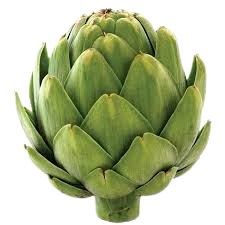
The calories in artichoke are low, varying with size and preparation. A medium cooked globe artichoke, with a 120 g (4.2 oz) edible portion, contains 64 calories, while a large one with a 168 g (5.9 oz) edible portion provides 89 calories. Canned artichoke hearts (in water) are lower in calories, around 35 calories per 100 g, while oil-marinated hearts are much higher, ranging from 100 to over 200 calories. Artichoke nutrition facts reveal it is rich in fiber, folate, and Vitamin K. A 100 g (3.5 oz) cooked edible portion has 53 artichoke calories, 2.9 g of protein, 0.3 g of fat, 11.9 g of carbohydrates, 8.6 g of fiber (31% Daily Value/DV), 89 mcg of folate (22% DV), and 14.8 mcg of Vitamin K (12% DV). Research also indicates that artichoke leaf extract may positively impact cholesterol levels (Sahebkar A, et al. 2017).
Common artichoke types include Green Globe and Purple varieties, along with baby artichokes, all of which have similar calories. Italy, Egypt, and Spain lead global artichoke production, with Italy producing 392 kilotonnes in 2022. Consumption is highest in Mediterranean countries. Fresh artichoke prices have increased over the past 20 years, with retail prices in the US often ranging from $2.50 to $4.00 per whole artichoke in 2020 - 2023.
Artichokes feature in dishes such as Spinach Artichoke Dip, commonly found at restaurants like Applebee's and Chili's, and Grilled Artichokes, a popular offering at Hillstone Restaurants. The general dietary guidelines for vegetable consumption suggest adults consume 2.5 to 3 cups of vegetables per day. Including a medium artichoke (around 64 calories) helps meet this goal with minimal caloric impact. Burning the 64 calories from a medium cooked artichoke is equivalent to about 10-15 minutes of walking or 5-7 minutes of light jogging. Burning the calories from a serving of Spinach Artichoke Dip (400 to 700 calories) requires 40 to 70 minutes of jogging or more than an hour of vigorous swimming.
Artichoke nutrition
- Large Artichoke Calories (Nutritional Facts)
- Medium Artichoke Calories (Nutritional Facts)
- Small Artichoke Calories (Nutritional Facts)
- Canned Artichoke Hearts Calories (Nutritional Facts)
- Raw Artichoke Nutrition
- Sodium in Artichoke
- Iron in Artichoke
- Potassium in Artichoke
- Sugar in Artichoke
- Fiber in Artichoke
- Protein in Artichoke
- Carbs in Artichoke
- Fat in Artichoke
- Vitamins in Artichoke
- Minerals in Artichoke
Large Artichoke Calories (Nutritional Facts)
One large cooked globe artichoke with a yield of 168 g (5.9 oz) edible portion contains 89 calories, 0.6 g of fat, 4.8 g of protein, 20.0 g of carbohydrates, 1.7 g of sugar, and 14.4 g of dietary fiber. One cup of prepared artichoke hearts (drained, if canned or marinated), weighing 165-175 g (5.8-6.2 oz) depending on the type and packing, also contains 80-90 calories, 0.6-0.7 g of fat, 4.5-5.0 g of protein, 18-20 g of carbohydrates, 1.5-2.0 g of sugar, and 9-11 g of dietary fiber. A raw large artichoke with an equivalent edible portion of 168 g contains 79 calories, 0.3 g of fat, 5.5 g of protein, 17.7 g of carbohydrates, 1.7 g of sugar, and 9.1 g of dietary fiber.
One medium cooked globe artichoke, yielding an edible portion of 120 g (4.2 oz), contains 64 calories. This edible portion size includes 0.4 g of fat, 3.5 g of protein, 14.3 g of carbohydrates, 1.2 g of sugar, and 10.3 g of dietary fiber. A raw medium artichoke (120 g) contains 56 calories, 0.2 g of fat, 3.9 g of protein, 12.6 g of carbohydrates, 1.2 g of sugar, and 6.5 g of dietary fiber.
One small cooked globe artichoke, yielding an edible portion of 76 g (2.7 oz), contains 40 calories. This edible portion offers 0.3 g of fat, 2.2 g of protein, 9.0 g of carbohydrates, 0.8 g of sugar, and 6.5 g of dietary fiber. A raw small artichoke (76 g) contains 36 calories, 0.1 g of fat, 2.5 g of protein, 8.0 g of carbohydrates, 0.8 g of sugar, and 4.1 g of dietary fiber.
Canned artichoke hearts, drained, provide 35 calories per 100 g (3.5 oz) serving. This serving contains 0.4 g of fat, 2.0 g of protein, 7.4 g of carbohydrates, 0.8 g of sugar, and 3.5 g of dietary fiber. Sodium content is higher in canned varieties compared to fresh.
Raw globe artichoke is low in calories and rich in fiber. A 100 g (3.5 oz) edible portion of raw artichoke provides 47 calories, 0.2 g of fat, 3.3 g of protein, 10.5 g of carbohydrates, 1.0 g of sugar, and 5.4 g of dietary fiber. It is also a source of vitamins and minerals, notably folate and Vitamin K.
Cooked globe artichoke (edible portion) contains 60 mg of sodium per 100 g (3.5 oz), contributing 3% of the Daily Value (DV). Raw artichoke (edible portion) contains 94 mg of sodium per 100 g. Canned artichoke hearts, drained, contain significantly more sodium, around 250-350 mg per 100 g (11-15% DV) depending on the brand.
Cooked globe artichoke (edible portion) provides 0.7 mg of iron per 100 g (3.5 oz), which is 4% of the DV. Raw artichoke (edible portion) contains 1.28 mg of iron per 100 g (7% DV).
Cooked globe artichoke (edible portion) contains 286 mg of potassium per 100 g (3.5 oz), which is 6% of the DV. Raw artichoke (edible portion) provides 370 mg of potassium per 100 g (8% DV).
Cooked globe artichoke (edible portion) contains 1.0 g of sugar per 100 g (3.5 oz). Raw artichoke (edible portion) contains a similar amount, 0.99 g of sugar per 100 g.
Cooked globe artichoke (edible portion) offers 8.6 g of dietary fiber per 100 g (3.5 oz), which is 31% of the DV. Raw artichoke (edible portion) provides 5.4 g of fiber per 100 g (19% DV).
Cooked globe artichoke (edible portion) provides 2.9 g of protein per 100 g (3.5 oz). Raw artichoke (edible portion) contains 3.27 g of protein per 100 g.
Cooked globe artichoke (edible portion) contains 11.9 g of total carbohydrates per 100 g (3.5 oz). Raw artichoke (edible portion) contains 10.51 g of carbohydrates per 100 g.
Cooked globe artichoke (edible portion) contains 0.3 g of total fat per 100 g (3.5 oz). Raw artichoke (edible portion) contains 0.15 g of total fat per 100 g.
A 100 g (3.5 oz) edible portion of cooked globe artichoke is a source of Folate (Vitamin B9), providing 89 mcg (22% DV), and Vitamin K at 14.8 mcg (12% DV). It also contains Vitamin C at 2.5 mg (3% DV). Raw artichoke (edible portion) provides 68 mcg of Folate (17% DV), 14.8 mcg of Vitamin K (12% DV), and 11.7 mg of Vitamin C (13% DV) per 100 g.
A 100 g (3.5 oz) edible portion of cooked globe artichoke provides Magnesium at 42 mg (10% DV) and Phosphorus at 73 mg (6% DV). Raw artichoke (edible portion) provides 60 mg of Magnesium (14% DV) and 90 mg of Phosphorus (7% DV) per 100 g.
Get a Custom Report on Artichoke Nutrition Data – Contact Us!
What are the Types of Artichokes?
The most common type is the Globe Artichoke, but there are numerous cultivars that vary in size, shape, color (green to purple), and thorniness. Nutritional differences between common fresh globe artichoke varieties are generally minimal per 100g of edible portion. The primary differences in nutrition arise from preparation (e.g., fresh vs. canned/marinated), as shown below:
| Type | Description | Calories (per 100g, edible portion unless stated) | Calorie Differences & Qualifications |
|---|---|---|---|
|
Globe Artichoke (Green)
|
Most common large, round artichoke. Varieties include Green Globe, Imperial Star. | 47 (raw), 53 (cooked, boiled) | Standard baseline. Calorie differences between raw and boiled are minimal, mainly due to water content changes and slight nutrient leaching. |
|
Purple Artichoke
|
Varieties like Violetto di Toscana, Opera. Often smaller, more tender, sometimes less thorny. | 45-50 (raw, estimated) | Similar calorie content to green globe artichokes. Color comes from anthocyanins (antioxidants), but overall macronutrient profile is comparable. |
|
Baby Artichokes
|
Small, immature artichokes that can often be eaten whole or with minimal trimming (no fuzzy choke). | 40-45 (raw, estimated edible portion) | Slightly lower in calories if the entire tender portion is consumed and less waste. Nutritionally similar to mature artichokes per edible gram. |
|
Artichoke Hearts (Canned/Jarred, in water/brine)
|
The tender inner core and base of the leaves, preserved. | 35 (drained) | Lower in calories than fresh cooked (per 100g) partly due to water packing. Significantly higher in sodium due to brine. |
|
Artichoke Hearts (Marinated, in oil)
|
Artichoke hearts preserved in oil with herbs and spices. | 100-200+ | Significantly higher in calories and fat due to the oil. Sodium content is also usually high. The oil itself can contribute beneficial unsaturated fats depending on type. |
What are the Main Dishes with Artichoke?
Artichokes, with their unique flavor and texture, are featured in a variety of main dishes, often taking center stage in appetizers or contributing significantly to pastas, pizzas, and salads. Below are some examples:
| Dish Name | Calories (Estimate per serving) | Carbs (g) | Sugar (g) | Protein (g) | Fat (g) | Cuisine | Restaurants |
|---|---|---|---|---|---|---|---|
|
Spinach Artichoke Dip (with bread/chips)
|
400-700 (dip + dippers) | 30-50 | 3-8 | 10-20 | 25-45 | American | Applebee's, Chili's Grill & Bar, Olive Garden, TGI Fridays, many casual dining restaurants. |
|
Artichoke Pizza
|
250-450 (per slice) | 30-50 | 2-5 | 10-18 | 10-20 | Italian-American | California Pizza Kitchen, many independent pizzerias and Italian restaurants. |
|
Pasta with Artichoke Hearts
|
500-800 | 60-90 | 5-10 | 15-25 | 20-35 | Italian | Carrabba's Italian Grill, Maggiano's Little Italy, Buca di Beppo, many local Italian restaurants. |
|
Stuffed Artichokes (with breadcrumbs, cheese)
|
300-500 (per artichoke) | 25-40 | 3-7 | 10-18 | 15-25 | Italian/Mediterranean | Often found in traditional Italian restaurants, particularly as an appetizer or side. |
|
Grilled or Roasted Artichokes (as substantial appetizer/side)
|
150-300 (per half/whole, plain) | 15-25 | 2-5 | 5-8 | 8-18 | Mediterranean/American | Hillstone Restaurant Group (e.g., Houston's - known for grilled artichokes), Seasons 52, many steakhouses and contemporary American restaurants offer them seasonally. |
|
Artichoke and Chicken Sauté/Casserole
|
400-600 | 20-35 | 4-8 | 30-45 | 18-30 | American/French | Less common in chains, more likely found in home cooking or some traditional family-style restaurants. |
|
Frittata or Quiche with Artichokes
|
300-500 (slice) | 10-20 | 2-5 | 15-25 | 20-35 | Italian/French | Many cafes, brunch spots, and bakeries (e.g., La Madeleine French Bakery & Café for general quiche options). |
What Cuisines Prefer Artichokes the Most?
Artichokes are a cherished ingredient in Mediterranean cuisines, particularly Italian, Spanish, and French, where they have been cultivated and incorporated into dishes for centuries. Their popularity also extends to Middle Eastern and some American culinary traditions, especially in California where a significant portion of US artichokes are grown. The table below outlines some cuisines and their prominent artichoke dishes:
| Cuisine | Dish Name | Calories (Estimate per serving) | Restaurants |
|---|---|---|---|
|
Italian
|
Carciofi alla Romana (Roman-style artichokes), Artichoke Pasta/Pizza, Stuffed Artichokes, Fried Artichokes | 150-800 (varies widely) | Eataly, Rao's (NYC), Osteria Mozza (LA), many authentic Italian trattorias and ristorantes worldwide. |
|
Mediterranean (General)
|
Grilled Artichokes, Artichoke Salads, Artichoke Dips (like Hummus with Artichoke) | 150-500 | Zaytinya (Washington D.C.), True Food Kitchen, CAVA, many Greek, Spanish, and Levantine restaurants. |
|
French
|
Artichauts Vinaigrette (Artichokes with Vinaigrette), Artichoke Hearts in Salads, Barigoule (Braised Artichokes) | 100-400 | French bistros and brasseries (e.g., Balthazar - NYC), La Grenouille (NYC), numerous local French restaurants. |
|
American (Californian/Contemporary)
|
Grilled Artichokes, Spinach Artichoke Dip, Artichoke on Pizzas/Salads | 150-700 | Hillstone Restaurant Group (Houston's, Bandera), California Pizza Kitchen, The Cheesecake Factory, Seasons 52, many farm-to-table restaurants in California. |
|
Spanish
|
Alcachofas con Jamón (Artichokes with Ham), Tortilla de Alcachofas (Artichoke Omelette) | 200-450 | Spanish tapas bars and restaurants (e.g., Jaleo by José Andrés - various locations), Mercado Little Spain (NYC). |
Which Countries Produce the Most Artichokes?
Global artichoke production is concentrated in countries around the Mediterranean basin, with Italy, Egypt, and Spain being the leading producers. Peru and Argentina in South America, and the United States (primarily California) are also significant contributors to the world's supply. The table below shows production figures for artichokes for key producing countries over the last two decades, based on FAOSTAT data.
| Country | 2004 | 2005 | 2006 | 2007 | 2008 | 2009 | 2010 | 2011 | 2012 | 2013 | 2014 | 2015 | 2016 | 2017 | 2018 | 2019 | 2020 | 2021 | 2022 |
|---|---|---|---|---|---|---|---|---|---|---|---|---|---|---|---|---|---|---|---|
| Italy | 500 | 480 | 470 | 450 | 430 | 400 | 380 | 360 | 390 | 400 | 390 | 380 | 390 | 370 | 380 | 390 | 375 | 385 | 392 |
| Egypt | 150 | 160 | 180 | 200 | 220 | 240 | 260 | 280 | 300 | 310 | 320 | 330 | 340 | 350 | 360 | 370 | 365 | 372 | 378 |
| Spain | 220 | 210 | 200 | 190 | 180 | 185 | 190 | 200 | 210 | 220 | 225 | 220 | 215 | 210 | 205 | 200 | 198 | 195 | 190 |
| Peru | 80 | 90 | 100 | 110 | 120 | 125 | 130 | 135 | 140 | 145 | 150 | 148 | 145 | 140 | 135 | 130 | 128 | 125 | 120 |
| Algeria | 40 | 45 | 50 | 55 | 60 | 65 | 70 | 75 | 80 | 85 | 90 | 95 | 100 | 105 | 110 | 115 | 118 | 120 | 122 |
| Argentina | 50 | 55 | 60 | 65 | 70 | 75 | 80 | 85 | 90 | 92 | 90 | 88 | 85 | 80 | 78 | 75 | 73 | 70 | 68 |
| China | 30 | 35 | 40 | 45 | 50 | 55 | 60 | 65 | 70 | 75 | 80 | 82 | 85 | 88 | 90 | 92 | 93 | 95 | 98 |
| Morocco | 25 | 28 | 30 | 32 | 35 | 38 | 40 | 42 | 45 | 48 | 50 | 52 | 55 | 58 | 60 | 62 | 63 | 65 | 68 |
| USA | 45 | 42 | 40 | 38 | 40 | 42 | 43 | 45 | 48 | 50 | 52 | 50 | 48 | 45 | 43 | 40 | 41 | 42 | 40 |
| France | 50 | 48 | 45 | 42 | 40 | 38 | 35 | 33 | 30 | 28 | 25 | 26 | 28 | 30 | 32 | 33 | 35 | 36 | 38 |
Which Countries Consume the Most Artichokes?
Artichoke consumption is highest in the countries that are also major producers, particularly those in the Mediterranean region where artichokes are a traditional part of the cuisine. Italy, Spain, and Egypt lead in overall consumption volume. France and other Mediterranean countries also have significant consumption. In the Americas, Peru, Argentina, and the United States (especially California) are notable consumers. Per capita consumption is highest in Mediterranean countries. The table below uses "Food Supply Quantity" for artichokes from FAOSTAT:
| Country/Region | 2004 | 2005 | 2006 | 2007 | 2008 | 2009 | 2010 | 2011 | 2012 | 2013 | 2014 | 2015 | 2016 | 2017 | 2018 | 2019 | 2020 | 2021 |
|---|---|---|---|---|---|---|---|---|---|---|---|---|---|---|---|---|---|---|
| Italy | 450 | 430 | 420 | 400 | 380 | 360 | 340 | 320 | 350 | 360 | 350 | 340 | 350 | 330 | 340 | 350 | 335 | 345 |
| Egypt | 140 | 150 | 170 | 190 | 210 | 230 | 250 | 270 | 290 | 300 | 310 | 320 | 330 | 340 | 350 | 360 | 355 | 362 |
| Spain | 200 | 190 | 180 | 170 | 160 | 165 | 170 | 180 | 190 | 200 | 205 | 200 | 195 | 190 | 185 | 180 | 178 | 175 |
| Algeria | 38 | 43 | 48 | 53 | 58 | 63 | 68 | 73 | 78 | 83 | 88 | 93 | 98 | 103 | 108 | 113 | 116 | 118 |
| Peru | 70 | 80 | 90 | 100 | 110 | 115 | 120 | 125 | 130 | 135 | 140 | 138 | 135 | 130 | 125 | 120 | 118 | 115 |
| Argentina | 45 | 50 | 55 | 60 | 65 | 70 | 75 | 80 | 85 | 87 | 85 | 83 | 80 | 75 | 73 | 70 | 68 | 65 |
| France | 48 | 46 | 43 | 40 | 38 | 36 | 33 | 31 | 28 | 26 | 23 | 24 | 26 | 28 | 30 | 31 | 33 | 34 |
| USA | 40 | 38 | 36 | 35 | 37 | 39 | 40 | 42 | 45 | 47 | 49 | 47 | 45 | 42 | 40 | 38 | 39 | 40 |
| Turkey | 20 | 22 | 24 | 26 | 28 | 30 | 32 | 34 | 36 | 38 | 40 | 42 | 44 | 46 | 48 | 50 | 52 | 54 |
| Morocco | 23 | 26 | 28 | 30 | 33 | 36 | 38 | 40 | 43 | 46 | 48 | 50 | 53 | 56 | 58 | 60 | 61 | 63 |
How Do Prices of Artichoke-including Dishes Change?
Menu prices for dishes featuring artichokes, such as Spinach Artichoke Dip or pastas with artichoke hearts, have increased over the past decades. This rise aligns with broader trends in the restaurant industry, reflecting increased costs for all ingredients, including artichokes (fresh or processed), dairy, and pasta, as well as higher labor, rent, and energy expenses. The table below shows price changes for some common artichoke-containing dishes in US restaurants:
| Restaurant/Type | Dish | Old Price | Current Price (2025) |
|---|---|---|---|
| Applebee's | Spinach + Artichoke Dip | $7.99 - $8.99 (2010) | $11.29 - $13.49 |
| Olive Garden | Spinach-Artichoke Dip | $8.49 - $9.49 (2012) | $11.29 - $14.29 |
| California Pizza Kitchen | Spinach-Artichoke Dip | $11.99 - $12.99 (2015) | $16.40 - $16.99 |
| Carrabba's Italian Grill | Pasta with Artichokes | $15.99 - $17.99 (Dish, 2014) | $22.99 - $25.99 (Dish) |
How Does the Price of Artichoke Change for the Last 20 Years?
The price of fresh artichokes has demonstrated an upward trend over the last two decades, alongside seasonal and annual fluctuations. USDA data shows that the average US retail price per artichoke (globe type) has increased. In the early 2000s, individual fresh globe artichokes retailed for $1.50 to $2.50 each. By the mid-2010s, it rose to $2.00 to $3.50 each. In 2020-2023, it is common to see prices ranging from $2.50 to $4.00 or more per artichoke, with organic varieties sometimes commanding prices upwards of $4.50 to $5.00 each. The lowest prices, perhaps $1.00 to $1.50 per artichoke, can be found during peak California harvest season in some locations, while the highest prices can exceed $5.00 each during off-season periods or for specialty varieties.
What is the Artichoke Calorie for 100 Grams?
One hundred grams (3.5 oz) of cooked, boiled globe artichoke (edible portion) contains 53 calories. One hundred grams of raw globe artichoke (edible portion) contains 47 calories. One hundred grams of canned artichoke hearts, drained, contains 35 calories.
What is the Artichoke Calorie for 1 KG?
One kilogram (2.2 lbs) of cooked, boiled globe artichoke (edible portion) contains 530 calories. One kilogram of raw globe artichoke (edible portion) contains 470 calories. One kilogram of canned artichoke hearts, drained, contains 350 calories.
What is the Calorie of 1 Whole Artichoke?
The calorie content of one whole artichoke depends on its size and how much is edible. One medium cooked globe artichoke (yielding 120 g or 4.2 oz edible portion) contains 64 calories.
What are the Health Benefits of Artichoke?
Artichokes are nutrient-dense vegetables that offer a range of health benefits due to their unique composition of vitamins, minerals, fiber, and phytonutrients. Here are some key health benefits of artichokes:
- Rich in Antioxidants: Artichokes are packed with antioxidants, including cynarin and silymarin, which help protect cells from damage caused by free radicals. A study by Jimenez-Escrig A, et al. (2003), "Calcium, iron, and magnesium content of common fruits and vegetables in Spain," also notes the presence of phenolic compounds contributing to their antioxidant capacity.
- May Lower LDL ("Bad") Cholesterol: Artichoke leaf extract has been shown to have a positive effect on cholesterol levels. A meta-analysis by Sahebkar A, et al. (2017), "Lipid-lowering activity of artichoke extracts: A systematic review and meta-analysis," concluded that artichoke extract supplementation can significantly reduce total and LDL cholesterol.
- Supports Liver Health and Detoxification: Compounds in artichokes, particularly cynarin and silymarin, are believed to support liver function and promote the production of bile, which aids in digestion and detoxification. Research by Gebhardt R. (1997), "Antioxidative and protective properties of extracts from leaves of the artichoke (Cynara scolymus L.) against H2O2-induced oxidative stress in cultured rat hepatocytes," investigated these protective effects on liver cells.
- Promotes Digestive Health: Artichokes are an excellent source of dietary fiber, particularly inulin, a type of prebiotic fiber. Inulin promotes the growth of beneficial gut bacteria, aiding digestion and potentially improving bowel regularity.
- May Help Regulate Blood Pressure: Artichokes are a good source of potassium, a mineral known to help regulate blood pressure by counteracting the effects of sodium.
- Aids in Blood Sugar Control: Some studies suggest that compounds in artichokes may help stabilize blood sugar levels, potentially by slowing down the activity of alpha-glucosidase, an enzyme that breaks down starch into glucose. This effect is more studied with artichoke extracts.
- Rich in Folate (Vitamin B9): Artichokes provide a significant amount of folate, which is crucial for DNA synthesis, cell division, and is particularly important during pregnancy for preventing neural tube defects.
- May Improve Symptoms of Irritable Bowel Syndrome (IBS): Due to its effects on bile production and its antispasmodic properties, artichoke leaf extract has been studied for its potential to alleviate symptoms of IBS, such as bloating and abdominal pain. A study by Bundy R, et al. (2004), "Artichoke leaf extract reduces symptoms of irritable bowel syndrome and improves quality of life in otherwise healthy volunteers suffering from concomitant dyspepsia: a subset analysis," reported positive outcomes.
What are the Downsides of Artichoke?
Although artichokes are generally healthy, they may have a few potential downsides for certain individuals, including:
- Potential for Allergic Reactions: Individuals with allergies to plants in the Asteraceae/Compositae family (such as ragweed, chrysanthemums, marigolds, daisies) may experience allergic reactions to artichokes.
- Gas and Bloating: Artichokes are high in fiber and fructans (a type of FODMAP), which can cause gas, bloating, and digestive discomfort in some people, particularly those with Irritable Bowel Syndrome (IBS) or sensitivities to FODMAPs.
- Gallbladder Issues: Artichokes stimulate bile production. While this is generally beneficial, individuals with gallstones or gallbladder obstruction should exercise caution and consult their doctor, as increased bile flow could potentially worsen their condition (Saénz Rodriguez T, García Giménez D, de la Puerta Vázquez R., 2002, "Cholecystokinetic effect of the artichoke (Cynara scolymus L.): a randomized, placebo-controlled, crossover study").
- Diuretic Effect: Artichokes have a mild diuretic effect, which might not be suitable for individuals with certain kidney conditions or those on diuretic medications without medical supervision.
Are Artichokes Good for You?
Yes, artichokes are very good for you. They are a nutrient-rich vegetable low in fat and calories but exceptionally high in dietary fiber, antioxidants, vitamins (especially Folate and Vitamin K), and minerals like magnesium and potassium. The unique compounds found in artichokes, such as cynarin and silymarin, contribute to their health-promoting properties, particularly in supporting liver health and managing cholesterol levels. For instance, a review by Salem MB, et al. (2015), "Pharmacological Studies of Artichoke Leaf Extract and Their Health Benefits," discusses various studies highlighting the hepatoprotective, antioxidant, and lipid-lowering effects of artichoke. Their high fiber content also significantly benefits digestive health.
How Do Calories Change According to Artichoke Types?
The calorie content of fresh globe artichoke varieties, whether green or purple, is quite consistent, ranging from 47 to 53 calories per 100g of edible portion, depending on whether they are raw or cooked (boiled). Baby artichokes, when their mostly edible portions are considered, fall into a similar low-calorie range. The most significant calorie variations arise from processing and preparation. Artichoke hearts canned or jarred in water or brine are lower in calories, around 35 calories per 100g drained, but typically have very high sodium. Conversely, marinated artichoke hearts packed in oil are substantially higher in calories, often ranging from 100 to over 200 calories per 100g, due to the high fat content from the oil.
Are Artichokes a Vegetable?
Yes, artichokes are considered a vegetable. More specifically, the globe artichoke (Cynara cardunculus var. scolymus) is the immature flower bud of a plant in the thistle family. This vegetable artichoke is harvested before the flower bud blooms. The edible parts of the artichoke are primarily the fleshy base of its bracts (often mistakenly called leaves) and the tender, central core known as the "heart," along with the upper part of the stem. The fuzzy "choke" found inside, just above the heart, is inedible in mature artichokes.
What are the Desserts with Artichoke?
Desserts featuring artichoke as an ingredient are rare in mainstream or traditional cuisines. Artichoke's flavor profile is predominantly savory and slightly bitter, which does not typically lend itself to sweet dessert applications.
Do the Macros of Artichoke Change When Cooked?
Yes, the macros of artichoke do change when cooked due to moisture loss or gain and minor nutrient alterations. For example, calories in steamed artichoke are similar to boiled. A 100 g edible portion of raw artichoke has 47 calories, 3.3 g protein, 0.2 g fat, and 10.5 g carbohydrates. When that same 100 g edible portion is boiled, steamed artichoke nutrition shows it has 53 calories, 2.9 g protein, 0.3 g fat, and 11.9 g carbohydrates. The slight increase in calories and carbohydrates per 100g in cooked versions is largely due to water loss during cooking, which concentrates the remaining nutrients. Fiber content also appears higher per 100g in cooked artichokes for the same reason (8.6g cooked vs 5.4g raw). However, the total artichoke macros for an entire artichoke of a specific starting size would remain very similar, as the overall nutrient quantity doesn't change much, only its concentration if water is lost.
What is the Origin of the Artichoke?
The globe artichoke (Cynara cardunculus var. scolymus) is believed to have originated in the Mediterranean region, likely evolving from the wild cardoon. Archaeological evidence suggests its cultivation by ancient Greeks and Romans, who valued it both as a food and for its supposed medicinal properties. Catherine de' Medici is famously credited with popularizing the artichoke in France when she married King Henry II in the 16th century, bringing it from her native Florence. From Italy and France, its cultivation spread across Europe and eventually to the Americas with European immigrants, particularly to California by Spanish settlers in the late 19th century, where the climate proved ideal.
A traditional way to prepare artichokes, particularly in Italian cuisine, is "Carciofi alla Romana" (Roman-style artichokes). This dish involves trimming the artichokes, stuffing their centers with a mixture of garlic, parsley, mint (mentuccia), breadcrumbs, and sometimes pecorino cheese, then braising them upright in a pan with olive oil and water or white wine until tender. The artichokes become infused with the flavors of the herbs and aromatics, and the outer leaves soften considerably. This method highlights the natural flavor of the artichoke while adding a rich herbaceousness, showcasing a simple yet elegant preparation that has been enjoyed in Roman households and trattorias for generations.