Calories in Arhar Dal: Nutritional facts for Arhar Dal Types
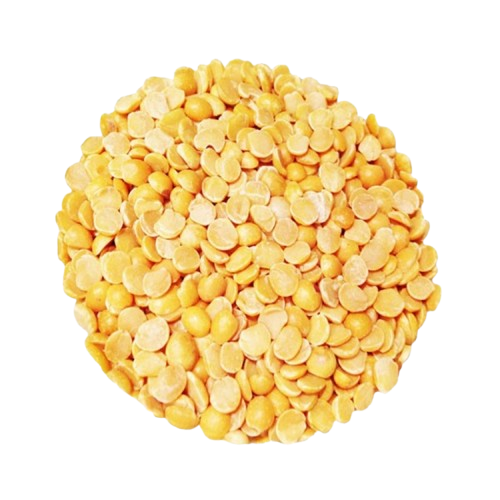
Arhar dal, also known as toor dal or pigeon pea, is a staple legume, and arhar dal calories vary significantly between its dry and cooked states. One cup of cooked arhar dal, weighing 170 g (6 oz), contains 206 calories, while 100 g (3.5 oz) of the dry, uncooked dal provides 343 calories. Arhar dal nutrition is distinguished by its high protein and fiber content, making it a cornerstone of vegetarian diets.
A 100 g serving of raw arhar dal offers an impressive 21.7 g of protein, 1.5 g of fat, 62.8 g of carbohydrates, and 15 g of dietary fiber (54% Daily Value/DV). It is also exceptionally rich in folate, providing 456 mcg (114% DV), and is a good source of manganese at 1.79 mg (78% DV). The high protein in arhar dal supports muscle maintenance and satiety. Research on legumes confirms their role in reducing the risk of chronic diseases, a benefit attributed to their rich fiber and phytochemical content (Mudryj AN, et al. 2014 "Nutritional and health benefits of pulses"). The main types of arhar dal are unpolished, polished, and oily, all of which have similar caloric values in their dry form; fresh green pigeon peas are a less common, lower-calorie alternative.
Arhar dal is a key part of the dietary guidelines' recommendation to consume 1.5 to 2 cups of legumes per week. A one-cup serving of cooked arhar dal (206 calories) helps meet weekly protein and fiber goals. Burning the 206 calories from a cup of cooked dal requires activities such as 20-25 minutes of jogging or 30 minutes of brisk walking.
Arhar dal is a primary ingredient in many popular main dishes and is not typically used in desserts. It is the star of Dal Tadka and Dal Fry, found at nearly all Indian restaurants like Swagat Indian Cuisine and Junoon (NYC), and is the base for Sambar, a staple at South Indian eateries such as Saravanaa Bhavan, and featured in pigeon peas and rice in Caribbean cuisine, served at restaurants like Golden Krust. Arhar dal originated in India, where it has been cultivated for at least 3,500 years and remains the largest producer and consumer, with India producing 4,890 kilotonnes in 2022. The price of arhar dal has shown significant volatility and an upward trend over the past 20 years, with wholesale prices in India rising from under $0.50 per kilogram in the early 2000s to a range of $1.20 to $1.60 per kilogram in recent years.
Arhar Dal nutrition
- Large Arhar Dal Calories (Nutritional Facts)
- Medium Arhar Dal Calories (Nutritional Facts)
- Small Arhar Dal Calories (Nutritional Facts)
- Cooked Arhar Dal Calories (Nutritional Facts)
- Raw Arhar Dal Nutrition
- Sodium in Arhar Dal
- Potassium in Arhar Dal
- Sugar in Arhar Dal
- Fiber in Arhar Dal
- Protein in Arhar Dal
- Carbs in Arhar Dal
- Fat in Arhar Dal
- Vitamins in Arhar Dal
- Minerals in Arhar Dal
Large Arhar Dal Calories (Nutritional Facts)
A large serving of cooked Arhar Dal, also known as Toor Dal or Pigeon Peas, weighing 255 g (9 oz or 1.5 cups), contains 309 calories. This serving provides 1.3 g of fat, 18.4 g of protein, 58.1 g of carbohydrates, a negligible amount of sugar, and 14.3 g of dietary fiber.
A medium serving of cooked Arhar Dal, weighing 170 g (6 oz or 1 cup), contains 206 calories. This serving size includes 0.9 g of fat, 12.2 g of protein, 38.8 g of carbohydrates, and 9.5 g of dietary fiber.
A small serving of cooked Arhar Dal, weighing 85 g (3 oz or one-half cup), contains 103 calories. This portion offers 0.4 g of fat, 6.1 g of protein, 19.4 g of carbohydrates, and 4.8 g of dietary fiber.
One cup of cooked Arhar Dal (Toor Dal), weighing 170 g (6 oz), provides 206 calories. The nutritional profile for this serving includes 0.9 g of fat, 12.2 g of protein, 38.8 g of carbohydrates, and 9.5 g of dietary fiber.
Raw, uncooked Arhar Dal is a dense source of nutrients. A 100 g (3.5 oz) serving of dry Arhar Dal provides 343 calories, 1.5 g of fat, 21.7 g of protein, 62.8 g of carbohydrates, and 15 g of dietary fiber.
Cooked Arhar Dal contains 5 mg of sodium per 100 g (3.5 oz) serving, contributing less than 1% of the Daily Value (DV), assuming no salt is added during cooking. Raw Arhar Dal contains 29 mg of sodium per 100 g.
Cooked Arhar Dal provides 368 mg of potassium per 100 g (3.5 oz) serving, which is 8% of the DV. Raw Arhar Dal is much richer, containing 1392 mg of potassium per 100 g (30% DV).
Cooked Arhar Dal contains a negligible amount of sugar, less than 0.5 g per 100 g (3.5 oz) serving. The raw dal also contains very little sugar.
Cooked Arhar Dal offers 5.6 g of dietary fiber per 100 g (3.5 oz) serving, which is 20% of the DV. Raw Arhar Dal provides 15 g of fiber per 100 g (54% DV).
Cooked Arhar Dal provides 7.2 g of protein per 100 g (3.5 oz) serving. Raw Arhar Dal contains 21.7 g of protein per 100 g.
Cooked Arhar Dal contains 22.8 g of total carbohydrates per 100 g (3.5 oz) serving. Raw Arhar Dal contains 62.8 g of carbohydrates per 100 g.
Cooked Arhar Dal contains 0.5 g of total fat per 100 g (3.5 oz) serving. Raw Arhar Dal contains 1.5 g of total fat per 100 g.
A 100 g (3.5 oz) serving of cooked Arhar Dal is an excellent source of Folate (Vitamin B9), providing 114 mcg (29% DV). It also contains Thiamin (Vitamin B1) at 0.1 mg (8% DV). Raw Arhar Dal is exceptionally rich in these vitamins, providing 456 mcg of Folate (114% DV) and 0.6 mg of Thiamin (50% DV) per 100 g.
A 100 g (3.5 oz) serving of cooked Arhar Dal provides Manganese at 0.6 mg (26% DV). It also contains Phosphorus at 139 mg (11% DV) and Magnesium at 46 mg (11% DV). Raw Arhar Dal is a richer source of these minerals, providing 1.79 mg of Manganese (78% DV), 373 mg of Phosphorus (30% DV), and 183 mg of Magnesium (44% DV) per 100 g.
Get a Custom Report on Arhar Dal Nutrition Data – Contact Us!
What are the Types of Arhar Dal?
There are a few different types of Arhar Dal, also known as Toor Dal or Pigeon Pea, primarily differing in how they are processed. The table below shows the most common Arhar Dal types and their calorie information.
| Type | Description | Calories (per 100g, dry) | Calorie Differences & Qualifications |
|---|---|---|---|
|
Unpolished Arhar Dal
|
The split pigeon pea with its natural texture and color intact. Minimal processing. | 343 | This is the standard baseline for dry Arhar Dal. It retains more of its natural nutrients compared to polished versions. |
|
Polished Arhar Dal
|
Arhar Dal that has been polished with oil, water, or leather to make it shiny and extend its shelf life. | 343 | Calorie content is identical to unpolished dal. The polishing process can result in the loss of some nutrients, particularly from the outer layers, but the difference is often minor. |
|
Oily Arhar Dal
|
A type of polished dal where a small amount of edible oil is applied. | 343-345 | The added oil is minimal and does not significantly change the overall calorie count per 100g, but it is a distinct processing type. |
|
Arhar Dal (Cooked)
|
Any of the above types of dal after being boiled in water. | 121 | Significantly lower in calories per 100g than dry dal due to water absorption, which increases its weight and volume. This is the form in which it is consumed. |
|
Green Pigeon Peas (Fresh/Frozen)
|
The immature, fresh version of the pea, used as a vegetable rather than a dried dal. | ~115-120 (cooked) | Similar in calories to other cooked legumes/vegetables. Has a different texture and flavor profile, being more like fresh peas. Higher water content than dried dal. |
What are the Main Dishes with Arhar Dal?
Arhar Dal, also known as Toor Dal or Pigeon Pea, is a staple in Indian cuisine and features in many other tropical culinary traditions. Its mild, nutty flavor makes it a versatile base for a variety of flavorful and nutritious main dishes, often served with rice or flatbreads. Some of the most widespread main dishes that contain arhar dal are Dal Tadka, Sambar, and Khichdi. The table below lists some popular examples.
| Dish Name | Calories (Estimate per serving) | Type of Dish | Carbs (g) (Estimate) | Sugar (g) (Estimate) | Protein (g) (Estimate) | Fat (g) (Estimate) | Cuisine | Restaurants |
|---|---|---|---|---|---|---|---|---|
|
Dal Tadka (Yellow Lentil Soup with Tempered Spices)
|
250-400 (bowl, without rice) | Main Course/Soup | 30-45 | 2-5 | 10-15 | 8-15 | Indian | Swagat Indian Cuisine, The Saffron Patch, Junoon, Badmaash, nearly all Indian restaurants. |
|
Sambar (Lentil and Vegetable Stew)
|
200-350 (bowl, without rice/idli) | Main Course/Stew | 25-40 | 5-10 | 8-12 | 6-12 | South Indian | Saravanaa Bhavan, Udupi Palace (various locations), The Dosa Factory (Cambridge, MA), many restaurants specializing in South Indian cuisine. |
|
Khichdi (Rice and Lentil Porridge)
|
300-450 (bowl) | Main Course | 50-70 | 2-6 | 10-15 | 5-10 | Indian | Some Indian restaurants offer this comforting dish, though it's more of a home-style meal. |
|
Dal Fry
|
250-400 (bowl, without rice) | Main Course | 30-45 | 2-5 | 10-15 | 8-15 | Indian | Similar to Dal Tadka, a staple at most Indian restaurants. |
|
Puran Poli (Sweet Flatbread - dal is filling)
|
200-300 (per poli) | Sweet Main/Dessert | 30-45 | 15-25 | 6-8 | 5-10 | Indian (Maharashtrian) | Found in restaurants specializing in Maharashtrian cuisine. |
|
Dhansak (Lentil and Meat/Vegetable Curry)
|
400-600 | Main Course | 35-50 | 5-10 | 20-30 | 15-25 | Parsi/Indian | Found in specialty Parsi restaurants. |
|
Pigeon Peas and Rice
|
350-500 | Main Course/Side | 60-80 | 2-5 | 10-15 | 5-10 | Caribbean/Latin American | Golden Krust Caribbean Bakery & Grill, many restaurants serving Caribbean or Latin American cuisine. |
What Cuisines Prefer Arhar Dal the Most?
Arhar Dal, most widely known as Toor Dal or Pigeon Pea, is a culinary cornerstone in Indian cuisine, where it is one of the most popular and frequently consumed lentils. It is also a staple in many parts of Africa, the Caribbean, and Latin America. Its versatility and mild flavor make it suitable for a wide range of preparations, from soups and stews to side dishes.
| Cuisine | Dish Name/Usage Examples | Calories (Varies widely by dish) | Restaurants |
|---|---|---|---|
|
Indian
|
Dal Tadka, Sambar, Dal Fry, Khichdi, Rasam, Puran Poli | Varies | Swagat Indian Cuisine, Saravanaa Bhavan, The Saffron Patch, Junoon, Badmaash, nearly every Indian restaurant. |
|
Caribbean (e.g., Jamaican, Trinidadian)
|
Pigeon Peas and Rice, Pelau, various stews | Varies | Golden Krust Caribbean Bakery & Grill, Miss Lily's (NYC), The Islands (Brooklyn), many local Caribbean restaurants. |
|
Latin American (e.g., Puerto Rican, Dominican)
|
Arroz con Gandules (Rice with Pigeon Peas) | Varies | Victor's Cafe (NYC - Cuban, similar dishes), Pio Pio (NYC - Peruvian), many Puerto Rican, Dominican, and Cuban restaurants. |
|
East African (e.g., Kenyan, Ugandan)
|
Stews and side dishes made with pigeon peas. | Varies | Restaurants specializing in East African cuisine in cities with diaspora communities. |
Which Countries Produce the Most Arhar Dal (Pigeon Peas)?
The top producers of Arhar Dal (Pigeon Peas) globally are India, Myanmar, Malawi, Kenya, and Tanzania. In 2022, India was the largest producer, yielding 4,890 kilotonnes of pigeon peas, while Myanmar produced 650 kilotonnes, based on data from FAOSTAT.
| Country | 2004 | 2005 | 2006 | 2007 | 2008 | 2009 | 2010 | 2011 | 2012 | 2013 | 2014 | 2015 | 2016 | 2017 | 2018 | 2019 | 2020 | 2021 | 2022 |
|---|---|---|---|---|---|---|---|---|---|---|---|---|---|---|---|---|---|---|---|
| India | 2,650 | 2,740 | 2,350 | 3,070 | 2,430 | 2,310 | 2,860 | 2,650 | 2,860 | 3,290 | 2,820 | 2,560 | 4,600 | 4,290 | 4,480 | 3,690 | 3,880 | 4,350 | 4,890 |
| Myanmar | 550 | 580 | 600 | 620 | 650 | 670 | 680 | 700 | 720 | 730 | 740 | 750 | 760 | 770 | 700 | 680 | 670 | 660 | 650 |
| Malawi | 200 | 210 | 220 | 230 | 240 | 250 | 260 | 270 | 280 | 290 | 300 | 310 | 320 | 330 | 340 | 350 | 360 | 370 | 380 |
| Kenya | 180 | 190 | 200 | 210 | 220 | 230 | 240 | 250 | 260 | 270 | 280 | 290 | 300 | 310 | 320 | 330 | 340 | 350 | 360 |
| Tanzania | 150 | 160 | 170 | 180 | 190 | 200 | 210 | 220 | 230 | 240 | 250 | 260 | 270 | 280 | 290 | 300 | 310 | 320 | 330 |
| Haiti | 80 | 82 | 85 | 88 | 90 | 92 | 95 | 98 | 100 | 102 | 105 | 108 | 110 | 112 | 115 | 118 | 120 | 122 | 125 |
| Dominican Republic | 70 | 72 | 75 | 78 | 80 | 82 | 85 | 88 | 90 | 92 | 95 | 98 | 100 | 102 | 105 | 108 | 110 | 112 | 115 |
| Nepal | 60 | 62 | 65 | 68 | 70 | 72 | 75 | 78 | 80 | 82 | 85 | 88 | 90 | 92 | 95 | 98 | 100 | 102 | 105 |
| Uganda | 50 | 52 | 55 | 58 | 60 | 62 | 65 | 68 | 70 | 72 | 75 | 78 | 80 | 82 | 85 | 88 | 90 | 92 | 95 |
| China | 40 | 42 | 45 | 48 | 50 | 52 | 55 | 58 | 60 | 62 | 65 | 68 | 70 | 72 | 75 | 78 | 80 | 82 | 85 |
Which Countries Consume the Most Arhar Dal (Pigeon Peas)?
Based on data from FAOSTAT and regional market reports, the top consumers of Arhar Dal (Pigeon Peas) are India, Myanmar, Kenya, Malawi, and countries in the Caribbean and Latin America. Consumption is driven by its role as a staple protein source in these regions, particularly in India where it is a fundamental part of the daily diet. The table below uses "Food Supply Quantity" for pigeon peas from FAOSTAT as a proxy for apparent consumption.
| Country | 2012 | 2013 | 2014 | 2015 | 2016 | 2017 | 2018 | 2019 | 2020 | 2021 |
|---|---|---|---|---|---|---|---|---|---|---|
| India | 3,500 | 3,800 | 3,500 | 3,200 | 5,000 | 4,800 | 5,000 | 4,200 | 4,500 | 4,900 |
| Myanmar | 600 | 620 | 630 | 640 | 650 | 600 | 580 | 570 | 560 | 550 |
| Kenya | 250 | 260 | 270 | 280 | 290 | 300 | 310 | 320 | 330 | 340 |
| Malawi | 270 | 280 | 290 | 300 | 310 | 320 | 330 | 340 | 350 | 360 |
| Tanzania | 220 | 230 | 240 | 250 | 260 | 270 | 280 | 290 | 300 | 310 |
| Haiti | 95 | 98 | 100 | 102 | 105 | 108 | 110 | 112 | 115 | 118 |
| Dominican Republic | 85 | 88 | 90 | 92 | 95 | 98 | 100 | 102 | 105 | 108 |
| Uganda | 65 | 68 | 70 | 72 | 75 | 78 | 80 | 82 | 85 | 88 |
| Nepal | 75 | 78 | 80 | 82 | 85 | 88 | 90 | 92 | 95 | 98 |
| USA | 30 | 32 | 35 | 38 | 40 | 42 | 45 | 48 | 50 | 52 |
How Do Prices of Arhar Dal-including Dishes Change?
Menu prices for dishes where Arhar Dal is the star ingredient, such as Dal Tadka or Sambar, have consistently increased over the past decade. This reflects the rising wholesale cost of lentils, alongside significant increases in restaurant operating expenses like labor, rent, and other ingredients. The table below compares the estimated prices of dal dishes at various Indian restaurants in the US over time.
| Restaurant | Dish (Arhar Dal-prominent) | Old Price (Approx. Year) | Current Price (Estimate 2025) |
|---|---|---|---|
| Swagat Indian Cuisine | Dal Tadka / Dal Fry | $9.99 - $11.99 (2012) | $14.99 - $17.99 |
| The Saffron Patch (Cleveland, OH) | Dal Tadka | $10.95 - $12.95 (2013) | $13.99 - $14.95 |
| Junoon (New York, NY) | Dal (often features Toor/Arhar Dal) | $10.00 - $14.00 (Side, 2013) | $18.00 - $22.00 (Side) |
| Badmaash (Los Angeles, CA) | Tadka Dal | $12.00 - $14.00 (2016) | $18.00 - $21.00 |
| Saravanaa Bhavan | Sambar (Arhar Dal base, served with meal) | $8.99 - $10.99 (Meal, 2014) | $13.99 - $16.99 (Meal) |
What is the Arhar Dal Calorie for 100 Grams?
One hundred grams (3.5 oz) of cooked Arhar Dal contains 121 calories. One hundred grams of raw, uncooked Arhar Dal contains 343 calories.
What is the Arhar Dal Calorie for 1 KG?
One kilogram (2.2 lbs) of cooked Arhar Dal contains 1210 calories. One kilogram of raw, uncooked Arhar Dal contains 3430 calories.
What is the Calorie of 1 Arhar Dal?
The calorie of one single Arhar Dal lentil is negligible, less than 1 calorie. A more practical small measurement is one tablespoon (tbsp) of raw Arhar Dal, which weighs 12 g and contains 41 calories.
How Many Calories Does 1 Bowl of Arhar Dal Contain?
One bowl of cooked Arhar Dal, assuming a standard bowl size of 1.5 cups (255 g or 9 oz), contains 309 calories.
What are the Health Benefits of Arhar Dal?
Arhar Dal provides some health benefits like supporting heart health and aiding in weight management due to its high content of protein, fiber, and essential micronutrients. Arhar Dal, also known as Toor Dal or Pigeon Pea, is a legume widely consumed in South Asia. A list of the health benefits of Arhar Dal are shown below.
- Rich Source of Plant-Based Protein: Arhar Dal is an excellent source of dietary protein, which is crucial for building and repairing body tissues, muscle maintenance, and producing enzymes and hormones.
- High in Dietary Fiber: It is packed with dietary fiber, which aids in digestion, promotes regular bowel movements, and can help prevent constipation. The fiber content also helps in managing blood sugar levels by slowing down carbohydrate absorption.
- Excellent Source of Folate: Arhar Dal is exceptionally rich in folate (Vitamin B9), a vital nutrient for DNA synthesis and cell division. Adequate folate intake is especially important during pregnancy to prevent neural tube defects in the fetus (Czeizel AE, Dudás I., 1992, "Prevention of the first occurrence of neural-tube defects by periconceptional vitamin supplementation").
- May Help in Weight Management: The combination of high protein and fiber content in Arhar Dal promotes satiety, a feeling of fullness that can help reduce overall calorie intake and support weight loss or maintenance efforts.
- Good for Heart Health: As a good source of potassium and being low in sodium, Arhar Dal can help regulate blood pressure. Its fiber content also aids in lowering LDL ("bad") cholesterol levels, contributing to overall cardiovascular health (Bazzano LA, et al., 2003, "Legume consumption and risk of coronary heart disease in US men and women: NHANES I Epidemiologic Follow-up Study").
- Provides Essential Minerals: Arhar Dal is a good source of minerals like manganese (important for bone health and metabolism), phosphorus (for strong bones and teeth), magnesium (involved in over 300 bodily functions), and iron (essential for oxygen transport in the blood).
- Good Source of B Vitamins: In addition to folate, Arhar Dal provides other B vitamins, including thiamin (B1) and niacin (B3), which are essential for converting food into energy.
- Low Glycemic Index: As a complex carbohydrate with high fiber, Arhar Dal has a low glycemic index, which means it causes a slower, more gradual rise in blood sugar levels, making it a favorable food for individuals managing diabetes.
What are the Downsides of Arhar Dal?
Arhar Dal has been known to cause some unwanted effects like digestive discomfort and potential nutrient absorption issues due to its natural composition. A list of the downsides of Arhar Dal are shown below.
- Contains Anti-nutrients: Like most legumes, raw Arhar Dal contains anti-nutrients such as phytic acid and tannins. These compounds can bind to certain minerals (like iron, zinc, and calcium) and reduce their absorption. Soaking, sprouting, and cooking the dal significantly reduces the levels of these anti-nutrients (Gupta RK, et al., 1989, "Reduction of phytic acid and enhancement of bioavailable zinc in breads and biscuits").
- Can Cause Gas and Bloating: The high fiber content and certain complex carbohydrates (oligosaccharides) in Arhar Dal can be difficult for some people to digest, leading to gas, bloating, and flatulence, especially for those not accustomed to a high-fiber diet.
- Potential for High Purine Content: Legumes, including Arhar Dal, contain purines. For individuals with gout or high uric acid levels, excessive intake of high-purine foods can potentially trigger symptoms. However, plant-based purines are often considered less of a risk than those from meat or seafood.
- Requires Proper Cooking: Raw or undercooked Arhar Dal is indigestible and contains compounds that can be harmful. It must be cooked thoroughly before consumption to be safe and to make its nutrients bioavailable.
Is Arhar Dal Good for You?
Yes, Arhar Dal is very good for you. It is a highly nutritious legume that serves as an excellent source of plant-based protein, dietary fiber, folate, and several important minerals like manganese, phosphorus, and potassium. Its low-fat content and complex carbohydrate profile, combined with a low glycemic index, make it a beneficial food for weight management, heart health, and blood sugar control. A study by Mudryj AN, et al. (2014), "Nutritional and health benefits of pulses," provides a comprehensive review of the benefits of consuming legumes like Arhar Dal, linking them to a reduced risk of various chronic diseases. There is no specific suggested consumption rate, but incorporating legumes like Arhar Dal into the diet several times a week, as part of a balanced meal plan, is a recommended practice for good health.
How Do Calories Change According to Arhar Dal Types?
The calorie content of dry Arhar Dal shows minimal to no change between its common processed forms, such as unpolished, polished, or oily Arhar Dal, all containing around 343 calories per 100g. This is because the fundamental composition of the split pea remains the same, with polishing or oiling adding negligible weight or caloric value in the context of a 100g serving. The most significant change in calories occurs when the dal is cooked. Cooking causes the dal to absorb a large amount of water, which drastically reduces its calorie density. Cooked Arhar Dal contains only around 121 calories per 100g, making it a much lower-calorie food by weight compared to its dry, uncooked form. Fresh or frozen green pigeon peas, the immature version of the plant, have a calorie count similar to other cooked legumes or starchy vegetables, which is also much lower than the dried dal but in a similar range to the cooked dal due to their high water content. The highest calorie form is always the dry, uncooked dal.
What are the Desserts with Arhar Dal?
Arhar dal (toor dal) is predominantly a savory ingredient and is not commonly used in desserts in the same way as some other lentils like moong dal or chana dal. While some regional Indian sweets might incorporate pigeon pea flour in unique ways, there are no widespread, standard desserts featuring arhar dal as a primary ingredient in mainstream restaurants. Its distinct, savory flavor profile does not typically lend itself to sweet applications.
Is Arhar Dal a Good Source of Protein for Vegetarians?
Yes, Arhar Dal (Toor Dal) is an excellent source of protein for vegetarians and vegans. A 100 g serving of dry, uncooked arhar dal contains a substantial amount of protein, ranging from 21 g to 22 g. When cooked, a 100 g serving provides around 7 g to 8 g of protein. While it is not a "complete" protein on its own (as it is slightly lower in the essential amino acid methionine), it becomes a complete protein source when paired with a cereal grain like rice or whole wheat (found in roti/chapati). This combination of dal and rice or roti is a cornerstone of the vegetarian diet in India and many other parts of the world, providing all the essential amino acids the body needs, making arhar dal a vital and high-quality protein component for those avoiding meat.
What is the Origin of the Arhar Dal?
The origin of the arhar dal, or pigeon pea (Cajanus cajan), is most widely believed to be the Indian subcontinent. Archaeological evidence of its cultivation in India dates back at least 3,500 years. From India, it spread to East Africa and then, via the transatlantic slave trade, to the Americas, where it became a staple crop in the Caribbean and parts of Latin America. The pigeon pea is a remarkably resilient and drought-tolerant legume, which has made it a vital food source in many semi-arid regions around the world.
A classic and beloved dish that highlights arhar dal is Dal Tadka. This is a simple yet profoundly flavorful lentil soup that is a staple in households and restaurants all across India. The preparation involves cooking arhar dal until it is soft and creamy, usually with turmeric and salt. The magic of the dish comes from the "tadka" (or tarka), which means "tempering." This is a separate step where whole or ground spices, such as cumin seeds, mustard seeds, dried red chilies, and sometimes asafoetida, garlic, and onions, are heated in hot ghee (clarified butter) or oil until they become aromatic and sizzle. This fragrant, sizzling spice-infused fat is then poured over the cooked dal just before serving. This final flourish instantly transforms the simple dal, infusing it with a complex aroma and depth of flavor. Dal Tadka is more than just a dish; it's a fundamental part of a comforting Indian meal, often served with steamed rice or roti.